Breaking Down Silos: How Social Intelligence is Redefining Corporate Strategy and Decision-Making

The Sprout Social Social Intelligence Summit recently convened industry leaders to address a fundamental shift in corporate strategy: moving social data from the isolated confines of marketing departments into the center of broader business decision-making. As organizations face an increasingly fragmented digital landscape, the summit provided a roadmap for transforming raw social listening into actionable intelligence that influences everything from product development to supply chain management and brand positioning.
The Evolution of Social Data: From Reporting to Strategic Asset
For years, social media teams have operated as distinct silos, generating reports focused primarily on vanity metrics like engagement rates and follower counts. However, the inaugural Social Intelligence Summit marked a departure from this practice. Industry experts at the event argued that when executed effectively, social intelligence serves as a direct pipeline to the voice of the customer, providing real-time insights that competitors often overlook.
Data presented at the summit highlighted a critical disconnect: while 86% of organizations report missing significant business opportunities due to delayed or siloed insights, only 10% of brands possess the operational agility to translate social signals into strategic action within a matter of hours. This gap in responsiveness is where modern market leaders are now focusing their resources.
Real-Time Signals and the Imperative for Speed
Jay Schwedelson, CEO of Guru Media Hub, opened the proceedings with a stark assessment of the current marketing climate. Drawing on his experience managing approximately 40,000 campaigns annually, Schwedelson emphasized that the market is essentially providing a roadmap for growth—if only organizations would listen.

Schwedelson’s methodology involves a rigorous analysis of competitor social feeds. By auditing 90 days of consumer feedback on competitor channels, brands can identify systemic product failures, pricing pain points, and feature gaps. The strategic advantage lies in creating comparative content that addresses these specific consumer grievances without explicitly naming the rival. This approach serves a dual purpose: it captures mid-to-lower funnel intent while simultaneously optimizing content for AI-driven search engines, which increasingly prioritize query-responsive, problem-solving content.
The summit underscored that timing is no longer just a tactical consideration but a structural one. The rise of viral trends requires brands to move within a 48-hour window to maintain relevance. To achieve this, companies are adopting "trend-to-campaign" playbooks, which establish pre-approved guardrails and designated decision-makers. This structure allows teams to bypass the traditional, often cumbersome, internal approval processes that frequently render a marketing campaign obsolete by the time it reaches the public.
Cultural Shifts vs. Fleeting Trends: A Strategic Framework
A recurring theme among panelists, including representatives from Ogilvy and Zalando, was the distinction between a fleeting viral moment and a genuine cultural shift. The consensus was that brands should not attempt to join every conversation. Instead, they must apply a diagnostic filter: Does the trend align with the brand’s core identity? Can the brand contribute something of value to the conversation? If the answer is no, the most strategic move is often to remain silent.
Josh Rangel, Senior Director of Social Strategy at Ogilvy, proposed that readiness is the primary driver of agility. This involves ongoing education for legal and leadership teams regarding the potential ROI of rapid-response social content. By framing social trends in terms of brand sentiment, market awareness, and competitive intelligence, social teams can secure the organizational buy-in necessary to act decisively.
The practical application of this was demonstrated through successful case studies, such as the development of specific product solutions based on social chatter. When consumers voiced frustrations regarding product packaging—such as the issue of stale cereal—companies like General Mills were able to pivot product development cycles based on social listening, resulting in tangible product enhancements that addressed real-world consumer needs.

The Data Sandwich: Integrating Social with Enterprise Analytics
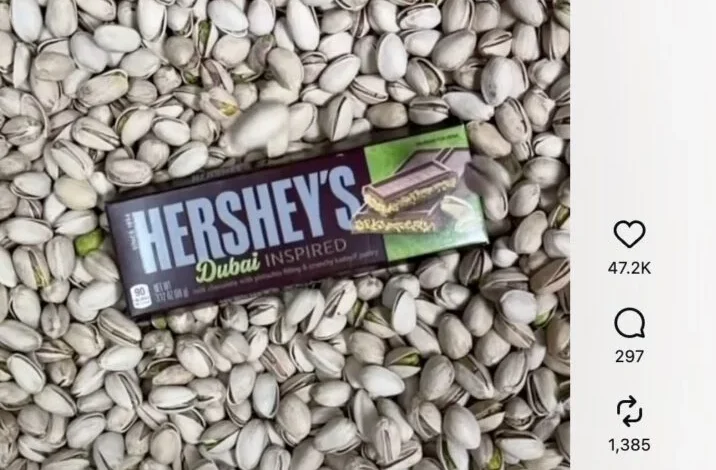
The transition from signal to strategy requires more than just social data; it requires context. The panel on "Signal to Strategy" introduced the concept of the "data sandwich," where social insights are layered with sales data, search trends, and primary market research. This multi-dimensional approach was pivotal for The Hershey Company’s December 2025 activation of the "Dubai Chocolate" trend. By validating social sentiment with broader market data, the brand was able to execute a limited-run product launch with high confidence, mitigating the risks associated with trend-chasing.
The summit also addressed the "social-to-business" translation challenge. Experts advised social teams to avoid technical jargon like "net sentiment" when reporting to non-marketing stakeholders. Instead, findings should be translated into the language of the C-suite: risk mitigation, growth opportunities, and bottom-line impact. By embedding social insights into existing communication channels—such as product team Slack groups or executive briefings—social teams can move from being observers of the business to active participants in its strategy.
The Rise of Trust-Based Influence: Creators and Employees
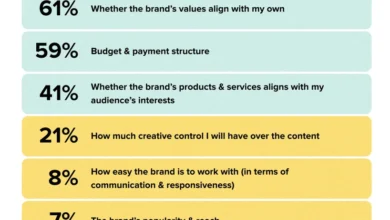
The final segment of the summit shifted focus toward the human element of brand communication. According to the 2026 Influencer Marketing Report, consumer trust in brand-controlled accounts is declining, while trust in creators and employees is on the rise. Notably, 80% of consumers now prioritize creators who have verified experience with the products they promote, rather than those with massive, unverified followings.
This has led to the emergence of the "K-shaped" creator economy, where brands are moving away from one-off, transactional partnerships in favor of long-term, deep-rooted collaborations. These partnerships are increasingly focused on niche, high-trust creators who serve as authentic brand advocates.
Employee-generated content represents an even larger, largely untapped reservoir of trust. Organizations are now developing structured programs to empower employees to act as brand ambassadors. Success in this area requires a delicate balance: providing the resources and assets to lower the barrier to entry, while simultaneously ensuring employees have the autonomy to speak in their own voices. Legal and human resources departments are increasingly becoming partners in this process, helping to define the parameters for employee participation to ensure compliance while maintaining authenticity.

Operational Implications for the Future
The summit concluded by outlining a universal, three-step framework for any organization looking to operationalize social intelligence:
- Identify the Signal: Use AI-driven tools to parse through high volumes of data to identify meaningful patterns, whether it be a change in product sentiment or an emerging market trend.
- Provide Evidence: Contextualize the signal by comparing it to historical data, competitor share of voice, or corroborating research from other business units.
- Execute Action: Transition from reporting to execution. This is the stage where social intelligence becomes a business driver, informing product roadmaps, customer service protocols, and long-term marketing strategy.
The broader implication for the industry is clear: the era of the "social media team" as a standalone entity is ending. In its place is the rise of the social-integrated enterprise. By breaking down the silos that have traditionally separated marketing from product, legal, and executive leadership, organizations can leverage social intelligence to become more responsive, more resilient, and more attuned to the rapidly shifting preferences of their consumer base. The brands that succeed in the coming years will be those that view social data not merely as a metrics-gathering exercise, but as a critical component of their institutional intelligence.