Meta Platforms Wraps Up a Transformative 2020–2022 Era of Platform Updates, Advertising Automation, and Privacy Overhauls

The fourth quarter of 2022 marked the conclusion of a profoundly busy and transitional chapter for Meta Platforms. Over the preceding three years, the tech giant overhauled its core infrastructure, responding aggressively to shifting consumer behaviors, regulatory pressures, and platform competition. Throughout 2022 alone, Meta rolled out sophisticated Reels and Groups features, streamlined ad interfaces, rigorous brand safety protocols, and expansive commerce tools. These changes fundamentally reshaped how marketers and advertisers approach digital strategy on Facebook, Instagram, and WhatsApp. As the digital marketing landscape adapts to greater automation and cross-platform synergy, a comprehensive review of Meta’s trajectory provides vital context for navigating future digital campaigns.

The Evolution of Meta’s Advertising Suite: From Manual Campaigns to Advantage+ Automation
One of the most consequential developments during this period was Meta’s systemic push toward machine learning and automation. Recognizing that advertisers often struggled to keep pace with shifting best practices, Meta consolidated its disparate automated ad products into a unified ecosystem known as the Meta Advantage Suite. This suite was designed to streamline the ad creation process, optimize campaign delivery, and maximize return on investment (ROI) through advanced predictive modeling.
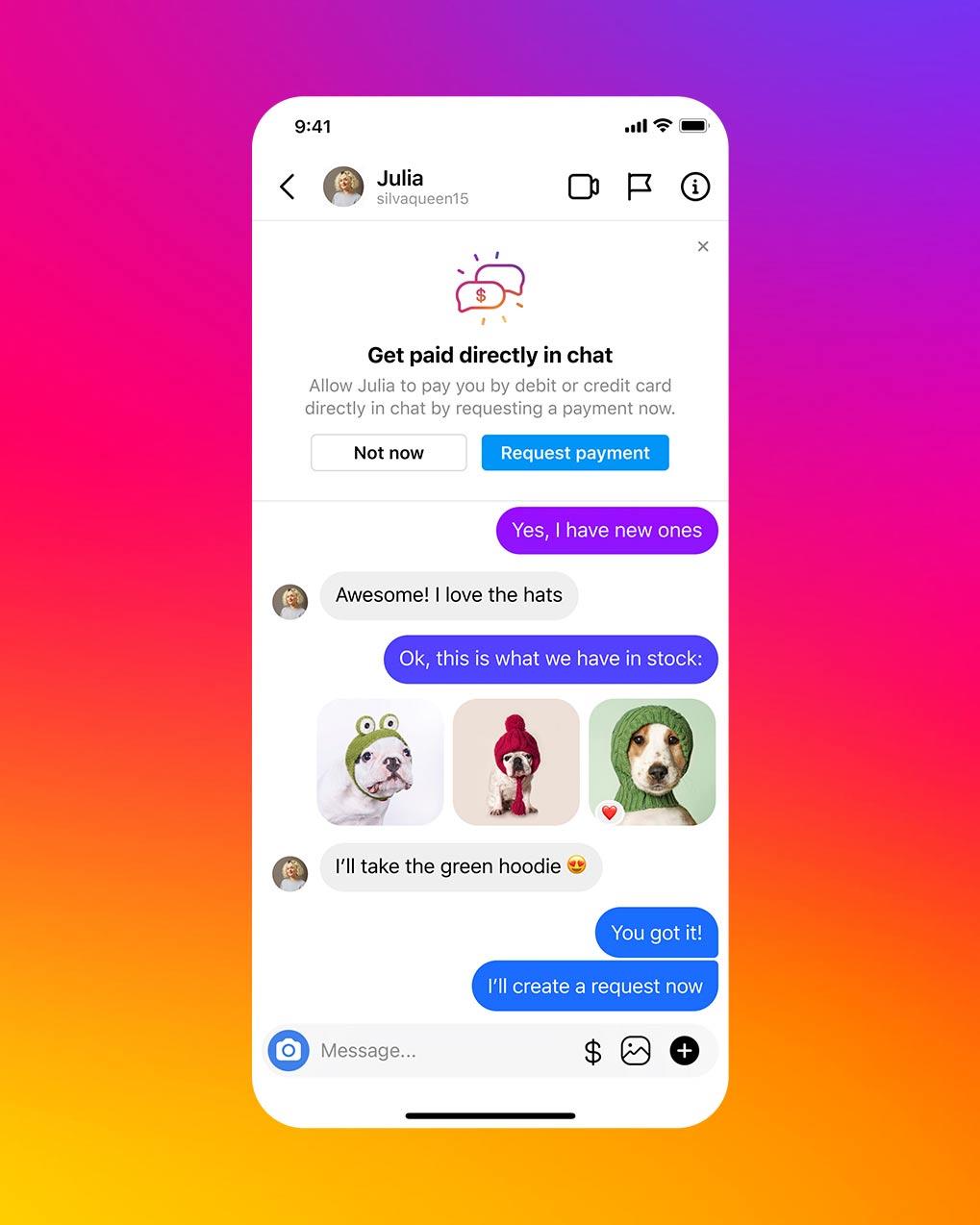
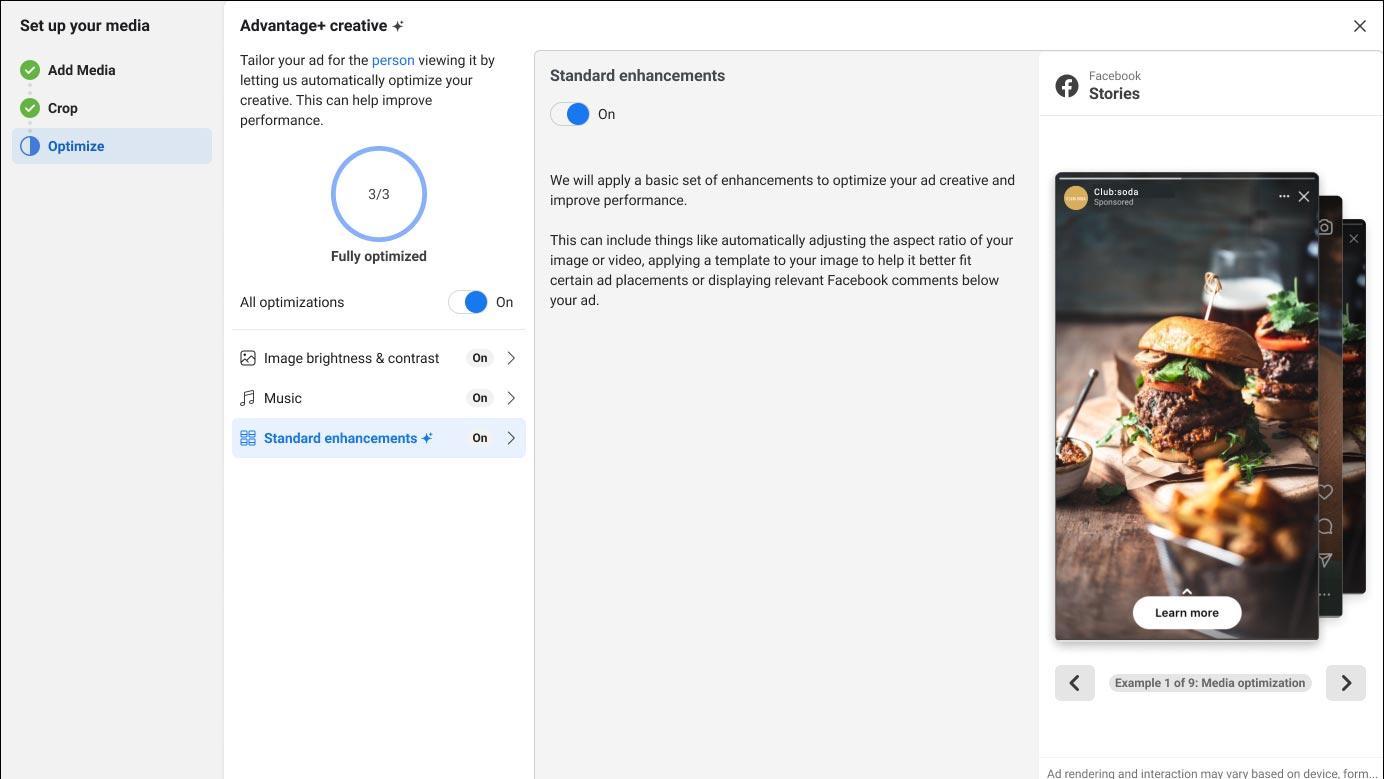
A cornerstone of this automation push was the rollout of Advantage+ shopping campaigns in August 2022. According to internal Meta data shared during initial rollout phases, these automated campaigns enabled advertisers to generate and split-test up to 150 creative options simultaneously, resulting in a reported 12% lower cost-per-purchase conversion compared to standard ad configurations. Alongside Advantage+ shopping, Meta introduced Advantage+ creative, Advantage audience, and Advantage+ app campaigns. These tools dynamically adjusted ad creatives, audiences, and delivery mechanisms based on real-time user behavior, signaling a permanent shift away from manual audience targeting toward algorithmic optimization.
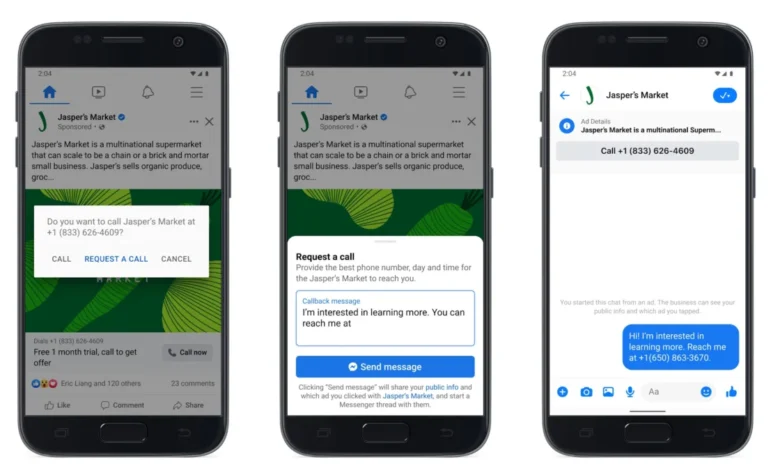
Concurrently, Meta tightened its advertising policies to address growing regulatory scrutiny and consumer privacy demands. The long-anticipated Apple iOS 14.5 AppTracking Transparency (ATT) update, which launched in April 2021, forced platforms to secure explicit user consent before tracking data across third-party apps and websites. This monumental shift significantly impacted website-based retargeting and attribution accuracy, prompting Meta to heavily invest in first-party data tools, aggregated event measurement, and on-platform conversion pathways. To assist advertisers navigating these adjustments, Meta frequently published internal data reports outlining advertising essentials aimed at stabilizing campaign ROI despite constrained tracking capabilities.
Prioritizing Short-Form Video: The Rise of Reels and Transformation of Instagram Feed
Faced with intense competition from rival short-form video platforms, Meta executed a sweeping pivot toward short-form video throughout 2021 and 2022. The company’s flagship short-form video format, Reels, evolved from an emerging feature into the central driver of user engagement, traffic, and revenue across both Facebook and Instagram.
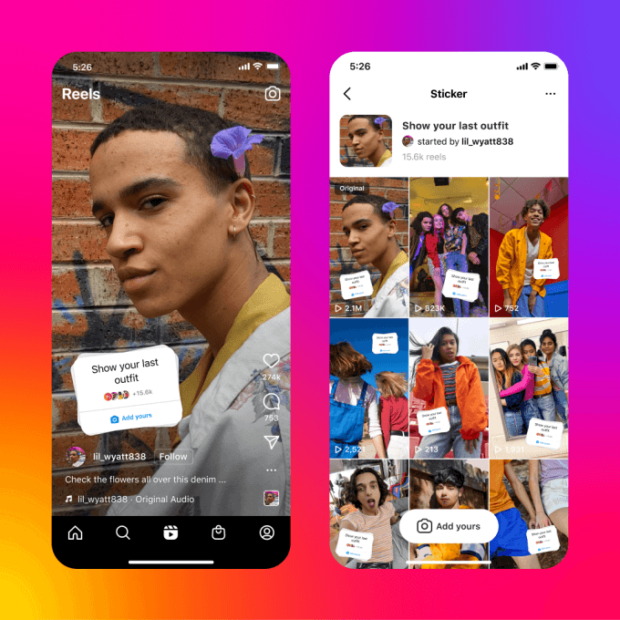
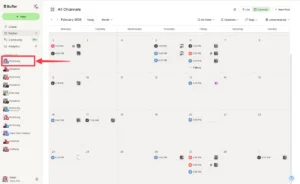
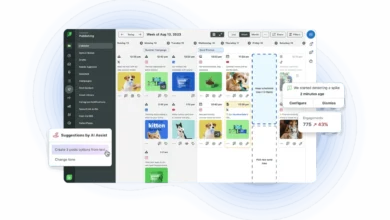
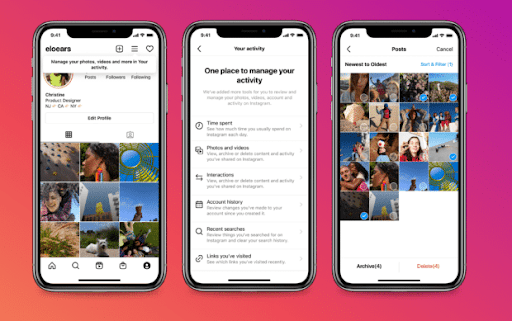
Meta systematically integrated Reels across its entire application ecosystem. In July 2022, Instagram announced that all new video posts under 15 minutes would automatically be shared as Reels, merging the traditional video and Reels profile tabs into a single unified destination. This strategic shift granted all standard video uploads access to Reels’ advanced editing suite, audio libraries, and full-screen vertical formatting. To further incentivize content creation, Meta rolled out native scheduling tools allowing Business and Creator accounts to schedule Reels, photos, and carousel posts up to 75 days in advance directly from the mobile app, alongside third-party API support for automated publishing and analytics via partners like Hootsuite.

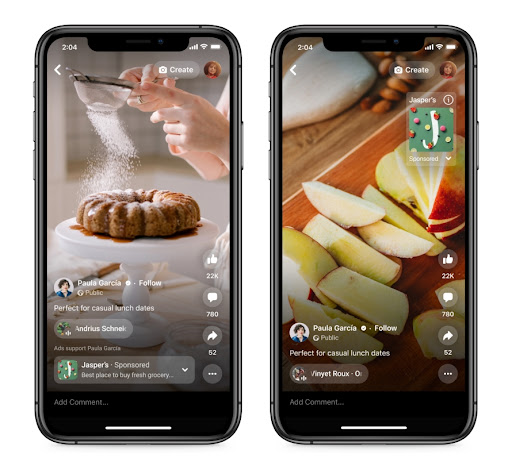
Monetization infrastructure for short-form video scaled rapidly. By early 2022, Facebook Reels had launched globally, accompanied by the testing of Reels Overlay Ads and "Stars on Reels," enabling creators to generate direct revenue streams. Furthermore, Meta expanded ad surfaces to Instagram’s Shop tab and introduced Reels Ads globally, allowing brands to leverage immersive, sound-on, full-screen ad placements that blended seamlessly into organic user feeds.

Social Commerce and Direct-In-Chat Monetization
As digital commerce increasingly converged with social media, Meta aggressively expanded its on-platform shopping and payment infrastructure. In May 2020, the company announced Facebook Shops and Instagram Shops, enabling businesses to establish customizable, mobile-optimized storefronts where customers could browse, save, and purchase products natively without leaving the app.

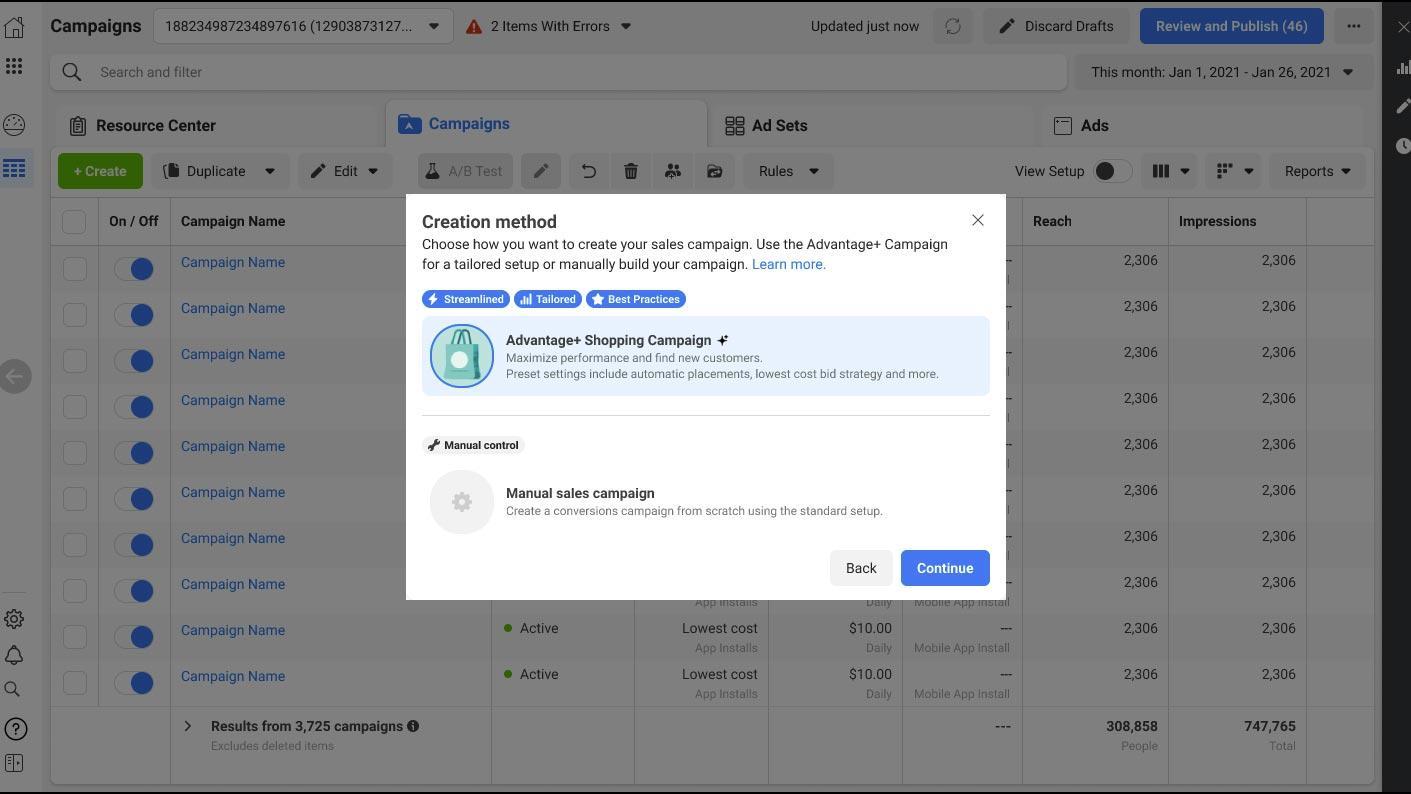
To minimize friction in the purchasing journey, Meta subsequently introduced native payment solutions within direct messages. By late 2022, eligible professional accounts on Instagram could accept payments directly in DMs, allowing customers to settle invoices securely using Meta Pay, credit cards, or PayPal without switching applications. Additionally, Meta expanded Collaborative Ads for local delivery—a feature specifically optimized for grocery stores and restaurants—to ensure local consumer packaged goods brands could bridge digital discovery with rapid local fulfillment.

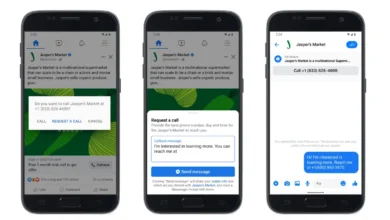
These commerce initiatives were complemented by significant expansions in business messaging tools. Meta integrated WhatsApp into its centralized Meta Business Suite inbox, allowing business owners to manage customer inquiries across Facebook Messenger, Instagram Direct, and WhatsApp from a single unified dashboard. Furthermore, the rollout of the Messenger API for Instagram enabled brands to connect their accounts to external customer relationship management (CRM) systems, revolutionizing high-volume customer service and lead generation.
Brand Safety Milestones and Privacy Compliance
Amid ongoing public debate regarding platform integrity, brand safety, and content moderation, Meta pursued stringent third-party accreditations and internal policy refinements. In November 2022, Meta achieved a major brand safety milestone when the Media Rating Council (MRC) granted accreditation for content-level Brand Safety on Facebook. Independent audits reviewed Meta’s Partner Monetization Policies, Content Monetization Policies, and associated suitability controls applied to Instant Articles and In-Stream videos across desktop and mobile platforms.
To further protect intellectual property rights in the digital commerce era, Meta introduced the IP Reporting API in October 2022. This infrastructure streamlined how rights holders reported copyright, trademark, and counterfeit violations across Facebook and Instagram, integrating directly with Graph API reporting forms and enhancing the existing Brand Rights Protection suite.
Concurrently, Meta instituted sweeping regulatory compliance measures, such as supporting the California Consumer Privacy Act (CCPA) through its "Limited Data Use" framework and overhauling its ad review process to provide greater transparency regarding automated versus human moderation. Notably, in November 2021, Meta permanently shut down its facial recognition system and deleted the individual templates of over a billion users, citing growing societal concerns over the lack of clear regulatory frameworks governing biometric technology.
The Strategic Vision for 2023 and Beyond
As Meta concluded its intensive restructuring phase at the close of 2022, the company’s strategic priorities for 2023 crystallized around four key pillars: the continued scaling of Reels as an engagement and commerce engine, the expansion of community-building tools within Facebook Groups, the deeper integration of Advantage+ machine learning automation across ad portfolios, and sustained investments in the metaverse.
Despite skepticism regarding commercial returns—highlighted by over $36 billion invested in virtual and augmented reality development by CEO Mark Zuckerberg through late 2022—Meta signaled an unwavering commitment to bridging physical and digital spaces through hardware like the Quest ecosystem and software developments such as Horizon Worlds.
Industry analysts observe that Meta’s multifaceted evolution reflects a mature digital conglomerate successfully defending its market share against formidable macroeconomic and competitive headwinds. By balancing aggressive algorithmic automation with rigorous brand safety measures and enhanced e-commerce utilities, Meta positioned its platform suite to deliver sustained utility for global advertisers entering the 2023 fiscal year.