The Evolution of Social Media Audience Segmentation as a Strategic Business Intelligence Engine


In the contemporary digital landscape, social media has transitioned from a mere engagement channel into a vital repository of real-time human intelligence. For global enterprises, the platform ecosystem represents an unfiltered goldmine of consumer preferences, behavioral triggers, and emerging market trends. As market volatility increases and consumer trust faces erosion due to the prevalence of undifferentiated AI-generated content, the methodology behind audience segmentation has undergone a fundamental shift. Today’s industry leaders are moving away from static, demographic-based modeling—which often relies on outdated CRM data or self-reported profiles—in favor of dynamic, conversation-driven segmentation. This evolution enables organizations to optimize capital allocation, identify untapped market opportunities, and drive revenue through highly personalized engagement strategies.
The Shift from Static Demographics to Dynamic Behavioral Intelligence
Historically, marketing teams relied on "the big three" of segmentation: age, gender, and location. While these data points remain useful for foundational targeting, they are increasingly insufficient in an era where user identity is fluid and often protected by privacy-conscious behaviors. According to the Q1 2026 Sprout Pulse Survey, two-thirds of consumers report a heightened level of selectivity regarding online interactions compared to the previous year. Furthermore, 56% of respondents expressed frustration with "AI slop"—generic, repetitive content that lacks authentic value.

The shift toward behavioral and psychographic segmentation is not merely a tactical choice; it is a defensive maneuver against the degradation of consumer attention. By analyzing live engagement, sentiment, and thematic discourse, brands can now categorize audiences based on what they value and how they act, rather than who they appear to be on a digital ID card. This transition marks the emergence of "Social Media Intelligence" (SOCMINT) as a core pillar of modern business strategy, allowing firms to pivot from broad-brush assumptions to precision-led execution.
The Four Pillars of Modern Social Segmentation
To effectively categorize an audience in the modern digital age, organizations must synthesize four distinct data streams.
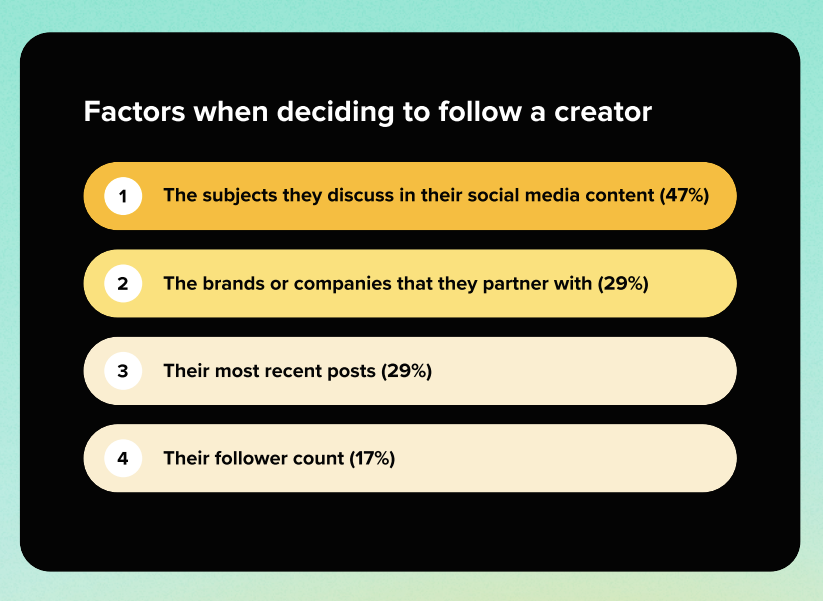
Demographic segmentation remains the baseline, utilizing self-disclosed profile information. However, its predictive power has diminished. Recent industry reports indicate that fewer than one in five consumers prioritize an influencer’s follower count when determining credibility, favoring content relevance instead. Consequently, demographics are now treated as a contextual overlay rather than a primary driver.
Psychographic segmentation is the second pillar, focusing on internal motivations, values, and attitudes. By monitoring comments and shares, brands can identify "tribes"—such as environmentally conscious consumers or value-oriented shoppers—and tailor messaging to resonate with their belief systems.
Behavioral segmentation serves as the third, and arguably most important, pillar. This involves observing how a user interacts with content: their preferred formats (e.g., long-form video vs. short-form clips), their engagement frequency, and the topics they champion. This behavioral data provides a window into the consumer’s decision-making process, allowing brands to address pain points before they escalate into crises.
Finally, geographic segmentation has moved beyond mere city-level mapping. It now incorporates regional linguistic nuances, local trends, and cultural specificities. When combined with behavioral overlays—such as tracking regional discussions on parenting challenges or economic concerns—geographic data becomes a powerful tool for localized product launches and service improvements.
The Technological Infrastructure of Data-Driven Segmentation

The transition to this high-fidelity segmentation requires a robust technological stack. Social listening platforms have evolved into discovery engines capable of parsing billions of data points to identify trends before they hit the mainstream.
Consider the case of e.l.f. Cosmetics, which identified a consumer-led trend involving the repurposing of foundation bottles into DIY lip glosses. By leveraging social listening, the brand was able to launch a dedicated campaign that garnered 85 million organic views and, eventually, a limited-edition product kit. Similarly, Oatly utilized social sentiment regarding matcha lattes—tracked across platforms like Reddit and TikTok—to inform its R&D team and successfully launch a new beverage line.
These successes are increasingly augmented by CRM integrations. By connecting social media engagement data with Salesforce or HubSpot, businesses can map "social intent" to "customer lifetime value." This allows companies to validate whether an emerging social trend represents a genuine revenue opportunity or a transient digital fad. Furthermore, AI-driven analysis—such as the use of specialized AI agents—is streamlining the labor-intensive process of tagging and coding data. These systems act as a 24/7 digital workforce, flagging anomalies and sentiment shifts that would otherwise remain hidden in the noise of global conversation.
Building a Cross-Functional Intelligence Strategy

A successful segmentation strategy follows a rigorous, five-step cyclical process:
-
Defining Business Objectives: Whether the goal is brand awareness or lead generation, the segmentation strategy must be anchored in specific KPIs. A lead-generation strategy should prioritize segments displaying high-intent behaviors, such as questioning product warranties or engaging with pricing content.
-
Aggregating Intelligence: Teams must consolidate native platform analytics with social listening streams. By employing sophisticated Boolean search queries, brands can filter out high-volume "noise" and focus on the specific keywords and sentiment markers that drive business value.
-
Identifying Patterns: Data must be sorted into actionable "listening themes," such as product misconceptions, competitor complaints, or emerging category trends. This allows for proactive rather than reactive management.

-
Validating via Business Data: Social insights must be cross-referenced with internal data. If a segment is discussing a specific product feature, does CRM data confirm these users are high-value customers or long-term subscribers? Validation ensures that strategy is grounded in fiscal reality.
-
Activating Across Departments: The ultimate success of social segmentation lies in its application outside the marketing department. When segment-level insights are routed to Customer Experience (CX) or Product Development teams, the business gains the ability to proactively address friction points, improve product roadmaps, and enhance customer retention.
The Strategic Implications of the "Intelligence Engine"
The broader impact of these practices is the elevation of social media from a tactical department to a center of business intelligence. Despite the clear benefits, current data suggests a significant gap in organizational maturity. The 2026 Social Intelligence Report highlights that while 45% of organizations report improved customer retention through social insights, only 36% of companies successfully disseminate this data outside of the marketing team. R&D departments, in particular, remain disconnected from these insights, receiving relevant social data only 18% of the time.

This disconnect represents a major competitive disadvantage. Organizations that treat segmentation as a "one-off" marketing exercise are effectively operating with a blindfold. Conversely, those that treat it as a live, iterative intelligence system are better positioned to weather market shifts and capitalize on consumer demand in real-time.
Looking toward the future, the divide between industry leaders and laggards will be defined by their ability to synthesize unstructured social data into structured business action. As AI continues to refine the speed and accuracy of pattern detection, the organizations that succeed will be those that foster a culture of cross-functional transparency. By breaking down the silos between marketing, sales, and product development, companies can transform the volatile, chaotic nature of social media into a reliable, evergreen source of strategic growth. The era of static customer personas is effectively over; in its place stands the era of the dynamic, insight-driven intelligence engine.
Related posts: