The Ultimate Blueprint for Launching and Optimizing a Facebook Business Page in the Modern Digital Economy

With nearly two billion daily active users frequenting the platform, Facebook remains an indispensable digital cornerstone for enterprises seeking direct engagement with global consumer bases. Recent corporate filings indicate that over 200 million businesses leverage Facebook’s ecosystem of free and paid tools to cultivate brand equity and drive conversions. Among these foundational resources, a well-optimized Facebook Business Page serves as the primary digital storefront for brands, organizations, and public figures. Establishing and refining this asset requires a methodical approach that aligns technical platform capabilities with broader organizational marketing strategies.
The Strategic Imperative of a Facebook Business Presence
The modern consumer journey frequently begins with a digital search, making an authoritative social media presence critical for enterprise survival. Historically, digital marketing relied heavily on traditional search engine optimization and outbound advertising. However, the rise of social commerce has shifted consumer expectations toward conversational, community-driven brand interactions. A Facebook Business Page allows organizations to consolidate their digital footprint, linking seamlessly to advanced enterprise tools such as Facebook Ad Manager, Commerce Manager, and conversational commerce channels like WhatsApp.
Market analysts note that companies utilizing structured social media profiles experience significantly higher rates of customer retention and brand recall. Because these pages integrate directly with robust analytics engines, businesses can transition away from speculative marketing toward data-backed decision-making.
Foundational Chronology: Setting Up Your Page
The process of establishing a commercial presence on Facebook follows a strict administrative hierarchy. Every business page must be anchored to an authorized personal user profile, ensuring accountability and secure permission management. While personal profile details remain strictly confidential and hidden from public view on the business page, they serve as the administrative gateway for management duties.
Phase 1: Identity and Categorization
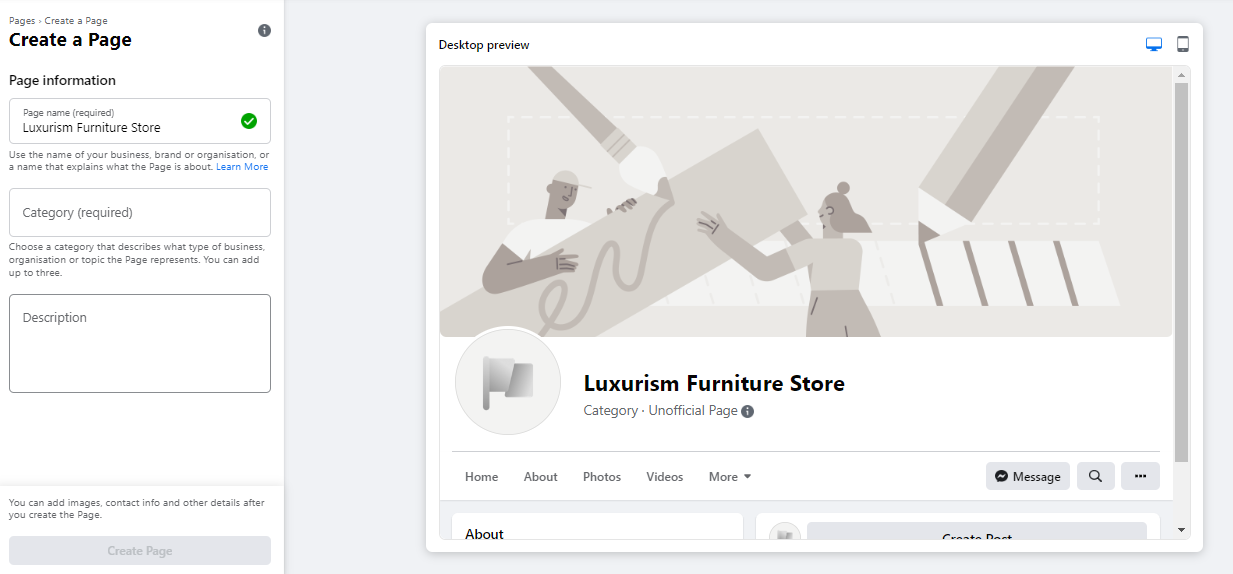
The initialization phase begins at the dedicated page creation portal, where administrators input core organizational data. Precision during this stage directly impacts discoverability.
- Page Naming Conventions: Enterprises must select a moniker that mirrors their legal entity or the precise search terms potential customers are likely to type into the platform’s search bar.
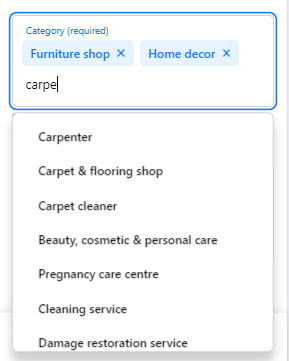
- Categorization: Businesses can select up to three distinct industry categories. This classification dictates how Facebook’s recommendation algorithms categorize the brand and present it to interested users.
- Descriptive Summaries: A concise, 255-character maximum biography must summarize the organization’s core value proposition, appearing directly within search engine previews.
Phase 2: Visual Branding and Asset Deployment
Visual identity acts as the primary differentiator in a crowded digital marketplace. Once the skeletal framework of the page is established, administrators must upload high-resolution graphical assets.
The profile picture—recommended at 180 by 180 pixels—appears adjacent to the brand name across all search results and community interactions. Corporations typically deploy registered logos, whereas public figures utilize professional portraits. Simultaneously, the cover photo (recommended at 1640 by 856 pixels) acts as a dynamic billboard at the top of the profile, communicating brand ethos and premier offerings at a glance. Both assets must be previewed across desktop and mobile viewports to ensure critical visual elements are not obscured by responsive cropping.

Phase 3: Communication Channels and Vanity URLs
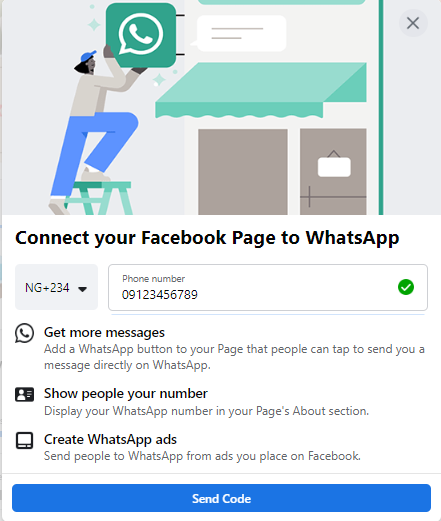
Modern consumers demand immediate access to customer service. During the setup workflow, administrators are prompted to integrate communication pipelines such as WhatsApp Business. This integration allows enterprises to deploy direct messaging call-to-action (CTA) buttons and route paid traffic straight into private messaging funnels.
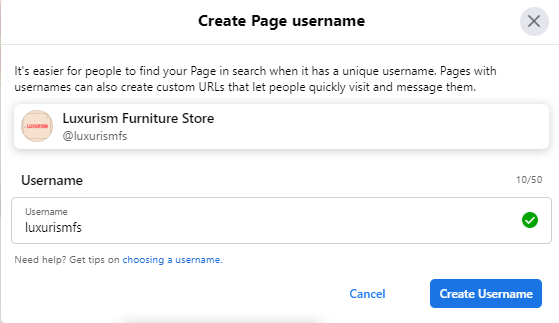
Concurrently, establishing a customized username—or vanity URL—secures a clean, memorable web address (e.g., facebook.com/YourBusinessName) up to 50 characters in length. This uniform identifier aids in cross-platform promotional efforts and traditional collateral printing.

Phase 4: Comprehensive Information Architecture
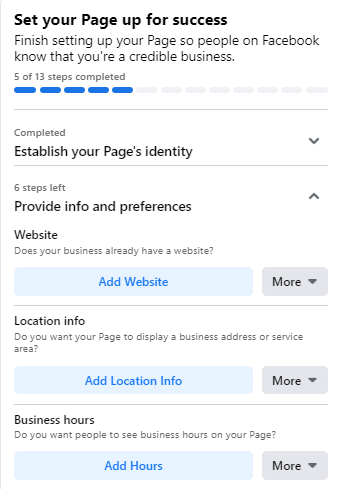
Industry experts strongly advise against leaving the "About" section sparse. Consumer behavior studies reveal that prospective buyers routinely abandon profiles lacking basic transparency markers, such as physical addresses, operating hours, or validated websites.
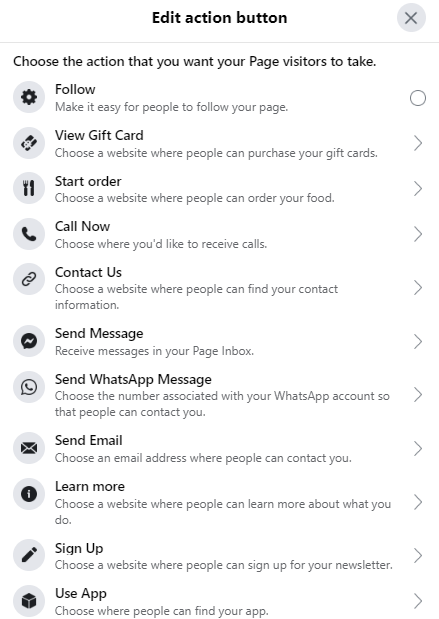
Furthermore, integrating a primary call-to-action button—such as "Book Now," "Shop On Website," or "Send Message"—removes friction from the buyer journey, actively guiding visitors toward predetermined conversion goals. If extensive data entry requires internal coordination, administrators can temporarily unpublish the page via the general settings menu without losing completed configuration data.
Phase 5: Content Seeding and Community Cultivation
Before initiating public promotional campaigns, a newly minted page must contain sufficient value to retain incoming traffic. Administrators should deploy an initial batch of informative posts, industry insights, or multimedia content.
Once populated, the foundational audience-building phase begins. Page owners can utilize native tools to invite existing personal connections, while simultaneously embedding social icons across corporate email signatures, external websites, and auxiliary social networks like LinkedIn or X (formerly Twitter).
Advanced Optimization and Algorithmic Mastery
Simply launching a business page is insufficient in an era of intense digital saturation. Sustained growth requires continuous optimization, analytical tracking, and strategic community engagement.
Leveraging Facebook Page Insights
Data analytics forms the bedrock of modern digital marketing. Facebook Page Insights provides a granular breakdown of audience demographics, including age, geographic distribution, gender, and device utilization. By monitoring specific metrics—such as website clicks, CTA button interactions, and individual post reach—marketers can refine their content calendars to focus exclusively on high-performing topics and formats.
Algorithmic Prioritization via Pinned Posts
To ensure critical messaging is never buried by subsequent updates, page administrators can utilize the pinning function. By affixing a high-value announcement—such as a product launch, seasonal promotion, or corporate event—to the top of the feed, brands guarantee maximum visibility for every unique visitor landing on the profile.
B2B Networking and Ecosystem Integration
Social media platforms are inherently relational. By utilizing the "Like as Your Page" functionality, businesses can connect, comment, and collaborate with non-competing industry peers, local enterprises, and complementary service providers. This cross-pollination builds digital authority and exposes the brand to adjacent consumer segments. Furthermore, active participation in relevant Facebook Groups under the official business persona establishes subject matter expertise and organic trust.
Structural Customization and Governance
As enterprises scale, administrative burdens multiply. Utilizing Facebook templates and custom tabs allows organizations to tailor their page layout to specific operational models—such as retail, restaurants, or professional services.
For larger organizations, transitioning from basic page roles to the centralized architecture of Meta Business Manager is essential. This shift permits precise permission controls, safeguarding corporate assets by delineating specific responsibilities among internal marketing teams, external creative agencies, and third-party contractors.

Broader Implications for Digital Commerce
The institutional shift toward integrated social media ecosystems highlights a permanent evolution in commercial marketing. As platforms like Facebook continue to blur the lines between social networking, content consumption, and direct e-commerce, the business page has transformed from a static digital brochure into a dynamic operational hub.
Organizations that invest time in rigorous page optimization, data-driven content adaptation, and responsive community management position themselves to capture high-intent consumer traffic efficiently. Conversely, entities that neglect these foundational digital storefronts risk forfeiting market share to more agile, digitally fluent competitors. As digital algorithms evolve, adherence to structured optimization best practices remains the definitive metric for sustainable social media return on investment.
Related posts: