A Comprehensive Guide to Navigating Meta Ads Manager and Running Successful Facebook Advertising Campaigns in 2026

The initial encounter with Meta Ads Manager often presents a steep learning curve for digital marketers and business owners alike. Despite intuitive technological inclinations, the platform’s dense array of configurations, targeting parameters, and structural layers frequently overwhelms newcomers upon first access. However, mastering the ecosystem becomes entirely manageable when approached through a structured, sequential workflow. Given that Meta platforms boast a global user base exceeding three billion individuals, the commercial imperative for establishing an effective presence within this digital advertising infrastructure remains exceptionally high.
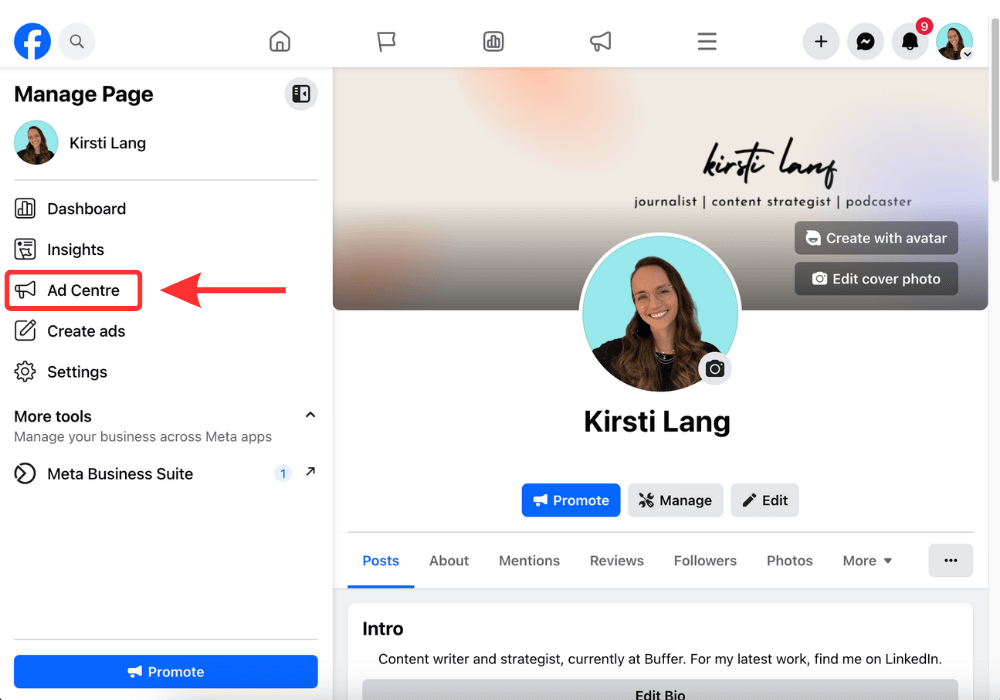
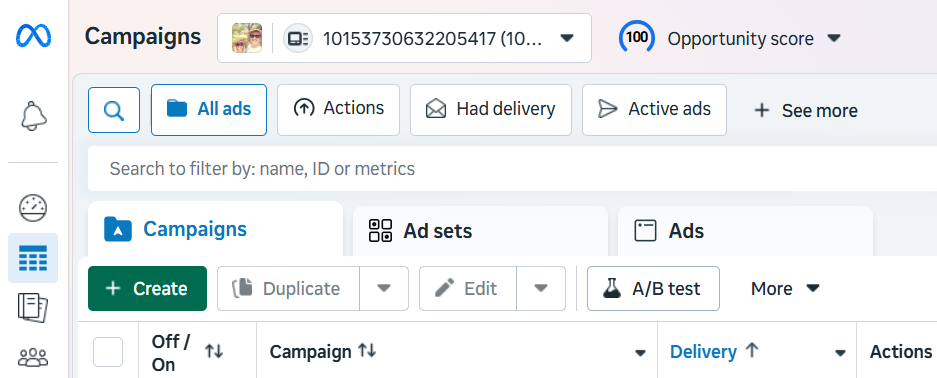
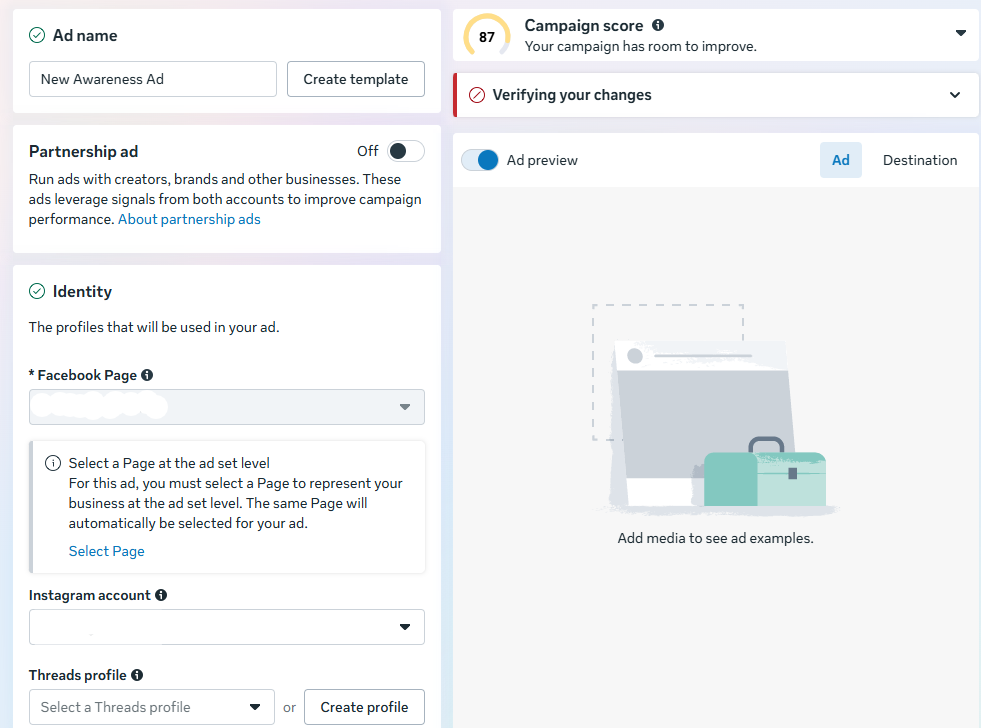
Executing a successful campaign requires navigating a hierarchical three-tier architecture: campaigns, ad sets, and individual advertisements. Advertisers must establish a Meta Ads Manager account, maintain an active Facebook Page, and link a verified payment method before selecting appropriate buying types, campaign objectives, financial allocations, and audience demographics. By understanding this systematic progression, organizations can systematically transition from initial setup to live deployment and performance analysis.
Strategic Imperatives for Facebook Advertising
The primary value proposition of advertising on Meta platforms lies in sophisticated audience targeting capabilities. Unlike organic posting models—where distribution is largely dictated by algorithmic shifts outside the administrator’s control—paid advertising enables organizations to pinpoint consumers based on specific life events, occupational histories, and recent purchasing behaviors.
Furthermore, Meta’s integration across both Facebook and Instagram streamlines multi-channel distribution. Advertisers can deploy campaigns simultaneously across both ecosystems from a single interface, expanding audience reach well beyond conventional single-network limitations. Real-time analytics dashboards, paired with the installation of the Meta Pixel or Conversions API, allow enterprises to monitor conversions, track user behavior on external websites, and dynamically reallocate resources based on empirical performance metrics.
Foundational Setup and Campaign Architecture
Before accessing the Ads Manager interface, organizations must define clear advertising goals that align with broader marketing strategies. Objectives such as lead generation, app installations, or direct sales dictate how Meta’s delivery systems optimize ad distribution.
The campaign creation workflow involves several critical decision points:
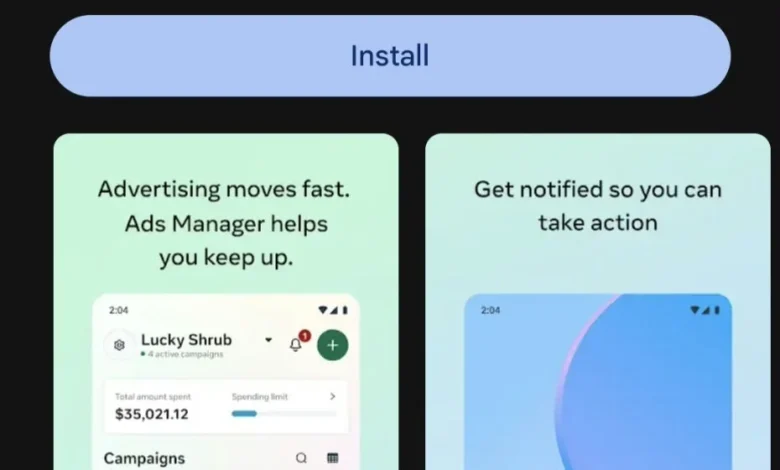
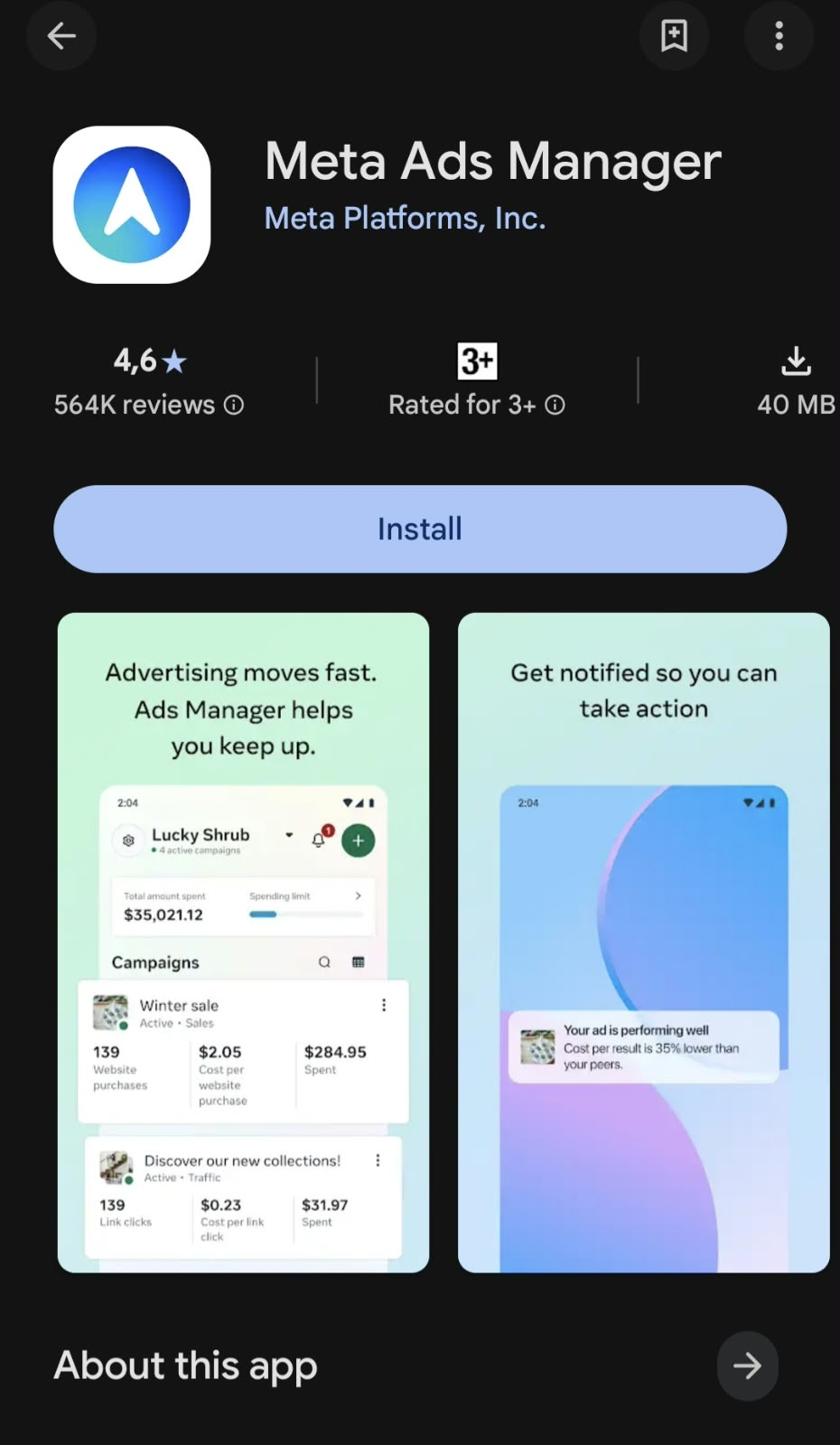
- Accessing Ads Manager: Administrators navigate directly via desktop interfaces or utilize the dedicated Meta Ads Manager mobile application available for iOS and Android devices.
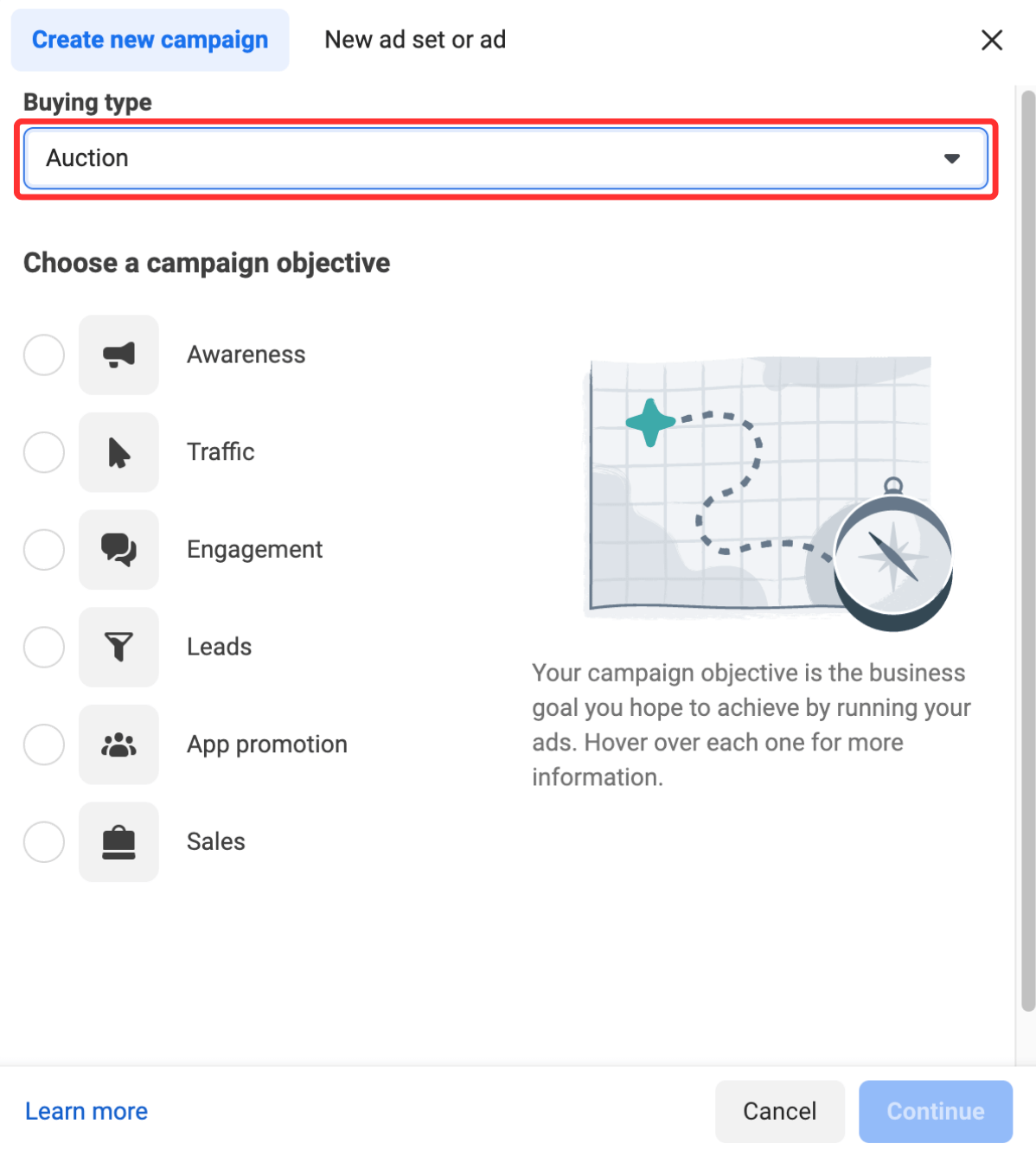
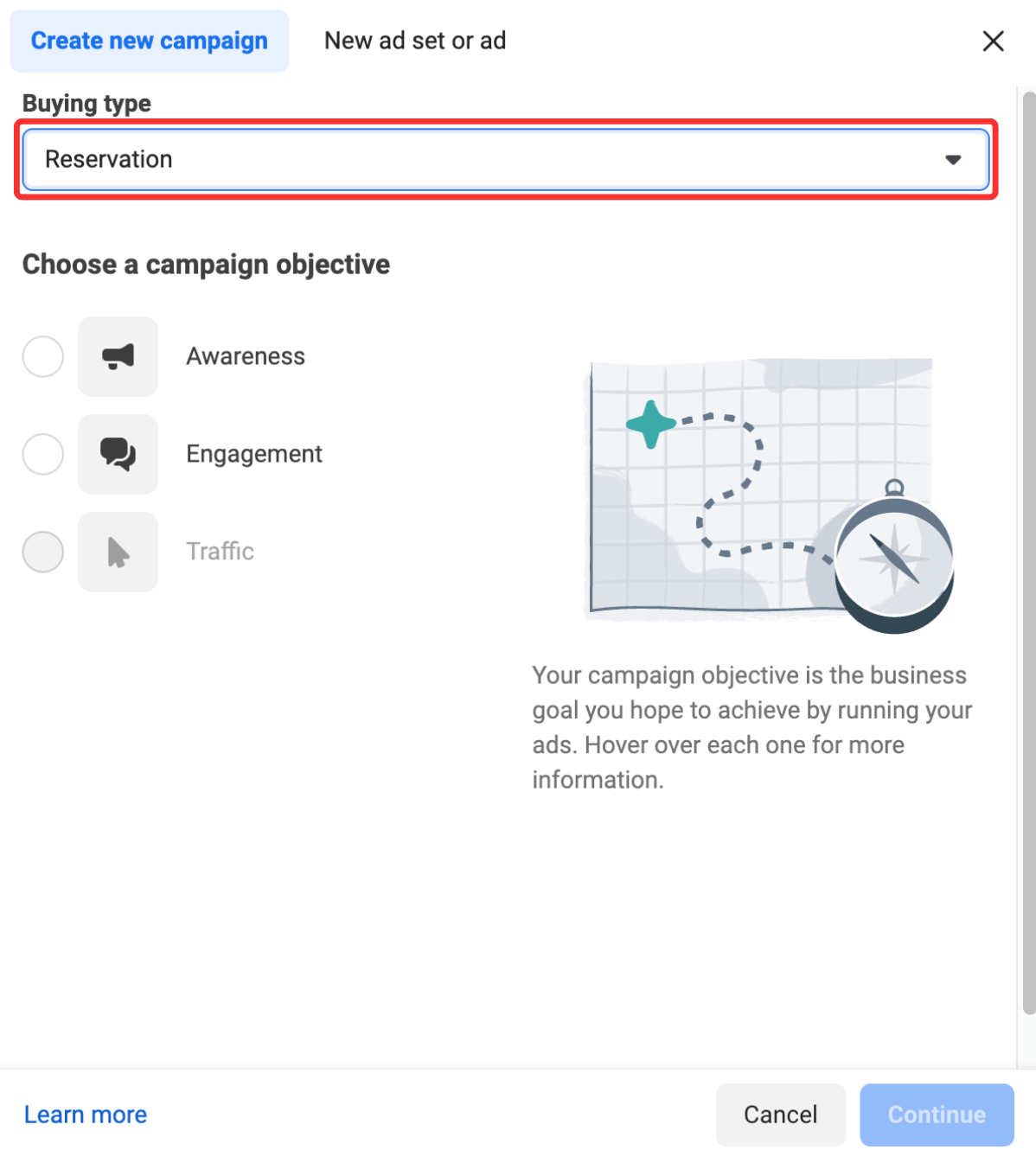
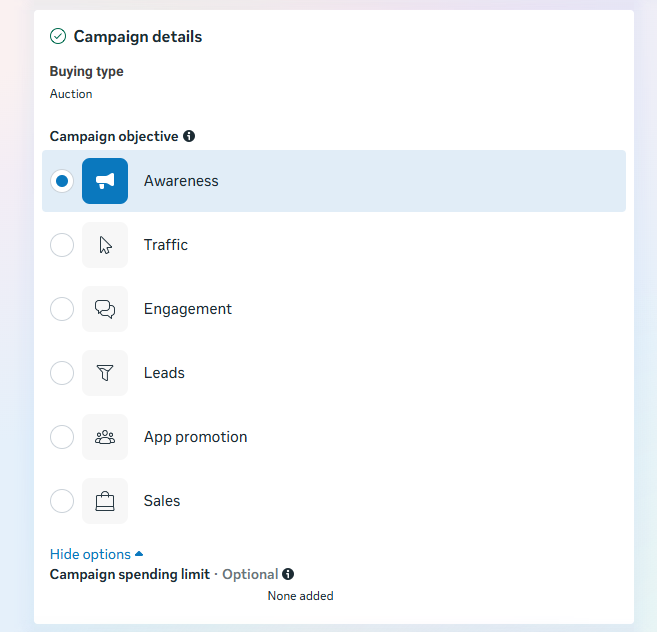
- Selecting Buying Types: Advertisers choose between Auction models, which offer operational flexibility and variable results, and Reservation models, which provide predictable delivery and fixed planning parameters primarily suited for awareness and engagement objectives.
- Establishing Objectives: Campaign goals are categorized into six core areas: Awareness, Traffic, Engagement, Leads, App Promotion, and Sales.
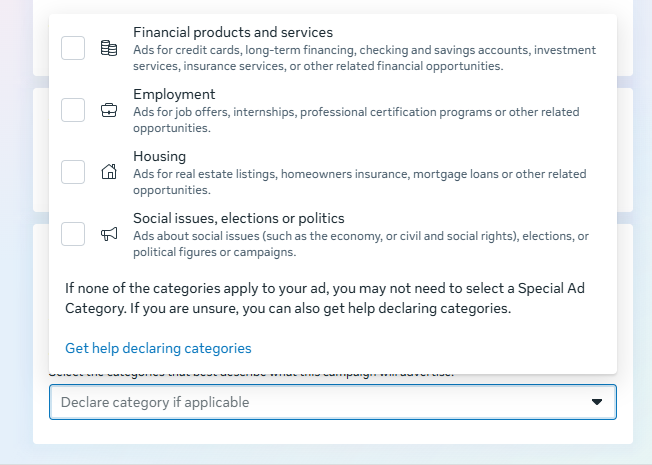
- Setting Special Ad Categories: Campaigns involving credit, employment, housing, or political topics must declare compliance designations to adhere to regional advertising standards.
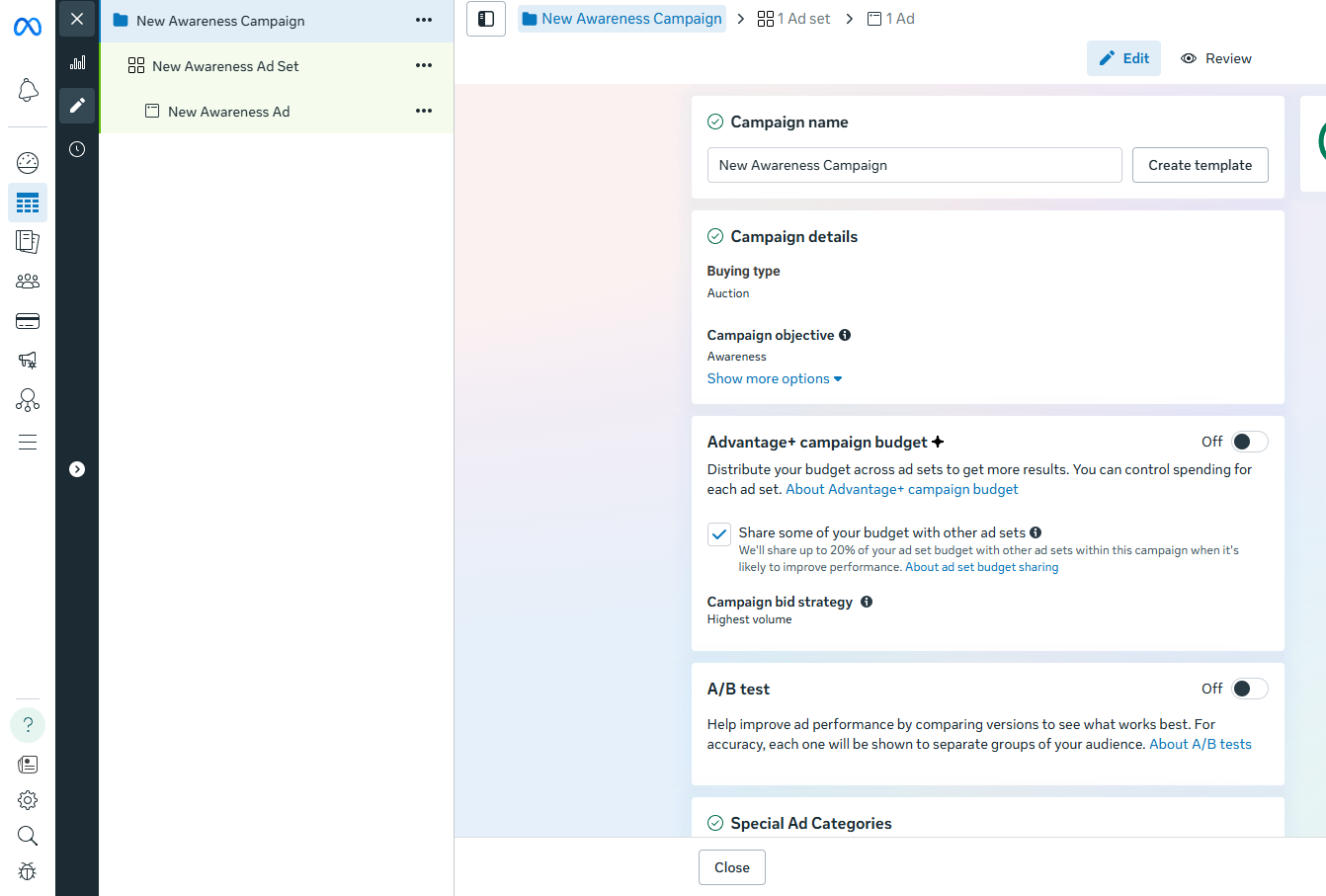
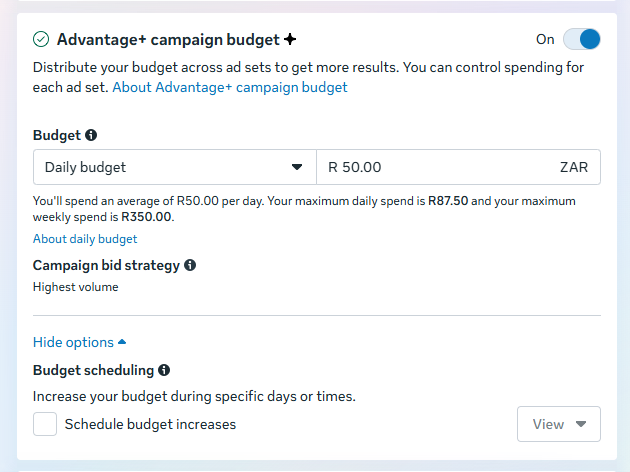
- Configuring Budgets and Schedules: Financial allocations can be designated on a daily basis or structured as a lifetime budget. Advertisers may also utilize Advantage+ campaign budgets to automatically distribute funds across multiple ad sets in real time.
Audience Targeting and Placement Strategies
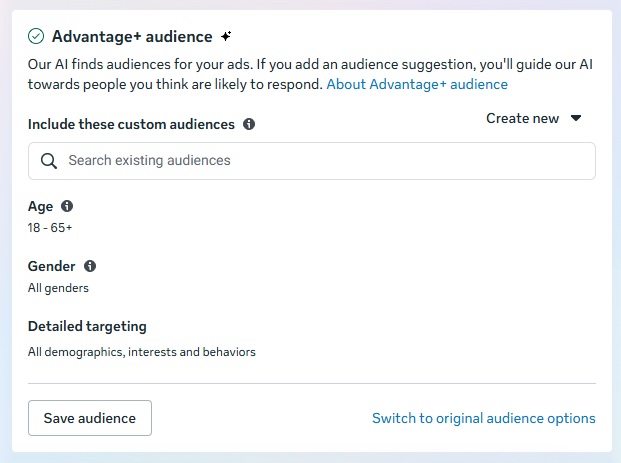
Meta’s targeting infrastructure relies heavily on automated, AI-driven solutions alongside manual controls. The introduction of Meta Advantage+ audience settings shifts traditional detailed demographic, interest, and behavior targeting toward automated systems. Meta’s machine learning algorithms continuously analyze user signals to identify prospective buyers most likely to complete designated conversion actions.
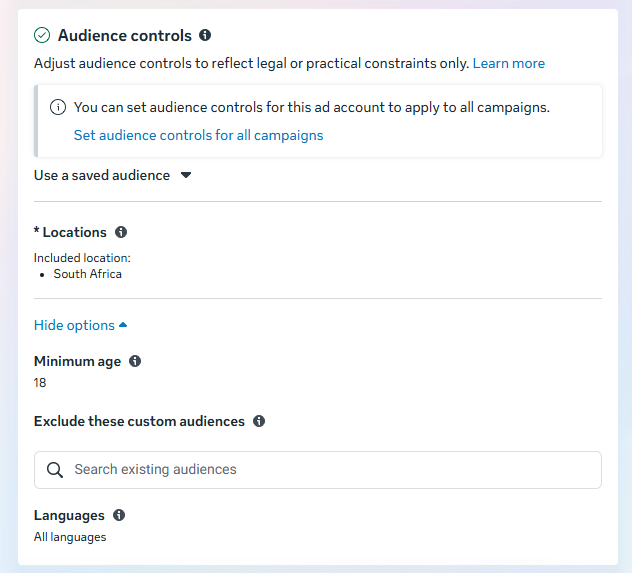
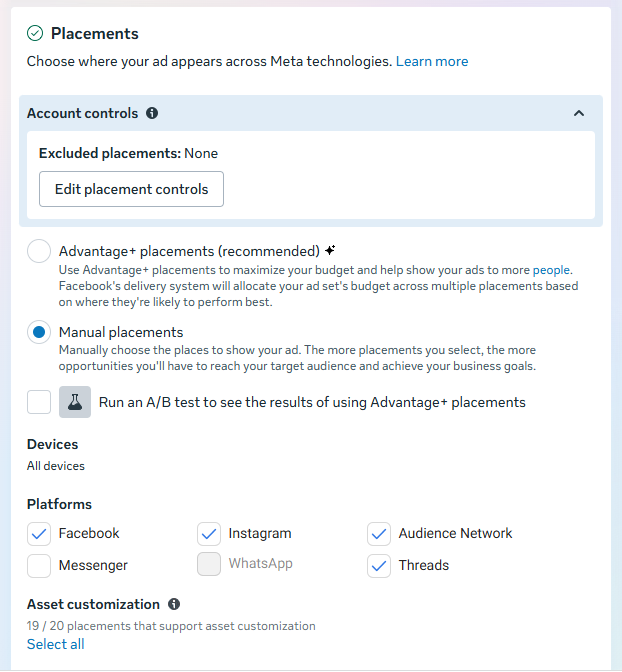
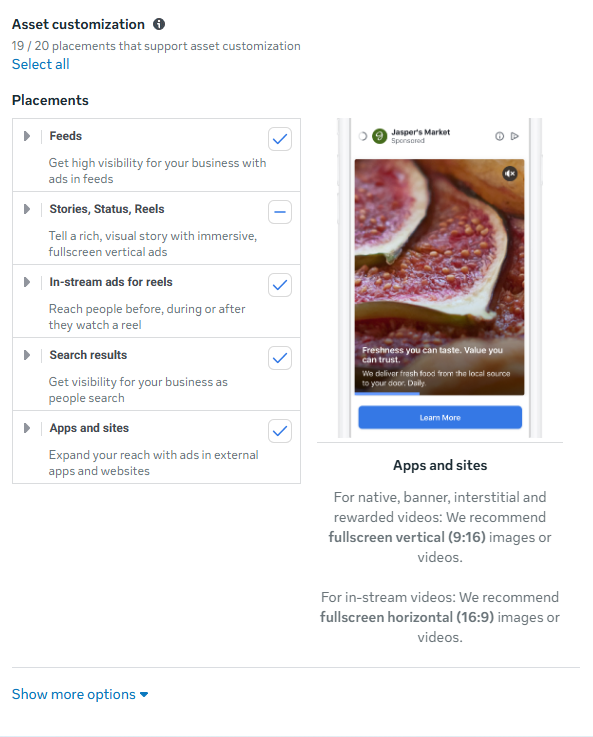
Simultaneously, traditional custom audiences and manual controls remain accessible for seasoned marketers seeking precise demographic boundaries. Ad placements can likewise be managed through Advantage+ automated placements or configured manually across feeds, stories, reels, and messaging applications within the Meta network.
Creative Formats, Media Specifications, and Financial Considerations
Ad creative execution requires strict adherence to platform specifications to avoid asset degradation across various placements. Formats include single images or videos, multi-asset carousels, and collection layouts optimized for mobile user experiences. Destinations upon user interaction typically encompass external websites, instant mobile experiences, direct phone calls, or messaging threads via Facebook Messenger, Instagram, or WhatsApp.
Financial investment structures remain flexible, with baseline campaign requirements starting at minimal daily thresholds. Average costs per click (CPC) vary significantly across industrial sectors, ranging from approximately $0.45 for apparel to over $3.50 for finance and insurance services. Industry benchmarks indicate that competitive dynamics heavily influence overall expenditure, necessitating careful alignment between financial commitments and expected return on investment.
Performance Optimization and Review Processes
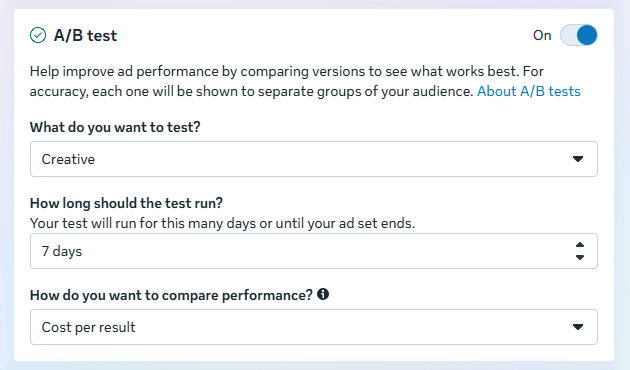
Following publication, Meta subjects all advertisements to a standard review process to ensure compliance with community standards and advertising policies, typically concluding within 24 hours. Once active, campaigns enter an initial learning phase during which algorithms test delivery across varied audience segments. Industry analysts recommend allowing campaigns to run uninterrupted for three to seven days before implementing structural adjustments, ensuring sufficient empirical data is gathered to inform strategic optimization. Through disciplined tracking of key performance indicators—such as reach, conversion rates, and cost per result—enterprises can continuously refine their digital outreach and maximize commercial returns.