The Rise of Social Commerce: How Social Media Platforms Are Transforming Global Retail and Reshaping the Consumer Journey


Global ecommerce sales continue to break historic records, projected to scale past $5.5 trillion worldwide. This immense upward trajectory underscores the viability of digital retail as an indispensable business model for enterprises of all sizes. However, the modern digital marketplace is no longer confined to traditional standalone web stores, branded applications, or multi-vendor platforms like Shopify and WooCommerce. Instead, a paradigm shift is quietly redefining digital retail: direct commerce executed seamlessly within social media ecosystems.
This burgeoning phenomenon, widely recognized as social commerce, transforms social networking sites from passive spaces of product discovery into active, end-to-end transaction hubs. For modern brands aiming to capture elusive consumer demographics, understanding and integrating social commerce into a broader retail strategy has transitioned from an experimental tactic to an economic necessity.

Defining Social Commerce and Its Evolution
At its core, social commerce refers to the process of researching, discovering, buying, and selling products or services directly within a social media application. Unlike traditional ecommerce—where consumers are forced to navigate away from content feeds, open external web browsers, load separate landing pages, and manually input payment credentials—social commerce retains the user inside the native application environment.
The historical evolution of this retail model began modestly over a decade ago. Initially, platforms utilized rudimentary outbound links, allowing users to click a product image that redirected them to an external online storefront. Over time, advancements in user interface design, secure in-app mobile wallets, and application programming interfaces (APIs) allowed major technology conglomerates to engineer native checkout mechanisms. Today, digital giants including Facebook, Instagram, TikTok, Pinterest, and Snapchat feature comprehensive, embedded purchasing infrastructure.

A consumer scrolling through an Instagram feed might encounter an advertisement for apparel, click a designated "Shop Now" button, select their size, and complete the transaction entirely within the application. Similarly, a user viewing a short-form video on TikTok promoting a portable blender can purchase the item instantly without interrupting their viewing session. This frictionless integration bridges the gap between entertainment and retail.
Distinguishing Social Commerce from Traditional Ecommerce and Social Selling
Industry professionals frequently conflate digital retail terminology, yet distinct operational boundaries separate ecommerce, social commerce, and social selling.

Ecommerce remains the overarching umbrella term encompassing all digital transactions executed via web browsers, dedicated online storefronts, and standalone mobile applications. Social commerce is a specialized subset of ecommerce, characterized strictly by the completion of the monetary transaction natively within a social network.
Conversely, social selling describes a relationship-building methodology. Rather than processing immediate transactions, sales representatives and brands use social channels to interact directly with prospects, answer inquiries, and foster long-term professional relationships to generate leads.
Strategic Advantages Driving the Social Commerce Boom

Market researchers and retail analysts point to several structural advantages explaining why brands are heavily investing in social commerce infrastructure.
First, the shopping experience is inherently interactive. Traditional ecommerce websites often function as static digital catalogs. In contrast, social commerce platforms inherently invite community participation. Consumers can read public comments, consult with peers in real time, review user-generated multimedia, and converse directly with brand representatives through direct messaging features. This dynamic mirrors the social aspect of traditional brick-and-mortar shopping malls.
Second, consumer demographics heavily favor this medium. According to data compiled by Statista, approximately 62% of U.S. consumers aged 18 to 34 have completed a purchase directly influenced by branded social media posts or influencer content. As Millennials and Generation Z command increasing purchasing power, retail strategies must align with their preferred digital environments.

Third, social commerce drastically reduces checkout friction. In traditional digital retail funnels, each additional step—such as page load times, account creations, and form fillings—creates a drop-off point where potential buyers abandon their digital shopping carts. By streamlining the path from discovery to purchase into a few taps, merchants experience significantly lower cart abandonment rates.
Fourth, social channels act as organic, cost-free focus groups. Brands can leverage public comments, direct messages, and engagement metrics to gather instant qualitative feedback on product designs, pricing structures, and inventory decisions before committing substantial capital to mass manufacturing.
Finally, advanced algorithmic targeting allows brands to place ready-to-buy products directly in front of highly segmented audiences. Because social networks harvest vast amounts of behavioral data, advertisements and organic product tags can target users based on real-time expressed interests, creating hyper-relevant marketing opportunities.
The Leading Ecosystems Enabling Social Commerce
Several major technology platforms currently dominate the social commerce landscape, each offering distinct tools for merchants seeking to monetize their digital presence.
Facebook remains a cornerstone for social retailers through its Facebook Shops infrastructure. These digital storefronts are free to establish and highly customizable, allowing businesses to curate product catalogs, adjust visual branding elements, and sync inventories directly from mainstream ecommerce platforms via automated integrations. Transactions can be finalized via in-app checkouts or redirected to external sites, while integrated customer service tools like AI-powered chatbots handle repetitive inquiries regarding shipping status and product availability.

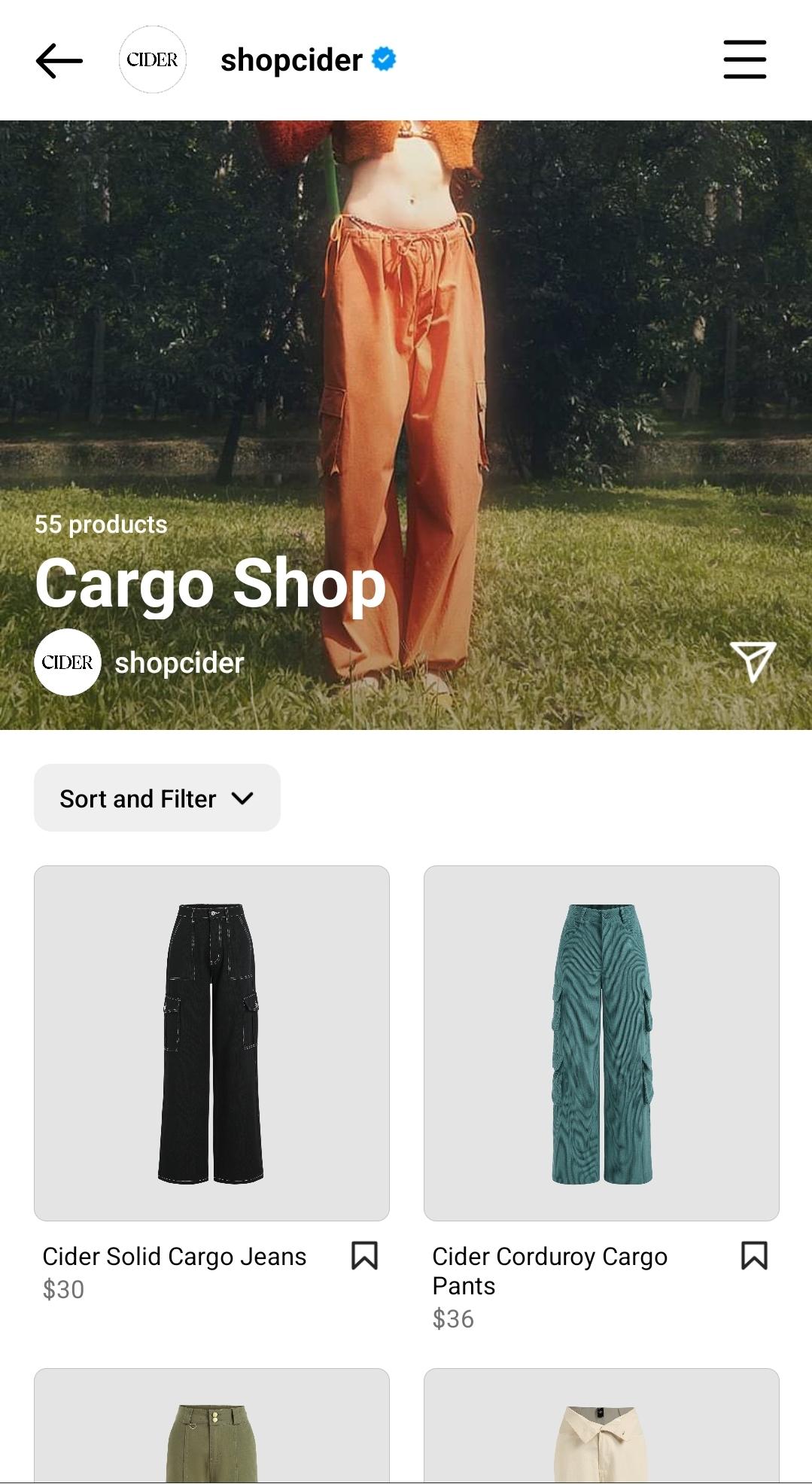
Instagram Shops operate on a similar architectural framework, deeply integrated with Meta’s broader business profile network. Brands can tag products within organic grid posts, Reels, and Instagram Stories. Recent updates have further expanded these capabilities by allowing consumers to negotiate and finalize purchases directly inside direct messaging channels.
Pinterest leverages its identity as a visual search engine to drive intent-driven retail. While international users are frequently redirected to external landing pages to complete transactions, U.S. consumers can utilize Product Pins featuring embedded "Buy" buttons. Because a vast majority of Pinterest users actively utilize the platform specifically to research and plan future purchases, conversion rates for targeted retail campaigns remain consistently high.
TikTok has revolutionized impulse purchasing through viral trends, popularized by hashtags such as #TikTokMadeMeBuyIt, which has amassed billions of views globally. Through TikTok Shop, merchants can integrate products into shoppable videos, live-stream broadcasts, and dedicated profile storefronts, establishing direct access to younger demographic cohorts.

Best Practices and Technological Tools for Enterprise Success
Deploying a social storefront is merely the first step; optimizing operational performance requires strategic execution. Retail analysts recommend several best practices for brands entering the social commerce space.
Active social listening is vital. Brands must utilize enterprise management tools to monitor cross-platform sentiment, customer feedback, and emerging industry trends. Engaging authentically with audiences—responding to comments, offering value, and maintaining a human voice—prevents corporate accounts from feeling overly transactional.
Furthermore, acquiring and displaying social proof is paramount. Industry studies indicate that an overwhelming majority of digital consumers consult customer reviews before finalizing a purchase. Brands should proactively solicit testimonials via automated post-purchase communications or incentivize user-generated content to build trust among prospective buyers.
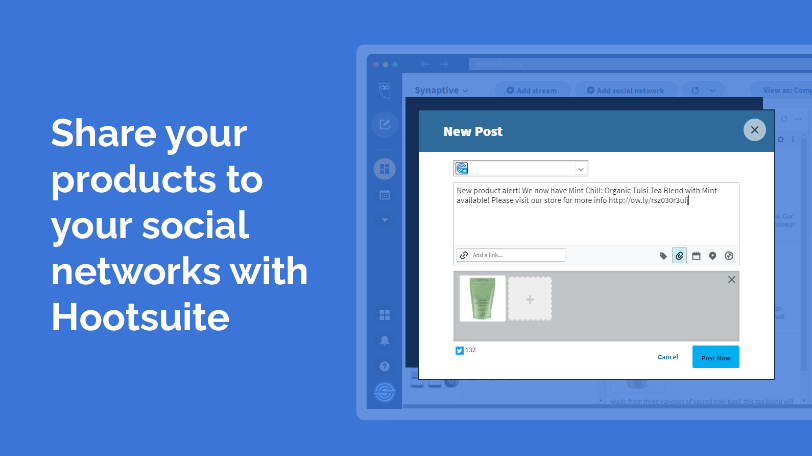
Finally, managing the influx of consumer inquiries requires robust technological integration. Many enterprises adopt conversational AI chatbots, such as Heyday by Hootsuite, to automate up to 80% of routine customer service interactions. These tools manage price-drop notifications, back-in-stock alerts, and order tracking inquiries in real time, routing complex or sensitive issues to human support teams. By combining seamless in-app purchasing mechanics with automated customer care, businesses can future-proof their operations and maximize revenue capture in an increasingly digital global economy.