The Comprehensive Guide to Influencer Marketing Strategies and Growth in 2026

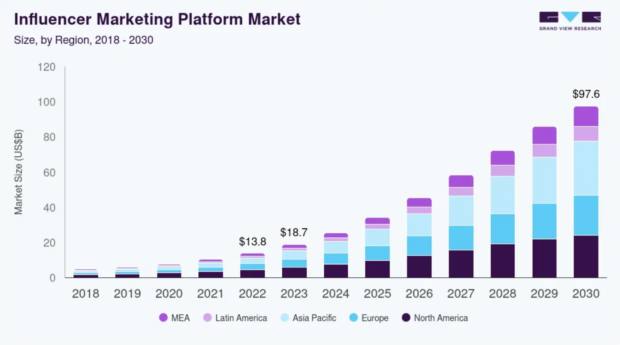
The influencer marketing landscape has evolved from simple celebrity product placements into a sophisticated, multi-billion-dollar industry that serves as a cornerstone of modern digital commerce. Currently valued as a nearly $100 billion sector by 2030, this marketing discipline has moved beyond the "wild west" era of bloggers reviewing free samples to a structured, data-driven ecosystem. As brands increasingly prioritize trust-based engagement over traditional interruptive advertising, the ability to effectively partner with content creators has become a vital skill for marketers across all sectors.

The Evolution and Economic Trajectory of Creator Partnerships
Influencer marketing functions as digital word-of-mouth, scaled to reach millions. While early iterations relied on high-profile celebrity endorsements, the modern industry favors niche content creators who maintain high-trust relationships with specific demographics. Data indicates that the U.S. influencer market alone is a $12.17 billion industry, with global projections estimating the influencer platform market will reach $97.55 billion by 2030.
This growth is fueled by a fundamental shift in consumer behavior. Modern audiences are increasingly skeptical of polished corporate messaging and are instead seeking authentic recommendations from individuals they perceive as peers or trusted experts. This "friend factor" is supported by research suggesting that 60% of consumers now report higher trust in creator recommendations than in direct brand advertising. Consequently, organizations are moving away from one-off, transactional sponsored posts toward long-term, integrated partnerships that span multiple platforms including TikTok, Instagram, YouTube, and LinkedIn.
Classifying the Creator Economy
The modern influencer spectrum is categorized by audience size, each serving distinct strategic purposes:
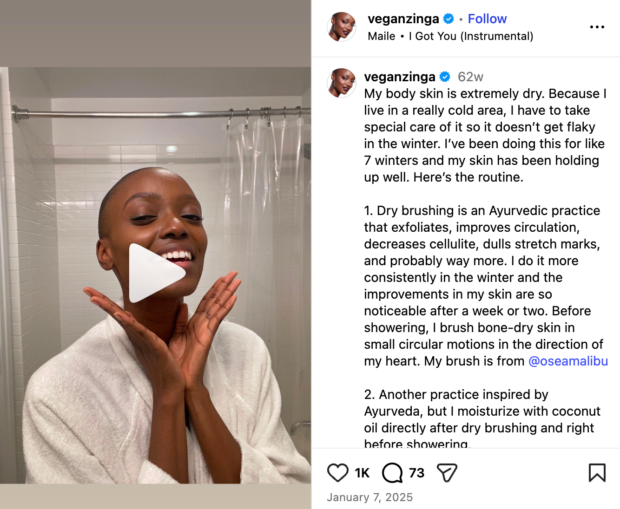
- Nano-influencers (1,000–10,000 followers): Often local or highly specific niche experts, these creators frequently boast the highest engagement rates—sometimes exceeding 6% on platforms like Instagram. They are ideal for testing campaign concepts and targeting hyper-local markets.
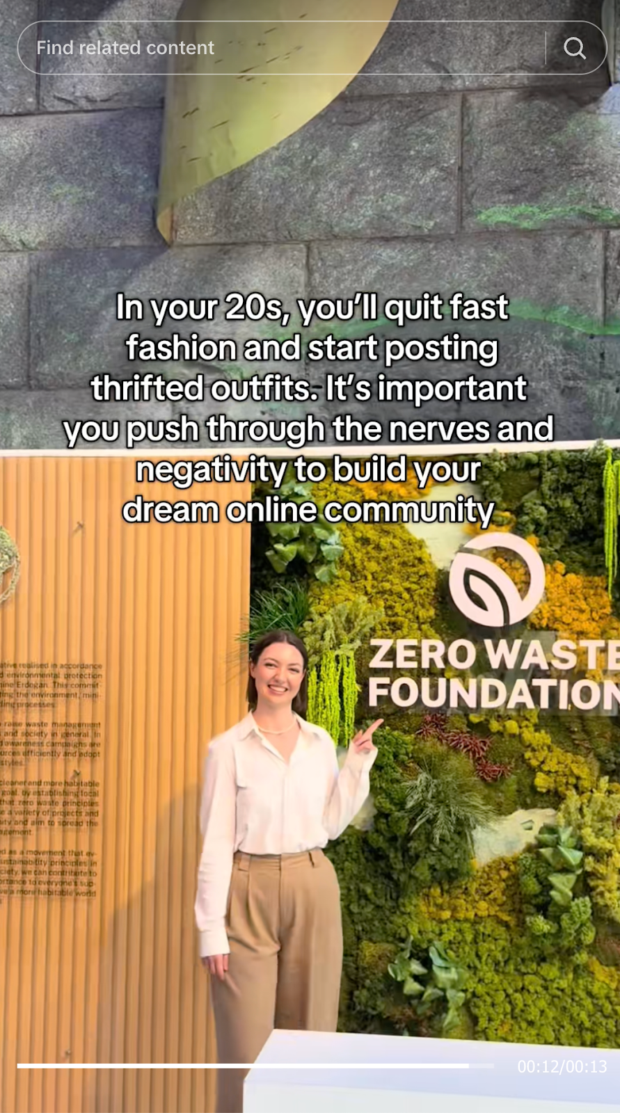
- Micro-influencers (10,000–100,000 followers): These creators represent the "sweet spot" of influence, offering a balance between broad reach and deep, authentic audience connection. They are increasingly prioritized by growing brands looking to establish authority in specific verticals.
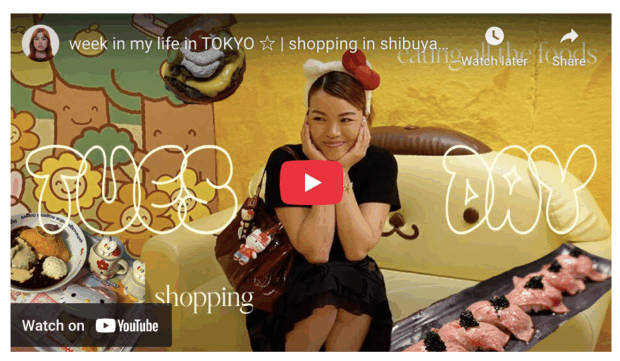
- Macro-influencers (100,000–1,000,000 followers): Operating at a semi-professional level, these creators are essential for national product launches and large-scale awareness campaigns.
- Mega-influencers (1M+ followers): These individuals provide massive, instant reach. While expensive, they serve as the primary engine for global product launches where brand visibility is the sole objective.
Beyond these traditional tiers, the emergence of B2B influencers and employee advocates has reshaped the landscape. B2B influencers, who often operate on LinkedIn, trade on credibility and professional expertise rather than viral reach, making them indispensable for reaching decision-makers in complex industries.
The Strategic Shift Toward Integrated Campaigns
Industry experts emphasize that successful influencer marketing in 2026 is no longer about the number of likes on a single post. Instead, the focus has shifted toward "ecosystems of influence," where brands maintain multiple touchpoints with creators. This includes PR activations, brand trips, and long-term ambassadorships that build sustained brand affinity.
A critical distinction has emerged between influencer marketing and affiliate marketing. While influencer marketing is typically defined by flat-fee compensation for creative output and brand awareness, affiliate marketing is performance-based, rewarding creators with commissions for conversions. Mature marketing organizations now commonly utilize a hybrid approach: using influencer partnerships to build top-of-funnel awareness and trust, and layering affiliate programs to drive bottom-line revenue.

Learning from Market Missteps: The Importance of Sentiment
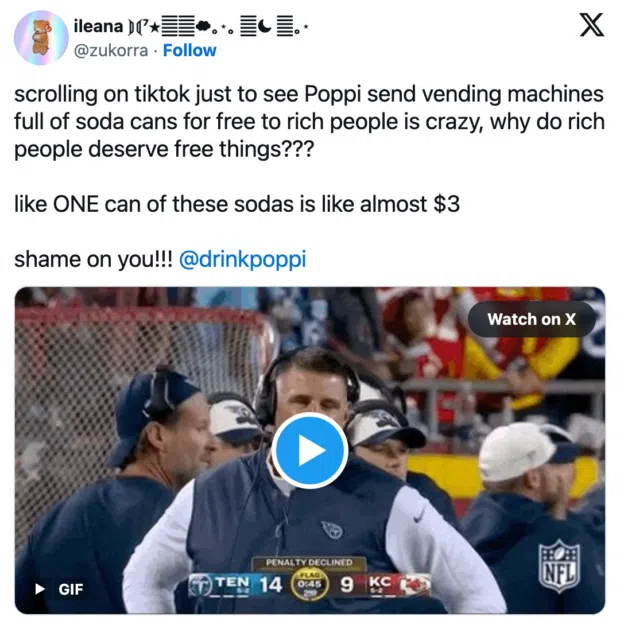
The importance of audience alignment was underscored by the recent controversy involving the prebiotic soda brand Poppi. During a high-profile Super Bowl campaign, the brand distributed expensive vending machines to a group of affluent influencers. While intended to generate buzz, the move faced significant backlash from the public, who viewed the display as extravagant and tone-deaf to the economic climate.
The incident served as a stark reminder that even with massive reach, poor sentiment can negate marketing success. As industry consultant Rachel Karten noted, good marketing cannot exist in a vacuum of negative sentiment. This highlights the necessity for brands to conduct rigorous audience research and ensure that their influencer partnerships align with the values and financial reality of their community.
Building a Robust Influencer Strategy
To navigate this complex landscape, brands should follow a disciplined eight-step methodology:
- Objective Setting: Clearly define whether the goal is brand awareness, consideration, or direct conversion, and set a budget accordingly.
- Audience Personas: Ensure the influencer’s followers align with the brand’s target customer profile.
- Compliance: Adhere strictly to Federal Trade Commission (FTC) guidelines regarding the disclosure of paid partnerships. Transparency is not just a legal requirement but a prerequisite for maintaining audience trust.
- Vetting: Move beyond follower counts. Analyze engagement rates, recent content, and the balance between organic and sponsored posts.
- Relationship Building: Treat creators as partners rather than advertising billboards. Engage organically with their content before reaching out with a pitch.
- Collaborative Briefing: Provide clear goals but allow creators the autonomy to adapt content to their unique voice. Over-directing can lead to inauthentic content that audiences will reject.
- Execution and Amplification: Consider "whitelisting" high-performing organic content, where brands pay to promote a creator’s post as an ad, blending the authenticity of the influencer with the precision of paid media targeting.
- Measurement and Optimization: Track performance using KPIs such as click-through rates (CTR), conversion rates, and cost-per-acquisition (CPA). Use tracking links (UTMs) and discount codes to attribute sales directly to specific creators.
Future Implications and Technological Integration
The rise of virtual and AI-generated influencers represents the next frontier in the creator economy. While these characters offer brands complete control over the message and eliminate the risks associated with human behavior, they introduce new questions regarding transparency and the ethics of synthetic media. As generative AI tools continue to lower the barrier to entry for content creation, the regulatory environment is likely to become more stringent regarding disclosure.
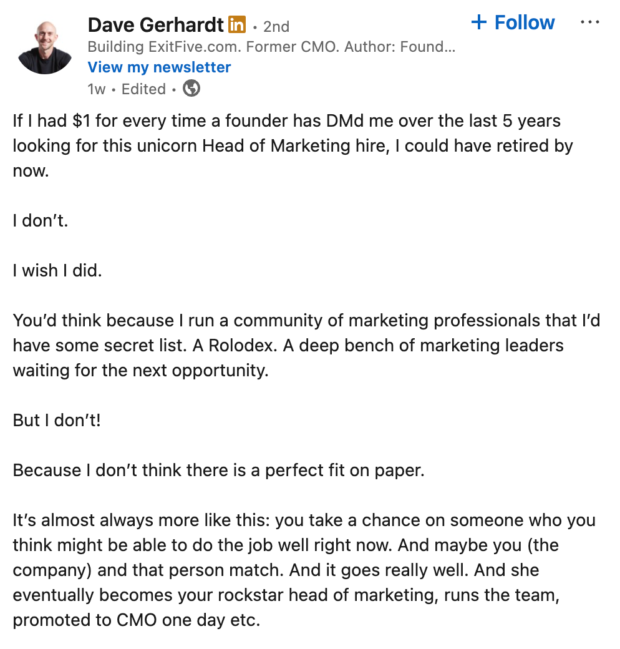
Furthermore, the rise of employee advocacy—where companies empower their own staff to act as brand ambassadors—is becoming a low-cost, high-trust alternative to external partnerships. By leveraging the internal expertise of their workforce, companies like IBM have demonstrated that employee-generated content often carries more weight with potential clients than traditional, polished corporate marketing.

Conclusion: The Path Forward
The influencer marketing sector is maturing into a highly disciplined professional field. For brands to succeed in 2026 and beyond, they must move away from transactional, one-off interactions and toward long-term, strategic collaborations. Success will be defined by the ability to balance the scalability of mega-influencers with the high-engagement, high-trust nature of micro- and nano-creators. As the industry continues to grow toward the $100 billion mark, the brands that prioritize authenticity, transparency, and data-backed decision-making will be the ones that capture the attention and loyalty of the modern consumer.