Why Your Organization Needs a Robust Social Media Policy in the Age of AI and Employee Advocacy

Over the past decade, the digital landscape has undergone a seismic shift, transforming social media platforms from simple communication tools into multifaceted hubs for public relations, customer service, and community engagement. As corporations navigate this complex environment, the demand for an active, authentic online presence has never been higher. However, the rise of artificial intelligence and the emergence of employees as key brand influencers have introduced new layers of complexity, making a comprehensive social media policy not just a recommendation, but a business necessity.

The Evolution of Digital Brand Representation
In the early years of social media, corporate presence was largely confined to centralized marketing accounts. Today, the perimeter of a brand’s digital footprint has expanded exponentially. According to the Sprout Social Q2 2026 Pulse Survey, 40% of consumers now perceive employee-generated content (EGC) as more authentic and trustworthy than official brand communications. This shift marks a fundamental change in how corporate reputation is managed; the brand is no longer just what the company says, but what its employees broadcast to their personal networks.
This democratization of brand messaging offers significant rewards, including increased reach, improved recruitment, and higher consumer trust. Yet, it also poses substantial risks. An untrained or disgruntled employee can trigger a public relations crisis in minutes, while the unregulated use of AI tools in content creation can lead to intellectual property disputes or the erosion of consumer confidence. To mitigate these threats, organizations must implement formal social media policies that establish clear guardrails for behavior, privacy, and security.
Defining the Corporate Social Media Policy
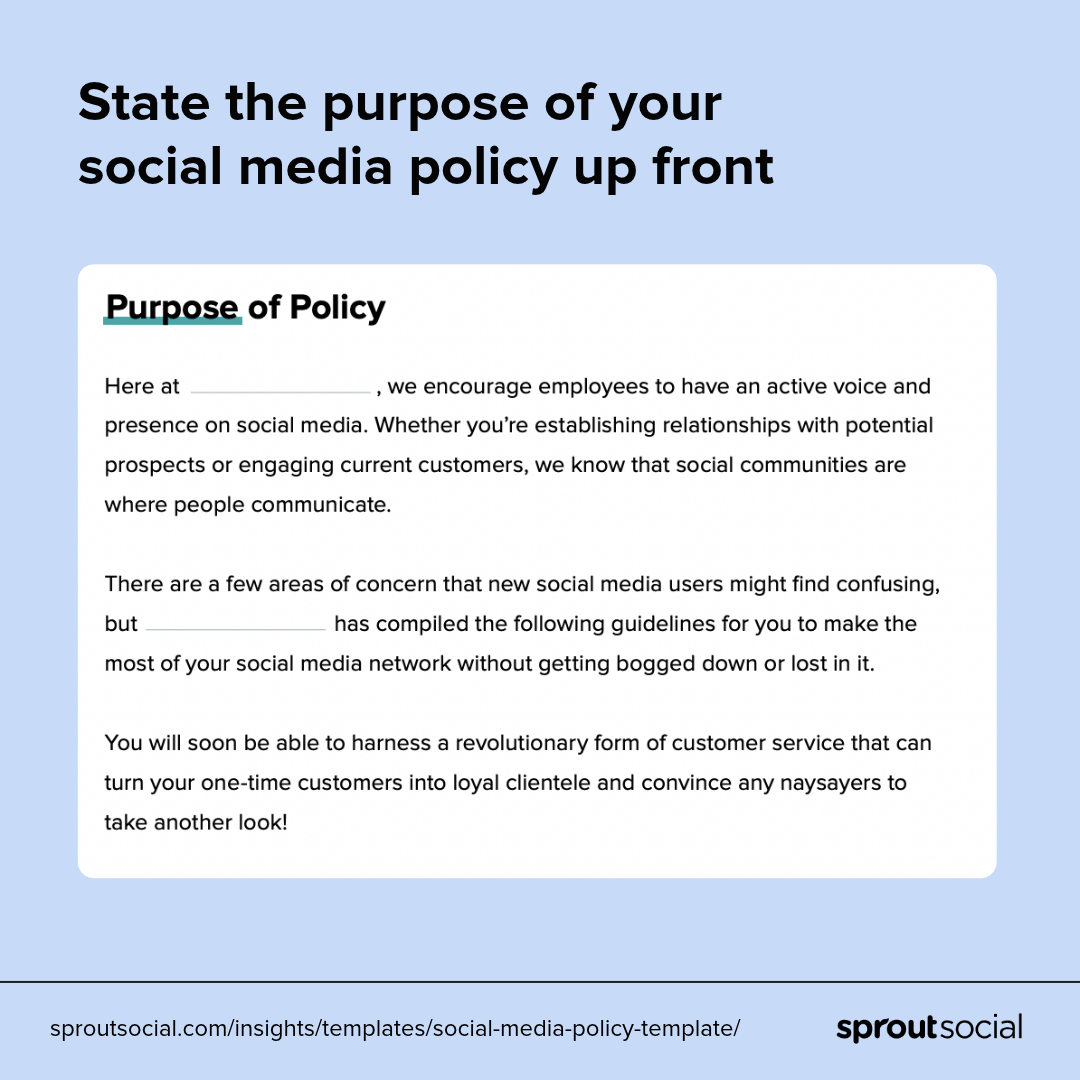
A social media policy functions as a critical component of a company’s code of conduct. It differs significantly from social media guidelines, which typically focus on tactical best practices like posting times, hashtag strategies, or visual aesthetics. Instead, a formal policy addresses legal, security, and ethical protocols. It establishes the rules of engagement for employees, contractors, and executives when representing the brand—or even when discussing their work experience in a personal capacity.
The need for these policies has accelerated due to the rapid integration of generative AI. Current corporate governance must now account for how AI is used to draft social copy, generate imagery, or engage in customer service. Without a clear policy, firms face the danger of inconsistent brand voice, potential copyright infringement, and a failure to disclose the use of non-human entities, which can alienate a skeptical public.
Supporting Data and Consumer Sentiment
The urgency of this issue is backed by recent data regarding consumer behavior and trust. The Sprout Social 2026 Influencer Marketing Report indicates that more than 50% of consumers interact with content produced by brand employees at least once weekly. Furthermore, 46% of consumers explicitly state a desire to hear from frontline employees rather than executive leadership, viewing these interactions as more relatable and transparent.
However, this reliance on human advocacy requires a delicate balance. The same Q2 2026 survey found that social media is now the primary channel where consumers first learn of a brand crisis. Because 64% of respondents prefer brands to address these issues publicly on social platforms rather than through traditional press releases, organizations must have a pre-defined crisis response framework that is inextricably linked to their social media policy. This alignment ensures that when a crisis occurs, the designated response teams are authorized and prepared to act, preventing the confusion that often exacerbates negative publicity.
Strategic Benefits of Formalized Governance
Implementing a robust policy provides five core advantages to any modern organization:
- Safeguarding Employee Advocacy: By providing clear guidelines, companies empower staff to share their experiences without fear of violating compliance standards. This fosters a culture of advocacy that boosts brand awareness and aids in recruitment.
- Advancing Diversity, Equity, and Inclusion (DEI): A well-structured policy promotes inclusive communication, encouraging voices from marginalized backgrounds to contribute to the brand narrative while ensuring that all interactions remain respectful and aligned with company values.
- Ensuring Brand Consistency: A unified policy ensures that whether a customer interacts with a high-level executive or a front-line employee, the brand experience remains cohesive, fostering long-term loyalty.
- Mitigating Legal and Regulatory Risk: With the increasing complexity of privacy and copyright laws, a policy provides the necessary framework to ensure that employees avoid actions that could lead to litigation, particularly regarding intellectual property and data protection.
- Strengthening Security Protocols: As social media remains a primary vector for phishing, ransomware, and social engineering, policies that mandate security awareness protect the organization from external threats.
Essential Components of a Modern Policy
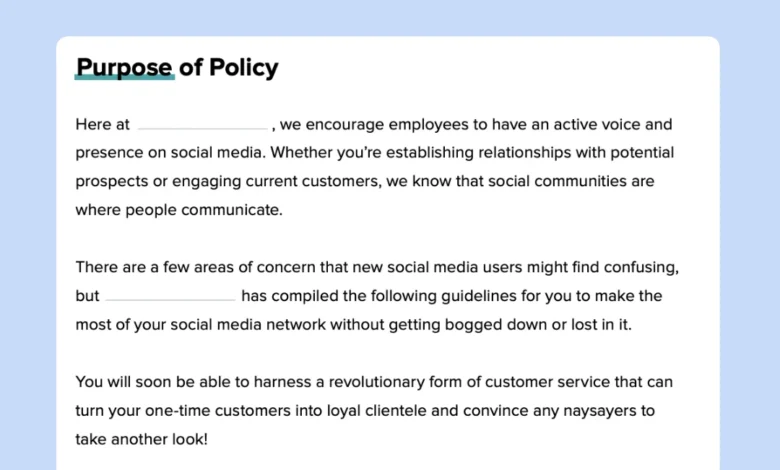
For a policy to be effective, it must be comprehensive yet accessible. Organizations should ensure their documentation includes the following pillars:
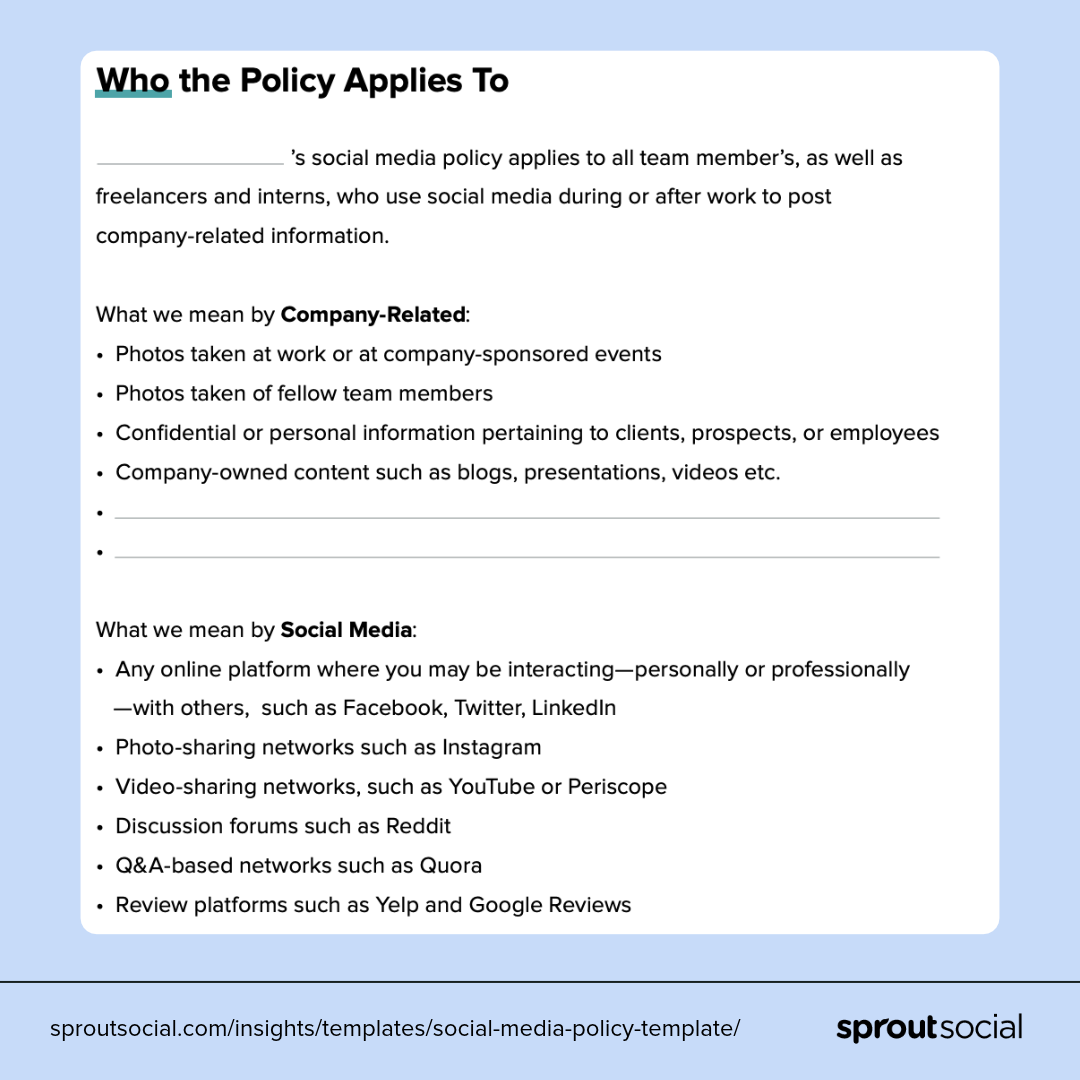
- Purpose and Scope: Explicitly define why the policy exists and who it applies to—from interns to the C-suite.
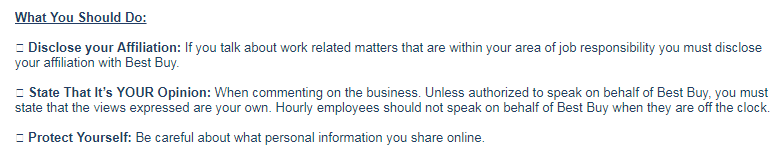
- Personal Account Guidelines: While companies cannot dictate all personal behavior, they must provide clear expectations on how employees represent the brand, including the use of disclaimers stating that personal views do not reflect the organization.
- AI Guardrails: Specify where AI is permitted (e.g., brainstorming, administrative drafting) and where it is prohibited (e.g., final decision-making, direct customer interaction without oversight). It must also mandate transparency regarding the labeling of AI-generated content.
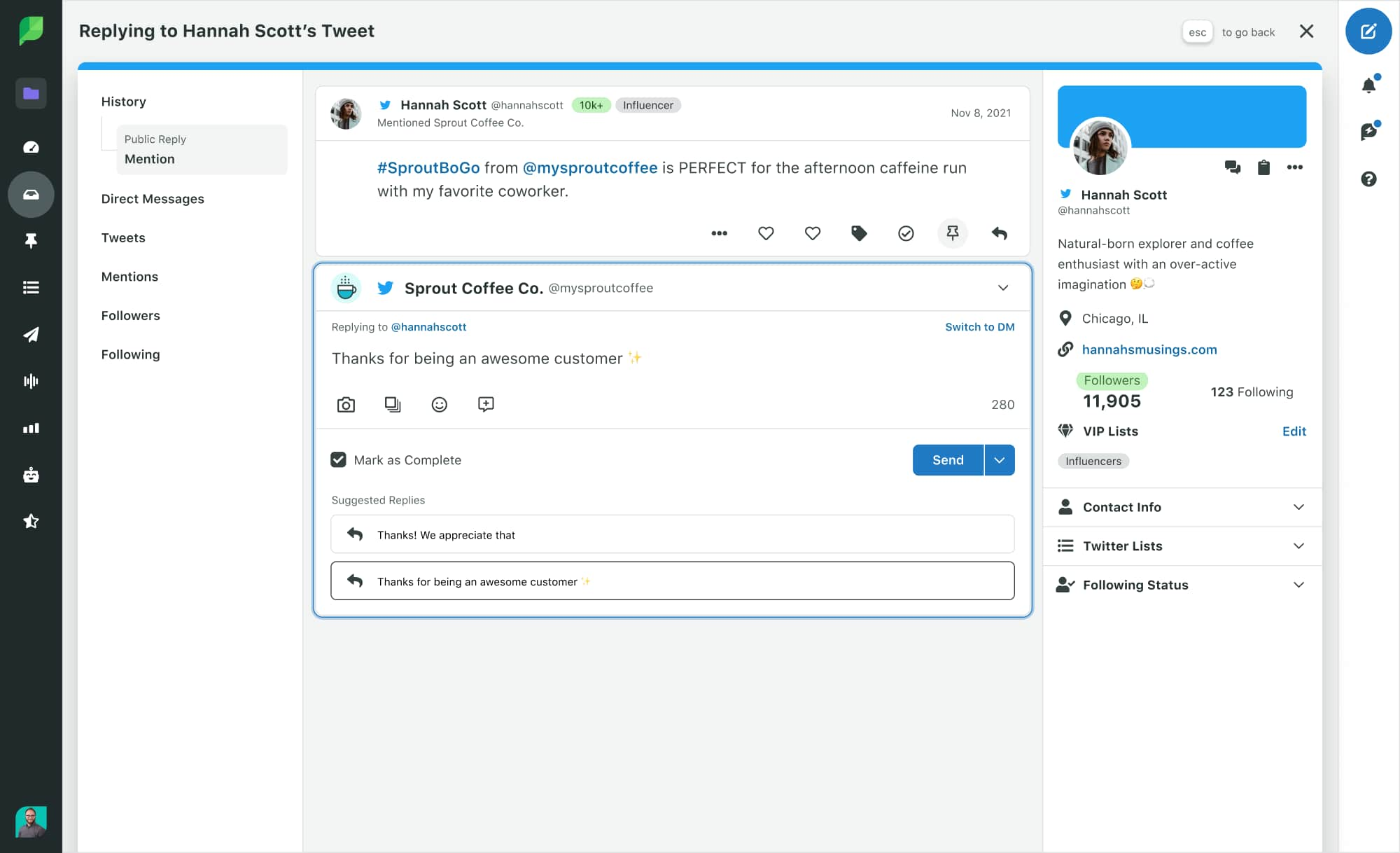
- Engagement Protocols: Clearly outline who is authorized to speak on behalf of the company and provide a workflow for handling negative comments or potential crises.
- Legal and Privacy Standards: Detail the expectations for protecting customer data and adhering to industry-specific regulations, such as those set by the FTC regarding influencer partnerships and disclosure requirements.
Industry Examples and Best Practices
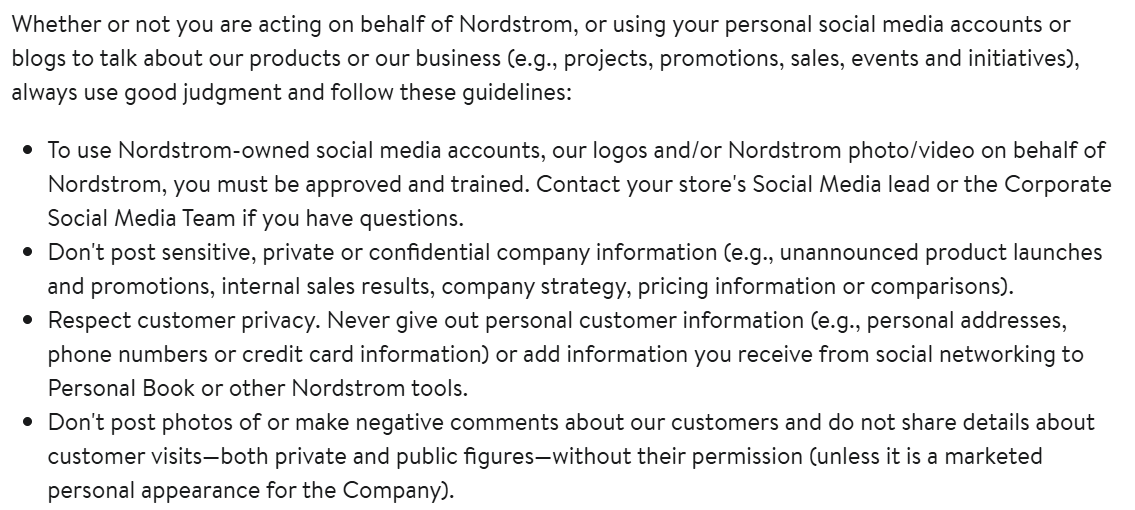
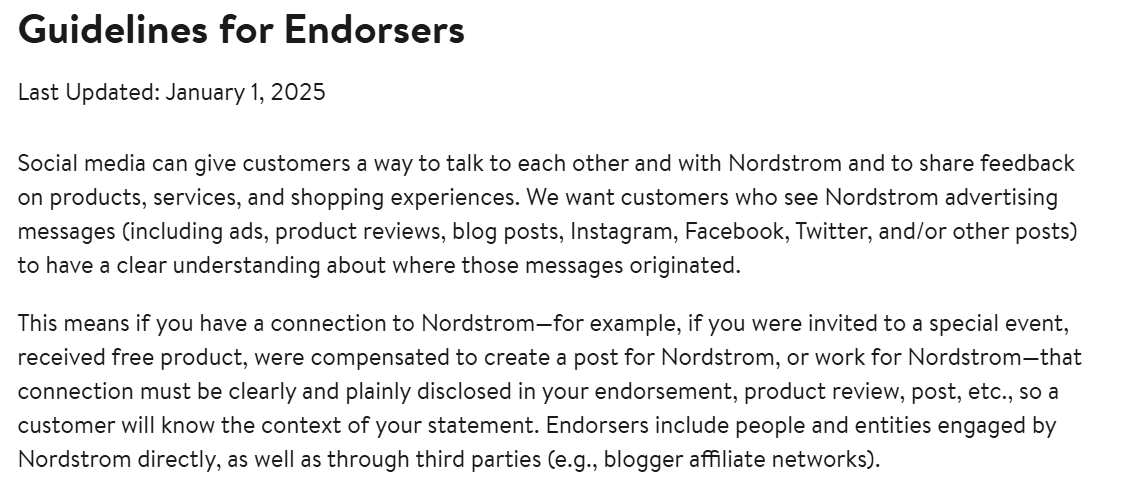
Several organizations have pioneered effective approaches to social media governance. Nordstrom, for instance, maintains a transparent policy that emphasizes customer privacy and requires employees to clearly disclose their relationship to the brand, defining "endorsers" broadly to include anyone receiving compensation or benefits.
IBM, having implemented social computing guidelines as early as 2005, continues to lead by integrating its social policy directly into its overarching business conduct guidelines. Their approach offers a clear path for employees who wish to become public-facing figures for the company, while simultaneously providing rigid guardrails for how to handle inquiries from journalists or the public.
Mailchimp utilizes a more conversational, tone-focused approach. Their policy acts as a style guide, ensuring that employees understand the balance between authentic human connection and the necessity of maintaining a professional brand image. By training employees on how to write for specific channels, they ensure that the "brand voice" remains intact regardless of who is posting.
Fact-Based Analysis of Future Implications
The integration of AI and the shift toward employee-centric branding represent a permanent evolution in the corporate landscape. Organizations that fail to codify these interactions into a formal social media policy risk losing control over their brand equity.
The primary implication for the next five years is the need for agility. As technology evolves, static policies will become obsolete. Companies should adopt a "living document" approach, reviewing and updating their policies on at least a quarterly basis. This cadence allows for the incorporation of new platform features, emerging legal precedents, and shifts in consumer sentiment.
Furthermore, the legal landscape regarding AI and social media is currently in flux. As regulatory bodies continue to refine the rules regarding AI-generated content, companies that have already established internal transparency mandates will find themselves at a competitive advantage, avoiding the reputational damage associated with reactionary policy changes.
Ultimately, a social media policy is not a tool of restriction; it is an enabler of growth. By providing employees with the clarity they need to navigate the digital world, organizations can turn their entire workforce into a powerful, authentic, and protected extension of their brand.
Disclaimer: The information provided in this article is for general informational purposes only and does not constitute formal legal advice. Organizations should consult with their legal counsel or a qualified attorney before implementing social media policies to ensure compliance with local laws and specific industry regulations. The views expressed herein do not necessarily reflect the views of any associated organizations, and all liability for actions taken based on this content is expressly disclaimed.