Organic vs Paid Social Media: Navigating the Modern Digital Marketing Landscape for Sustainable Growth


In the rapidly evolving ecosystem of digital marketing, the divide between organic and paid social media has become a defining challenge for brands of all sizes. As social media platforms continue to refine their algorithms, businesses are forced to reconcile two distinct but complementary approaches to audience engagement. While organic social media remains the bedrock of brand identity, storytelling, and community cultivation, paid social media has become the primary mechanism for rapid scaling, precise targeting, and measurable conversion. Understanding how to integrate these two forces is no longer just a tactical advantage; it is a fundamental requirement for achieving long-term ROI in an increasingly crowded online environment.
The shift toward a pay-to-play model on major platforms like Meta, TikTok, and LinkedIn has fundamentally altered the organic landscape. Historically, brands could rely on high-quality content to reach their entire follower base. Today, algorithmic limitations mean that organic posts often reach only a fraction of an audience. Industry data suggests that average organic reach on Facebook, for instance, has dipped to significantly low single digits for many pages. This decline is not merely a technical glitch but a strategic pivot by social platforms to monetize their vast user bases and prioritize content that keeps users engaged, which often includes high-production advertisements or content that already signals high relevance through user interaction.

The Role and Mechanics of Organic Social Media
Organic social media encompasses all non-paid activity on a brand’s profile. This includes everything from the day-to-day posting of Reels, Stories, and static updates to community management—the act of replying to comments, engaging in direct messages, and fostering a digital ecosystem where followers feel heard.
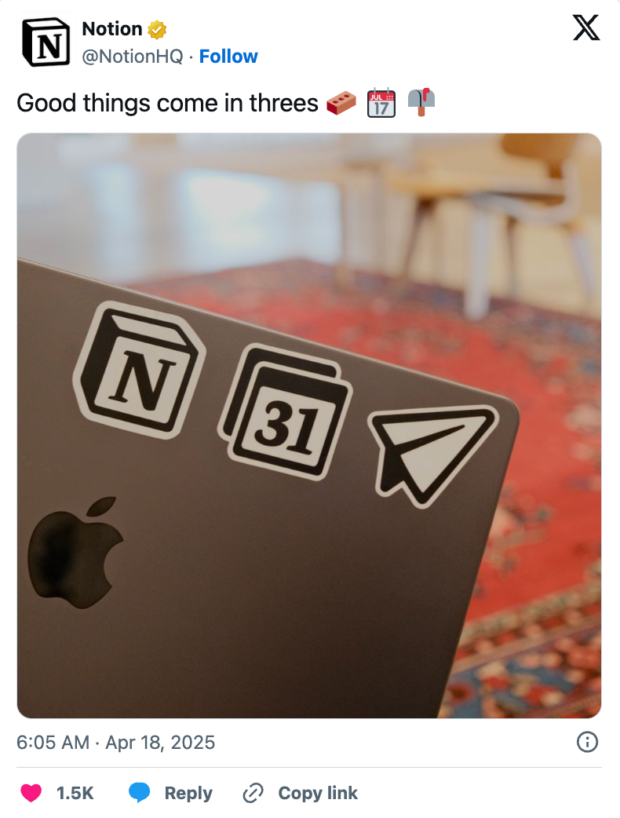
The primary objective of organic activity is the establishment of "emotional residue," a term used by industry experts to describe the long-term affinity a customer develops for a brand. When a company avoids aggressive "hard sells" in favor of providing value—whether through educational content, entertainment, or genuine brand storytelling—it builds trust. This trust serves as the foundation for the entire customer journey. Without a strong organic presence, a brand’s paid advertisements may suffer from low conversion rates, as potential customers encounter a profile that feels impersonal or transient.
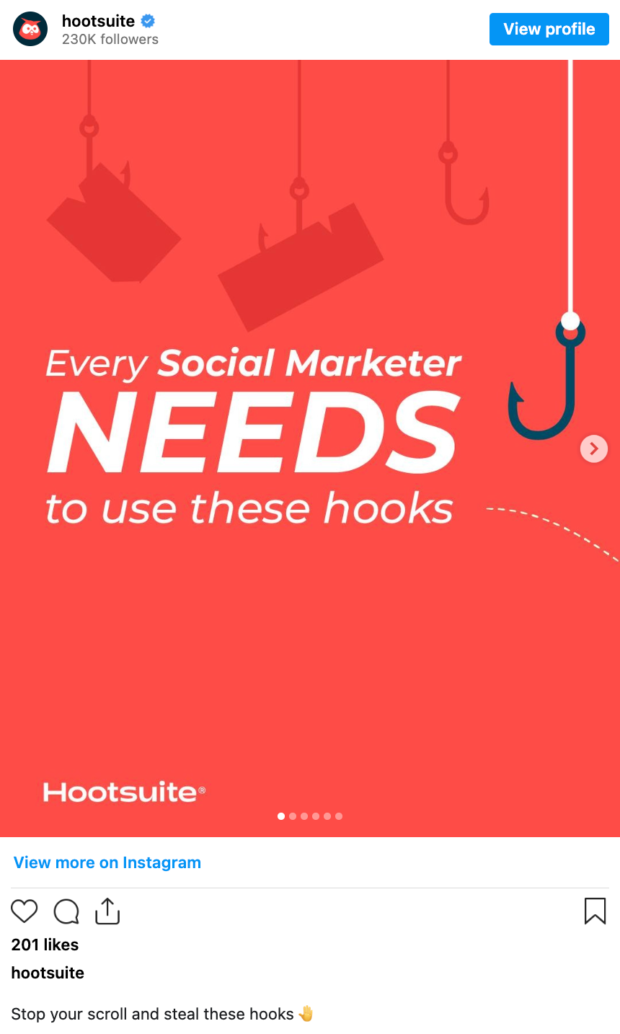
Strategic consistency is the cornerstone of organic success. Unlike paid campaigns, which can be turned on or off based on budget, organic growth is a slow-burning endeavor that requires a steady cadence of content. By sharing behind-the-scenes glimpses, company values, and industry insights, brands position themselves as authoritative voices rather than mere vendors.

The Strategic Utility of Paid Social Media
Paid social media represents the investment side of the equation. It includes sponsored posts, boosted content, carousel ads, and high-impact influencer partnerships. According to EMARKETER, US social media ad spending is projected to reach approximately $124.88 billion in 2026, a significant increase that highlights the growing reliance on paid channels to cut through the digital noise.
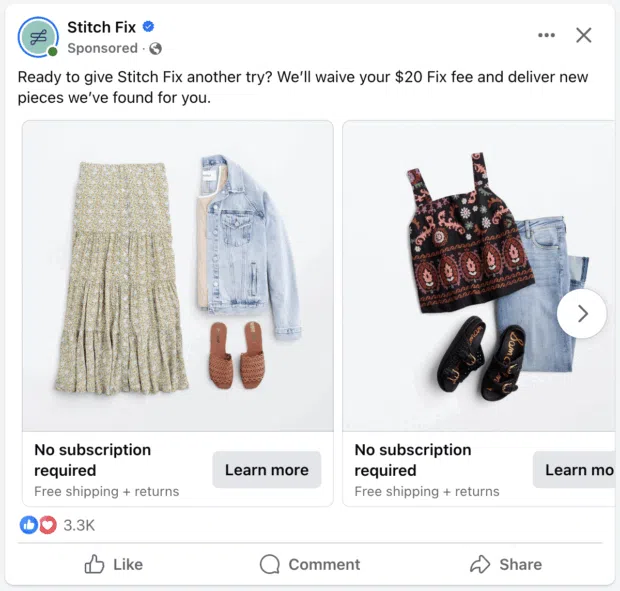
The power of paid social lies in its precision. While organic content is subject to the whims of an algorithm, paid advertising grants brands granular control over who sees their messaging. Advertisers can target users based on hyper-specific criteria: age, geographic location, interests, purchasing behavior, and even past interactions with the brand’s website (retargeting). This capability allows for the efficient allocation of resources, ensuring that marketing spend is focused on individuals most likely to convert.
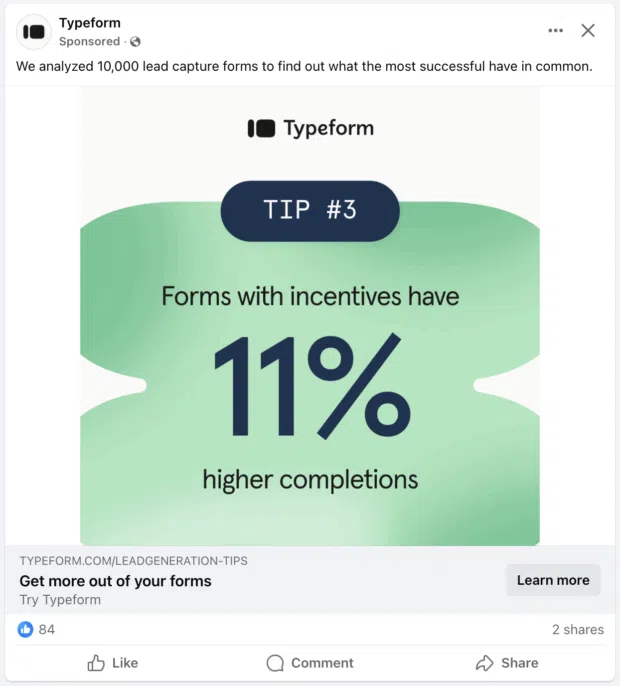
Furthermore, paid social provides immediate, quantifiable data. Key Performance Indicators (KPIs) such as Return on Ad Spend (ROAS), Cost Per Click (CPC), and Conversion Rate provide clear metrics that allow teams to iterate and optimize in real-time. This predictability is essential for businesses that operate with strict monthly or quarterly growth targets.
Integrating the Two: The Hybrid Marketing Model
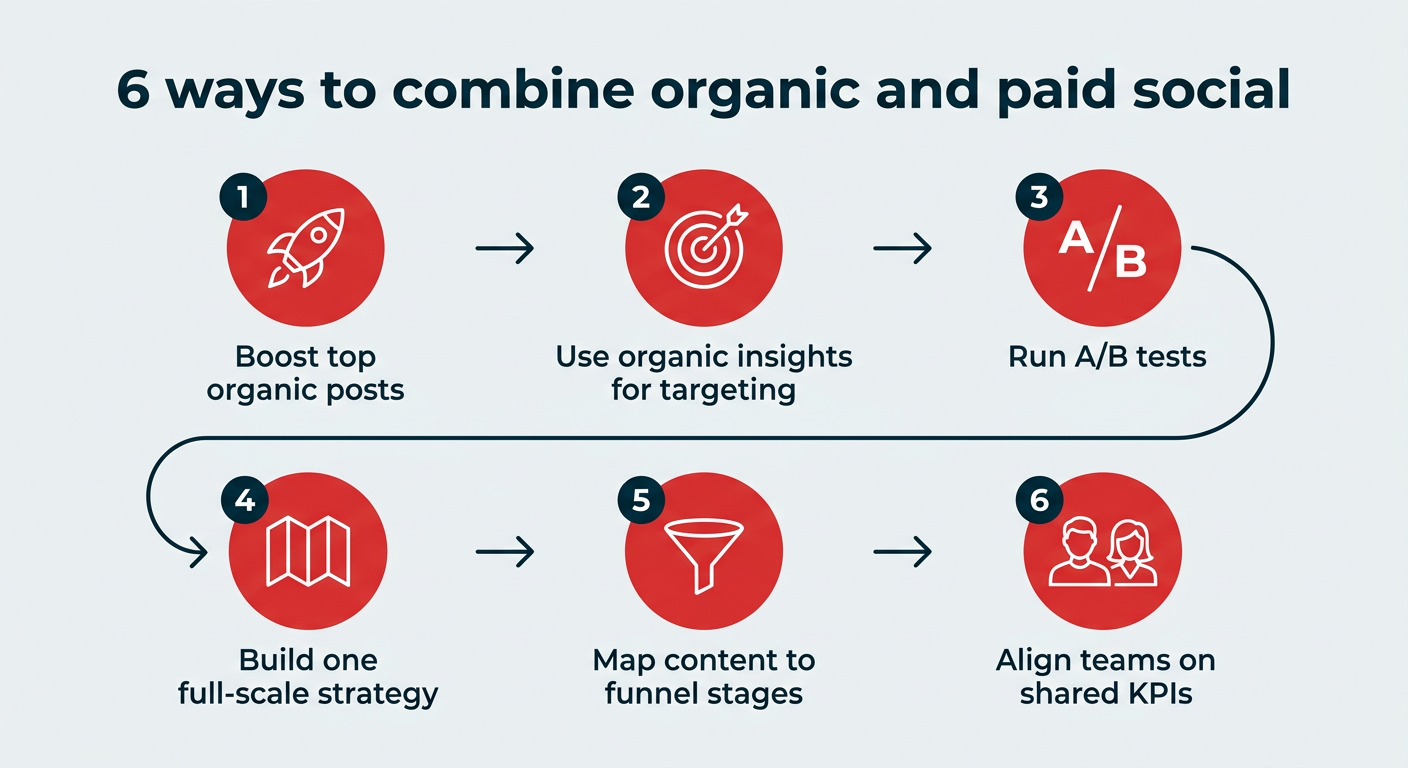
The most successful marketing teams have moved away from viewing organic and paid as siloed functions. Instead, they treat them as a continuous loop. This integration typically follows a six-step methodology:
- The Organic Testing Ground: Brands use organic channels to test content themes, hooks, and creative formats. If a specific Instagram Reel or LinkedIn post generates high engagement, it provides empirical evidence that the message resonates.
- Amplification of Top Performers: Once an organic post demonstrates success, it is "boosted" or transitioned into a paid ad. This minimizes risk, as the brand is only putting money behind content that has already proven its ability to perform.
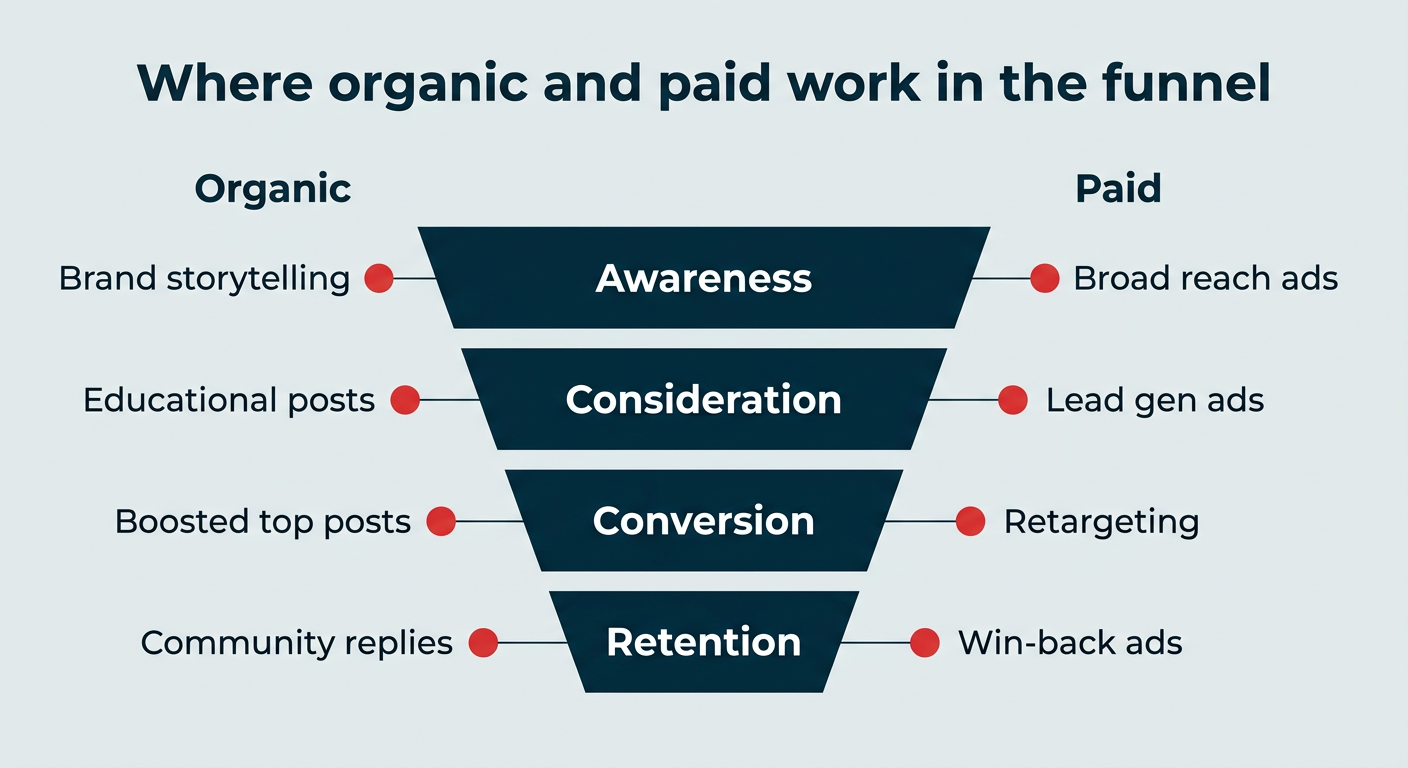
- Funnel Mapping: Content is assigned to specific stages of the marketing funnel. Organic content typically serves the top-of-funnel (awareness) and middle-of-funnel (consideration) stages, while paid ads excel at driving bottom-of-funnel (conversion) actions.
- Data Synchronization: By aligning the reporting of both channels, teams can identify cross-channel trends. For example, a successful organic campaign may correlate with a spike in branded search traffic, which then boosts the efficiency of paid search ads.
- Cross-Functional Alignment: Marketing teams must establish shared KPIs. If the organic team is measured only on likes and the paid team only on revenue, the strategy will fragment. Shared metrics, such as total social-attributed revenue, ensure that both teams are working toward the same business outcomes.
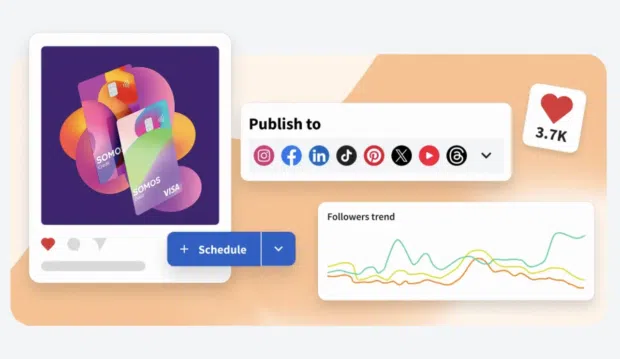
- Technological Consolidation: Utilizing centralized dashboards, such as Hootsuite’s Perch, allows teams to manage, schedule, and analyze both organic and paid efforts in one place. This reduces the friction of switching between platforms and provides a holistic view of the customer’s journey.
Implications and Future Outlook
The rise of AI-driven tools in social media management is further shifting how these two worlds interact. Advanced analytics tools can now predict which organic posts are likely to become viral, allowing teams to proactively allocate ad spend before the window of opportunity closes. Additionally, the increasing importance of "social commerce" means that the line between content and storefront is blurring; ads are becoming less distinguishable from organic recommendations, which requires brands to prioritize authenticity more than ever.
However, a significant challenge remains: ad fatigue. As users become more adept at identifying and ignoring "sponsored" labels, the value of organic, human-centric content increases. Consumers are increasingly skeptical of hyper-targeted advertising, which is why the "trust" built through organic channels acts as the necessary lubricant for the sales engine provided by paid ads.
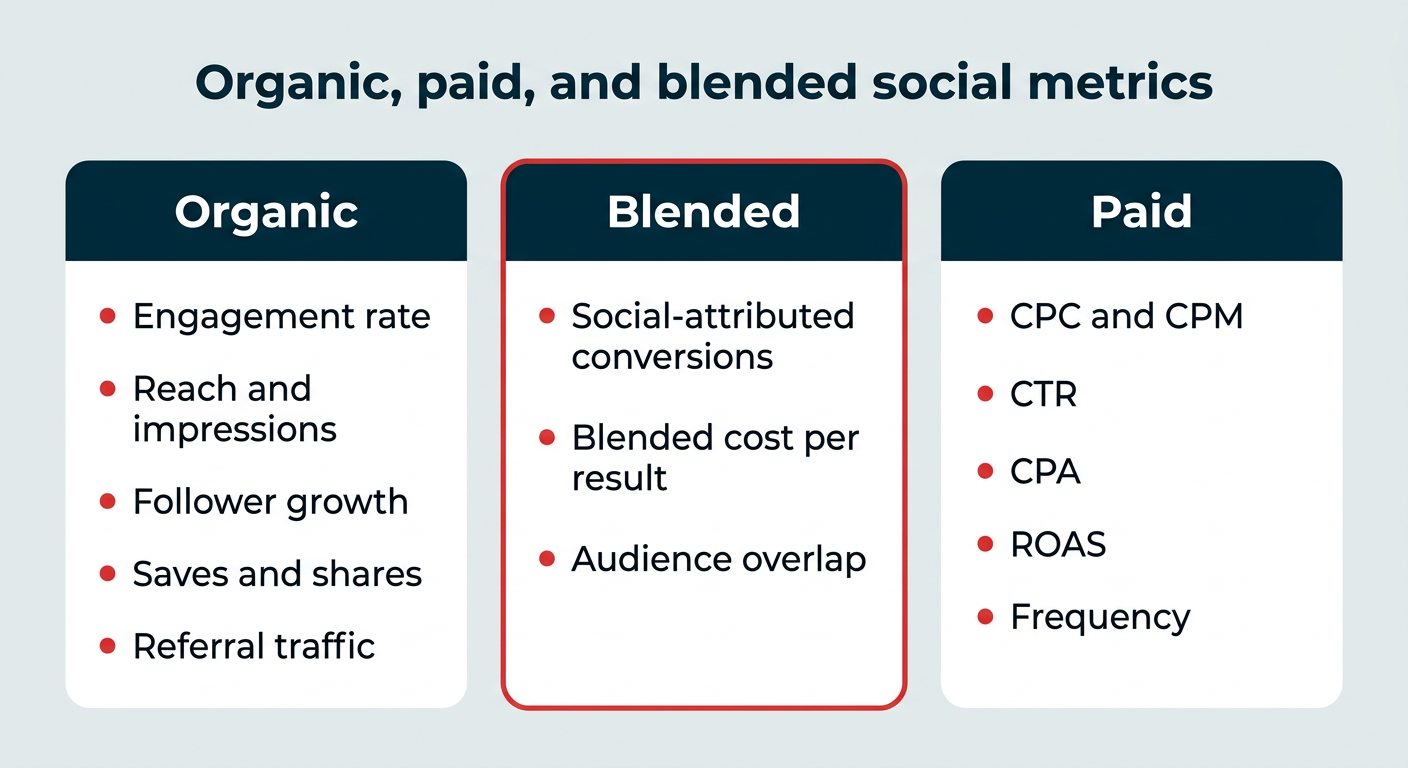
Ultimately, the goal for any enterprise is to build a brand that is both recognizable and reachable. Relying solely on paid ads is a costly, short-term strategy that risks brand alienation, while relying solely on organic is a slow, often insufficient strategy that limits growth potential. The future of social media marketing lies in the synergy between the two: using organic content to establish the brand’s soul, and using paid media to ensure that soul reaches the right audience at the right time. By treating the two not as opposing forces but as a unified system, organizations can achieve a level of sustained, scalable growth that survives the inevitable shifts in platform algorithms and consumer behavior.