The Childrens Place Faces Potential Liquidation After Filing for Bankruptcy Amid Mounting Debt and Slashes to Value Apparel Demand

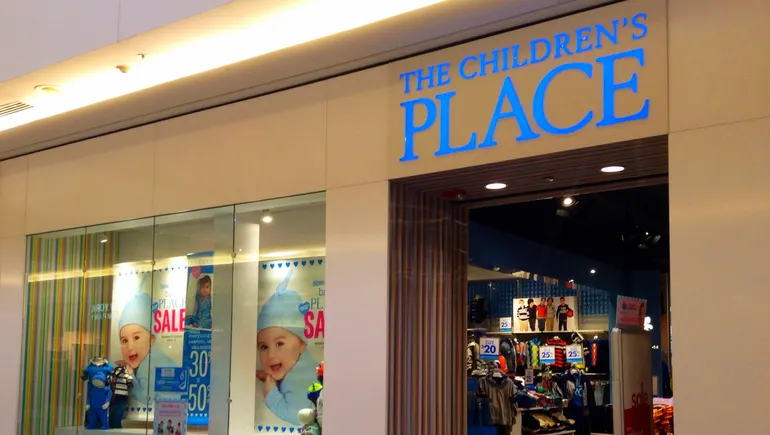
The retail landscape is facing another monumental shift as The Children’s Place, a foundational staple of children’s apparel in North America for nearly six decades, navigates turbulent financial waters that could ultimately result in a complete corporate liquidation. Founded in 1969—the exact same year as retail giant The Gap—the company’s historical footprint spans roughly 500 brick-and-mortar storefronts across North America, two robust digital storefronts, wholesale partnerships with giants like Amazon, and an extensive international footprint reaching 13 markets via franchises and social media commerce channels. Yet, despite its enduring brand recognition and a recent flurry of physical expansion that included opening 19 new stores in the second quarter of the year, the future of the beloved children’s clothing specialist hangs precariously in the balance.
According to formal court filings, the company has declared total liabilities exceeding $881 million against total assets valued at approximately $742 million. This stark financial mismatch has forced the retailer into a court-supervised restructuring process that could either preserve its operations under new ownership or dismantle its century-old legacy entirely. With multiple bidding proposals already under review—ranging from going-concern acquisitions to outright asset liquidation—the unfolding corporate crisis highlights the brutal realities facing traditional specialty brick-and-mortar apparel chains in an increasingly unforgiving macroeconomic climate.
Chronology of a Retail Decline
The trajectory that led The Children’s Place to court-supervised restructuring was neither sudden nor isolated, representing a culmination of shifting consumer behaviors, macroeconomic headwinds, and miscalculated corporate strategies over the past several years.
The trouble began to accelerate significantly following the pandemic-era retail boom of 2021. Buoyed by temporary spikes in consumer spending and government stimulus, the company experienced a brief yet lucrative surge in profitability and sales. However, instead of fortifying its balance sheet to prepare for inevitable market corrections, leadership elected to execute aggressive share buybacks and take on additional debt to fuel further operations. According to retail analysts, this strategic misstep severely compounded the retailer’s vulnerability when economic conditions began to deteriorate rapidly in 2022 and beyond.
As inflation soared, supply chain costs surged, and consumers tightened their discretionary spending, demand for value-priced children’s apparel began a sustained downward spiral. Compounding these pressures, the company implemented controversial policy adjustments—such as raising the minimum spending threshold required for free shipping on online orders—which inadvertently alienated digital consumers and drove them directly into the arms of more agile competitors.
A temporary lifeline arrived two years ago when Saudi investment firm Mithaq Capital stepped in to secure a majority ownership stake, injecting critical capital and prompting a board shakeup. While the investment staved off immediate collapse, analysts point out that the retailer ultimately required a complete financial restructuring and strategic overhaul that never fully materialized. By late autumn, reports surfaced that the company was actively exploring bankruptcy options and assessing potential suitors, culminating in the formal restructuring proceedings currently underway.
Anatomy of the Financial Strain and Competitive Pressures
The systemic pressures facing The Children’s Place extend far beyond internal miscalculations, reflecting a profound transformation within the broader children’s retail market. In recent years, big-box retailers, warehouse clubs, and off-price department stores have aggressively upgraded the quality, fashion-forwardness, and design aesthetics of their children’s apparel lines while maintaining significantly lower price points.
Industry experts, including GlobalData Managing Director Neil Saunders, note that traditional specialty children’s brands have steadily lost market share to dominant retail ecosystems such as Walmart, Target, and Amazon. These diversified giants possess the scale to absorb inflationary pressures, navigate complex tariff structures, and absorb supply chain volatility in ways that a single-category specialty retailer simply cannot match. Furthermore, off-price competitors have captured bargain-hunting parents seeking quality garments without the associated overhead costs of mall-based specialty stores.
Compounding these external challenges are the heavy debt servicing obligations that have crippled the company’s operational flexibility. With total debts scaling past $881 million, every dollar generated through sales is heavily encumbered, leaving little capital to invest in store modernizations, digital user experience enhancements, or competitive promotional pricing structures. The inclusion of the Gymboree brand—acquired by The Children’s Place in a previous rescue effort—also failed to yield the long-term synergies necessary to offset the overarching declines in mall traffic and consumer spending power.
The Bidding Landscape: Going Concern vs. Asset Liquidation
As The Children’s Place navigates the formal court-supervised sale process, its fate rests on the nature of the proposals submitted by interested parties. Court documents reveal that the retailer has already attracted a total of nine initial bids, presenting a stark dichotomy regarding the company’s operational future.
Of these initial proposals, six focus on going-concern transactions and intellectual property-related acquisitions, which would theoretically keep the core brands—including The Children’s Place and Gymboree—alive and integrated into a larger retail conglomerate. Conversely, three proposals are explicit equity liquidation offers targeting substantially all of the retailer’s assets, while an additional three fee-based bids have been submitted strictly to liquidate remaining inventory and select physical assets.
Rudy Morando, co-chief restructuring officer of The Children’s Place, emphasized the company’s dedication to a fair and transparent proceeding during a recent statement. "For nearly 60 years, The Children’s Place has supported growing families with apparel that customers have come to know and love," Morando noted. "We recognize the significance of this development for our employees, customers, vendors, and other partners, and we are committed to conducting an efficient and transparent sale process."
With a critical stalking horse bid—which will establish the baseline valuation and terms that competing proposals must surpass—expected within days, the immediate future of the brand remains fluid. Analysts suggest that strategic buyers, particularly large brand management firms and retail conglomerates, are likely eyeing the valuable intellectual property, established e-commerce infrastructure, and select high-performing retail locations.
Industry Reactions and Potential Suitors
Speculation regarding potential buyers has swirled within retail advisory circles. Reports from financial analysts at Debtwire last month identified Catalyst Brands—the brand management platform that owns J.C. Penney, Brooks Brothers, Aeropostale, and Lucky Brand—as a primary interested party. According to those reports, Catalyst has expressed specific interest in acquiring the retailer’s intellectual property alongside approximately 200 of its most viable brick-and-mortar storefronts.
Catalyst Brands boasts a proven track record of absorbing distressed or bankrupt apparel brands and integrating them into a shared operational ecosystem, a playbook previously utilized to rescue storied names from liquidation. While representatives for Catalyst declined immediate requests for comment and leadership at The Children’s Place chose not to elaborate beyond formal filings, market observers believe that a strategic acquisition by a well-capitalized multi-brand conglomerate represents the most viable pathway to prevent the total erasure of the brand from the retail landscape.
Broader Industry Implications and Market Analysis
The potential collapse or absorption of The Children’s Place serves as a cautionary tale for traditional specialty apparel retail in the post-pandemic era. It underscores the diminishing tolerance of the modern retail market for mid-tier specialty stores that fail to rapidly adapt their omnichannel capabilities, optimize supply chain resilience, and protect their balance sheets from aggressive leveraging.
For consumers, the potential liquidation of the company would further narrow the field of dedicated children’s apparel specialists, leaving the market increasingly dominated by mass merchants, fast-fashion giants, and digital marketplaces. For landlords and commercial real estate developers, the loss of another major mall-based tenant threatens to create additional vacancies across North American shopping centers, accelerating the ongoing evolution of traditional retail properties into mixed-use or experiential spaces.
As the court proceedings advance and the deadline for the stalking horse bid approaches, vendors, employees, and loyal customers alike await clarity. Whether The Children’s Place successfully transitions into a leaner, tech-enabled enterprise under new ownership or joins the growing roster of historical retail brands consigned to liquidation, its current crisis marks the end of an era for children’s specialty fashion.