Silent Data Errors That Survive Every Cleaning Pipeline Reveal Critical Vulnerabilities in Modern Analytics

According to comprehensive market research highlighted by major enterprise technology firms, data quality issues continue to impose a staggering financial toll on the global economy. Industry studies published by Forrester indicate that a quarter of all organizations suffer losses exceeding $5 million annually due to poor data integrity, while approximately 7% estimate their yearly losses to be in excess of $25 million. As enterprises increasingly transition toward automated decision-making and artificial intelligence architectures, analysts warn that these financial ramifications could escalate into billions of dollars without systemic interventions.
Despite heavy investments in data operations and cleansing infrastructure, the vast majority of these costly data anomalies never register on administrative dashboards. Standard data cleansing pipelines are fundamentally designed to execute rapid, superficial validations. They successfully catch null values, eliminate duplicate rows, and resolve data type mismatches. Once every column successfully passes these initial automated assertions, the validation routines terminate their inspection. However, sophisticated errors routinely bypass these preliminary defenses, persisting downstream to corrupt predictive models, executive dashboards, and critical financial reporting.
The Evolution of Data Quality Failures
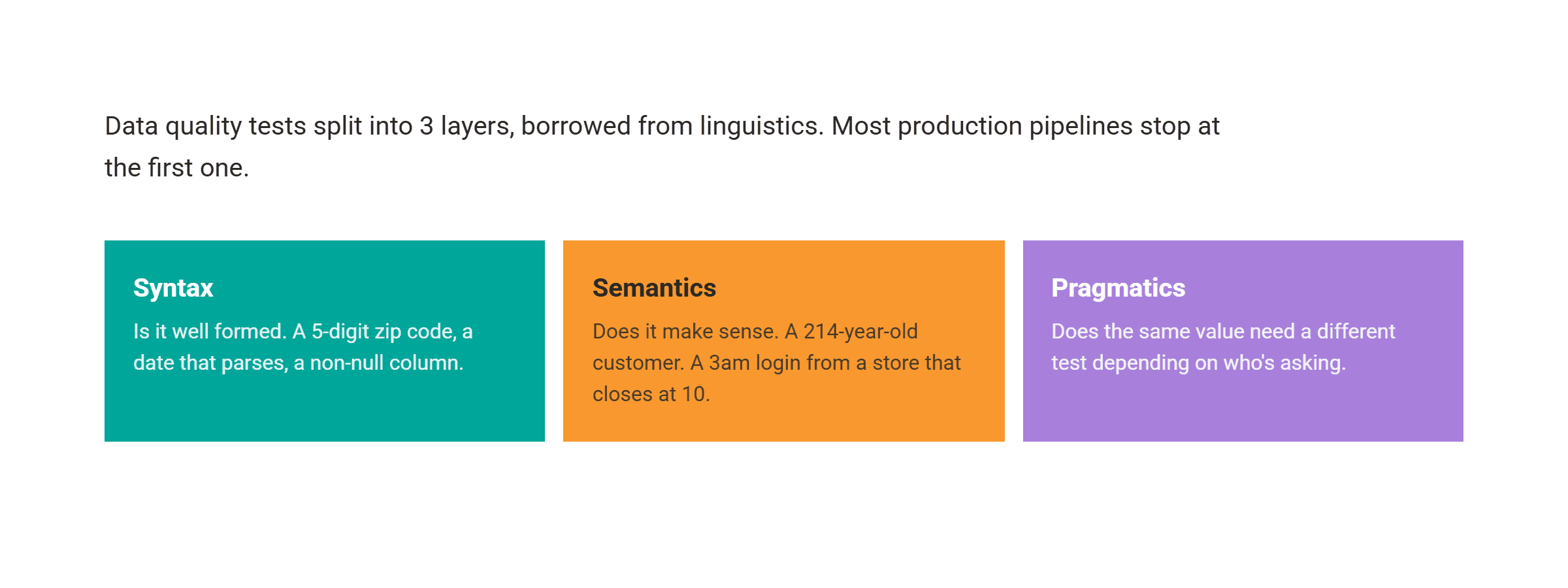
To understand why traditional data cleaning pipelines fail, industry experts often categorize data validation into three distinct linguistic layers: syntax, semantics, and pragmatics.
The syntactical layer evaluates whether a value is structurally well-formed. It confirms parameters such as whether a postal code contains five digits, if a date successfully parses, or if a mandatory field is non-null. The semantic layer evaluates whether a value logically corresponds to its real-world representation. It asks whether a 214-year-old customer is plausible or if a user login timestamp occurring at 3:00 AM is believable for a retail establishment that closes at 10:00 PM. Finally, the pragmatic layer examines contextual validity, acknowledging that the same data point may require entirely different validation rules depending on the consuming department. For instance, a pharmaceutical enterprise’s drug discovery division and its manufacturing unit may evaluate identical clinical trial records under conflicting criteria for validity.
Current production pipelines overwhelmingly terminate their validation procedures at the syntactical layer. Popular open-source frameworks and SQL-based testing suites default to checking data types, null conditions, and basic numerical ranges—tests that generic libraries can execute autonomously without contextual understanding of the underlying business operations. Semantic and pragmatic validations, by contrast, require human insight and deep domain expertise. This operational gap creates an environment where insidious data errors routinely evade detection.
Categorizing the Four Silent Data Errors
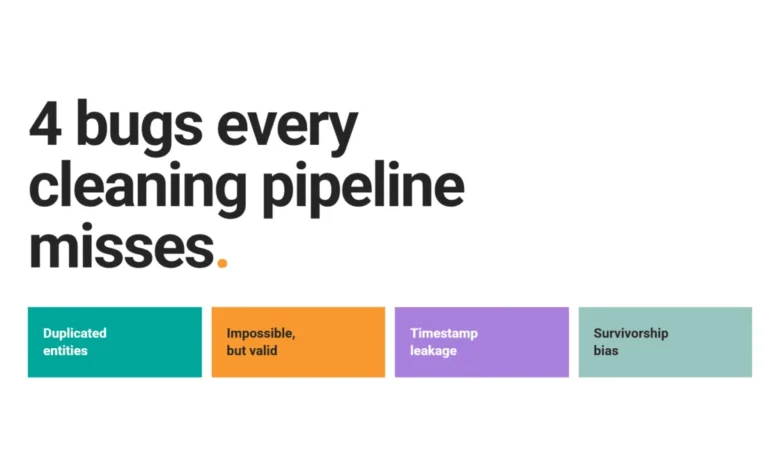
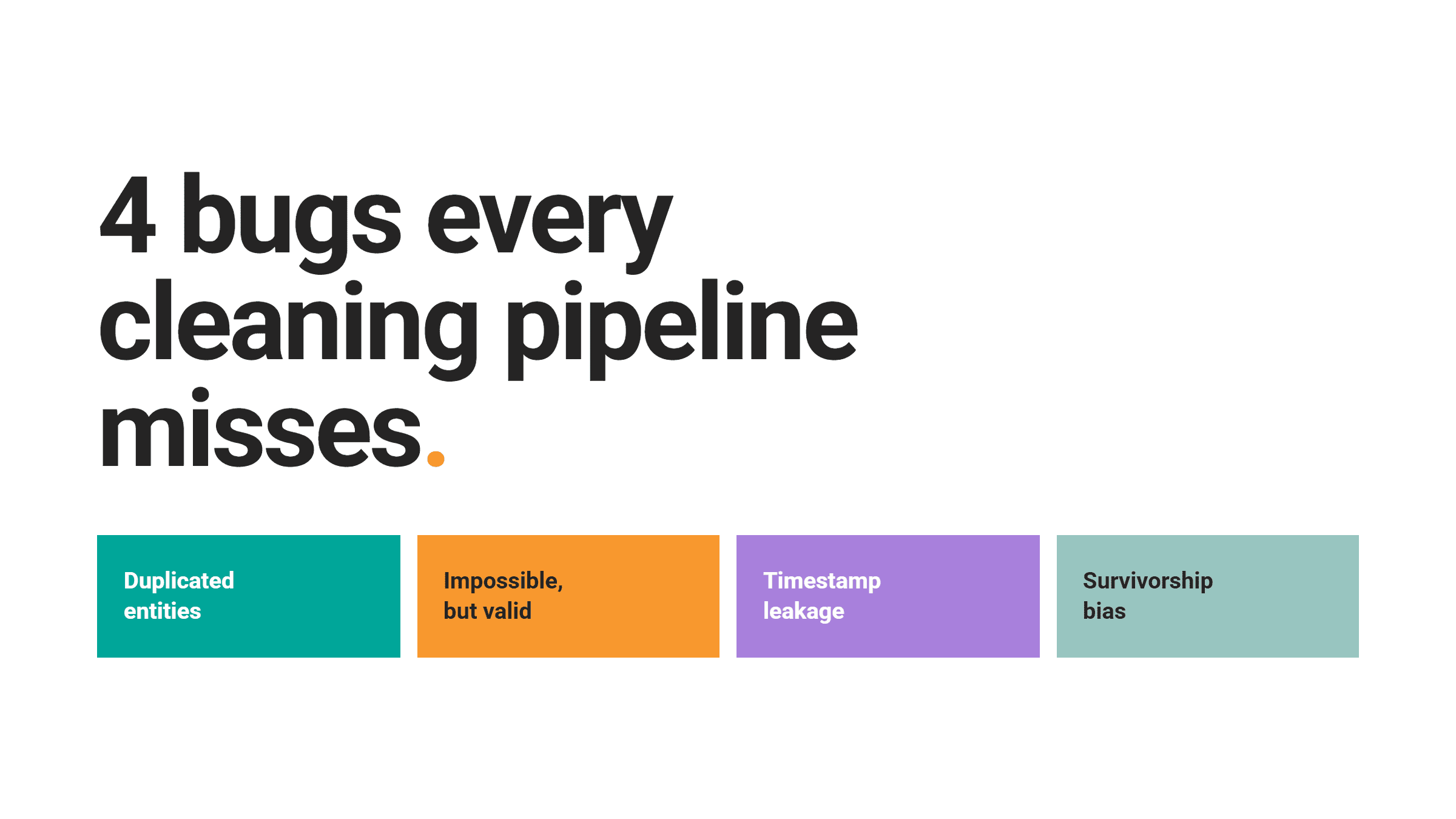
Industry evaluations, including technical challenges frequently administered by major technology employers on platforms like StrataScratch, highlight four specific categories of silent data errors that consistently survive standard ingestion pipelines.
1. Entity Duplication Beyond Byte-Level Matching
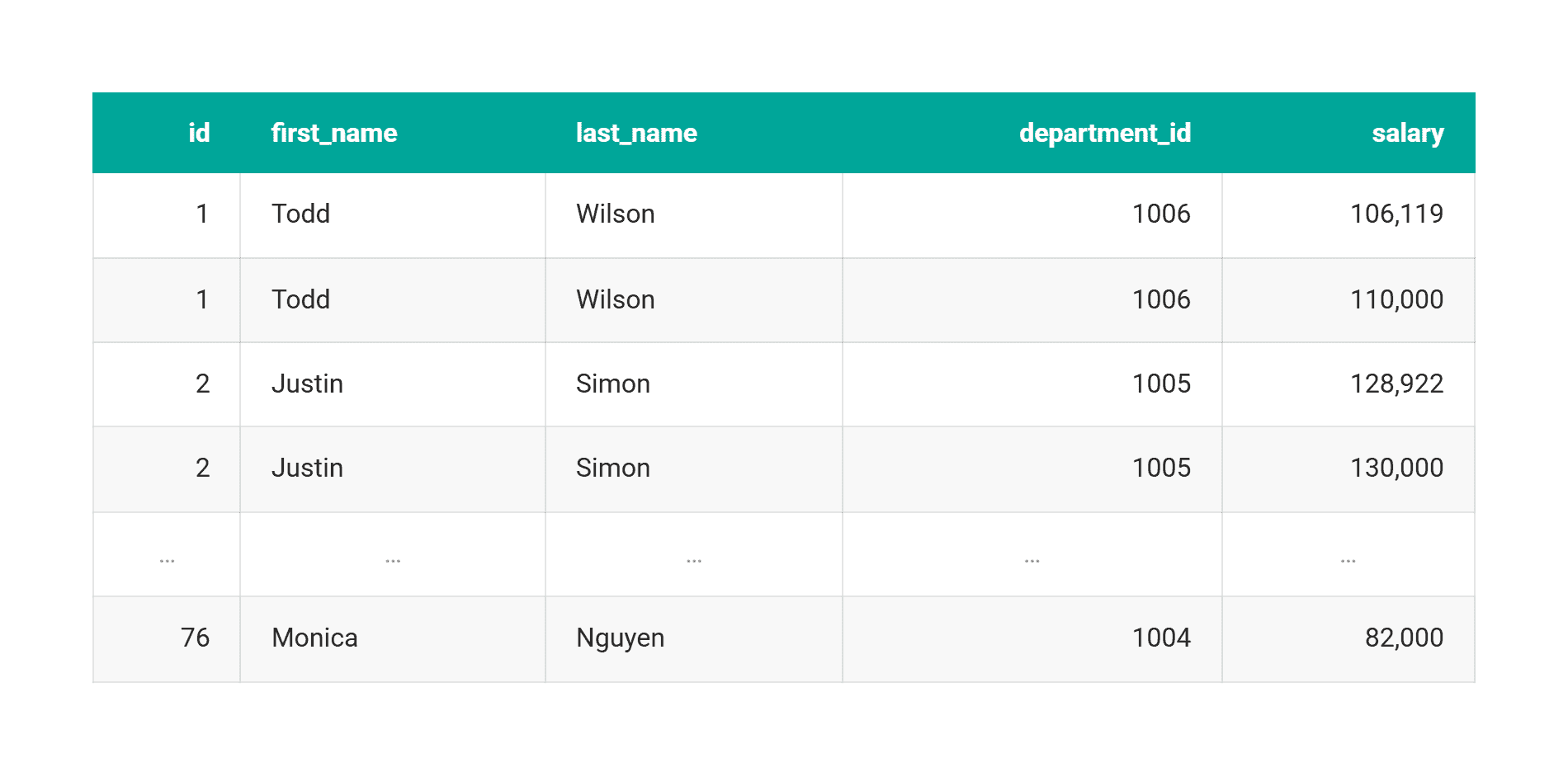
A standard automated duplicate check evaluates whether two independent database rows are byte-for-byte identical. While functions designed to drop exact duplicates will successfully remove redundant entries such as two identical records for "John Smith, 123 Main St," they completely fail to capture variations such as "John Smith, 123 Main St" and "J. Smith, 123 Main Street."
These represent two distinctly formatted rows corresponding to the exact same physical customer. When processed by a customer lifetime value model, the system erroneously registers these entries as two separate individuals. The validation check passes because the literal row is not technically duplicated; rather, the underlying business entity is double-counted.
This phenomenon is frequently observed in ingestion workflows where multiple disparate source systems independently feed data into a centralized data warehouse without a preceding deduplication protocol. Downstream aggregation queries executing summations or counts subsequently double their outputs, entirely bypassing null-check mechanisms. To mitigate this vulnerability, engineering teams must implement canonicalization protocols—such as string normalization, punctuation stripping, and address standardization—alongside probabilistic similarity scoring rather than strict equality testing.

2. Impossible Yet Syntactically Valid Values
A data value can reside perfectly within its defined system data type and declared numerical range while remaining entirely false for the specific row it occupies. For example, an age of 214 years successfully passes an integer validation check, just as a negative inventory delivery quantity passes a numeric format evaluation.
Identifying these anomalies requires contextual business rules rather than mere type-safety checks. Consider organizational hierarchy datasets where database records pair manager identification numbers with the IDs of their direct reports. If a single employee’s salary record is erroneously entered—such as recording zero, a negative amount, or typing the figure in cents instead of dollars—the mathematical average for that entire management tier becomes skewed.
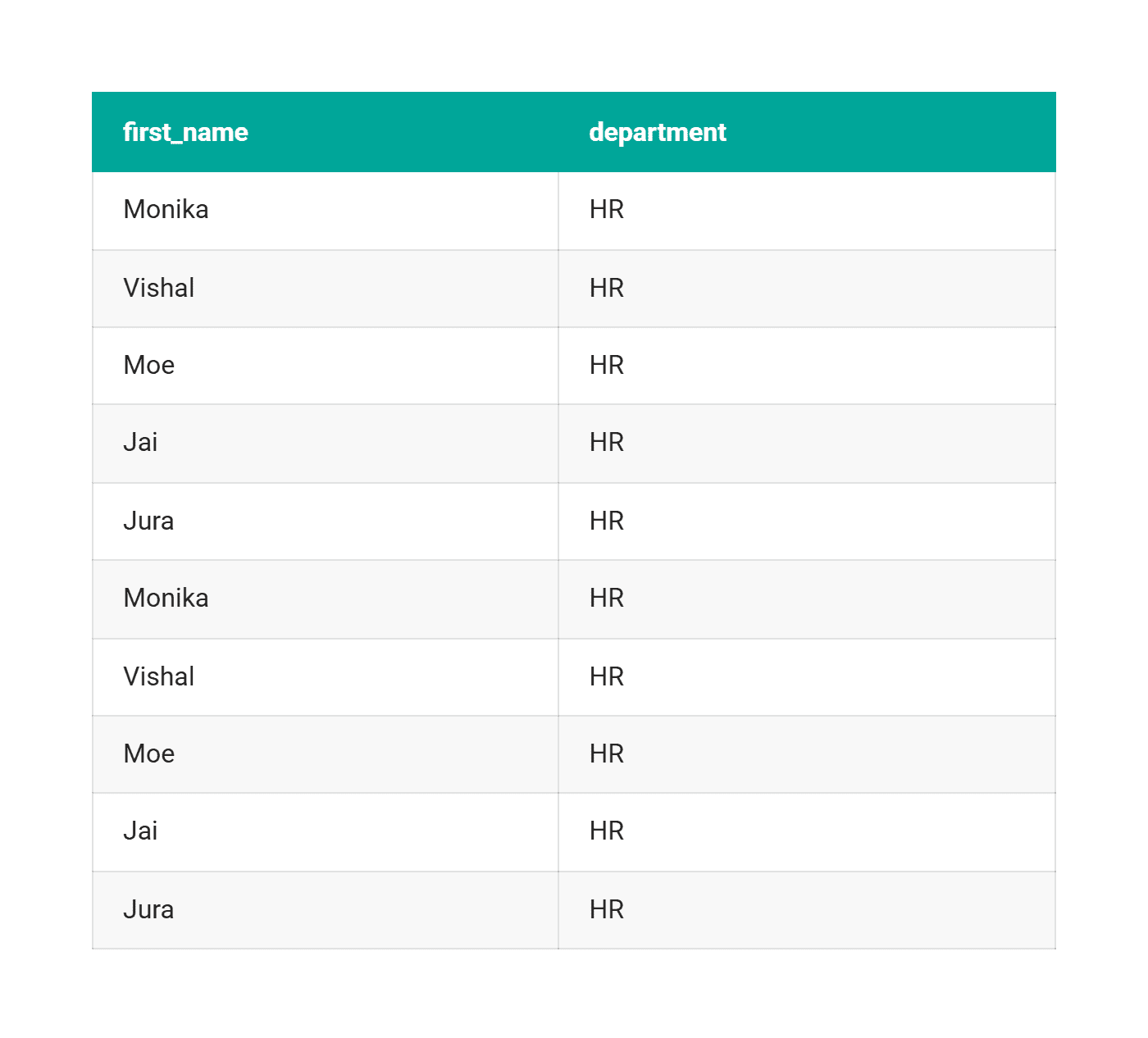
Consequently, the reporting query either silently omits valid managers or improperly includes incorrect ones. The query passes every syntactical inspection upon ingestion, concealing the corruption within a single scalar cell. Robust mitigation strategies require the implementation of business-aware constraints and peer-group plausibility models at the point of ingestion, validating metrics against expected distributions for specific roles and geographic locations rather than relying on absolute thresholds.
3. Timestamp Leakage and Temporal Distortion
Data leakage occurs when a predictive feature inadvertently incorporates information from a temporal point subsequent to the event it is intended to describe. In machine learning contexts, this manifests when information that would remain unavailable at actual prediction time is embedded within historical training rows.
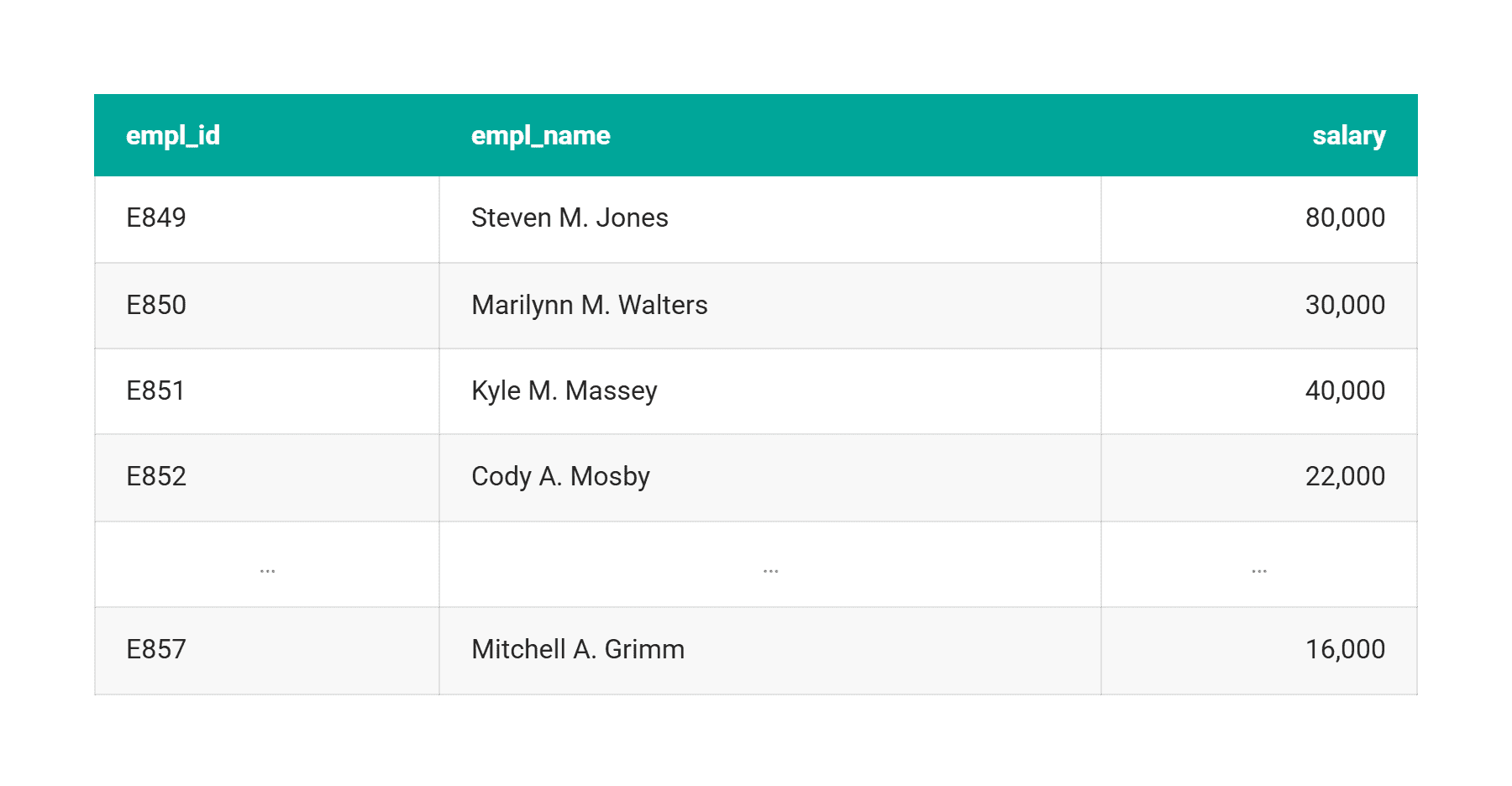
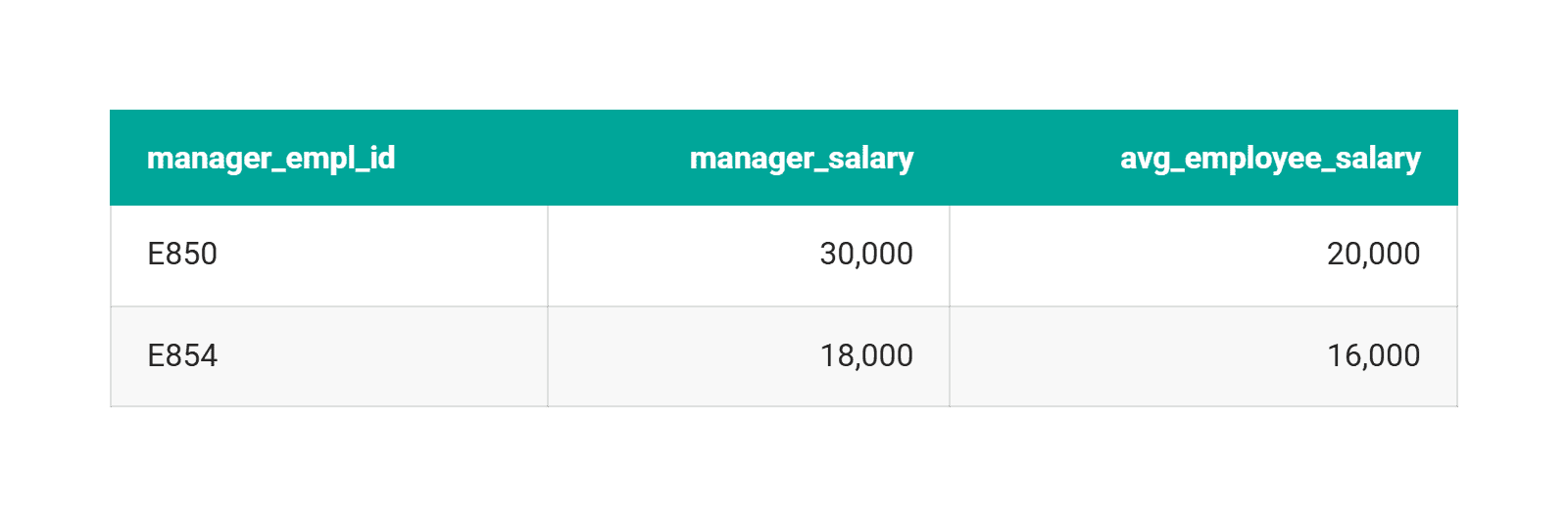
A classic manifestation of this vulnerability occurs in employee compensation datasets lacking explicit temporal tracking columns, containing instead multiple salary records per individual without chronological indicators. Data professionals often infer the "current salary" by applying ranking functions that assume compensation exclusively increases over time. When downstream systems ingest this inferred current salary to reconstruct historical predictions made months prior, the historical record absorbs future information.
Preventing temporal leakage requires structural architectural adjustments. Organizations must persistently record both the precise moment an operational event occurred and the exact timestamp when the corresponding database row was committed. Furthermore, analytical joins must strictly enforce temporal inequality conditions—such as ensuring an event time precedes a feature time—rather than relying on generalized maximum-value aggregations.
4. Survivorship Bias and Denominator Distortion
Survivorship bias represents a fundamental denominator error wherein the exact observational rows capable of providing accurate insights are systematically excised prior to the execution of analytical queries. Historically documented in the calculation of investment fund returns exclusively across surviving portfolios while omitting liquidated funds, this bias routinely distorts corporate analytics. It emerges whenever organizations report performance metrics concerning active customers without accounting for cohorts that churned during preceding reporting periods.
When analytical models evaluate subsets of user activity tables containing categorical status flags, engineers frequently commit the dangerous assumption that the available dataset represents the complete population. If upstream deletion pipelines purge deactivated accounts entirely rather than updating their status flags, aggregate counting functions operate exclusively on a population of survivors. Because the missing data points were eliminated before reaching the validation pipeline, automated null checks fail to flag the discrepancy. Mitigating survivorship bias necessitates systematic logging of row counts at every tier of cohort filtering, immediately triggering operational alerts whenever an upstream processing step unexpectedly drops statistically significant populations.
Implications for Enterprise Data Architecture
The persistence of these four failure modes underscores a critical evolution required in data engineering and governance. As modern enterprises increasingly rely on automated data pipelines to drive high-stakes operational and financial strategies, the reliance on superficial syntax-based validation has become a significant liability.
Industry analysts emphasize that securing analytical pipelines requires a paradigm shift from passive data profiling to active, business-contextual validation. Establishing comprehensive validation layers demands cross-functional collaboration between data engineers, data scientists, and business domain experts to codify operational realities into automated testing frameworks. Without these rigorous, semantics-aware governance structures, organizations will continue to absorb substantial financial losses driven by invisible, unflagged data corruptions that bypass conventional automated defenses.