The final quarter of 2022 marked a period of extensive operational transformation for Meta Platforms, as the tech giant deployed a series of core updates across its ecosystem, including Facebook, Instagram, and WhatsApp. Following a tumultuous year defined by regulatory scrutiny, Apple’s AppTracking Transparency (ATT) privacy framework, and heavy capital expenditure in the virtual reality sector, Meta sought to stabilize its monetization engine for marketers entering 2023. These updates emphasized deeper automation, robust brand safety compliance, streamlined cross-platform management, and enhanced e-commerce capabilities.
Chronology of Major Platform Overhauls in 2022
Throughout 2022, Meta systematically overhauled its suite of business tools to counter declining organic reach and shifting consumer video consumption patterns. The year began with a strategic focus on expanding short-form video formats, aligning Facebook and Instagram infrastructure more closely with TikTok’s dominant algorithmic model.
- First Quarter 2022: Meta consolidated its automated advertising suite under the unified "Meta Advantage" brand, grouping automated personalization and optimization tools. Concurrently, Instagram reintroduced chronological feed viewing options ("Following" and "Favorites" tabs) alongside the rollout of auto-generated video captions for accessibility.
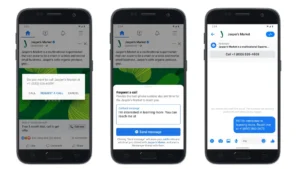
- Second Quarter 2022: Meta introduced the Messenger API for Instagram, granting third-party social media management software providers integration capabilities for direct messages. Instagram also initiated tests for 9:16 vertical in-feed media formats, matching the display profiles of Reels and Stories.
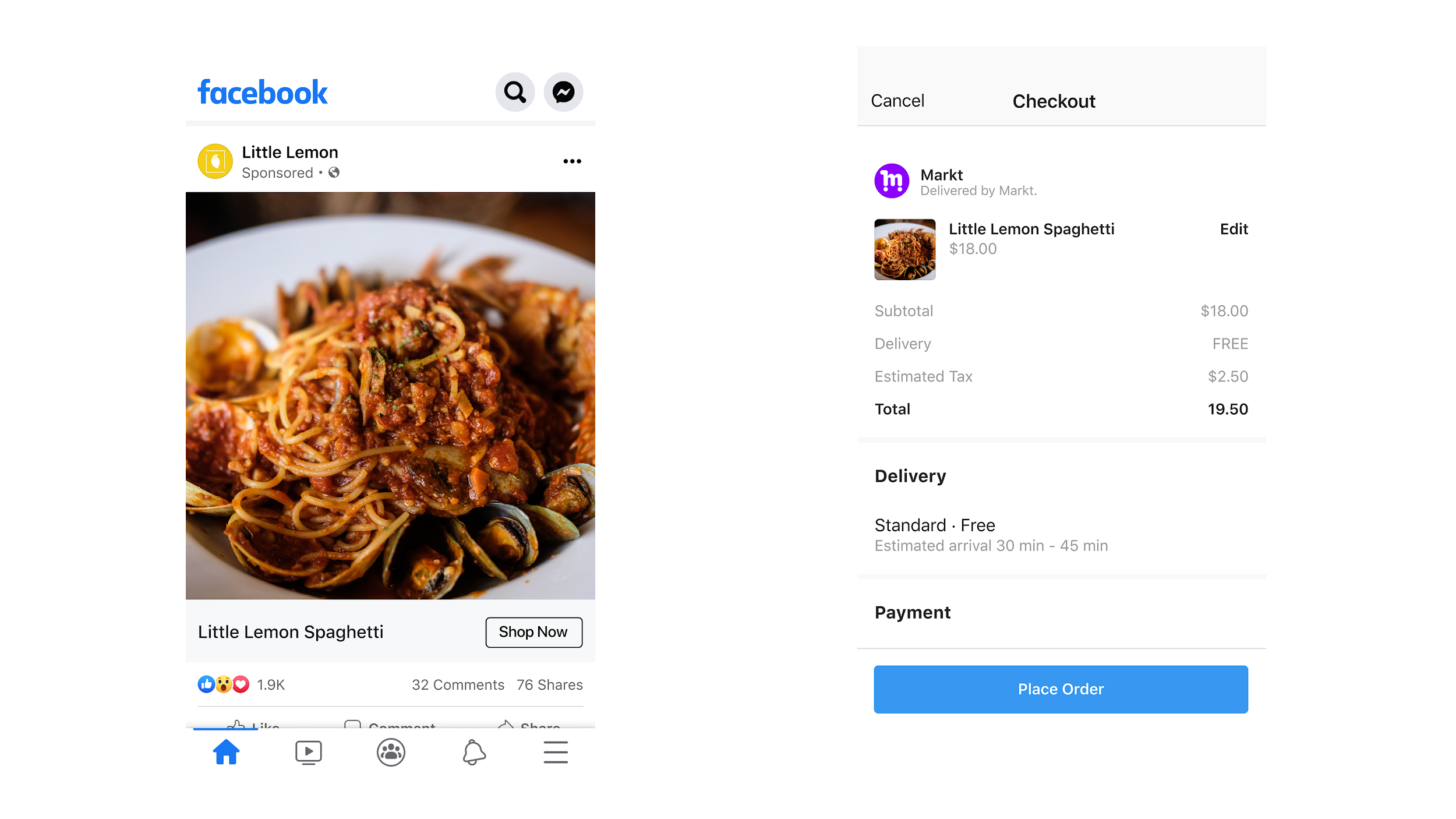
- Third Quarter 2022: Meta launched Advantage+ Shopping campaigns globally on August 15, 2022, automating the creative generation and split-testing process for e-commerce brands. Concurrently, Facebook announced the shutdown of Live Shopping effective October 1, shifting its primary video monetization focus toward Reels.
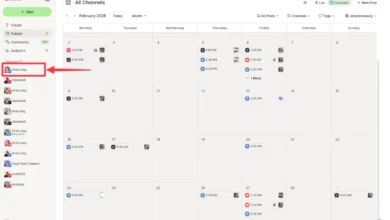
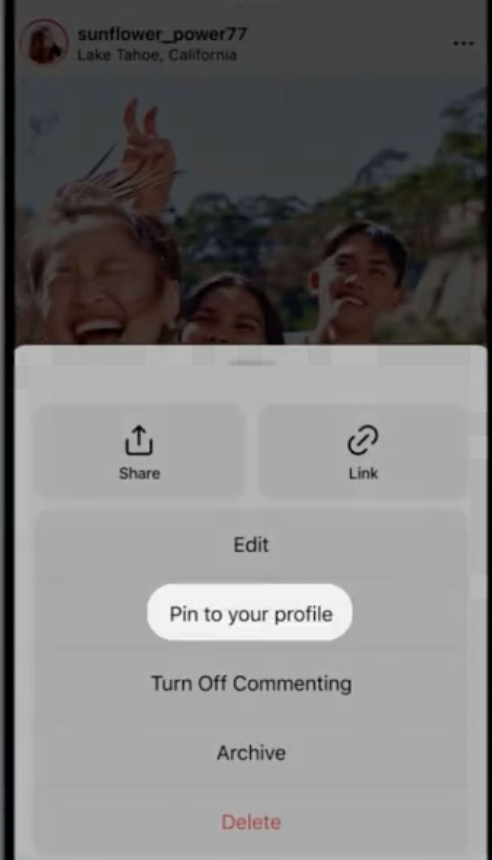
- Fourth Quarter 2022: Meta achieved Media Rating Council (MRC) accreditation for content-level brand safety on Facebook. Instagram simultaneously launched native content scheduling within the mobile application, allowing creators and businesses to queue static posts, carousels, and Reels up to 75 days in advance.
Algorithmic Shifts and the Push for Automation
A central theme of Meta’s 2022 strategy was the mandatory adoption of machine learning through the Advantage+ suite. Facing severe performance attribution challenges following Apple’s iOS 14.5 update—which restricted cross-app user tracking—Meta relied heavily on algorithmic modeling to predict consumer behavior and optimize ad delivery.
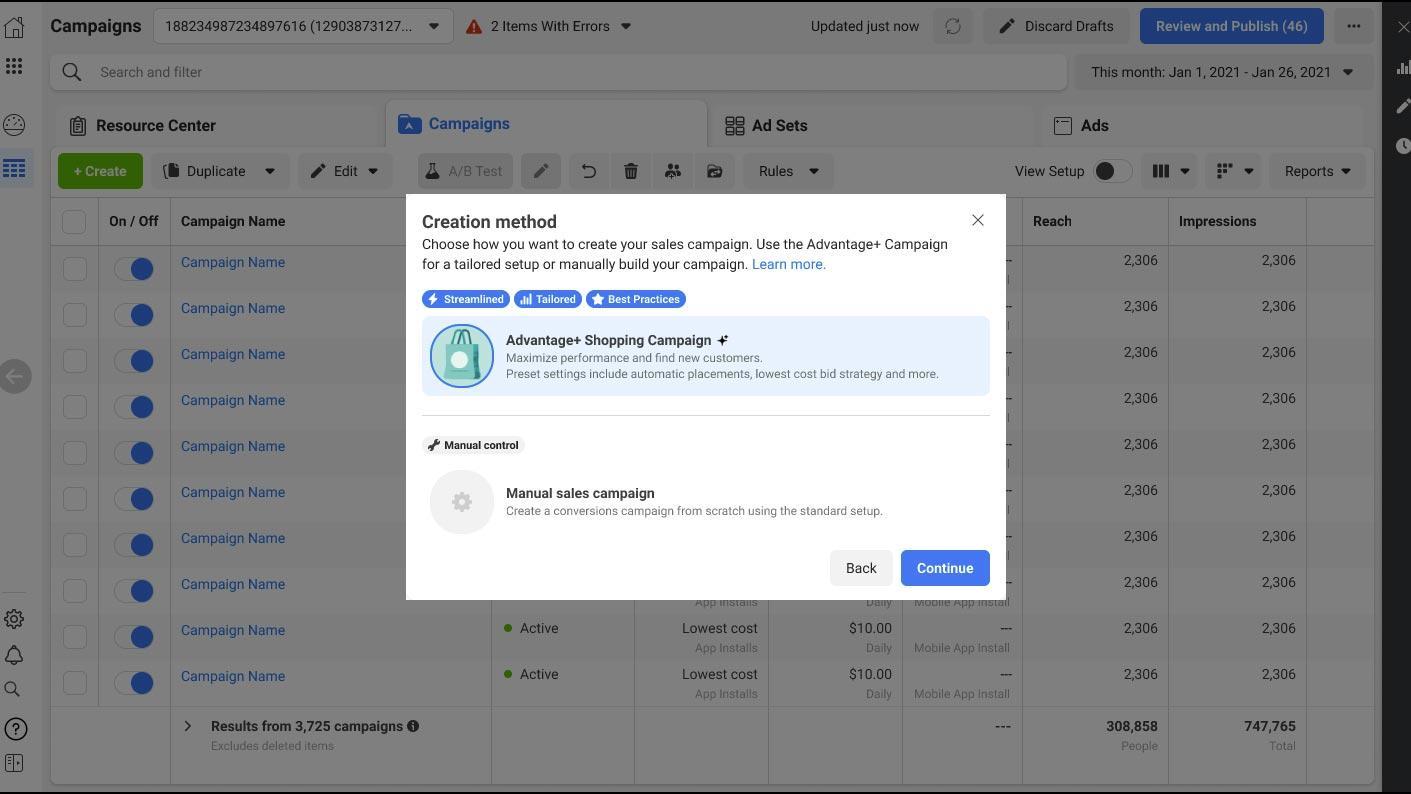
Advantage+ Shopping campaigns emerged as the flagship product of this automated pivot. According to internal Meta data cited during A/B performance trials, these campaigns yielded a 12% lower cost-per-purchase conversion rate compared to standard, manually targeted ad configurations. By allowing advertisers to test up to 150 creative variations simultaneously, the system dynamically serves the iteration most likely to convert based on individual user profiles.
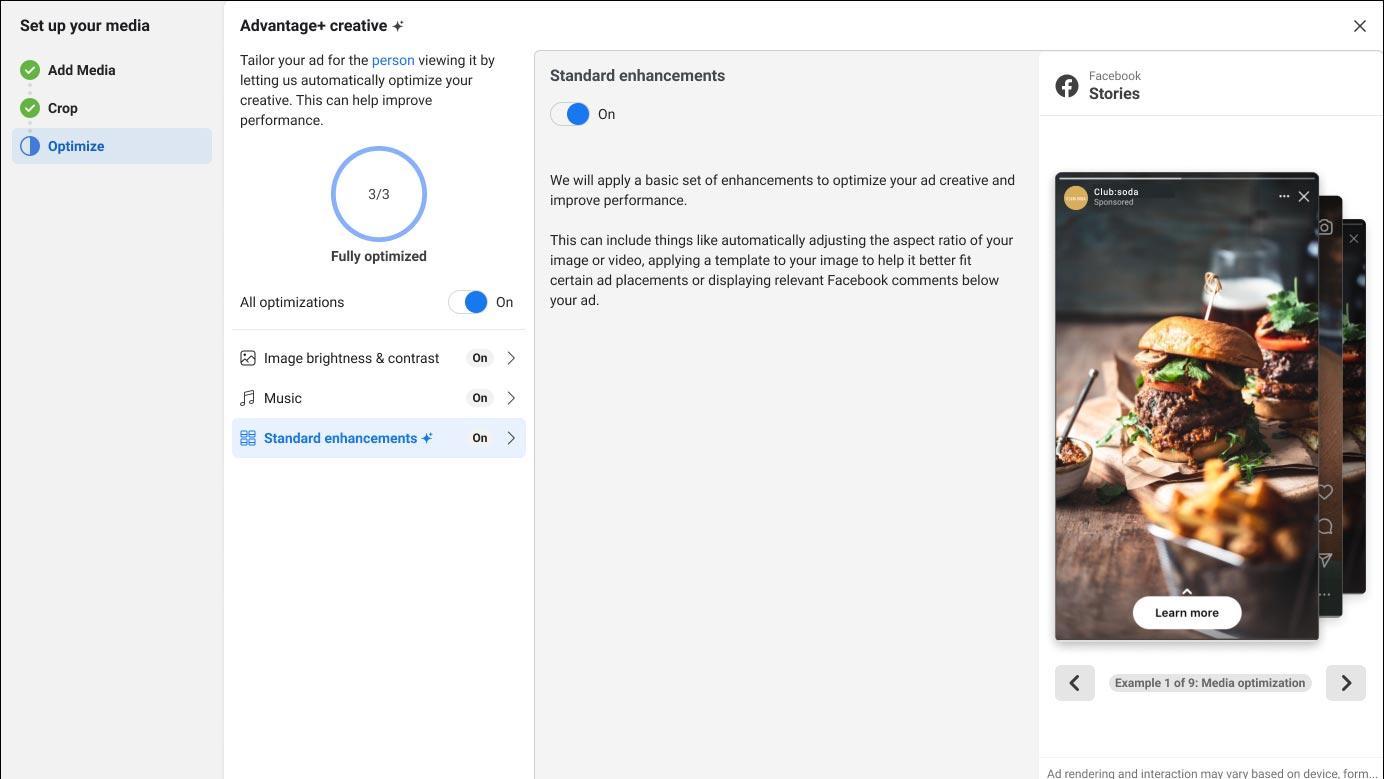
Despite these efficiency gains, digital marketers expressed ongoing concerns regarding the loss of granular audience control. The gradual phasing out of hyper-specific interest targets—paired with restrictions preventing advertisers from utilizing detailed behavioral data for users under the age of 18—forced brands to rethink their full-funnel acquisition strategies.
Monetization, Commerce, and the Evolution of Reels
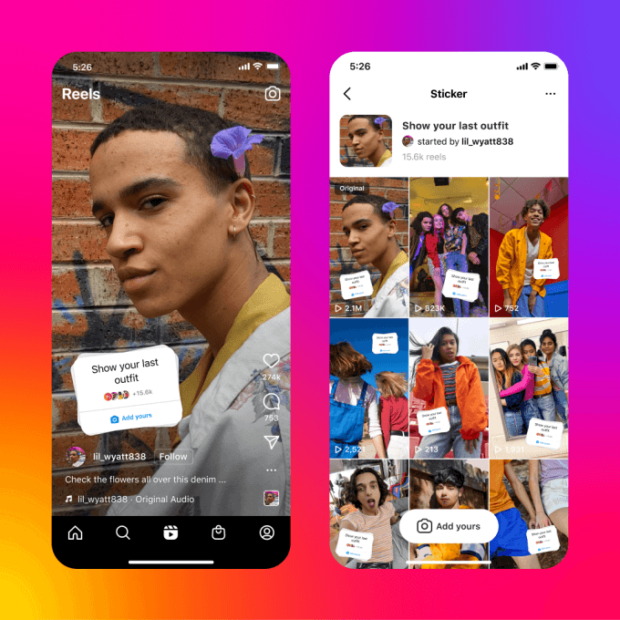
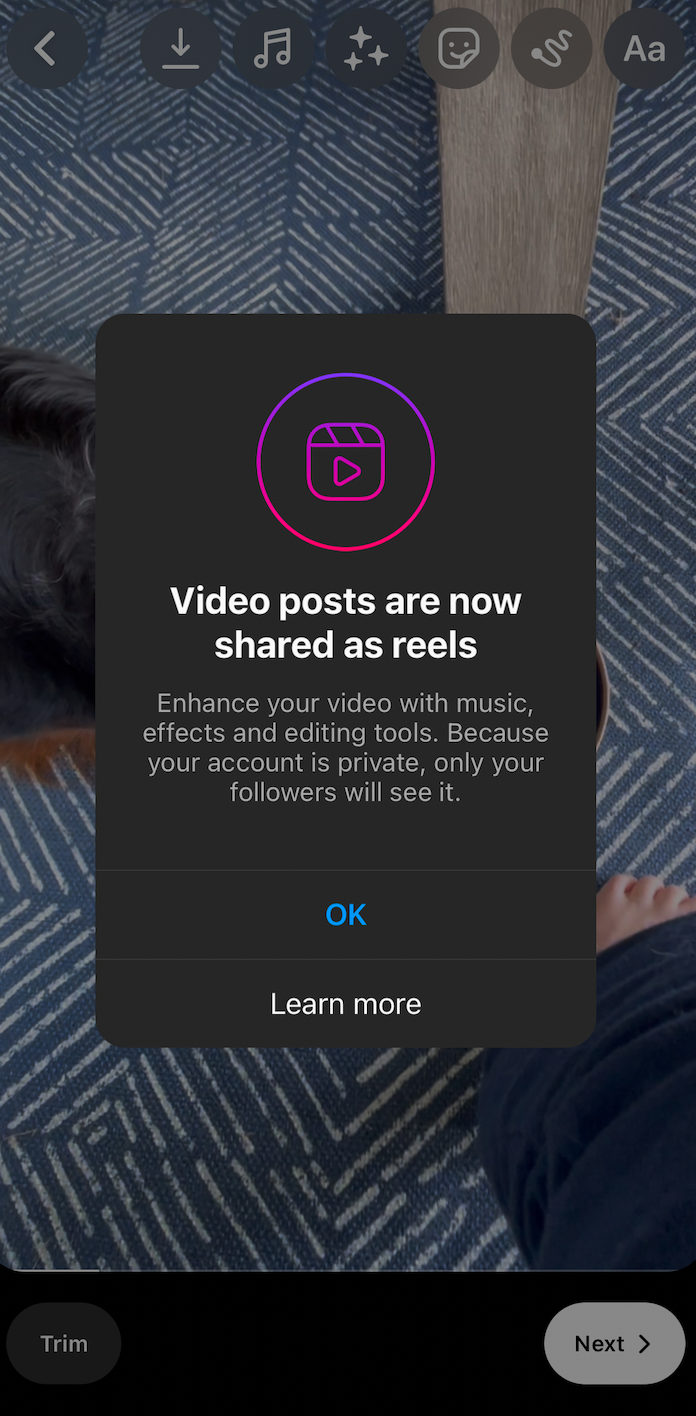
As user engagement habits shifted definitively toward vertical video consumption, Meta restructured its product architecture to mirror this transition. The merging of IGTV and in-feed videos into a single "Instagram Video" format, alongside the automatic conversion of short-form videos into Reels, positioned short-form video as the primary driver of platform traffic.
To support creator retention amidst fierce competition from ByteDance’s TikTok and Alphabet’s YouTube Shorts, Meta pledged over $1 billion in creator investments through 2022. This included the global rollout of Facebook Reels Overlay Ads and the "Stars on Reels" micro-tipping system, alongside a commitment to postpone revenue-sharing cuts on subscriptions, badges, and paid online events until at least 2024.

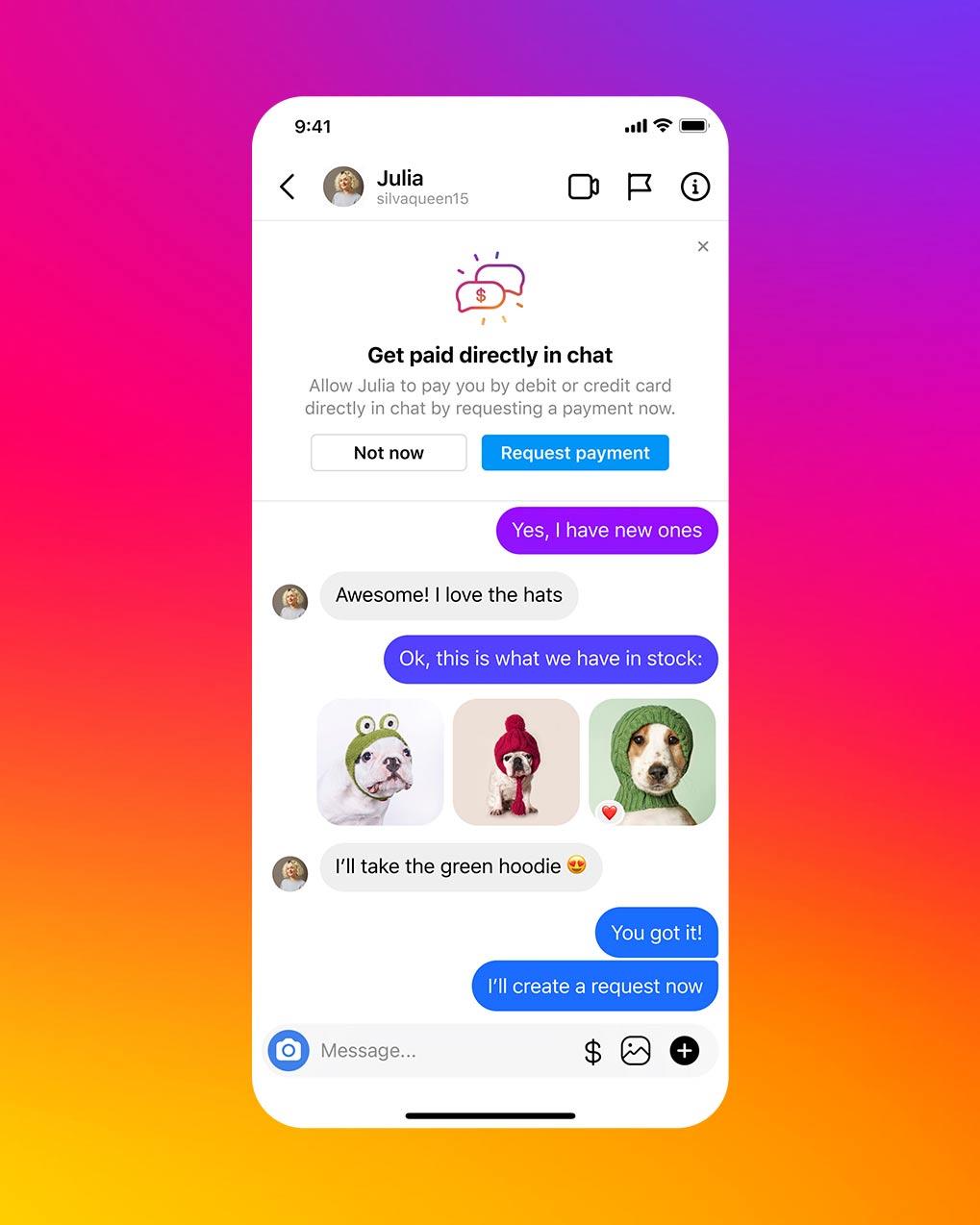
E-commerce functionality also underwent structural adjustments. While Facebook Live Shopping was discontinued due to shifting viewer preferences, Meta expanded native in-chat payments on Instagram, allowing qualified businesses to close transactions directly within Direct Message threads without redirecting consumers to external web checkouts.
Brand Safety Milestones and Regulatory Compliance
In response to sustained institutional pressure regarding brand suitability, misinformation, and intellectual property protection, Meta implemented rigorous validation protocols throughout 2022. The culmination of these efforts arrived in November, when the Media Rating Council (MRC) officially accredited content-level brand safety on Facebook for Instant Articles and In-Stream video placements. Independent auditors evaluated Meta’s content monetization policies and suitability controls, validating the safety measures established for enterprise advertisers.

Concurrently, Meta released the Intellectual Property (IP) Reporting API and updated its Brand Rights Protection suite within Business Manager. These tools provided enterprise rights holders with automated mechanisms to detect counterfeit goods, unauthorized copyright distributions, and trademark infringements across both Facebook and Instagram. Furthermore, the platform refined its political and social issue ad policies, exempting sales-focused commercial advertisements from mandatory political authorization requirements unless the primary objective constituted public advocacy.
Economic Implications and Outlook for 2023
Meta’s aggressive pivot toward AI-driven automation, short-form video dominance, and virtual reality infrastructure carried significant financial implications. Chief Executive Officer Mark Zuckerberg’s continued multi-billion-dollar investments into the conceptual metaverse—surpassing $36 billion by late 2022—drew scrutiny from institutional investors amid broader macroeconomic headwinds and declining digital advertising spend.
Nonetheless, the foundational adjustments executed in the final quarter of 2022 provided advertisers with a streamlined operational framework. By unifying messaging APIs, introducing native mobile scheduling tools, and expanding automated discovery via the Instagram Creator Marketplace, Meta positioned its core platforms to sustain enterprise utility heading into the 2023 fiscal year.