How to Monetize Instagram in 2026: A Comprehensive Guide for Digital Creators

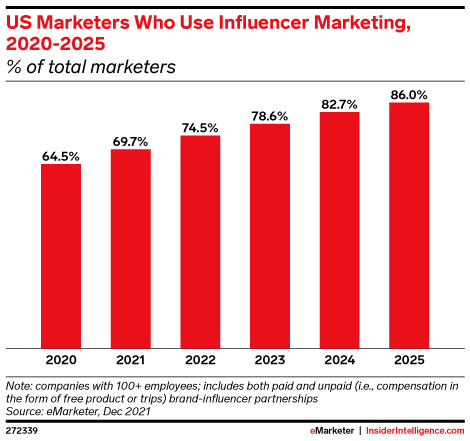
The landscape of social media commerce has undergone a radical transformation, evolving from a space for brand awareness into a robust, multi-billion-dollar marketplace. As of 2026, Instagram has solidified its position as the premier destination for influencer marketing, with U.S. marketers projected to spend approximately $13.7 billion on the platform by 2027. This financial influx is not reserved for global celebrities; it is increasingly distributed among micro- and nano-influencers who leverage high engagement rates to convert audiences into revenue. For creators, the challenge of 2026 is no longer just about gaining followers—it is about navigating the complex ecosystem of monetization tools to build a sustainable, diversified professional income.

The Evolution of the Creator Economy
Historically, Instagram monetization was defined by simple sponsored posts—a static image or video featuring a product in exchange for a flat fee. The current environment is significantly more nuanced. The professionalization of the creator economy has introduced a hybrid model where content creation, social commerce, and direct-to-consumer digital services intersect.
Data from 2025 indicates that influencer marketing spending in the United States surpassed $10.52 billion, a testament to the platform’s ability to drive consumer action. Industry analysts observe that the distinction between "content creator" and "retailer" has effectively vanished. Creators now operate as independent media entities, utilizing a combination of algorithmic reach and direct subscription-based loyalty to buffer against the volatility of platform trends.

Establishing the Infrastructure for Revenue
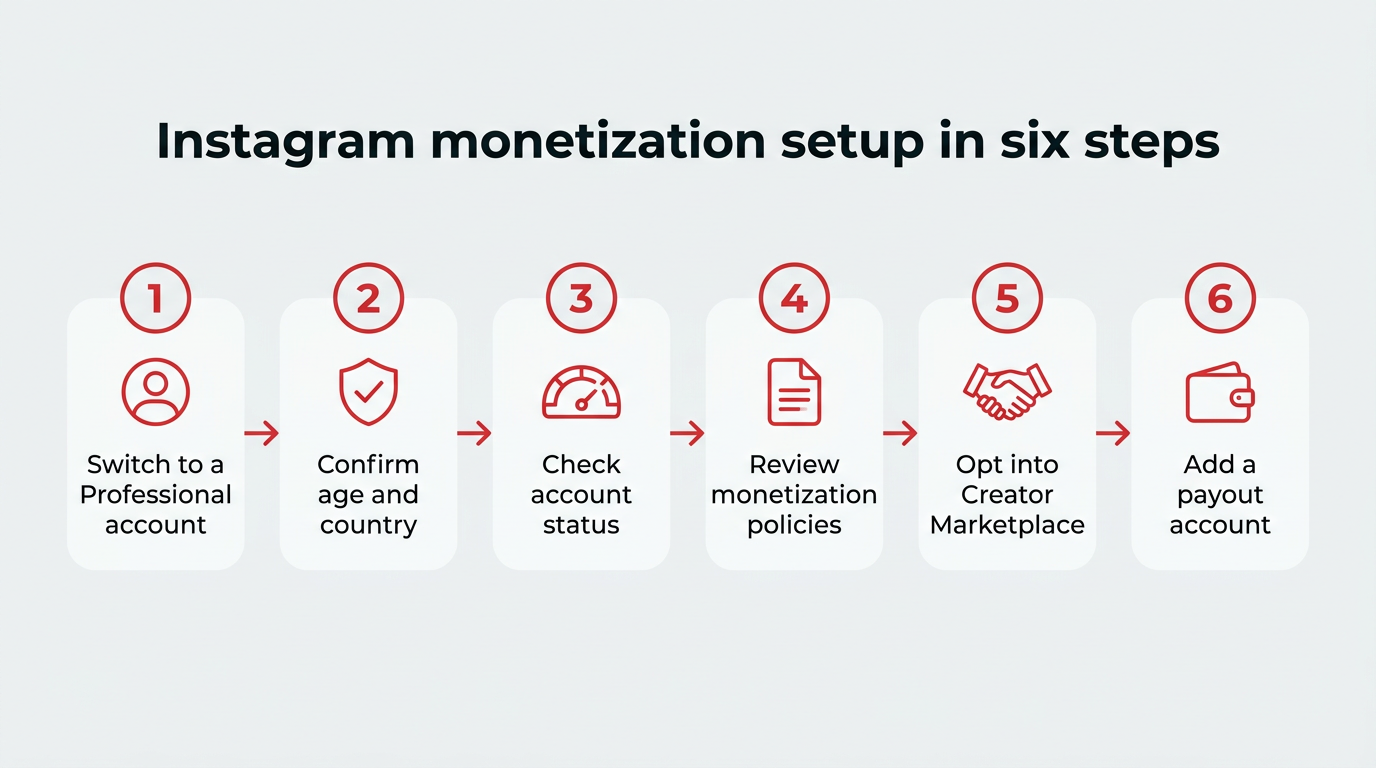
Before a creator can realize consistent income, the technical foundation of their account must be properly configured. The shift from a personal profile to a Professional account is the mandatory first step. This transition unlocks the Professional Dashboard, providing essential access to analytics, ad-revenue sharing, and the Creator Marketplace.
The Creator Marketplace functions as a digital bridge between brands and creators. By maintaining an updated profile within this hub, creators can bypass the often-tedious process of cold-pitching, allowing brands to discover talent based on audience demographics, niche authority, and previous performance metrics. Experts emphasize that transparency in this stage—such as clearly identifying one’s niche and audience location—is critical for attracting high-paying, long-term partnerships.
The Twelve Pillars of Instagram Monetization
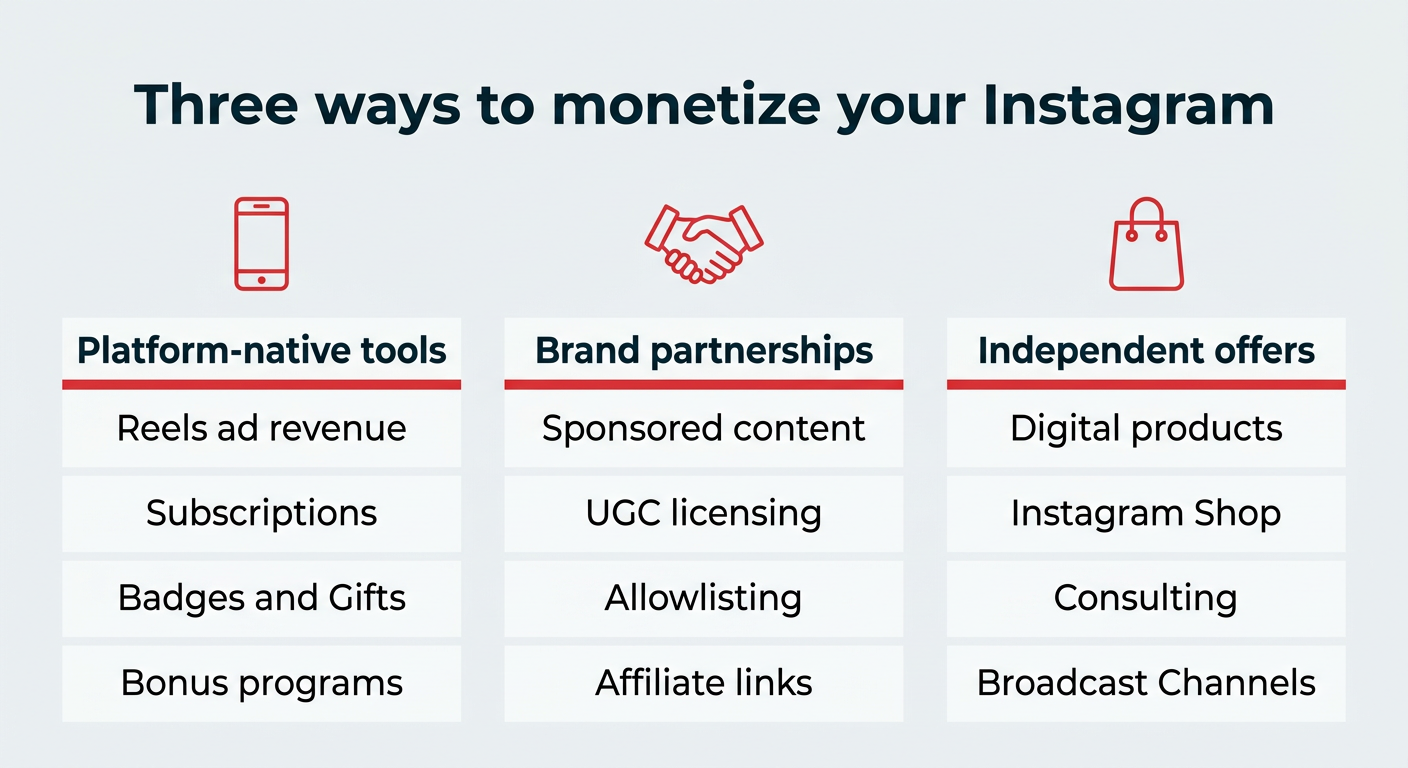
Modern monetization strategies are categorized into three distinct operational buckets: brand partnerships, platform-integrated tools, and direct-to-consumer sales.
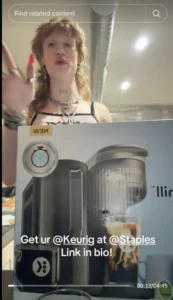
- Sponsored Content and Brand Partnerships: Despite the rise of automated tools, direct partnerships remain the cornerstone of creator revenue. The current trend favors "authentic integration"—where a product is woven into a narrative rather than presented as a jarring advertisement.
- Affiliate Marketing: Utilizing link stickers in Stories and dedicated "link-in-bio" hubs, creators earn commissions on sales generated through their referrals. Unlike one-off posts, high-performing affiliate content can generate passive income for months after the initial publication.
- Reels Ad Revenue: Instagram’s shift toward short-form video has made Reels the primary vehicle for discovery. Revenue sharing for Reels is invitation-based, focusing on original content that adheres to strict community guidelines.
- Subscriptions: This feature provides a predictable, recurring monthly income stream. By gating exclusive content, behind-the-scenes footage, or early access to product drops, creators can convert their most loyal followers into a reliable revenue base.
- Live Badges and Gifts: These features gamify audience interaction during live streams. Viewers purchase virtual goods to support the creator, fostering a sense of community while providing direct financial support.
- Digital Products: The highest-margin segment of the creator economy involves selling expertise. Whether through e-books, templates, or specialized courses, digital goods allow creators to retain the vast majority of their earnings by removing middle-man overhead.
- Social Commerce (Instagram Shops): For those selling physical goods, integrating a catalog directly into the Instagram feed reduces friction. This is increasingly vital for creators building independent brands or merchandise lines.
- UGC and Licensing: Brands frequently seek "User Generated Content" (UGC) that they can use in their own advertisements. Creators are compensated for the production of the asset itself, often regardless of their own follower count, as the brand prioritizes the creator’s aesthetic and production quality.
- Broadcast Channels: These one-to-many messaging platforms are currently among the most effective conversion tools. By sending updates directly to a user’s inbox, creators can drive high-intent traffic to affiliate links or product launches.
- Consulting and Coaching: Leveraging expertise demonstrated through free content, creators can offer one-on-one strategy sessions or audits. This is often the fastest way for a new creator to begin generating professional income.
- Close Friends (Manual Monetization): By managing a private list of subscribers manually, creators can offer premium content in regions where official Subscription features may not yet be available.
- Bonus Programs: Periodically, Instagram rolls out performance-based bonuses. While these are not reliable as a primary income source, they represent significant windfalls for creators who maintain high account standing and consistent output.
Strategic Pricing and the Pay Gap
Determining the value of a partnership is a challenge that often leaves creators undercompensated. While an antiquated rule of thumb suggested $100 per 10,000 followers, modern pricing is dictated by engagement rates and usage rights. A more accurate metric is the Cost Per Engagement (CPE), with many creators utilizing the formula: (Recent Average Engagements) x $0.16.
However, the industry faces a systemic hurdle regarding the pay gap. Studies have consistently shown that systemic bias influences how much creators are paid based on race and background. Initiatives such as the @influencerpaygap account have brought these disparities into the public eye, encouraging creators to share rate information to ensure equitable compensation. Professionals are advised to consult industry benchmarks and maintain transparency to avoid the common pitfall of underpricing their labor.
The Role of Growth and Compliance
Growth is the primary lever that raises the ceiling for all monetization methods. To optimize for revenue, creators must focus on high-intent content that converts viewers into a community. This involves consistent output, adherence to platform trends, and, crucially, strict compliance with Federal Trade Commission (FTC) disclosure requirements. Failing to properly label "paid partnerships" or "#ad" content can lead to the loss of monetization eligibility, effectively halting a creator’s income overnight.
Future Outlook and Implications
The trajectory of the creator economy suggests a move toward deeper integration between social platforms and e-commerce. As tools become more sophisticated, the "creator as a business" model will continue to solidify. Success in 2026 requires more than just creativity; it demands a strategic mindset, a firm grasp of data analytics, and the ability to pivot between different revenue streams as the platform evolves.
While the barrier to entry remains low, the barrier to success is rising, favoring those who treat their Instagram presence as a multifaceted enterprise rather than a simple social profile. By diversifying revenue—stacking affiliate programs with subscription models and brand partnerships—creators can build a resilient career capable of weathering the inevitable shifts in the digital marketplace. For the modern creator, the objective is clear: leverage the platform’s reach, build trust with the audience, and formalize the business of influence.