Bridging the Digital-Physical Divide: Why E-Commerce Beauty Brands Must Prioritize Offline Awareness Over Direct Conversions

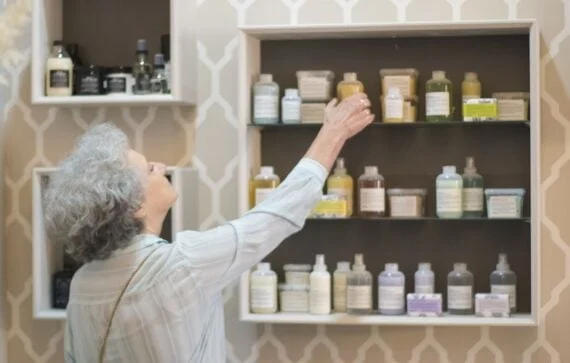
The modern beauty landscape presents a paradoxical challenge for digital-first brands attempting to transition into physical retail spaces such as upscale spas, luxury resorts, and specialty wellness chains. While these brick-and-mortar establishments heavily covet exclusivity—often seeking unique product lines that distinguish them from competitors—their operational survival ultimately depends on consumer familiarity. For digital-native vertical brands (DNVBs) accustomed to optimizing their web traffic for immediate transactional conversions, this dynamic requires a complete operational and marketing overhaul.
The Realities of Retail Resistance: A Case Study in California
The friction between digital ambition and physical hesitation was starkly illustrated during a recent pitch meeting in California. An industry consultant introduced a prominent French skincare brand—widely celebrated across Europe and Asia—to a high-end spa manager. The initial expectation was immediate enthusiasm, driven by the prestige of bringing an exclusive, international label to a U.S. market.
Instead, the manager declined the partnership. Her reasoning underscored a fundamental rule of physical retail: risk aversion. Spa clients consistently demand products they already recognize or those explicitly recommended by trusted peers. Introducing an entirely unfamiliar label, regardless of its overseas pedigree, poses a direct financial risk to inventory-conscious managers who operate on tight margins. For digital brands, this interaction highlights a harsh reality—online traction does not automatically translate to offline trust. Brands looking to bridge the gap between e-commerce and brick-and-mortar must first invest heavily in foundational brand awareness before expecting retail buyers to take a chance on unproven inventory.
Navigating the B2B Entry Strategy: Events, Memberships, and Networking
For e-commerce brands attempting to secure shelf space in luxury environments, traditional digital acquisition tactics frequently fall short. Cold outreach via email, despite boasting open rates as high as 80% among busy executives, suffers from notoriously low conversion rates. Spa directors, constantly inundated with digital correspondence, routinely skim and forget unsolicited pitches, rendering email an ineffective tool for major resort groups and regional chains. The sole exception within the digital landscape tends to be independent estheticians, who are more inclined to engage directly with emerging formulations.
To effectively penetrate the physical market, brands must bypass digital cold channels and immerse themselves in industry-specific ecosystems. This involves strategic investments in regional associations and physical trade events. Organizations such as the SoCal Spa Wellness Collective in Southern California serve as vital conduits, bridging the gap between boutique spas, wellness retreats, and luxury manufacturers. By fostering collaboration and innovation within a localized network, these collectives help emerging brands build the essential social proof required by risk-averse buyers.
Similarly, specialized trade gatherings—such as Live Love Spa events—offer direct access to decision-makers, though participation requires a calculated financial commitment, with exhibition booths frequently starting around $4,000. While foreign founders, particularly those accustomed to digital-first customer acquisition models in Europe, often question the tangible return on investment of physical trade shows, industry data suggests otherwise. These events typically facilitate direct conversations with dozens of spa directors simultaneously. Within the spa industry, adoption follows a localized domino effect: once a single marquee resort or regional leader adopts a new product line, competing establishments quickly follow suit to avoid falling behind market trends.
The Six-Month Timeline: Mapping the B2B Sales Cycle
Entering the physical spa market is rarely a transactional quick fix; it is a methodical, relationship-driven process that generally spans a minimum of six months from the initial introduction to the fulfillment of a first purchase order. Brands must carefully evaluate the internal hierarchy of a spa business before initiating contact.
A common strategic misstep involves approaching the treatment providers—the practitioners who perform massages and facials—directly. Instead, brands should initially target the retail management and procurement side, where inventory decisions are finalized. Once a retail relationship is established, the strategy should pivot toward scheduling seasonal training sessions with the spa’s licensed estheticians. Only after building rapport and demonstrable product confidence among these frontline professionals should brands seek to engage the senior training staff.

Furthermore, successful B2B negotiation extends far beyond wholesale pricing structures. It encompasses comprehensive ongoing education for estheticians and the ability to address immediate, seasonal inventory needs. Whether supplying high-demand items like summer sunscreens or rushing out-of-stock makeup removers, fulfilling immediate operational gaps establishes reliability. In the physical spa sector, providing the right product at the precise moment of need consistently outperforms broad, inflexible commercial strategies. Patience remains the defining characteristic of sustained B2B success.
Redefining the Influencer Ecosystem and Digital Footprint
The mechanics of influence in the spa and wellness sector diverge sharply from traditional direct-to-consumer (D2C) marketing playbooks. While digital brands often allocate significant marketing budgets to prominent lifestyle influencers and macro-content creators, the physical retail decision-making process relies on a different authority figure: the licensed esthetician.
When clients step out of a treatment room, their purchasing decisions are heavily influenced by the professional who just performed their service. A trusted esthetician with a modest yet deeply engaged local following exerts far more commercial influence on retail sales than a high-profile digital celebrity. Consequently, beauty brands must cultivate relationships with skincare professionals who act as trusted micro-influencers within their communities.
Before agreeing to a partnership, sophisticated spa managers will conduct thorough digital due diligence, scrutinizing a brand’s e-commerce website. For a digital brand seeking wholesale accounts, the website must function as a professional B2B portfolio as much as a D2C storefront. Key elements must include meticulously structured product pages, transparent and detailed ingredient breakdowns, professional imagery, and clean, unambiguous calls to action.
Metrics That Matter: Shifting Key Performance Indicators
Because the primary objective of an omnichannel strategy is dual-pronged—serving both end consumers and wholesale partners—brands must fundamentally alter how they measure digital success. Key performance indicators (KPIs) for a hybrid B2B/D2C website differ vastly from those optimized purely for direct-to-consumer transactions.
While D2C operations prioritize immediate conversion rates, purchase frequency, and average order values (AOV), B2B-focused digital platforms must prioritize brand discovery and site authority. Essential B2B KPIs include:
- Growth in branded search volume across Google and other search engines
- Direct traffic volumes indicating offline word-of-mouth awareness
- Professional account registrations and verification rates
- Wholesale sample requests from verified spa directors and estheticians
- Engagement with digital store-locator tools, measured via "where to buy" clicks
Maintaining Channel Harmony: B2B vs. D2C Operations
Establishing an effective omnichannel presence necessitates the retention of a robust D2C channel, but brands must exercise rigorous discipline regarding product segmentation. To protect wholesale relationships and prevent channel conflict, brands should limit direct-to-consumer sales to items naturally suited for personal home maintenance, such as retail-sized cleansers, daily sunscreens, and targeted makeup removers.
Professional-use formulations—larger-format products designed exclusively for treatment rooms—must be strictly segregated behind a secure customer portal requiring verified professional login credentials, with wholesale pricing gated accordingly. Additionally, brands must enforce strict minimum advertised pricing (MAP) policies on shared Stock Keeping Units (SKUs). Failure to protect retail pricing online—allowing e-commerce discounts to undercut what local spas charge their clients—will quickly alienate wholesale partners, destroying the trust required to maintain a viable physical retail footprint.