The Imperative for Banks on Social Media: Strategy, Compliance, and Growth in the Digital Age


In an increasingly digitized world, social media has transformed from a peripheral communication channel into a cornerstone of modern financial strategy for banks. This shift is driven by evolving consumer behavior, particularly among younger demographics, who increasingly turn to digital platforms for financial information, advice, and institutional comparisons. Beyond mere visibility, an active and well-managed social presence now directly contributes to tangible business outcomes such as lead generation, customer retention, and robust brand awareness, underscoring its non-negotiable role in the contemporary banking landscape.

The Shifting Landscape of Financial Information Consumption
The way individuals engage with financial information has undergone a significant transformation, with social media emerging as a primary conduit for learning and decision-making. Research from the FINRA Foundation highlights this trend, revealing that 29% of investors actively utilize social media and message boards to gather ideas for investment decisions. Platforms like YouTube, Reddit, Facebook, and LinkedIn are particularly favored for this purpose, indicating a broad digital migration of financial discourse.

This evolving dynamic presents both a substantial opportunity and a profound responsibility for financial institutions. Audiences are actively seeking financial education and guidance, yet the foundation of trust in the financial sector remains notably fragile. According to the Edelman Trust Barometer, credibility is paramount, especially in highly regulated industries. Consequently, the dissemination of clear, accurate, and transparent information on social channels is more critical than ever, serving as a bulwark against misinformation and a cornerstone for building enduring consumer confidence.
Gen Z and the Influence of Digital Financial Advisors
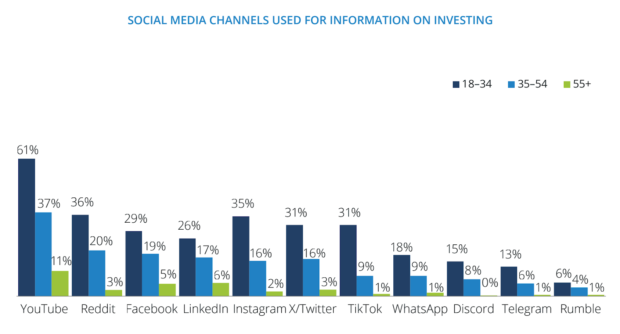
Perhaps no demographic exemplifies this shift more profoundly than Generation Z. For this cohort, traditional financial guidance often takes a backseat to insights gleaned from social media. A recent Gallup poll underscores this phenomenon, reporting that 42% of Americans aged 18 to 29 rely on social media for financial advice. Furthermore, a striking 61% of investors under 35 have acted on recommendations provided by "finfluencers" – financial influencers who leverage digital platforms to share advice.
The appeal of finfluencers to Gen Z is understandable; they excel at delivering financial content in accessible, bite-sized formats that resonate with digital natives. These creators often prioritize financial literacy, advice, and strategy over overt sales pitches, a model from which traditional banks can draw considerable inspiration. By adopting similar approaches, such as producing short-form educational videos and engaging content series, banks can effectively connect with younger audiences and cultivate financial literacy in a relatable manner.

Digital Marketing as the New Core for Banking
The notion of digital as merely "one channel" is outdated in the banking industry; it is now unequivocally the channel. Digital marketing currently commands nearly 62% of bank marketing budgets, firmly establishing online channels as the primary means for financial institutions to reach, educate, and engage their clientele. This substantial investment signifies that social media is no longer an optional or experimental endeavor but a fundamental component of the overall marketing mix. With consumer banking digital ad spending approaching $370 million per quarter, a robust social media presence is essential for banks to remain competitive and relevant.
The competitive landscape further underscores this imperative. A 2023 ABA report indicates that nine out of ten banks recognize the importance of social media, with 88% reporting active engagement on their accounts. This data highlights a clear industry trend: banks that are not actively engaging online risk losing mindshare and market share to competitors who are effectively connecting with potential customers and articulating their value proposition.
Strategic Platform Selection for Maximum Impact
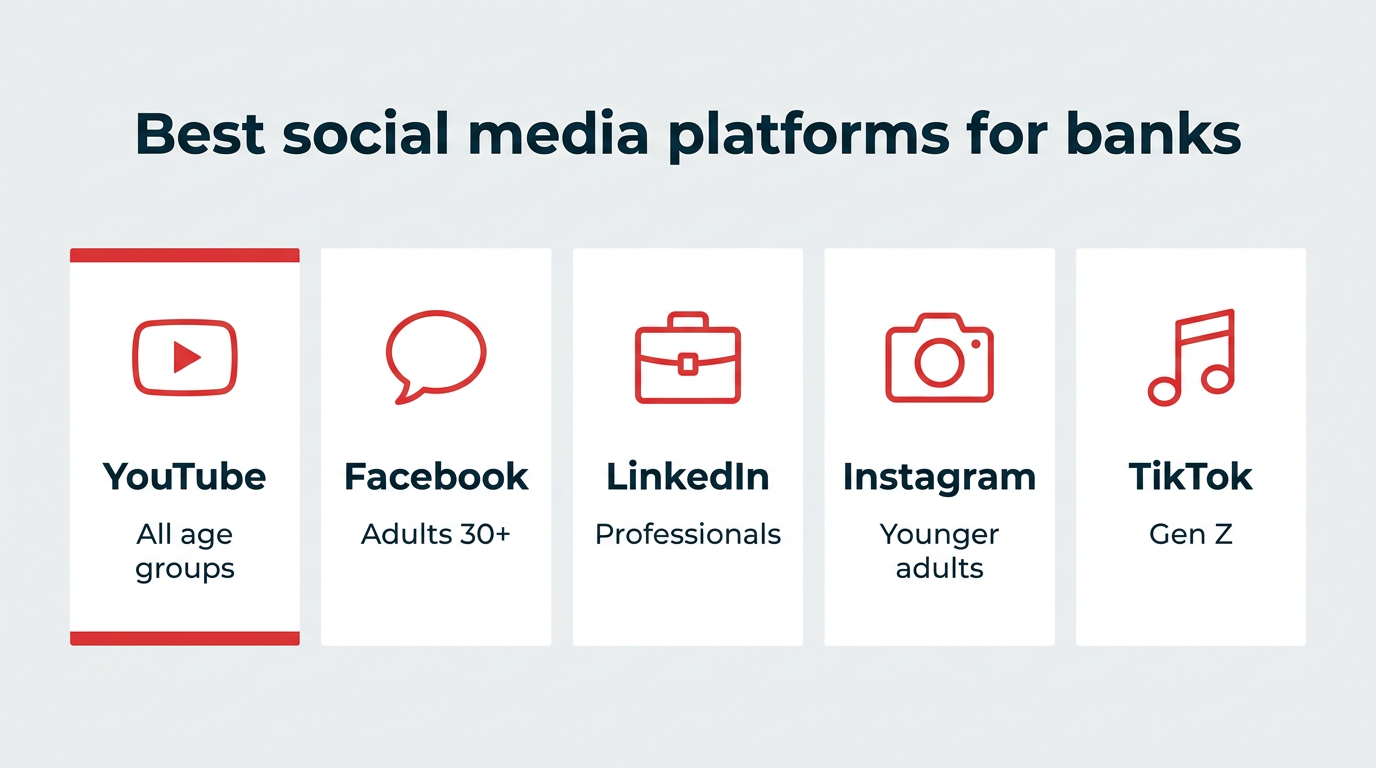
The optimal social media platforms for a bank are dictated by its target audience and specific objectives, though YouTube, Facebook, LinkedIn, Instagram, and TikTok are among the most commonly utilized. The selection process should always be driven by meticulous audience research rather than simply following fleeting trends. As Leen Li, Chair of the Wealthsimple Foundation, aptly states, "You can have the best product and content, but if you can’t distribute to your audience on the proper platform, you’re not going to hit your goal."
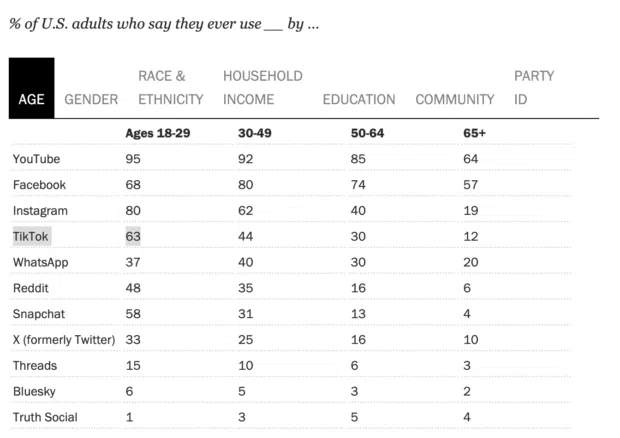
A data-driven approach, such as investing in paid content across various platforms to assess initial engagement and return, can provide valuable insights. For instance, Wealthsimple’s strategy initially favored YouTube based on performance metrics. Pew Research Center data supports YouTube’s broad appeal, showing it reaches across all age groups, with 95% of adults aged 18-29 utilizing it, making it a strong foundational platform for most banks. Facebook, conversely, maintains a solid reach among adults aged 30 and above. For engaging Gen Z, who often prefer concise financial videos over traditional advisory appointments, platforms like TikTok and Instagram represent strategic investments.
- YouTube: Offers broad reach across all age groups. Ideal for long-form video content, webinars, and detailed explainers, making it excellent for comprehensive financial education.
- Facebook: Strong among adults 30 and up. Suitable for community engagement, sharing updates, and linking to articles or resources.
- LinkedIn: Caters to professionals and older adults. Best for thought leadership, B2B engagement, and recruitment, enhancing brand authority.
- Instagram: Popular with younger adults. Perfect for visually engaging Reels, carousels, and Stories focused on financial literacy and brand awareness.
- TikTok: Dominant among Gen Z and younger millennials. Specializes in short-form video and leveraging finfluencer-style content to reach younger demographics.
Ultimately, a bank does not need to maintain a presence on every platform. The most effective strategy involves concentrating efforts where the target audience is most active and delivering content that aligns with their preferred modes of learning and engagement.
Crafting Engaging and Trustworthy Content

Effective social media content for banks extends far beyond mere product promotion. It must educate, build trust, and reveal the human element behind the institution. A diversified content mix is essential to sustain audience engagement and provide compelling reasons for individuals to entrust their financial well-being to the bank. The success of finfluencers offers a valuable lesson: they capture attention by leading with education and personality, eschewing overt sales pitches. Banks can adapt this approach through short-form videos, engaging carousels, and informative threads.
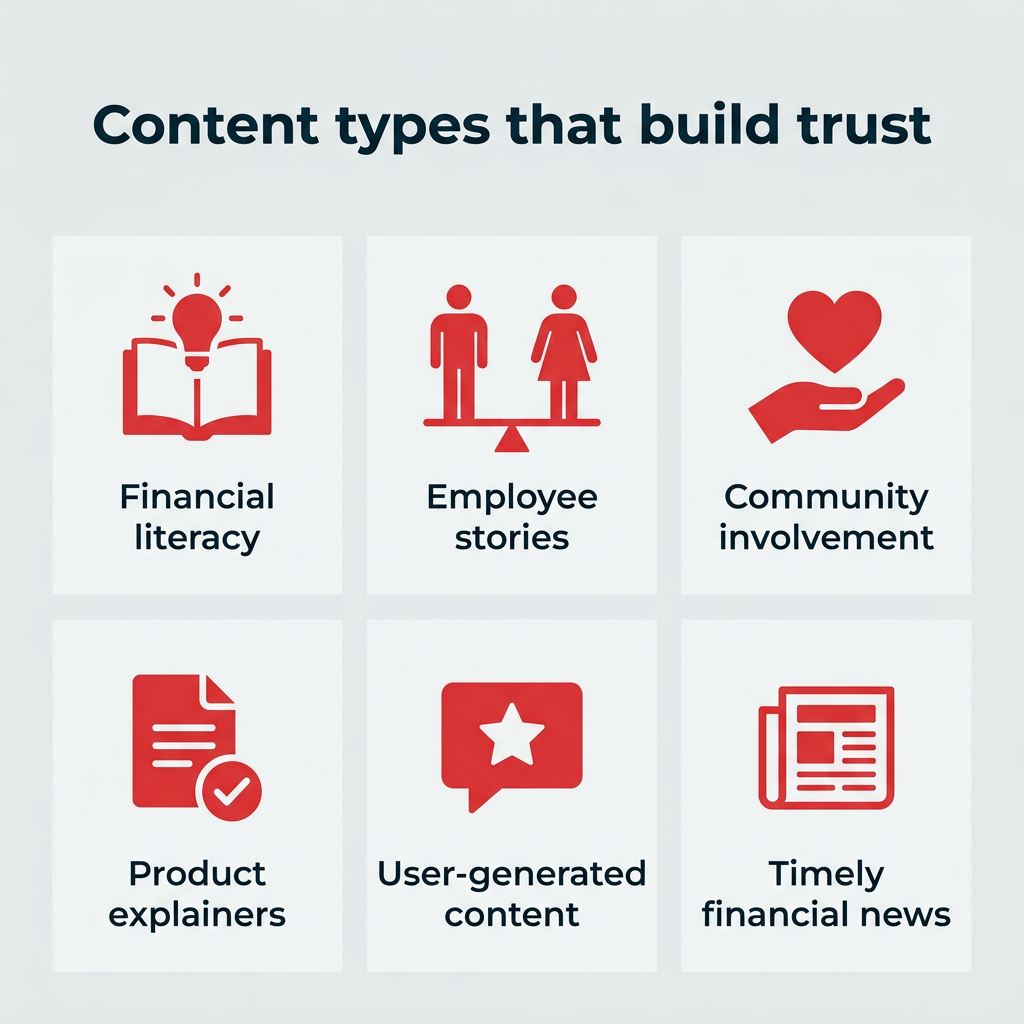
Content types that foster trust include:

- Financial Literacy Tips and Explainers: Breaking down complex financial concepts into easily digestible information.
- Behind-the-Scenes Content: Showcasing employee stories, workplace culture, and daily operations to humanize the brand.
- Community Involvement Highlights: Demonstrating the bank’s commitment to local communities through sponsorships, volunteer work, and charity initiatives.
- Customer Testimonials and Success Stories: Authentic narratives from satisfied clients that build social proof and credibility.
- Interactive Q&A Sessions: Addressing common financial questions and concerns in real-time, fostering direct engagement.
User-generated content (UGC) is particularly powerful in building trust. Securian Financial’s #LifeBalanceRemix campaign, for example, successfully leveraged UGC to boost community engagement. This campaign, integrating social listening and active engagement, resulted in a 45% increase in community growth, a 30% surge in content interactions, and a remarkable 12% rise in brand mentions, demonstrating the profound impact of authentic user contributions.
Navigating Regulatory Complexities and Risk Management

For financial institutions, social media engagement is inextricably linked with rigorous compliance and risk management. Operating in a highly regulated industry means facing severe legal and financial repercussions if compliance standards are not meticulously upheld across all social media initiatives.
1. The Foundational Social Media Audit:
Before embarking on any strategy, a comprehensive social media audit is crucial to assess the existing digital footprint. Global insurance giant MAPFRE, for instance, discovered over 80 official social media pages during an audit. By consolidating these accounts onto a single platform, they gained a unified view of their activities and significantly enhanced their online presence, achieving a 56% increase in engagement rate, a 30% boost in overall reach, and a 25% improvement in content performance.

2. Building Trust Through Education and Transparency:
Trust is paramount, especially for Gen Z. The World Economic Forum notes that 17% of non-investors cite difficulty trusting financial institutions as a barrier, yet many express a greater willingness to invest if provided with better learning opportunities. Banks must prioritize educational content, delivering practical insights and personal stories without conflating teaching with selling. A critical consideration for 2026 is transparency around AI-generated content; openly disclosing AI usage in customer-facing materials is vital for safeguarding brand reputation in a low-trust environment.
3. Upholding Compliance and Mitigating Risk:
Regulatory bodies such as FINRA and the SEC oversee investment-related communications, the OCC governs national banks, and the FDIC sets advertising and consumer protection standards. Violations, such as sharing customer information without consent or making unsubstantiated claims, can result in hefty penalties and severe reputational damage. Cybersecurity threats, including unauthorized social media activity or cyberattacks, pose significant financial and reputational risks. Financial technology provider SIX Group, serving 130 banks, implemented automated cybersecurity measures, supported by platforms like Hootsuite Social OS with its Vigil governance layer for approvals and archiving, and Lumen for real-time monitoring. This led to a 75% reduction in unauthorized accounts, a 60% decrease in malicious content, and a 40% improvement in response time to threats.

4. Educating Internal Teams:
A critical component of a robust social media strategy involves educating the internal team on industry regulations and the bank’s specific social media guidelines. Employees who understand compliance protocols are less likely to inadvertently post problematic content. Employee advocacy platforms, such as Hootsuite’s Parliament, facilitate this by allowing content administrators to push pre-approved, curated content that employees can share on their personal social accounts. This not only extends the organization’s reach but also significantly reduces compliance risk. Julius Baer, a Swiss private banking group, utilized Parliament to empower employees as brand ambassadors, achieving a 50% increase in content reach, a 35% improvement in employee engagement, and a 20% boost in brand mentions.
5. Implementing a Comprehensive Social Media Governance Policy:
A formal social media governance policy outlines the rules of engagement for all employees. This document should detail:

- Clear roles and responsibilities for social media management.
- Content approval workflows to ensure compliance before publication.
- Guidelines for engagement, response times, and tone of voice.
- Procedures for record-keeping and archiving social media communications.
- Protocols for handling customer inquiries and complaints.
- A robust crisis communication plan.
- Mandatory training requirements for all employees involved in social media.
This policy must align with all other internal and external communication guidelines and often involves the Chief Information Officer and Chief Risk Officer due to its implications for security and compliance.
6. Integrating Social Media into the Broader Marketing Strategy:
Younger investors (18-34) rarely rely on social media in isolation; they integrate it with other information sources. Therefore, connecting social media activities to a broader digital ecosystem, such as linking social posts to blog articles and ensuring consistency with website content, is vital for building a reliable reputation. Call-to-actions (CTAs) like "click the link in our bio" become crucial. Platforms that integrate social data with broader marketing stacks, like Salesforce and Adobe, ensure seamless information flow across connected systems.
7. Humanizing the Brand with People-Forward Content:
To foster deeper engagement, banks should prioritize content that highlights the people within the organization. Sharing employee stories, client testimonials, and behind-the-scenes glimpses can counteract the perception of banks as impersonal entities. Kennebec Savings Bank, for example, effectively uses LinkedIn to share employee features, showcasing their team’s involvement in community events and daily operations. Such efforts pay dividends in humanizing the brand and building trust.
8. Preparing for Social Media Crises:
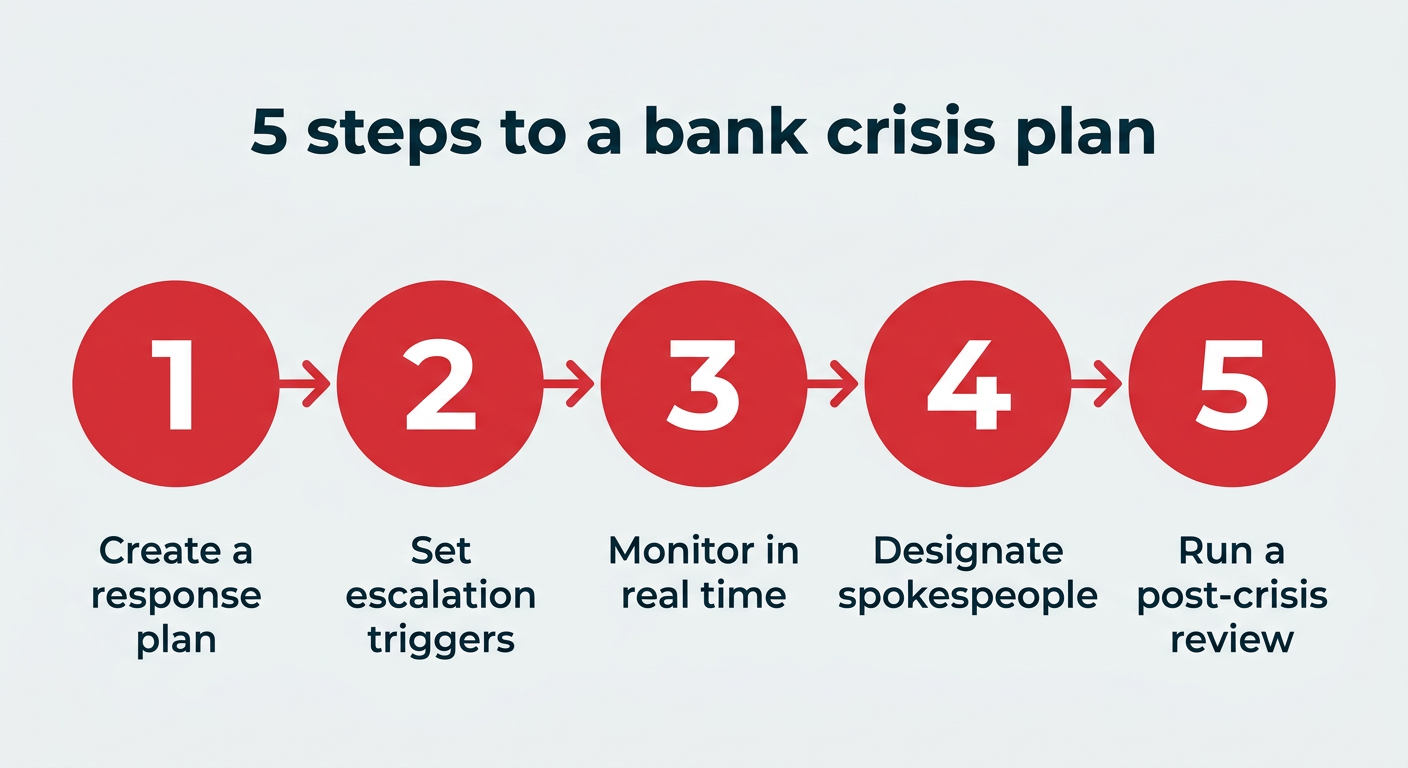
Banks face unique reputational risks, making a robust crisis management plan non-negotiable. A single mishandled comment or unauthorized post can rapidly escalate. The five-step crisis plan includes:
- Identify potential risks: Proactively assess vulnerabilities.
- Establish a crisis team: Designate roles and responsibilities.
- Develop pre-approved messaging: Prepare holding statements and FAQs.
- Define escalation protocols: Outline when and how to escalate issues.
- Conduct regular drills: Practice responses to ensure readiness.
A clear, rehearsed plan ensures calm and consistent responses during critical moments.
9. Engaging Actively with the Audience:
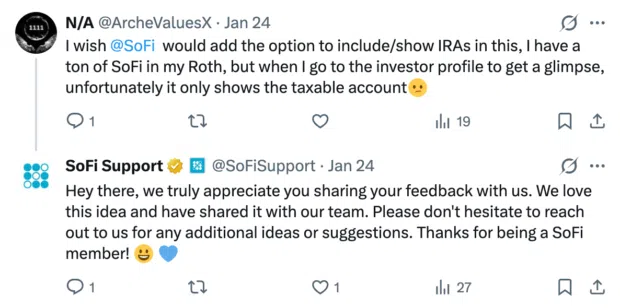
Social media is a two-way street, offering powerful avenues for enhancing customer experience. Proactive engagement with the audience humanizes the institution and fosters customer loyalty. This involves responding to comments, direct messages, and mentions across all platforms. Unified inboxes, such as Hootsuite Social OS’s Nest, consolidate all conversations, enabling teams to respond quickly and consistently, as exemplified by SoFi’s active customer support on X (formerly Twitter).
Measuring Success and Adapting Strategies
Measuring social media success for banks involves tracking relevant metrics, utilizing specialized tools, and continuously adapting strategies based on performance data.
Leveraging the Right Tools:
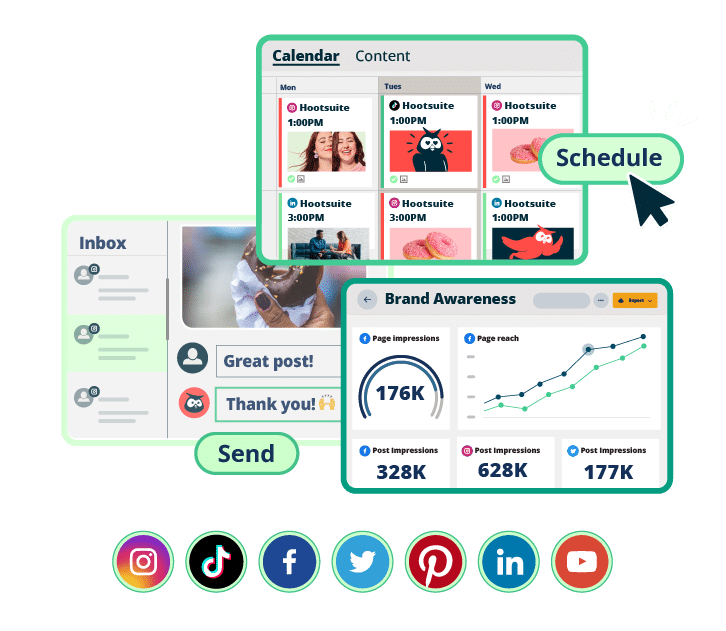
Hootsuite Social OS is designed to assist credit unions, banks, and other financial institutions in managing and measuring their entire social media presence from a single, integrated operating system. This includes features for scheduling, reporting, and creating compliant content. Beyond Hootsuite, other valuable tools for the financial sector include:
- Mention: For real-time brand monitoring and alerts.
- Brandwatch: For advanced social listening and consumer insights.
- Sprinklr: An enterprise platform for customer experience management.
- Sprout Social: For social media management, analytics, and engagement.
- Salesforce: For CRM integration, connecting social data to sales and customer service.
Tracking Key Performance Indicators (KPIs):
To effectively gauge social media performance, banks should focus on KPIs aligned with their business objectives. Key metrics include:
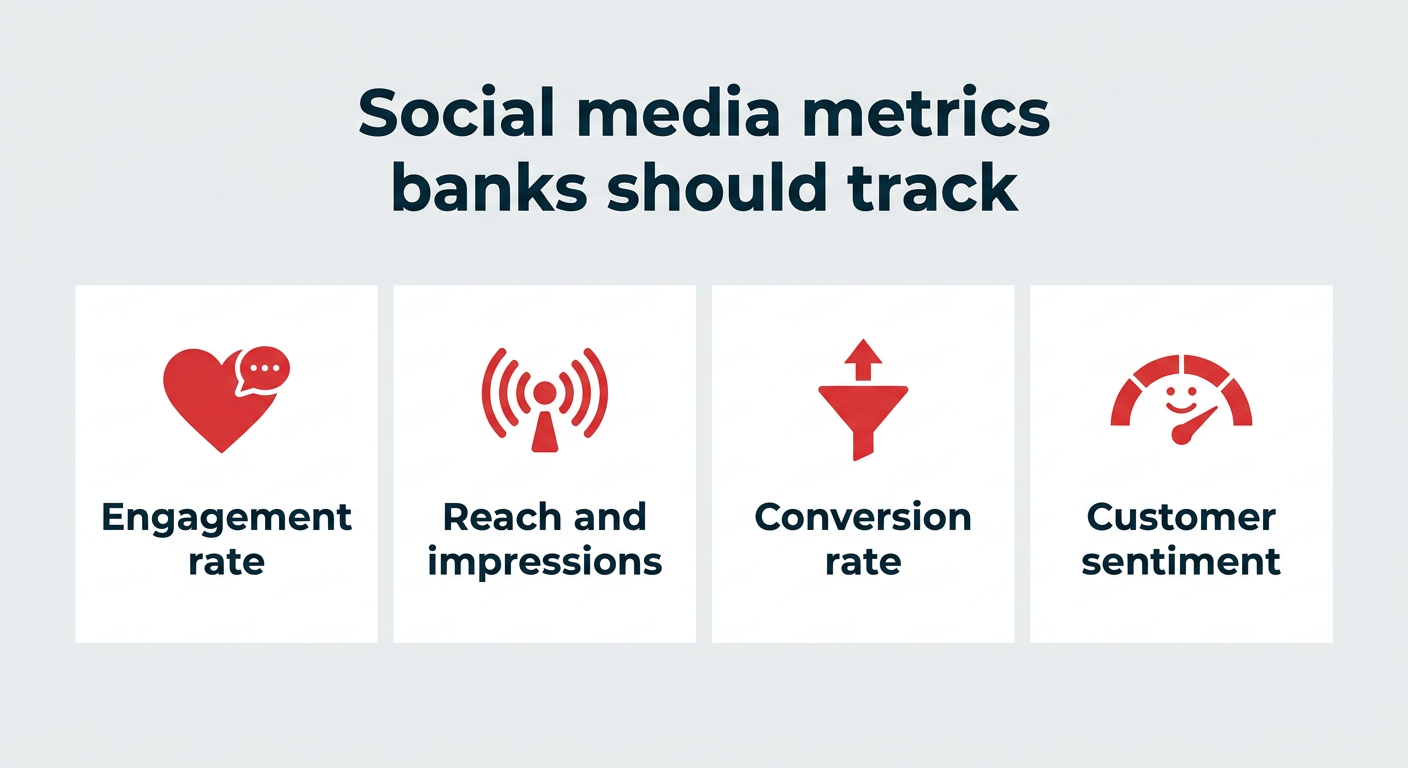
- Engagement Rate: Likes, comments, shares, and saves per post.
- Reach and Impressions: The number of unique users who saw content and the total number of times content was displayed.
- Conversion Rate: The percentage of social media users who complete a desired action (e.g., clicking a link, signing up for a newsletter, opening an account).
- Sentiment Analysis: Monitoring the overall tone of conversations about the brand (positive, negative, neutral).
- Customer Satisfaction Score (CSAT): Measured through direct surveys or social listening for customer service interactions.
Continuous Review and Adaptation:
Effective social strategies are iterative. Regular review of metrics using analytics tools, such as Hootsuite Analytics, is crucial to identify what resonates with the audience and what does not. This data-driven approach allows banks to allocate resources effectively, refine content strategies, and optimize budget allocation for the best possible results, ensuring that their social media efforts remain agile and impactful.
In conclusion, social media is no longer an ancillary function but a strategic imperative for banks. By embracing a thoughtful, audience-centric approach, underpinned by robust compliance and risk management, financial institutions can leverage these powerful platforms to educate, build trust, attract new customers, and solidify their position in an increasingly digital financial ecosystem.