Nike Reshapes China Distribution Strategy Amidst Revenue Declines and Brand Experience Overhaul

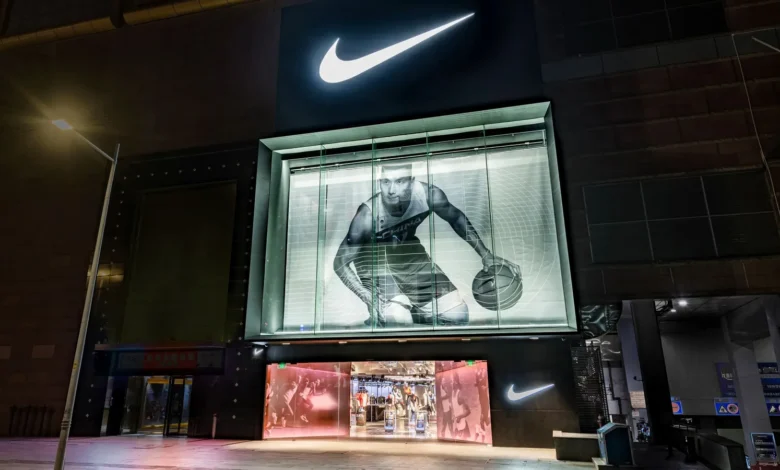
Nike is undertaking a significant recalibration of its distribution channels in China, a critical market that has recently presented considerable headwinds, contributing to a slowdown in the company’s financial performance and extending its turnaround efforts. This strategic pivot involves a decisive move to consolidate digital partnerships and streamline wholesale relationships, aiming to restore a more consistent, elevated, and authentic brand experience for Chinese consumers. The company has also prioritized local product development and is reinvesting in its physical retail footprint.
Deep Dive into Nike’s China Challenges
The impetus for this aggressive restructuring stems directly from recent financial disclosures. In Nike’s latest fiscal quarter, revenue from Greater China experienced a notable 12% decline. This downturn contributed to an 11% decrease in full-year revenues for the region. Recognizing the gravity of the situation, Nike initiated leadership changes in January, appointing Heidi O’Neill, former President of Nike Direct, to oversee the Greater China region, a move that signaled a renewed focus on this vital market. O’Neill has since embarked on an intensive period of engagement, reportedly traveling extensively throughout Greater China, dedicating "hundreds of hours" to understanding the market dynamics firsthand. Her efforts have included exploring retail environments, engaging with consumers, and meeting with employees across the region.
In a candid assessment, O’Neill articulated the core issue: "Our connection with athletes remains strong, but the marketplace is not where it needs to be," she stated in a public post. "Consumers expect authentic product, consistent storytelling, and a seamless experience across every touchpoint." This statement underscores a perceived disconnect between Nike’s global brand promise and its on-the-ground execution in China, particularly in the digital and wholesale arenas. The company’s strategy now aims to address these inconsistencies by focusing on a curated selection of digital partners and phasing out others, with the overarching goal of presenting a more cohesive and premium brand image.
A Strategic Shift in Digital and Wholesale Channels
The core of Nike’s revised strategy involves a significant overhaul of its digital commerce and wholesale distribution networks. While the company has not detailed the exact number of partners affected, it is clear that a consolidation is underway. The focus is on fewer, more strategic digital alliances that can deliver the brand’s message and product offerings in a manner that aligns with Nike’s aspirational positioning. This move is not a retreat from digital commerce or wholesale operations, as a Nike spokesperson clarified. Instead, the company intends to work collaboratively with its remaining partners to "unify and elevate the experience to one that is brand right."
This strategic pruning has already begun to impact key distribution partners. Topsports International Holdings, a significant player in Nike’s China distribution, confirmed in a press release that the change would have a "significant" short-term impact. Online sales of Nike products constituted 22% of Topsports’ total revenue in its most recent fiscal year, highlighting the magnitude of this channel shift.
Analyst Perspectives and Potential Repercussions
Industry analysts have weighed in on the implications of Nike’s aggressive distribution restructuring. Laurent Vasilescu, a senior analyst at BNP Paribas Equity Research, estimates that Topsports alone accounts for roughly half of Nike’s wholesale revenues in China. He further noted that Pou Sheng, Nike’s second-largest distributor in the region, is also facing restrictions on online sales.
Vasilescu expressed a critical view of Nike’s decision, labeling it a "strategic misstep." He argued that Nike possesses a "product problem" and that the termination of these crucial sales channels overlooks the reality of Chinese consumer behavior. "Many Chinese consumers shop wholesale online, and it’s a crucial channel for excess inventory," Vasilescu stated. He drew a parallel to Nike’s past decisions to exit certain North American wholesale partners, which he believes led to a ceding of market share to competitors. Vasilescu anticipates a similar outcome following the official news regarding Topsports and Pou Sheng.
However, there are differing perspectives. In a statement released alongside Nike’s announcement, Topsports CEO Yu Wu offered a more optimistic outlook, suggesting that the change would foster a "healthier, more orderly, and more sustainable retail ecosystem in China." This indicates a potential alignment of strategic priorities, even amidst the immediate disruption.
Reinvigorating the Physical Retail Experience and Localized Product Development
Concurrently with its digital and wholesale recalibration, Nike is making substantial investments in its physical store fleet across China. The company is introducing new retail concepts, such as ACG Basecamp and Rookie Kids, designed to offer differentiated experiences to consumers. Furthermore, Nike is collaborating with its retail partners to develop "locally-led retail concepts," which are slated to debut within the next six months. These partners manage thousands of Nike stores in China, and Nike’s focus will be on "elevating the brick-and-mortar experience, which is where their expertise is," according to a company spokesperson. This indicates a strategic emphasis on leveraging the strengths of its established retail partners to enhance the in-store customer journey.
A significant development in Nike’s long-term China strategy is the appointment of its first vice president of local product creation for Greater China. This move signals a commitment to developing products that are more attuned to the specific tastes and preferences of Chinese consumers. The initial product output from this new local team is expected to be available for the upcoming holiday season, suggesting a rapid integration of localized design and development.
Contextualizing the Challenges: Pandemic-Era Decisions and Evolving Consumer Behavior
Heidi O’Neill alluded to the impact of decisions made during the COVID-19 pandemic as a contributing factor to Nike’s current challenges in China. She noted that the rapid shifts in consumer behavior during and after the pandemic led to strategic choices that resulted in a less consistent and less trusted brand experience, ultimately hindering expected growth. This suggests that the company is looking back at its pandemic-era strategies, which may have prioritized expediency over long-term brand integrity in the Chinese market.
The period O’Neill referenced coincided with John Donahoe assuming the role of CEO in January 2020, a transition that brought a new leadership vision to the global sportswear giant. While the pandemic presented unprecedented operational hurdles for all global businesses, Nike’s response in China appears to have created unintended consequences that are now being addressed through this comprehensive strategic overhaul. The company’s current approach reflects a deliberate effort to course-correct and re-establish a stronger, more resonant connection with Chinese consumers, acknowledging that the path forward requires a nuanced understanding of local market dynamics and a steadfast commitment to brand authenticity.
Related posts: