You Can Build Topical Authority Even With a Strong Brand and Quality Content


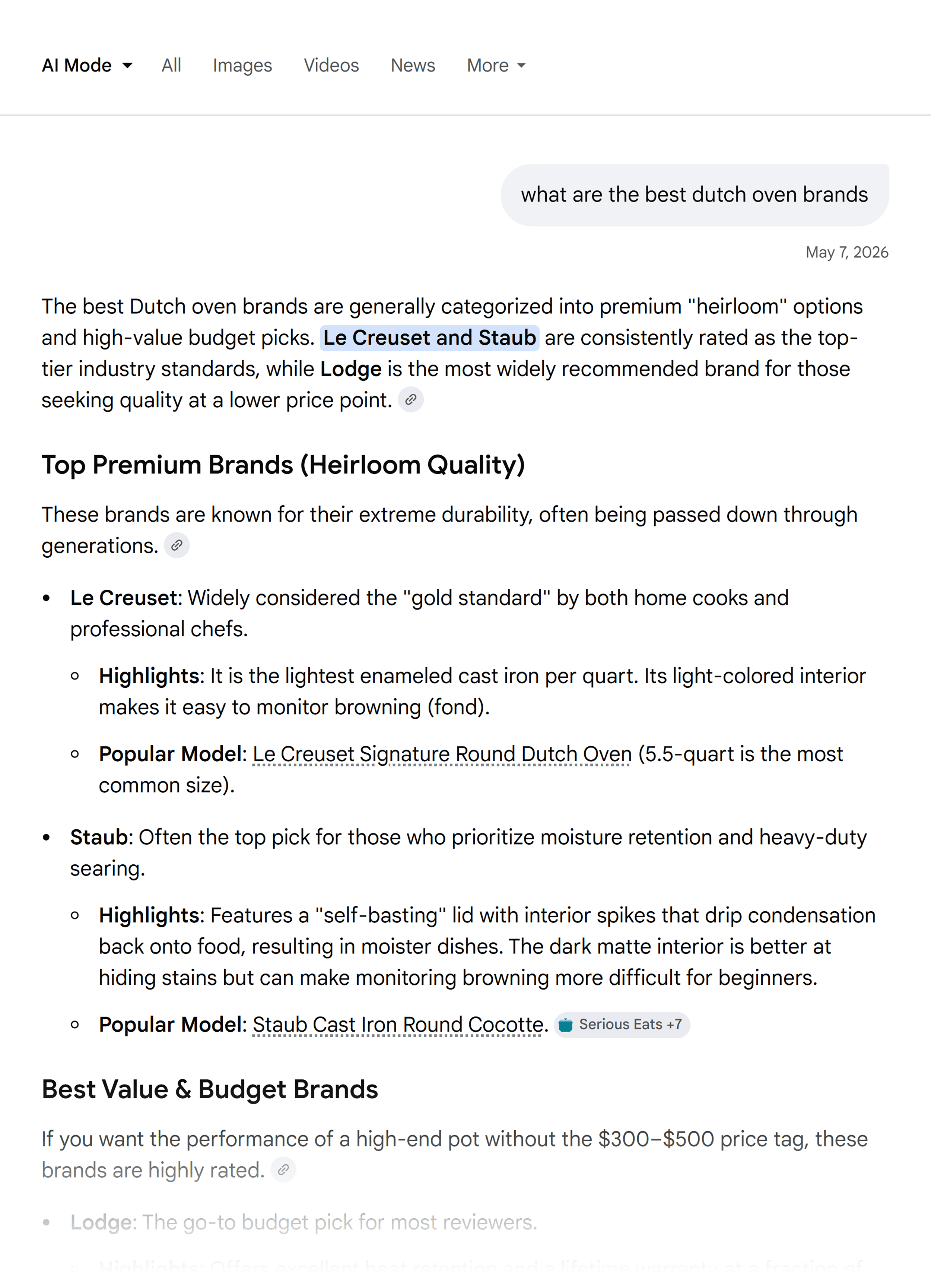
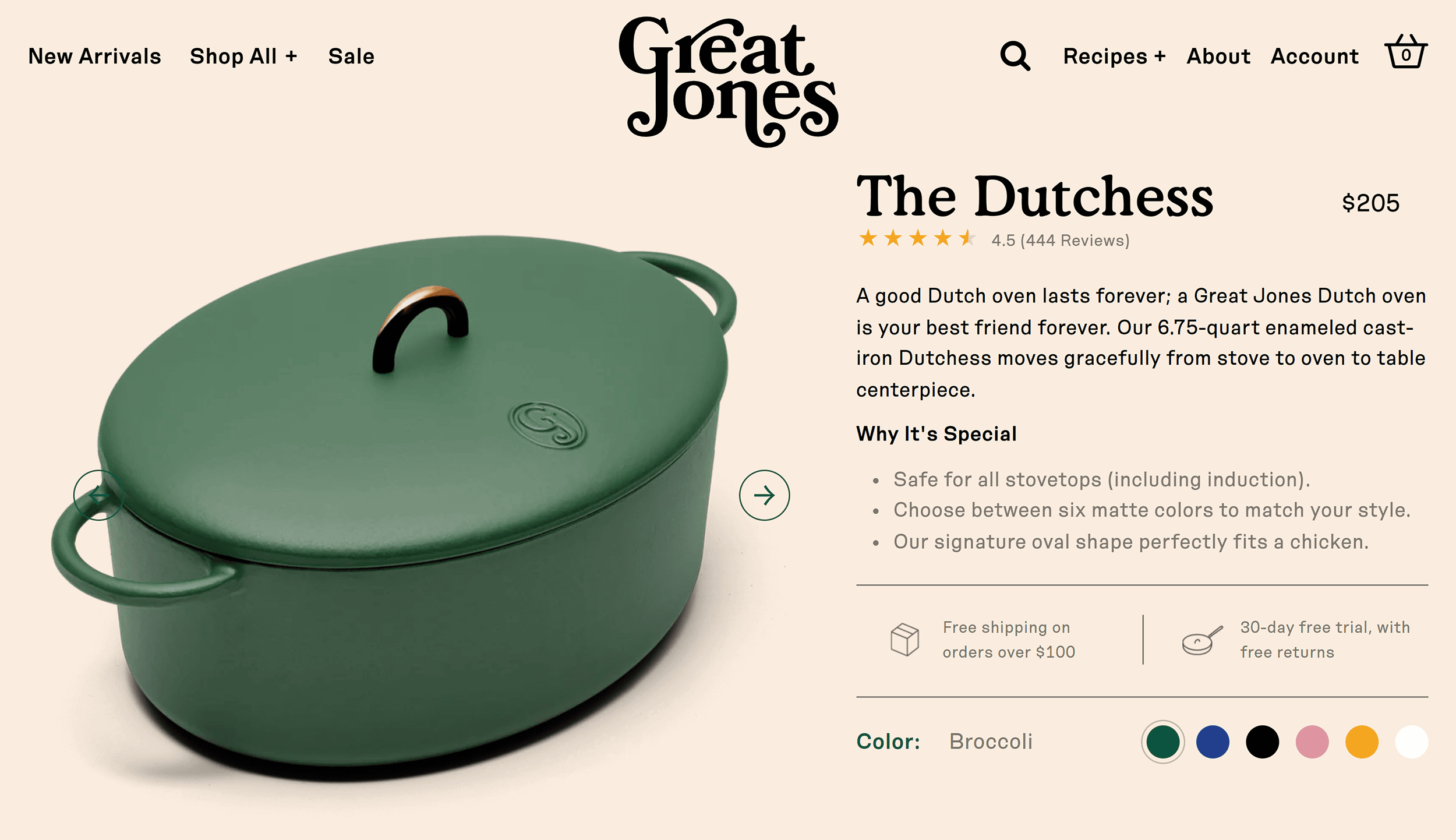
While a strong brand presence, compelling content, and positive reviews are crucial for any business, they do not automatically guarantee topical authority. This is a nuanced concept that has become even more apparent with the rise of AI-powered search. Consider Great Jones, a prominent kitchenware company. Their flagship product, "The Dutchess" Dutch oven, is a testament to their commitment to quality and design. It’s beautifully crafted, garners excellent customer reviews, and has been featured in prestigious publications like Vogue, The New York Times, Bon Appétit, and The Kitchn. Despite this impressive media coverage and product acclaim, when one searches for terms like "best Dutch ovens" on Google or queries a large language model (LLM) for recommendations, Great Jones rarely appears at the top.
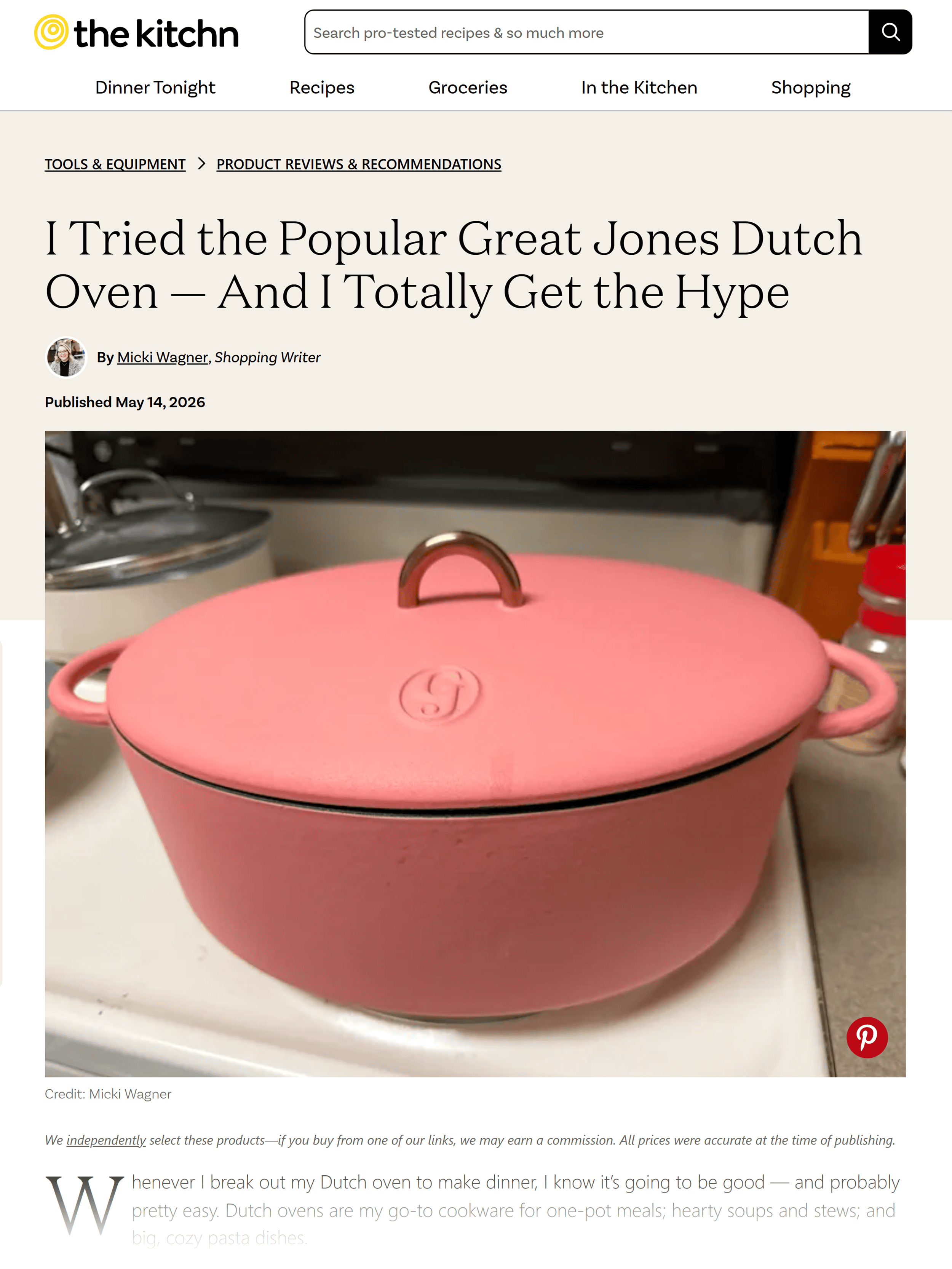
This disconnect highlights a critical gap: the absence of a consistent, positive narrative that firmly links the brand to the specific topic of Dutch ovens across its own platforms and external mentions. Without this cohesive association, search engines and LLMs struggle to confidently establish the brand’s expertise in the domain, leading them to prioritize brands with more established signals. Many businesses face similar challenges, and the evolution of AI search has only amplified the visibility of these gaps. Fortunately, this is a solvable problem. By adopting a structured framework, brands can strategically build topical authority and position themselves as the definitive voice within their niche.
Understanding Topical Authority: Beyond Content Volume
Topical authority is essentially the earned reputation for expertise on a particular subject. It is established when a brand’s identity and a specific topic are repeatedly and positively associated across trusted sources that influence buyers, search engines, and LLMs. Think of brands that are synonymous with a particular product or service – you likely don’t consciously decide to make these associations; they form organically through consistent messaging and presence within relevant contexts. This is the essence of topical authority, and it’s precisely how search engines and AI systems learn to recognize and prioritize expertise.
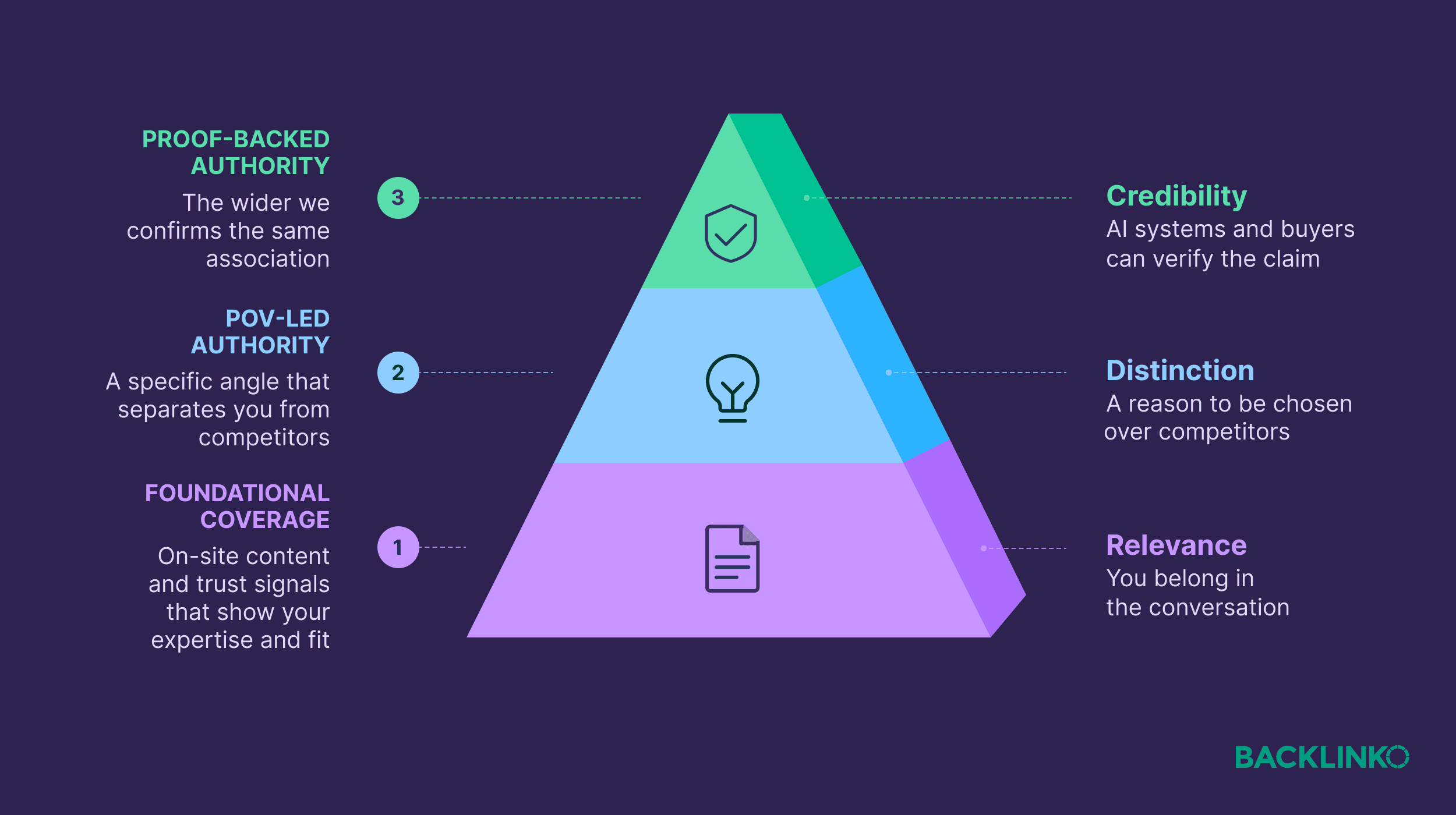
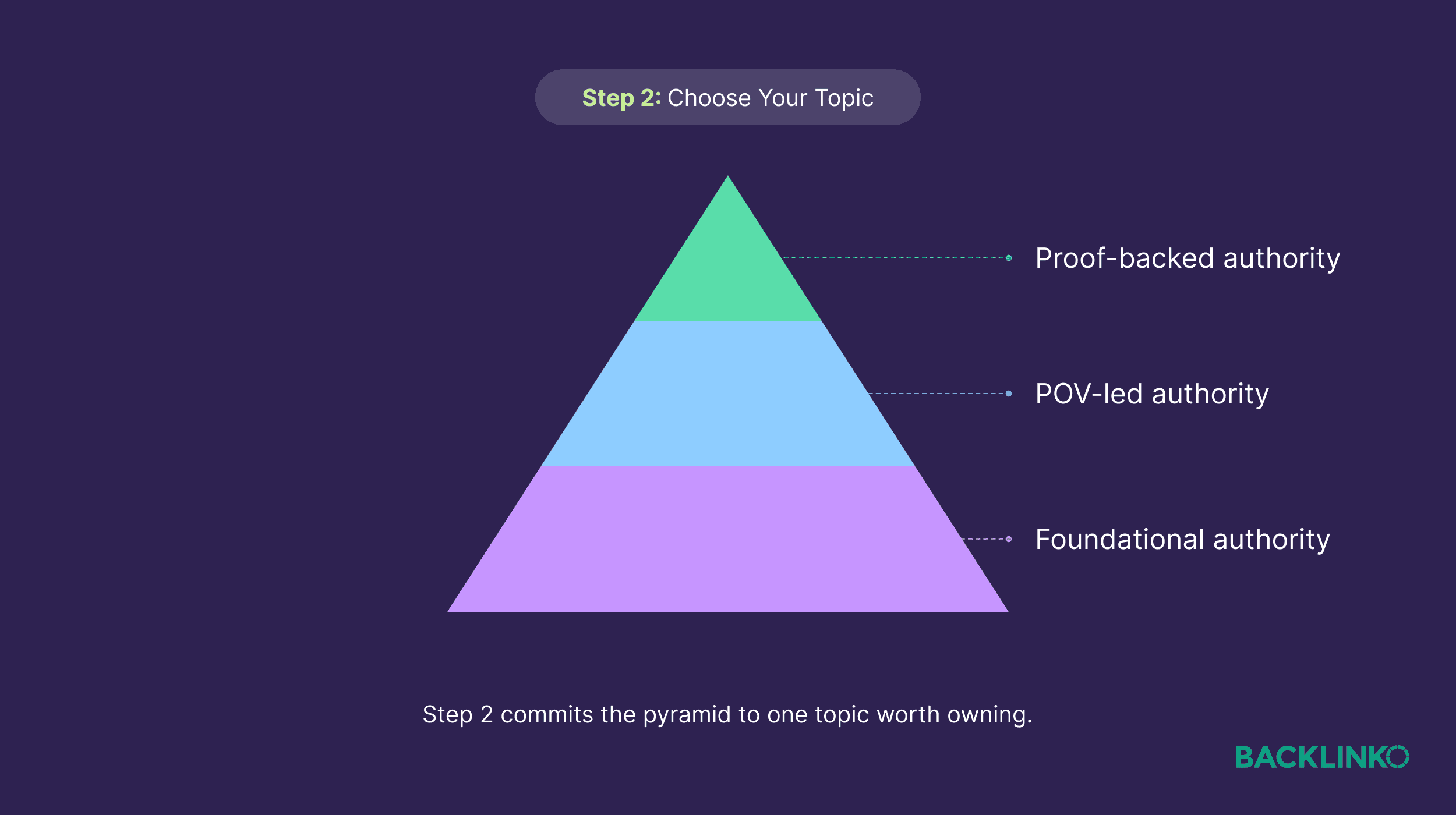
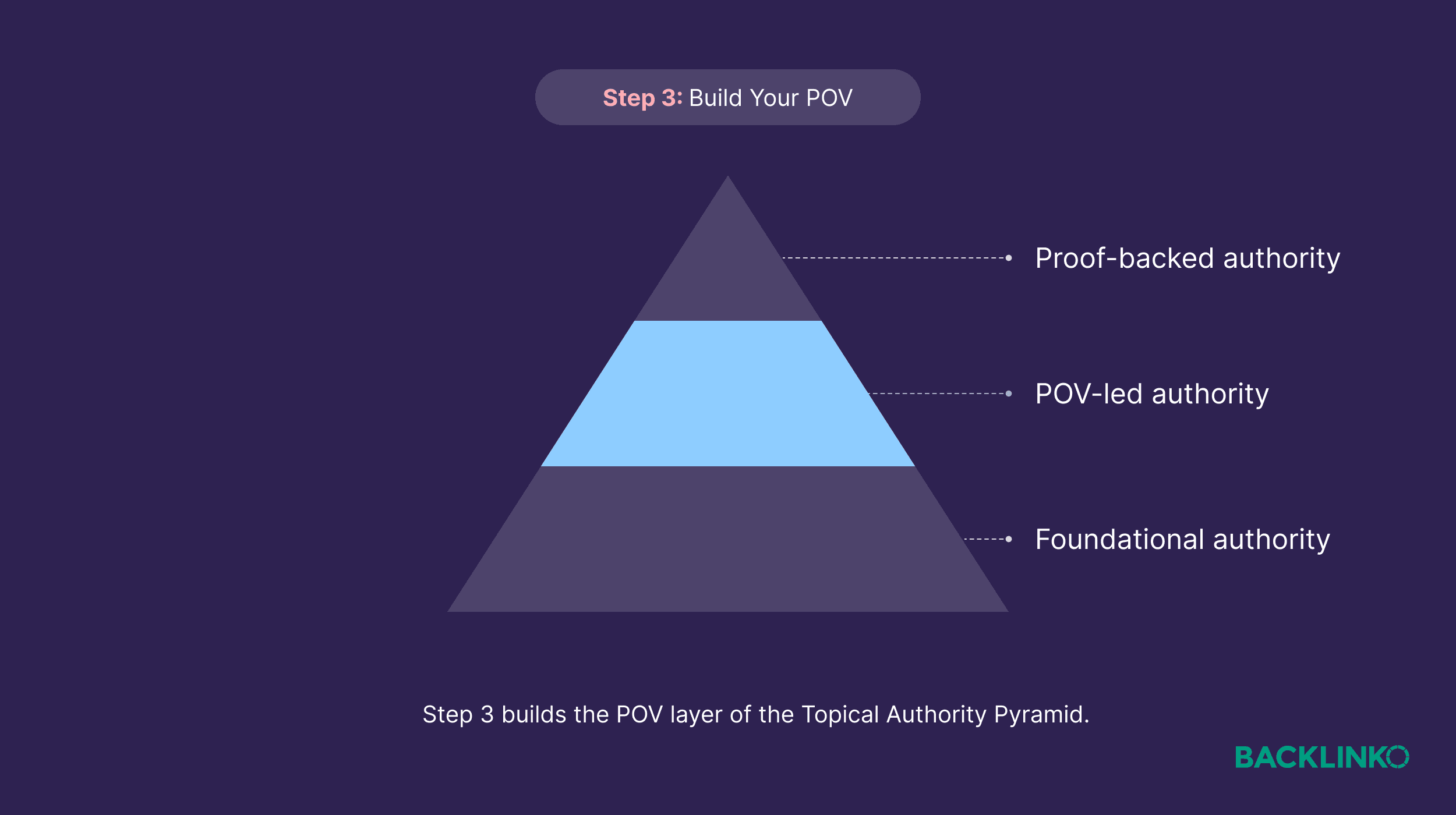
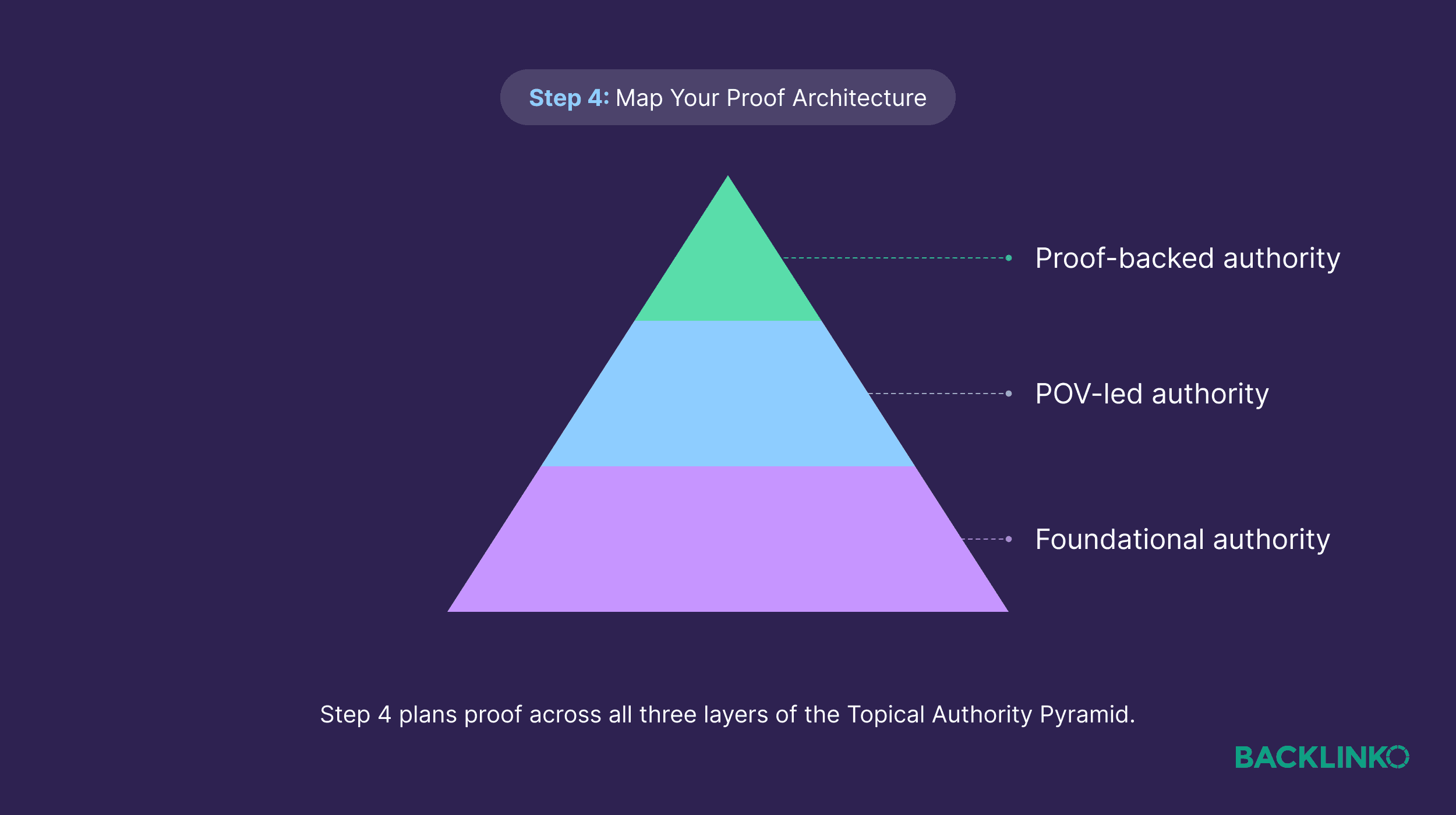
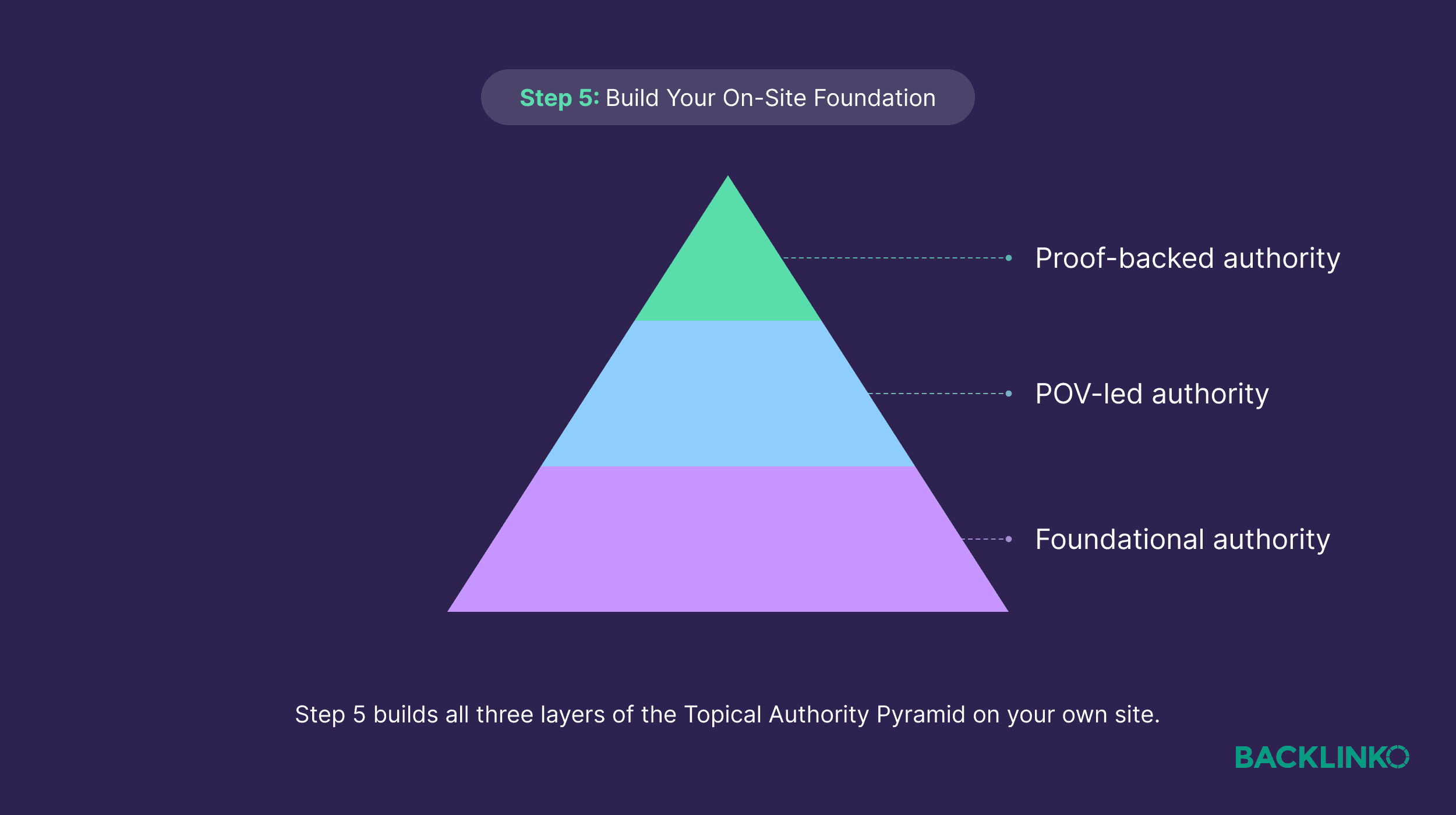
Traditionally, topical authority was largely measured by the sheer volume and breadth of content a website produced on a given subject. However, this approach is no longer sufficient. As industry experts note, modern search algorithms and LLMs look beyond mere coverage. They seek a clear, defined stance on a topic, supported by external validation. To address this evolving landscape, a strategic framework known as the "Topical Authority Pyramid" has emerged. This framework emphasizes building authority through three interconnected layers: foundational presence, a clear point of view (POV), and robust proof.
The Topical Authority Pyramid: A Strategic Framework
The Topical Authority Pyramid is designed to transform a brand into the recognized expert in its field. It breaks down the complex process of building authority into manageable, actionable steps.
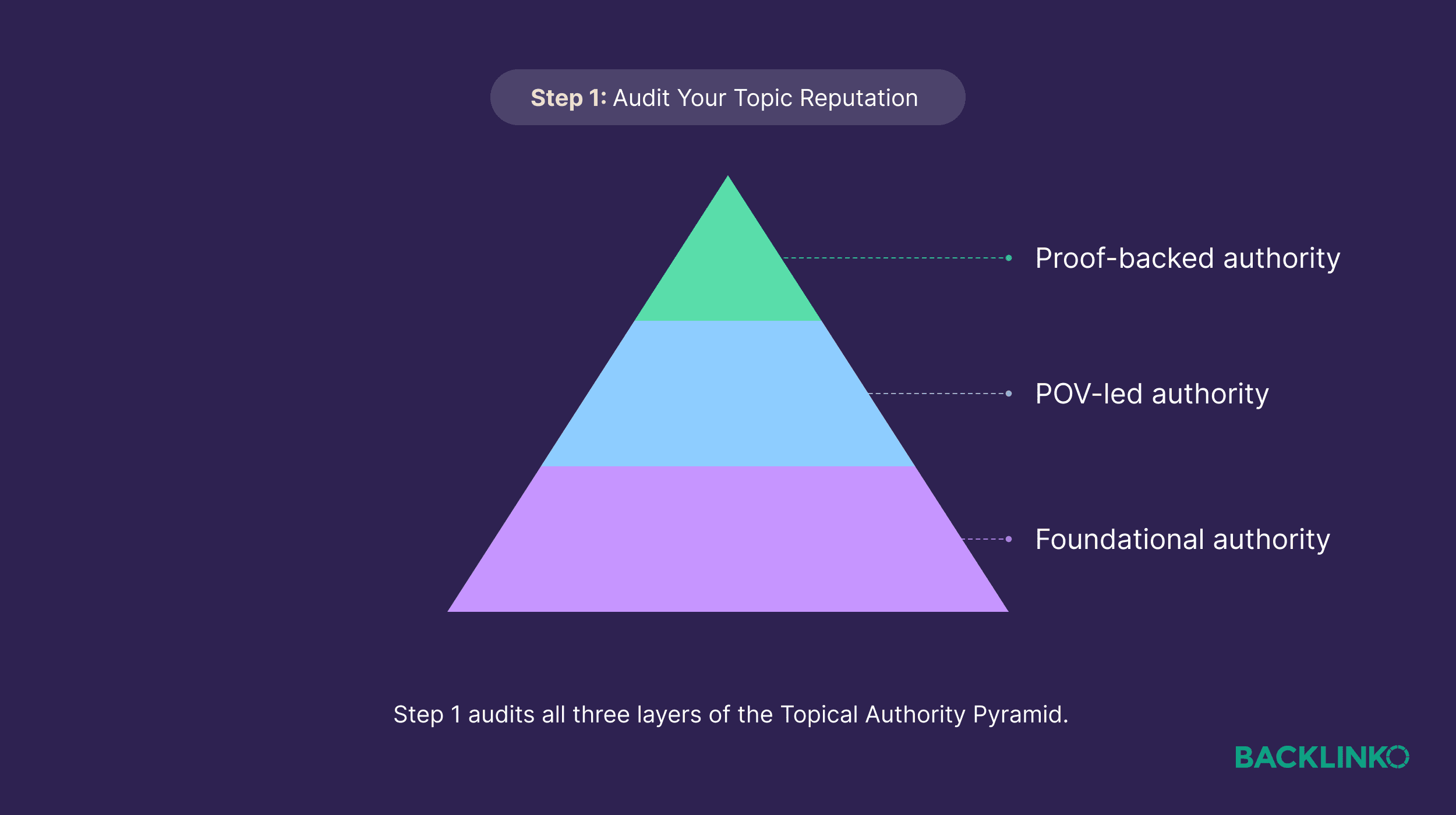
- Foundational Layer: This involves establishing a broad and consistent presence around your chosen topic across your own digital assets and external mentions. It’s about ensuring your brand is present and associated with the topic in a meaningful way.
- Point of View (POV) Layer: This layer focuses on developing and communicating a unique perspective or angle on the topic. It’s what differentiates your brand and positions it as a thought leader, rather than just another participant in the conversation.
- Proof Layer: This is the critical validation step, where external evidence – such as backlinks, media mentions, expert endorsements, and user-generated content – consistently reinforces your brand’s association with your chosen topic and POV.
Many brands, like Great Jones, possess a strong foundational presence and have garnered scattered positive mentions. However, they often lack a cohesive narrative that ties these elements together. The following steps outline how to systematically build all three layers of topical authority.
Step 1: Audit Your Topic Reputation
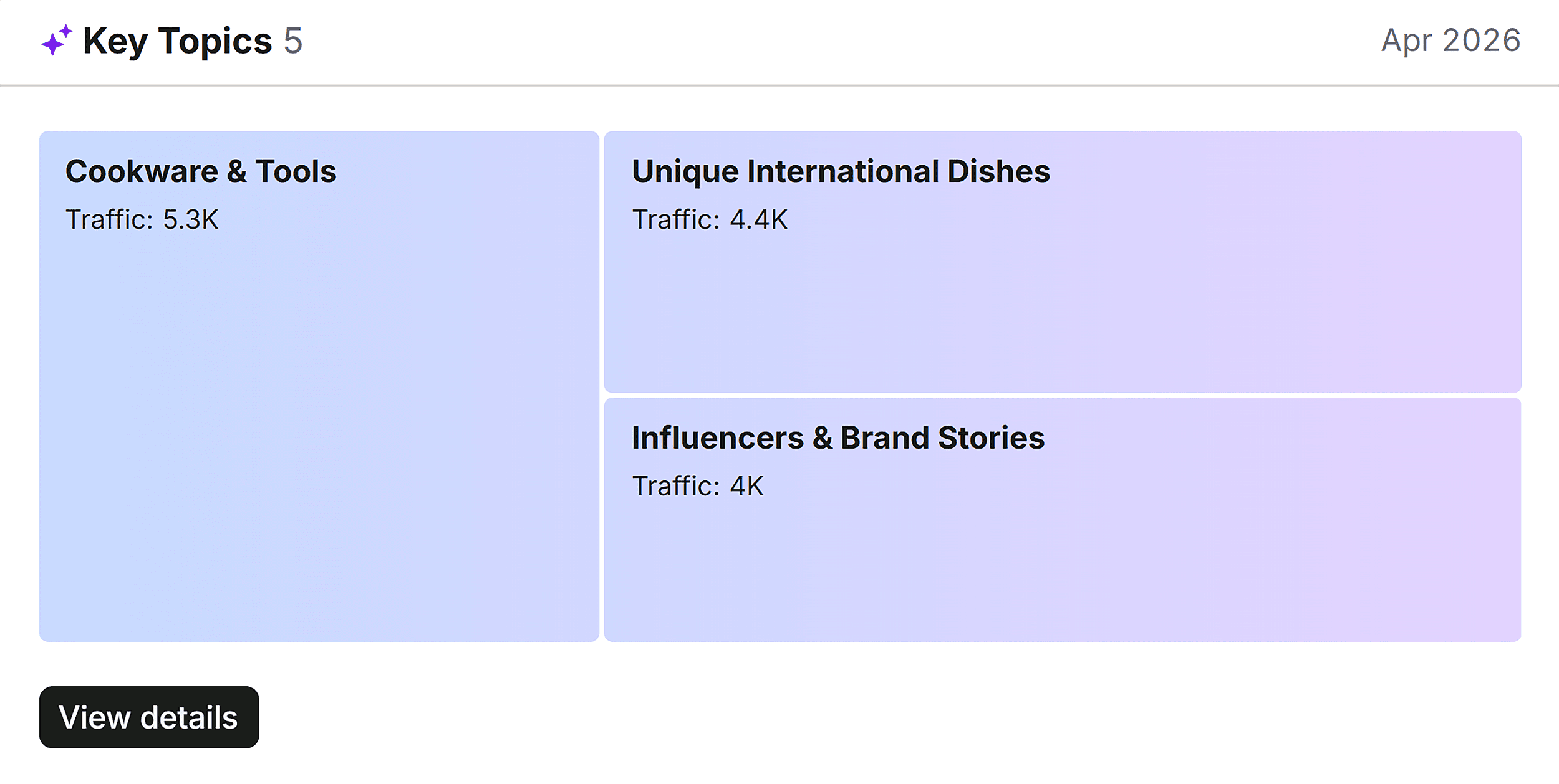
Before embarking on a strategy to build topical authority, it’s essential to understand your current standing. Your brand likely already has an established reputation, whether intentionally cultivated or not. Auditing this existing reputation provides a crucial baseline for future efforts.
Researching Current On-Site Associations
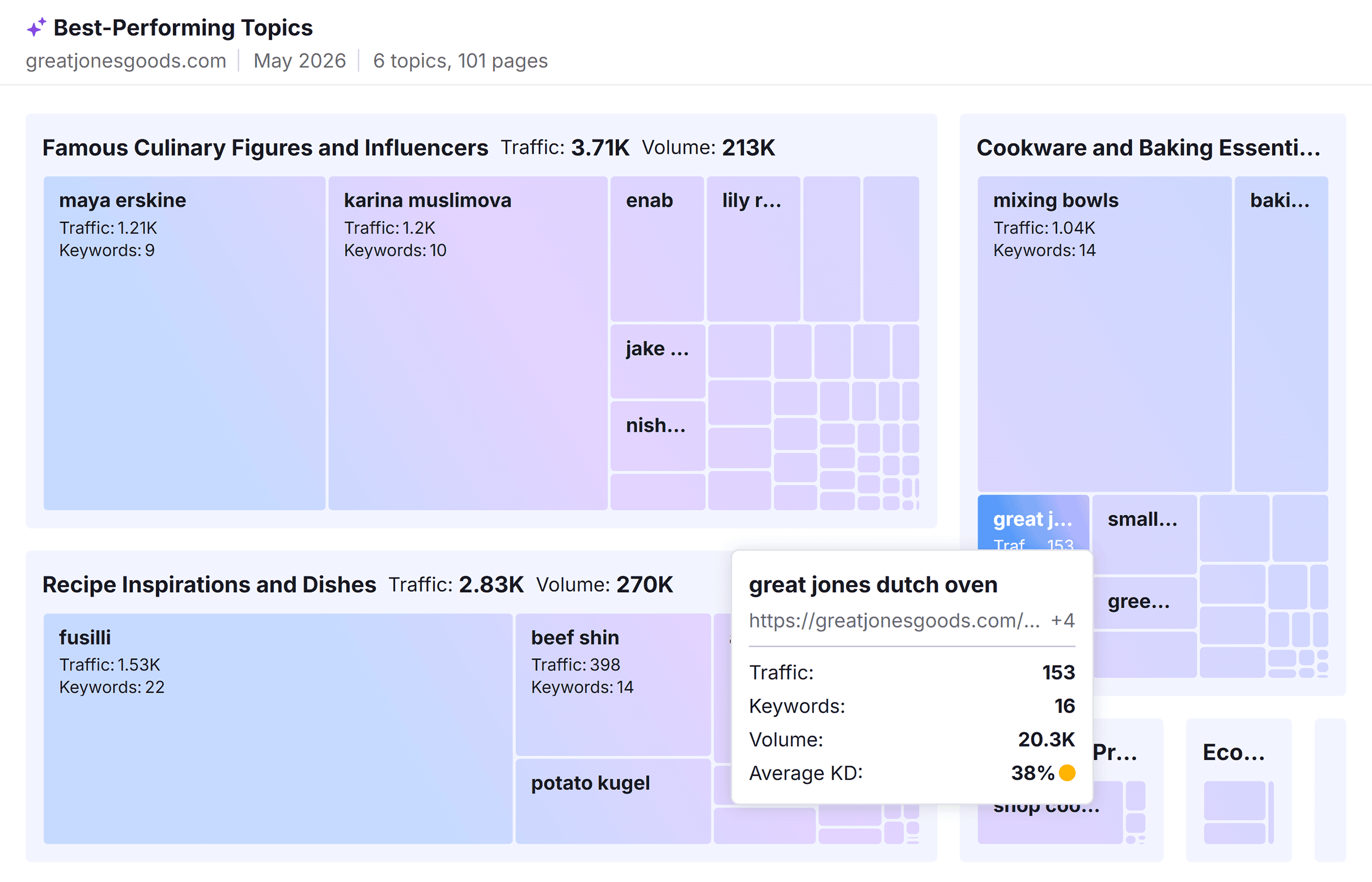
The initial step involves identifying how your brand is currently perceived online, particularly in relation to your target topics. Tools like Semrush’s Organic Rankings can provide an automated assessment of your strongest topic associations, organized by visibility. For Great Jones, an audit revealed that their primary topical associations were with "recipes" and "celebrity chefs," while "Dutch ovens" registered minimally, despite being their core product category. This analysis highlighted a significant opportunity to bridge the gap between their product offering and their perceived expertise.
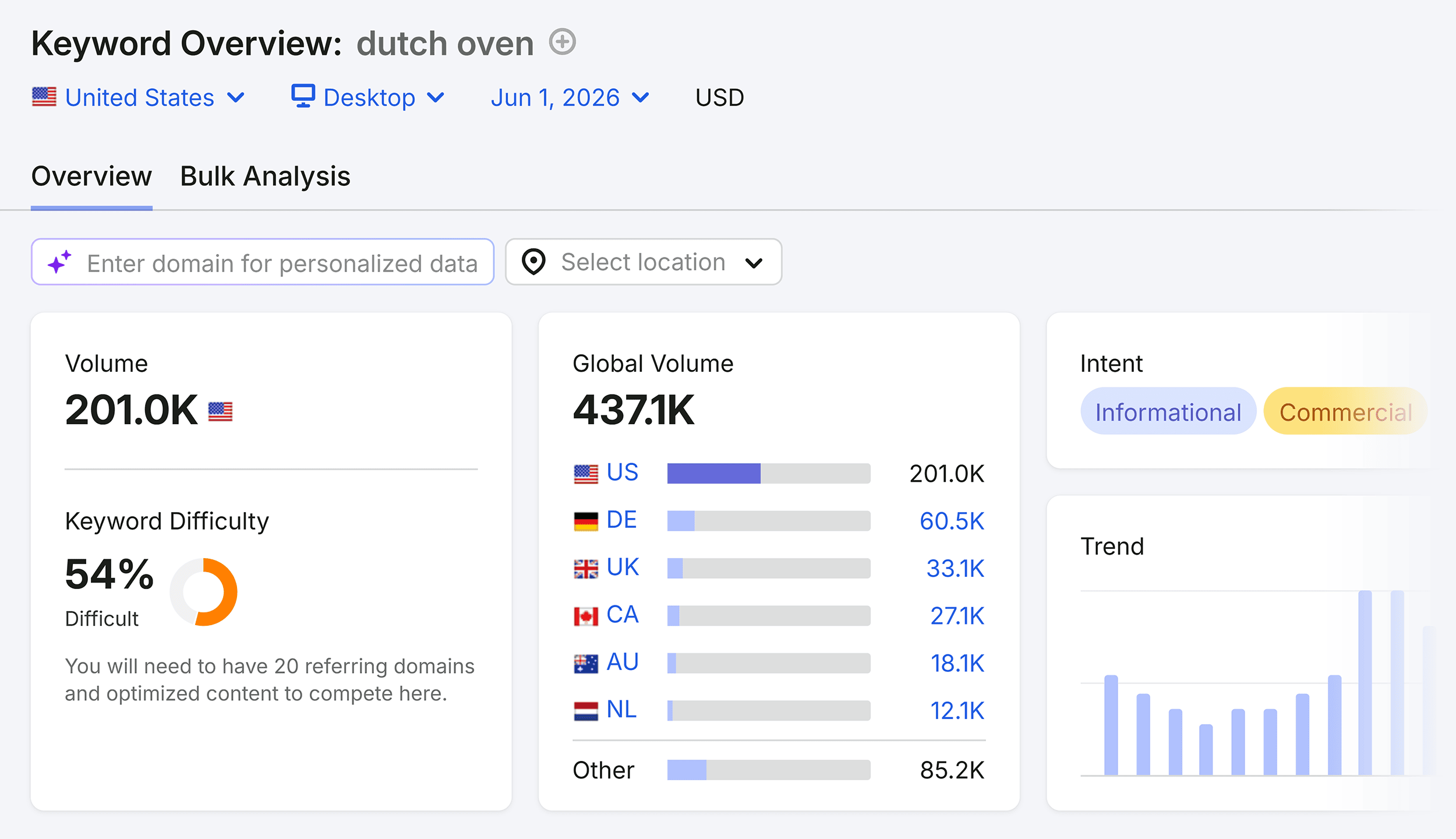
The "Dutch oven" keyword itself garners over 200,000 monthly searches on Google, indicating substantial market interest. Great Jones, with its well-regarded product, has a prime opportunity to capture a portion of this search volume and convert it into sales by strategically building topical authority. Beyond internal site analysis, it’s vital to examine external signals.
Auditing Your Off-Site Presence
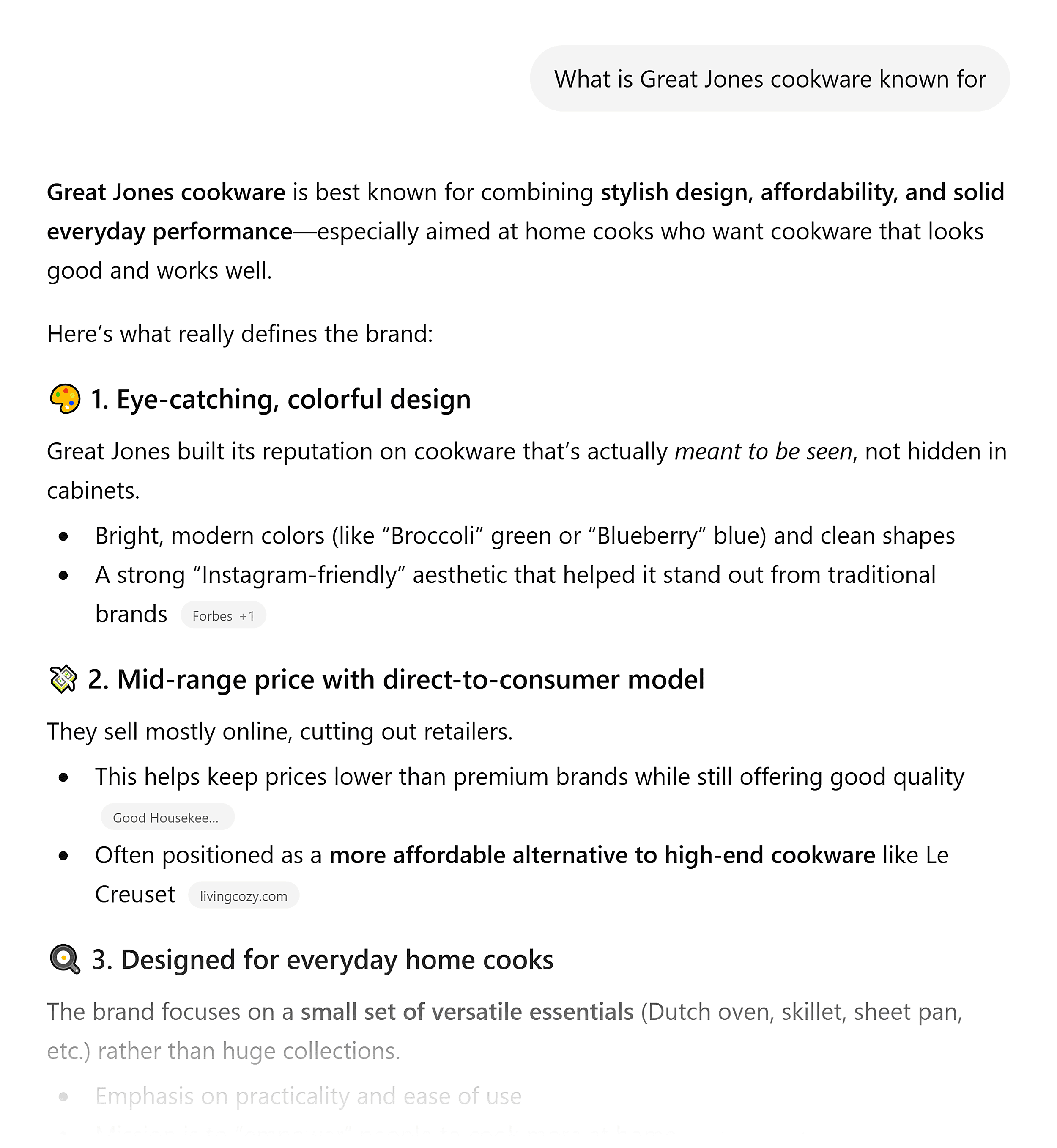
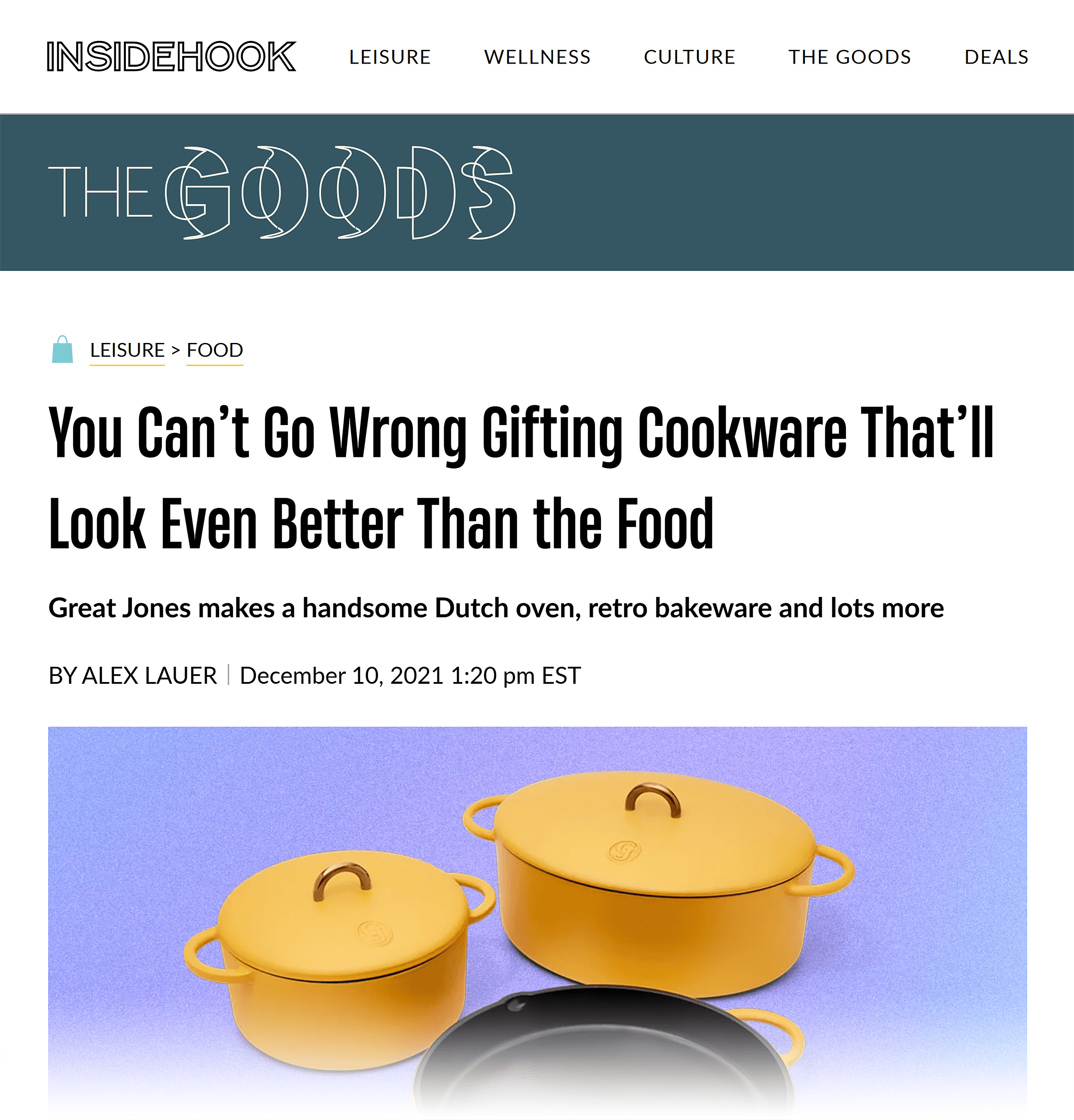
The external landscape is where many brands experience their most significant topical authority gaps. This is also the area that appears to carry the most weight with AI systems. A thorough audit of third-party coverage, including mentions, reviews, roundups, and editorial features, is paramount. For Great Jones, while they have secured impressive features in major lifestyle publications and collaborations with prominent chefs, their specific coverage related to Dutch ovens is less consistent.
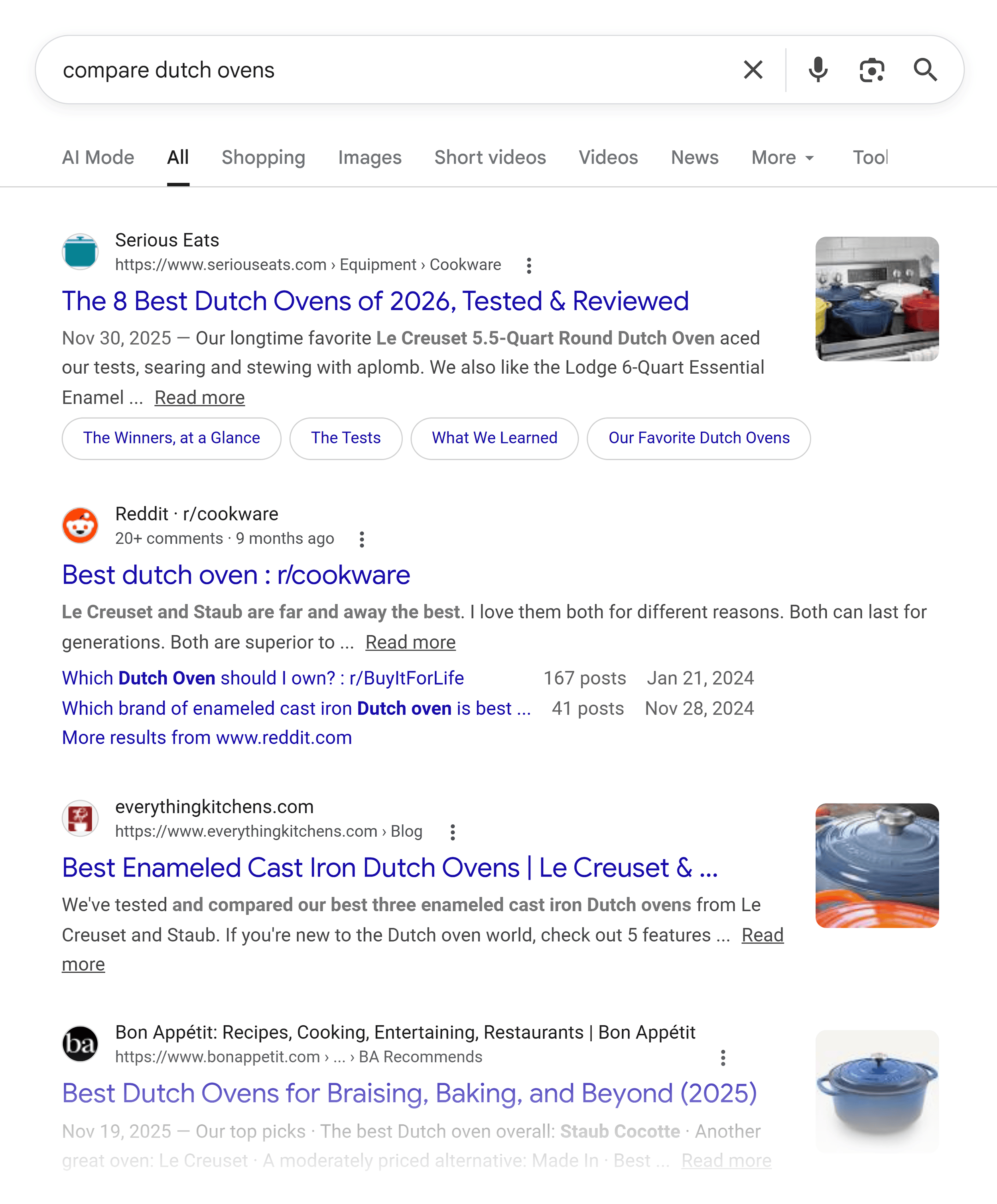
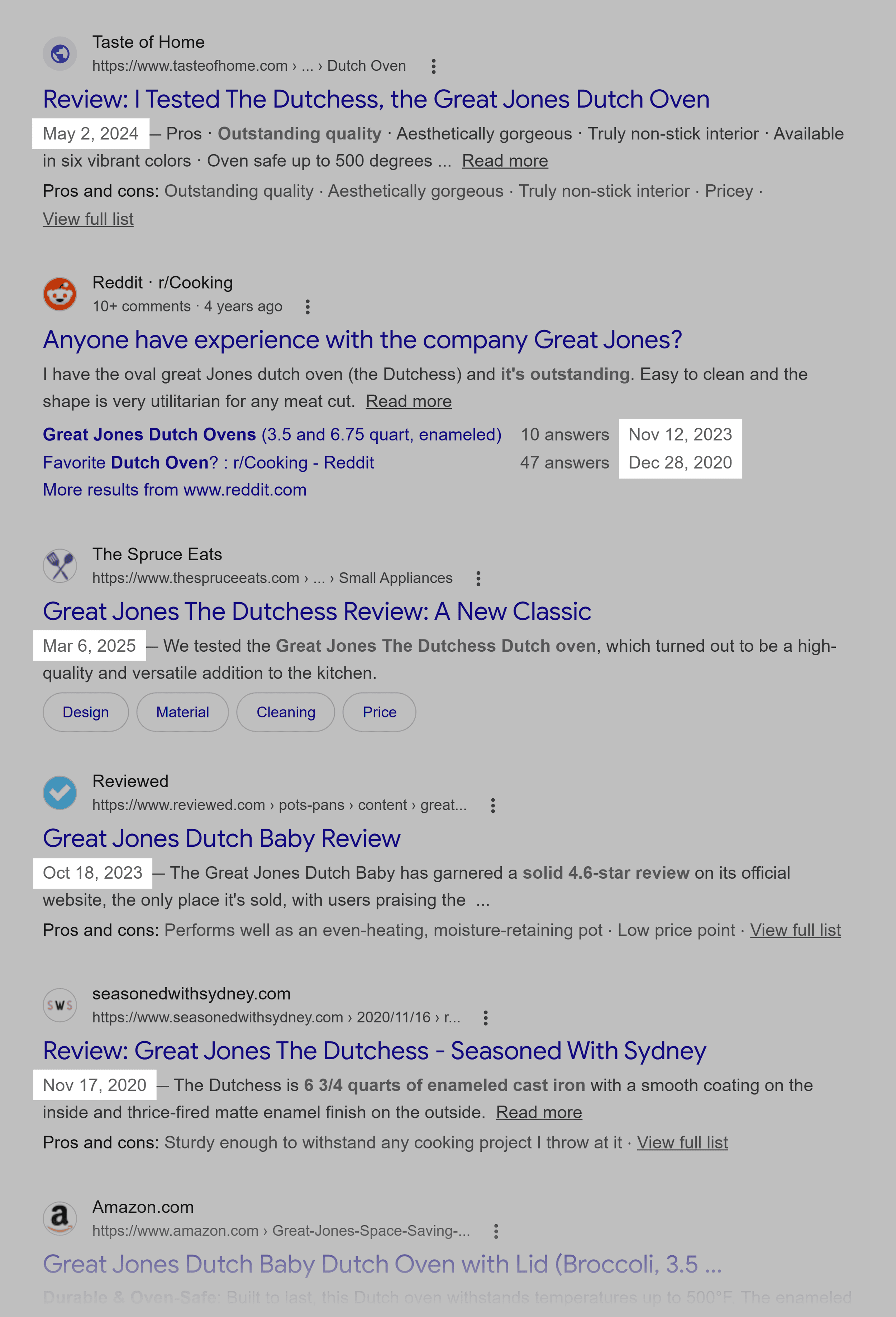
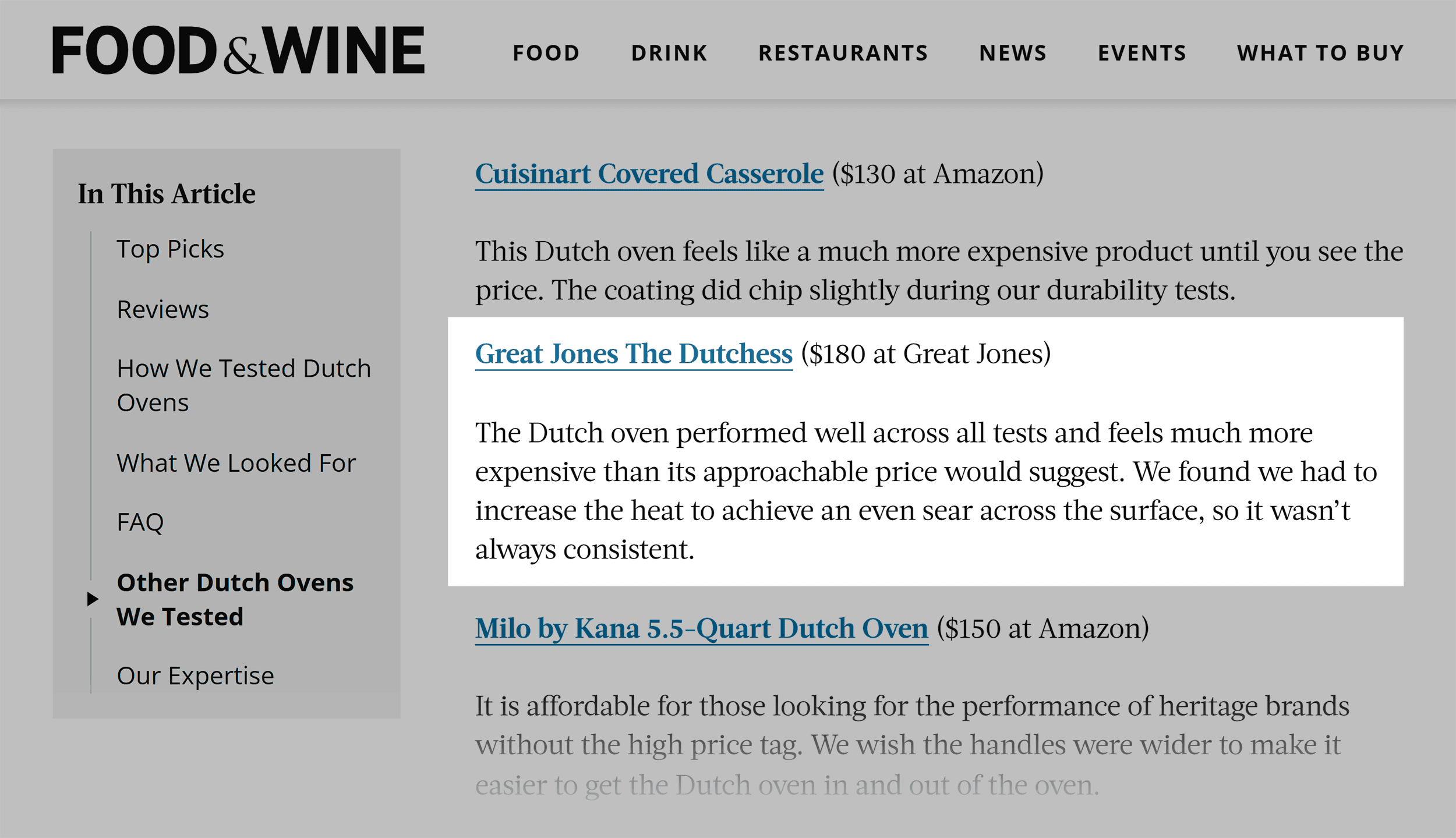
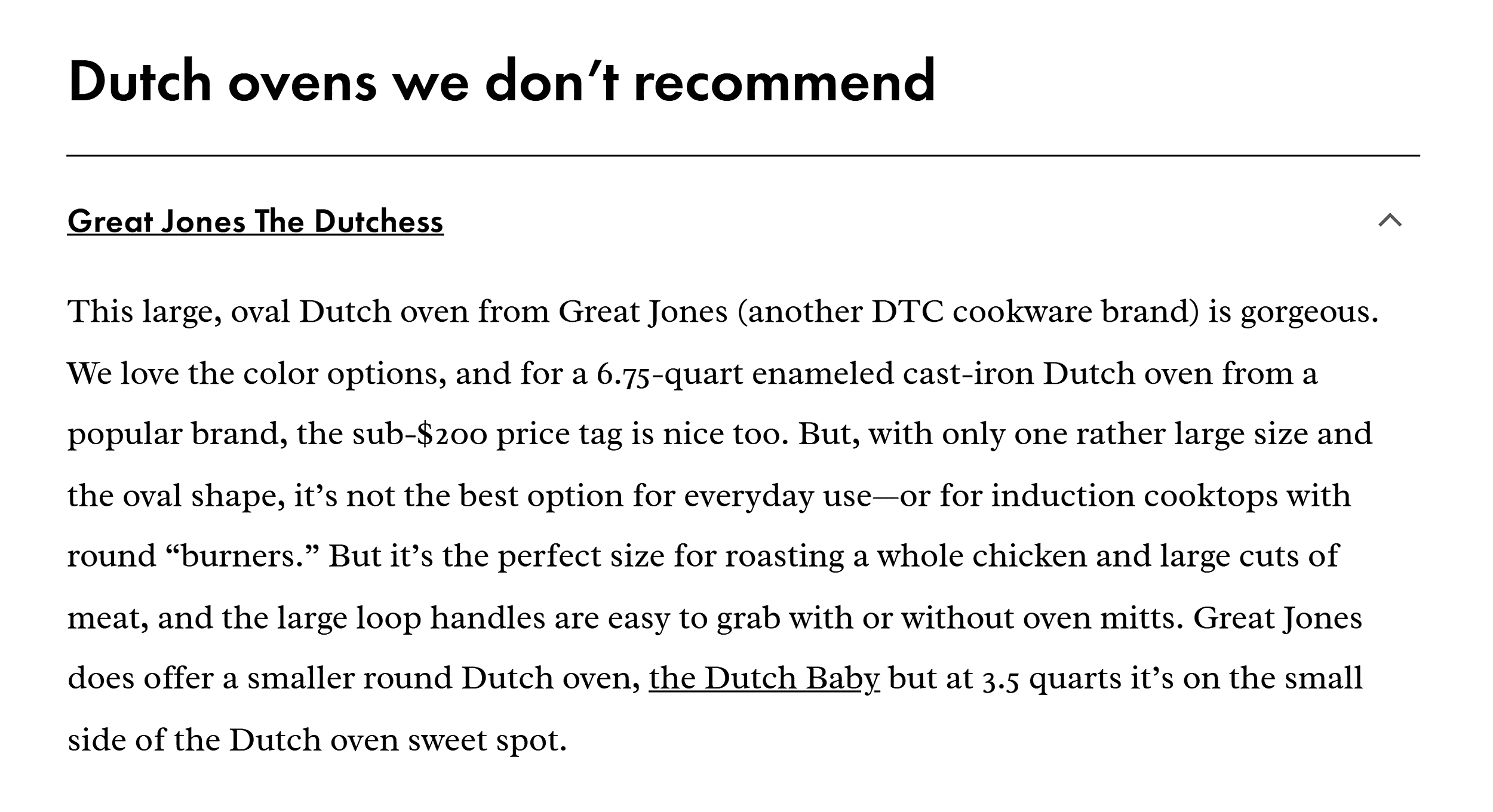
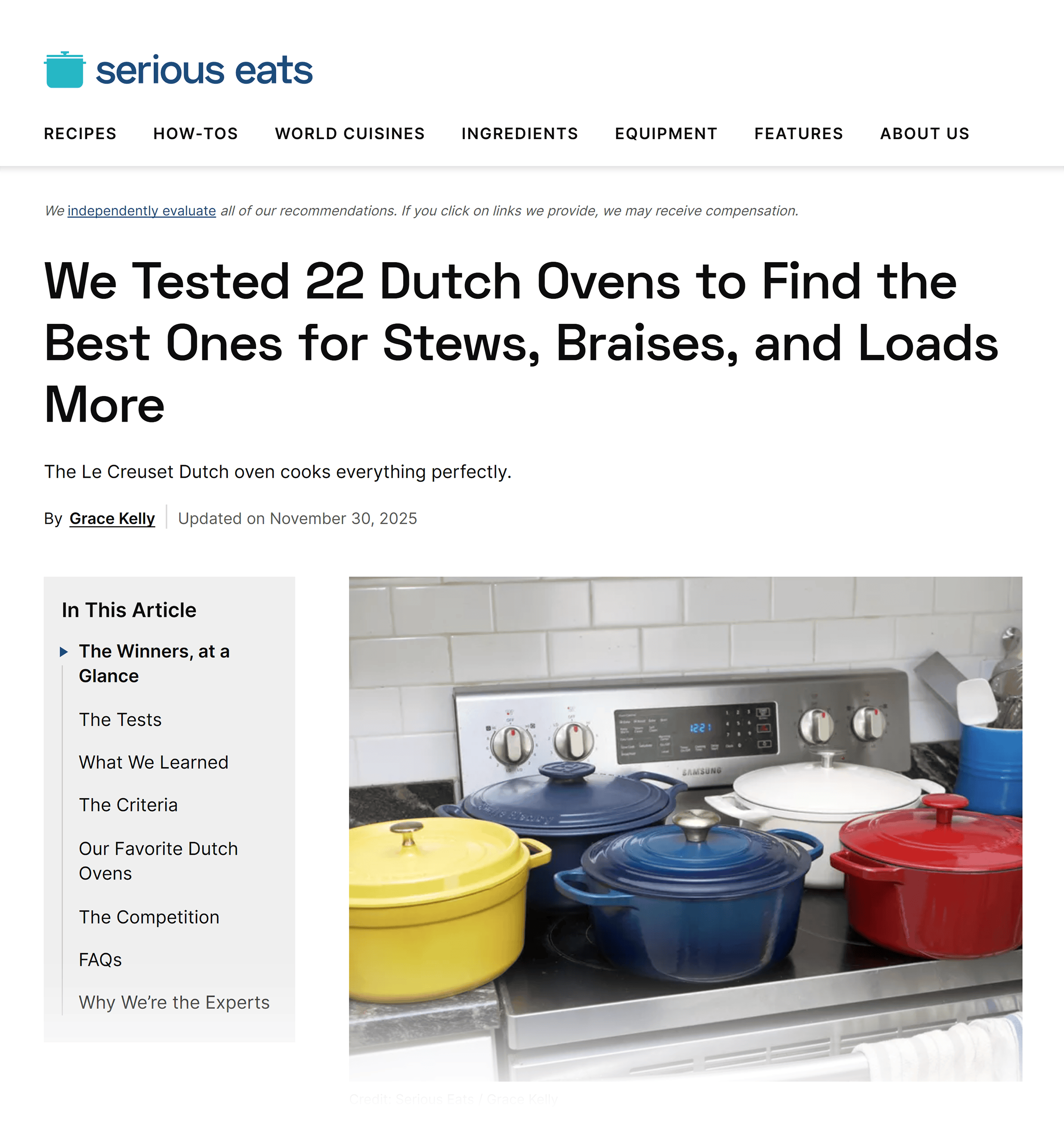
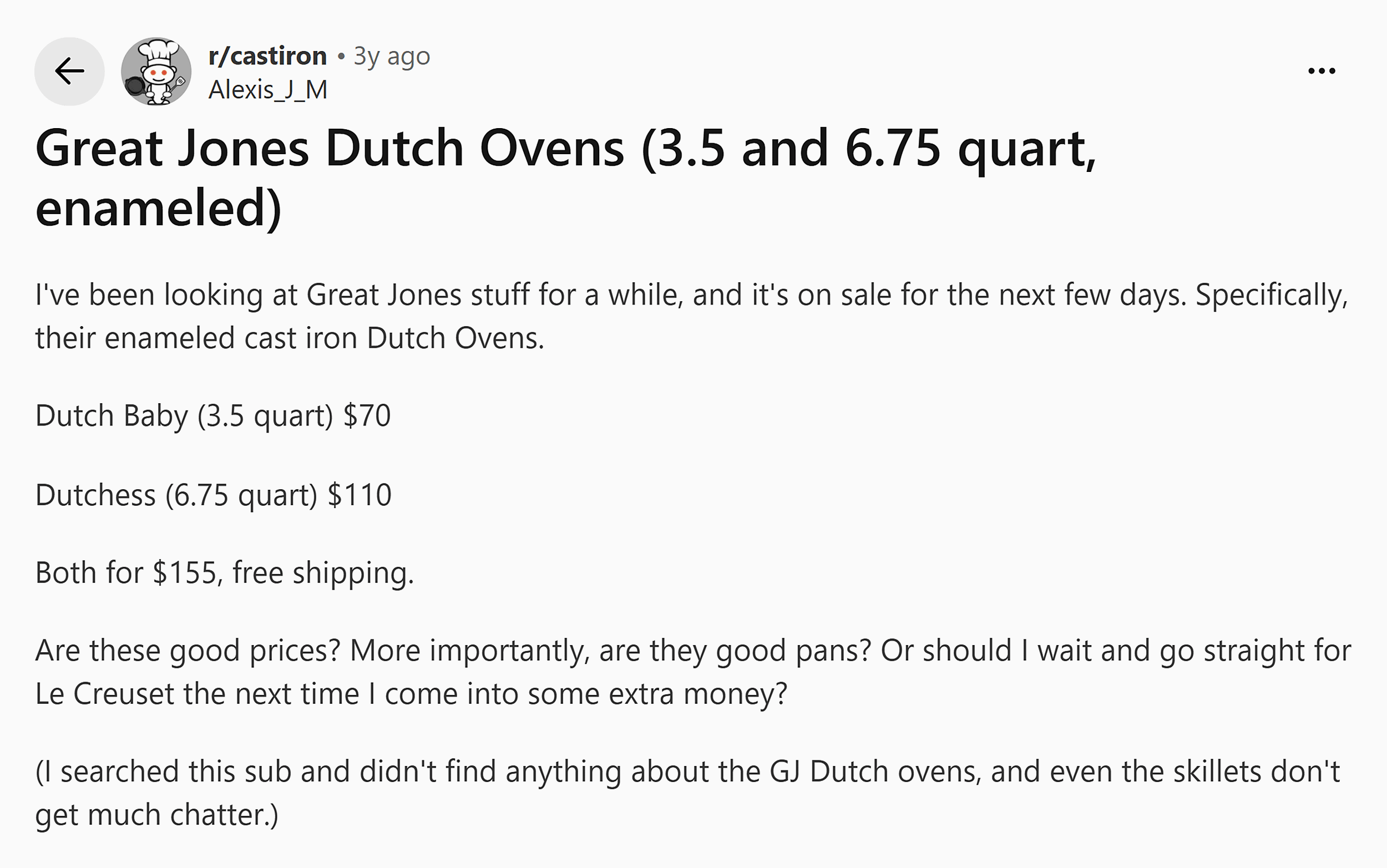
Many top-ranking articles discussing Dutch ovens are dated, and the sentiment is often mixed. For instance, in some reputable roundups, "The Dutchess" has been placed in "other" categories with caveats about performance, or even worse, in sections advising against purchase, citing specific issues like uneven heating. Furthermore, in online forums and communities where consumers actively seek recommendations, Great Jones rarely emerges as a top choice for Dutch ovens. This inconsistency in external validation prevents search engines and LLMs from forming a strong, positive association between the brand and the product category.
Step 2: Choose Your Core Topic
Attempting to build authority across numerous topics simultaneously is inefficient. A strategic approach requires narrowing the focus to one or a few high-impact topics. This selection process should be guided by several key factors:
Building and Prioritizing Your Topic List
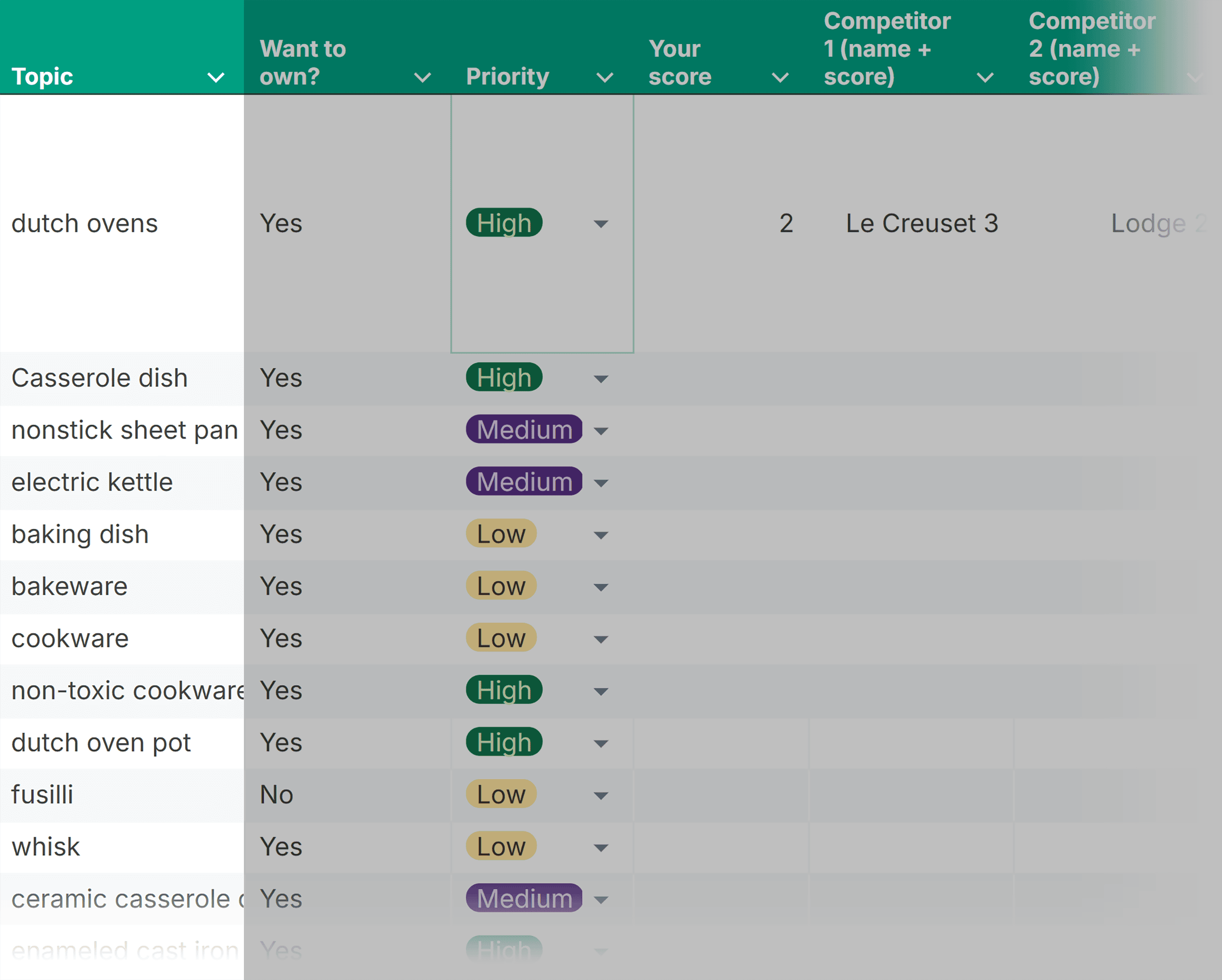
Begin by listing all topics intrinsically linked to your brand and products. This includes core product categories, associated use cases, and problems your offerings solve. Expand this list with adjacent topics that are of interest to your target audience. For Great Jones, relevant topics might include "slow cooking," "one-pot meals," "kitchen gifting," or "cookware maintenance." Prioritize topics where your brand already demonstrates some traction, where competitors are less dominant, or where your brand should have a strong association but currently lacks it.
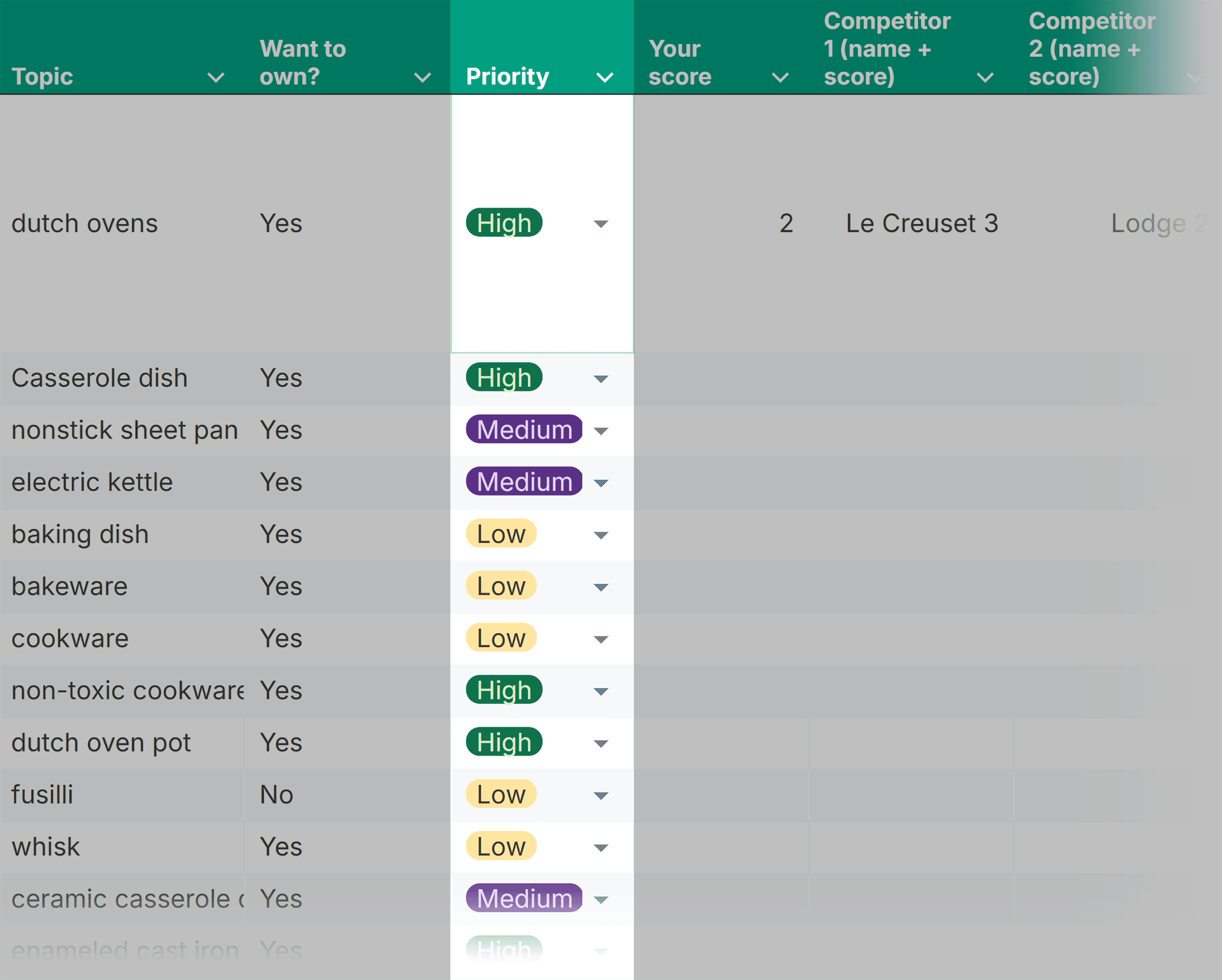
After compiling an initial list of 10-15 potential topics, the next step is to refine it. Not all topics are created equal in terms of their potential to drive business growth or enhance brand reputation. For each topic, ask:
- Do you want to own it? Does this topic directly contribute to revenue, support a product you sell, or build a reputation that attracts customers?
- How urgent is it? Is there a pressing need to establish authority in this area due to market dynamics or competitive pressures?
The goal is to identify three to five high-priority topics that warrant further investigation.
Running a Query Audit
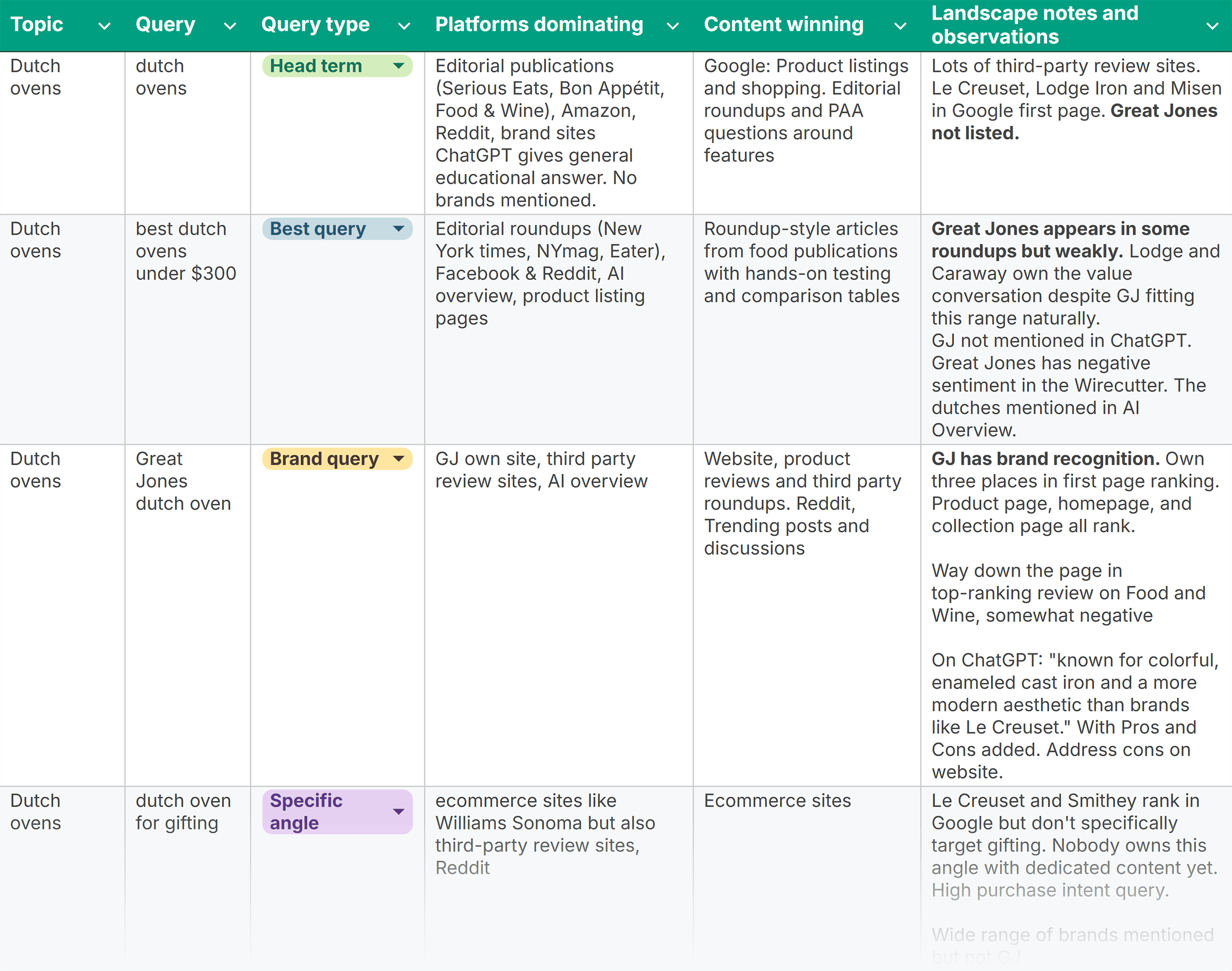
To assess the competitive landscape for each shortlisted topic, conduct a query audit. This involves searching for the topic across both Google and LLMs, using four distinct query types:
- Head Term: The basic topic search (e.g., "Dutch ovens"). This reveals who dominates the broad topic and what AI defaults to.
- Best Query: Adding qualifiers like "best" or specific attributes (e.g., "best Dutch ovens under $200"). This identifies areas of high buyer intent and brands that AI recommends for purchase decisions.
- Brand Query: Combining your brand name with the topic (e.g., "Great Jones Dutch oven"). This shows your specific positioning and how AI currently describes your brand in relation to the topic.
- Specific Angle: A query tied to a potential unique association (e.g., "Dutch oven for gifting"). This helps determine if that niche territory is already claimed or still open for you to define.
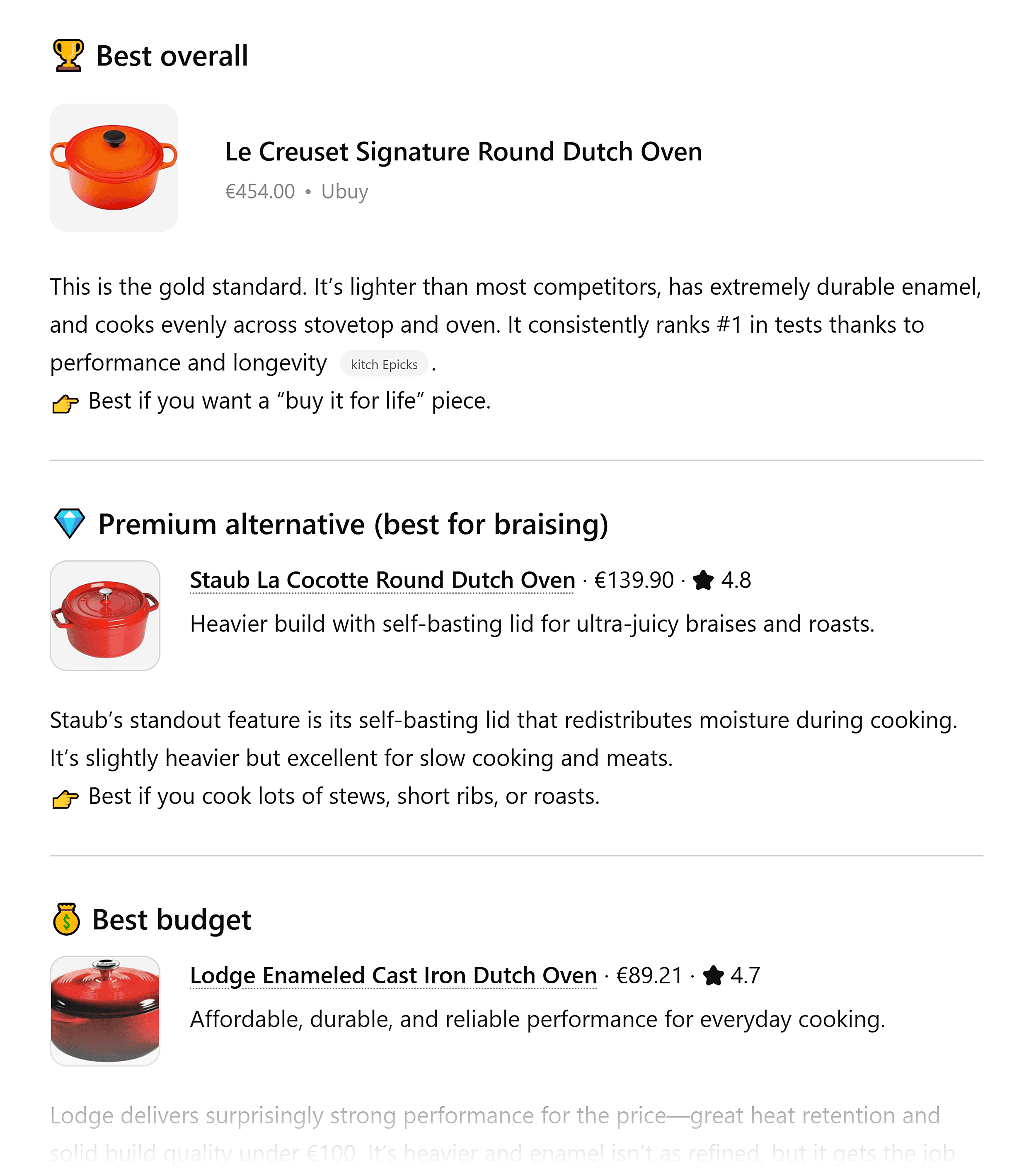
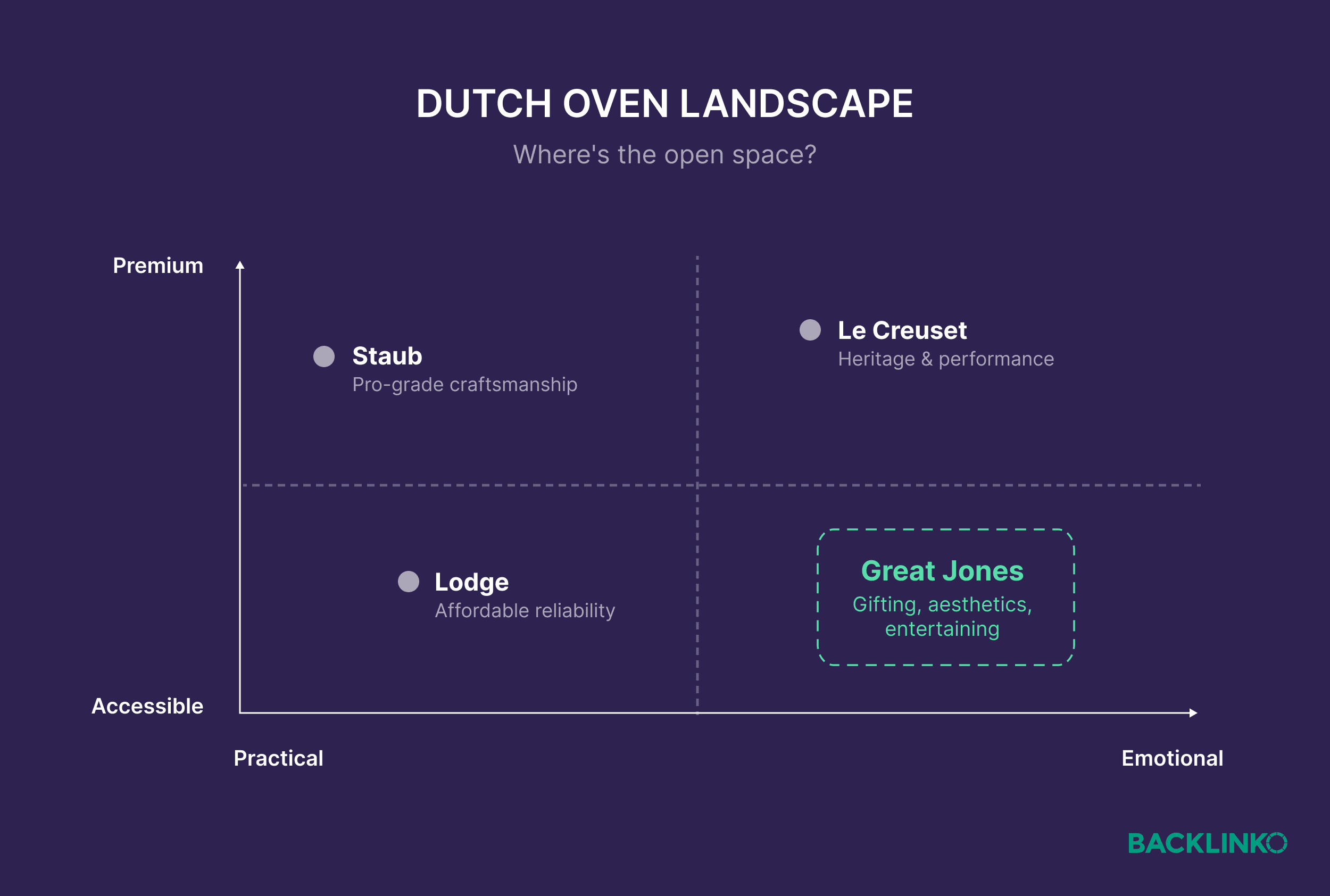
During this audit, note which brands appear consistently, the sentiment of their mentions, and whether your brand is present, especially for queries directly related to your desired positioning. For Great Jones, queries like "Dutch ovens for gifting" revealed that while buyers were actively seeking information, Great Jones was largely absent from the results, unlike brands like Le Creuset or Staub, which dominated broader "best Dutch oven" searches. This indicates a significant opportunity to claim the "gifting" niche.
Scoring by Association Strength
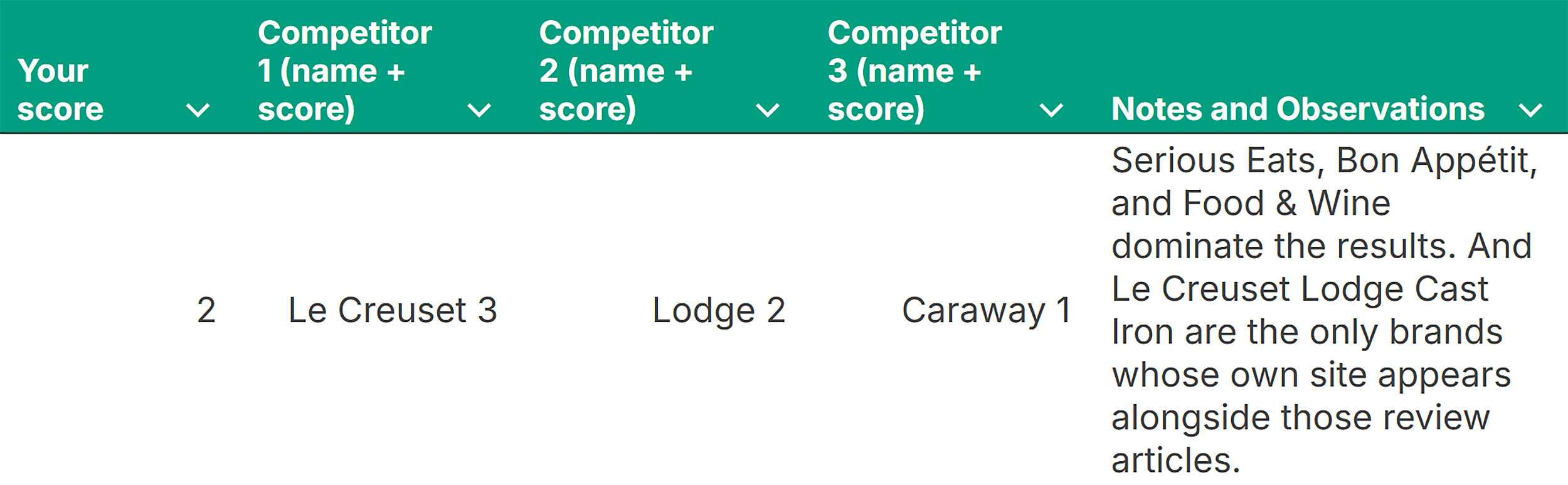
After the query audit, score your brand and key competitors on a 0-3 scale for each topic, reflecting your overall standing across the foundational, POV, and proof layers. A score of 0 means no presence, 1 indicates a weak or negative presence, 2 signifies a positive but inconsistent presence, and 3 denotes consistent prominence across authoritative sources and AI. By identifying high-priority topics where your brand scores a 1 or 2, and at least one competitor scores a 0 or 1, you can pinpoint areas with genuine buyer demand, your existing foothold, and minimal competitive saturation – prime conditions for establishing topical authority. For Great Jones, "Dutch ovens for gifting" emerged as a clear opportunity, being high priority with room for differentiation and no dominant competitor.
Step 3: Identify Your Topic Point of View (POV)
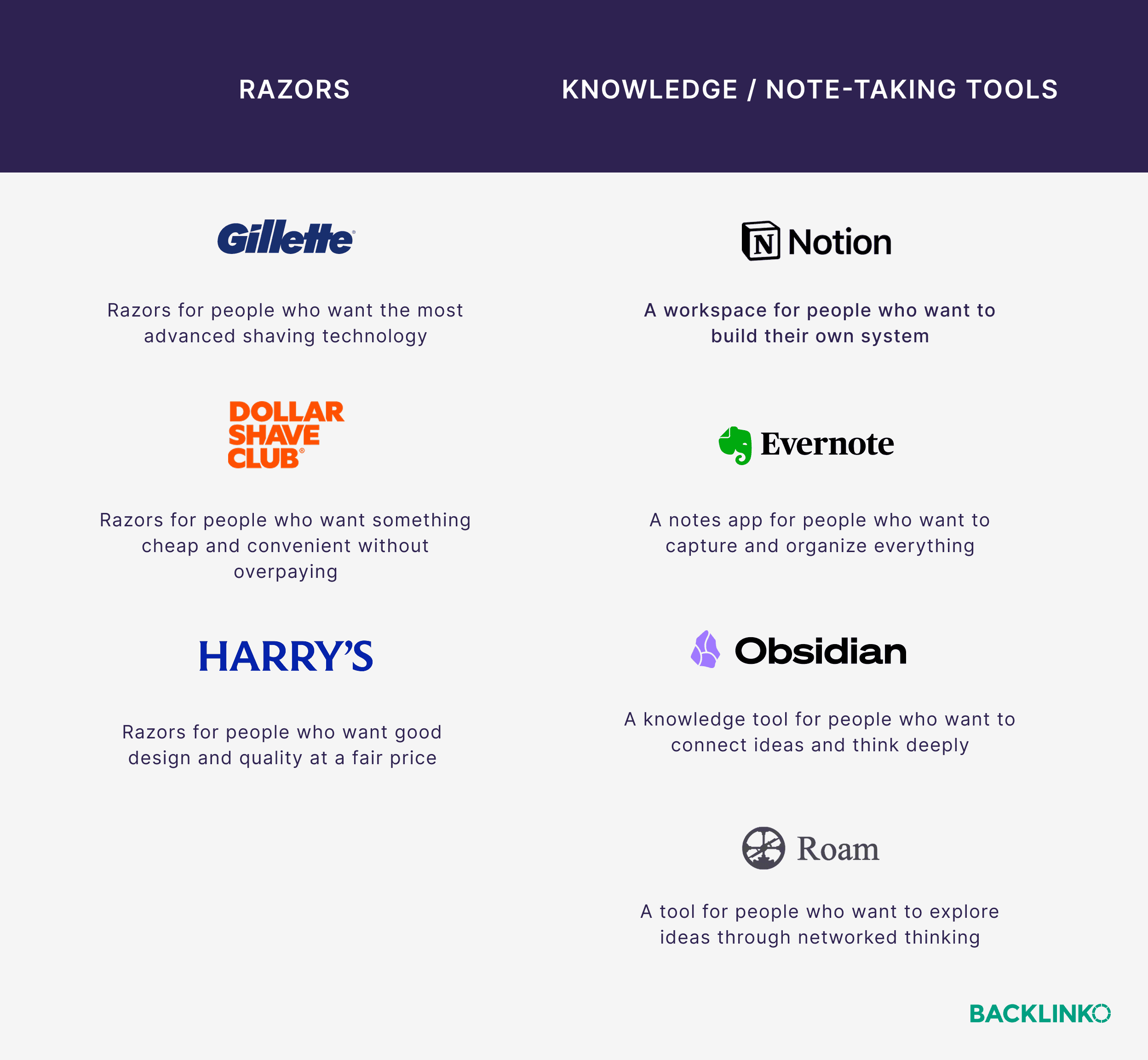
With a core topic identified, the next crucial step is to define your unique Point of View (POV) within that topic. Your POV is the specific angle or narrative that sets your brand apart and establishes it as a distinct voice in the market. It answers the question: "What makes us the go-to source for this topic?"
Researching What’s Already Owned
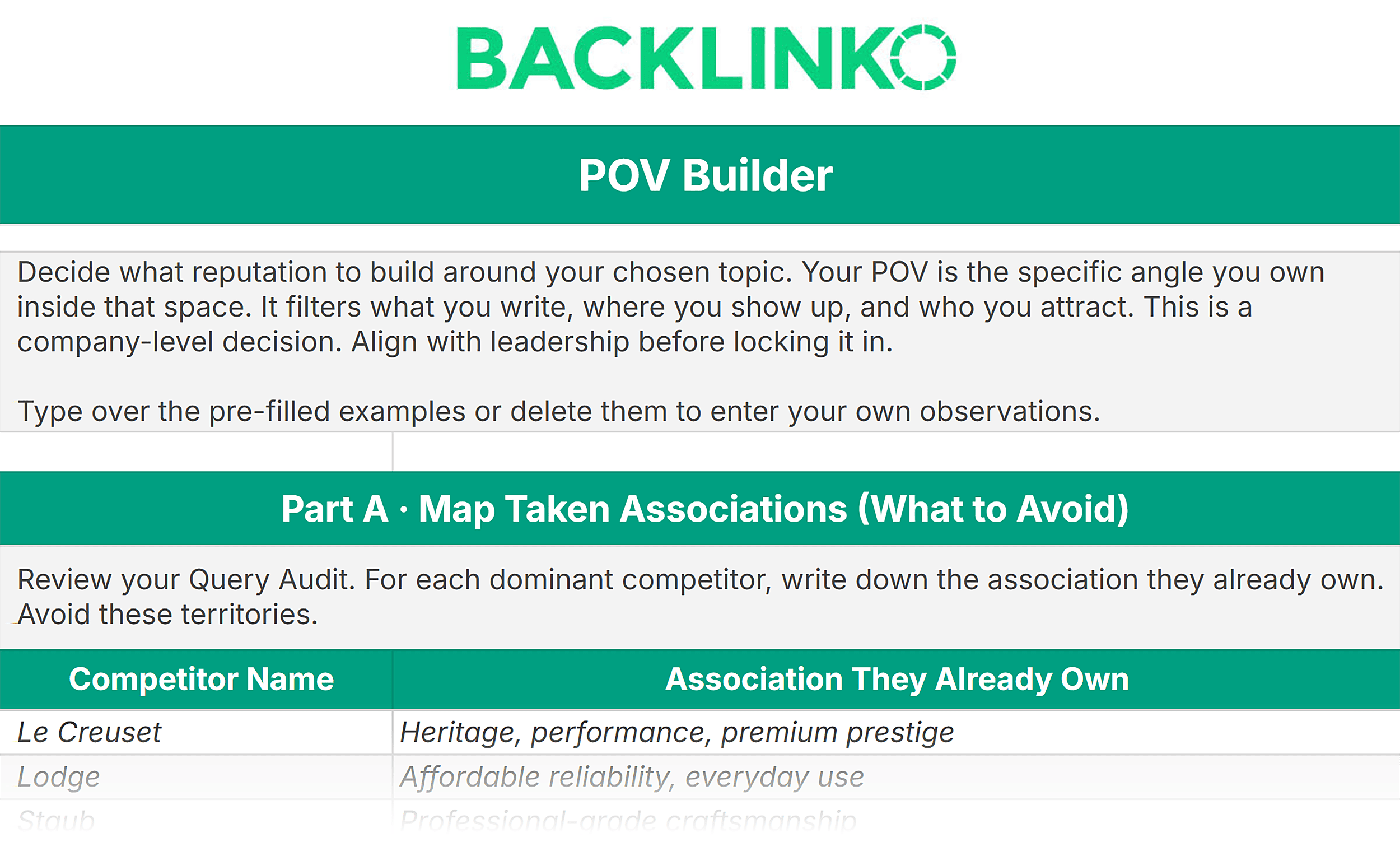
Before formulating your POV, thoroughly research the established POVs of dominant brands in your space. Understanding what’s already claimed prevents you from competing directly in saturated territory. Your query audit notes will be invaluable here, revealing patterns in competitor messaging. Additionally, tools like Semrush’s AI Visibility Toolkit can provide insights into how competitors are being represented in AI-generated answers, highlighting their key associations.
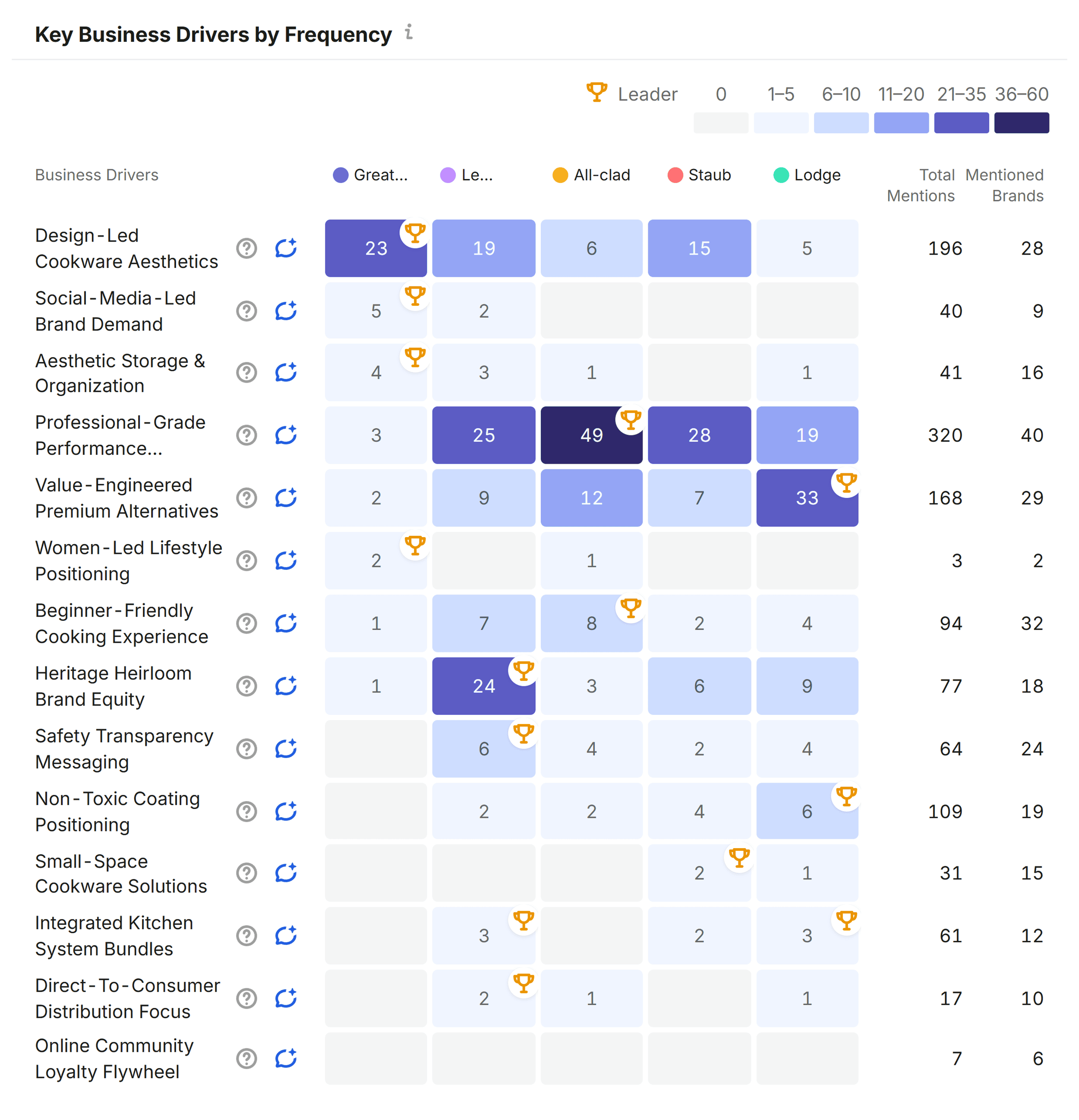
For Great Jones, the "Dutch oven" market is already well-defined by brands known for performance, heritage, and everyday functionality. However, specific niches like "gifting," "visual appeal," or "beginner-friendly cooking" remain less dominated. Semrush data shows Great Jones already leads in design, providing a natural advantage for a POV centered around aesthetics and gifting.
Choosing Your POV
When selecting your POV, consider three critical questions:
- Is it relevant? Does this POV align with genuine customer needs and interests?
- Is it defensible? Can you consistently provide evidence and support for this POV?
- Is it differentiated? Does this POV set you apart from competitors?
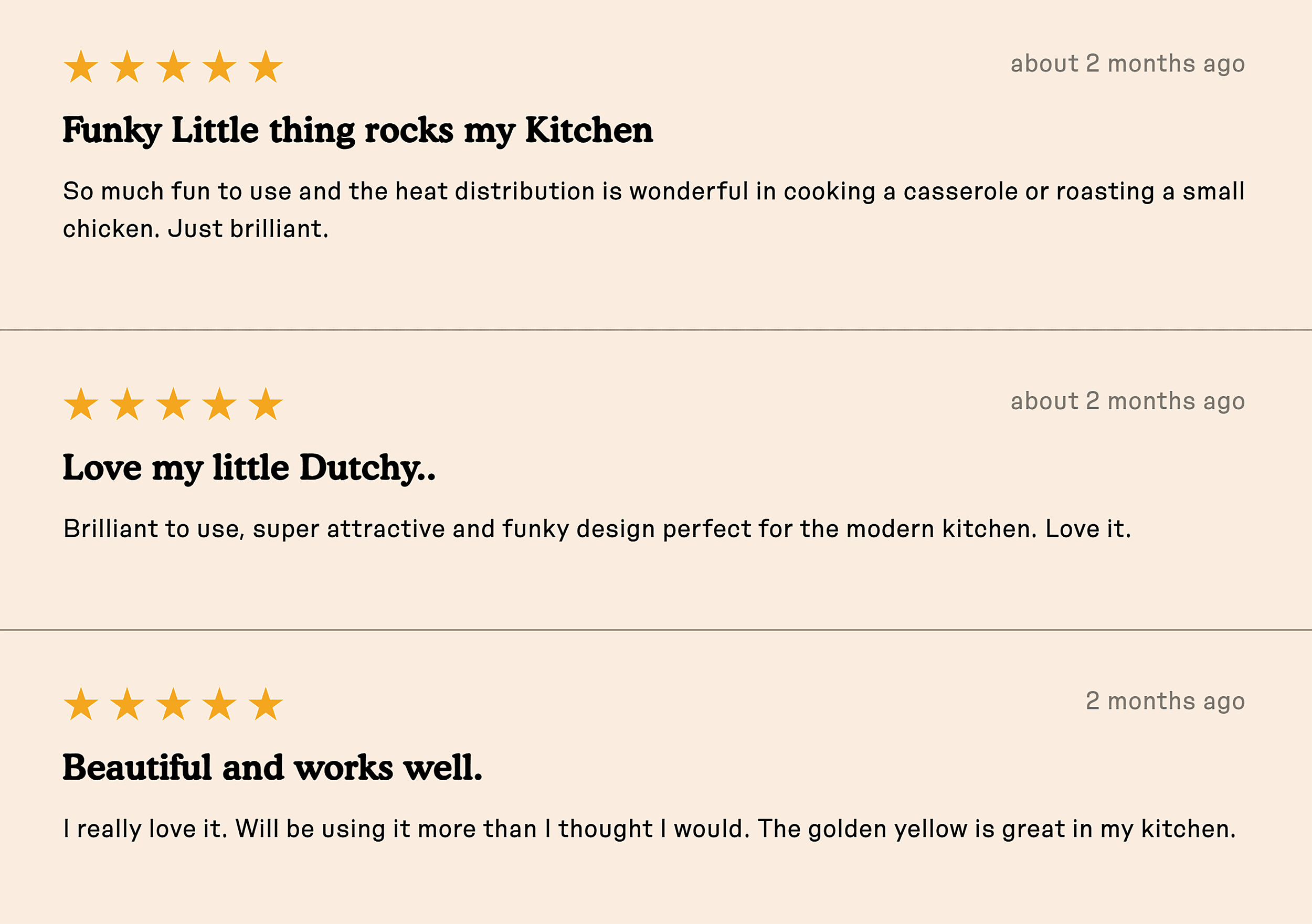
A POV that fails any of these criteria is unlikely to gain traction. For Great Jones, "Dutch ovens as thoughtful and beautiful gifts" passes all three. Customers already praise the brand’s aesthetic, and the product’s appeal makes it a natural fit for gifting occasions.
Writing Your POV as One Sentence
To ensure clarity and conciseness, distill your POV into a single, memorable sentence. This exercise forces you to articulate the core message effectively. For Great Jones, potential POVs could include:
- "Great Jones offers the most stylish Dutch ovens, making them the ideal gift for any occasion."
- "Elevate your gift-giving with Great Jones Dutch ovens, combining superior performance with stunning design."
- "The perfect present for the home chef: Great Jones Dutch ovens deliver both beauty and culinary excellence."
Each of these sentences targets a specific buyer motivation and reason for choosing a Dutch oven, reinforcing the brand’s unique value proposition.
Step 4: Map Your POV Proof Architecture
A compelling POV is only effective if it’s supported by credible proof. This stage involves planning the evidence that will validate your POV across both your own website and external platforms, creating a cohesive narrative for buyers, search engines, and AI.
Auditing Proof Across the Buyer Journey
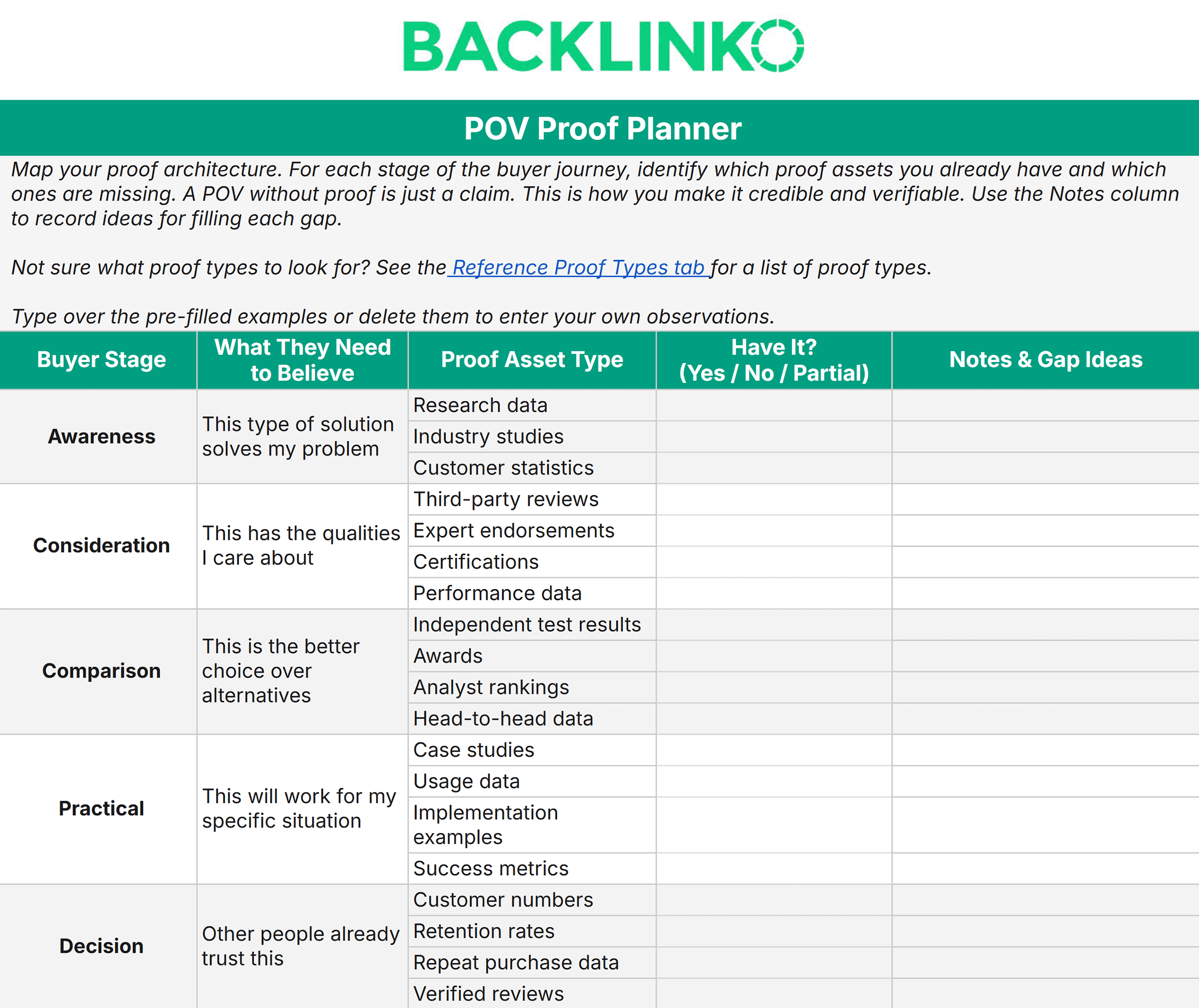
Your POV needs tangible evidence to establish credibility at every stage of the buyer’s journey. This evidence should confirm two key points: that your brand belongs in the category and that it is the preferred choice for your specific POV.
- Awareness Stage: Buyers need to believe that a solution to their problem exists. Proof assets here include industry data, research findings, and customer statistics.
- Consideration Stage: Buyers seek to understand if a product has the qualities they value. This is supported by third-party reviews, expert endorsements, certifications, and performance data.
- Comparison Stage: Buyers need to be convinced that your offering is superior to alternatives. Evidence includes independent test results, industry awards, analyst rankings, and comparative data.
- Active Evaluation Stage: Buyers want to confirm the solution will work for their specific needs. Case studies, usage data, implementation examples, and success metrics are crucial here.
- Decision Stage: Buyers look for social proof that others trust your brand. This is demonstrated through customer numbers, retention rates, repeat purchase data, and verified reviews.
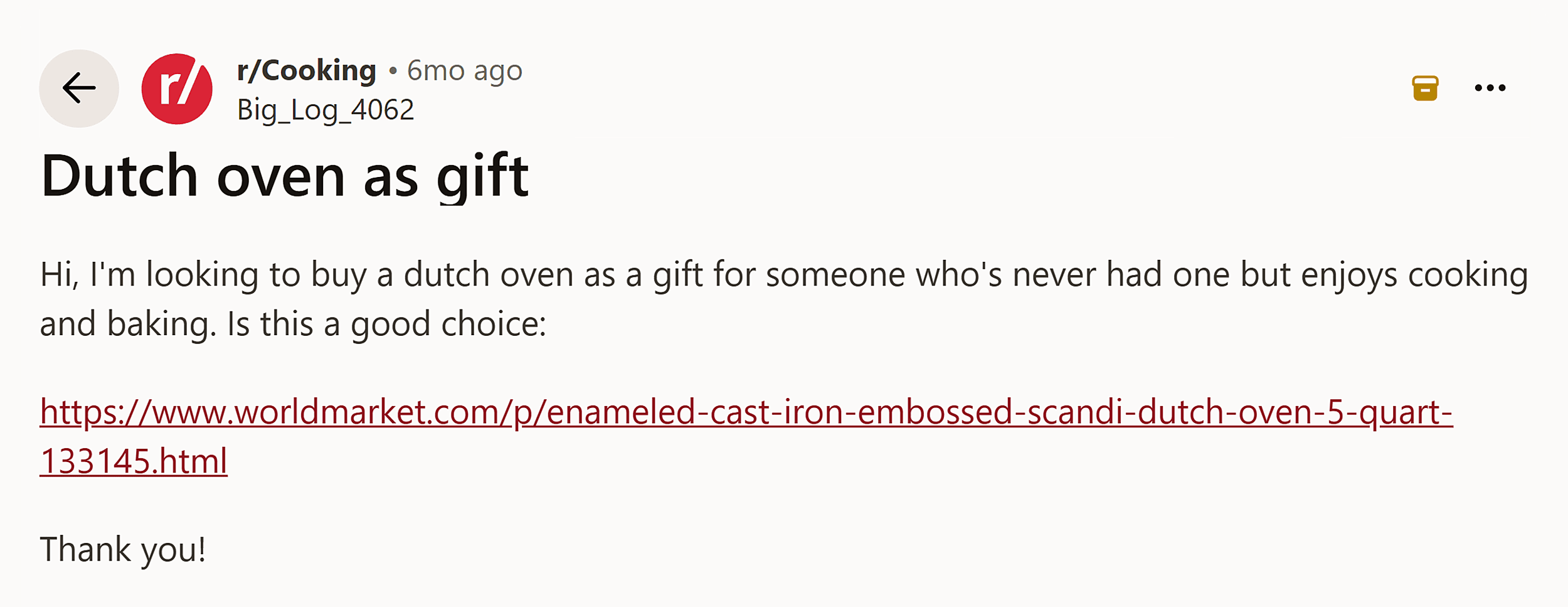
By auditing your existing proof assets against these needs, you can identify gaps. For Great Jones, the "gifting" POV requires proof points that highlight the product’s suitability as a gift. This could involve data showing increased sales during gifting seasons, positive customer feedback specifically mentioning gifting, and external validation from lifestyle publications featuring the product in gift guides.
Building Supporting Pages
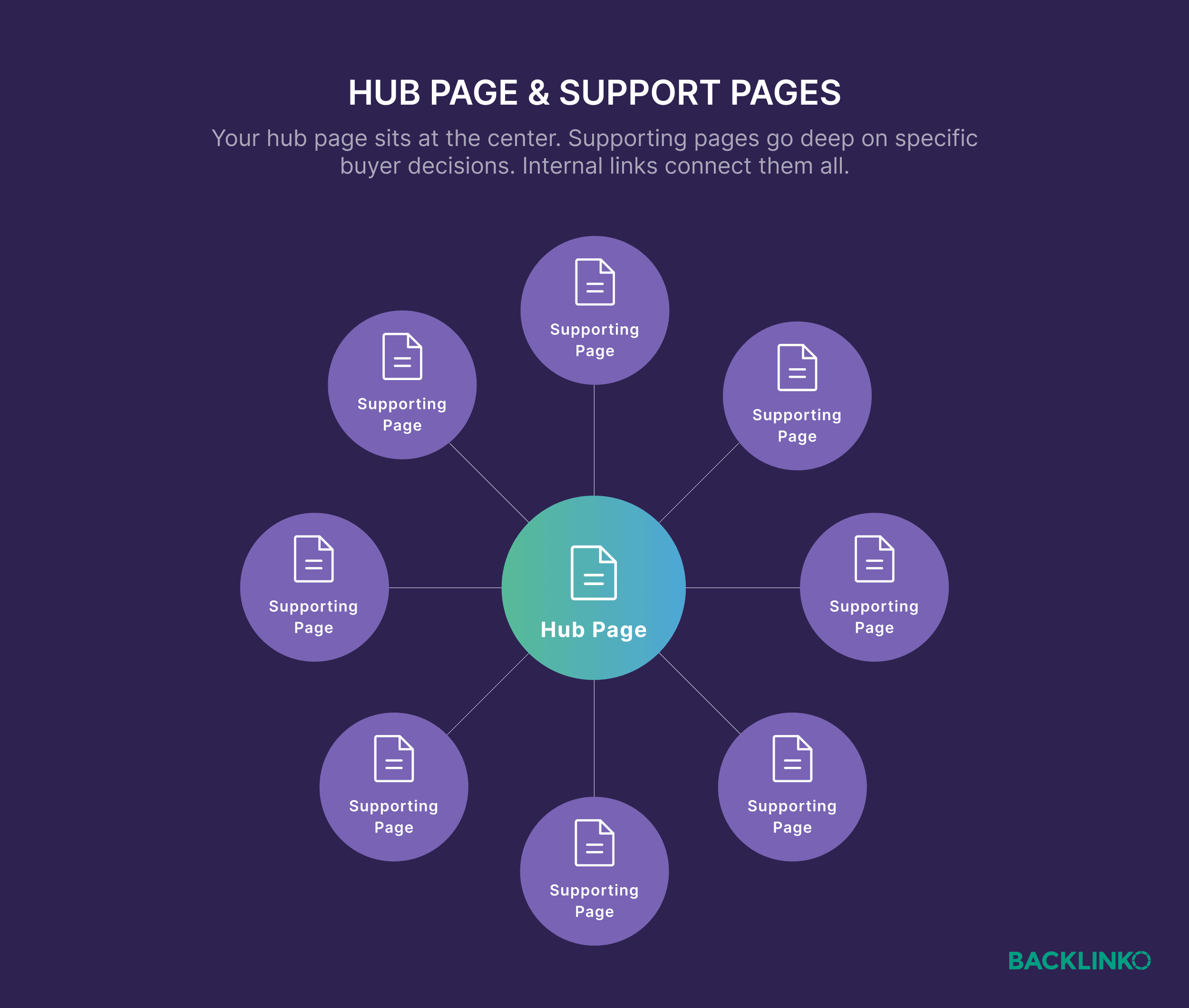
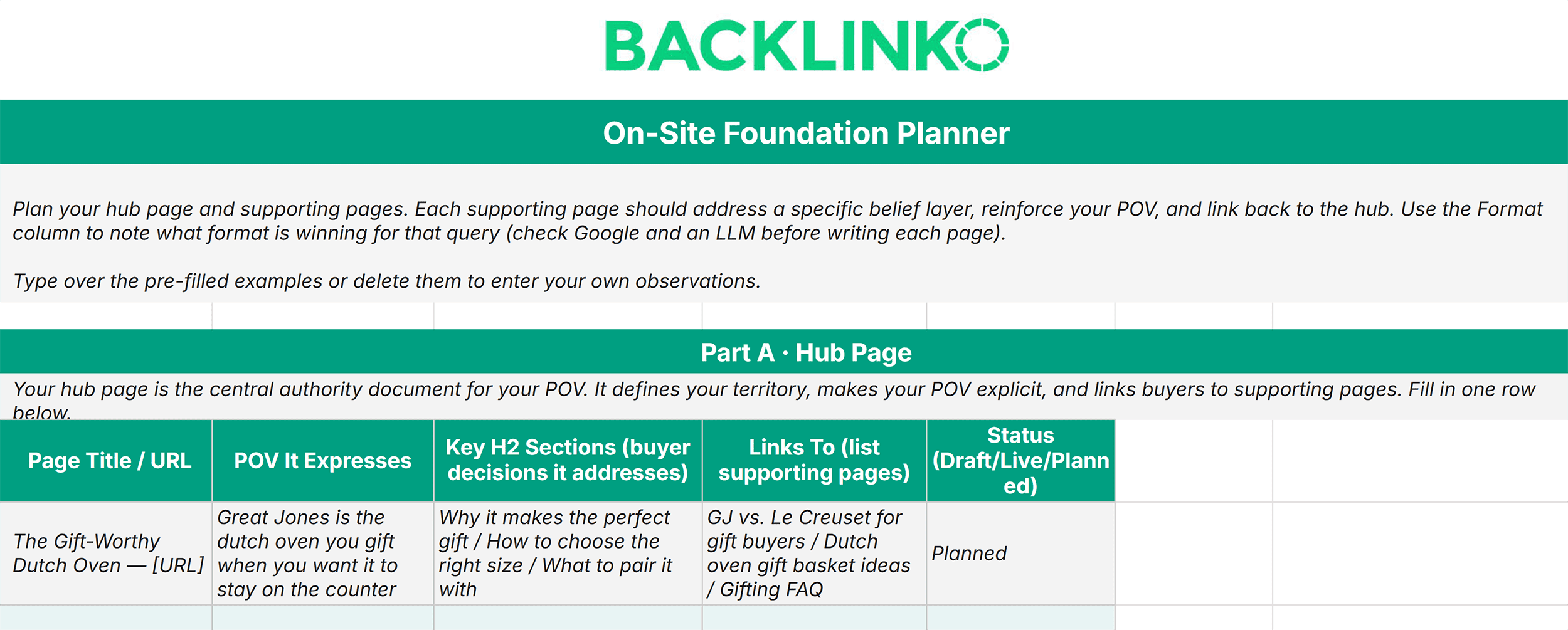
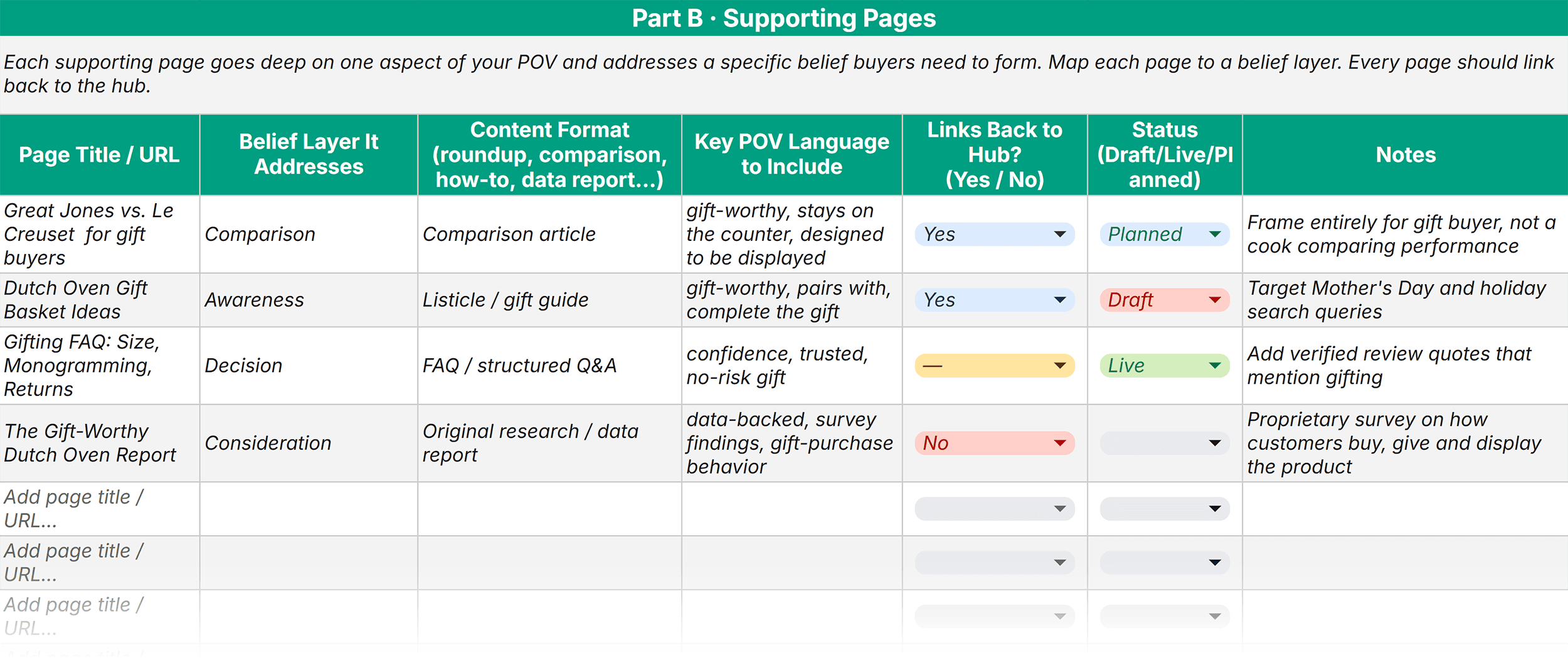
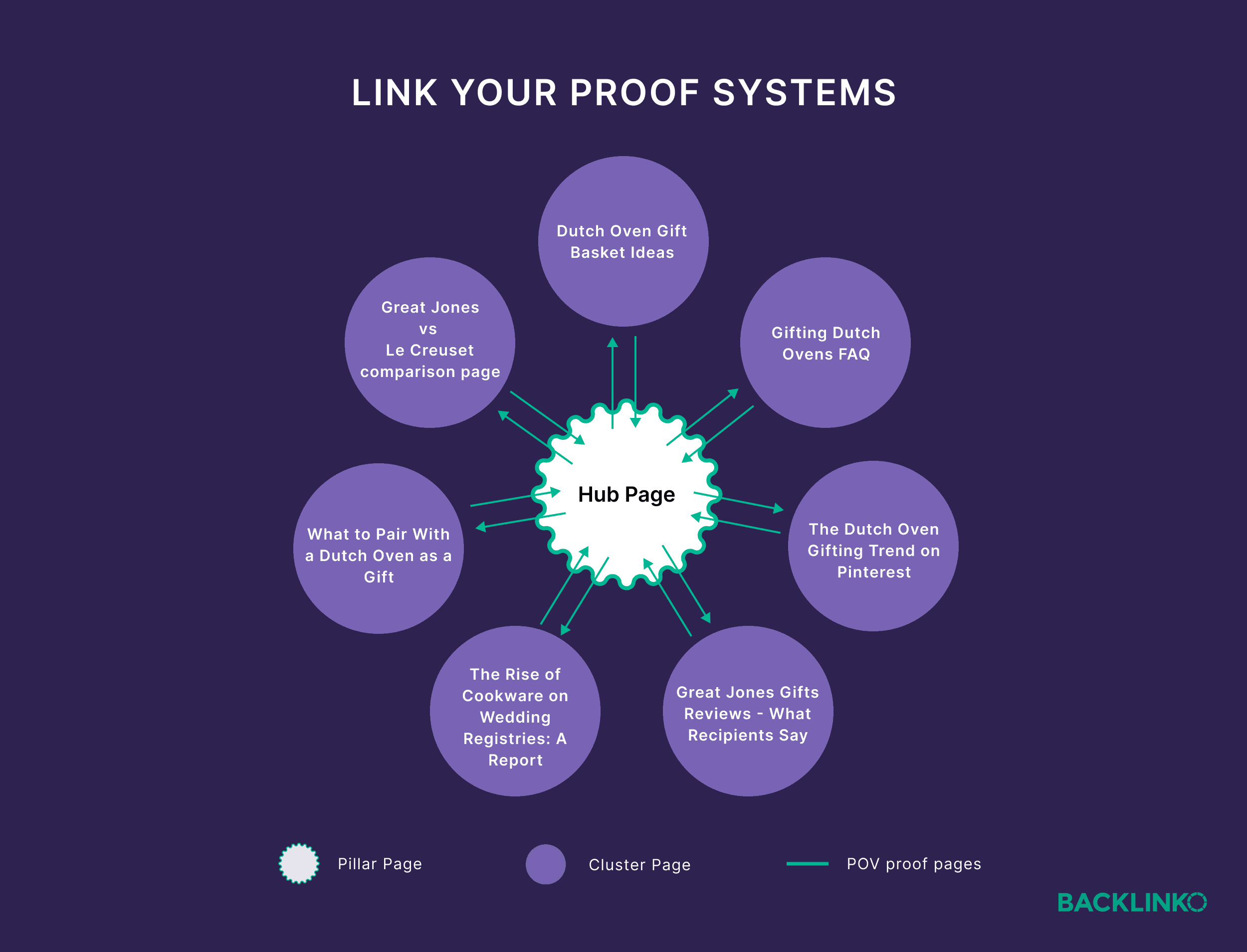
Supporting pages are designed to elaborate on your POV and provide the specific proof needed at each buyer stage. For Great Jones, focusing on the gifting POV, a "Dutch Oven Gifting Guide" hub page could be created. This page would link to the product page, explain why Dutch ovens make exceptional gifts, and then link to supporting pages such as "Gift Basket Ideas," "Dutch Oven Gifting FAQs," and a report on "Cookware Gifting Trends." These supporting pages serve to reinforce specific aspects of the POV with targeted evidence.
Structuring Pages and Linking Them
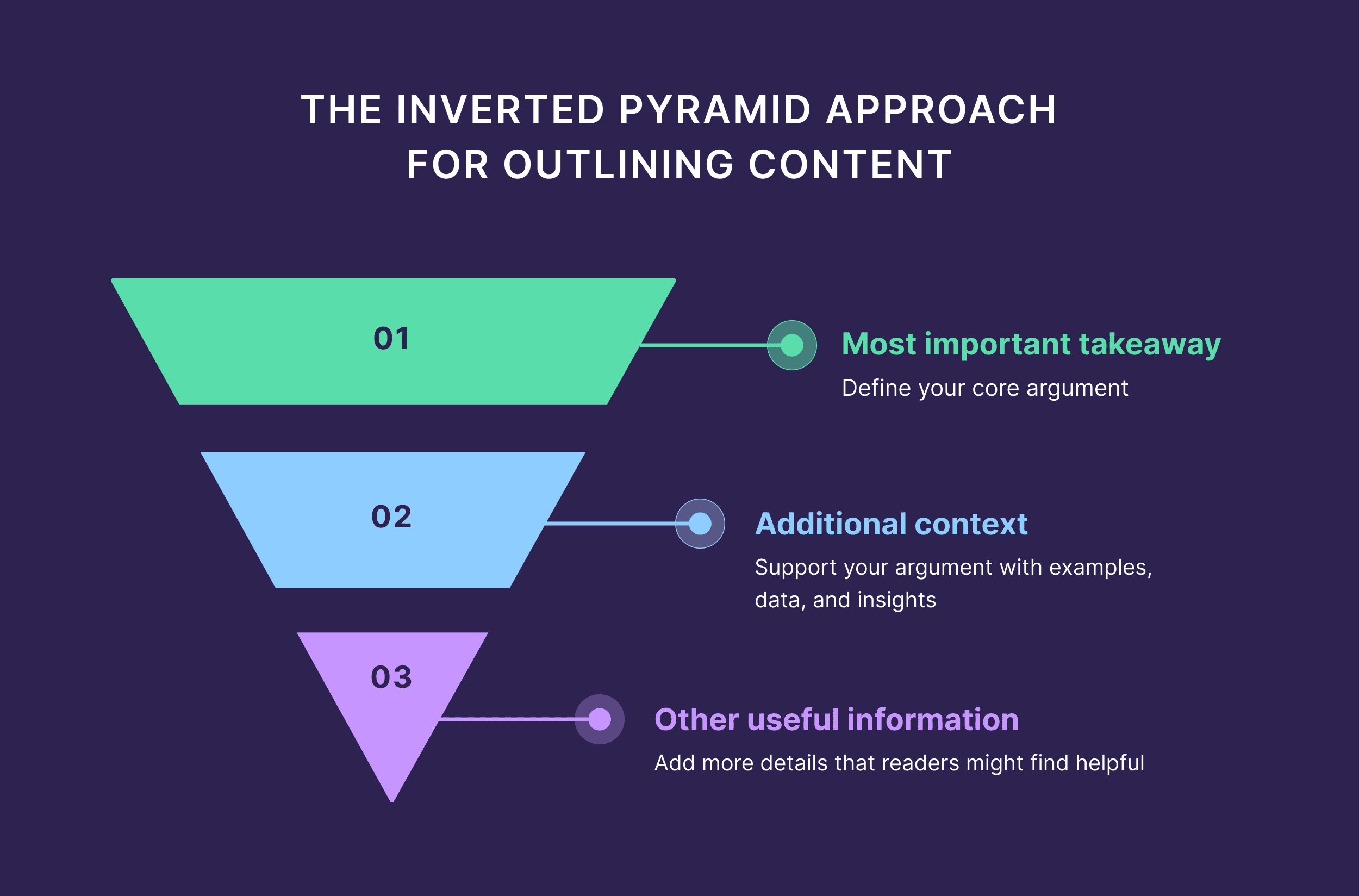
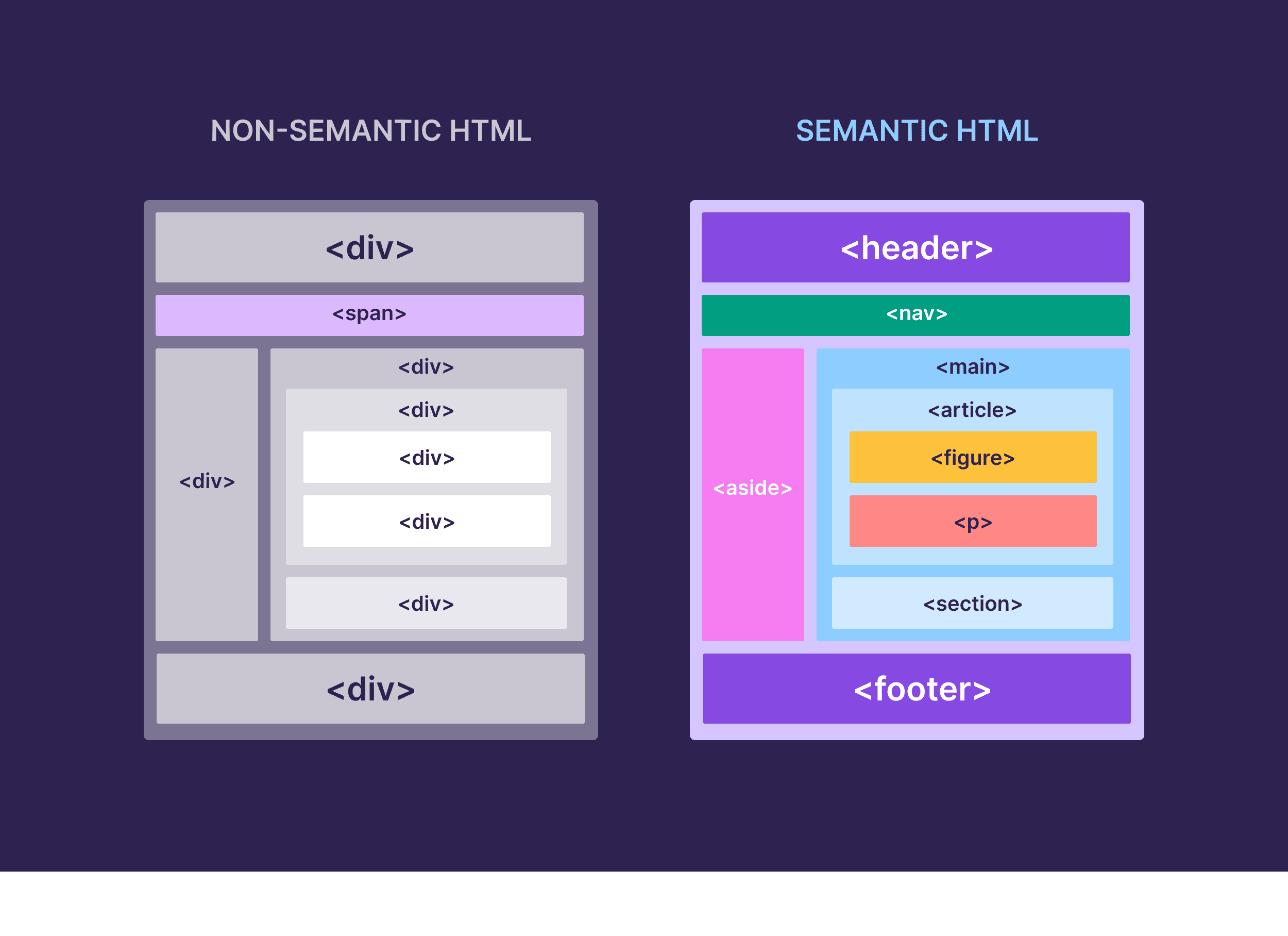
Ensure all content pages are structured logically, prioritizing the most critical information first (the inverted pyramid approach). This enhances readability for users and helps search engines and LLMs understand the content’s core message. Each page should contain:
- Clear Accurately reflects the content and POV.
- Relevant Keywords: Naturally integrated throughout the text.
- Actionable Information: Provides value to the reader.
- Internal Links: Connects to the hub page and other relevant supporting content, creating a cohesive "proof system."
- External Links: References authoritative sources to further validate claims.
- Optimized Media: Images and videos are relevant, compressed, and properly tagged.
By linking these pages strategically, you build a network of evidence that reinforces your brand’s topical authority.
Step 5: Create an Off-Site Proof System
Establishing topical authority solely through on-site content is insufficient. The crucial next step is to extend this proof into the external ecosystem where buyers and AI systems actively seek information.
Starting with One Signature Proof Point
A signature proof point is an original insight or finding that uniquely connects your brand to your chosen topic and POV. This could be proprietary data, a unique research study, or a compelling customer success story. For Great Jones, leveraging their sales data to demonstrate a spike in Dutch oven purchases around Mother’s Day could form a signature proof point: "The State of Mother’s Day Gift-Giving." This insight can then be distributed across multiple platforms.
Distributing Your Proof Point
The key is to disseminate this signature proof point across relevant channels:
- Owned Media: Publish the full report on your blog, create social media threads, and develop video content for platforms like YouTube.
- Earned Media: Pitch your unique insight to relevant publications, journalists, and influencers who cover gifting, home goods, or culinary topics.
- Social Media: Share snippets and key findings on platforms where your audience is active, using relevant hashtags and engaging with user discussions.
- Niche Communities: Participate in online forums and communities (like Reddit’s r/gifts or r/cooking) to share your data and insights organically.
By strategically distributing a single, compelling insight across these channels, you create a powerful, reinforcing signal that solidifies your brand’s association with your desired POV. For Great Jones, a report on gifting would reinforce their "stylish Dutch ovens as ideal gifts" POV. This could involve pitching the report to lifestyle magazines, creating social media campaigns highlighting the product as a gift, and engaging in discussions on relevant online forums.
Step 6: Track Topical Authority Progress
The final step involves monitoring the impact of your efforts on your brand’s topical authority. This requires tracking key metrics across the foundational, POV, and proof layers.
Foundational Layer Tracking
Monitor your brand’s visibility for relevant queries. Revisit the four query types identified in Step 2 and compare current results to your baseline. Look for increased mentions of your brand in search results, especially for non-branded terms related to your topic. Track rising impressions and rankings for keywords associated with your chosen POV. Tools like Google Search Console and Semrush can help monitor these shifts. For Great Jones, an increase in appearances for "Dutch ovens for gifting" would be a significant indicator of progress.
POV Layer Tracking
Assess whether your POV is being reflected in online discourse. Monitor mentions of your brand and observe the language used to describe it. Are search results and AI responses increasingly associating your brand with your chosen POV? For Great Jones, this means tracking mentions of "Great Jones" alongside terms like "gift," "stylish," or "thoughtful present" in relation to Dutch ovens. This can be monitored through media mentions, social listening tools, and direct queries to LLMs.
Proof Layer Tracking
Evaluate the external validation of your POV. Are other websites, publications, and communities referencing your signature proof point or your brand in relation to your POV? Monitor backlinks to your hub and supporting pages, track mentions in third-party reviews and gift guides, and observe community discussions. The goal is to see your brand being consistently cited as an authority on your chosen topic and POV. Google Alerts can be set up to monitor brand mentions and relevant keywords.
By consistently tracking these metrics, you can gauge the effectiveness of your topical authority strategy and make necessary adjustments. Building topical authority is an ongoing process, but by following the Topical Authority Pyramid, brands can systematically establish themselves as the recognized experts in their niche, ultimately driving greater visibility and trust in an increasingly AI-driven search landscape.