The Ascendance of Influencer Activism: Reshaping Brand Partnerships and Consumer Expectations in a Values-Driven Market

A recent survey of 2,000 consumers by Sprout Social reveals a significant shift in public expectations, with nearly half of respondents indicating they anticipate or desire influencers to address social issues, particularly those within their areas of expertise and industry. A notable 20% expressed a stronger demand, expecting influencers to serve as vital resources for grassroots activism. This burgeoning call for influencer engagement on social and political fronts signals a critical juncture for marketers, mirroring an existing pressure on brands themselves to articulate clear stances on contemporary issues. The imperative extends to creator partnerships, compelling organizations to introspect on their core values and identify avenues for fostering long-term positive change, all while meticulously sidestepping the pitfalls of performative activism.
The Genesis of a Movement: From Brand Activism to Creator Advocacy
The roots of this escalating demand for public figures and corporations to engage with social issues can be traced back to the tumultuous period of 2020. This year, marked by the global COVID-19 pandemic, widespread Black Lives Matter mobilizations, and a contentious U.S. presidential election, irrevocably altered the societal landscape and consumer consciousness. It was during this time that "brand activism" emerged not merely as a marketing trend but as a non-negotiable business strategy, deeply embedding itself in the cultural zeitgeist. Brand activism, characterized by a business actively advocating for or against specific social, political, or environmental issues, represented a significant departure from traditional corporate social responsibility (CSR) initiatives. It aimed at driving tangible cultural change rather than simply philanthropic giving.
Initially, the surge of brands attempting to engage in "activist" content often met with criticism. Many were accused of misjudging public sentiment, overwhelming their audiences with generic statements, or, most damagingly, performing solidarity to bolster their bottom lines without genuine commitment. This period, while fraught with missteps, nevertheless set a precedent. Consumers, particularly younger demographics like Gen Z and millennials, began to expect more than just products or services; they sought alignment with brands that reflected their personal values and contributed positively to society.

Now, as the immediate intensity of 2020 has somewhat receded, the pendulum has swung back, but with a refined expectation. Consumers are not merely ready for a "brand activism renaissance"; they are actively calling out organizations for their silence, perceiving neutrality as complicity. This renewed pressure on brands directly translates to their partnerships with creators, creating a symbiotic relationship where brand and influencer activism increasingly go hand-in-hand. The same scrutiny applied to corporate statements is now directed at the individuals brands choose to collaborate with, demanding consistency, authenticity, and informed engagement.
Defining the Spectrum: What is Influencer Activism?
Influencer activism fundamentally describes the use of social media platforms by influencers and creators as potent tools to campaign and advocate for a diverse array of political, social, or environmental causes. This form of advocacy extends beyond mere awareness-raising; it frequently involves direct collaborations with non-profit organizations and aims to mobilize concrete action. Influencers leverage their reach and trusted relationships with their followers to encourage specific behaviors, such as signing a petition, making a financial donation to a cause, participating in a public protest, or adopting more sustainable lifestyle changes.
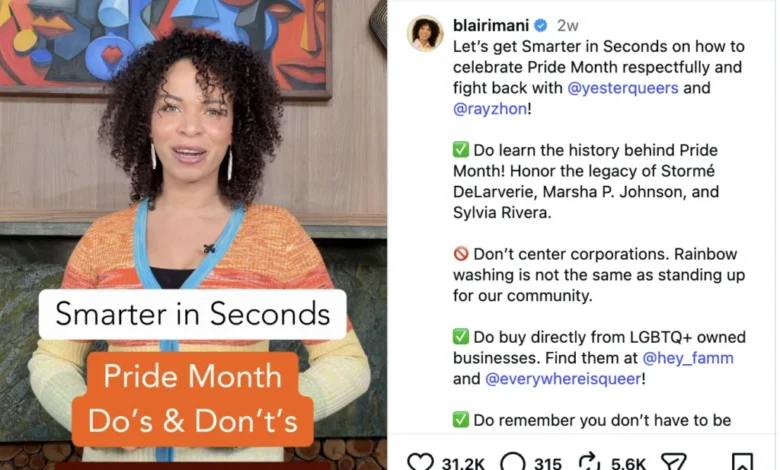
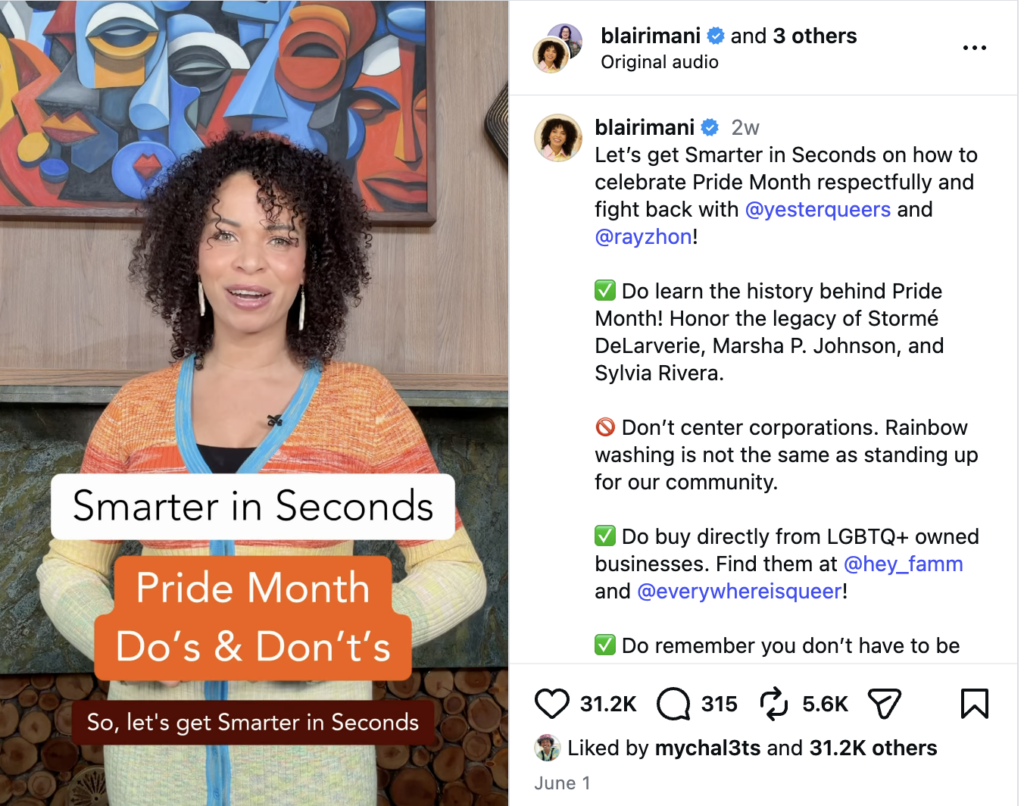
For instance, Blair Imani, an acclaimed author and educator, masterfully utilizes her digital platform to demystify complex aspects of identity—including race, sexuality, gender, parenthood, and religion. Through her widely recognized "Smarter in Seconds" series, she educates her audience on how legislation and historical events continue to shape specific communities. Crucially, Imani’s content provides tangible steps and actionable insights in each video, transforming abstract concepts into accessible calls for engagement. Her work exemplifies how influencer activism can be both educational and mobilizational, providing a resource for informed action.
However, the efficacy of influencer activism is often overshadowed by the pervasive criticism of "performative activism," colloquially known as "slacktivism." This phenomenon occurs when public engagement with a cause prioritizes superficial appearances and personal branding over genuine, sustained commitment and tangible impact. Actions such as merely posting a trending hashtag, sharing a widely circulated infographic without deeper understanding, or commenting on an issue solely because it is popular—without subsequent follow-through or personal investment—are often perceived as performative. Such superficial engagement risks diluting the efforts of true activists, diverting attention and resources from more impactful messages, and ultimately fostering cynicism among audiences.
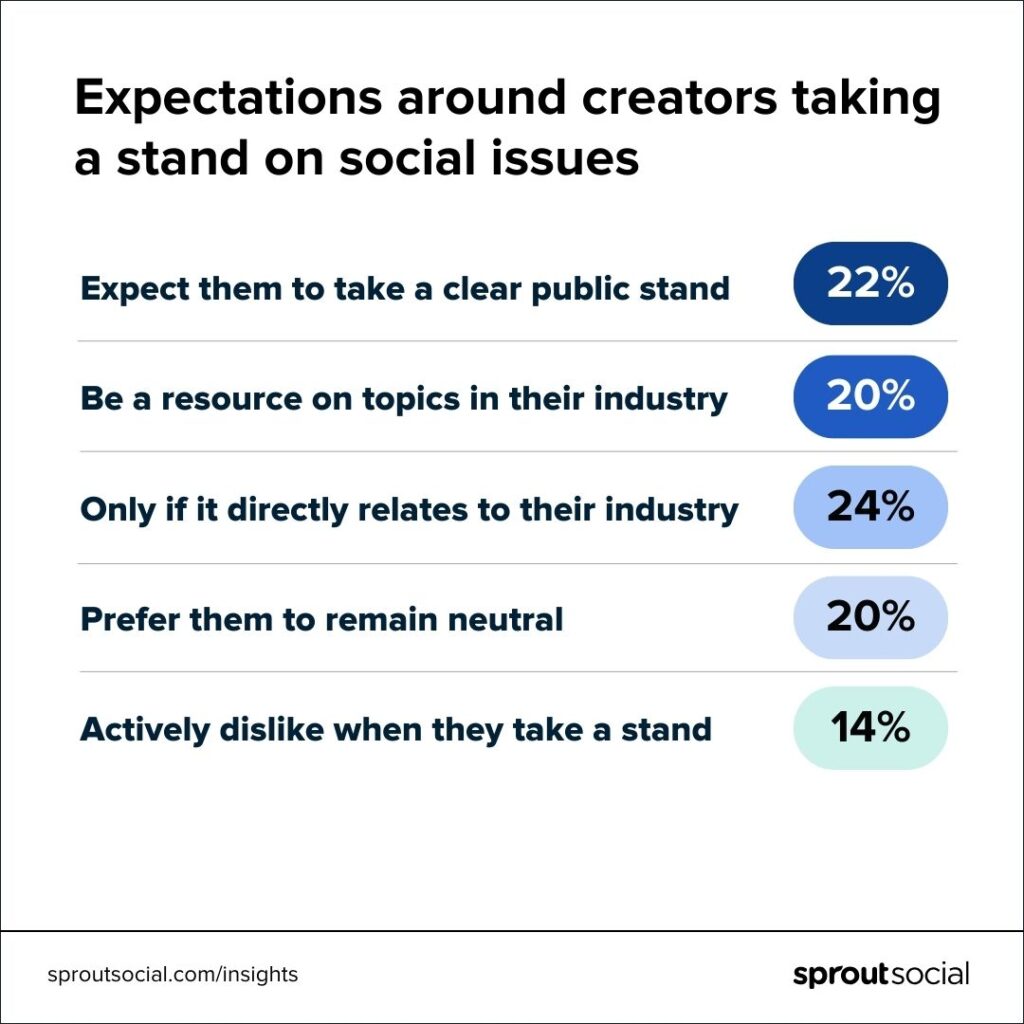
Influencer activism can go astray when creators support causes primarily with self-promotion in mind, or, less maliciously, succumb to social pressure to speak out on issues for which they are ill-informed or under-qualified. The demand for authenticity from audiences is paramount; they seek evidence of sustained engagement, personal conviction, and a willingness to invest beyond a single post.
Consumer Demands: A Mandate for Purpose
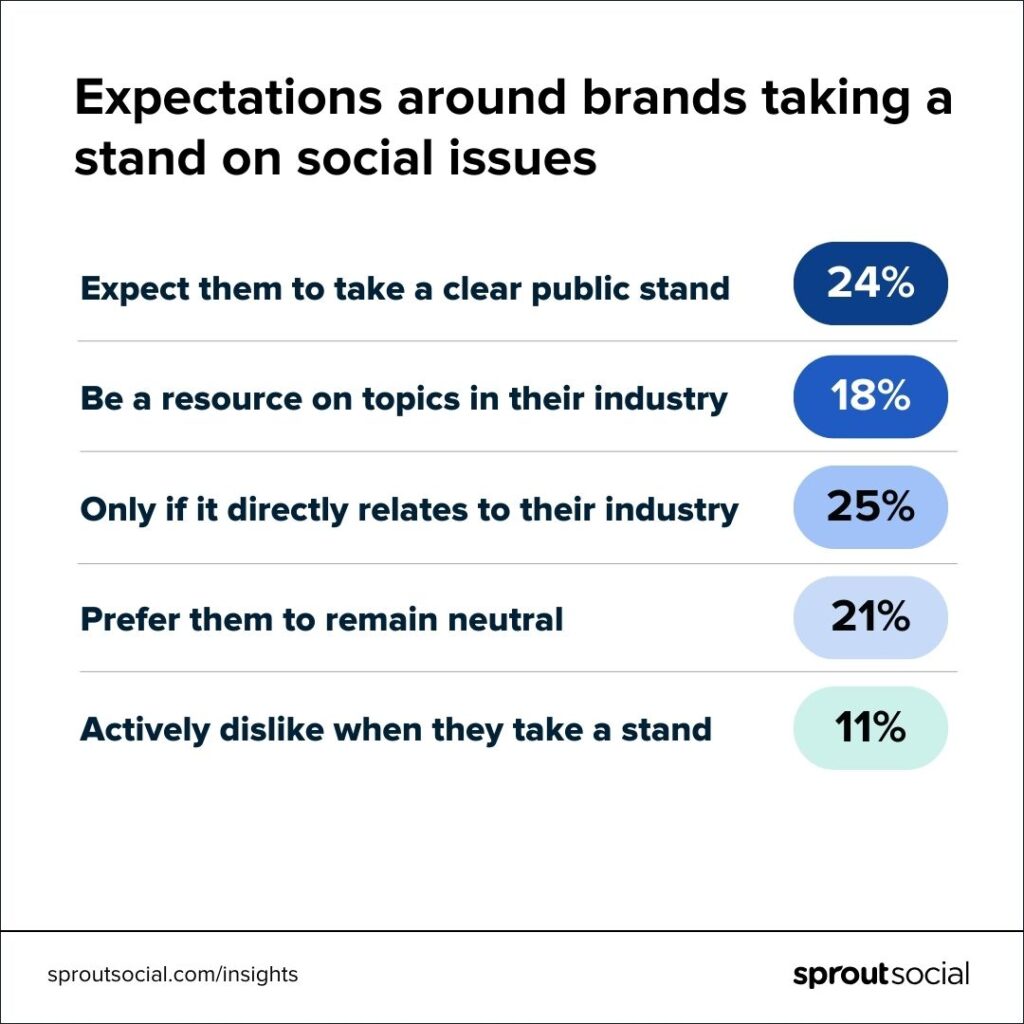
The consumer landscape has undergone a profound transformation, driven by a generation that increasingly intertwines their purchasing decisions with their personal values. The Q1 2026 Sprout Pulse Survey underscored this shift, revealing that 49% of consumers expect brands to take a stand on either all issues or those directly related to their industry. An additional 18% expressed a desire for brands to serve as authoritative resources on social and political issues pertinent to their expertise. These findings mirror the expectations placed on influencers, highlighting a holistic demand for purpose-driven engagement across the commercial ecosystem.
This values-driven consumption is not merely a preference; it carries significant economic weight. The same pulse survey indicated that 29% of consumers are prepared to cease purchasing from brands whose values clash with their own. Conversely, 15% actively seek out and buy products from brands that align with their political and social viewpoints, demonstrating a powerful inclination towards conscious consumerism. This trend is particularly pronounced among younger consumers, with a striking 83% of Gen Z reporting that brand values exert at least some influence on their purchasing decisions. For this demographic, authenticity and alignment are not optional but fundamental components of brand appeal.
The pressure on influencers is equally intense. Creators are often inundated with calls to comment on virtually every current event, even topics for which they admittedly lack expertise. Audiences frequently issue threats of "cancellation" or abandonment—extending these threats to brands associated with influencers—if they fail to speak out, or if their stance deviates from audience expectations. This creates a challenging environment where influencers must carefully navigate the imperative to engage with social issues while preserving their authenticity and credibility, avoiding missteps that could alienate their base or jeopardize brand partnerships.
Navigating the New Landscape: Implications for Brand Partnerships
Given the high stakes involved—where brand loyalty, reputation, and revenue are directly tied to perceived values alignment—brands must adopt an extraordinarily meticulous approach to selecting influencers. Meeting audience expectations and safeguarding brand integrity in this new era requires strategic foresight and rigorous due diligence.
Enhanced Vetting and Due Diligence: The age of influencer activism necessitates a vetting process far more comprehensive than merely assessing follower counts or engagement rates. Brands must delve deep into an influencer’s digital footprint, meticulously examining past advocacy, the nature of their interactions with their audience and other public figures, and the reactions generated by their content. This includes scrutinizing historical posts, public statements, and even the causes they have previously supported or critiqued. The goal is to gain a holistic understanding of their public persona, their genuine commitment to social issues, and their potential to either enhance or detract from a brand’s image. While some marketers might be tempted to seek "cause-agnostic" influencers to avoid controversy, this approach often misses the mark. Research indicates that partnering with influencers whose advocacy genuinely aligns with a brand’s core values can profoundly endear the brand to its community and significantly enhance its reputation.
Strategic Alignment and Shared Values: Successful partnerships in this environment move beyond transactional agreements. They are built on a foundation of shared values and a common commitment to specific causes. When a brand’s mission aligns authentically with an influencer’s advocacy, the resulting collaboration feels organic and impactful, resonating deeply with consumers. This can involve co-creating campaigns that raise awareness, mobilize donations, or support legislative changes related to shared interests. For instance, Avocado, a mattress company committed to sustainability and transparency, exemplifies this strategic alignment. Their mission, "better for you and the planet," drives their use of natural and certified organic materials and transparent supply chains, aspiring to become the country’s most sustainable brand. Their partnership with creator @ReLauren, an influencer who consistently shares actionable advice on climate activism, from contacting local legislators to promoting plant-based diets and waste reduction, is a testament to the power of shared values. Such long-term relationships foster sustainable brand advocacy that genuinely contributes to meaningful change while simultaneously protecting and enhancing brand health.
Understanding Audience Sentiment: The ultimate arbiter of a brand’s engagement with social issues is its audience. It is more crucial than ever for brands to employ sophisticated social listening tools and conduct thorough market research to understand which causes their customers and prospects care about most, and consequently, which issues they expect the brand—and its chosen influencers—to lend their platforms to. This audience-centric approach ensures that advocacy efforts are relevant, impactful, and well-received, rather than appearing opportunistic or tone-deaf. Done correctly, strategic influencer partnerships can demonstrate a brand’s year-round commitment to issues that matter, forging deeper connections and fostering loyalty.
Establishing Robust Brand Safety Protocols: Even with comprehensive vetting and a clear understanding of audience expectations, brands must establish robust brand safety protocols when engaging with influencers in today’s volatile climate. Proactive consultation with legal teams and senior leadership is indispensable. Key questions to address include: What topics are unequivocally off-limits for brand-associated content? What are the implications of an influencer’s past controversial statements resurfacing? How will the brand respond if an influencer deviates from agreed-upon guidelines? Seeking this information proactively, rather than waiting for a crisis to unfold, allows brands to develop clear, written guidelines that delineate appropriate and inappropriate content, tone, and engagement strategies. These guidelines should be an integral part of any influencer contract, providing a framework for responsible and impactful collaboration.
The Future of Influence: A Call for Authenticity and Impact
The intense consumer demand for influencer-led activism is not a fleeting trend but a fundamental shift with profound implications for brand perception and commercial success. In an increasingly values-driven market, authenticity, transparency, and genuine commitment to social causes are becoming as crucial as product quality and pricing.
By thoughtfully partnering with influencers whose advocacy authentically aligns with a company’s values, brands can significantly strengthen their credibility, cultivate a vibrant community around shared ideals, and forge deeper, more meaningful connections with their audiences. The careful selection of the right influencers, guided by rigorous vetting and a clear understanding of audience sentiment, mitigates the risks of public backlash and cultivates long-term loyalty and advocacy. Embracing influencer activism thoughtfully and strategically is no longer merely an option; it is an essential imperative for maintaining relevancy, fostering trust, and achieving sustainable success in the contemporary marketplace. The future of influencer marketing is not just about reach, but about impact – both commercial and societal.
For those seeking deeper insights into consumers’ evolving expectations toward influencers and the broader landscape of digital influence, a comprehensive resource such as The Influencer Marketing Report offers invaluable data and analysis. The trajectory is clear: influence, in its most powerful form, is now inextricably linked to purpose.