AWS Streamlines Cloud Database Onboarding with General Availability of Amazon Aurora PostgreSQL Express Configuration

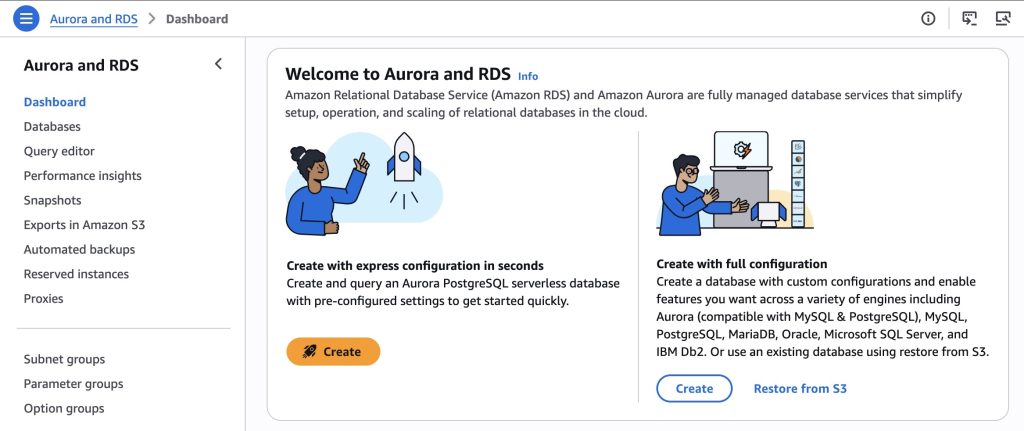
Amazon Web Services has officially announced the general availability of a new express configuration for Amazon Aurora PostgreSQL, marking a significant shift in how developers interact with and deploy enterprise-grade relational databases. This new capability, unveiled as part of a broader initiative to minimize the friction between conceptualizing an application and deploying it to production, allows users to provision a fully functional Aurora PostgreSQL serverless database in a matter of seconds. By automating complex networking and authentication configurations that previously required manual intervention, AWS aims to capture a larger share of the rapid-application development market, particularly among startups and developers utilizing modern web frameworks.

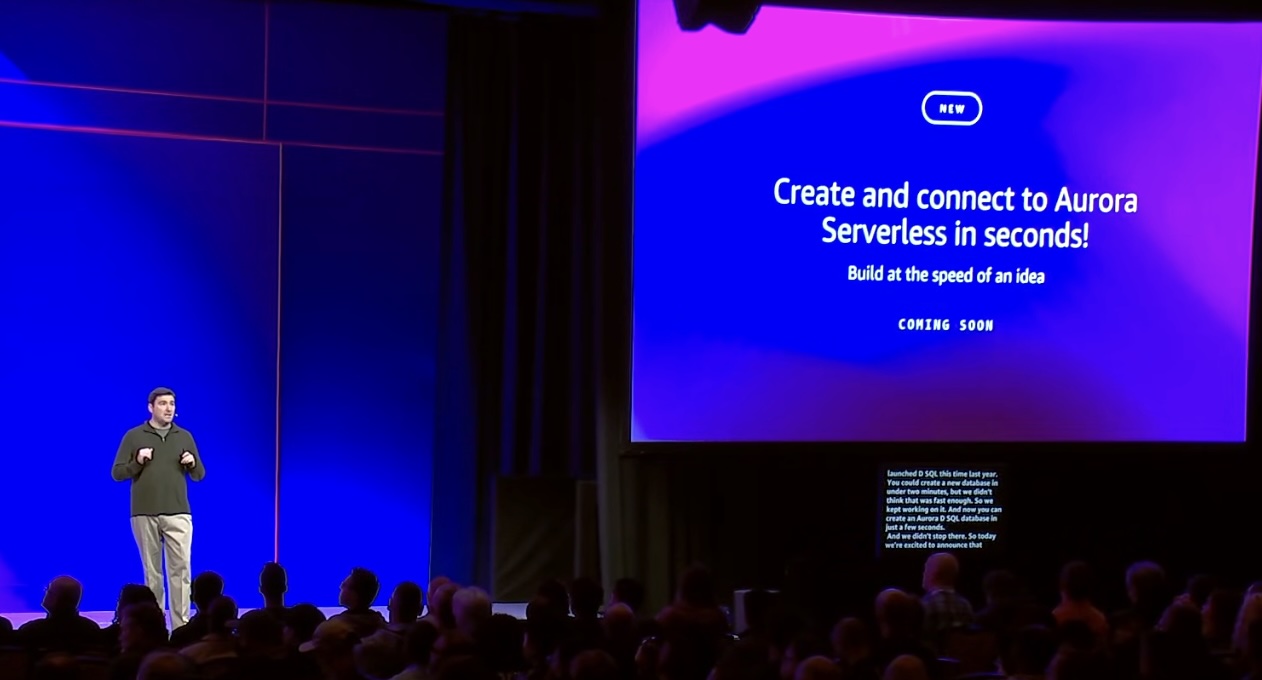
The launch follows a strategic vision articulated by Colin Lazier, Vice President of Databases at AWS, during the re:Invent 2025 conference. Lazier emphasized that the industry is moving toward a model where infrastructure must operate at the "speed of an idea." While AWS had already achieved high-speed provisioning for Amazon DynamoDB and Amazon Aurora DSQL, the demand for a similar "instant-on" experience for the more traditional, feature-rich Aurora PostgreSQL engine remained a top priority for the customer base. The general availability of the express configuration fulfills this requirement, providing a streamlined, two-click setup process that abstracts away the complexities of cloud networking.
The Evolution of Database Provisioning and the "Day Zero" Experience
For over a decade, the process of setting up a managed relational database in the cloud involved a series of mandatory architectural decisions. Developers were traditionally required to configure an Amazon Virtual Private Cloud (VPC), define subnets across multiple Availability Zones, manage security groups, and establish complex routing tables before even initializing a database instance. While these steps are essential for large-scale enterprise security and compliance, they often acted as a barrier to entry for developers looking to test prototypes or build small-scale applications quickly.

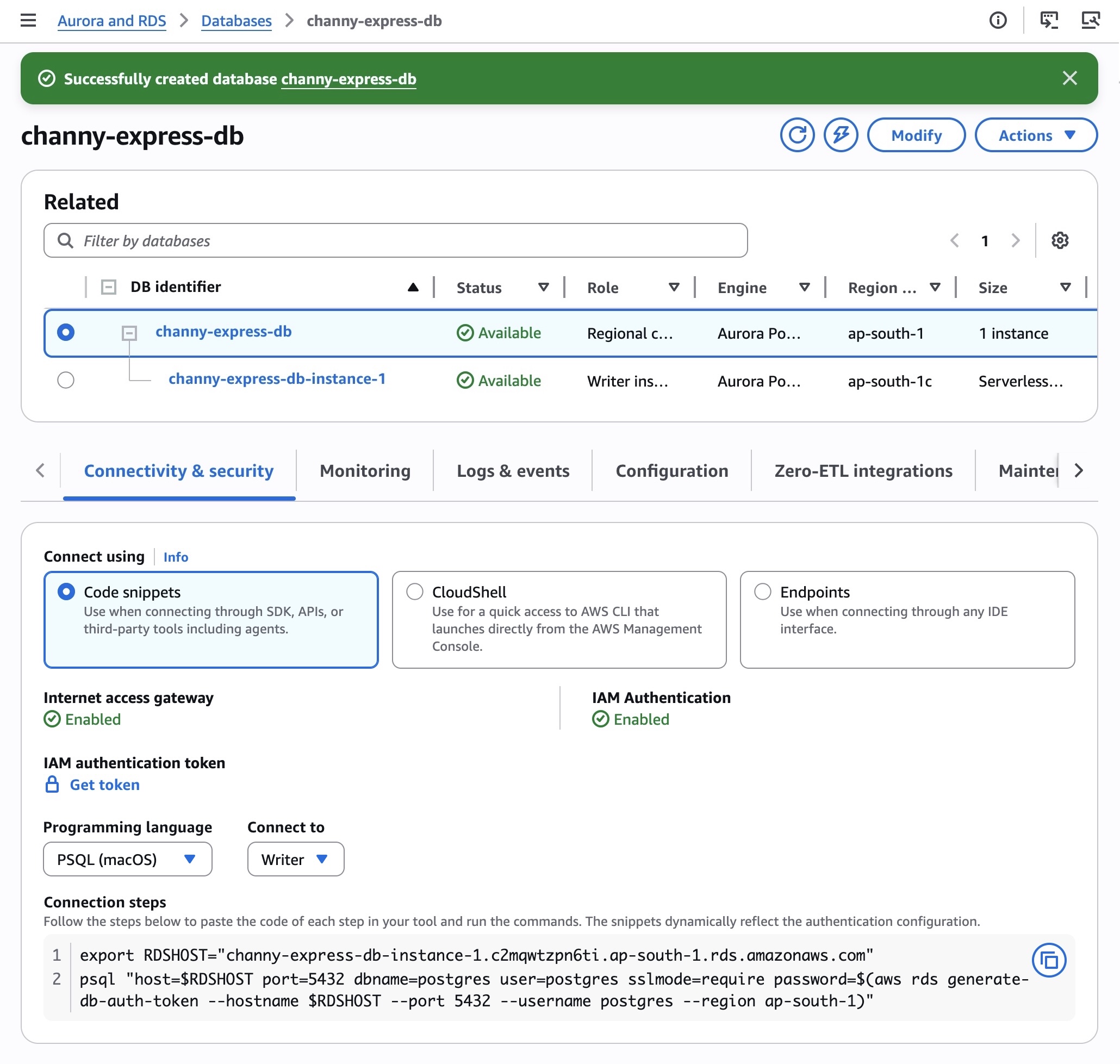
The new express configuration fundamentally rethinks this "Day Zero" experience. By default, Aurora clusters created through this method are provisioned without the immediate requirement for a user-configured VPC. Instead, AWS utilizes a new internet access gateway routing layer. This layer allows secure, encrypted connections from external development tools and environments directly to the database via the PostgreSQL wire protocol. This removes the need for Virtual Private Networks (VPNs) or AWS Direct Connect for initial development phases, though users retain the flexibility to migrate these databases into more complex VPC architectures as their applications scale.
Technical Specifications and Connectivity Enhancements
The express configuration for Amazon Aurora PostgreSQL is built upon the Aurora Serverless v2 architecture, which provides the ability to scale capacity up or down instantly based on application demand. The core technical innovation in this launch is the integration of several "zero-config" features:
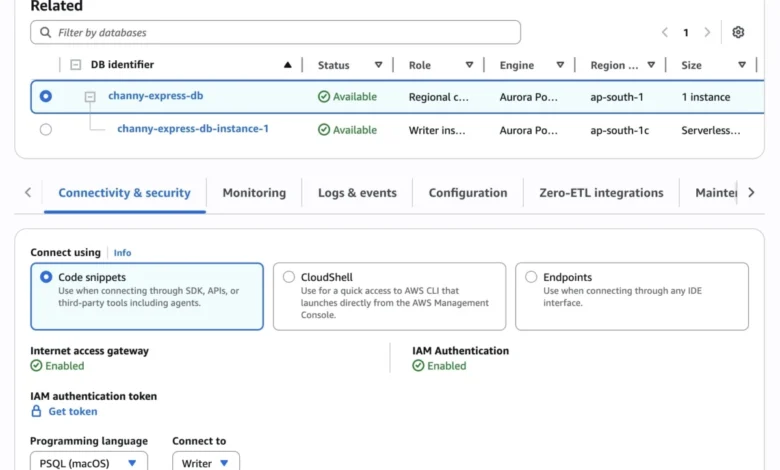
- Preconfigured Defaults: AWS has analyzed common usage patterns to establish a set of optimized defaults for capacity range, storage encryption, and backup retention. This allows the database to be "Available" within the AWS Management Console in seconds rather than minutes.
- Integrated Internet Gateway: The newly introduced routing layer is distributed across multiple Availability Zones, ensuring that the high availability for which Aurora is known extends to the connectivity layer. This gateway acts as a secure bridge between the public internet and the database engine, utilizing the PostgreSQL wire protocol.
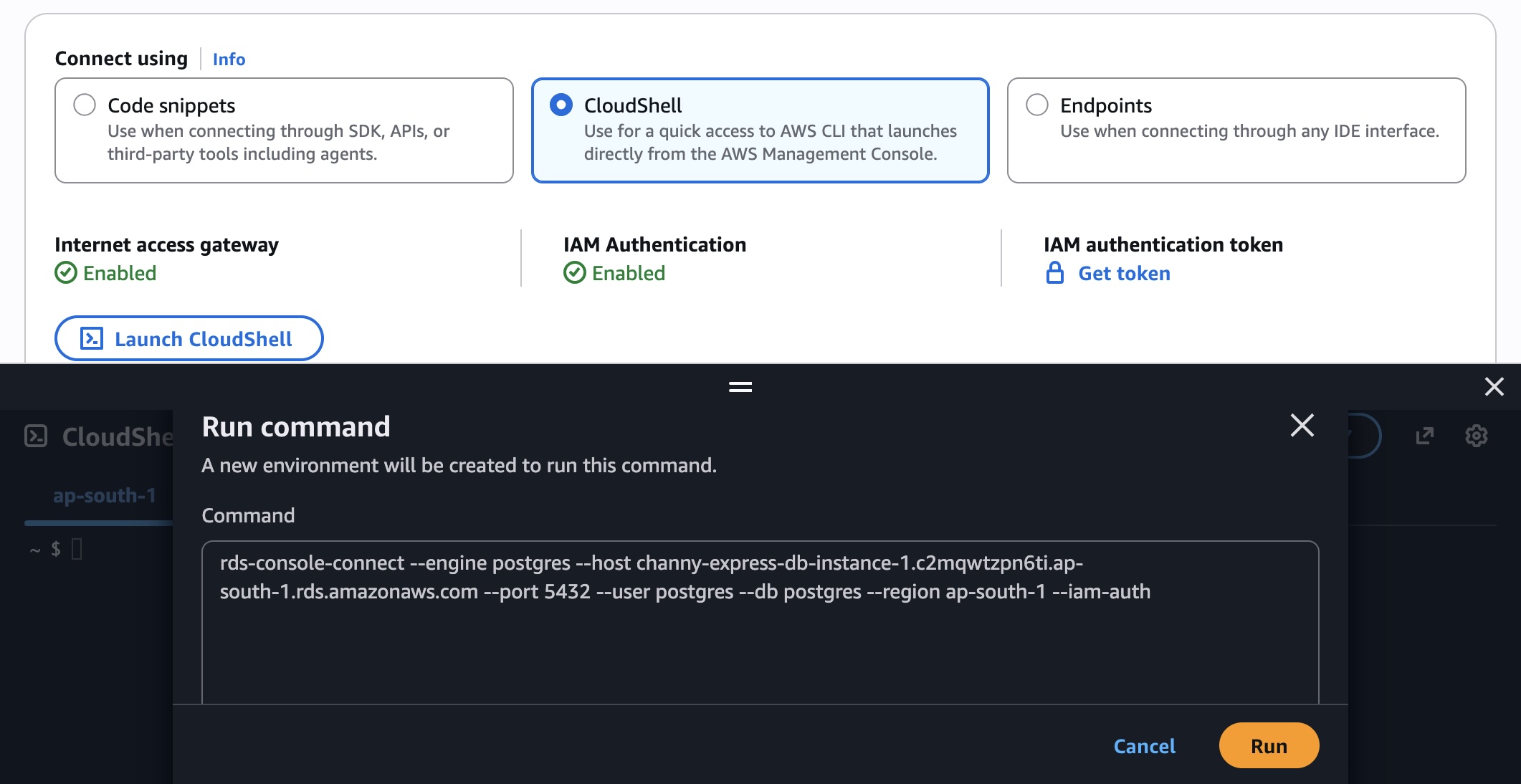
- IAM-Based Authentication: To improve the security posture of these rapidly deployed databases, AWS has enabled AWS Identity and Access Management (IAM) authentication by default. This enables a passwordless environment where developers use temporary tokens rather than static credentials, significantly reducing the risk of credential leakage in development environments.
- Unified API and CLI Access: Developers can trigger the express configuration through a single API call or a simplified CLI command using the
--with-express-configurationparameter. This consolidation of steps—creating the cluster, the instance, and the networking components—into one action is a first for the Aurora platform.
Integration with Modern Developer Ecosystems
A central component of this announcement is the deepening integration between AWS databases and third-party developer platforms. As generative AI continues to accelerate the pace of software creation, AWS is positioning Aurora as the backend of choice for AI-assisted coding tools.
Vercel, a leading platform for frontend developers, has partnered with AWS to integrate Aurora PostgreSQL directly into its marketplace. Through tools like "v0 by Vercel," developers can use natural language prompts to describe an application, and the AI will automatically provision the necessary AWS infrastructure, including an Aurora database via the express configuration. This synergy allows for the creation of full-stack, production-ready applications in minutes, where the database layer is handled as transparently as the frontend deployment.
Furthermore, AWS has introduced integrations with Kiro, an AI agent-assisted development environment. Through "Aurora PostgreSQL integration with Kiro powers," developers can utilize AI agents to manage database schema migrations, query optimization, and resource scaling within the Kiro IDE. These integrations represent a broader industry trend where the database is no longer viewed as a siloed component but as a programmable resource tightly coupled with the application’s lifecycle.
Financial Incentives and the AWS Free Tier Update
To lower the barrier to entry even further, AWS has updated its Free Tier program to include Amazon Aurora. New customers are now eligible for up to $200 in AWS credits, with a specific allocation designed to encourage the exploration of relational databases, AWS Lambda, and Amazon Bedrock.
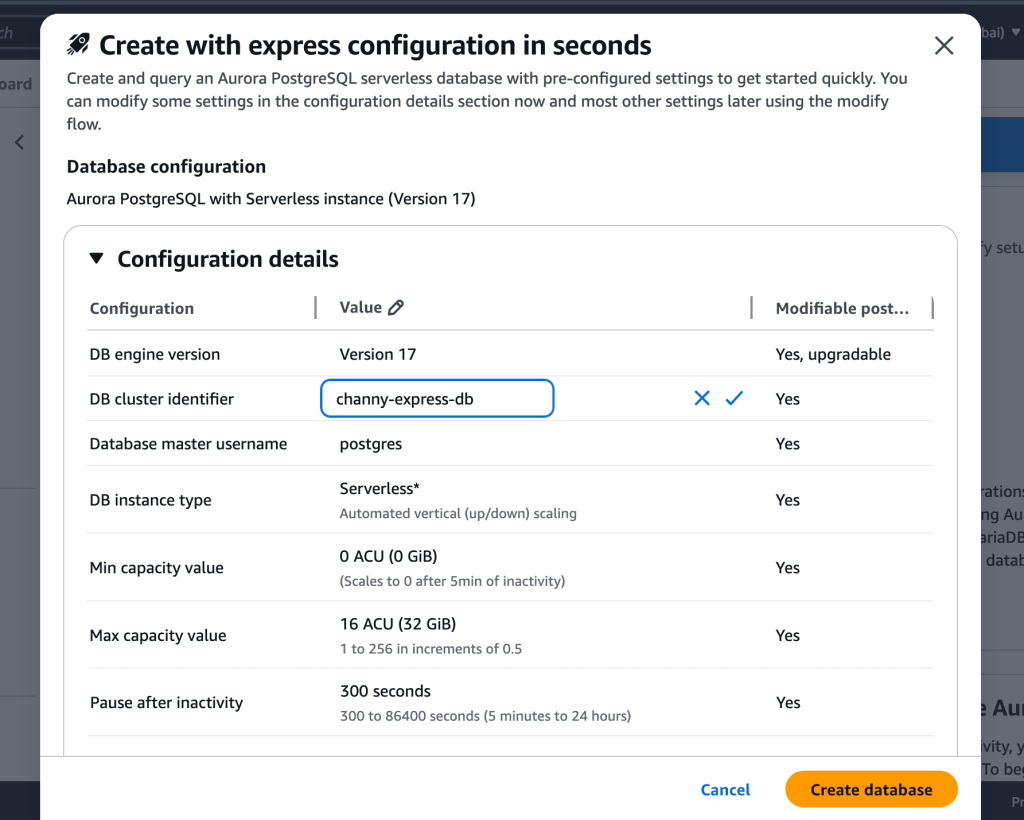
The pricing model for the express configuration remains consistent with Aurora Serverless v2, where users are billed based on Aurora Capacity Units (ACUs) per second. Because the system can scale down to zero capacity when not in use, it provides a cost-effective solution for developers who may only need the database active during specific development windows. This "pay-only-for-what-you-use" approach, combined with the $200 credit incentive, is a direct response to the rise of specialized serverless database startups that have gained traction by offering generous free tiers and simplified onboarding.
Industry Implications and Competitive Landscape
The launch of the express configuration is a tactical move by AWS to address the "Developer Experience" (DevEx) gap. While AWS has long been the market leader in terms of feature depth and global infrastructure, smaller competitors like Supabase, PlanetScale, and Neon have gained popularity by focusing on the "time-to-first-query." By reducing the setup time of Aurora PostgreSQL to seconds, AWS is effectively neutralizing one of the primary advantages held by these niche providers.
Market analysts suggest that this move will have several long-term implications:
- Democratization of Enterprise Features: Features like automated failover, multi-AZ high availability, and global cloning—once reserved for teams with dedicated DBAs—are now accessible to individual developers from the start of their projects.
- Shift in Networking Paradigms: The introduction of an internet-accessible routing layer for Aurora suggests that AWS is moving toward a more identity-centric security model (Zero Trust) rather than relying solely on network-centric security (VPCs and subnets).
- AI-Driven Infrastructure: As more infrastructure is provisioned by AI agents rather than human operators, the need for simplified "Express" APIs becomes paramount. AWS is preparing for a future where the majority of cloud resources are managed by autonomous systems.
Global Availability and Future Roadmap
The express configuration for Amazon Aurora PostgreSQL is now available in all AWS commercial regions globally. This wide-scale rollout ensures that developers can deploy localized databases with minimal latency, regardless of their geographic location.
Looking forward, AWS has indicated that the "express" philosophy will likely expand to other services within the Amazon Relational Database Service (RDS) portfolio. While PostgreSQL is the first engine to receive this treatment due to its immense popularity in the developer community, there is significant speculation that MySQL and other engines may soon follow.
As organizations continue to prioritize agility, the ability to provision infrastructure at the "speed of an idea" is transitioning from a luxury to a requirement. The general availability of Amazon Aurora PostgreSQL express configuration represents a pivotal moment in this transition, merging the power of a world-class relational database with the simplicity of modern serverless workflows. Developers can now begin querying their data almost as fast as they can think of the questions, fundamentally changing the cadence of software innovation in the cloud.