The Unseen Power of Engagement: Why Active Participation Defines Social Media Success in 2024


In the vast and often cacophonous realm of social media, merely broadcasting content is no longer sufficient. The stark reality for many creators and brands is that without genuine interaction, their carefully crafted posts risk becoming mere echoes in a digital void. This sentiment underscores a fundamental truth: social media without engagement is, at its core, simply media. The experience of posting compelling content only to receive minimal response can be profoundly demoralizing, leading to questions about content quality, timing, algorithmic biases, and the very purpose of one’s online presence.
However, the landscape is not without hope. A growing body of research, including comprehensive analyses like Buffer’s "State of Social Media Engagement report," reveals actionable strategies for enhancing interaction. Success in this evolving environment is less about chasing fleeting trends and more about understanding nuanced metrics, recognizing what constitutes "good" engagement on diverse platforms, and fostering content that actively invites participation. This guide delves into the essence of social media engagement, its measurement, the true meaning of the underlying data, and a set of proven strategies that consistently move the needle for creators and brands alike. Whether navigating initial growth stages or seeking to overcome a plateau, these insights offer a pathway to more meaningful digital connections.
Defining Engagement in a Dynamic Digital Landscape
Social media engagement is fundamentally a measure of how users actively interact with content and brands across various platforms. This includes a spectrum of actions such as likes, comments, shares, saves, and replies. Crucially, engagement transcends passive viewing metrics like reach or impressions, reflecting instead a user’s active decision to participate. In simpler terms, it represents any instance where a user pauses, even for a fraction of a second, to take an action in response to a piece of content.

This interaction, however, is inherently a two-way street. It involves not only the audience’s response to the content but also the creator’s reciprocal participation in the ensuing conversation. It is this second component, often overlooked in many content strategies, that data increasingly identifies as a significant untapped opportunity for fostering deeper connections.
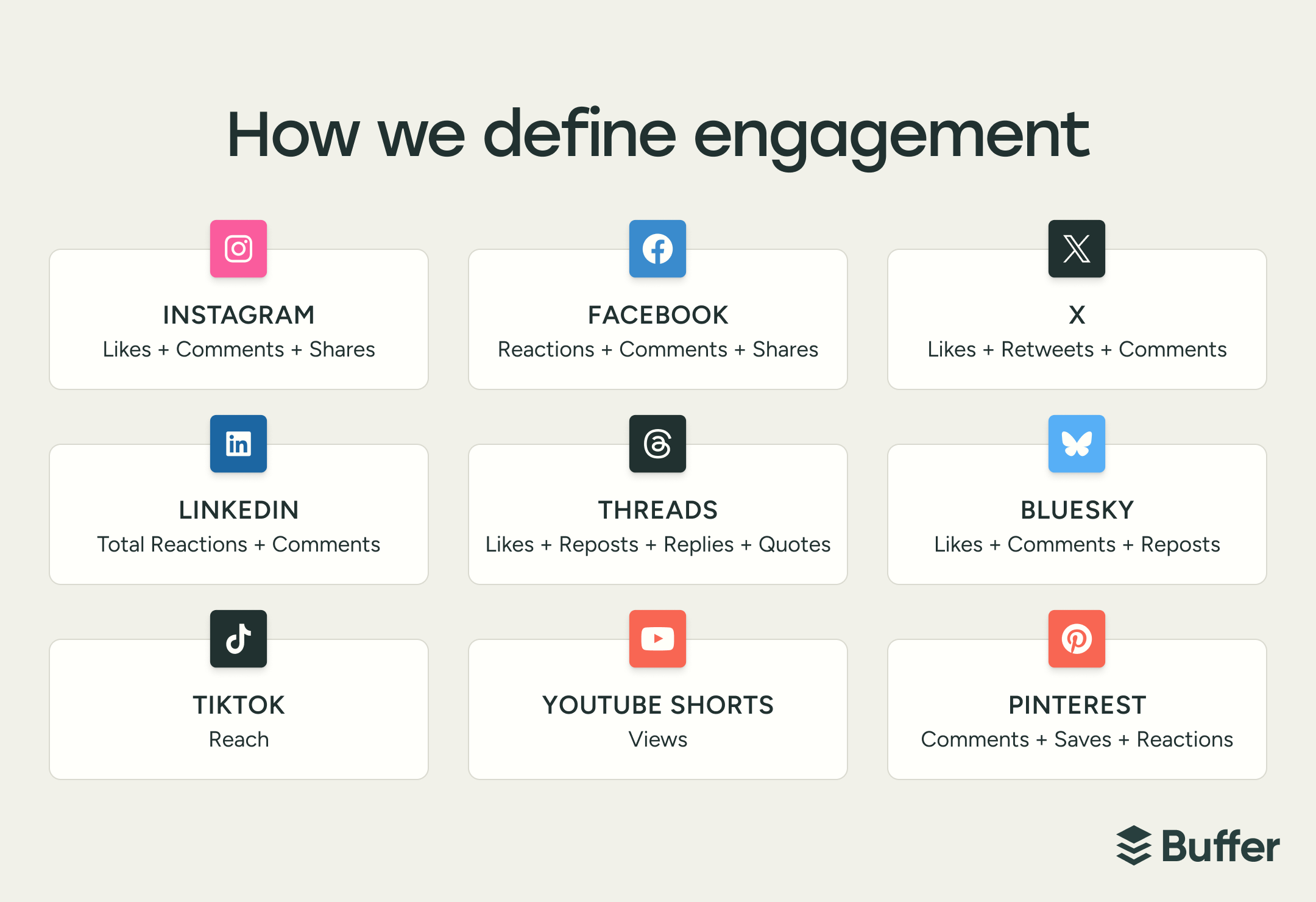
It is also vital to acknowledge that the definition and weighting of engagement vary significantly across platforms. LinkedIn, for instance, incorporates clicks into its engagement rate calculations, reflecting its professional networking focus. Instagram has progressively shifted its primary success metric towards views, influencing how content performance is perceived. TikTok measures engagement as a percentage of reach, while newer platforms like Bluesky and Mastodon often emphasize raw interaction counts. Consequently, a "3% engagement rate" on LinkedIn signifies something fundamentally different from the same rate on X (formerly Twitter).
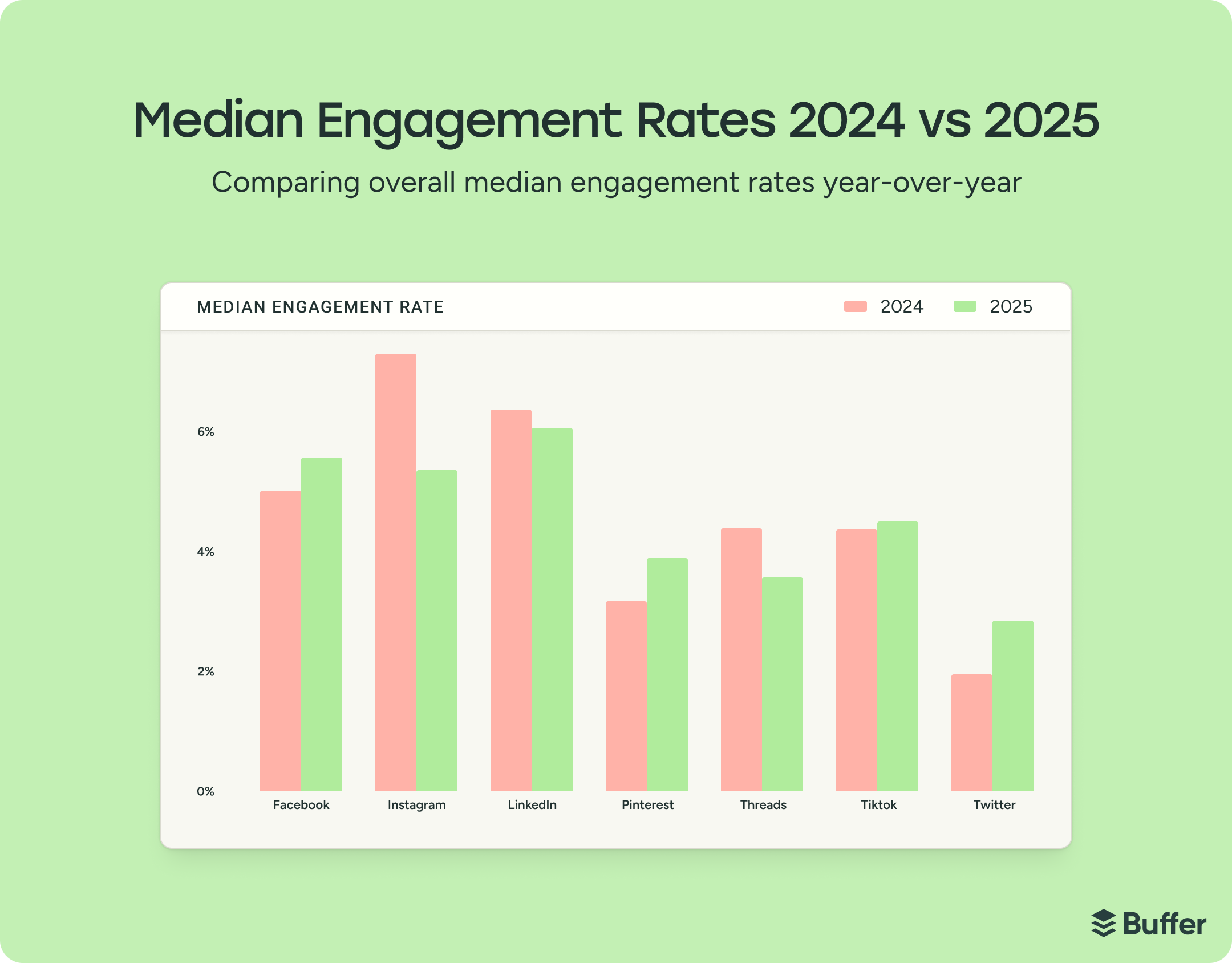
Buffer’s "State of Social Media Engagement report" highlights this uneven landscape, revealing typical engagement rates that range from approximately 6.2% on LinkedIn to around 2.5% on X. Comparing these figures without proper context can lead to erroneous conclusions about content effectiveness or platform suitability. Moreover, a high engagement rate resulting from negative virality—such as a controversial post, a misunderstood joke, or content taken out of context—does not indicate a successful content strategy. Similarly, a strong like-to-comment ratio is less meaningful if genuine conversation is absent, or if a creator consistently accumulates saves without ever engaging with comments. Engagement provides valuable data, but participating in that engagement is what truly builds lasting connections and communities. Therefore, before attempting to "boost" engagement, a clear understanding of what is being measured, what constitutes effective interaction on each platform, and how the creator’s own participation integrates into the equation is paramount.
The Critical Importance of Engagement: More Than Just Metrics
While metrics like reach and follower count often capture the spotlight, engagement stands as the most telling indicator of whether a social media strategy is truly effective. Its significance spans several crucial dimensions:
- Algorithmic Amplification: Social media platforms are designed to promote content that keeps users engaged. High engagement signals to algorithms that content is valuable and relevant, leading to increased visibility and wider distribution. This means that active interactions can significantly extend a post’s organic reach, allowing it to be seen by a larger audience beyond initial followers.
- Audience Validation and Trust: Engagement is the clearest sign that an audience is choosing to actively interact with content. Unlike passive consumption, a comment, share, or save demonstrates a deeper level of interest and trust. Over time, consistent, meaningful engagement transforms passive followers into an active, loyal community, which is far more valuable for long-term brand building and potential revenue generation.
- Invaluable Audience Research: The patterns of engagement serve as an authentic and unfiltered form of audience research. Analyzing which types of content elicit the most comments, shares, or saves can reveal audience preferences, pain points, and topics of genuine interest. This qualitative and quantitative feedback loop is instrumental in refining content strategies to better resonate with the target demographic.
In essence, while reach represents a platform’s favor in exposing content, engagement signifies an audience’s deliberate choice to connect and interact.
Navigating the Metrics: Understanding Engagement Rate, Weight, and Reach
To effectively improve engagement, it is essential to first understand the metrics involved and their implications.
Engagement Rate (ER) is typically the go-to metric for assessing interaction. It is most commonly calculated by dividing the total number of engagements (likes + comments + shares + saves) by either the total follower count or the total impressions, then multiplying by 100. Follower-based rates offer insight into how effectively an existing audience is being activated. Impression-based rates, conversely, indicate how well content converts people who actually saw it. Both approaches are valid, but consistency in calculation is key for meaningful benchmarking and comparison.
Not all engagements carry the same weight. A simple "like" requires minimal effort, a single tap. A comment, however, demands intention and thought. A share or repost implies that someone is willing to publicly endorse the content, placing their reputation behind it. A save indicates a user’s desire to revisit the content later, signifying high perceived value. Social media algorithms are acutely aware of these distinctions, and most assign greater weight to higher-effort interactions. This algorithmic preference often explains why a post garnering 20 thoughtful comments may achieve greater reach and distribution than one with 200 passive likes. The four engagement signals generally considered most valuable are comments, shares, saves, and replies, as they signify a deeper level of interaction.
The relationship between Reach and Engagement is another critical aspect to consider. High reach coupled with low engagement typically suggests that content is being served to many but failing to resonate effectively. Conversely, high engagement paired with low reach often indicates that content deeply resonates with a smaller, highly invested audience. This latter scenario, far from being a weakness, can actually provide a robust foundation for sustainable growth, as it signifies a strong, loyal core community.
For context on how individual numbers compare to industry averages, resources like Buffer’s platform-by-platform benchmarks offer valuable insights into typical engagement rates across different social networks.
Strategic Pillars for Boosting Engagement: A Data-Driven Approach
Improving social media engagement is a multi-faceted endeavor that requires both analytical insight and consistent effort. The following strategies are categorized into three key pillars: understanding your current position, crafting engaging content, and building relationships through active participation.
Pillar 1: Deep Dive into Analytics and Platform Understanding
Before implementing any changes, a clear understanding of current performance, platform norms, and algorithmic incentives is crucial.
1. Leverage Your Own Analytics to Discover What Works: Your account analytics are an indispensable starting point. Regularly dedicating time to review your data can reveal significant patterns. Which posts generated the most comments or saves? Did a particular topic inspire more shares? Understanding the type of engagement received—not just the volume—transforms analytics from a vanity exercise into a strategic tool. For example, high shares but few comments might indicate broad appeal but limited discussion, while many saves with modest reach suggests deep resonance with existing followers. Tools like Buffer’s Insights dashboard can streamline this process by identifying optimal posting times, top-performing content formats, and ideal frequencies. Beyond quantitative data, paying close attention to qualitative signals in comments and direct messages can offer even deeper insights into audience interests and pain points.
2. Benchmark Against Platform Norms: Misinterpreting social media performance often stems from comparing engagement rates across platforms as if they were equivalent. They are not. Buffer’s "State of Social Media Engagement report" analyzed engagement data across various platforms, revealing distinct tiers for typical engagement rates:
- LinkedIn: Approximately 6.2%
- Facebook: Approximately 5.6%
- Instagram: Approximately 5.5%
- TikTok: Approximately 4.6%
- Pinterest: Approximately 4.0%
- Threads: Approximately 3.6%
- X (formerly Twitter): Approximately 2.5%
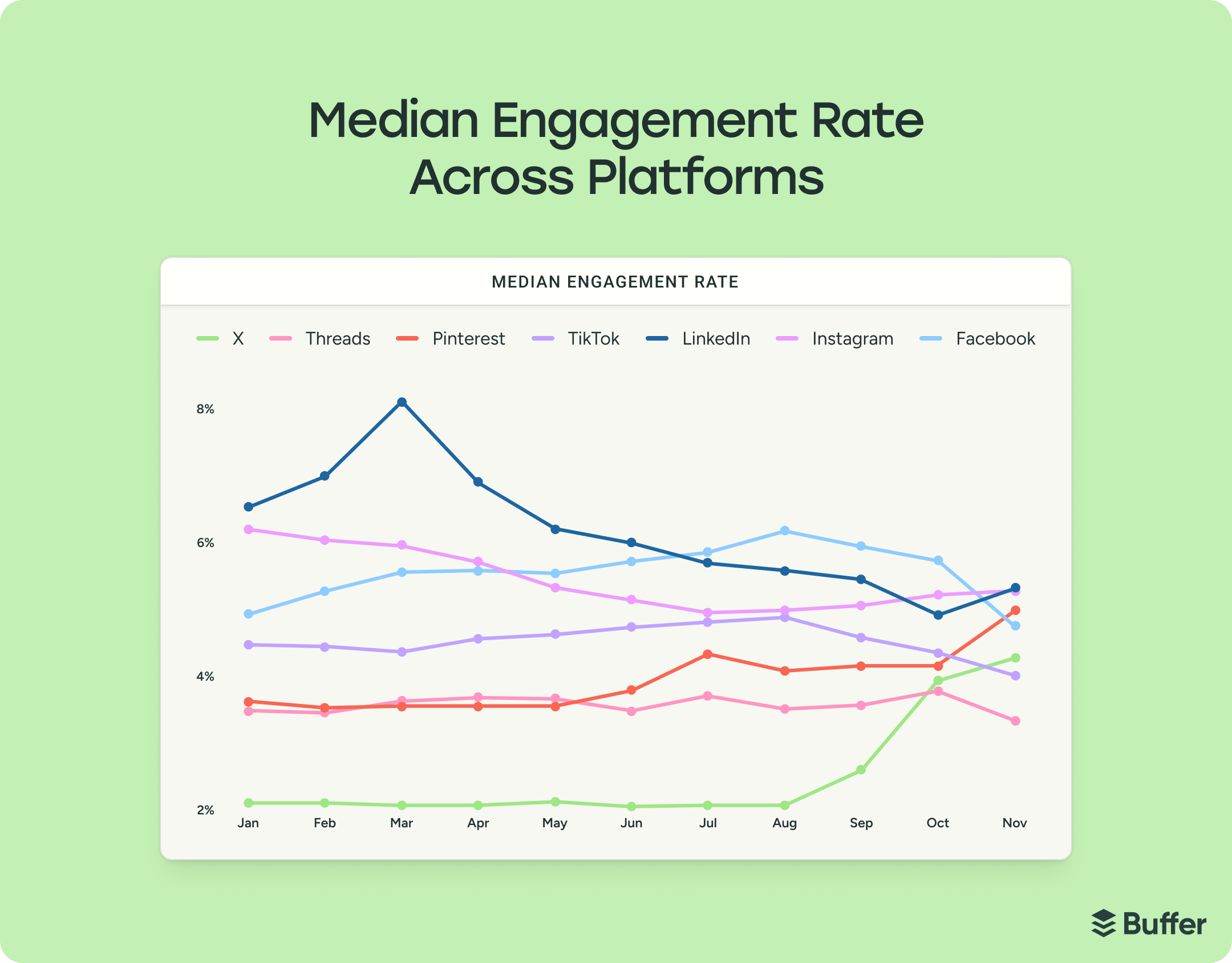
These figures highlight that a 4% engagement rate, for instance, would be considered underperforming on LinkedIn but an exceptional result on X. Without this context, strategic decisions could be misguided, leading to misallocated efforts or premature abandonment of potentially successful platforms. It is also important to note that these baselines are dynamic. Year-over-year, X saw a remarkable increase of approximately 44%, Pinterest rose by about 23%, and Facebook climbed by 11%. Conversely, Instagram experienced a drop of around 26%, Threads fell by 18%, and LinkedIn dipped by 5%. Julian Winternheimer, Buffer’s data lead, cautions against over-interpreting these "dramatic swings," noting that they "often reflect changes in who’s posting or how metrics are defined, not necessarily genuine performance shifts." The key takeaway is to maintain realistic expectations for each platform and measure performance against appropriate baselines.
3. Decode Algorithmic Incentives: Every social media platform operates on a unique algorithm that defines and rewards "good engagement." Understanding these underlying mechanics allows creators to produce content that aligns with platform incentives rather than working against them.
- Threads, for example, is inherently built around conversation. Its algorithm prioritizes value-driven content that sparks replies and uses tags to connect users with similar interests. Content designed to invite discussion thrives here.
- The YouTube algorithm operates on a different axis, primarily recommending content based on watch time and viewer retention. Engagement in comments, while appreciated, plays a lesser role in discovery compared to how long users watch a video.
- Instagram is undergoing an identity shift, increasingly emphasizing views as a primary success metric. This redefinition can impact how traditional engagement rate formulas reflect actual platform optimization, contributing to observed drops in engagement rates.
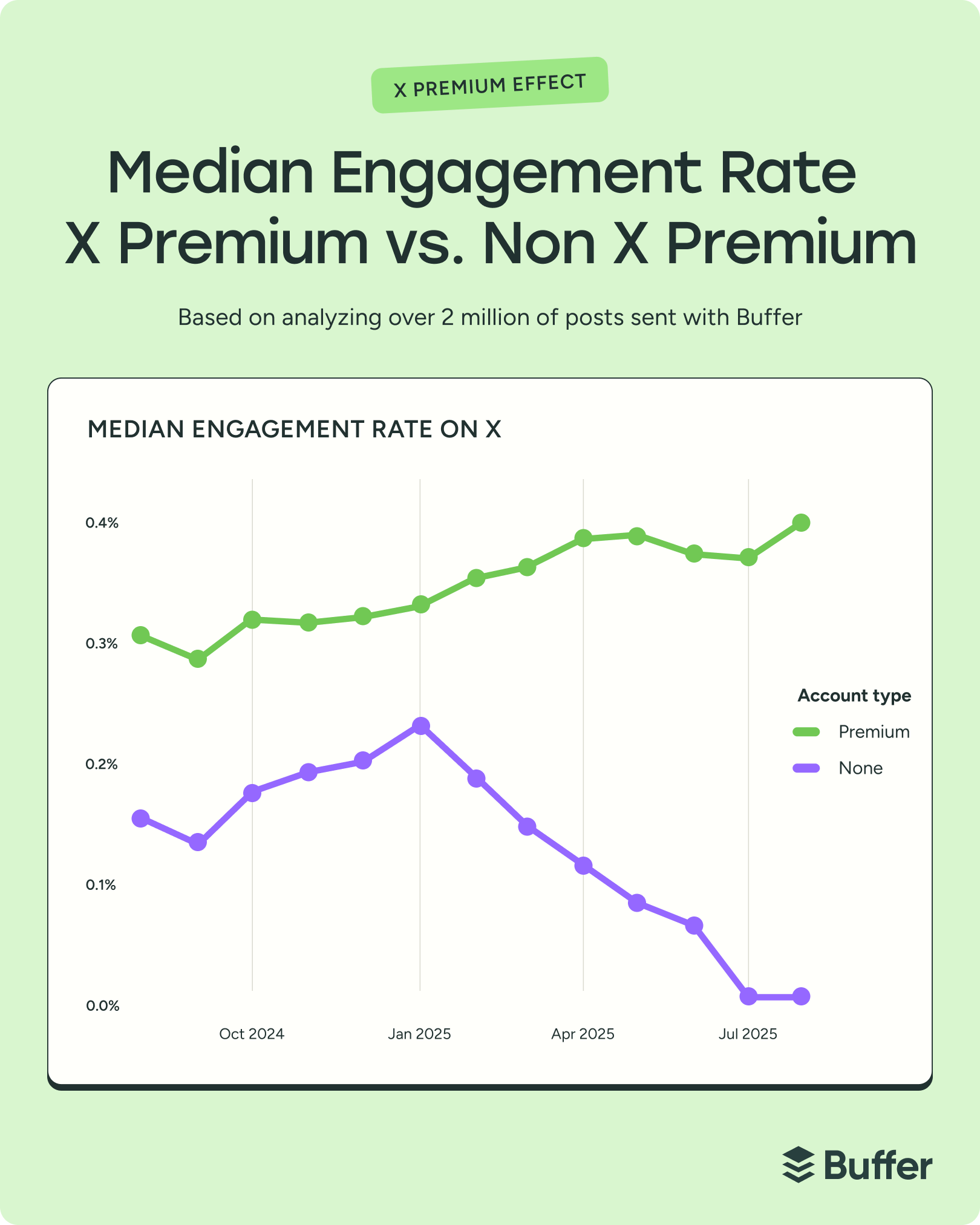
- X has introduced a structural divide with its Premium tier. Post-January 2025 data indicates a sharp divergence, with Premium accounts seeing increased engagement rates while regular accounts experienced declines, with the median engagement rate for non-Premium accounts reaching 0% in recent months.
The implication is clear: a robust social media strategy necessitates a deep understanding of each platform’s culture and operational mechanics. Experts recommend focusing on one or two platforms where the target audience is most active, mastering their specific incentives, and building a strategy around them, rather than spreading resources too thinly across all networks.
Pillar 2: Crafting Content for Connection
Once the landscape is understood, the focus shifts to content creation that naturally earns engagement.
4. Optimize Format for Each Platform: A common pitfall for creators is assuming that a format successful on one platform will automatically translate to another. Buffer’s report data clearly refutes this, highlighting significant differences in optimal content formats:
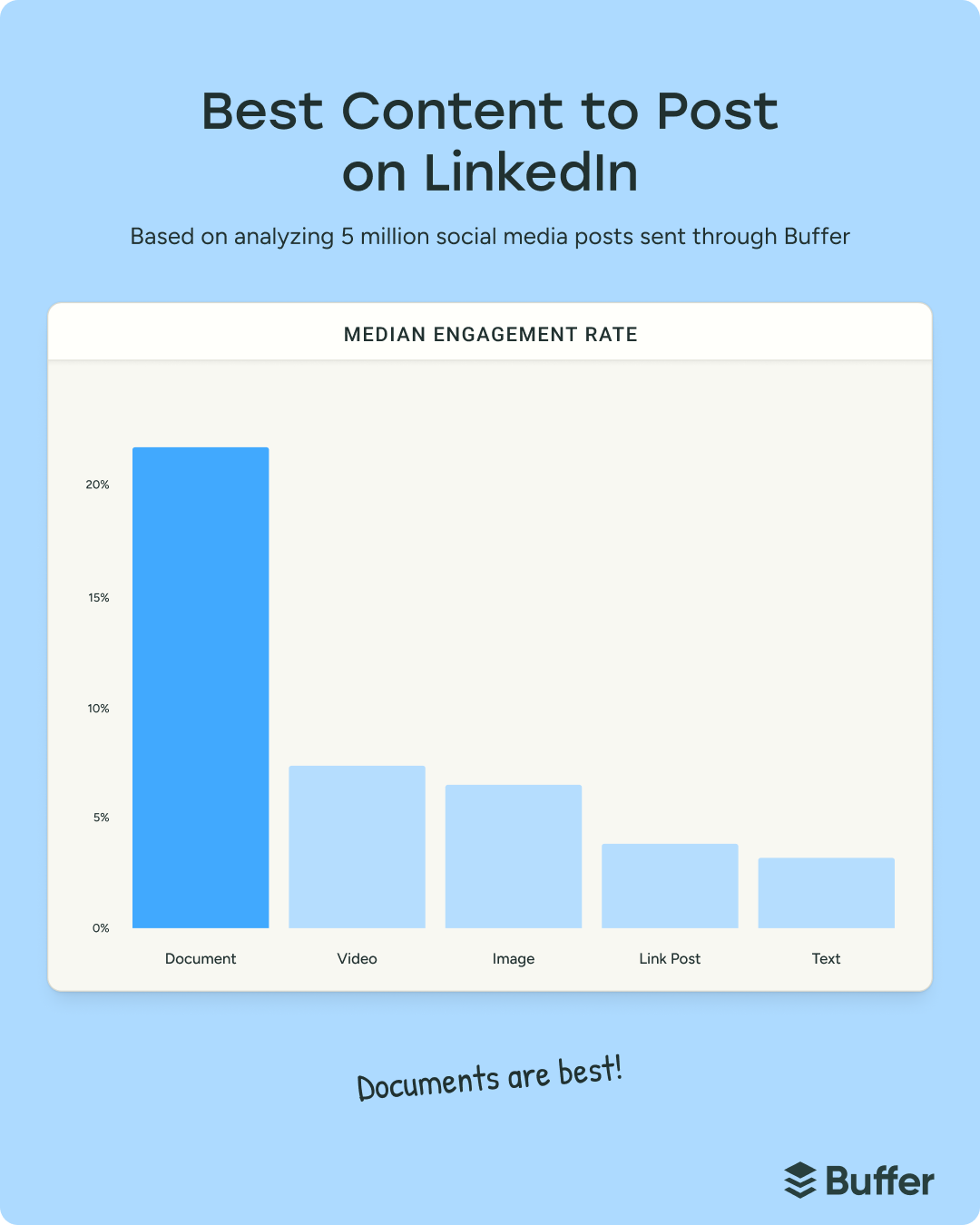
- LinkedIn: Image posts, documents, and long-form text generally perform best, aligning with its professional content focus.
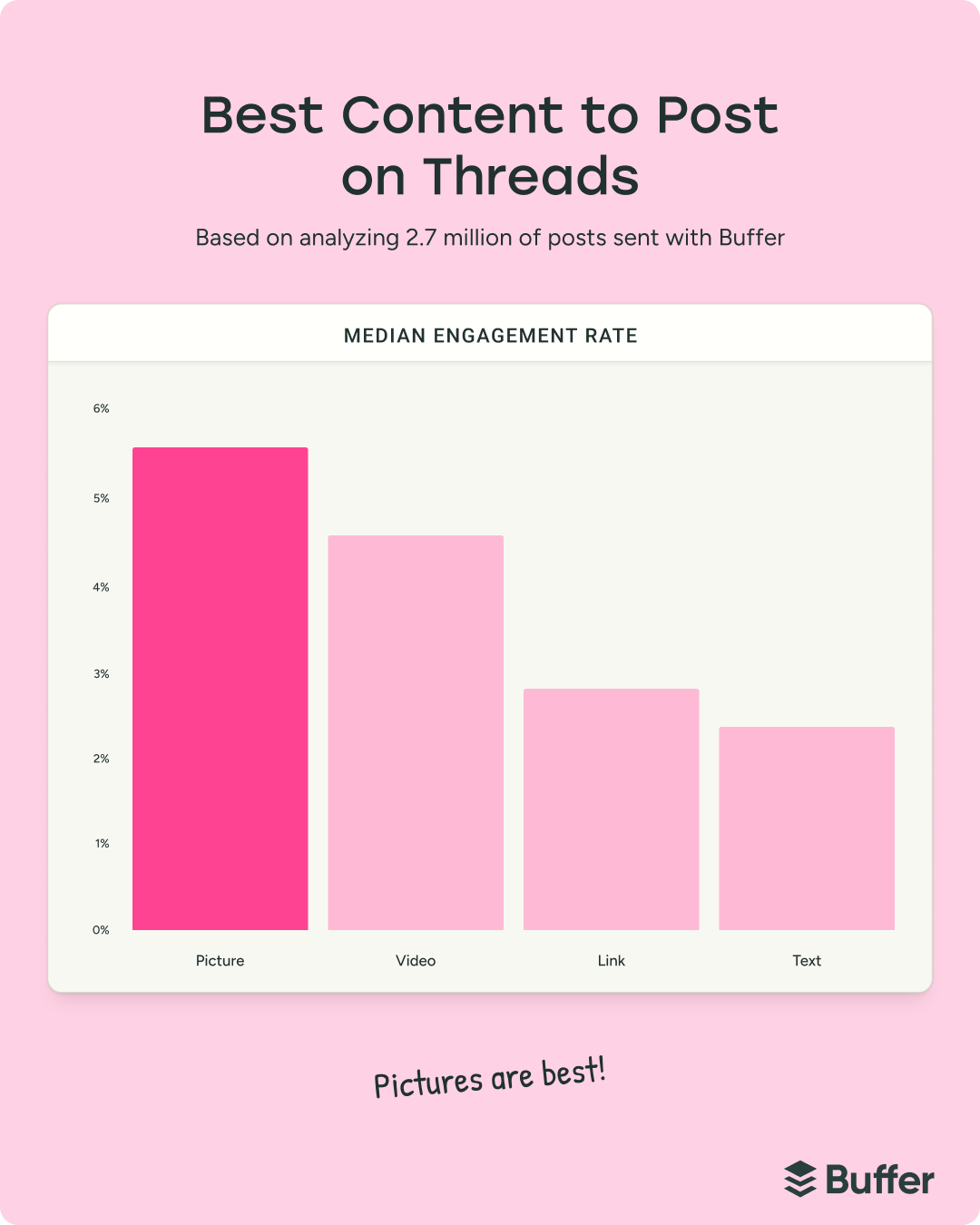
- Threads: Long-form text and multi-image posts excel, reinforcing its conversation-centric design.
- Instagram: Reels and carousels are top performers, reflecting its visual and short-form video emphasis.
- Facebook: Video content consistently drives the highest engagement.
- TikTok: Short-form videos are, unsurprisingly, the dominant and most engaging format.
- Pinterest: Idea Pins are the leading format for engagement, catering to its discovery-oriented nature.
This data underscores that there is no universal "best format," but rather an optimal format for specific objectives on particular platforms. A strategic approach involves using data to guide format decisions rather than defaulting to what worked elsewhere. A key recommendation is to test one format shift at a time, allowing for clear measurement of impact.
5. Strategically Integrate Trends: Trending content taps into existing audience interest, positioning content within ongoing conversations that algorithms are often designed to amplify. Two main categories of trends are particularly valuable:
- Industry Trends: These are enduring themes and discussions within a specific niche (e.g., "AI ethics" in tech, "sustainable fashion"). They have a longer shelf life and attract an audience genuinely interested in the core subject matter, building credibility.
- Platform Trends: These encompass memes, trending audios, challenges, and unique content formats specific to each app. They move rapidly and have a shorter window of opportunity but can provide substantial short-term reach boosts as platforms actively push trending content into discovery feeds.
Combining industry trends with platform trends—by applying a niche-relevant take to a trending format—offers a powerful amplification effect. The most successful creators leverage trends not by mere replication, but by infusing them with their unique perspective, making the content distinctive and shareable.
6. Develop Content Series: Moving beyond isolated posts, a content series involves creating a recurring format around a single theme, published on a consistent cadence, with clear branding. This strategy is often underutilized but offers significant engagement benefits:
- Builds Anticipation: A series trains the audience to expect new installments, fostering a sense of loyalty and a reason to return.
- Provides Structure: It offers creators a framework, reducing the burden of generating entirely new ideas for every post.
- Facilitates Deeper Dives: A series allows for the exploration of complex topics over time, providing more value than a single post.
- Re-engages Past Content: New episodes can organically drive traffic back to previous installments, extending the lifecycle of content.
Examples abound, from Tiffany Yu’s "Anti-Ableism Series" on TikTok leading to a book deal, to Buffer’s own Darcy Peters turning her 10-year anniversary into a series of lessons on remote work. A practical approach to starting a series involves mining top-performing standalone posts for potential themes, defining a clear cadence, and planning the initial episodes. Analytics can reveal which topics have the most "legs" for a sustained series.
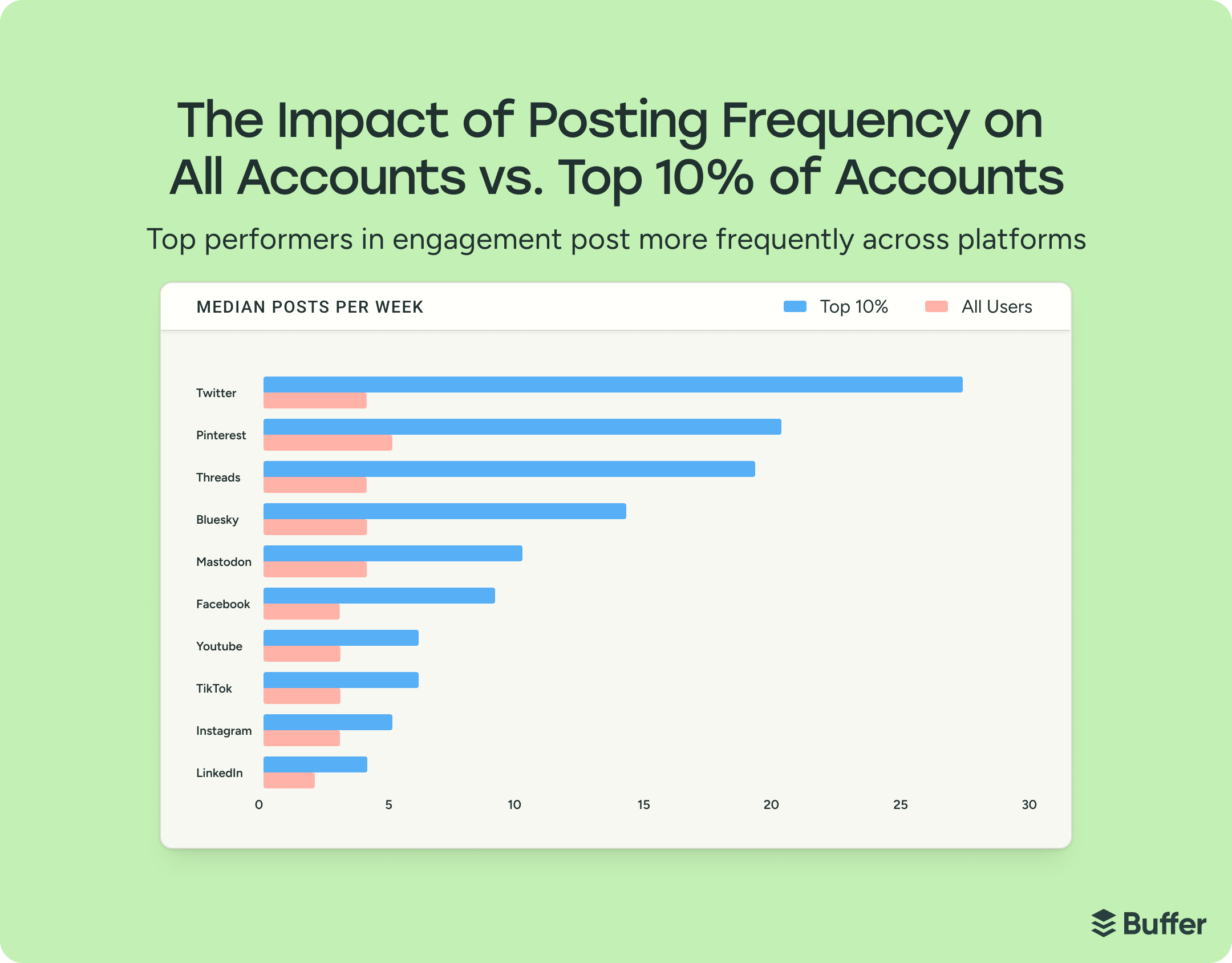
7. Prioritize Consistent Posting: The adage "consistency matters" is deeply supported by data. An analysis of 4.8 million channel-week observations across Facebook, Instagram, and X revealed a consistent "no-post penalty": accounts that failed to post in a given week consistently underperformed their own baseline growth rates. Any posting, regardless of frequency, proved substantially more beneficial than complete silence. Top-performing accounts (the top 10% by weekly engagement) consistently posted more frequently across all platforms, with the widest gaps observed on text-heavy platforms like X, LinkedIn, and Threads, where content creation demands less production effort.
While posting more frequently generally correlates with aggregate growth, there’s a nuance: individual posts may reach a smaller share of the audience if frequency dilutes quality. The objective is not maximum volume at the expense of all else, but rather a sustainable cadence that maintains quality. A content series provides an excellent framework for achieving this consistency without burnout, and scheduling tools can further streamline the process by enabling content batching. For those struggling with consistency, starting with a "lowest viable cadence" (LWC)—two quality posts a week, every week, for instance—is far more effective than sporadic bursts of high volume followed by silence. The data unequivocally shows that the most significant engagement penalty is not posting too little, but posting nothing at all.
Pillar 3: Cultivating Relationships Through Active Participation
This pillar shifts the focus from content creation to the relational aspect of social media, emphasizing direct interaction with the audience.
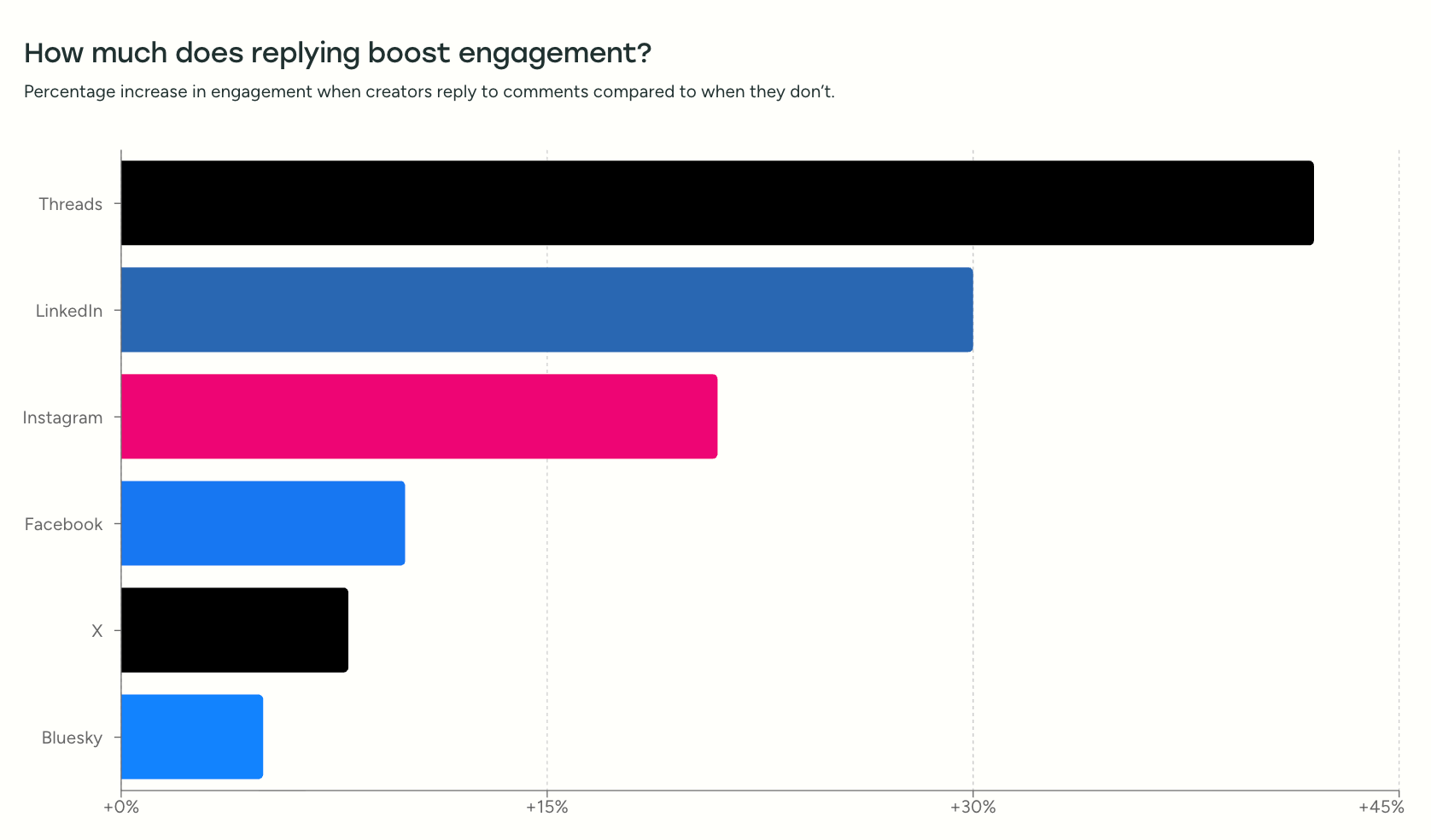
8. The Power of Replying to Comments (The "Post-and-Ghost" Fallacy): Perhaps the most vital, yet often neglected, strategy for boosting engagement is the simple act of replying to comments. Buffer’s extensive analysis of nearly 2 million posts from over 220,000 accounts across six platforms revealed a consistent and powerful correlation: posts where creators actively reply to comments significantly outperform those where they do not. The estimated engagement lift when replies are present is substantial:
- Threads: Up to 42% increase
- LinkedIn: Up to 30% increase
- Facebook: Up to 25% increase
- Instagram: Up to 18% increase
- TikTok: Up to 12% increase
- Bluesky: Up to 7% increase
- X (formerly Twitter): Up to 6% increase
While the analysis does not definitively prove causation, the consistent pattern across all six platforms—comparing each account against its own baseline over time—is highly indicative. The effect is particularly pronounced on conversation-centric platforms like Threads and LinkedIn, where interfaces are designed to highlight replies. Beyond algorithmic benefits, the act of responding to comments fosters a sense of being heard and valued in the audience, encouraging repeat interaction and transforming a passive audience into an active community. Suzanne Kelly, Operations Manager at Buffer, corroborates this, noting that her best-performing content almost invariably coincides with posts where she is most active in the comments section. It is highly recommended to allocate 15-20 minutes after each post goes live to respond to initial comments, signaling early activity to the algorithm and building foundational relationships. Tools like Buffer’s Community feature can consolidate comments and DMs from multiple platforms into a single inbox, simplifying this critical task. The threshold for "showing up" is often lower than perceived; even a brief, genuine reply signals human presence.
9. Design Content for Interaction: Beyond merely replying to comments, creators can proactively design content that inherently invites participation. The most engaging content is often not the most polished, but that which genuinely asks questions and makes it easy for the audience to respond. Open-ended questions, polls, quizzes, and "this or that" formats are powerful tools for eliciting feedback. A single well-posed question can generate weeks of content ideas, with audience replies becoming springboards for articles, newsletters, or follow-up posts. This creates a valuable flywheel: audience responses fuel new content, which in turn generates more responses, continually enriching the content pipeline. Platforms like Instagram and TikTok further facilitate this by allowing creators to reply to comments with video, effectively transforming existing conversations into new, engaging content.
10. Leverage User-Generated Content (UGC): User-Generated Content is one of the most potent forms of social proof available. Research consistently demonstrates that consumers find UGC significantly more influential than brand-created content and that it directly impacts purchasing decisions. This stems from a fundamental trust in other people over brands. UGC also drives engagement by incentivizing the original creators to interact with, share, and tag friends in content where they are featured, introducing the brand to new, trusted audiences.
- Organic UGC arises when customers spontaneously create content about a brand or product. The strategy here is to actively discover and re-share this content (with permission), by monitoring brand mentions, tagged posts, and relevant hashtags.
- Intentional Systems are designed to actively solicit UGC, such as branded hashtags, post-purchase email prompts, "tag us for a feature" calls-to-action, or community challenges. For service providers or solo creators, the equivalent involves re-sharing testimonials, client success stories, or mentions from newsletter readers or followers (always with permission). This builds trust, rewards the community, and generates authentic engagement.
11. Embrace Social Listening: While the previous tips focus on engaging with existing followers, social listening involves venturing beyond one’s immediate orbit to understand broader conversations relevant to the brand, competitors, niche, and audience challenges, even when these conversations don’t directly involve the creator. This proactive approach allows for the gathering of intelligence from communities where the target audience congregates. By actively monitoring subreddits, LinkedIn discussions, or using advanced search filters on platforms like X for relevant keywords, creators can identify emerging themes, common struggles, and resonant advice. This insight enables the creation of content that directly addresses audience needs and interests, shifting the focus from "what I want to say" to "what my audience wants to hear." Tools, including AI-powered insights in platforms like Buffer Community, can aid in identifying comment themes and patterns, complementing manual listening efforts.
Conclusion: The Future of Social Media is Conversational
After extensive analysis of millions of posts across numerous platforms, the core truth of social media engagement in 2024 is strikingly simple: it thrives on genuine human interaction. The strongest signal across the entire dataset was the consistent correlation between creators replying to comments and higher engagement rates on every single platform studied. This singular finding profoundly shapes the modern understanding of digital success.
While understanding the distinct mechanics of each platform and crafting optimized content are undeniably important, the ultimate differentiator lies in the commitment to active participation. The strategies outlined—from leveraging analytics and understanding algorithmic nuances to designing interactive content and embracing social listening—all converge on this central principle: engagement flourishes when broadcasting gives way to listening, and audiences are treated as participants in a conversation rather than mere metrics on a dashboard.
The path to enhanced social media engagement is not about tackling all eleven strategies simultaneously. It is about adopting a mindset of continuous interaction and beginning with one or two actionable steps, whether that’s consistent analytical review, committing to a content series, or dedicating time post-publication to engage with comments. The entry point matters less than the fundamental shift towards a more social approach to social media. Platforms like Buffer, with their integrated scheduling, analytics, and community management tools, are designed to facilitate this shift, enabling creators and brands to spend less time managing their presence and more time actively being social.