The Evolution of Target Audience Analysis: Leveraging Social Data for Deeper Business Insights

Social marketers today navigate an unprecedented deluge of data, with every brand account continuously generating engagement and follower metrics that offer granular insights into platform performance. However, while this quantitative data meticulously details what is occurring on social channels, it often falls short in illuminating the underlying motivations and desires of the audience. The true power of social data, therefore, lies in its strategic connection to a comprehensive target audience analysis, transforming raw metrics into actionable intelligence.
The contemporary digital landscape witnesses audiences dedicating increasing amounts of time to social media platforms, and novel usage patterns, such as social search, are fundamentally reshaping consumer expectations. A recent 2026 Social Media Content Strategy Report underscored that real-time audience insights, which elucidate these evolving behaviors, represent the single most impactful resource for content strategists. Paradoxically, the report also revealed that a majority of marketing teams still predominantly rely on their own historical performance data. Furthermore, an impressive 87% of marketers expressed intentions to expand their presence across more social networks in 2026, aiming to broaden their reach and engage with diverse audiences on their preferred platforms. This imperative to bridge the gap between social data and audience expectations extends beyond a mere marketing objective; it is a critical driver of social intelligence that can yield substantial benefits across all facets of an enterprise.

This article delves into the intricacies of target audience analysis, detailing its core components and the three pivotal layers of insight that differentiate a superficial understanding from profound strategic intelligence. It further outlines a systematic approach for conducting this advanced analysis across diverse social accounts, transforming conventional marketing efforts into a holistic business advantage.
The Shifting Paradigm: What Constitutes Target Audience Analysis?
At its foundation, target audience analysis is a research methodology dedicated to identifying and scrutinizing how an audience interacts with a brand, its products, services, or the broader industry. Traditionally, this process involved the creation of audience personas, constructed from fundamental demographic data (e.g., age, location, gender identity) and psychographic attributes (e.g., values, interests, hobbies). While these foundational elements remain indispensable for effective target audience analysis, modern marketers are now enhancing these insights by integrating real-time social media intelligence. This sophisticated methodology, termed social target audience analysis, elevates the process by synergizing traditional audience targeting with rigorous quantitative and qualitative assessments derived directly from social data streams.
Social target audience analysis harnesses advanced techniques such as social listening, sentiment analysis, detailed customer interaction data, and predictive media intelligence. Through the application of these strategies, it transmutes often generalized demographic profiles into granular, actionable intelligence capable of informing company-wide strategic shifts. This methodological evolution empowers organizations to gain a superior understanding of their audience’s identity, the underlying drivers of their behaviors, and their specific expectations from the brand. In essence, it serves as a sophisticated mechanism to reveal the authentic individuals and their complex needs behind the aggregated data points.
The Evolving Digital Landscape: How Search and Social Media Behaviors Are Changing
The escalating importance of social target audience analysis for global brands stems from fundamental transformations in how social media platforms function and are perceived. Far from being mere sharing platforms, these digital spaces have evolved into the pulsating epicenters of online culture. A significant segment of the global population now gravitates towards social media for breaking news, to foster connections with peers, to immerse themselves in personal interests, and to discover and purchase products.
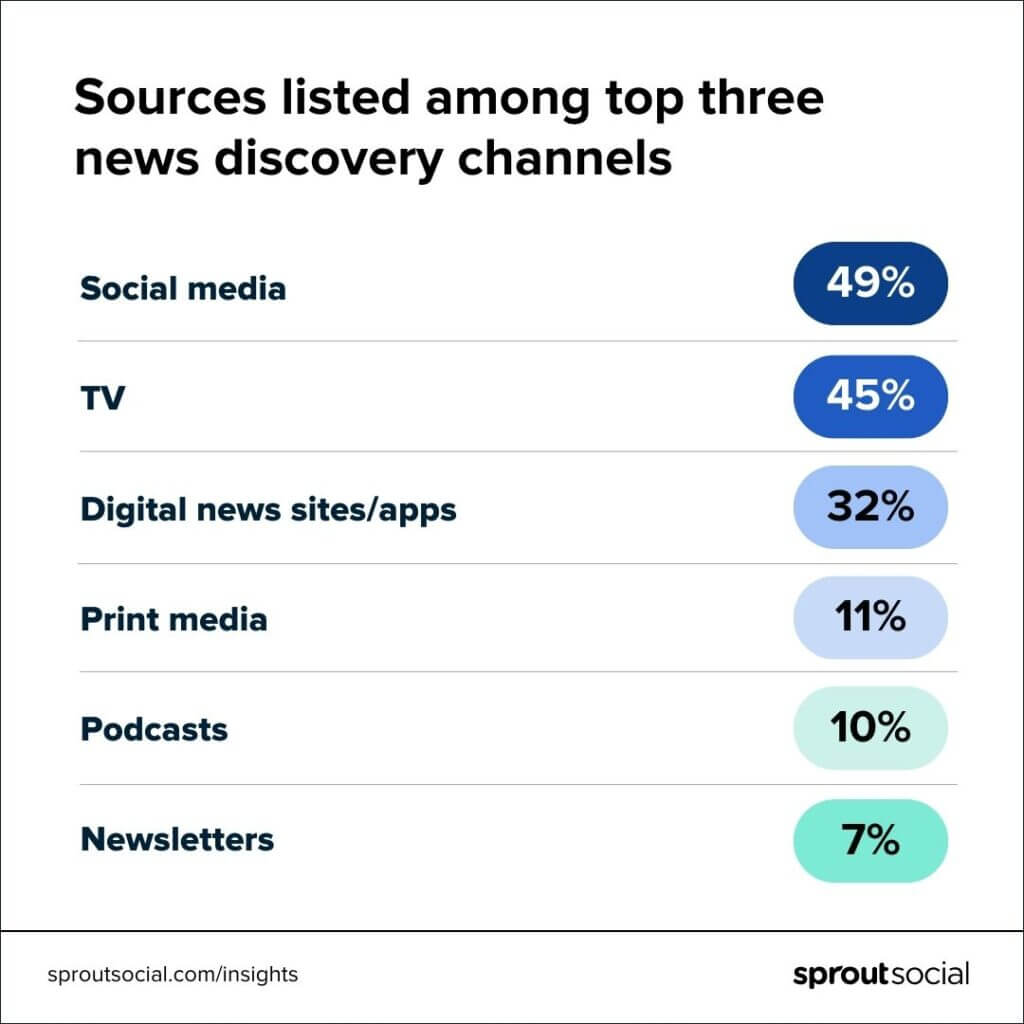
These evolving behaviors are dramatically recalibrating the mechanisms of digital marketing. A pronounced generational shift is observable in information-seeking patterns. Generation Z, with 52% preferring social search, and a growing proportion of all consumers (36%), increasingly opt to discover information and find answers via social media. Sprout Social’s Q2 2025 Pulse Survey definitively established social platforms as the primary destination for Gen Z’s search queries, surpassing conventional search engines like Google. Furthermore, the Q1 2026 Pulse Survey from Sprout Social documented similar trends for breaking news discovery, with 49% of individuals now relying on social media for this purpose, outranking both traditional television broadcasts and dedicated news applications.
This paradigm shift is largely attributable to a pervasive desire for authentic, human-centric responses to inquiries. The Q3 2025 Sprout Pulse Survey indicated that 52% of consumers leverage social search specifically to locate user-generated content and cultivate more personalized experiences. This preference translates into a higher propensity for consumers to trust and resonate with brand information disseminated on social media, often more so than information retrieved via Google or AI-driven searches.
Concurrently, general expectations regarding brand engagement on social media are also in flux. Sprout’s Q1 2026 Pulse Survey identified educational posts (40%) and community-focused content (27%) as the top two content types users desire from brands on social platforms. These multifaceted changes render it imperative for marketers to dedicate substantial resources and time to detailed target audience analysis, ensuring their continued relevance and resonance in a rapidly evolving digital ecosystem.

The Three Pillars of Social Intelligence: Key Layers of Social Media Target Audience Analysis
Social media target audience analysis distinguishes itself from conventional audience research through three critical layers of insight. Each of these approaches is intrinsically enabled by the systematic collection and responsive interpretation of social data. They collectively illuminate how an audience perceives a brand, how they engage with it, and how the broader digital sphere reacts to both the brand and its industry. By meticulously interpreting this rich information, organizations can cultivate an extraordinarily deep understanding of their audience’s identity and expectations.
Layer 1: Sentiment & Intent
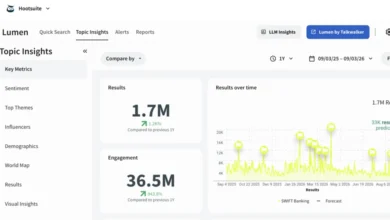
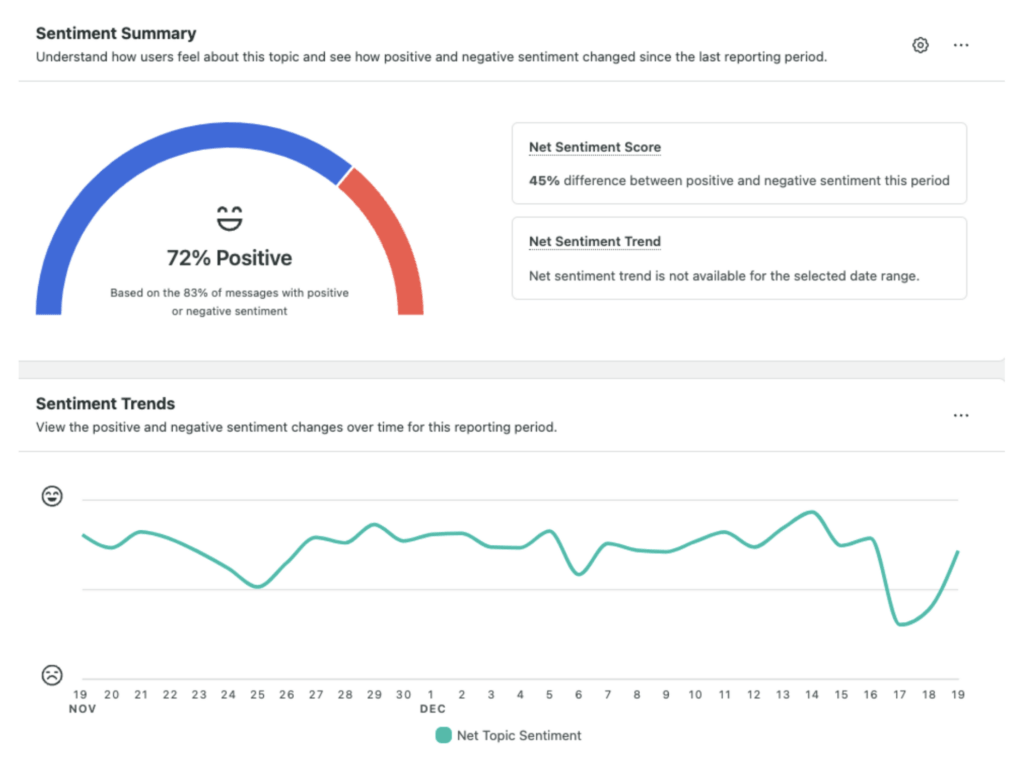
Sentiment analysis transcends basic metric tracking by meticulously analyzing the underlying emotions and attitudes expressed in audience engagement. Rather than merely tabulating likes or comments, advanced social listening tools interpret customer feedback to gauge the positivity or negativity of sentiments. This tracking can be applied to individual comments or aggregated to discern overarching trends across various accounts. By systematically collecting and reviewing audience sentiment insights, often facilitated by sophisticated listening platforms, brands can comprehend current and historical perceptions of their brand. Interpreting this data can unveil the reception of a new product, assess the efficacy of a recent campaign in engaging its target audience, or even provide early warnings of potential reputational issues.
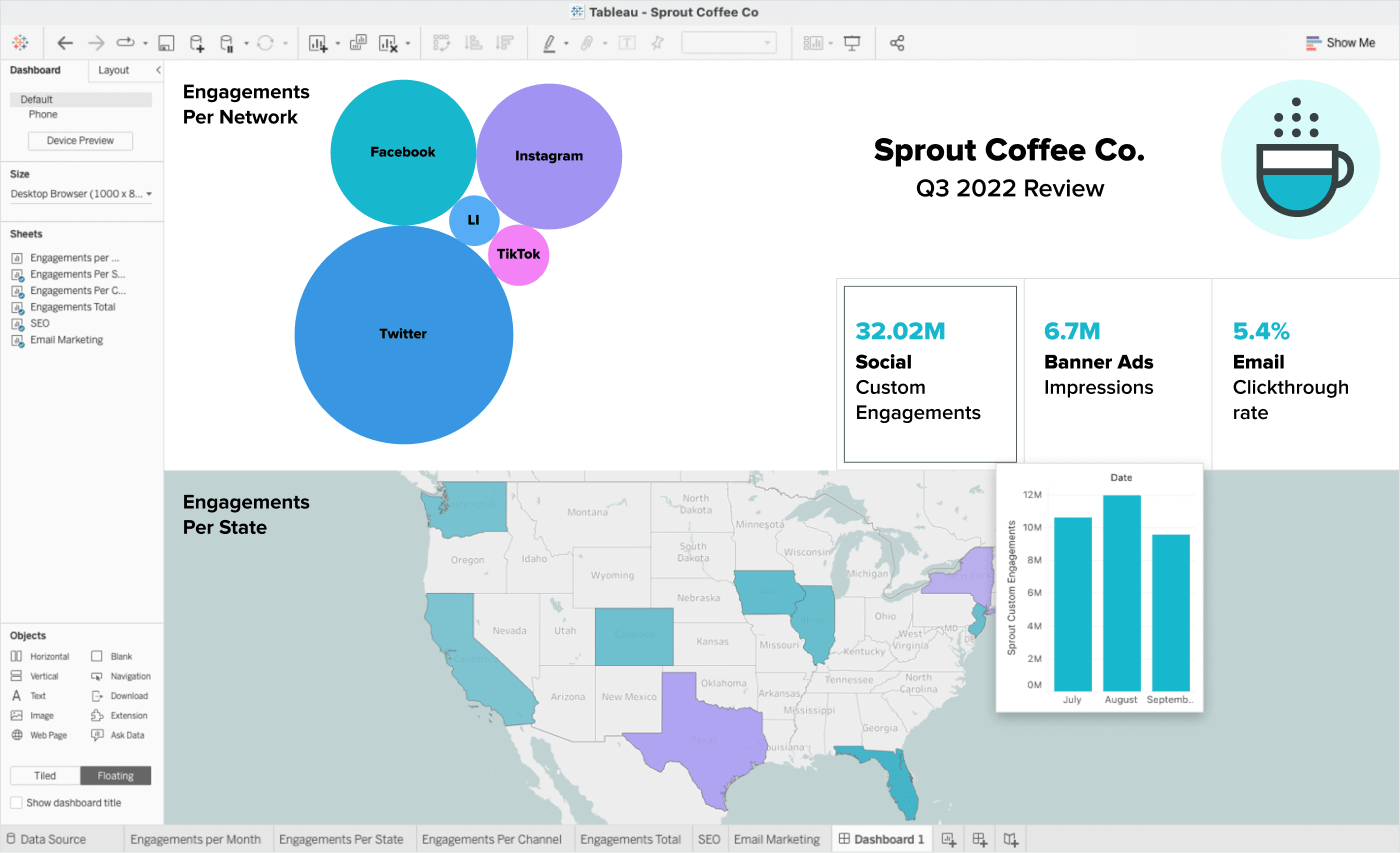
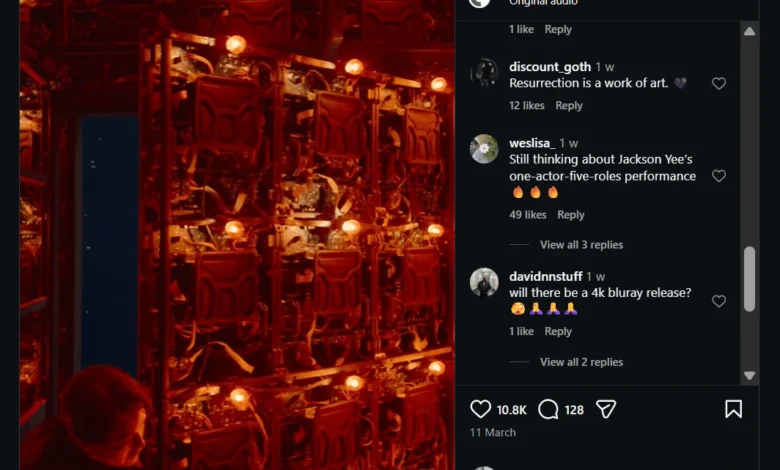
These insights can be precisely mapped to target personas, providing empirical evidence of how distinct audience segments perceive the brand. This strategy is foundational for elevating social data into actionable social intelligence, but its utility extends to informing broader business decisions, including go-to-market strategies, customer care protocols, and product development. For instance, in the gaming industry, a publisher like Square Enix might find its Instagram comments section brimming with support for new game releases alongside specific suggestions for features or platforms, directly informing their product development teams. Such interactions represent a valuable repository of unfiltered audience sentiment, which, when analyzed with integrated tools, reveals trends demanding immediate attention.
Layer 2: Customer Interactions
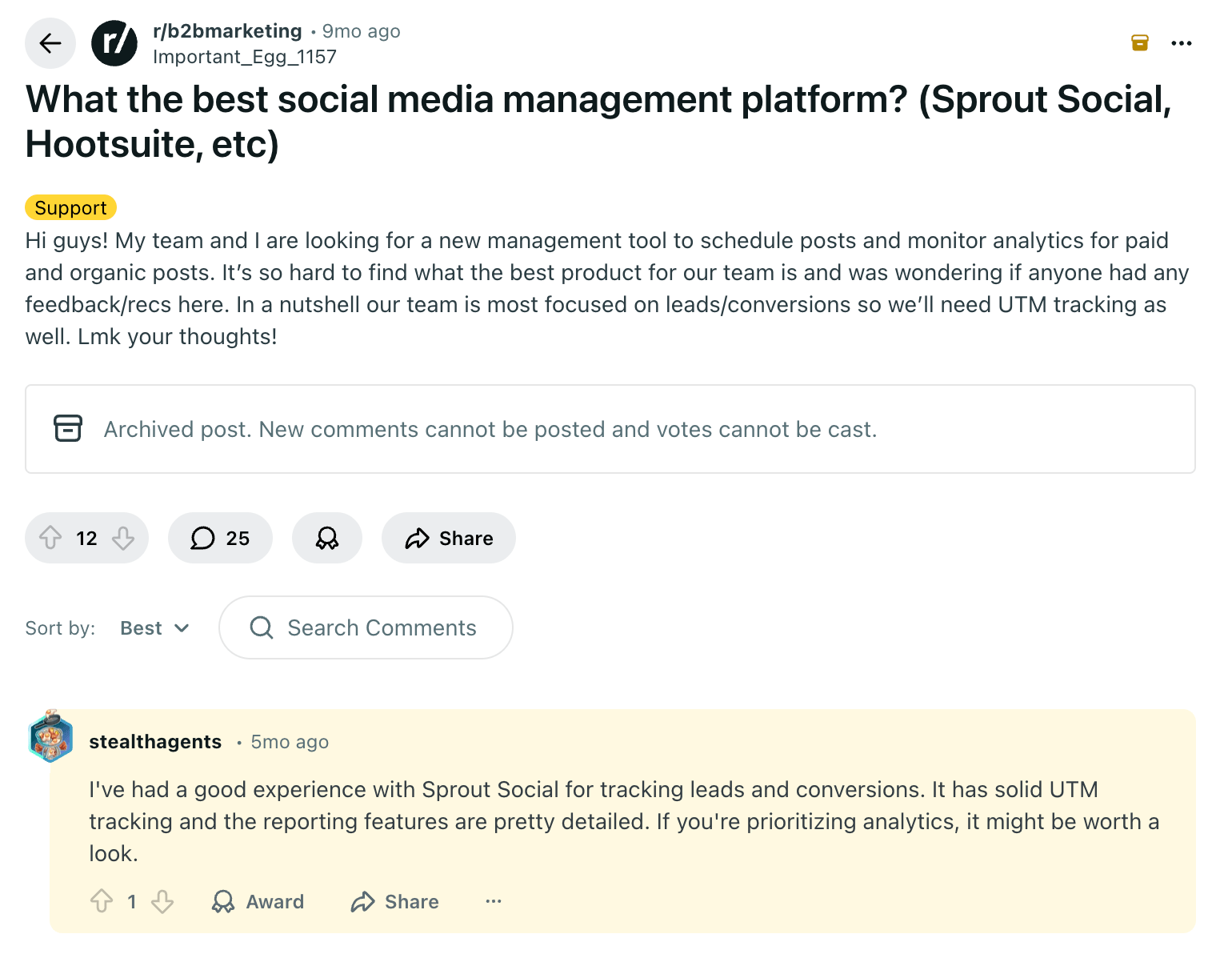
A second crucial layer of social media audience analysis involves a qualitative examination of all customer interactions. This encompasses conversations unfolding across social comments, direct messages, support chats, and community forums such as Reddit. Utilizing integrated tools that link social media management platforms with customer relationship management (CRM) systems (e.g., Sprout Social and Salesforce integration) enables brands to meticulously track where and why followers are engaging. These insights are a goldmine for identifying user demands, feature suggestions, potential collaboration opportunities, or recurring problems that customers are actively seeking solutions for. The unfiltered nature of conversations on platforms like Reddit, for example, can yield highly relevant feedback that might not surface through official channels, offering a candid perspective on brand perception and unmet needs.
Layer 3: Predictive Media Intelligence
The final, forward-looking layer of social media audience analysis centers on media monitoring. This entails tracking conversations and news cycles that directly impact a brand across both social media and traditional news outlets. Tools like NewsWhip by Sprout Social empower organizations to proactively identify potential reputational risks before they escalate, enabling timely and strategic responses. This capability extends to monitoring brand health across the entire web, observing how campaigns or emerging crisis situations gain traction on specific channels. By adopting a proactive stance toward these news cycles, businesses can transcend retrospective data analysis, focusing instead on real-time developments and anticipating near-future trends. This constitutes an evolution of traditional target audience analysis, adding a crucial dimension of understanding regarding the audience’s current disposition and the brand’s immediate market perception. Collectively, these three layers transform raw social data into potent, actionable audience insights that are instrumental in shaping future business strategies.
A Strategic Framework: How to Conduct a Target Audience Analysis with Social Data
Implementing a comprehensive social target audience analysis requires a structured, multi-stage process to extract deep insights from diverse social profiles.
1. Identify Knowledge Gaps
Effective target audience analysis often commences with identifying what remains unknown rather than merely confirming existing assumptions. This initial step is significantly streamlined by leveraging social management tools integrated with CRM systems. By merging existing CRM data with social insights, organizations can meticulously compare customer profiles with ongoing conversations surrounding their brand. The scope should extend beyond owned content; analyzing networks where the brand lacks a direct presence, and independent forums like Reddit, provides a broader, unfiltered perspective on brand sentiment. These interactions frequently reveal previously unacknowledged advocates, concerns, and emerging conversations. By collating these findings and connecting qualitative CRM statistics with qualitative sentiments, a clearer understanding emerges of who comprises the audience and what truly matters to them.

2. Integrate Sentiment with Quantitative Metrics
The next critical step involves transitioning from merely asking "how many?" to delving into "how do they feel?". Advanced social listening tools enable a deep dive into sentiment, uncovering the genuine desires and emotions driving audience engagement. These sentiments serve as a powerful complement to quantitative data, providing the crucial context behind comments and direct messages. Examples include identifying customers contemplating a switch from a competitor, or conversely, expressing dissatisfaction with a current provider. Another category might reveal frustrations with product features or enthusiastic praise accompanied by specific feature requests. By analyzing these nuanced comments, the audience transcends being mere statistics, transforming into distinct segments with specific needs and desires. Identifying trends within these conversations, categorizing interactions, and prioritizing needs based on comment volume, sentiment strength, and feasibility of response, lays the groundwork for refining target personas.
3. Conduct Comprehensive Competitor Analysis
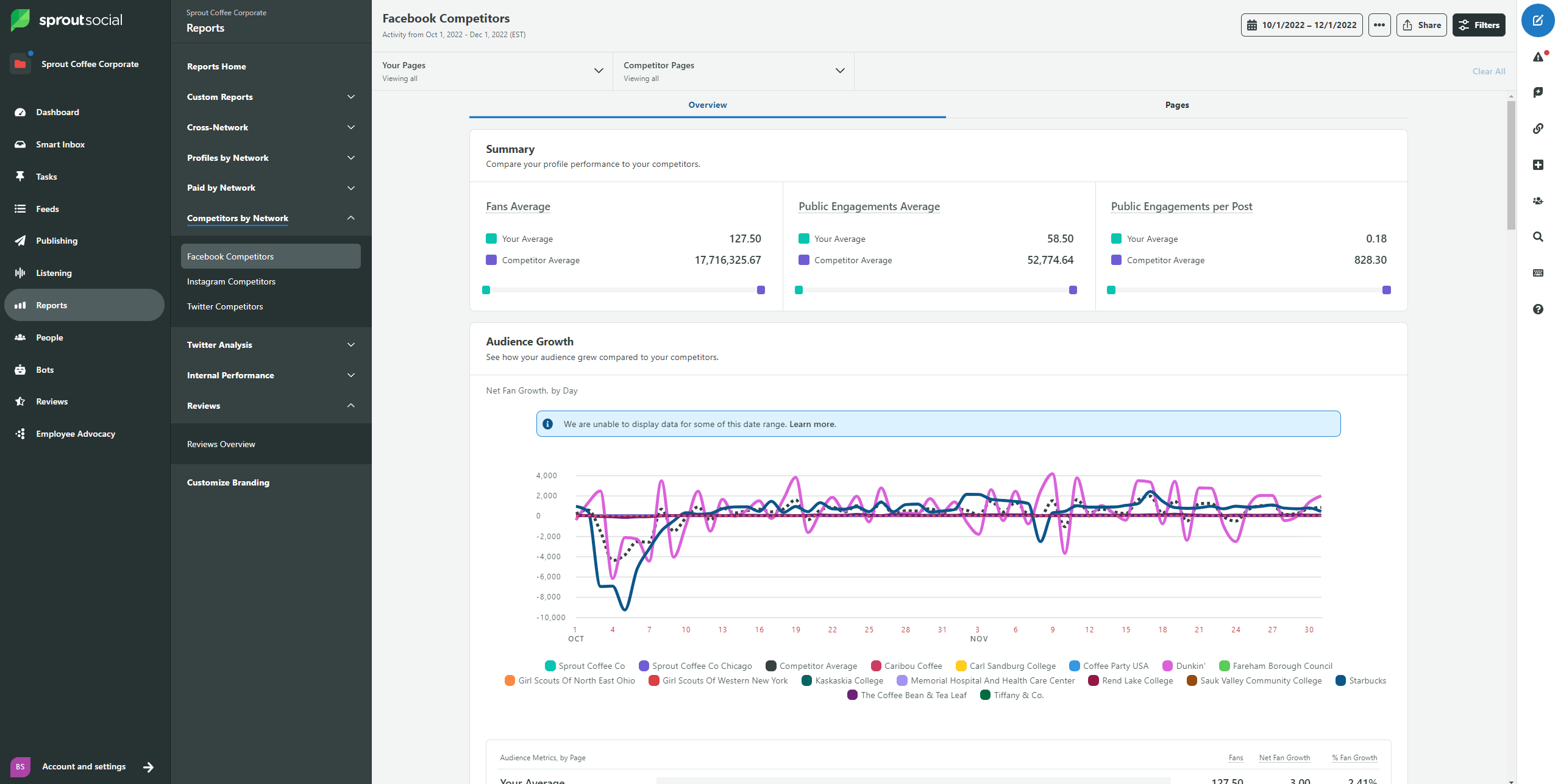
Building upon initial competitor insights, a deeper audit is essential. This involves systematically listing key competitors and utilizing social media analytics tools to conduct a thorough competitive analysis across all their social channels. The focus should be on understanding both successes and failures: who they engage effectively with, and where they fall short. Competitor successes can inform strategic approaches, while their failures expose market gaps that a brand can exploit. This data can also reveal influential collaborators, effective campaign strategies, and content types most favored by their followers. Comparing these findings with a brand’s own performance provides critical market positioning insights and helps determine which social networks to prioritize based on where target audiences actively engage with industry brands.
4. Leverage Predictive Insights
Beyond competitor analysis, understanding the broader industry landscape is paramount. Employing predictive media intelligence tools allows for tracking the velocity of conversations and unearthing patterns in this data across various networks and media outlets, locally, nationally, and internationally. This process should yield a curated list of topics gaining momentum among the target audience. Determining the relevance of these topics for the brand and segmenting them accordingly allows for strategic pivots in upcoming campaigns to effectively engage with all facets of the conversation. This proactive approach ensures the brand remains aligned with evolving audience needs, preventing obsolescence. Furthermore, integrating these predictive insights into competitive analysis offers an indication of competitors’ preparedness for future trends, informing necessary adjustments to the brand’s positioning and target persona prioritization.
5. Construct Dynamic Audience Personas
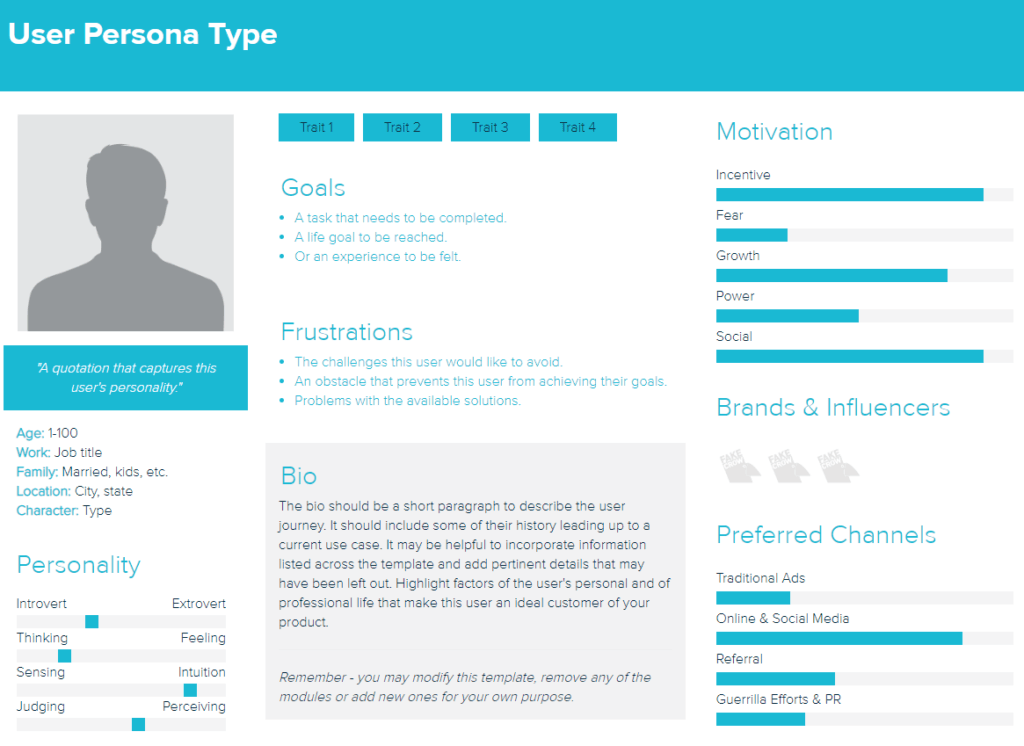
Armed with this wealth of social data and intelligence, the creation of enhanced, dynamic buyer personas becomes possible. These personas extend far beyond basic demographics, delving into the intricate interests, pain points, and motivations unique to each target audience segment. Social data forms the bedrock, enriched by insights gleaned from competitor analysis, customer care interactions, and predictive signals. Demographic and psychographic data are amplified by the actual sentiments and conversations expressed by the audience. A practical approach involves defining specific goals for each persona, outlining their precise desires and expectations from the brand. This should be complemented by a list of frustrations and motivations that influence their brand interactions. Incorporating competitive analysis further refines these personas by identifying other brands they are likely to engage with, alongside examples of creators and influencers they follow, offering insights into their sources of influence and recognized expertise. These dynamic personas, far from static profiles, serve as living documents that inform and guide future business strategies, with platforms offering targeting features to segment content and generate further intelligence. The integration of agentic AI can even automate ongoing audience research, ensuring continuous adaptation to evolving market behaviors and needs.
6. Foster Cross-Functional Intelligence Sharing
The culmination of a successful target audience analysis lies in the universal accessibility and actionability of its findings across the entire organization. Leveraging AI-powered social intelligence solutions streamlines this crucial dissemination. Insights must be tailored and streamlined for relevant departments. For example, if analysis reveals an audience persona consistently requesting a specific product feature, this insight, accompanied by a clear recommendation for resolution, should be directly communicated to the product development team. Similarly, when presenting findings to C-suite executives, the most salient data should be collated into a concise report, outlining key takeaways and recommended strategic actions, akin to a comprehensive social media scorecard.
Social intelligence should never remain siloed within the social media department. While it is foundational for informing social strategies, its true power is realized when it permeates and informs the entire organization. Departments ranging from sales and product development to management, customer service teams, and external partner agencies can profoundly benefit from the audience insights uncovered through social media analysis. Crucially, this analysis is not a one-time endeavor. It necessitates regular, scheduled reviews of audience personas, competitor audits, and sentiment analysis to ensure continuous refinement and responsive adaptation to the ever-changing behaviors of the audience.
From Social Media Target Audience Analysis to Business-Wide Action
The role of audience analysis has profoundly evolved, transforming from a recurring marketing task into an indispensable business-wide necessity. Without the systematic collection and responsive interpretation of social intelligence, brands risk merely contributing to the pervasive noise of social media, failing to forge authentic connections with their audience across myriad channels.
Once a clear understanding of target audiences is established, the subsequent imperative is to develop a comprehensive strategy that speaks directly and authentically to them. The insights gleaned from the 2026 Social Media Content Strategy Report, for instance, offer invaluable guidance on audience expectations across diverse platforms and identify critical trends demanding immediate strategic response. Embracing social target audience analysis is no longer merely a competitive advantage; it is a fundamental requirement for sustained relevance and growth in the dynamic digital economy.