The Evolving Landscape of Last-Mile Delivery: Balancing Speed, Cost, and Customer Experience in the Gig Economy

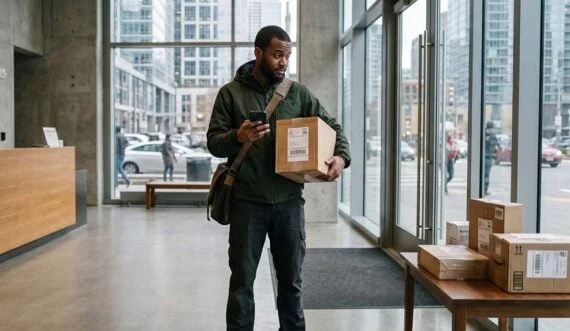
The promise of fast and inexpensive e-commerce delivery, often championed by local carriers, is increasingly intertwined with significant customer concerns regarding consistency and the potential for package theft. As retailers grapple with the "last-mile" challenge – the critical final leg of a product’s journey from a distribution center or store to the consumer’s doorstep – innovative models are emerging, but not without their inherent complexities. Target’s recent announcement to significantly expand its Shipt-powered same-day delivery service to over 100 U.S. stores by 2026 exemplifies this evolving trend, underscoring the growing reliance on flexible, gig-economy-driven logistics networks.
This strategic shift by major retailers highlights a fundamental change in how consumers interact with brands. In an era where instant gratification is becoming the norm, the delivery experience has transformed from a mere transactional component into a crucial element of brand perception and customer loyalty. Services like Shipt, Amazon Flex, and Uber, which leverage a vast pool of independent contract drivers, are at the forefront of this transformation, enabling rapid fulfillment by allowing these drivers to collect packages directly from retail locations or fulfillment hubs and deliver them using their personal vehicles. This decentralized approach, while offering speed and potential cost savings, introduces a new set of challenges that merchants and consumers alike are navigating.
The Local Fulfillment Advantage: Target’s Shipt Strategy
Target’s ambitious expansion of its Shipt delivery service is rooted in a "local-first" philosophy, aiming to leverage its extensive network of physical stores as distributed fulfillment centers. This strategy effectively shortens delivery routes by bringing inventory closer to the customer. Instead of relying solely on traditional, long-haul shipping networks, drivers can now pick up orders directly from local Target stores. This approach bypasses the need for building new, costly distribution centers, instead utilizing the existing retail footprint to enhance delivery coverage and speed.
The strategic acquisition of Shipt in 2017 by Target laid the groundwork for this integrated fulfillment model. What initially began as a service focused on same-day grocery delivery has since evolved into a comprehensive last-mile network deeply connected to in-store inventory. Industry analysis suggests that by employing Shipt, Target can achieve substantial cost reductions, potentially saving approximately $2.50 per package compared to utilizing national carriers. These savings are largely attributable to a reduction in intermediate handling points and the elimination of long-distance transit. Packages no longer need to pass through multiple sorting facilities or extensive carrier networks, streamlining the process and accelerating delivery times.
The accelerated delivery is a direct consequence of orders originating closer to the end consumer. This proximity allows for tighter delivery windows without the necessity of premium air freight or expedited shipping services. Consequently, the model not only lowers overall fulfillment costs but also adeptly meets the escalating consumer demand for faster delivery. Target’s initiative is not an isolated phenomenon; major competitors such as Walmart and Amazon, alongside numerous other omnichannel retailers, are actively pursuing similar strategies to enhance their last-mile capabilities.
A Shift in Operational Paradigm: The Rise of Non-Traditional Carriers
Shipt and its contemporaries represent a significant departure from the established operational models of traditional small-package delivery services. The landscape of e-commerce logistics is increasingly characterized by a growing ecosystem of regional carriers, agile gig platforms, and specialized white-label delivery services operating in parallel with, and sometimes in competition with, national carriers.
For merchants, this proliferation of delivery options translates into greater flexibility and, conversely, a reduced degree of standardization in their shipping operations. While national carriers typically operate highly structured and controlled networks with meticulously defined service levels, routing protocols, and handoff procedures, the gig delivery networks offer a more fluid and adaptable approach. However, this flexibility often comes at the cost of inherent inconsistency.
Navigating the Pitfalls: Delivery Inefficiencies and Security Concerns
The reality of e-commerce delivery, particularly within the burgeoning gig economy model, is not always seamless. Almost every online shopper has encountered a delivery issue at some point. Consider the scenario of a resident in a high-rise apartment building in a bustling urban center. In such a setting, deliveries might be designated for a secure room accessible via a one-time passcode, equipped with surveillance cameras for added safety.
While the process of using passcodes to gain entry to the building and then to the designated room is generally straightforward, it can present challenges for some gig drivers who may be less familiar with the specific protocols of apartment complexes. This unfamiliarity can lead to packages being left in common areas like lobbies or hallways, exposing them to potential damage or, more critically, theft. The problem of "porch piracy" has been on the rise, with reports indicating a significant increase in package theft incidents across the country in recent years. A 2023 study by Insurance Information Institute indicated that an estimated 38% of Americans have had a package stolen.
Suburban residents are not immune to comparable issues. Inconsistent drop-off locations, whether due to driver unfamiliarity with specific property layouts or a lack of clear instructions, can leave packages vulnerable.
The Challenge of Inconsistency in Gig Deliveries
It is important to acknowledge that mistakes can and do occur within the networks of established carriers like Amazon, UPS, FedEx, and the USPS. These organizations have robust systems in place to address and rectify errors. However, the risk of service inconsistencies is amplified when relying on a workforce composed largely of part-time, potentially inexperienced gig workers.
The variability in delivery timing can be substantial. Drop-off placements at a customer’s residence can differ significantly from one delivery to the next, depending on the individual driver’s interpretation of instructions or their own logistical preferences. Furthermore, communication channels with gig drivers can be limited or inconsistent, leaving customers uncertain about the status of their deliveries or unable to provide timely clarifications.
While large retailers often possess the resources to absorb the impact of these delivery failures through dedicated customer service teams and strong brand equity, smaller and medium-sized e-commerce businesses operate with considerably less margin for error. A single missed delivery, a poorly executed handoff, or a damaged package can result in increased customer support costs, necessitate refunds, and contribute to negative online reviews. These incidents can significantly tarnish a brand’s reputation, especially for smaller businesses that rely heavily on positive word-of-mouth and customer satisfaction.
The delivery experience, even when outsourced, is increasingly viewed as an integral part of the product itself. Merchants are finding that the quality of last-mile fulfillment directly influences customer perception and their overall brand experience, regardless of whether they directly control the delivery process. The critical challenge for businesses, therefore, lies in finding an optimal balance between cost-effectiveness, delivery speed, and the assurance of quality and security.
To mitigate these risks, businesses are advised to establish clear delivery expectations for both customers and drivers. Rigorous monitoring of customer complaints and feedback is essential for identifying recurring issues and implementing corrective measures. In this dynamic e-commerce environment, delivery transcends its role as a mere logistical function; it has become a potent extension of the brand, shaping customer engagement and loyalty in profound ways.
The Broader Economic and Social Implications
The widespread adoption of gig-economy models for last-mile delivery has far-reaching economic and social implications. On one hand, it provides flexible income opportunities for a growing segment of the workforce, allowing individuals to supplement their earnings or pursue independent work on their own schedules. This has been particularly attractive in periods of economic uncertainty or as a means for individuals to gain work experience.
However, concerns persist regarding the stability and benefits afforded to these gig workers. Unlike traditional employees, gig workers often lack access to benefits such as health insurance, paid time off, and retirement plans. The fluctuating nature of work and pay can also create financial instability. As regulatory bodies and labor advocates continue to scrutinize these employment models, the long-term sustainability and ethical considerations of gig-worker compensation and worker protections remain a significant area of debate and potential policy change.
The increasing reliance on a dispersed network of independent drivers also raises questions about the environmental impact of e-commerce delivery. While localized delivery can theoretically reduce overall mileage compared to centralized distribution, the proliferation of individual vehicles on the road, often making multiple short trips, could contribute to increased traffic congestion and carbon emissions, particularly in urban areas. Companies are increasingly exploring strategies to mitigate this, such as optimizing routes, promoting shared delivery models, and investing in electric vehicle fleets, but the scale of the challenge is substantial.
The Future of Last-Mile Delivery: A Hybrid Approach
The trajectory of last-mile delivery suggests a future characterized by hybrid models that integrate the strengths of various logistics providers. Retailers will likely continue to experiment with direct-to-consumer fulfillment using their store networks, alongside partnerships with established national carriers for broader reach and specialized services. The role of technology will be paramount in enhancing efficiency, transparency, and security. Advanced tracking systems, AI-powered route optimization, and secure delivery solutions like smart lockers and designated drop-off points are expected to play increasingly significant roles.
The emphasis will remain on delivering a seamless and trustworthy customer experience. As consumer expectations for speed and convenience continue to rise, businesses that can effectively navigate the complexities of last-mile logistics, balancing cost, efficiency, and customer satisfaction, will be best positioned for success in the competitive e-commerce landscape. The evolution of delivery is not just about getting products from point A to point B; it’s about building lasting relationships with customers in a world that demands immediacy and reliability.
Related posts: