Buffer Unveils ‘Insights,’ a Reimagined Analytics Platform Aimed at Empowering Data-Informed Social Media Strategies for All Users

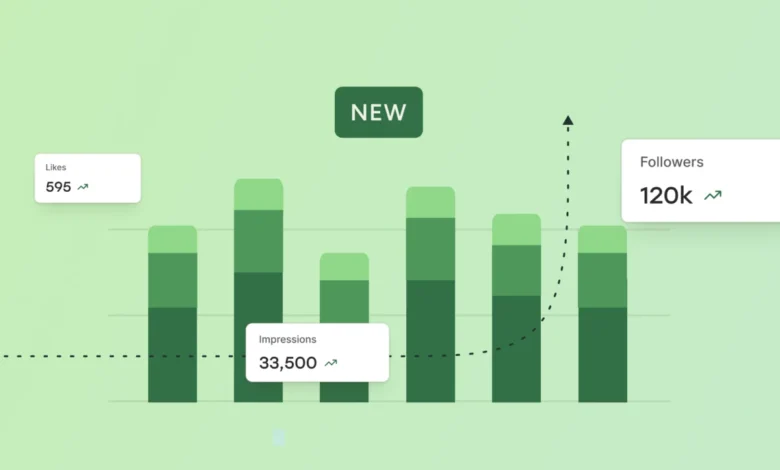
Buffer, a prominent name in social media management, has officially launched "Insights," a comprehensively rebuilt analytics platform designed to equip marketers, creators, and agencies with actionable data to inform their social media strategies. This significant product overhaul represents a strategic shift towards providing intelligence that guides creative decision-making rather than dictating it, a philosophy articulated by the company as being "data-informed, not data-driven." The platform, which has been re-engineered from the ground up, promises to deliver powerful, user-friendly analytics, with core functionalities accessible for free to a wide range of users, alongside advanced features for paid subscribers.
The Evolving Landscape of Social Media Analytics and Buffer’s Strategic Response
The launch of Insights comes at a critical juncture in the digital marketing landscape. Over the past decade, social media has transformed from a supplementary communication channel into a central pillar of marketing strategy. With this evolution, the demand for sophisticated analytics has skyrocketed. However, marketers frequently encounter a dilemma: either settling for basic metrics offered by simple tools or navigating the complexity and high cost of enterprise-level platforms that often provide an abundance of data without clear, actionable directives. This dichotomy has created a persistent challenge for professionals seeking to optimize their content and engagement efficiently.
Buffer’s journey in social media management began with a focus on simplifying scheduling and publishing. As the platform matured and its user base grew to over 200,000 creators, small businesses, and marketers, the need for more robust and intuitive analytics became increasingly apparent. The company’s leadership recognized that while data is crucial, it should serve as a catalyst for creativity, not a replacement for it. The aspiration to "re-imagine analytics" has been a long-standing goal within Buffer, stemming from a belief that existing solutions often fall short in translating raw data into practical next steps for content creators and strategists. This foundational principle guided the extensive development process for Insights, which aims to bridge the gap between complex data sets and clear strategic recommendations.
Key Pillars of the New Insights Platform
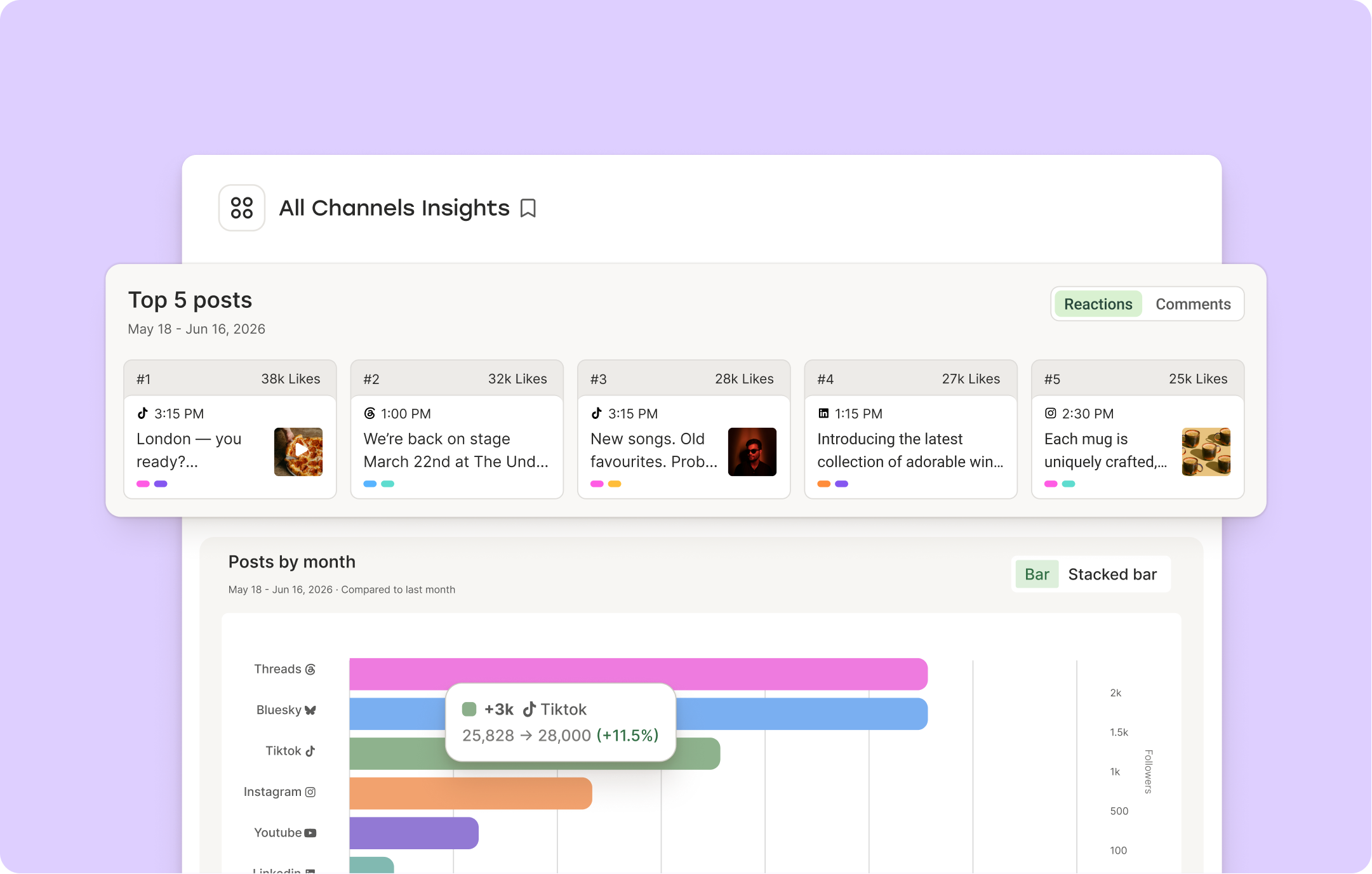
Buffer’s Insights platform is structured around several core principles designed to differentiate it in a competitive market and address the specific pain points of modern social media professionals.
Universal Accessibility: Insights for Everyone, For Free
A cornerstone of the Insights launch is its commitment to broad accessibility. Buffer has made powerful, actionable insights available on its free plan, a move that significantly democratizes access to advanced social media analytics. This approach is designed to cater to a diverse user base, ranging from solo creators managing a single social media channel to marketing agencies overseeing a dozen client brands. The free tier offers essential metrics and recommendations, enabling users to identify top-performing content, understand audience engagement, and discern optimal posting times without financial barriers. For users requiring more granular detail, deeper reporting capabilities are available through Buffer’s paid subscription plans. This tiered approach directly challenges the traditional market model, where comprehensive analytics are often locked behind prohibitive paywalls, forcing smaller entities to compromise on data-driven decision-making.
Interoperability and Data Portability: Your Data, Unbound
Recognizing that modern marketing ecosystems are rarely confined to a single platform, Buffer has engineered Insights to integrate seamlessly with existing technology stacks. This commitment to interoperability is underscored by the recent launch of Buffer’s public API and an MCP (Marketing Cloud Platform) server. These developments empower users to extract their social media data from Buffer’s dashboard and integrate it into their custom reports, business intelligence tools, or even feed it directly into third-party AI agents for advanced processing and analysis. This open approach ensures that users are not locked into Buffer’s interface for data visualization and manipulation, offering unparalleled flexibility in how they leverage their social media performance metrics. The ability to pull data into custom environments is particularly valuable for larger organizations with bespoke reporting requirements and for those leveraging advanced AI workflows for competitive analysis or predictive modeling.
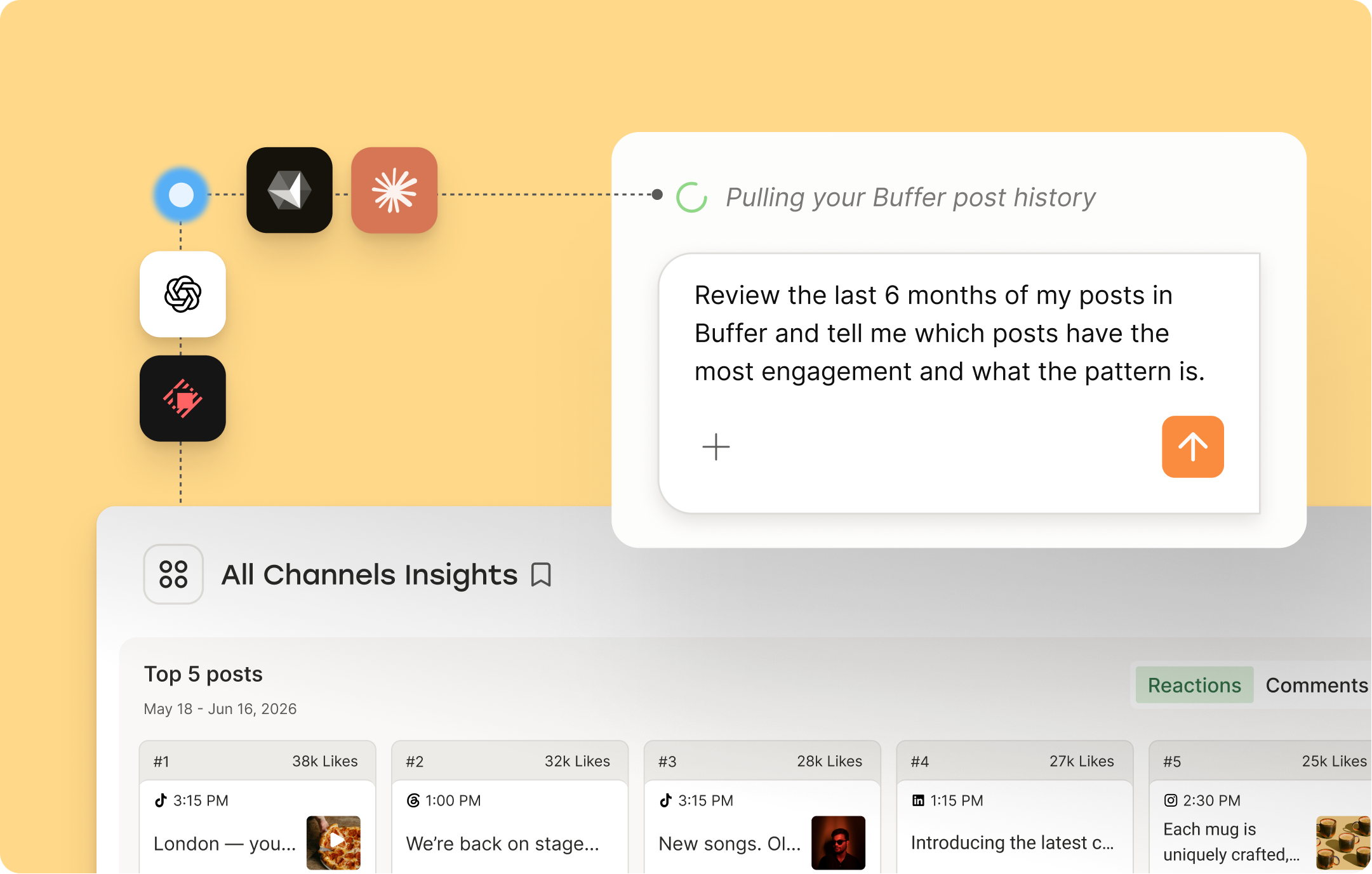
Actionable Intelligence: Guiding Your Next Move
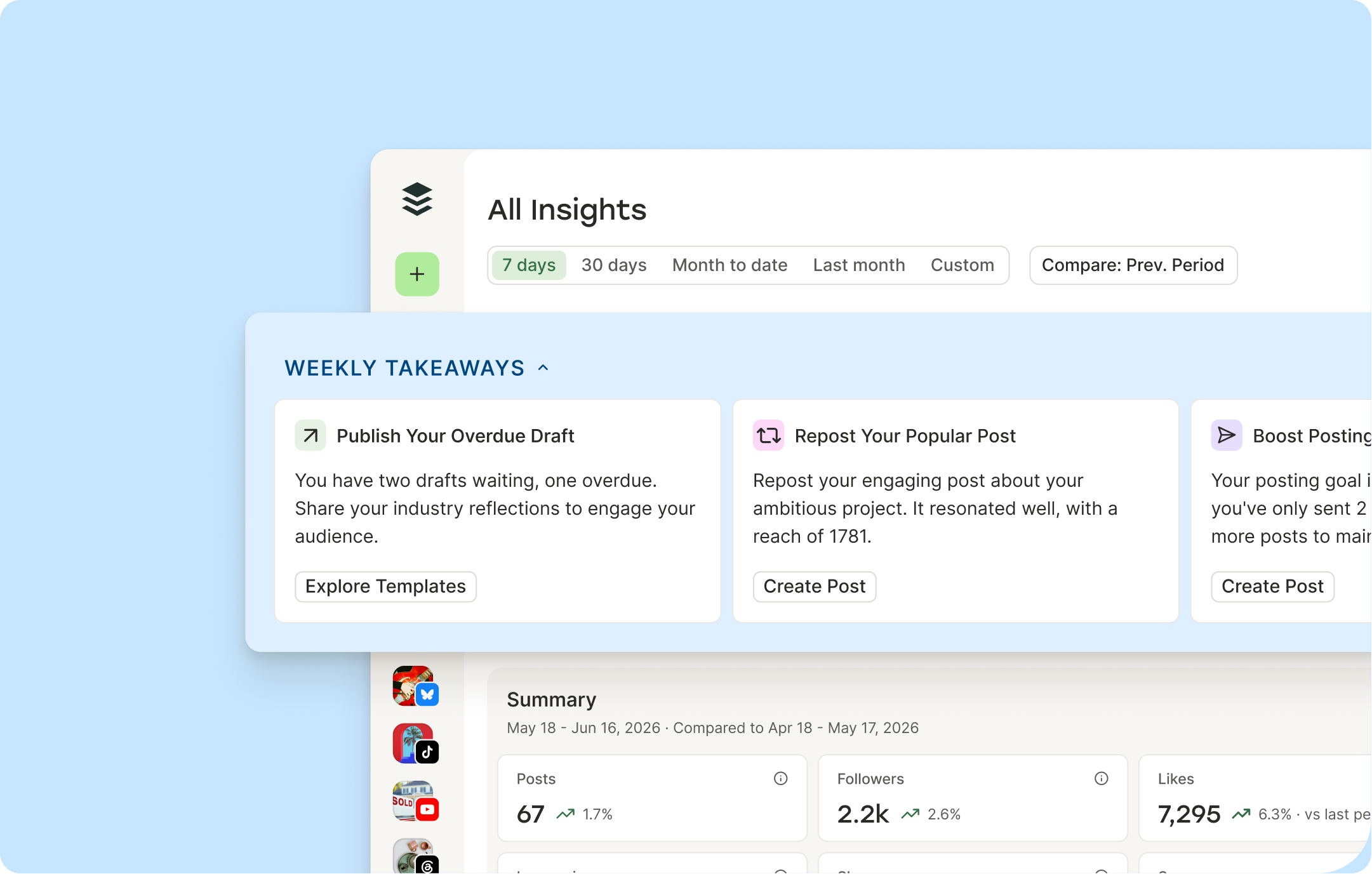
At the heart of Insights’ design philosophy is the emphasis on actionable intelligence. The platform is engineered to move beyond merely presenting data points, instead focusing on translating these into clear recommendations that guide users’ strategic decisions. While the original article omits a specific list, it implies that Insights will provide users with capabilities to:
- Identify top-performing posts and content themes.
- Understand audience engagement patterns across different platforms.
- Analyze optimal posting times for maximum reach and interaction.
- Track growth metrics and identify trends over time.
- Benchmark performance against previous periods or industry averages (potentially on paid tiers).
- Receive clear, concise takeaways that summarize key findings and suggest next steps, alleviating the need for extensive manual data interpretation.
The goal is to answer the critical question: "What should I do next?" a challenge that often plagues marketers confronted with raw data.
AI as an Accelerator, Not a Replacement
A notable enhancement within Insights is the integration of artificial intelligence, operating "like magic in the background." Buffer clarifies that this AI is not designed to replace human creativity but rather to augment and accelerate it. The AI analyzes historical performance data across a user’s channels, identifying patterns, successful content types, and engagement drivers. It then uses these insights to point creators and marketers in the "right direction," offering data-backed suggestions that can inform content creation, scheduling, and strategic adjustments. This approach aligns with the "data-informed" philosophy, positioning AI as a powerful assistant that elevates existing creative efforts rather than automating them entirely. For instance, the AI might highlight that carousel posts consistently outperform single images for a particular audience segment, or that video content posted on Tuesdays sees higher engagement on LinkedIn, prompting the user to lean into these successful formats.
Building Trust Through Official Partnerships
Buffer underscores its reliability and commitment to data accuracy through its status as an official partner to major social media platforms, including Meta (Facebook, Instagram), LinkedIn, and X (formerly Twitter). This official partnership status carries two significant benefits for users: enhanced account security and timely access to the latest features and data streams from each platform. Official partnerships mean that Buffer’s integrations are robust, compliant with platform policies, and less susceptible to disruptions, ensuring that user data remains safe and analytics are based on the most current and accurate information available directly from the source platforms. This also guarantees that as social media platforms roll out new features or change their APIs, Buffer can quickly adapt, providing users with up-to-date insights and functionality.
Scalable and Future-Proof: Designed for Growth
Insights has been engineered with scalability and future adaptability in mind. The platform caters to a broad spectrum of needs:
- Deeper reporting for agencies: Providing granular data and customizable reports essential for client management and performance attribution.
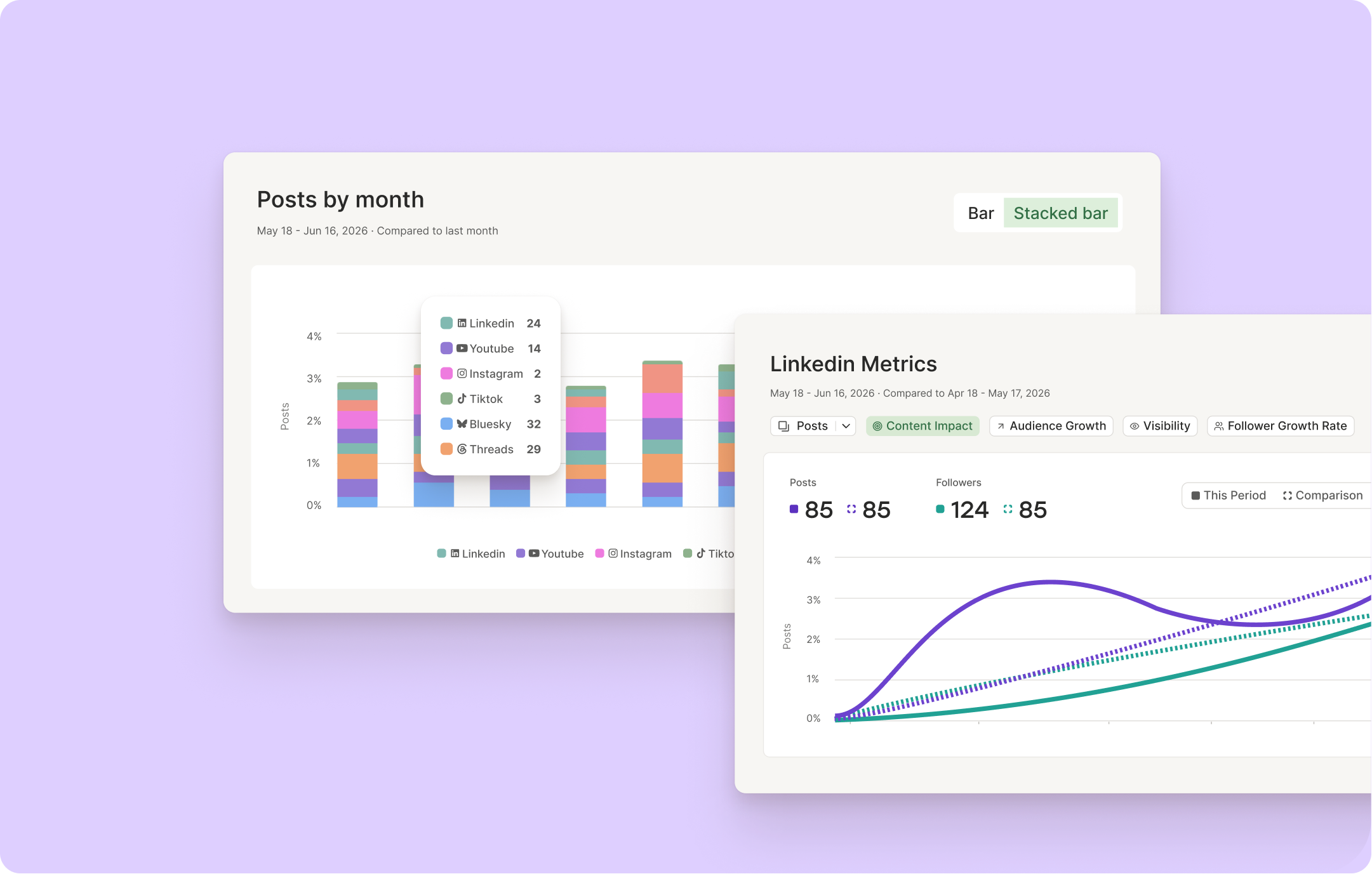
- Cross-channel comparisons for brands: Enabling a holistic view of performance across multiple social media networks to refine overarching strategies.
- Plain-language takeaways for creators: Simplifying complex data into easily digestible insights for individuals who prioritize content creation over intricate analytics.
This multifaceted design ensures that as users’ needs evolve or their operations expand, Insights can continue to provide relevant and valuable information. The underlying architecture is built to accommodate future trends in social media, data analysis, and AI advancements, positioning Insights as a long-term strategic asset for its users.
Market Impact and Competitive Positioning
The launch of Buffer’s Insights platform marks a significant move in the social media management and analytics market, an arena crowded with established players and innovative startups. Companies like Hootsuite, Sprout Social, Agorapulse, and numerous specialized analytics tools offer varying degrees of data reporting and strategic guidance. Buffer’s differentiation strategy hinges on several key points:
Firstly, the emphasis on "data-informed, not data-driven" positions Insights uniquely. While many platforms tout their data capabilities, Buffer explicitly frames data as a guide for human creativity rather than an autonomous decision-maker. This philosophical stance resonates with marketers who value originality and authentic engagement over purely algorithmic optimization.
Secondly, the provision of powerful, actionable insights on a free plan is a disruptive element. This strategy can significantly lower the barrier to entry for quality social media analytics, potentially drawing in a large user base of small businesses and individual creators who might otherwise struggle to afford comprehensive tools. This could also serve as a strong funnel for converting users to paid plans as their needs for deeper reporting evolve.
Thirdly, the robust API and AI integration signify Buffer’s commitment to modern, interconnected workflows. In an era where businesses increasingly seek to consolidate data and automate processes, providing an open API and intelligent AI assistance makes Insights a more attractive option for integration into broader marketing technology stacks. This focus on interoperability positions Buffer as a flexible partner rather than a closed ecosystem.

From a competitive standpoint, Insights could pressure other analytics providers to re-evaluate their free offerings and the actionability of their data. For Buffer, this launch is poised to strengthen its brand image as an innovative and user-centric platform, potentially expanding its market share and enhancing customer loyalty by delivering tangible value that directly addresses critical marketing challenges. The ability to provide clear "next moves" could significantly reduce the time marketers spend interpreting data, allowing them to allocate more resources to content creation and strategic planning.
Conclusion
Buffer’s Insights represents more than just an update to an existing feature; it is a fundamental reimagining of how social media analytics should function. By focusing on accessibility, actionable intelligence, seamless integration, and AI augmentation, Buffer aims to empower a broad spectrum of users to make more informed, creative, and effective decisions on social media. This strategic pivot towards a "data-informed" approach, coupled with official platform partnerships and a commitment to future-proofing, positions Insights as a compelling new tool for anyone looking to elevate their social media presence. The platform’s immediate availability at buffer.com/insights invites users to experience firsthand how a rebuilt analytics system can transform their digital strategies, offering a clear path forward in the complex world of social media marketing.