Discover the top social media calendar tools to streamline your workflow, save time, and organize your content with ease.


In the rapidly evolving landscape of digital communication, the ability to strategically plan, manage, and disseminate content across multiple platforms has become paramount for businesses of all sizes. As of 2026, the sheer volume of content required to maintain a competitive online presence, coupled with the increasing complexity of diverse social media ecosystems, necessitates robust organizational solutions. This environment has driven the widespread adoption of content calendar tools, indispensable software designed to bring order and efficiency to an otherwise chaotic process.

The Evolution of Content Strategy and the Emergence of Dedicated Tools
A decade ago, content planning often involved rudimentary spreadsheets or ad-hoc postings. However, the explosion of social media channels – from established giants like Facebook, Instagram, and X (formerly Twitter) to newer platforms like TikTok and niche communities – transformed content creation from a simple marketing task into a complex strategic discipline. Brands now juggle blog posts, email newsletters, paid advertisements, and a constant stream of social media updates, each requiring tailored messaging, visuals, and timing. This multi-channel demand has pushed the traditional content creation process to its limits, leading to increased pressure and, as recent reports indicate, a significant level of overwhelm among marketing professionals. A study cited that 58% of marketers reported feeling overwhelmed, a statistic largely attributed to the intricate web of deadlines, platforms, and stakeholder coordination.
The market responded with the development of sophisticated content calendar tools, which are essentially software platforms that centralize the planning, scheduling, management, and distribution of content. These tools are no longer just about preventing missed deadlines; they are about fostering strategic coherence, enhancing team collaboration, and providing actionable insights into content performance.
Carolina Horna, a Freelance Creative Director and Brand Strategist with over a decade of experience navigating the social media trenches, underscores the transformative impact of these platforms. "Using a dedicated tool as opposed to a Google Doc or spreadsheet adds a level of organization and clarity that is hard to achieve without it," Horna states. "With a content calendar tool, I’m able to see my strategy come to life, maintain my content pillar distribution, and collaborate easily with my team." This expert perspective highlights the transition from reactive posting to proactive, data-driven content strategies.
Core Functionalities and Strategic Advantages
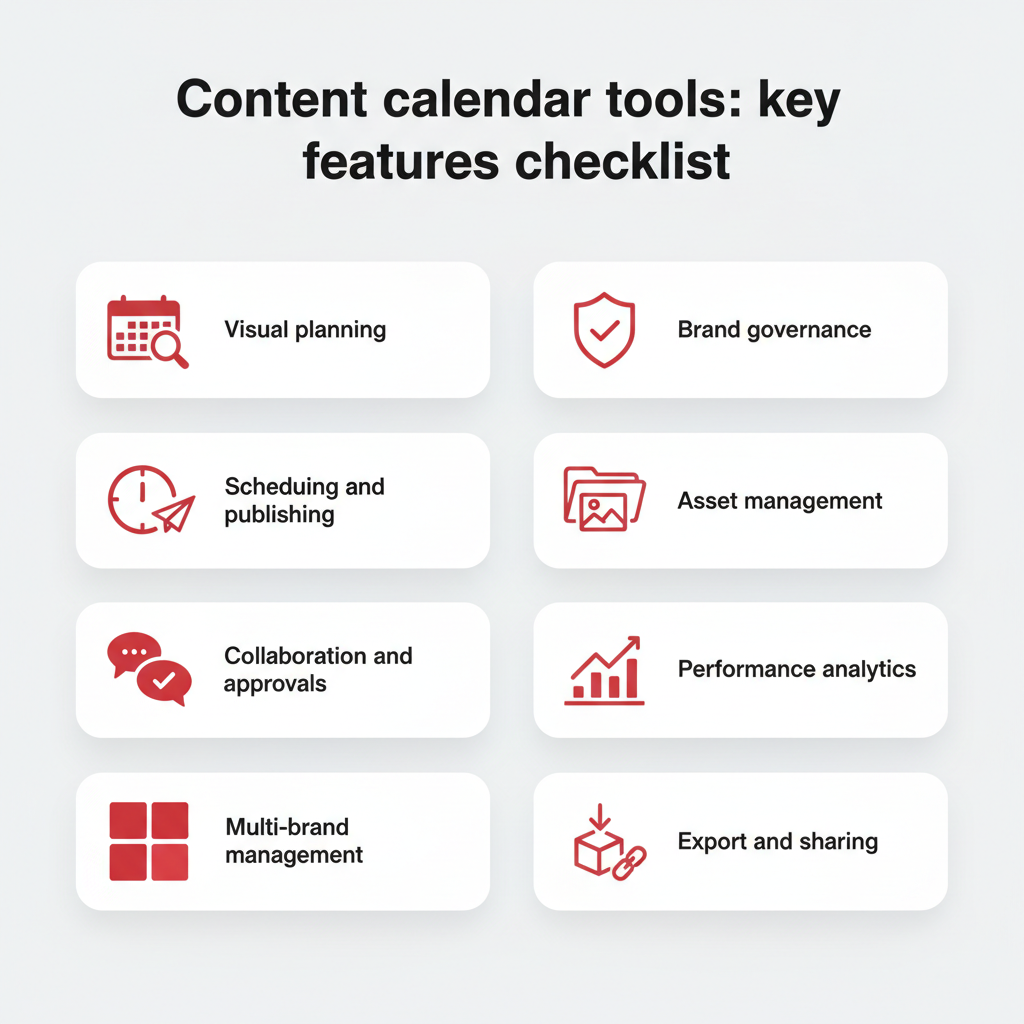
The best content calendar software distinguishes itself through a suite of integrated features designed to streamline every stage of the content lifecycle. Key functionalities typically include:
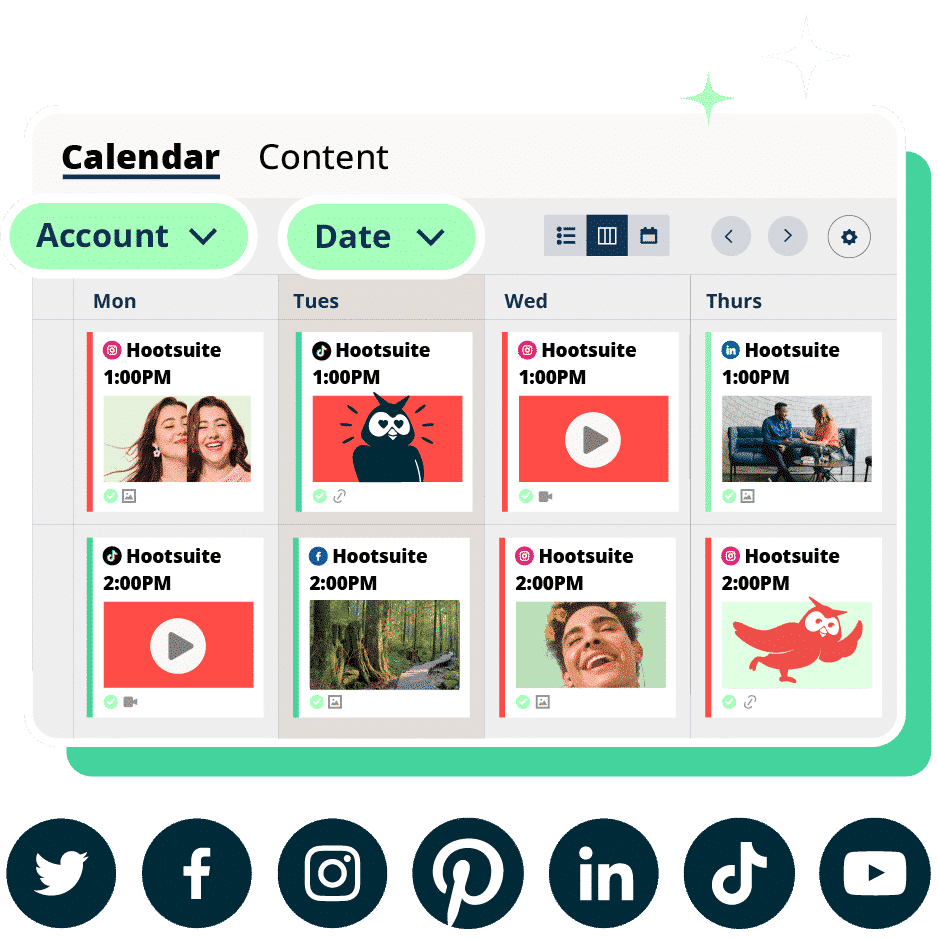
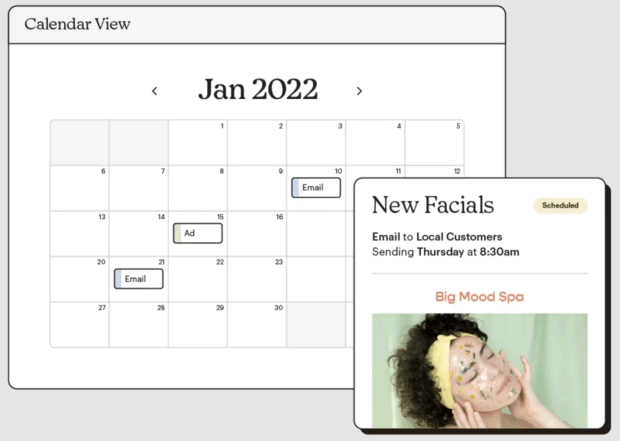
- Visual Planning: Intuitive calendar views, drag-and-drop interfaces, and customizable dashboards.
- Multi-Platform Scheduling: Ability to schedule posts across various social networks, blogs, and other digital channels.
- Content Creation & Management: Integrated tools for drafting copy, managing media assets, and storing content ideas.
- Collaboration & Workflow Management: Features for assigning tasks, setting deadlines, facilitating approvals, and tracking progress.
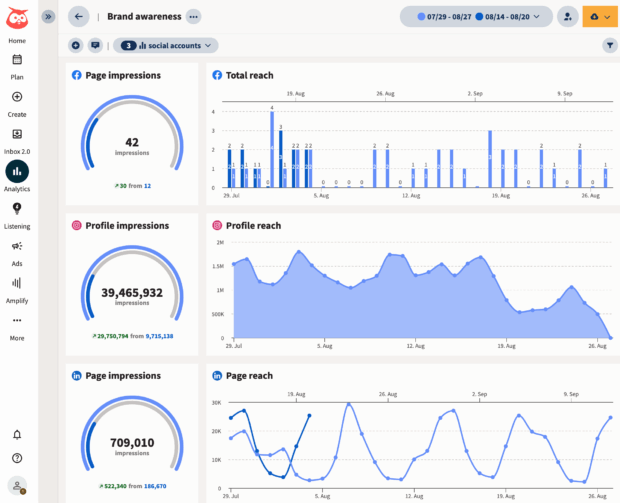
- Performance Analytics: Tools to measure engagement, reach, and other key metrics to inform future strategy.
- Automation: Options for recurring posts, content queues, and AI-powered content generation.
- Integrations: Connectivity with other marketing tools like CRMs, design software, and analytics platforms.
Beyond these technical features, the strategic benefits of adopting a content calendar tool are profound. They enable teams to:
- Enhance Brand Consistency: By planning content in advance, brands can ensure a unified voice, visual style, and thematic messaging across all touchpoints, reinforcing brand identity.
- Improve Efficiency and Productivity: Automating scheduling and centralizing assets drastically reduces manual effort, freeing up valuable time for creative development and strategic thinking.
- Foster Seamless Collaboration: Teams, often distributed across different locations and roles, can work together more effectively, with clear assignments, progress tracking, and feedback loops. Horna emphasizes this, noting, "Within the content calendar tool I use, you’re able to toggle between different views (such as spreadsheet, calendar, kanban, etc.). This helps me manage my team’s time effectively since I can create a view that suits their involvement in my project. They never need to see or sift through content that doesn’t apply to them."
- Optimize Content Performance: Integrated analytics provide real-time insights into what resonates with the audience, allowing for agile adjustments to content strategy and maximizing return on investment.
- Mitigate Risks: Pre-approvals and clear workflows help prevent errors, maintain compliance, and facilitate rapid response during crisis management.
- Support Scalability: As businesses grow and content demands increase, a robust content calendar tool can scale to accommodate more channels, team members, and content volume without a proportional increase in complexity.
In essence, these tools transform a potentially chaotic content creation process into a repeatable, scalable, and strategically aligned system, a critical capability for CMOs overseeing complex multi-channel strategies in 2026.
Leading Content Calendar Tools in 2026: A Comprehensive Overview
The market for content calendar tools is diverse, offering solutions tailored to various organizational sizes, budgets, and specific needs. Choosing the right platform involves assessing a tool’s features against a team’s operational demands and strategic objectives. Below is an in-depth look at some of the top content calendar tools available in 2026, including their strengths, limitations, and ideal use cases.
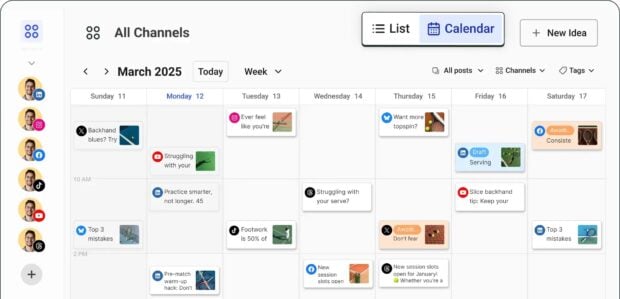
Hootsuite: The Enterprise Powerhouse
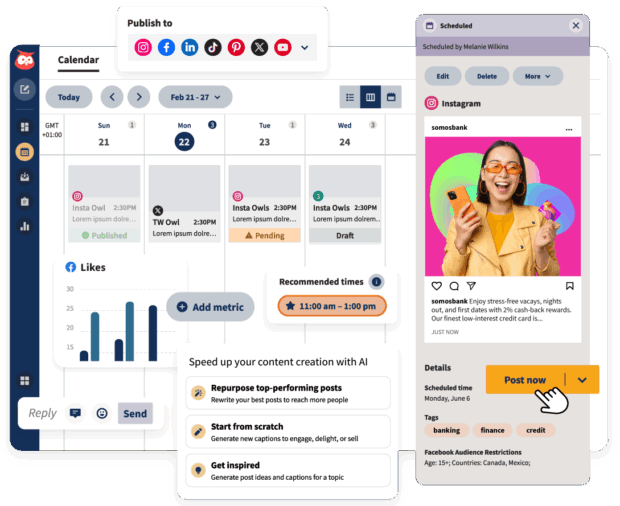
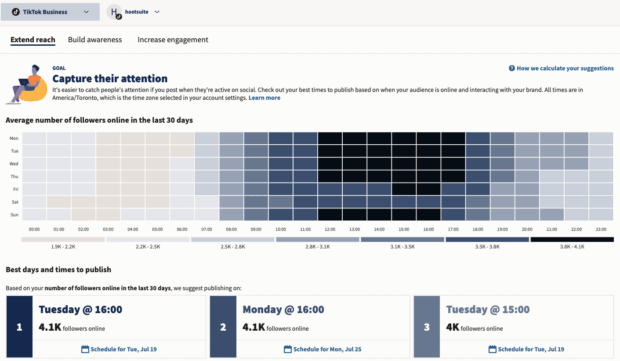
Hootsuite stands out as a premier choice for enterprise-level organizations and comprehensive social media teams. Its strength lies in offering an all-in-one dashboard that integrates diverse social media channels and accounts, simplifying the execution of complex campaigns. Key features include an intuitive social media content calendar with drag-and-drop functionality, bulk scheduling, real-time updates, and robust export options. The platform’s AI-powered tools, such as OwlyWriter AI, a rich content library, and seamless integrations with design tools like Canva, significantly enhance content creation. Hootsuite also excels in providing data-driven insights, recommending optimal posting times based on follower activity, and offering enterprise-level analytics for strategic optimization. Its advanced approval workflows and granular access restrictions are crucial for large teams requiring stringent governance and compliance.
- Best for: Enterprise and all-in-one social media teams requiring comprehensive management, analytics, and collaboration features.
- Top features: Social media calendar, bulk scheduling, approvals, AI-powered tools, content library, real-time analytics, crisis management, multi-platform integration.
- Pricing (as of 2026): Paid plans start at $199/month.
Asana: Project Management with Content Capabilities
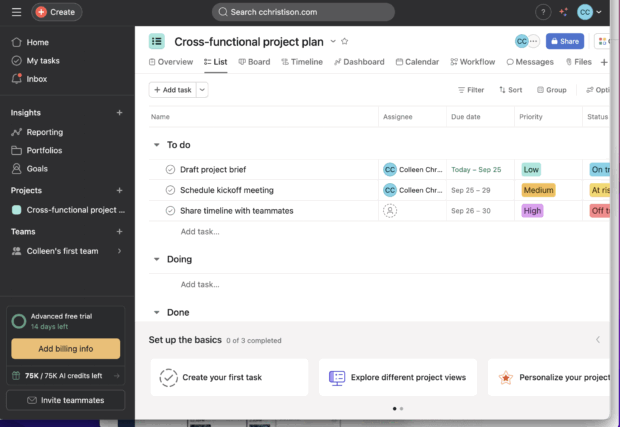
While primarily a project and workflow management tool, Asana has become a strong contender for mid-to-large marketing teams due to its adaptable nature. It allows for detailed task assignments, project tracking, and timeline visualization, which can be configured to serve as a robust content calendar. Its strength lies in cross-functional coordination, enabling marketing teams to align content production with broader campaign objectives. Asana offers various views (list, board, calendar, timeline), making it flexible for different team preferences.
- Best for: Mid-to-large marketing teams needing robust project management alongside content planning.
- Top features: Project and workflow management, calendar view, task assignments, dependencies, custom fields, collaboration.
- Pricing (as of 2026): Free starter plans, paid plans range from $14.49-$32.99/month.
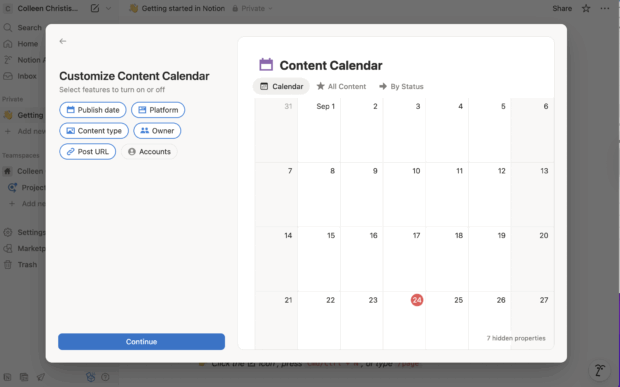
Notion: The Flexible Workspace
Notion is a highly customizable workspace that can be tailored to function as a lightweight content calendar, knowledge base, and editorial workflow hub. Its database capabilities allow users to create interconnected content pipelines, track statuses, and manage ideas. Notion’s affordability and flexibility make it ideal for individuals or smaller teams who prioritize customization over pre-built automation. However, it requires a more significant initial setup and lacks native social media publishing functionalities, often necessitating integrations with other tools.
- Best for: Flexible individuals or teams who need customizable content planning, knowledge bases, and hybrid editorial workflows.
- Top features: Customizable databases, calendar view, note-taking, templates, collaboration, linked pages.
- Pricing (as of 2026): Free starter plans, paid plans range from $10-$20/month.
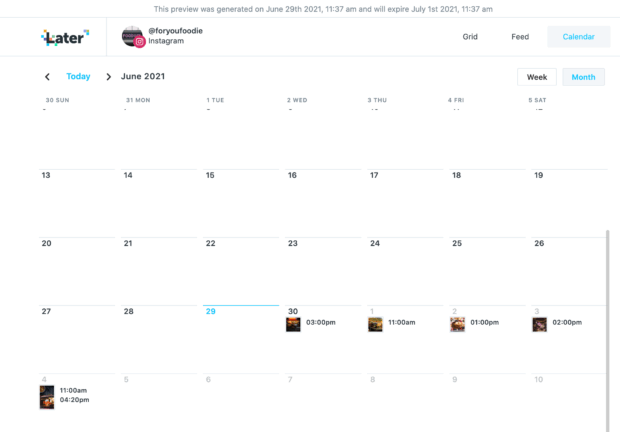
Later: Visual Planning for Creators
Later shines as a visual-first content calendar tool, particularly favored by small marketing teams, creators, and solopreneurs in visually driven industries like fashion, food, and lifestyle. Its intuitive drag-and-drop calendar and visual media library simplify the planning and previewing of Instagram grids and feeds. Later’s focus on visual content scheduling and hashtag suggestions makes it highly effective for platforms where aesthetics are paramount.
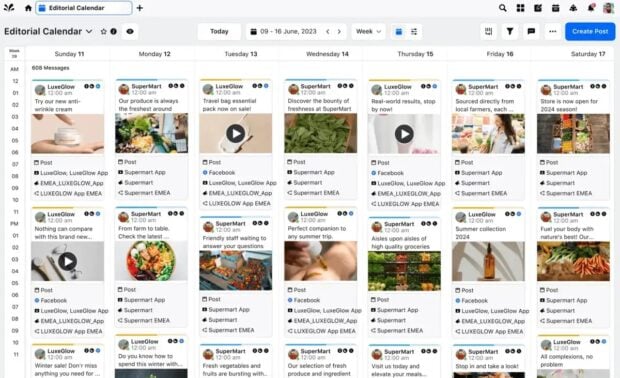
- Best for: Small marketing teams, creators, and solopreneurs specializing in visual content.
- Top features: Visual content calendar, media library, grid and feed preview, hashtag suggestions, analytics.
- Pricing (as of 2026): Plans start at $18.75-$82.50/month.
Buffer: Simplicity and Affordability
Buffer is renowned for its clean interface and ease of use, making it an excellent choice for solopreneurs and small marketing teams seeking an affordable and straightforward scheduling tool. It allows for basic scheduling, content queuing, and provides light analytics. Its browser extensions facilitate content curation and quick scheduling, minimizing the learning curve for new users.
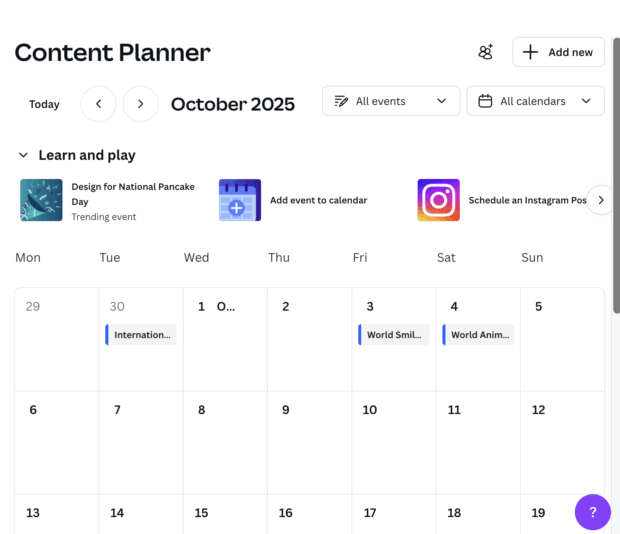
- Best for: Solopreneurs and small marketing teams prioritizing simplicity and affordability.
- Top features: Scheduling, basic analytics, content reuse, browser extensions, content queueing.
- Pricing (as of 2026): Free plans available, paid plans range from $5-$10/month.
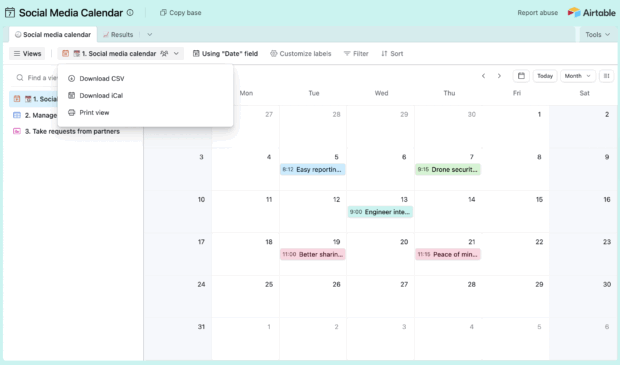
Airtable: Database Hybrid for Content Ops
Airtable combines the familiarity of a spreadsheet with the power of a database, making it exceptionally flexible for content planning and asset management for mid to large marketing teams. It excels in creating highly customizable content databases with multiple views, automations, and linked records, which are invaluable for tracking content through various production stages. However, it does not offer native social media publishing.
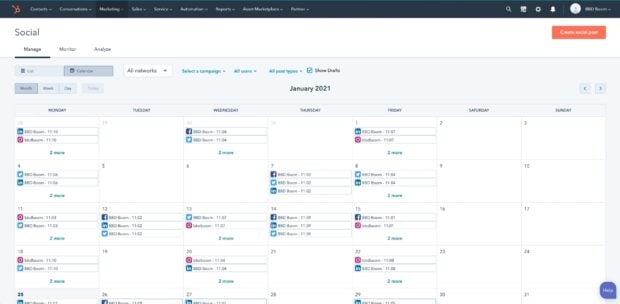
- Best for: Mid to large marketing teams that need customizable content databases and robust system maintenance.
- Top features: Spreadsheet + database hybrid, multiple views, automations, linked records, API access.
- Pricing (as of 2026): Free plans, paid plans start at $20-$45/month.
Sprinklr: Omnichannel for Global Enterprises
Sprinklr is an enterprise-level platform designed for large organizations managing multiple consumer touchpoints across numerous channels. It offers an exhaustive suite of features, including publishing, engagement, listening, advertising, and omnichannel messaging. Its strength lies in providing robust governance and compliance features essential for global brands.
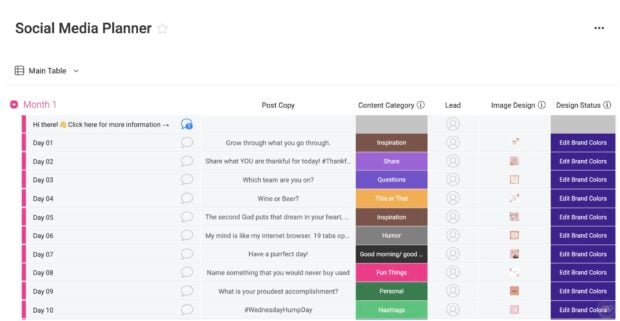
- Best for: Enterprise-level organizations managing complex omnichannel strategies and requiring advanced governance.
- Top features: Omnichannel publishing, engagement, listening, advertising, analytics, governance.
- Pricing (as of 2026): Not publicly listed, self-serve plans start around $299-$359/month.
HubSpot: Integrated Marketing Ecosystem
HubSpot is a comprehensive inbound marketing, sales, and service platform that includes social publishing capabilities. It is ideal for mid to enterprise marketing teams and B2B organizations already invested in the HubSpot CRM. Its key advantage is the unified view of marketing and sales data, allowing for powerful automation and seamless integration of social media efforts with broader marketing campaigns and customer relationship management.
- Best for: Mid to enterprise marketing teams and B2B organizations seeking a fully integrated marketing and sales ecosystem.
- Top features: Social publishing, CRM integration, email campaigns, marketing automation, analytics.
- Pricing (as of 2026): Free tools, paid accounts range from $15/month to $4,700/month for enterprise.
Monday.com: Visual Work OS for Campaigns
Monday.com is a highly visual Work OS that excels in managing multiple workflows and campaigns across various departments. Marketing teams can leverage its customizable boards, automations, and integrations to create a central hub for content planning, production, and execution. It’s effective for managing dependencies and visualizing project progress.
- Best for: Mid to large marketing teams managing complex workflows and cross-departmental campaigns.
- Top features: Customizable boards, automations, dependencies, integrations, dashboards.
- Pricing (as of 2026): Free plans, paid plans start at $26/month.
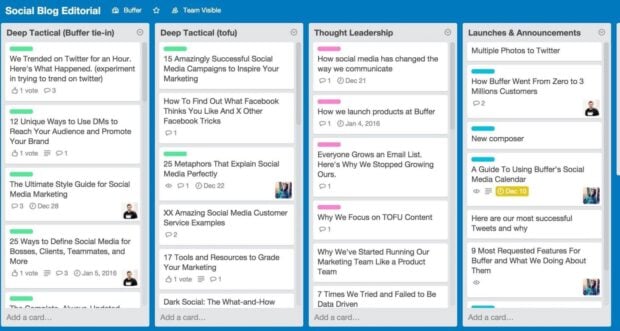
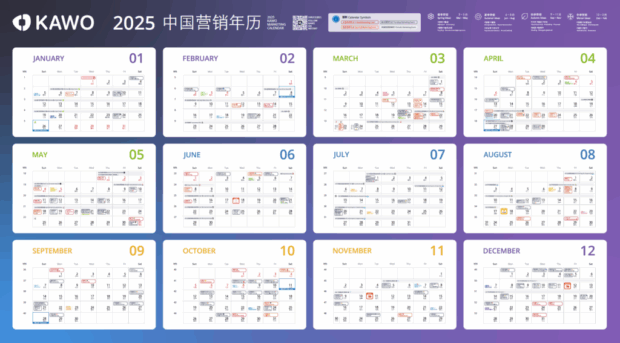
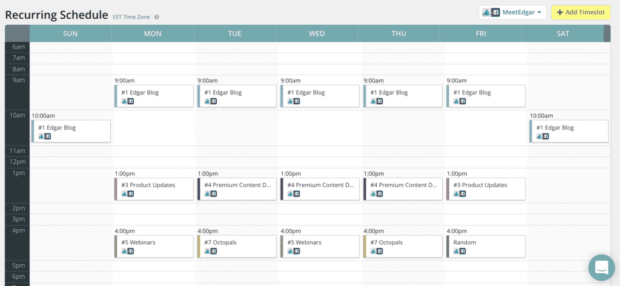
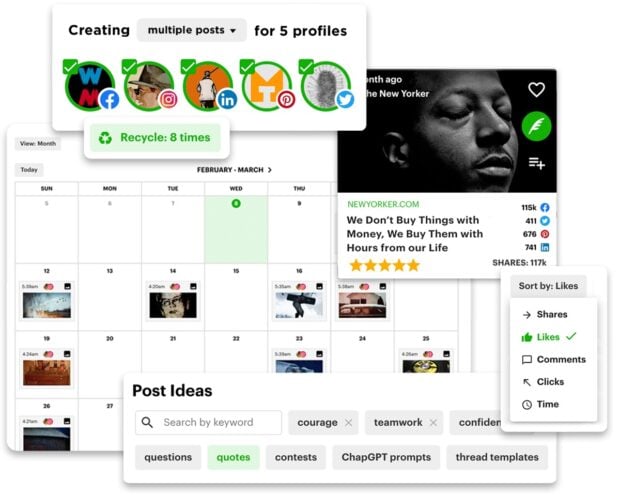
Other notable tools like Canva Pro offer basic content planning alongside its robust design capabilities, ideal for small teams or freelancers focused on visual content. Trello provides simple visual planning through Kanban boards, suitable for solopreneurs. KAWO specializes in Chinese social platforms, a critical niche for brands targeting that market. MeetEdgar focuses on evergreen content recycling for small teams, while Post Planner aids in content curation and scheduling. Mailchimp, primarily an email marketing platform, also offers social scheduling for integrated campaigns.
Strategic Selection: Choosing the Right Tool
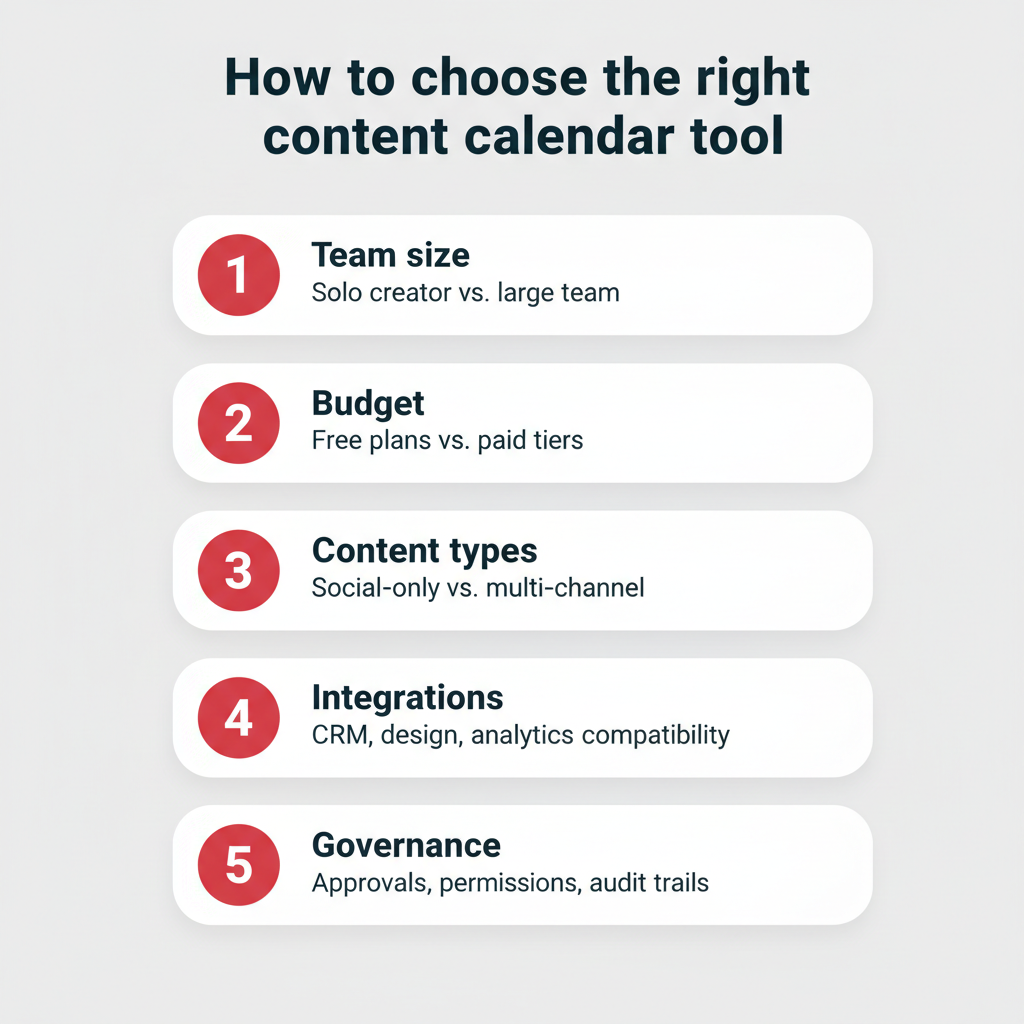
The selection of a content calendar tool is a strategic decision that should align with an organization’s specific needs and operational realities. Key criteria to guide this choice include:
- Team Size and Structure: Small teams or solopreneurs might prioritize simplicity and cost-effectiveness, while larger enterprises will require robust collaboration, approval workflows, and scalability.
- Budget Constraints: Tools range from free basic versions to expensive enterprise suites. A clear understanding of financial resources is crucial.
- Content Types and Volume: Teams producing highly visual content may prefer tools with strong media management, while those with diverse content forms (blogs, videos, social) need broader capabilities.
- Required Integrations: Compatibility with existing CRMs, design software, analytics platforms, and internal communication tools is vital for seamless workflow.
- Governance and Compliance Needs: Industries with strict regulatory requirements or large organizations with multiple brands will need tools offering advanced permissions and approval systems.
Carolina Horna advises, "Get your hands dirty and try out as many features as the tool has available. If your tool offers free templates, explore how some of those setups could improve your own template and workflow." Free trials are invaluable for evaluating the user experience and feature fit before a full commitment. The most effective tool is not necessarily the one with the most features, but the one that best integrates into and enhances a team’s unique workflow.
Building a Robust Content Calendar: A Five-Step Approach
Once the ideal tool has been selected, the process of constructing a functional content calendar involves a series of strategic steps to ensure its effectiveness.
- Define Content Goals and Channels: The foundation of any successful content calendar is a clear understanding of what the content aims to achieve (e.g., brand awareness, lead generation, customer retention) and which channels are best suited to deliver those objectives. This alignment ensures every piece of content serves a strategic purpose.
- Audit Existing Content and Identify Gaps: A thorough review of past content performance helps identify successful themes, underutilized topics, and inconsistencies in channel activity. This audit informs future content strategy and prevents redundant efforts.
- Choose Your Content Calendar Tool: As discussed, selecting a tool that matches team size, budget, and channel mix is critical for long-term success.
- Build Your Calendar Structure: This involves defining content pillars (recurring themes), establishing a consistent posting cadence for each channel, and assigning responsibilities. Most tools allow for categorization and tagging, offering an at-a-glance view of the content mix.
- Schedule, Publish, and Review Performance: The final stage involves populating the calendar with scheduled posts and campaigns. Crucially, this is an iterative process. Utilizing the tool’s analytics to track performance, understand audience engagement, and identify trends allows for continuous refinement and optimization of the content strategy. A content calendar is a dynamic document, requiring regular revisiting and refinement to adapt to evolving market trends and strategic objectives.
By following these structured steps, organizations can transform their content creation from a reactive scramble into a proactive, data-informed, and highly efficient operation. The investment in a dedicated content calendar tool is not merely an operational upgrade but a strategic imperative for maintaining relevance and achieving measurable success in the competitive digital landscape of 2026.
Related posts: