AWS Expands Its Global Footprint with New Permanent Builder Lofts in Berlin, Hyderabad, and São Paulo

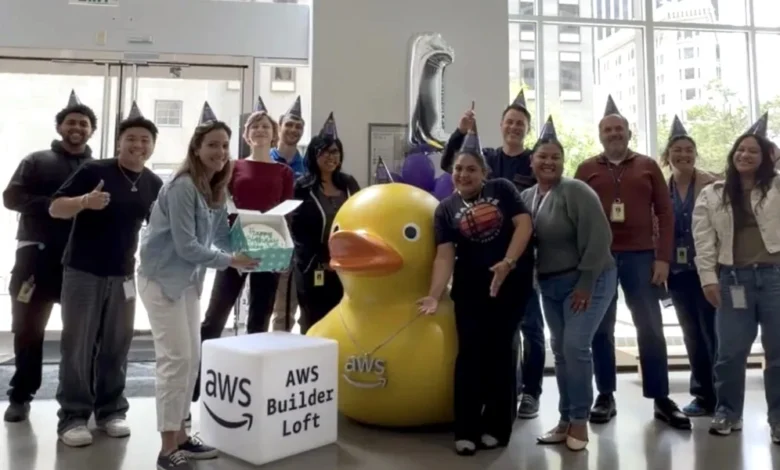
Amazon Web Services (AWS) has officially announced plans to expand its physical developer community infrastructure by establishing three new permanent AWS Builder Lofts in Berlin, Germany; Hyderabad, India; and São Paulo, Brazil. This major international expansion follows the successful pilot and operational rollout of the pioneering Builder Loft in San Francisco, which opened its doors in July 2025 and has since served more than 22,500 developers, students, startup founders, and independent technologists.
The introduction of these three new hubs marks a strategic evolution in how major cloud providers engage with local technology ecosystems. Moving beyond traditional temporary pop-up events and strictly digital forums, AWS is investing heavily in permanent, brick-and-mortar collaborative environments designed to foster hands-on learning, grassroots technical collaboration, and cross-border innovation.
Evolution of AWS Physical Spaces: From Pop-Up Lofts to Permanent Hubs
The concept of physical community hubs is not entirely new to AWS. In the early and formative years of the cloud computing industry, AWS established a strong international presence through a series of temporary installations known as AWS Pop-up Lofts. Located in major metropolitan areas around the world, these pop-up spaces were designed to provide startup entrepreneurs, software engineers, and cloud novices with access to technical experts, co-working areas, and educational events.
As technological paradigms shifted and the industry entered the generative artificial intelligence (AI) era, AWS adapted this model by launching AWS Gen AI Lofts. These specialized, pop-up style collaborative spaces were deployed globally to offer immersive, cutting-edge experiences centered specifically around machine learning models, foundational AI architectures, and developer tooling for generative applications.
However, leadership at AWS recognized a fundamental and growing demand within the global developer community for stability, continuity, and permanent physical infrastructure. While temporary spaces successfully served short-term educational campaigns and product launches, they lacked the long-term anchoring required to nurture deeply integrated, self-sustaining local tech ecosystems.
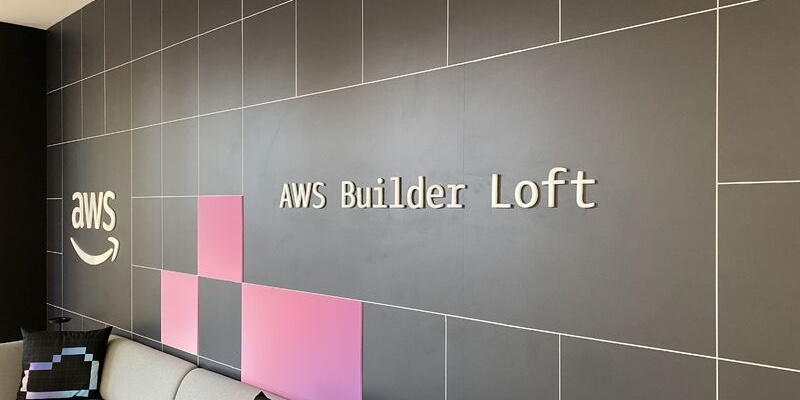
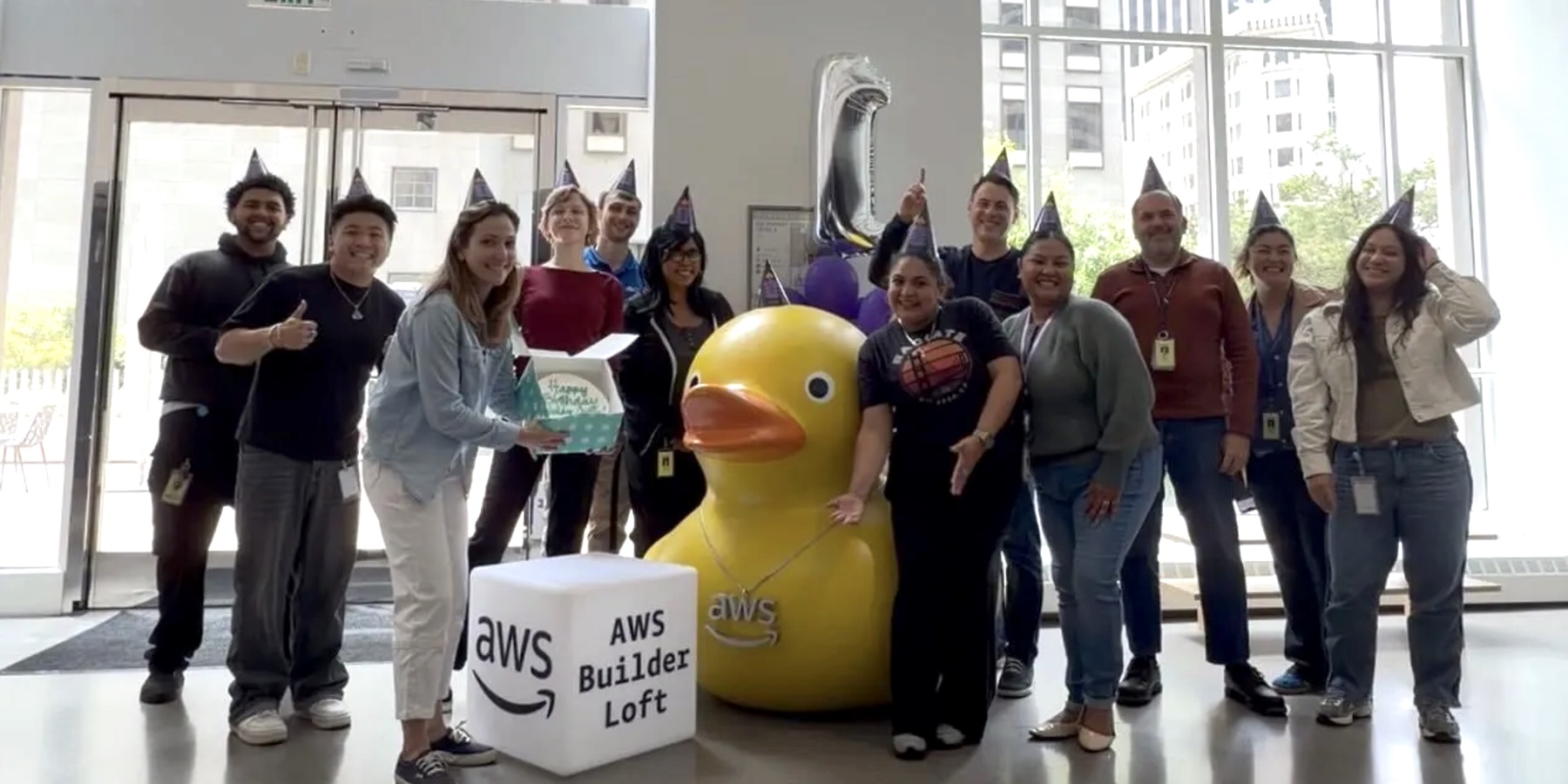
To address this gap, AWS conceptualized the Builder Loft model: a permanent, community-driven physical facility dedicated to continuous learning, networking, and project building. The flagship location in San Francisco served as the primary proving ground for this model. Since its launch in mid-2025, the San Francisco Builder Loft has established a robust operational footprint, functioning as a vibrant nexus for hackathons, technical workshops, demo nights, and collaborative working sessions.
Strategic Selection of Berlin, Hyderabad, and São Paulo
The decision to establish the next wave of Builder Lofts in Berlin, Hyderabad, and São Paulo reflects a careful, data-driven analysis of global talent density, startup activity, and regional innovation momentum. Each chosen city represents a critical anchor point within its respective geographic market, characterized by rapidly expanding developer populations and burgeoning technology sectors.
Berlin stands as Europe’s premier startup capital and a recognized epicenter for software engineering talent, fintech innovation, and open-source contributions. By placing a permanent Builder Loft in the German capital, AWS aims to provide a centralized physical base for the densely interconnected European tech community, bridging the gap between enterprise innovators, academic institutions, and independent developers.
Hyderabad, often celebrated as India’s premier technology and pharmaceutical corridor—frequently referred to as "Cyberabad"—possesses an extraordinarily dense concentration of technical talent, engineering students, and enterprise development centers. The establishment of a Builder Loft in Hyderabad underscores the strategic importance of the South Asian market, offering millions of regional developers and student groups a dedicated space for advanced skill development, hackathons, and collaborative engineering.
São Paulo serves as the economic engine of Latin America and the undisputed leader in the region’s venture capital and enterprise technology adoption. The introduction of a Builder Loft in São Paulo addresses the rapid acceleration of digital transformation across South America, providing a physical home for a passionate, fast-growing community of builders eager to leverage cloud infrastructure and generative AI technologies to solve local and global challenges.
Anatomy of a Builder Loft: A Typical Week in Operation
Designed with operational flexibility at its core, the physical architecture of a Builder Loft is engineered to adapt dynamically to the shifting needs of its community. A typical weekly calendar at an established Builder Loft—such as the model operating in San Francisco—features between four and eight distinct community-led events. These range from deeply technical architectural deep dives into generative AI and distributed systems to startup pitch nights, student coding bootcamps, and cross-industry networking mixers.

The spatial design facilitates this versatility through modular interior layouts. A primary training room that accommodates more than 50 students for a structured coding workshop on a Tuesday morning can be seamlessly reconfigured by evening into a dynamic demo stage. Here, early-stage startups can present functional prototypes to rooms filled with potential co-founders, investors, and engineering collaborators. On weekends, the facilities are opened up to independent community organizations, including established AWS User Groups and AWS Student Builder Groups, allowing them to host their own independent meetups free of charge.
A cornerstone of the Builder Loft philosophy is its community-driven governance model. While AWS provides the physical real estate, underlying digital infrastructure, safety protocols, and logistical support, the actual programming is organically shaped by the participants themselves. Local meetup organizers, independent developers, and regional tech leaders retain the autonomy to curate events that directly address the specific needs and interests of their local ecosystems.
Empowering Grassroots Tech Communities and Student Groups
The strategic intent behind the Builder Loft expansion extends far beyond simply promoting AWS-specific products or services. By opening these facilities to a wide array of external technology groups, AWS is positioning the spaces as neutral, open-access environments for the broader software engineering community.
Independent user groups, regional developer collectives, and academic organizations can request to book the spaces at zero cost to host their own meetups, study sessions, and collaborative hackathons. This open-door policy is designed to lower the barriers to entry for tech education, ensuring that students from local universities and independent developers operating outside traditional corporate structures have access to enterprise-grade facilities, high-speed connectivity, and professional presentation equipment.
Furthermore, the integration of AWS User Groups and AWS Student Builder Groups into these permanent spaces creates a vital mentoring pipeline. Seasoned cloud architects and industry veterans can directly engage with the next generation of software engineers, fostering mentorship relationships that bridge academic theory and real-world enterprise engineering practices.
Economic and Technological Implications
From a macroeconomic and industry analysis perspective, the expansion of physical developer spaces by major cloud providers highlights a broader structural trend: the hybrid nature of modern developer relations (DevRel). While the COVID-19 pandemic accelerated a massive shift toward remote work, virtual conferences, and digital-only collaboration platforms, the subsequent years have demonstrated an undeniable, persistent demand for physical collocation and face-to-face technical exchange.
Complex technical challenges—particularly those involving advanced domains such as generative AI, machine learning infrastructure, and distributed cloud architecture—frequently benefit from whiteboard sessions, tactile prototyping, and spontaneous networking that virtual meeting software struggles to replicate. By investing in permanent urban hubs, AWS is effectively subsidizing the physical infrastructure of innovation in key global markets.
For local economies, the presence of a dedicated Builder Loft can serve as a catalyst for entrepreneurial activity. By providing free access to co-working spaces, content creation studios, event hosting venues, and networking opportunities, the lofts reduce the overhead costs associated with early-stage startup incubation. Founders can iterate on products, pitch to potential angel investors, and recruit technical talent within a physical ecosystem designed explicitly for acceleration.
Future Outlook and Implementation Timeline
As of the current announcement, AWS leadership has indicated that comprehensive details regarding the exact launch dates, physical addresses, and inaugural event schedules for the Berlin, Hyderabad, and São Paulo locations will be rolled out sequentially through subsequent official blog posts and community channels.
In the interim, regional developers, community organizers, and prospective participants are encouraged to monitor ongoing updates via official AWS builder portals, including the centralized AWS Builder Loft information page and community blog posts published by AWS evangelist Channy Yun and other technical leaders.
With the San Francisco location having successfully proven the viability and high demand for permanent community-led developer spaces over the past year, the upcoming international expansion represents a significant commitment to nurturing grassroots technological innovation on a truly global scale.