LinkedIn 2026: A Comprehensive Analysis of the World’s Leading Professional Network


LinkedIn has cemented its status as the preeminent global platform for professional networking and B2B engagement, reaching a historic milestone of 1.4 billion registered members in 2026. As the platform celebrates its 23rd anniversary, it continues to evolve from a simple digital rolodex into a complex, high-stakes ecosystem for career development, corporate recruiting, and data-driven marketing. Under the leadership of newly appointed CEO Daniel Shapero—who assumed the role in April 2026 following a long tenure as Chief Operating Officer—the company has entered a phase of aggressive growth and technological integration, reflecting its central position within the Microsoft corporate portfolio.

The financial trajectory of the platform mirrors its expansion in user base. In fiscal year 2025, LinkedIn generated $17.8 billion in revenue, a significant increase from the $16.3 billion recorded in 2024. This momentum continued into 2026, with the platform reporting a 12% year-over-year revenue increase in the third quarter alone. A primary driver of this growth is the diversification of income streams, with the LinkedIn Premium subscription model surpassing $2 billion in annual revenue for the first time in 2025. This shift indicates a growing willingness among professionals to pay for enhanced visibility, advanced networking tools, and deeper insights into market trends.
A Chronology of Institutional Growth

Founded by Reid Hoffman in 2003—nearly a year before the inception of Facebook—LinkedIn was initially conceived as a niche tool for Silicon Valley professionals. Its acquisition by Microsoft in 2016 for $26.2 billion served as the catalyst for its transformation into a critical enterprise software asset. Over the past decade, the platform has successfully navigated the transition from a repository for resumes to a dynamic content hub.
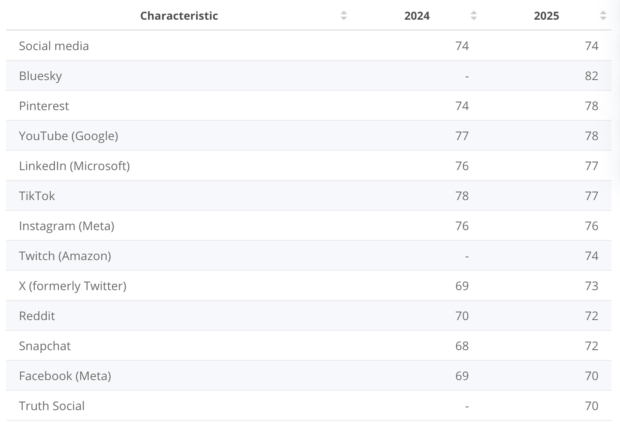
The leadership transition in 2026, moving from long-time executive Ryan Roslansky to Daniel Shapero, signals a strategic focus on stabilizing the platform’s core while integrating advanced AI-driven features. This change at the helm comes at a time when the platform is increasingly being used as a source of truth for professional discourse, consistently outperforming competitors like X and Instagram in customer satisfaction metrics. According to the 2025 American Customer Satisfaction Index, LinkedIn achieved a score of 77 out of 100, exceeding the broader social media average of 74 and reinforcing its reputation as a reliable and high-utility digital space.
Global Demographics and Market Penetration
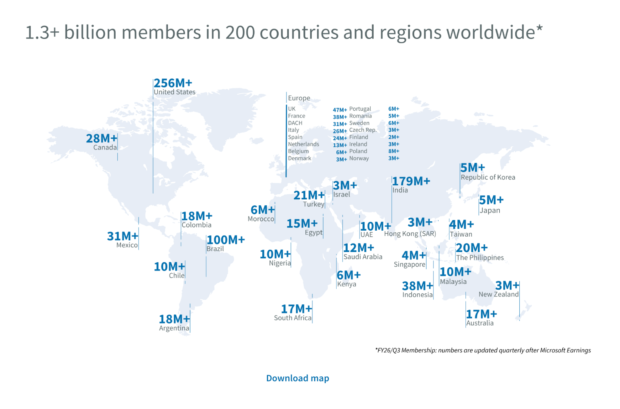
The reach of the platform is truly international, with over 78% of its user base residing outside the United States. While the U.S. remains the single largest market with 300 million members, other regions are seeing explosive growth. Brazil, in particular, hit the 100 million-member mark in mid-2026, joining the United States and India as the platform’s three most significant markets.
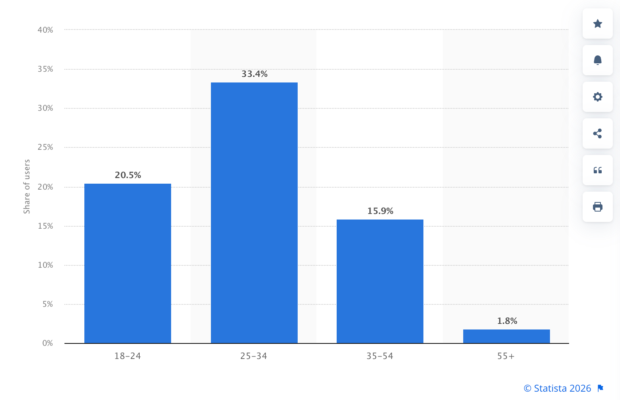
The age distribution of the user base is increasingly skewed toward younger, digitally native cohorts. The 25- to 34-year-old demographic constitutes the largest segment of the platform at 33.4%, positioning LinkedIn as the primary venue for early-to-mid-career professional development. Gen Z, currently representing 27% of the global workforce, is the fastest-growing demographic on the platform. This trend is expected to accelerate as this generation is projected to become the largest segment of the working population by 2035.
Educational attainment remains a defining characteristic of the LinkedIn user base, with over half of all users possessing at least a bachelor’s degree. This demographic density of highly educated, knowledge-work professionals makes the platform uniquely attractive to B2B marketers who require precise targeting based on job title, industry, and organizational seniority.
Engagement Trends: The Rise of Video and Executive Thought Leadership
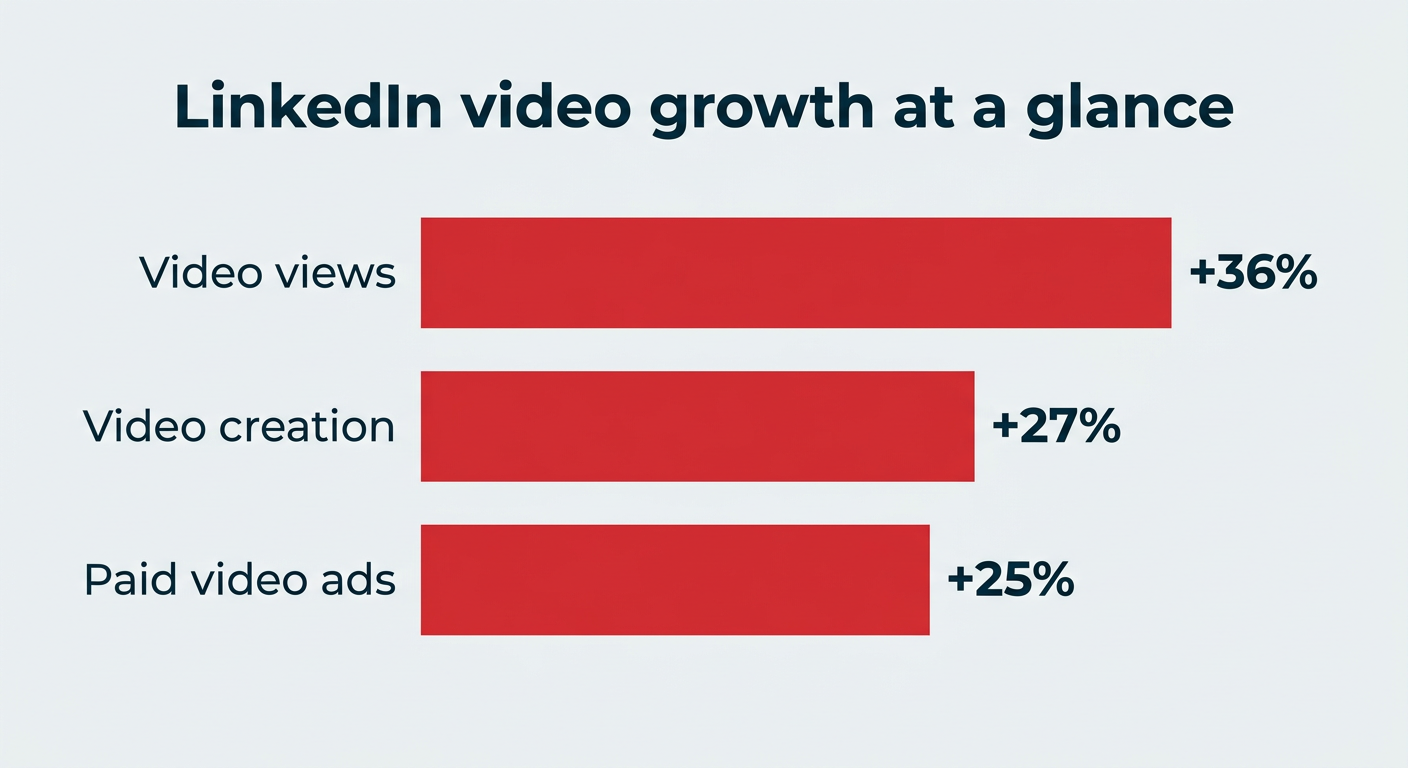
The nature of interaction on LinkedIn has shifted dramatically toward visual and short-form media. In 2026, video content emerged as the platform’s primary growth engine, with a 36% increase in video views and a 27% rise in video creation compared to the previous year. Internal data confirms that video posts generate five times more engagement than static text-based updates.
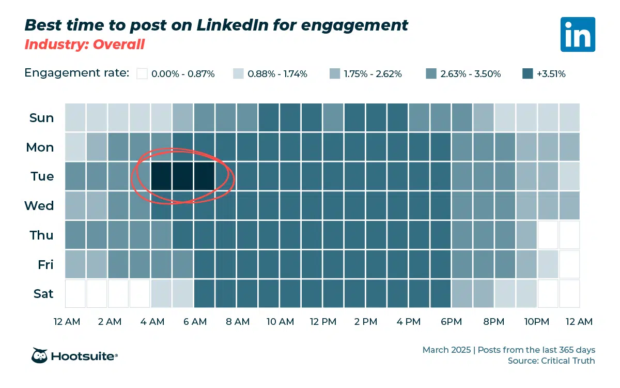
Equally significant is the rise of executive presence. CEO activity on the platform has surged by 52% over the last two years. This shift reflects a broader trend in corporate communications where leadership transparency and employee advocacy are viewed as essential components of brand equity. Organizations that leverage these executive voices, combined with a consistent posting cadence—ideally once per week—consistently report a doubling of content engagement rates.
The Strategic Value of LinkedIn for B2B Marketing
While the cost of advertising on LinkedIn remains higher than that of social platforms like Meta or Google Search, the return on investment (ROAS) remains superior for business-to-business enterprises. In 2026, the average cost per click (CPC) hovered around $6.93. Despite this premium, B2B marketers are increasingly flocking to the platform, with ad budgets rising by nearly 32% year-over-year.
The effectiveness of this spend is underscored by the long-term nature of the B2B sales cycle. Research from the 2026 B2B Benchmark Report indicates that the average duration from an initial ad impression to a closed sale is 281 days. This finding challenges the traditional short-term attribution models, suggesting that LinkedIn functions more effectively as a long-term brand-building tool that influences decision-makers throughout their extended research and procurement journey.
With 10 million C-suite executives and 63 million decision-makers currently active on the platform, LinkedIn offers an unparalleled density of authority. The platform is increasingly recognized as the primary channel for thought leadership, with 76% of B2B marketers identifying it as their most effective tool for establishing institutional trust.
Verification and the Integrity of the Professional Ecosystem
In an era of rising digital misinformation, the platform’s focus on verification has become a pillar of its strategy. By the end of 2025, LinkedIn surpassed 100 million verified members. This push for authenticity has tangible benefits: verified members see up to 60% more profile views, and verified company pages receive 10.9 times more views than their unverified counterparts. These figures highlight the importance of platform trust in driving professional discovery and recruitment.
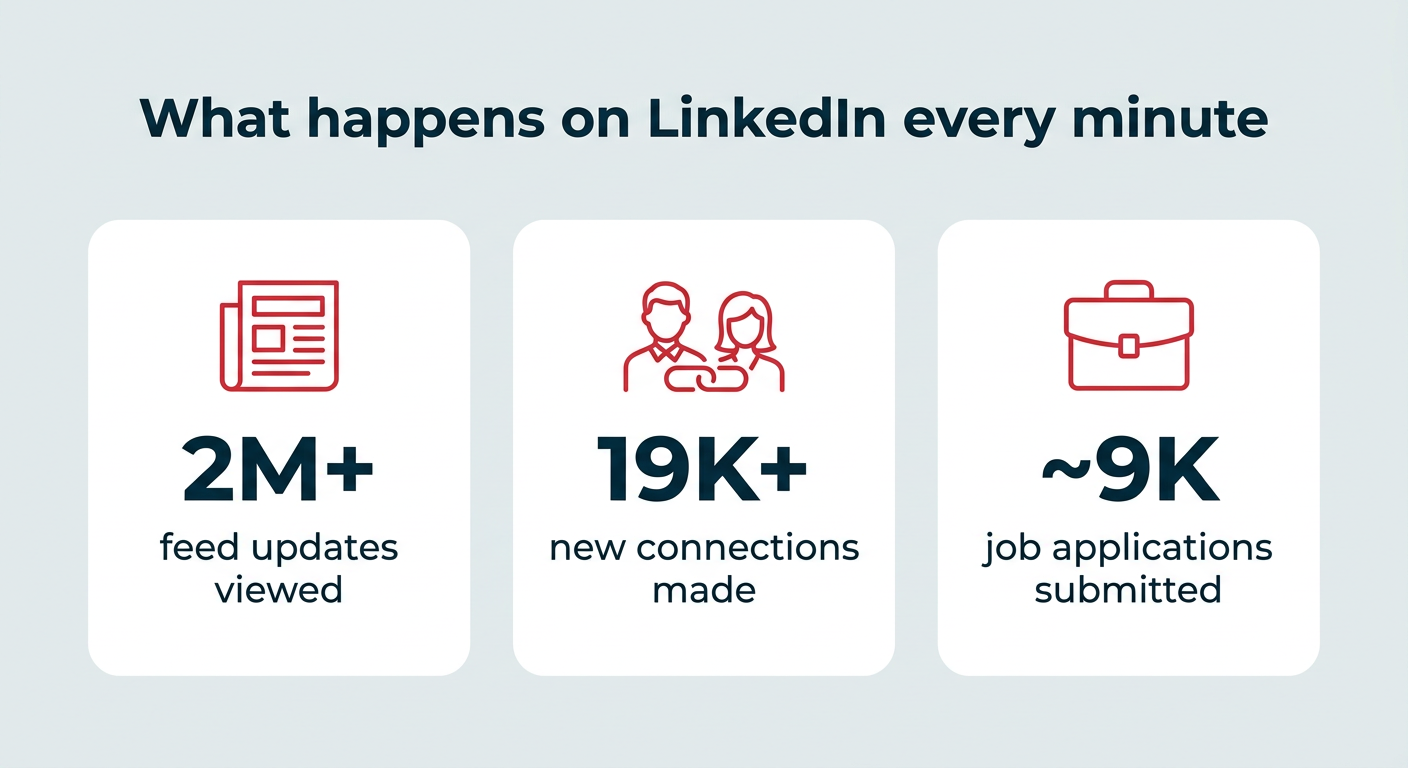
Recruitment remains a foundational pillar of the LinkedIn experience, with 9,000 applications submitted every minute. As the platform maintains its directory of 71 million companies and 145,000 educational institutions, it functions as the central nervous system of the global labor market.
Future Implications and Strategic Outlook
The data from 2026 points toward a platform that has successfully matured into a utility-based social network. For the individual user, the emphasis is on skill acquisition, networking, and career mobility. For the corporation, it is an essential hub for talent acquisition and high-intent B2B advertising.
However, the competitive landscape is shifting. With the rise of AI-driven search and decentralized professional communities, LinkedIn faces the dual challenge of maintaining its dominance while preventing platform fatigue. The integration of AI features designed to assist job seekers and recruiters is expected to be a key focus of the Shapero era.
As businesses continue to navigate an increasingly complex economic environment, the ability to reach high-intent audiences on LinkedIn will likely remain a non-negotiable component of any marketing strategy. The shift toward brand awareness campaigns, which doubled in share between 2024 and 2025, suggests that companies are looking beyond simple lead generation, viewing LinkedIn instead as a long-term environment for cultivating authority and market influence. In the coming years, the platform’s success will be measured not just by the sheer volume of its 1.4 billion members, but by its ability to remain the most trusted environment for the professional world to conduct business.