Navigating Instagram’s AI Disclosure Requirements: A Comprehensive Guide for Brands and Creators


The rapid proliferation of generative artificial intelligence has fundamentally altered the landscape of social media content creation, prompting platforms like Instagram to implement rigorous disclosure frameworks to ensure transparency and maintain user trust. As of late 2026, Instagram’s policy requires creators and businesses to explicitly label content that features realistic video, audio, or imagery generated or significantly altered by AI. Understanding these requirements is no longer optional; failure to comply can lead to reduced reach, algorithmic penalties, and potential reputational damage.
The shift toward mandatory disclosure began as Meta—Instagram’s parent company—responded to the growing concern regarding synthetic media and its potential to deceive users. In an era where AI-driven "deepfakes" and voice cloning technologies have become accessible to the general public, the distinction between authentic human experiences and machine-generated content has blurred. By requiring users to tag such content, Instagram aims to preserve the integrity of its platform, allowing audiences to distinguish between reality and computer-generated simulations.

A Timeline of the Regulatory Shift
The implementation of these policies follows a global trend of increased scrutiny over AI-generated media. Throughout 2024 and 2025, regulatory bodies—most notably the U.S. Federal Trade Commission (FTC)—intensified their focus on deceptive advertising practices. In August 2024, the FTC finalized rules banning fake reviews and testimonials that utilize artificial intelligence to misrepresent the source of product endorsements. This legislative environment pressured social media platforms to standardize how synthetic content is identified.
Meta responded by integrating C2PA (Coalition for Content Provenance and Authenticity) metadata standards. These standards allow platforms to automatically detect when content has been created using popular AI tools. If a creator fails to manually apply a label, Meta’s internal detection systems may automatically append an "AI info" tag to the post, which can sometimes result in a less-than-optimal user experience or decreased engagement if the content is flagged as potentially deceptive by the algorithm.

Distinguishing Between Content Types
The core of Instagram’s policy rests on the degree of realism within the content. Not all AI usage is treated equally under the current guidelines.
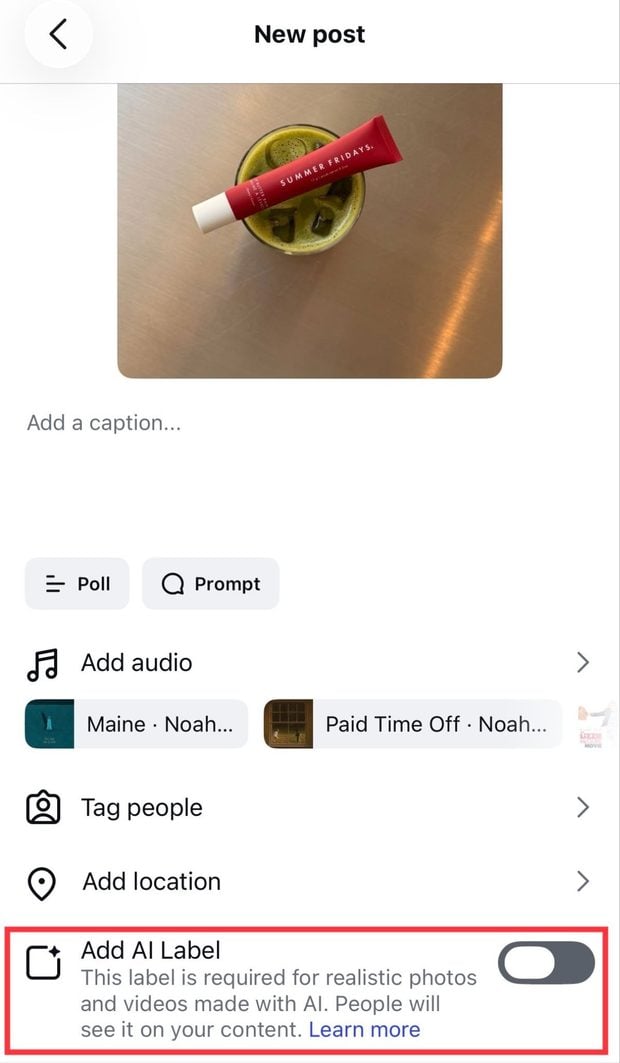
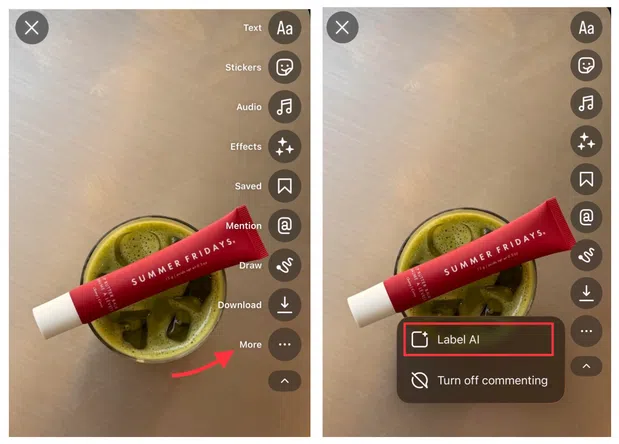
- Realistic Video and Audio: Content that features realistic-looking individuals created by AI or realistic-sounding voiceovers generated by software must be disclosed. This includes the use of voice cloning, which has become a significant concern for public figures and brands alike.
- Modified Reality: If a creator uses AI to swap scenery, add fake participants to a scene, or fundamentally alter the physical reality of a video, this must be labeled.
- Static Imagery: Interestingly, Instagram does not currently mandate a manual label for AI-generated still images. However, due to the aforementioned C2PA metadata, many AI-generated images will be automatically labeled by Meta regardless of the user’s input.
- Textual Content: AI-generated captions, scripts, or brainstorming sessions do not currently require disclosure. The focus remains squarely on visual and auditory media where the risk of misleading the viewer is highest.
Implications for Brands and Influencer Marketing
For brands, the implications of these policies extend beyond mere compliance; they touch upon the core of brand equity. Creative Director Ambreen Sharif notes that transparency acts as a defensive strategy for modern organizations. When an audience discovers that a company has been surreptitiously using AI to generate its spokespeople or customer testimonials, the resulting erosion of trust is often irreversible. By proactively disclosing AI use, brands signal a level of respect for their consumer base, which can actually foster deeper brand loyalty.
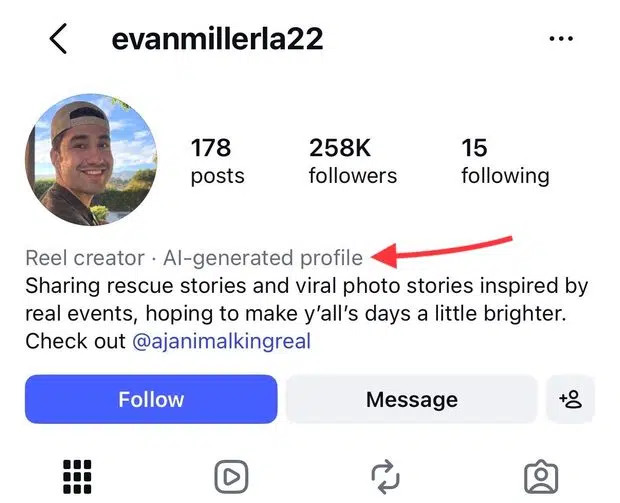
Furthermore, the "discovery" aspect of the platform is at stake. Instagram’s Explore page and recommendation algorithms prioritize content that aligns with user preferences. If an account is classified as an "AI-generated profile" but fails to use the appropriate profile-level tag, the platform may suppress that account’s reach. This is a critical risk for businesses that rely on viral growth to acquire new customers.
Managing Influencer Partnerships

A major pain point for brands is the reliance on third-party influencers. If a brand hires an influencer to produce a sponsored Reel, and that influencer uses undisclosed AI for voice synthesis or background manipulation, the brand faces both legal and reputational risks. The FTC’s Endorsement Guides explicitly state that brands are responsible for the disclosures made by the influencers they hire. Consequently, compliance officers are now mandating that "AI disclosure" clauses be included in all influencer contracts.
Best Practices for Internal Governance
To mitigate risk, marketing teams should adopt a standardized workflow that includes an "AI audit" step before any content is published. This process involves four key pillars:
Mapping AI Usage: Teams must first document which software tools are being used. Are designers using AI to upscale images? Are editors using AI for color correction or voiceovers? Identifying the specific touchpoints of AI allows for a clearer understanding of what triggers a disclosure requirement.
Profile-Level Configuration: For accounts that act as a "virtual influencer" or are managed entirely by an AI entity, the "AI-generated profile" toggle must be enabled in the settings. This ensures that every piece of content originating from the account is automatically associated with the disclosure, removing the burden of manual tagging on every single post.
Influencer Briefing: Contracts and creative briefs must explicitly state the brand’s expectation regarding AI disclosure. Brands should require influencers to provide a "pre-publish" report or simply ensure that the influencer is briefed on the specific legal requirements for that region and platform.
Approval Workflows: Utilizing content management platforms like Hootsuite can help integrate these checks. By building an "AI disclosure check" into the approval chain, managers can ensure that a second set of eyes verifies the labeling before the content reaches the public.
The Role of Technology in Compliance
As the volume of content increases, human oversight alone may be insufficient. Governance tools like Vigil, which allows for granular permission management, ensure that only authorized personnel can make decisions regarding content publishing. Furthermore, social listening tools like Lumen enable brands to monitor the sentiment surrounding their AI-driven campaigns. If a campaign is being negatively received, sentiment analysis can provide early warnings, allowing the brand to pivot its messaging before a minor issue becomes a PR crisis.

The Future of Synthetic Media Transparency
As the technology continues to evolve, it is likely that Instagram’s policies will become even more stringent. The current requirement for manual toggling is a transitional phase. In the near future, we can expect universal, platform-agnostic watermarking that makes it impossible to hide the origin of synthetic media.
For the present, the strategy for any serious social media team is simple: transparency is the best policy. The consequences of attempting to "hide" AI usage—whether through algorithmic suppression or public backlash—far outweigh the minor effort of toggling a switch. As we move forward, the brands that succeed will be those that embrace AI for its creative potential while maintaining a rigorous, honest relationship with their audience. By institutionalizing compliance, organizations can protect their reputation, maintain their reach, and continue to innovate within the rapidly changing parameters of the digital age.