Facebook Analytics Tools for 2026: A Comprehensive Guide to Tracking Paid and Organic Performance

In the evolving landscape of digital marketing, the ability to interpret data is the primary differentiator between brands that thrive and those that stagnate. As of 2026, Facebook remains a dominant force in the digital ecosystem, with 71% of U.S. adults utilizing the platform for news, networking, and commerce. However, the complexity of managing both organic reach and paid advertising campaigns requires sophisticated analytical oversight. To navigate this, marketers are increasingly shifting away from basic, fragmented dashboards in favor of integrated third-party analytics tools that offer cross-platform transparency and advanced predictive modeling.

The Evolution of Facebook Reporting
The landscape of social media analytics underwent a seismic shift in 2021 when Meta officially retired its standalone Facebook Analytics product. This transition marked a strategic move to consolidate reporting functions within the Meta Business Suite. While this integration simplified the user experience for small business owners by centralizing messages, ad spend, and post performance, it created a reporting gap for enterprise-level organizations.
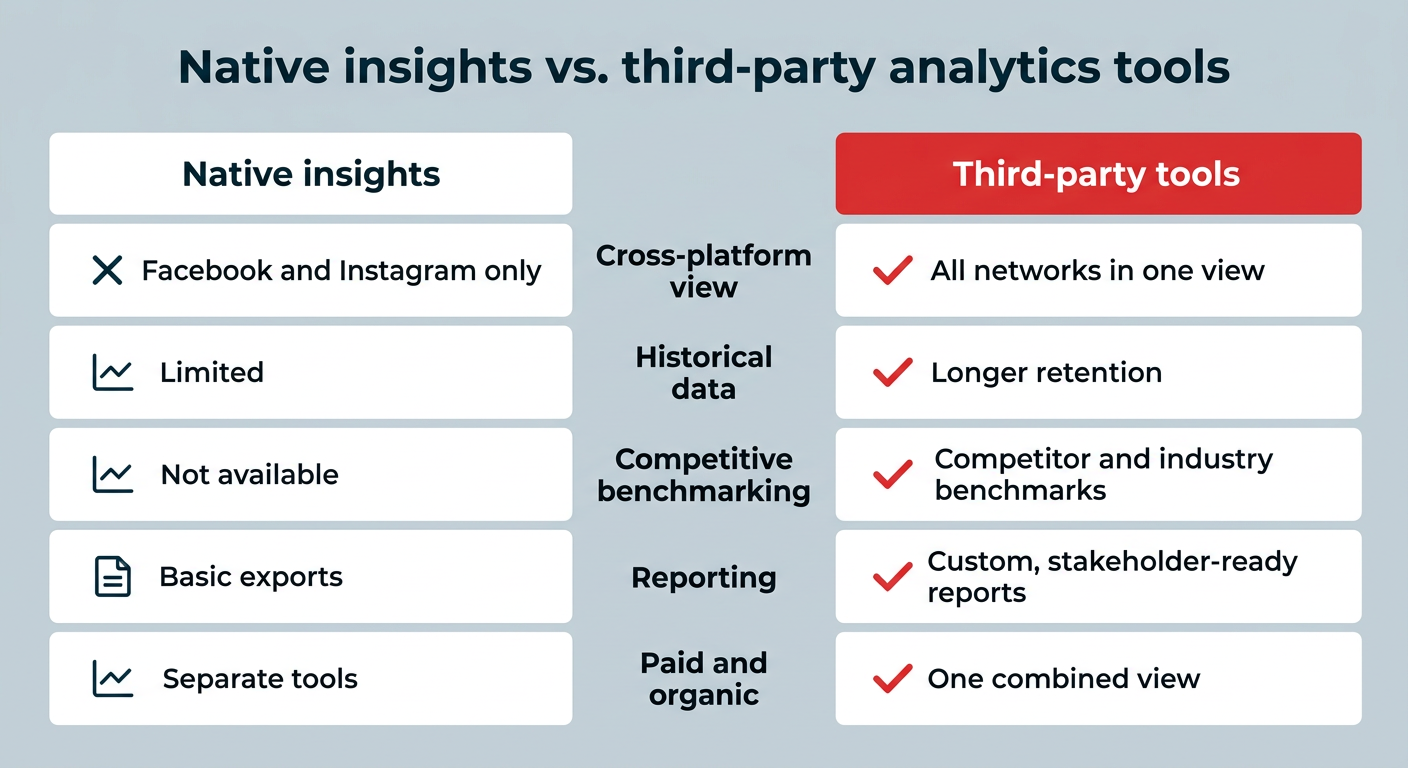
For professional social media managers, the current Meta Business Suite serves as a foundational baseline. It provides high-level metrics—reach, engagement, and audience demographics—but lacks the depth required for multi-channel attribution and long-term historical trend analysis. Consequently, the industry has seen a resurgence in the demand for third-party platforms that can aggregate data from Meta, X, LinkedIn, TikTok, and Pinterest into a single, cohesive interface.
The Case for Third-Party Analytics Integration
The necessity for advanced analytics tools is driven by the complexity of modern marketing funnels. A native dashboard is generally sufficient for a singular brand managing a Facebook Page with minimal overhead. Conversely, agencies or large corporations managing portfolios across multiple platforms require tools that provide:
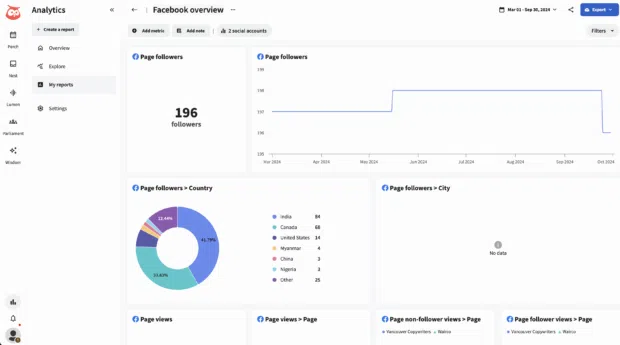
- Cross-Platform Benchmarking: The ability to compare Facebook performance against competitors or industry standards.
- Customizable Reporting: Automated, stakeholder-ready reports that distill raw data into actionable business intelligence.
- Social Listening Capabilities: Tools that monitor sentiment and brand mentions across the broader web, not just within the "walled garden" of Facebook.
- Data Retention: While native tools often cap data history, third-party software typically allows for years of historical data storage, enabling longitudinal studies of campaign effectiveness.
Comparative Analysis of Leading Analytics Tools for 2026
As the market matures, the differentiation between tools has become more pronounced, with platforms specializing in specific niches ranging from competitive intelligence to influencer tracking.
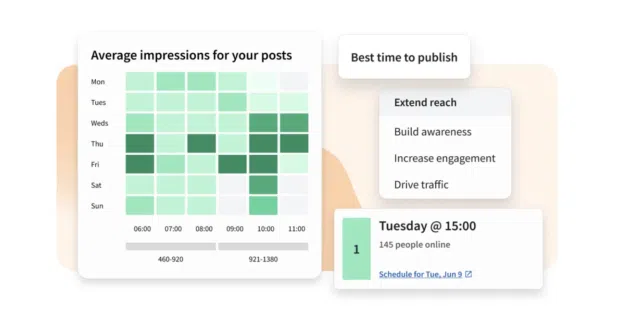
1. Perch by Hootsuite: The Enterprise Standard
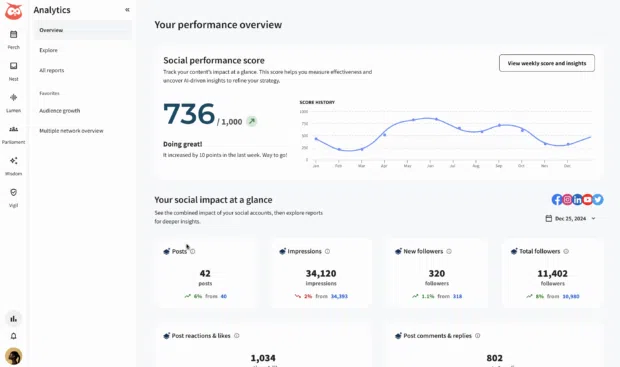
Perch by Hootsuite has positioned itself as the industry leader for organizations requiring comprehensive reporting. Its strength lies in its ecosystem; by integrating social media management with advanced analytics, it allows for seamless transitions from performance data to content strategy. Its "best time to publish" features and audience analysis tools provide data-driven recommendations that minimize guesswork.

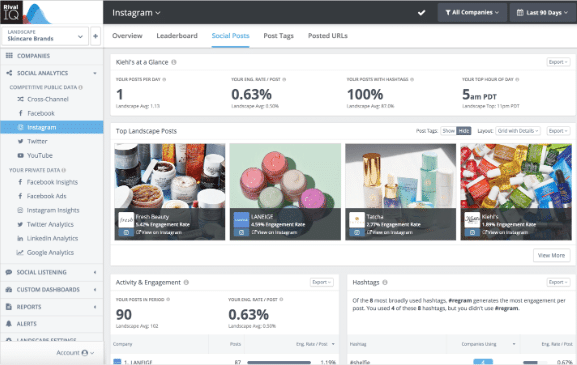
2. Rival IQ: Competitive Intelligence Specialists
For brands operating in hyper-competitive markets, Rival IQ offers unparalleled insight into rival strategies. By tracking competitor post frequency, engagement types, and content themes, it allows users to perform real-time gap analysis. This is particularly valuable for retail and lifestyle brands where viral trends can shift the market in a matter of hours.

3. Social Status: The Ad-Performance Heavyweight
Social Status has carved a niche in the paid advertising sector. Because it focuses heavily on the intersection of organic and paid reach, it is a preferred tool for performance marketers who need to justify ROI on ad spend. Its capability to track influencer campaigns alongside native brand content provides a holistic view of the conversion funnel.
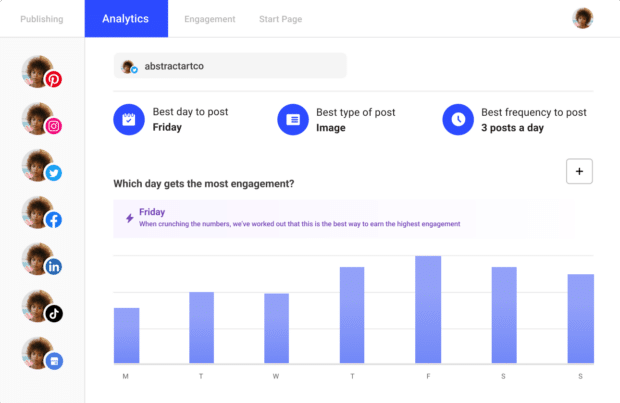
4. Facelift Data Studio: Granular Metric Customization
Targeted at data scientists and advanced analysts, Facelift Data Studio offers access to over 350 distinct performance metrics. This platform is less about "ease of use" and more about "depth of insight," allowing for deep-dive API integrations and custom dashboards that satisfy the most demanding corporate reporting requirements.
Key Metrics and Goal-Oriented Measurement
A common pitfall for organizations is the "vanity metric" trap—focusing on likes or follower counts at the expense of business-critical data. A professional approach to analytics requires segmenting data by the specific goal of the campaign:

- Awareness Goals: Focus on reach, impressions, and video view-through rates. These metrics answer the question of brand visibility within the target demographic.
- Engagement Goals: Prioritize engagement rates, shares, and saves. High-quality engagement is a leading indicator of brand loyalty and community health.
- Conversion Goals: Track click-through rates (CTR), cost per result, and lead acquisition costs. These metrics serve as the primary indicators of a campaign’s bottom-line impact.
- Health and Sentiment: Utilize sentiment analysis and negative feedback rates to gauge brand perception and mitigate potential PR crises before they escalate.
The Analytical Loop: A Strategic Framework
Effective use of these tools is not a one-time exercise but a continuous, iterative cycle. High-performing teams follow a standardized workflow:

- Define Objectives: Every campaign must start with a clearly defined KPI.
- Establish a Review Cadence: Weekly, monthly, and quarterly reports should be automated to ensure consistency.
- Identify Patterns: Look for correlations between content types, posting times, and audience reaction.
- Benchmark: Compare results against historical performance and industry averages to set realistic future goals.
- Test and Adjust: Use A/B testing to refine creative elements based on the data, creating a feedback loop that consistently improves ROI.
Broader Implications for the Industry
The shift toward data-informed decision-making is fundamentally changing the role of the social media manager. The professional in this space is no longer just a content creator; they are now a data strategist. As artificial intelligence becomes increasingly integrated into these analytics platforms, we can expect a future where predictive analytics—forecasting the success of a post before it is even published—becomes the standard rather than the exception.

Furthermore, the emphasis on data privacy and the changing regulatory environment in the EU and North America means that brands must ensure their analytics tools are compliant with evolving data-sharing standards. Tools that prioritize first-party data and secure API connections will continue to win market share over those that rely on deprecated tracking methods.

Conclusion: Choosing the Right Path
Selecting an analytics tool for 2026 should be based on the specific needs of the organization’s reporting structure. For small businesses, Meta Business Suite provides a free and sufficient starting point. However, as organizations grow and reporting requirements become more complex, transitioning to a dedicated third-party platform is an essential investment.

Whether the primary goal is competitive benchmarking, cross-platform consolidation, or deep-dive paid advertising analysis, the tools currently available offer a level of transparency that was unthinkable only a decade ago. By adopting a rigorous, metric-focused strategy and leveraging the right software, businesses can move beyond the noise of social media and turn their Facebook presence into a reliable engine for growth.