Federal investigators unmask nexus between ransomware negotiators and the notorious ShinyHunters hacking group

The landscape of cyber-extortion has shifted into a darker, more complex territory following revelations that high-level executives within the ransomware negotiation industry may have been operating in league with the prolific hacking collective known as ShinyHunters. U.S. federal authorities, currently spearheading a massive investigation into the group responsible for over $70 million in extortion proceeds this year alone, have identified evidence suggesting that executives at two distinct ransomware remediation firms maintained illicit, symbiotic relationships with the hackers. Among the most startling allegations is that a U.S.-based executive allegedly provided operational support for "shinywire.com," an extortion portal designed to pressure victimized companies into paying ransom demands.
The ShinyHunters brand has been a persistent threat since its emergence in 2019. Originally rooted in France, the group evolved through several leadership transitions as early members faced arrest and incarceration. By 2026, the mantle had passed to a teenager from Amman, Jordan, known by the moniker "Rey." Following the September 2026 arrest of key operative Pepijn van der Stap in the Netherlands, the FBI intensified its scrutiny, ultimately uncovering digital footprints that linked the group’s inner circle to the very professionals tasked with negotiating against them.

A Chronology of Escalation
The recent surge in investigative activity follows a series of high-stakes provocations by ShinyHunters. In late September 2026, the group breached the FBI’s recruitment portal, fbijobs.gov, exfiltrating sensitive personnel records including Social Security numbers, medical history, and specific details on employee specializations. This act of audacity prompted a rapid, multi-jurisdictional response.
- September 15, 2026: Dutch authorities conduct a tactical raid using flash-bang grenades to apprehend Pepijn van der Stap. The seizure of his electronic devices, particularly his Signal messaging history, provided the "smoking gun" that exposed his communication with ransomware negotiators in the U.S. and Canada.
- October 3, 2026: Reuters reports that the Jordanian teenager "Rey" has been detained and is actively cooperating with the FBI, a move that likely provided the final pieces of the puzzle for investigators.
- October 9, 2026: The FBI executes the arrest of Edward Dubrovsky, a 54-year-old Canadian cybersecurity executive. Prosecutors have since moved to keep him in custody, citing the severity of his alleged role in facilitating the disclosure of stolen data.
- October 16, 2026: The "shinywire.com" portal, which had been active since May 2026 and hosted extortion demands for nearly 100 victims, is shuttered following the mounting pressure from federal law enforcement.
The Anatomy of the Betrayal
The investigation into Edward Dubrovsky and his peers highlights a dangerous structural flaw in the cybersecurity ecosystem. Industry experts have long raised concerns about the "moral hazard" created when firms are paid a percentage of the ransom amount. When a negotiator’s compensation is tied to the total sum extorted, their incentive to drive down the price or protect the client’s interests is fundamentally undermined.
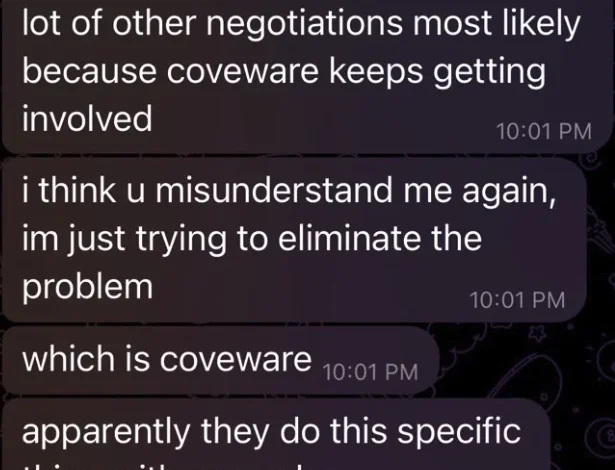
Internal messages recovered from Van der Stap’s devices suggest that these executives were not merely passive intermediaries; they were proactive participants. Sources close to the investigation indicate that certain negotiators possessed intimate knowledge of upcoming breaches—often before the victims themselves had discovered their networks were compromised. In the case of the FBI breach, evidence suggests that Dubrovsky was aware of the theft of sensitive federal data but failed to notify the bureau, allowing ShinyHunters to leverage the threat of publication against the very institution that guards the nation’s security.

The extortion portal "shinywire.com" served as the primary tool for this scheme. By automating the display of stolen data samples and providing a countdown timer for publication, the site turned cyber-extortion into a streamlined service. Victims like Intuitive Surgical, which suffered a breach in March 2026, were funneled through this digital gauntlet, often with the guidance of "experts" who claimed to be assisting in recovery while secretly facilitating the attackers’ demands.
Industry Context and the "Ghostbyte" Connection
The investigation has also shed light on the professional history of Daniel Tobok, the former CEO of the Toronto-based cybersecurity firm Cypfer. Interviews with former colleagues and forensic analysis link Tobok to the alias "Ghostbyte," a handle that appeared as early as 2018 in correspondence with the Dharma ransomware group. In that instance, a victim was explicitly directed by a ransomware affiliate to contact "[email protected]" to secure a "guarantee" that their data would be decrypted upon payment.
While Cypfer has officially distanced itself from these activities—asserting that its business model does not include the facilitation of ransomware payments and noting its recent acquisition by the Apros Group—the connections between former executives at these firms remain a focal point for federal prosecutors. The complexity of these corporate shifts, involving firms like Cytelligence and Aon Cyber Solutions, underscores the difficulty in tracking the movement of key personnel who may be leveraging their industry credentials to facilitate illicit activities.

The Broader Impact on Cybersecurity Policy
The revelation that ransomware negotiators may be colluding with the very actors they claim to combat has sent shockwaves through the insurance and incident response industries. Mark Camillo, CEO of CyberAcuView, has called for radical transparency, noting that the current financial incentives are "misaligned." When a firm stands to profit from the size of a ransom, they cease to be an advocate for the victim and become an accomplice to the crime.
Furthermore, the case of the PowerSchool breach serves as a grim cautionary tale. Despite a $2.85 million payment assisted by CyberSteward, the stolen data was not permanently secured; it continued to circulate, leading to secondary waves of extortion against individual school districts. This failure validates the warnings issued by reputable firms like Coveware and Unit 221B, which have consistently advocated against paying ransoms—a stance that frequently earned them direct threats and harassment from the ShinyHunters leadership.
Official Responses and Legal Implications
The Department of Justice is signaling a shift toward more aggressive prosecution of these "middlemen." The recent charges against MonsterCloud CEO Zohar Pinhasi, who allegedly paid $8 million to hackers while charging clients $19 million, and the sentencing of Angelo Martino for his collusion with the Blackcat/ALPHV group, indicate that the government is no longer viewing ransomware remediation as a protected or exempt industry.

As the investigation into ShinyHunters continues, the implications for the cybersecurity sector are profound. Organizations are now being forced to re-evaluate their reliance on third-party negotiators. For many, the incident serves as a stark reminder that in the shadow-economy of digital crime, the lines between "security expert" and "extortionist" have become perilously thin.
The FBI’s success in penetrating the communication channels of these groups marks a turning point in the battle against ransomware. By unmasking the individuals who bridged the gap between the dark web and the boardroom, federal investigators are dismantling the infrastructure that has allowed groups like ShinyHunters to operate with near-impunity for years. As court proceedings begin for those arrested, the industry anticipates a long-overdue reckoning regarding transparency, ethics, and the role of third-party intermediaries in the face of escalating global cyber threats.