The Evolution of the Instagram Link in Bio as a Cornerstone of Social Commerce Strategy


The phrase "link in bio" has evolved from a colloquial social media shorthand into a critical pillar of modern digital marketing infrastructure. As Instagram continues to solidify its position as a primary gateway for consumer product discovery and brand interaction, the ability to effectively channel traffic from a social profile to a conversion-ready landing page has become a definitive metric for business success. With Instagram boasting a massive global user base of 3 billion monthly active users, the strategic optimization of this single digital real estate has transitioned from a basic profile feature to a sophisticated, data-driven revenue engine.

The history of the Instagram bio link reflects the platform’s broader shift from a photo-sharing application to a comprehensive social commerce ecosystem. In the platform’s nascent years, the inability to include clickable URLs in captions or comments created a friction point for brands attempting to monetize their reach. For nearly a decade, users were forced to manually update their singular profile link to reflect current campaigns, a cumbersome process that often led to lost opportunities and broken consumer journeys.
This restrictive environment persisted until 2023, when Instagram introduced a significant update allowing users to include up to five clickable URLs in their bio section. While this expansion provided relief for small businesses and creators, it also introduced a new challenge: the "collapse" of secondary links. Only the primary URL is displayed prominently; additional links require a user to tap and expand the menu. In an era where digital attention spans are measured in seconds, this additional interaction layer represents a significant drop-off point for potential customers. Consequently, the reliance on third-party "link-in-bio" tools—which centralize multiple destinations into a single, optimized landing page—has remained a dominant strategy for enterprises and mid-market brands alike.
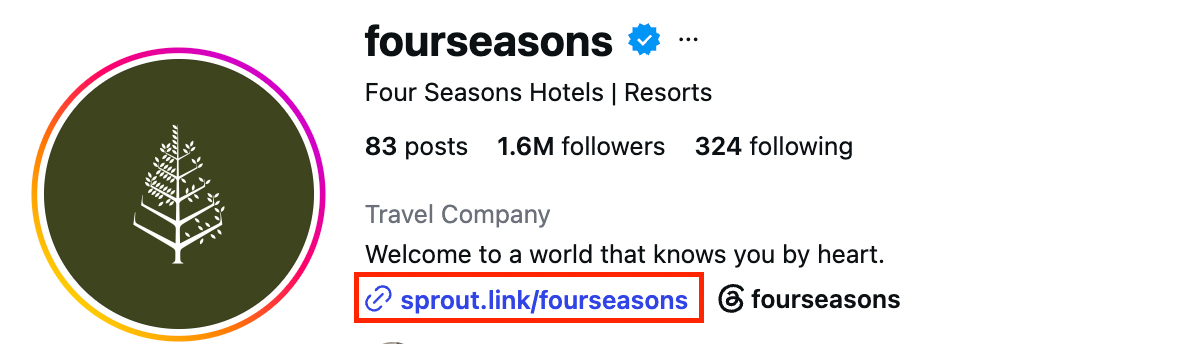
Data from the 2026 Social Media Content Strategy Report highlights the urgency of this optimization. With 65% of social media users maintaining an active Instagram profile, and 60% of consumers interacting with brand content on the platform multiple times per week, the "link in bio" serves as the vital bridge between brand awareness and transaction. For brands in the retail, leisure, and financial services sectors, the ability to direct a user to a specific product page or service portal within one or two clicks is no longer a luxury—it is a functional necessity for maintaining competitiveness in the $104 billion U.S. social commerce market.
The comparative advantage of using specialized link-in-bio tools versus the native Instagram interface is substantial. While native links are sufficient for static, low-volume campaigns, they lack the granular tracking, aesthetic branding, and deep-link integration required for high-frequency social selling. Analytical studies have shown that businesses utilizing these third-party tools observe, on average, 17% higher engagement rates compared to those relying solely on the native platform tools.
The demographic breakdown of these users further underscores the trend. Among adults aged 18 to 29, 80% are active on Instagram, making it the most critical environment for brands targeting younger, digitally native consumers. When these consumers interact with a post, the expectation is a seamless transition to a purchase interface. Any friction, such as a dead link or a confusing navigation path, significantly increases the likelihood of cart abandonment.
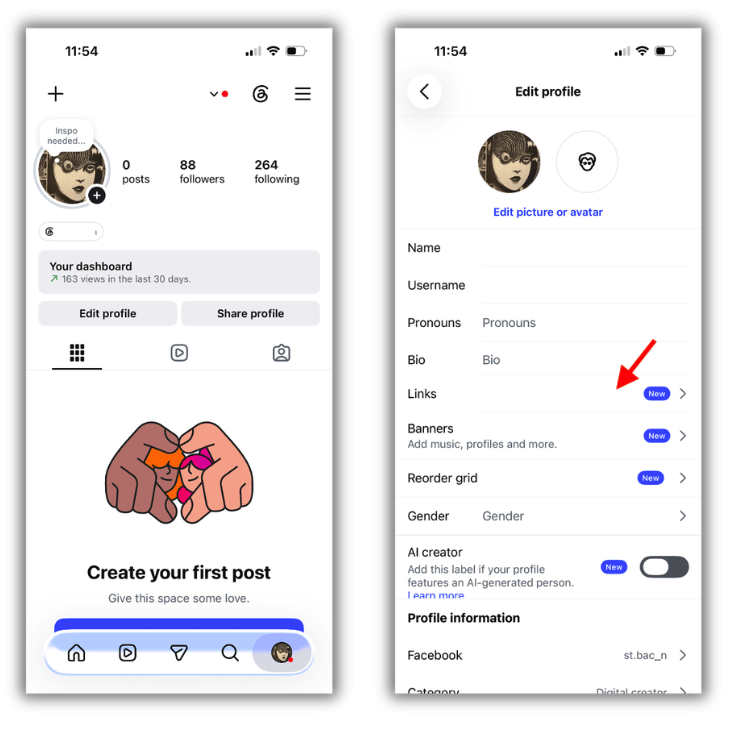
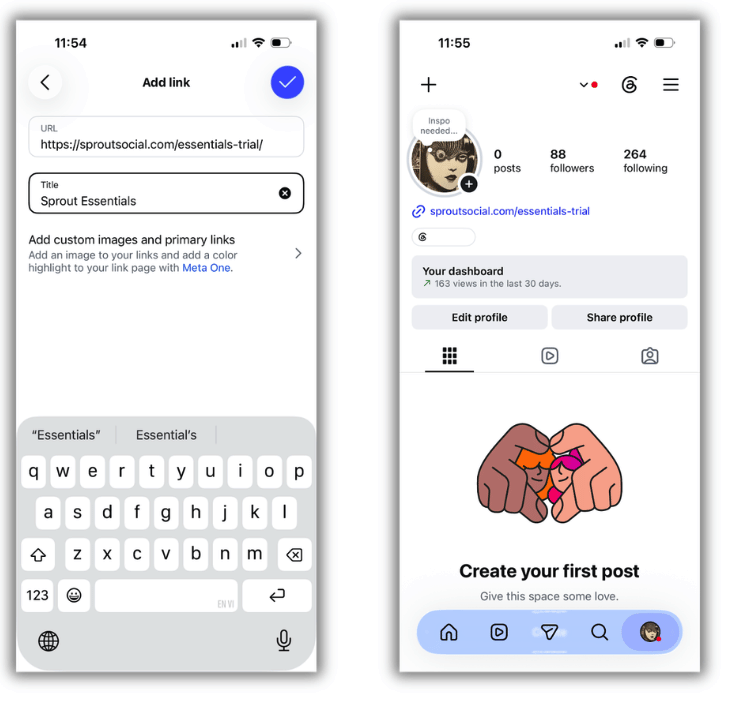
The implementation of these tools is straightforward yet requires a strategic approach. To add a link, a user must navigate to the "Edit Profile" section, select the "Links" field, and input a destination URL paired with a descriptive title. However, the most effective marketers go beyond simple URL placement. By utilizing UTM (Urchin Tracking Module) parameters, businesses can gain visibility into the exact origin of a click—whether it came from a specific Reel, a Story, or a static feed post. This level of attribution is the cornerstone of modern ROI measurement. When enabled through professional-grade social management software, these links automatically append tracking codes, providing marketing teams with a clear view of which content formats drive the highest conversion rates.
Industry-specific performance data reveals that the impact of link-in-bio optimization is not uniform. Small businesses, which often lack the massive marketing budgets of enterprise-level firms, see the most pronounced gains from these tools, reporting up to 23% higher daily engagement. This suggests that for smaller entities, the "link in bio" is a great equalizer, allowing them to compete for attention by providing a frictionless, professional shopping experience that mirrors the quality of larger, more established competitors.
In the consumer products and services sector, the link-in-bio page often functions as a dynamic "digital catalog." By embedding shoppable images that mirror the Instagram grid, brands remove the need for customers to search through a website manually. This creates a "discovery-to-purchase" cycle that is increasingly efficient. For instance, the luxury hospitality sector has effectively utilized these tools to allow users to book specific properties directly from visual content, bypassing multiple steps in the traditional reservation funnel.

Financial services, a sector once thought to be incompatible with the visual-first nature of Instagram, has also seen a surge in effectiveness through link optimization. Reports indicate that these firms have experienced a 40% increase in daily impressions by providing clear, secure links to whitepapers, career portals, and customer service hubs within their bios. This reinforces the broader industry sentiment that Instagram is not merely a platform for lifestyle branding, but a legitimate professional channel for building trust and facilitating complex consumer interactions.
Despite the obvious benefits, the success of a link-in-bio strategy relies on adherence to best practices. Professional marketers emphasize the importance of keeping link titles concise and action-oriented. An ambiguous "Link 1" is significantly less effective than a clear, value-driven CTA like "Shop New Arrivals" or "Download Q3 Financial Report." Furthermore, maintaining a clean, mobile-first design is essential. Since the vast majority of Instagram users access the platform via smartphones, the landing page must be optimized for rapid loading and intuitive navigation.

As of 2026, the consensus among industry analysts is that the "link in bio" remains one of the most underutilized assets in the marketer’s toolkit. While many brands focus heavily on content production—investing thousands in high-quality video and photography—the final step of the funnel often remains an afterthought. The transition from "view" to "action" is where the most significant business value is generated. By treating the link-in-bio as a premium, high-traffic digital storefront, brands can transform their social media presence from a top-of-funnel awareness tool into a measurable driver of bottom-line revenue.
Looking forward, the integration of AI-driven analytics into these tools will likely provide even deeper insights into user behavior, allowing brands to personalize the landing page experience based on the specific post from which the user arrived. As the lines between social media and e-commerce continue to blur, the "link in bio" will likely undergo further iterations, potentially moving toward more native, interactive shopping interfaces that further reduce the distance between the consumer and the checkout button. For now, the imperative remains clear: prioritize the transition from discovery to conversion by treating every profile link as a high-stakes opportunity for engagement.
Related posts: