The Anatomy of Conversion: How Strategic Calls to Action Drive Social Media Success and Digital Engagement


In the hyper-saturated landscape of modern digital marketing, capturing consumer attention has become increasingly challenging. As global digital ad spending continues to rise, platforms across social media, email, and the web are flooded with competing messages. Recent industry statistics indicate that over 22 percent of internet users actively utilize ad blockers, frequently citing ad fatigue as a primary motivator. Within this crowded ecosystem, the call to action (CTA) has emerged as the critical pivot point that determines whether a marketing campaign succeeds or fails.
A call to action functions as a direct prompt designed to guide a target audience toward a specific, measurable objective, ranging from completing an e-commerce purchase to subscribing to a newsletter or downloading an informational resource. While foundational to digital advertising, the construction and execution of an effective CTA require a nuanced understanding of consumer psychology, linguistic precision, and strategic placement. Industry analysts and conversion rate optimization (CRO) experts emphasize that a well-crafted CTA mitigates consumer decision fatigue, provides necessary direction, and significantly enhances overall campaign ROI.
Defining the Core Mechanics of an Effective CTA
At its most fundamental level, a call to action bridges the gap between passive content consumption and active engagement. CTAs can vary dramatically in length and complexity, spanning from concise two-word commands like "Buy Now" or "Download Now" to extended phrases such as "Subscribe today so you will never miss a post."

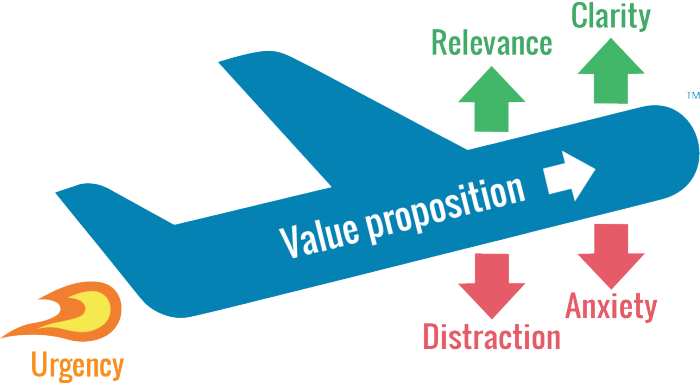
Regardless of length, successful CTAs share common psychological drivers. They establish clarity regarding the next step, create a sense of urgency, and clearly communicate value. According to foundational conversion frameworks like the LIFT Model—developed by optimization firm WiderFunnel—a high-performing CTA must harmonize multiple conversion factors: relevance, clarity, urgency, and value proposition. For instance, a phrase like "Download this ebook now" successfully integrates relevance (download), clarity (this ebook), urgency (now), and an overarching value proposition.

Marketers generally deploy two primary structural approaches: single, highly-focused primary CTAs or a combination of primary and secondary CTAs. While single-minded CTAs reduce cognitive load and direct user focus, multi-tiered approaches are often utilized in longer-form content, such as comprehensive email newsletters or detailed landing pages, to cater to users at different stages of the decision-making funnel.

Linguistic Strategies: Verbs, Emotion, and Sensory Language
Writing high-performing CTAs within the strict character limits typical of paid social media placements demands strict economy of language. Industry best practices dictate starting a CTA with a strong action verb, followed by an adverb, a direct object, or both.

Different industry verticals rely on distinct linguistic patterns tailored to their specific conversion goals:

- E-commerce brands utilize action-oriented verbs such as "Buy," "Shop," "Order," "Reserve," and "Add to Cart."
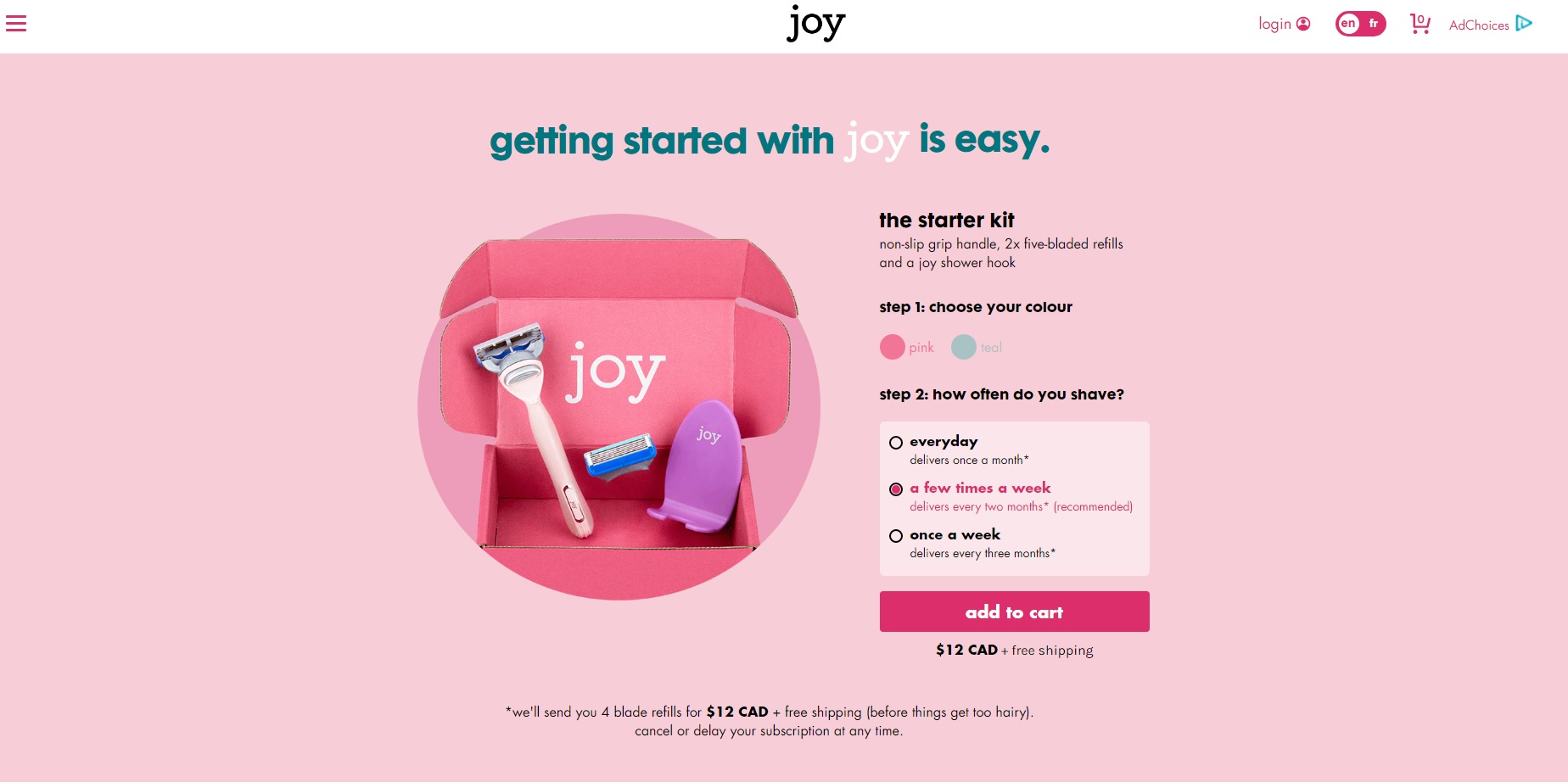
- Software-as-a-Service (SaaS) providers focus on adoption and onboarding verbs like "Try," "Get Started," "Subscribe," and "Sign Up."
- Non-profit organizations leverage community-driven and philanthropic language, including "Donate," "Commit," "Volunteer," and "Support."
- Content publishers and freebie distributors employ acquisition verbs such as "Download," "Get," "Grab," and "Claim."
Beyond functional commands, brands frequently employ emotional resonance and sensory language to cultivate deeper connections with audiences. Longer, more evocative CTAs utilize modifiers that provoke enthusiasm or evoke specific feelings. For example, wellness applications and lifestyle brands often integrate sensory terminology—such as Headspace’s memorable prompt, "Snuggle up to Headspace"—to personalize the brand experience and foster psychological comfort. Similarly, e-commerce innovators like period-care brand Thinx have successfully utilized grammatical subversion, transforming nouns into action verbs (e.g., "Period better") to capture attention and differentiate their messaging in competitive markets.

Empirical Evidence and Split-Testing Insights
The financial impact of optimizing a call to action is well-documented through rigorous empirical research and controlled split-testing. Far from being a mere stylistic afterthought, the presence, design, and phrasing of a CTA directly influence customer acquisition costs and conversion volumes.

Comprehensive studies on button versus plain-text formatting have consistently demonstrated the superiority of clickable interface elements. Research highlighted by optimization organizations reveals that integrating a dedicated CTA button into standard article templates can increase content-driven conversions by up to 83 percent, while boosting e-commerce conversion rates by 22 percent. Furthermore, data compiled by copywriting authorities indicates that styling a CTA to resemble an interactive button rather than hyperlinked text yields an average conversion rate increase of 45 percent.

Controlled experiments conducted by digital advertising platforms further underscore these findings. In a $1,000 ad-spend experiment testing various CTA button variations on Facebook, researchers discovered stark disparities in performance. The highest-performing button configuration ("Download") generated 49 conversions at a cost of $5.10 per acquisition. Conversely, campaigns utilizing no clickable button whatsoever yielded only 20 conversions, driving the cost per acquisition up to $12.50. These findings illustrate that selecting an suboptimal CTA can more than double advertising expenditures for identical audience reach.

To combat variance in audience response, modern marketing operations rely heavily on multivariate testing and automated optimization engines. By systematically evaluating combinations of CTA copy, button placement, and chromatic contrast, organizations can dynamically allocate ad spend toward top-performing variants while automatically pausing underperforming iterations.

Cross-Platform Best Practices: From Social Media Ads to Landing Pages
Deploying effective CTAs requires contextual adaptation across diverse digital channels, each characterized by unique user behaviors and platform limitations.
Facebook and Paid Social Advertising
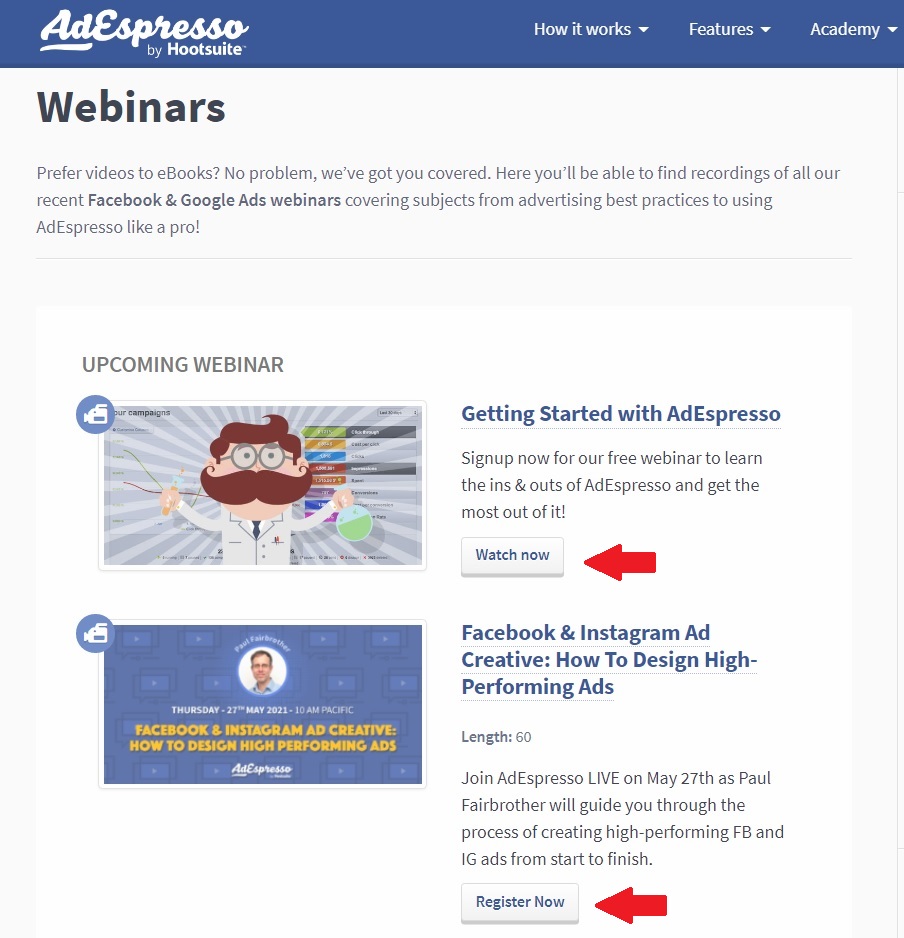
On social platforms where users rapidly scroll through mixed media feeds, native interactive buttons play a vital role. Platforms like Facebook provide standardized button options—including "Shop Now," "Learn More," "Sign Up," and "Download"—which capitalize on user interface familiarity. Marketers are advised to align the chosen button type with the specific consumer lifecycle stage targeted by the campaign. Early-funnel audiences often respond better to lower-friction prompts like "Learn More," whereas bottom-funnel retargeting campaigns benefit from decisive, transactional prompts like "Shop Now."

Email Marketing Campaigns
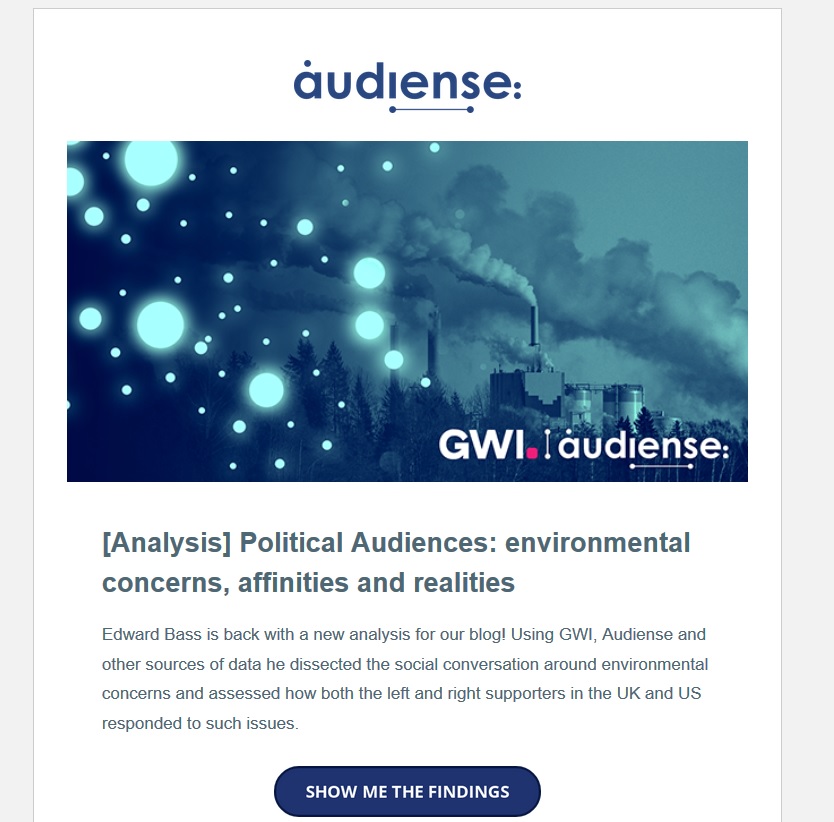
With average conversion rates fluctuating significantly based on industry—occasionally reaching benchmarks as high as 15 percent—email marketing remains a powerful conversion channel. Best practices for email CTAs emphasize visual hierarchy, generous whitespace surrounding buttons, and the strategic pairing of primary button links with secondary text-based links to accommodate varying reading habits within long-form newsletters.
Landing Pages and Websites
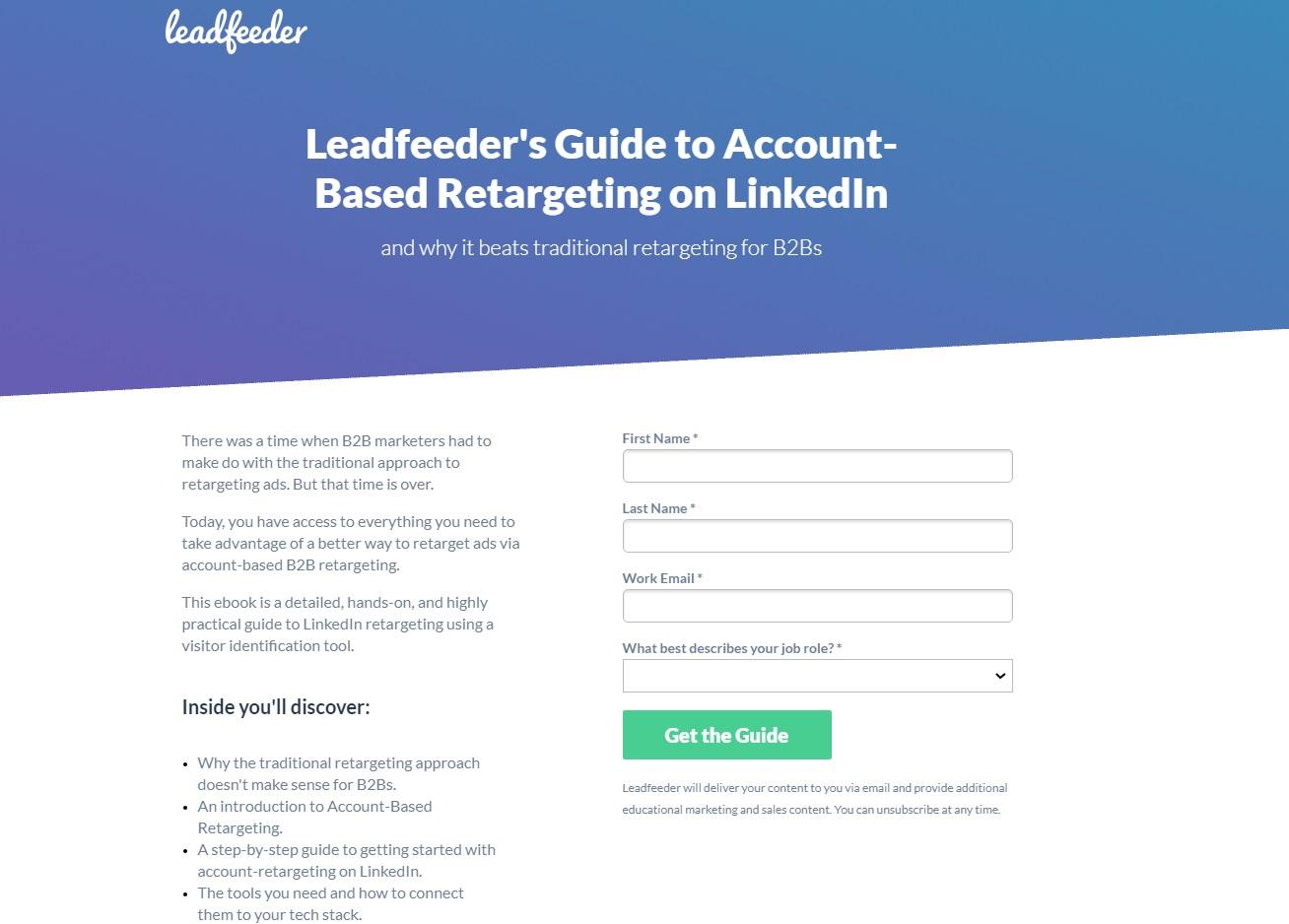
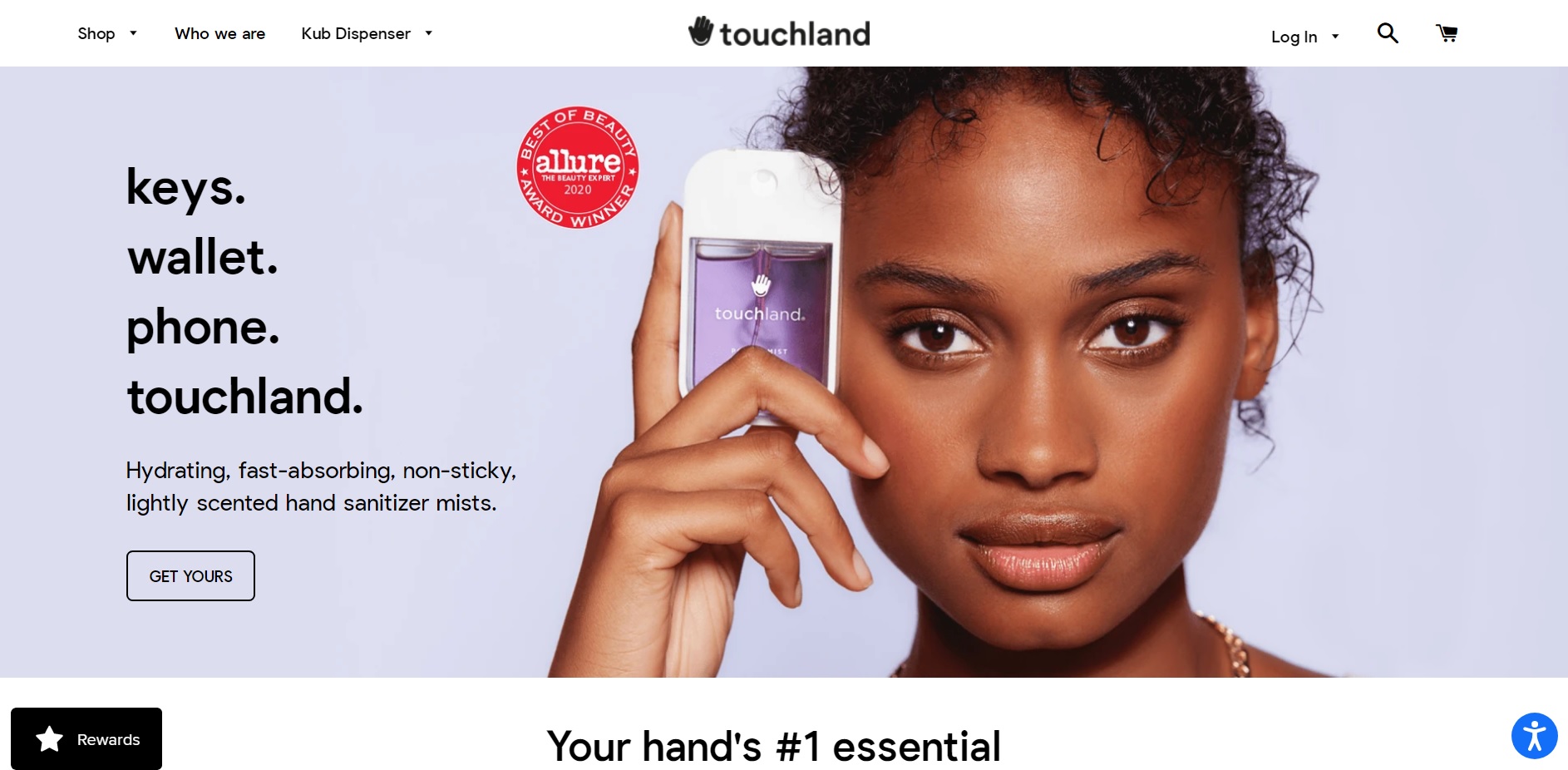
High-conversion landing pages rely heavily on the principle of minimal distraction. Following foundational design standards, high-performing landing pages typically feature a clean, uncluttered layout with a prominent "hero" section situated above the fold. This prime digital real estate usually combines a concise value proposition, supporting descriptive text, and a visually distinct, high-contrast CTA button. By eliminating extraneous top navigation menus and competing external links, brands ensure that the user’s visual journey flows uninterrupted toward the desired conversion action.
Broader Implications and Strategic Outlook
As digital ecosystems evolve, the strategic sophistication surrounding calls to action continues to mature. Driven by advances in machine learning, automated split-testing, and deep consumer behavior analytics, marketers no longer need to rely solely on intuition when crafting conversion elements.
The integration of data-driven copywriting with rigorously tested interface design has transformed the CTA from a simple navigational link into a precise economic lever. Organizations that systematically audit, test, and refine their calls to action across social media, email campaigns, and core web infrastructure consistently achieve lower customer acquisition costs, improved capital efficiency, and enhanced user experiences. Ultimately, the ongoing refinement of the CTA underscores a fundamental reality of digital commerce: guiding the consumer journey with clarity, empathy, and strategic direction remains essential to commercial success in an increasingly crowded marketplace.