The Strategic Importance of Social Media Dashboards in the Modern Enterprise Landscape


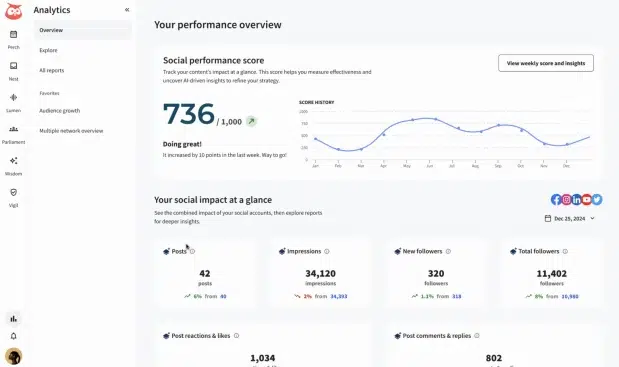
In the increasingly complex digital marketing ecosystem of 2026, social media management has evolved from a simple content distribution task into a high-stakes data science operation. With global social media advertising expenditures projected to exceed $121 billion in the United States alone this year, organizations are under mounting pressure to justify every dollar of their marketing budget. The social media dashboard has emerged as the critical interface for this accountability, functioning as a centralized command center that aggregates fragmented data from platforms like Instagram, LinkedIn, TikTok, and X into actionable business intelligence.

For enterprise-level marketing teams and agencies managing diverse client portfolios, the manual process of logging into native analytics platforms to compile monthly reports is no longer sustainable. As reporting requirements scale with every new campaign and cross-channel initiative, the reliance on unified dashboard systems—ranging from integrated solutions like Hootsuite Social OS to custom-built Google Looker Studio reports—has become a standard operational necessity.
The Evolution of Performance Measurement
The transition toward centralized reporting is driven by the need for speed and accuracy in decision-making. Historically, social media managers operated in silos, reacting to performance data only after a campaign had concluded. Today, the modern dashboard provides real-time or near-real-time visibility, allowing for mid-campaign pivots that can significantly improve return on ad spend (ROAS).
Industry analysts note that this shift is not merely about convenience; it is about survival in an era of fiscal scrutiny. Recent surveys by Gartner indicate that marketing budgets have remained relatively flat, hovering around 7.8% of total company revenue. With 59% of Chief Marketing Officers reporting that they lack the necessary budget to fully execute their long-term strategies, the ability to demonstrate a direct correlation between social media activity and tangible business outcomes—such as lead generation, revenue growth, and brand sentiment—has become a prerequisite for securing continued funding.

Taxonomy of Social Media Dashboards
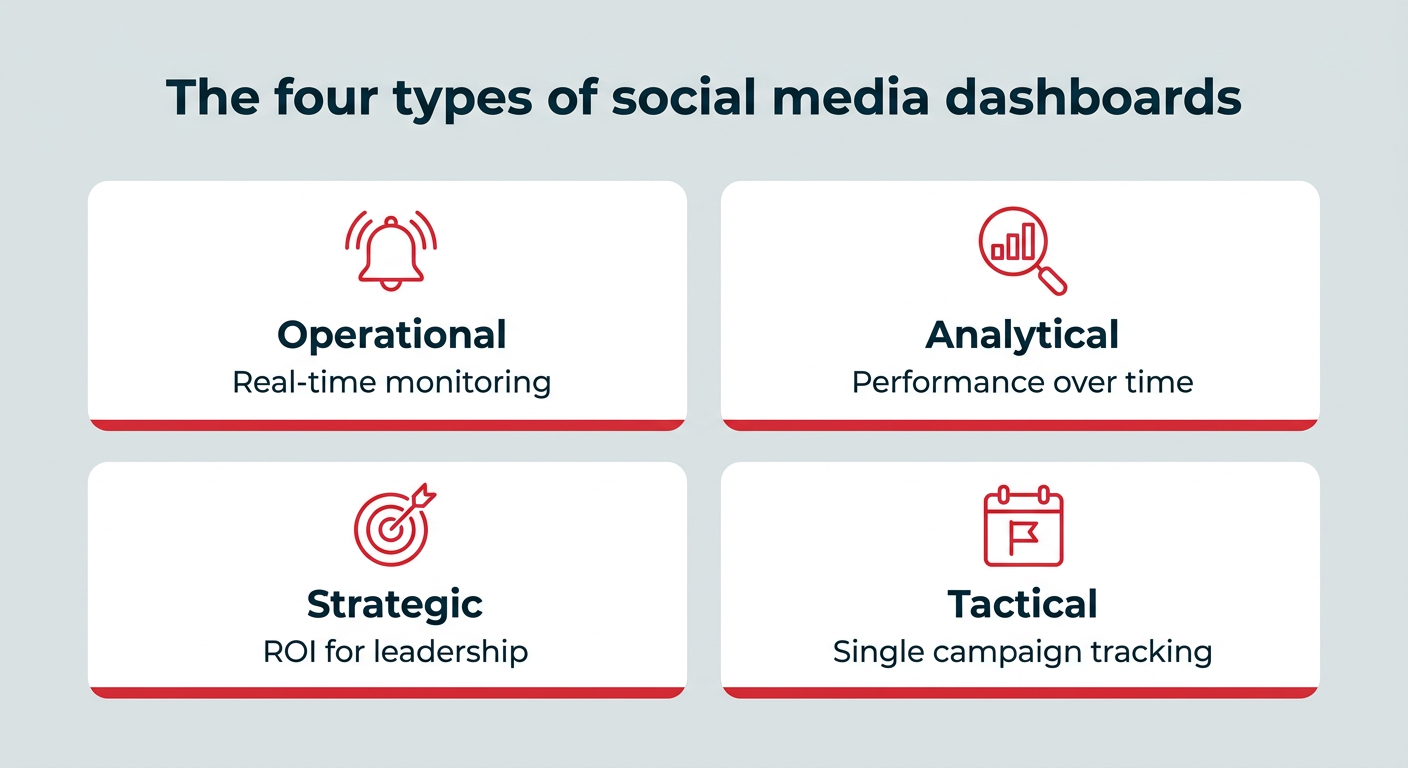
To avoid "dashboard clutter," where an excess of irrelevant metrics obscures actual performance, industry experts categorize these tools into four distinct functional types. Understanding these classifications is essential for teams aiming to align their reporting with specific organizational objectives.
- Operational Dashboards: Primarily utilized by community management and customer care teams, these dashboards monitor real-time activity. They focus on response times, incoming message volumes, and sentiment spikes, ensuring that brands remain responsive to their audience’s needs.
- Analytical Dashboards: Designed for social media managers and data analysts, these tools provide a longitudinal view of content and audience performance. They allow teams to identify long-term trends, optimize content calendars, and refine audience targeting strategies.
- Strategic Dashboards: These are high-level reporting interfaces intended for CMOs, VPs, and other stakeholders. They prioritize ROI, overall goal progress, and the impact of social media on the broader corporate bottom line.
- Tactical Dashboards: These are specialized, project-based views. They are used by campaign managers to track specific initiatives from launch to conclusion, focusing on KPIs directly tied to the campaign’s success.
Key Metrics and the ROI Imperative
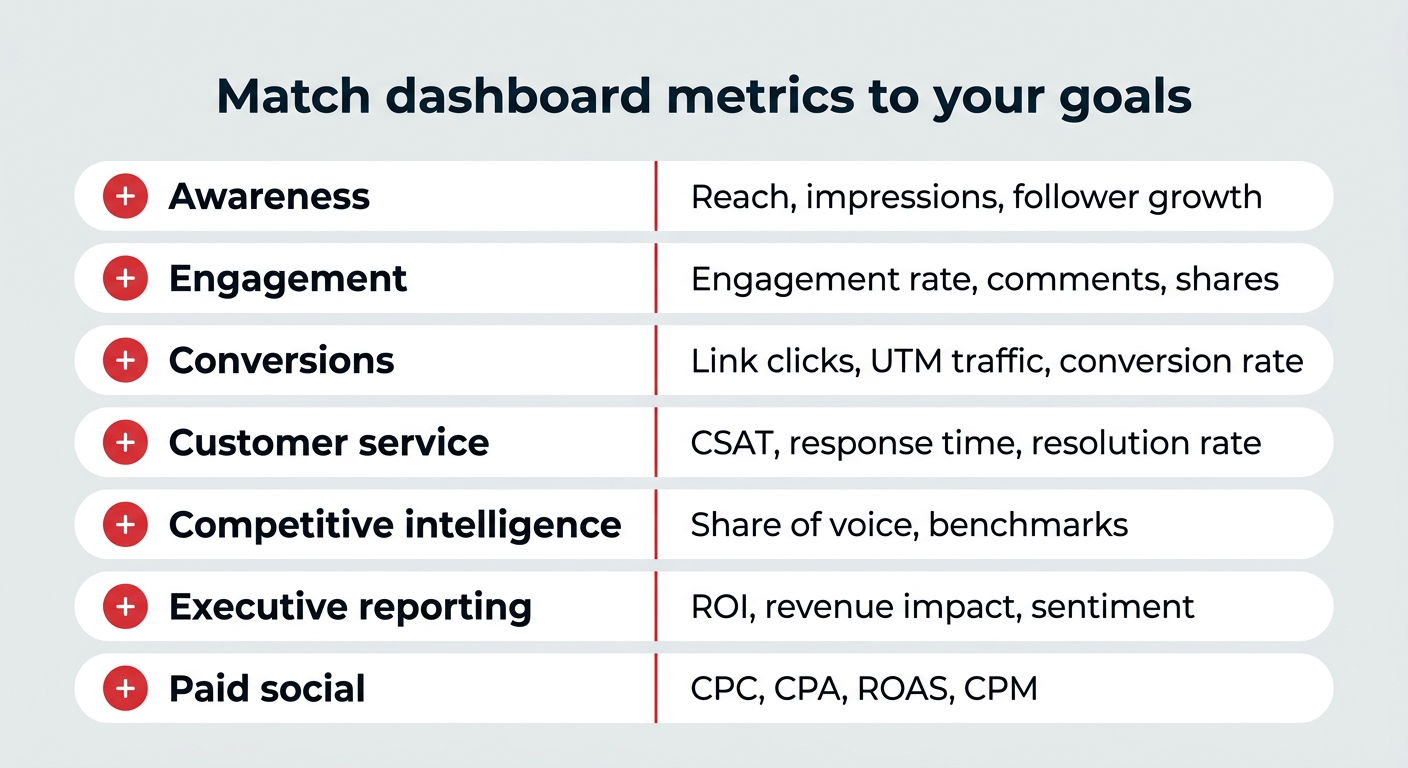
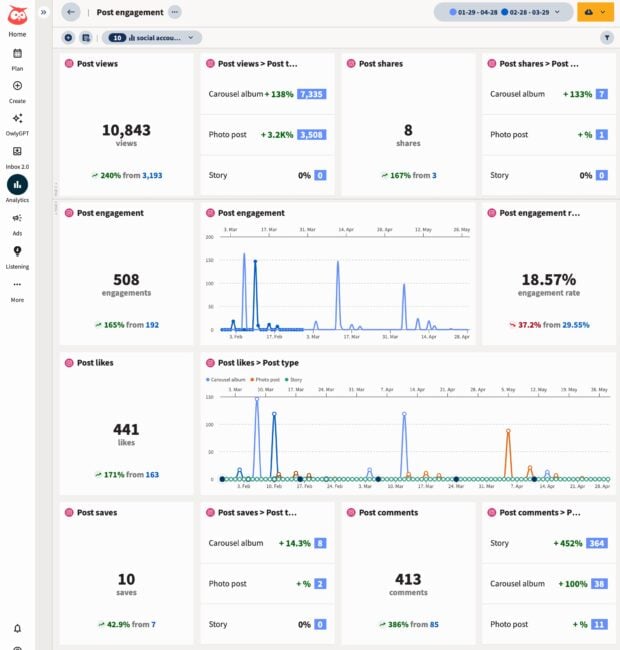
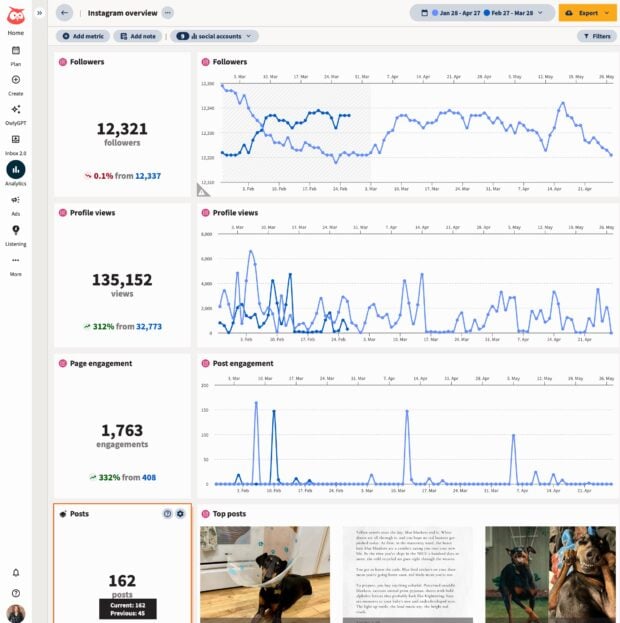
The efficacy of a dashboard is determined by the quality of its inputs. While vanity metrics such as total follower count were once the standard for success, modern enterprise dashboards prioritize metrics that signify deeper audience intent and business value.
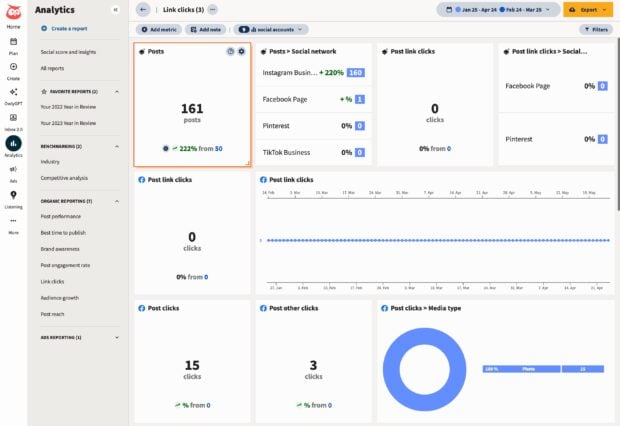
For an organization focused on conversions, the dashboard must track link clicks, UTM-parameterized traffic, and final conversion events. When these metrics are integrated with a Customer Relationship Management (CRM) system or Google Analytics, they provide a full-funnel view of the customer journey. This capability allows teams to move beyond surface-level engagement and definitively answer questions about the monetary value of social interactions.
Furthermore, competitive intelligence has become a core component of the modern dashboard. By benchmarking their own share of voice, engagement rates, and growth against industry peers, companies can identify market gaps and adjust their strategies accordingly.
Addressing the Integration Challenge
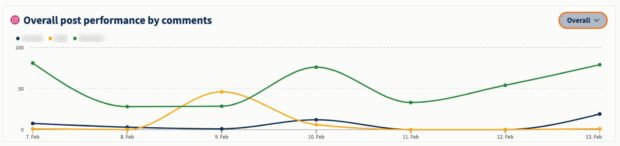
A recurring challenge for enterprise teams is the integration of diverse data streams. Many organizations struggle with the disconnect between their organic social presence and their paid advertising efforts. Comprehensive dashboard solutions address this by presenting these performance metrics side-by-side. This holistic view is critical; for instance, understanding how a viral organic post can lower the cost-per-click (CPC) for a concurrent paid campaign provides a significant competitive advantage.
For organizations opting for custom builds, such as those using Google Looker Studio, the process involves a six-step methodology: connecting data sources, defining business information, authorizing analytics accounts, creating a report canvas, selecting relevant metrics from a vast library of options, and finalizing the layout. While this approach offers unparalleled customization at no additional software cost, it requires significant manual maintenance as platform APIs evolve and update. Conversely, "plug-and-play" enterprise systems provide automated updates, ensuring that reports remain accurate as social media networks change their backend algorithms.

Future Outlook and Strategic Implications
As AI-powered insights become more prevalent, the role of the social media dashboard is shifting from a passive display of numbers to an active source of predictive intelligence. Modern systems can now surface anomalies, suggest content optimizations, and provide automated summaries of millions of social conversations, drastically reducing the time required for data interpretation.
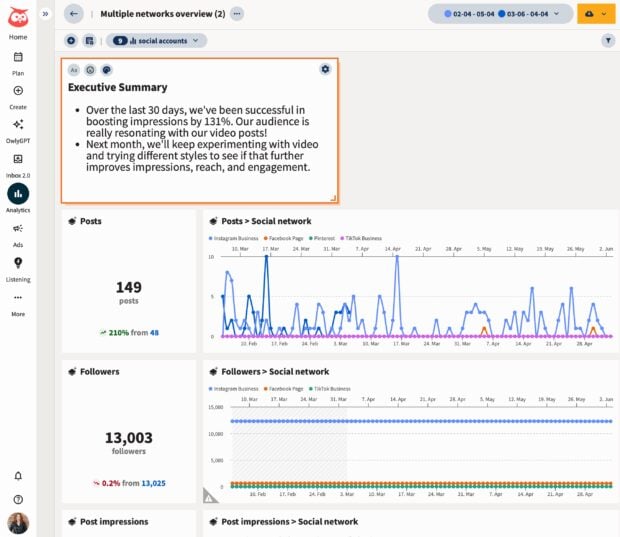
The implications for 2026 and beyond are clear: the divide between organizations that use data to drive strategy and those that rely on intuition will only widen. By implementing a robust dashboard strategy, teams ensure they are not just reporting on the past, but actively engineering their future success. Whether through an all-in-one suite or a highly tailored custom report, the ability to centralize data is no longer a luxury—it is a core component of digital marketing infrastructure.
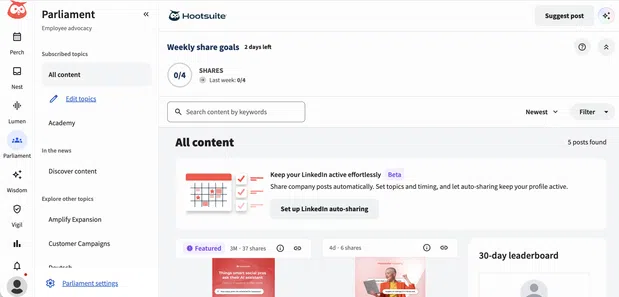
Ultimately, the choice of a dashboard tool should be dictated by the organization’s scale, the number of platforms managed, and the requirement for integrated workflows like publishing and listening. Teams that prioritize a unified view—where activity logs and outcome reporting reside in the same system—will be the best positioned to navigate the volatile landscape of digital consumer engagement, ensuring that their social media efforts consistently contribute to, rather than merely support, the organization’s overarching business goals.