Meta Platform Year in Review: Analyzing the Major Ad Tech, Instagram, and Policy Shifts of 2022

The final quarter of 2022 served as a massive operational pivot for Meta, capping off a year defined by macroeconomic headwinds, strategic reorganizations, and aggressive feature rollouts across Facebook, Instagram, and WhatsApp. Throughout late 2022, the technology giant introduced advanced automated advertising suites, natively integrated content scheduling tools, and critical brand safety measures. As digital marketers and media buyers transitioned into 2023, the ecosystem increasingly relied on machine learning frameworks and cross-platform synergy to drive Return on Investment (ROI) amid a shifting digital privacy landscape.
This comprehensive retrospective examines the key developments, platform updates, and policy shifts implemented by Meta throughout 2022, charting the strategic trajectory of the world’s largest social media conglomerate.
Chronological Evolution of Meta Updates Through 2022
To fully understand Meta’s current technological posture, it is necessary to trace the trajectory of updates deployed throughout 2022. The year was characterized by a systematic push toward automation, tighter integration of short-form video formats, and expanded direct-to-consumer commerce tools.
Early 2022: Privacy Adaptation and the Initial Rollout of Advantage+
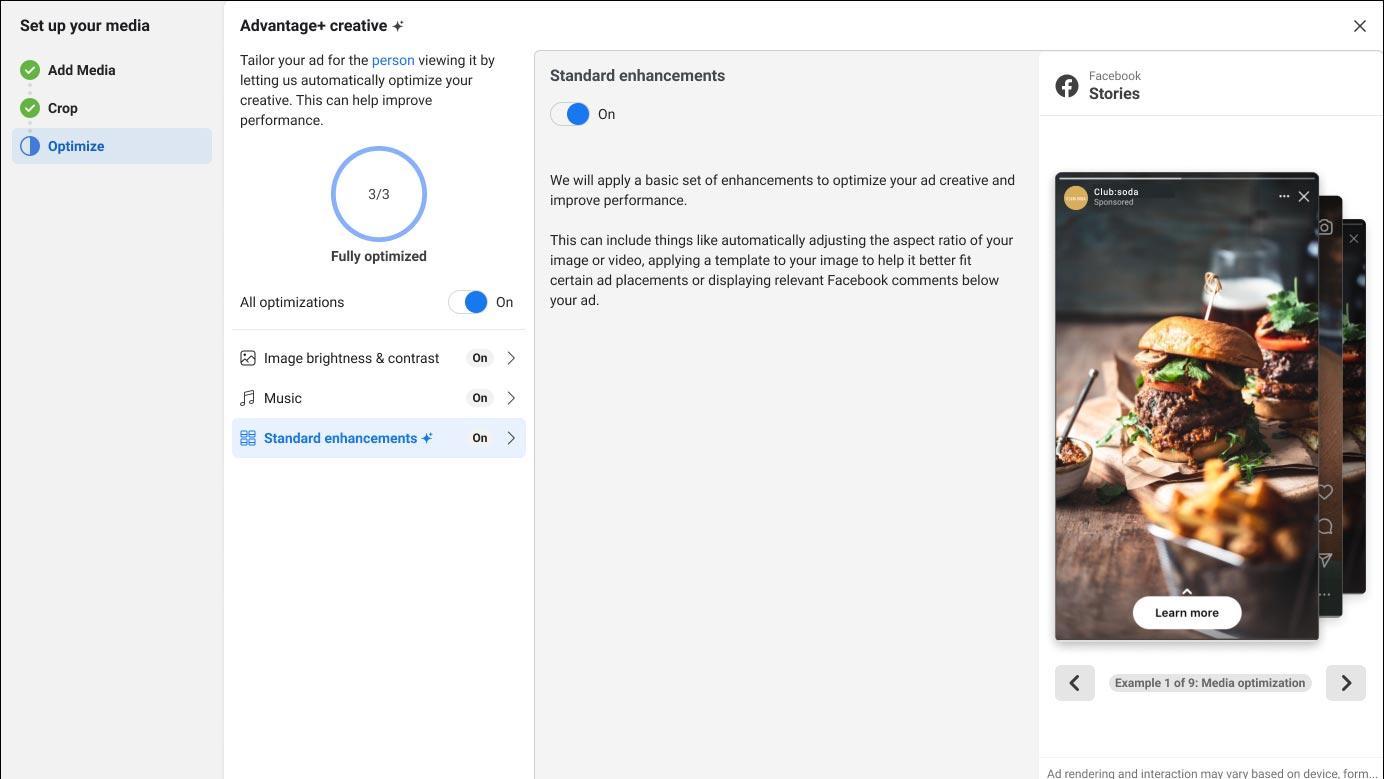
The opening months of 2022 were heavily overshadowed by the fallout of Apple’s AppTrackingTransparency (ATT) framework, which rolled out aggressively in late 2021. Advertisers faced immediate challenges regarding attribution accuracy and custom audience sizing on mobile web and iOS devices. In response, Meta began heavily consolidating its automated ad products under the "Meta Advantage" suite. This suite was engineered to help marketers navigate data loss by leveraging machine learning to optimize ad delivery, audience targeting, and creative placement without relying entirely on deterministic tracking.
Concurrently, Instagram and Facebook expanded native monetization tools for creators. Meta notably announced that revenue sharing for Badges, Subscriptions, and paid online events would remain off the table until at least 2024, signaling an aggressive play to attract and retain top-tier creative talent amid stiff competition from TikTok and YouTube.
Mid 2022: The Reels Pivot and Enhanced Creator Tools
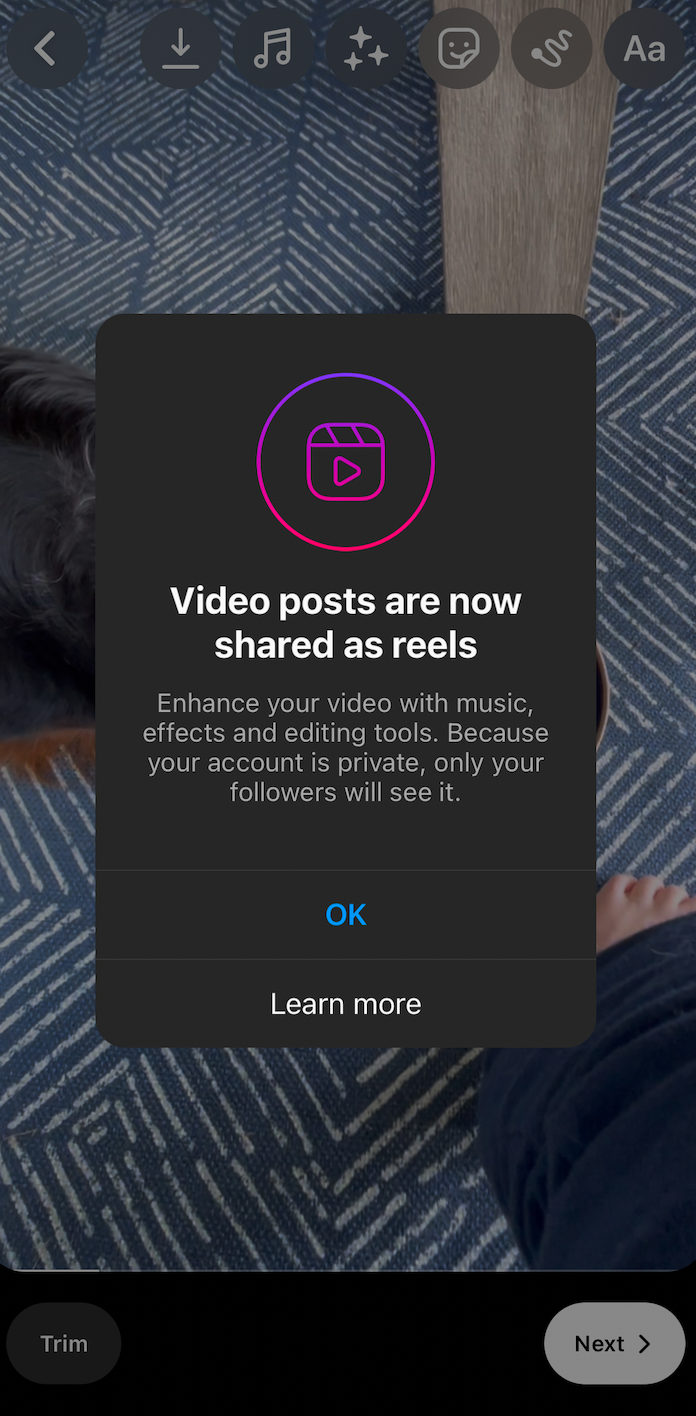
By mid-2022, Meta’s strategic commitment to short-form video became absolute. In July 2022, Instagram fundamentally altered its video architecture by announcing that all new video posts under 15 minutes long would automatically be shared as Reels, merging the traditional Video and Reels profile tabs into a single destination. This change granted standard video creators immediate access to Meta’s advanced creative editing tools, audio libraries, and full-screen immersive formats.
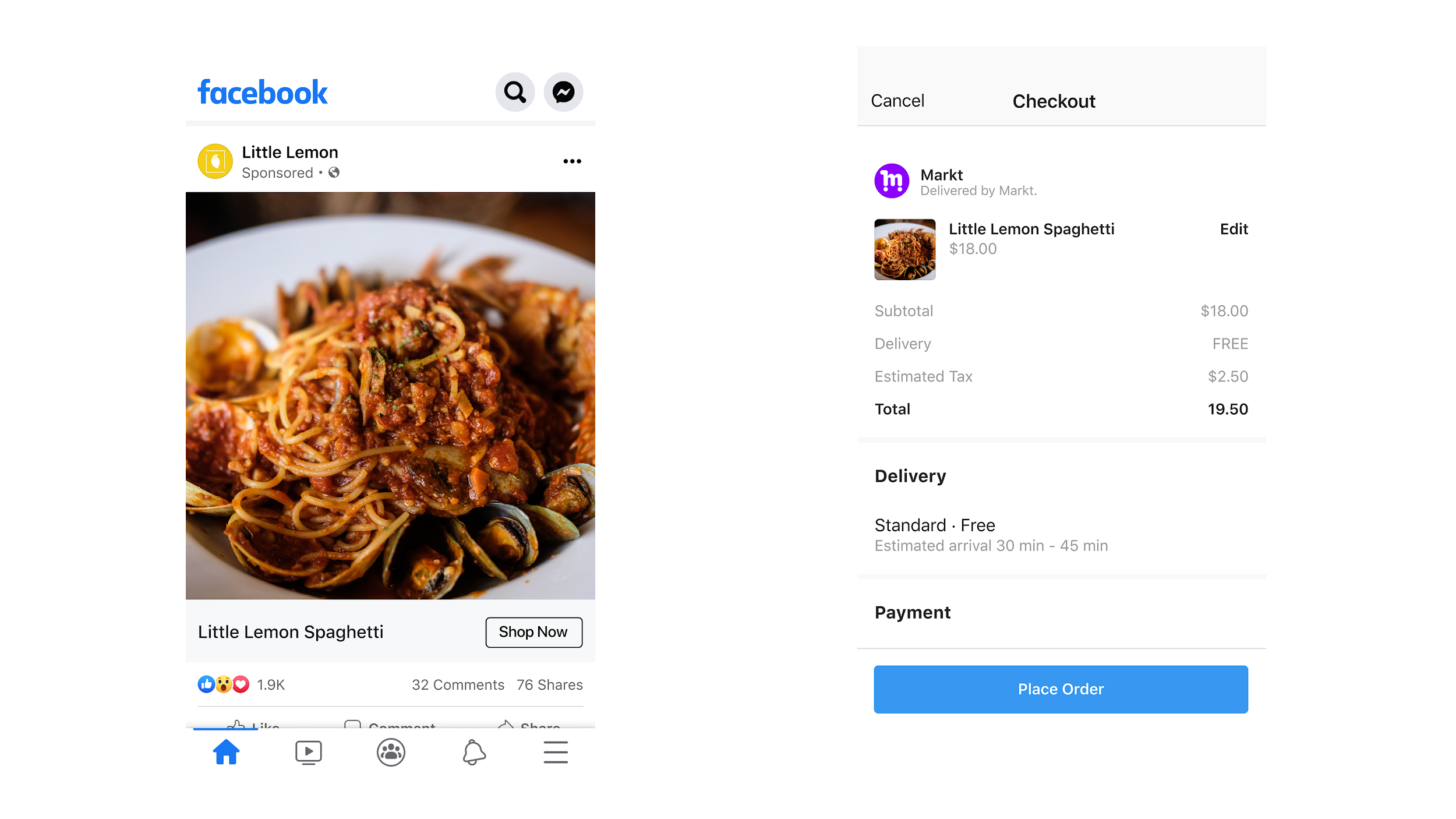
Concurrently, Instagram launched the invite-only testing phase of the Creator Marketplace in the United States. Designed to streamline brand partnerships, the marketplace provided businesses with a dedicated dashboard to discover, filter, and communicate directly with influencers. This period also witnessed the global rollout of collaborative ads for local delivery, addressing the specific discovery-to-purchase needs of restaurants, grocery stores, and consumer packaged goods (CPG) brands.

Late 2022: Advanced Scheduling, In-Chat Payments, and Brand Safety Milestones
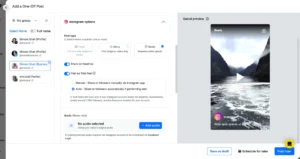
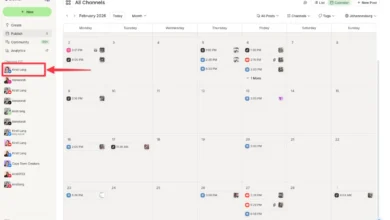
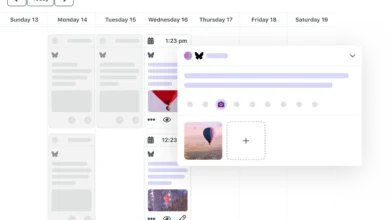
As the year drew to a close, Meta focused heavily on operational efficiency for businesses and creators. In December 2022, Instagram released a long-awaited native scheduling tool allowing Business and Creator accounts to schedule Reels, photos, and carousel posts up to 75 days in advance directly inside the mobile app. This reduced reliance on third-party schedulers for everyday content management.
Furthermore, Meta achieved a major brand safety milestone in November 2022 when it secured accreditation from the Media Rating Council (MRC) for content-level Brand Safety on Facebook. Independent auditors verified the company’s Partner Monetization Policies and Content Monetization Policies across Instant Articles and In-Stream video, bolstering advertiser confidence.

Strategic Advertising Best Practices and the Rise of Automation
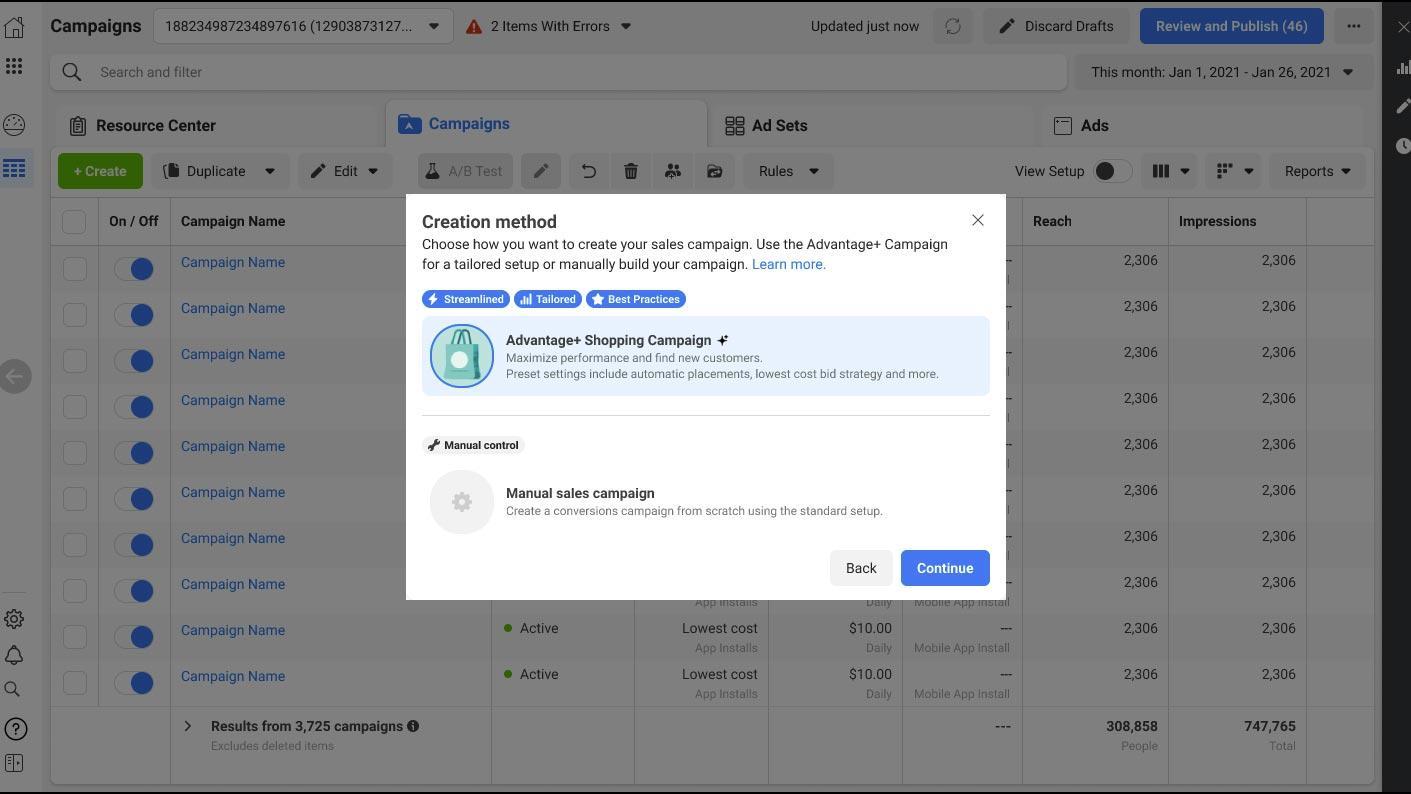
Facing mounting pressure from privacy regulations and rising customer acquisition costs, Facebook and Instagram heavily prioritized machine learning-driven ad products. The cornerstone of this strategy was the Advantage+ campaign suite, particularly Advantage+ Shopping campaigns.
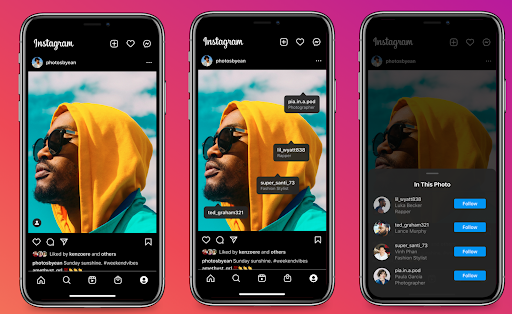
Internal data released by Meta indicated that Advantage+ campaigns significantly reduced manual administrative overhead by enabling advertisers to automatically generate and split-test up to 150 creative variations simultaneously. Meta’s internal A/B testing data suggested that these automated shopping campaigns yielded a 12% lower cost-per-purchase conversion rate compared to traditional, manual campaign structures.
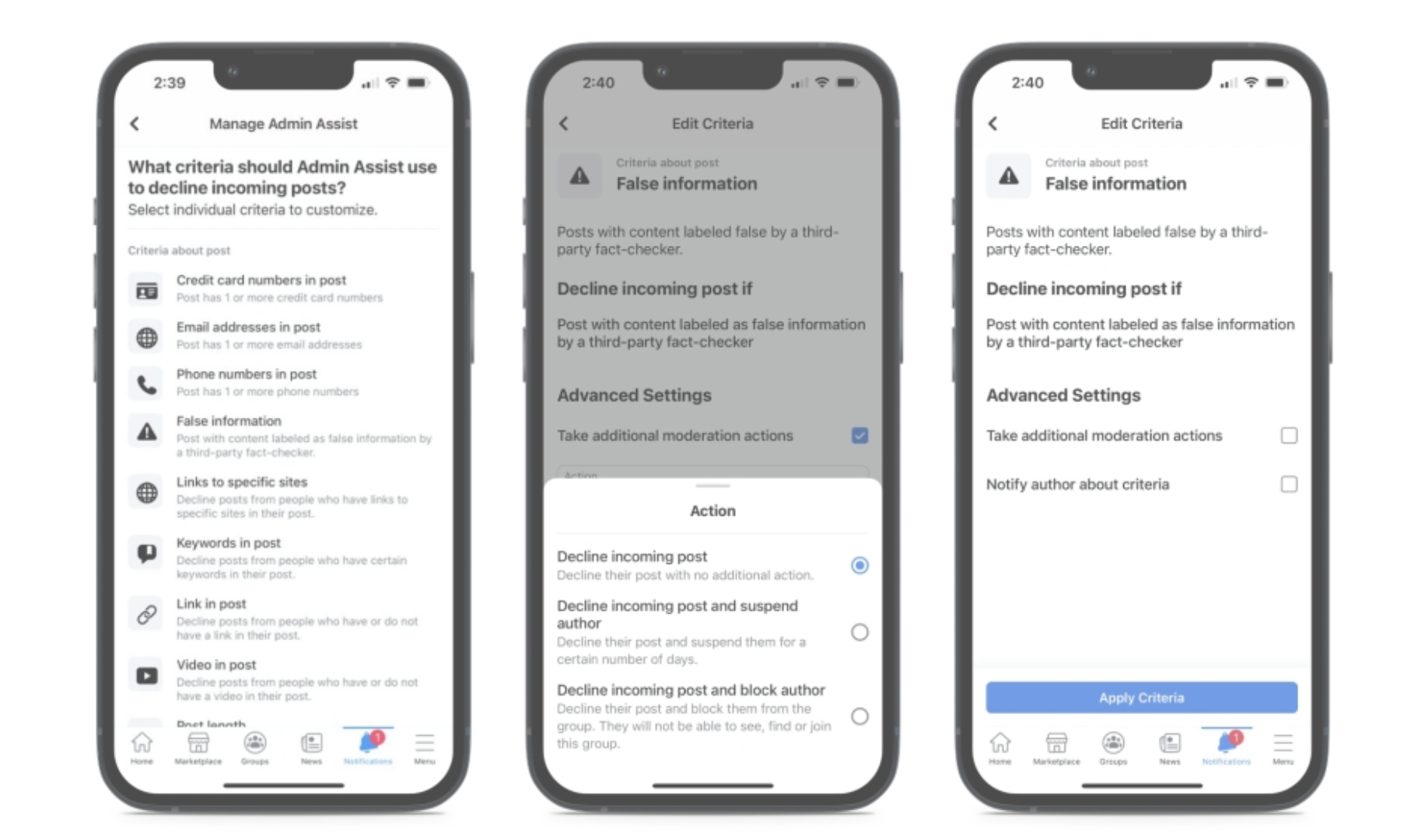
Complementing Advantage+ Shopping were automated tools such as:
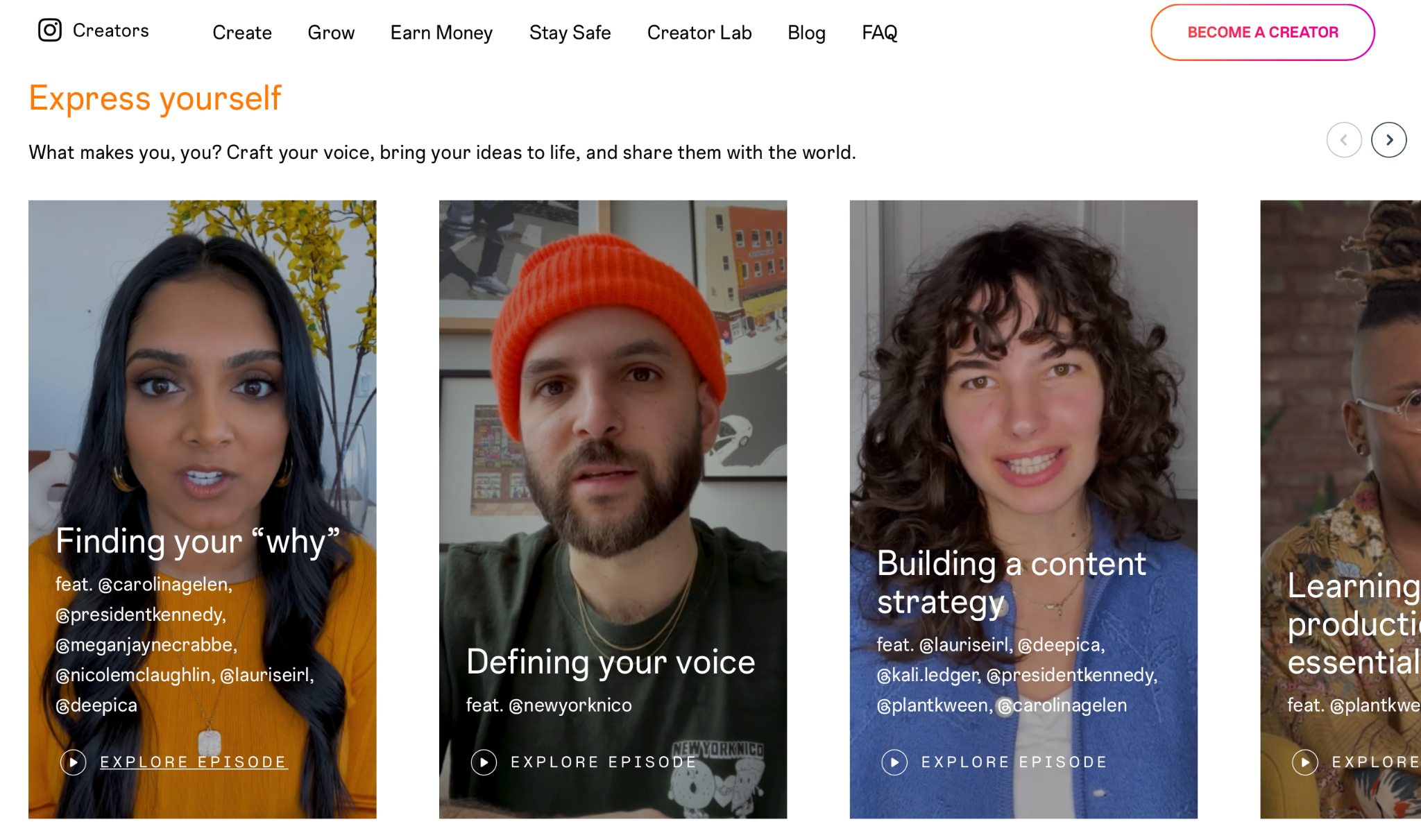
- Advantage+ Creative: Automatically adjusts visual elements and text for each individual user viewing an ad based on predictive behavioral models.
- Advantage Audience: Dynamically constructs personalized target audiences derived from specific Page interactions, refining parameters in real-time as conversions occur.
- Advantage+ App Campaigns: Streamlined app-install campaigns featuring expanded creative flexibility and 7-day click attribution modeling.
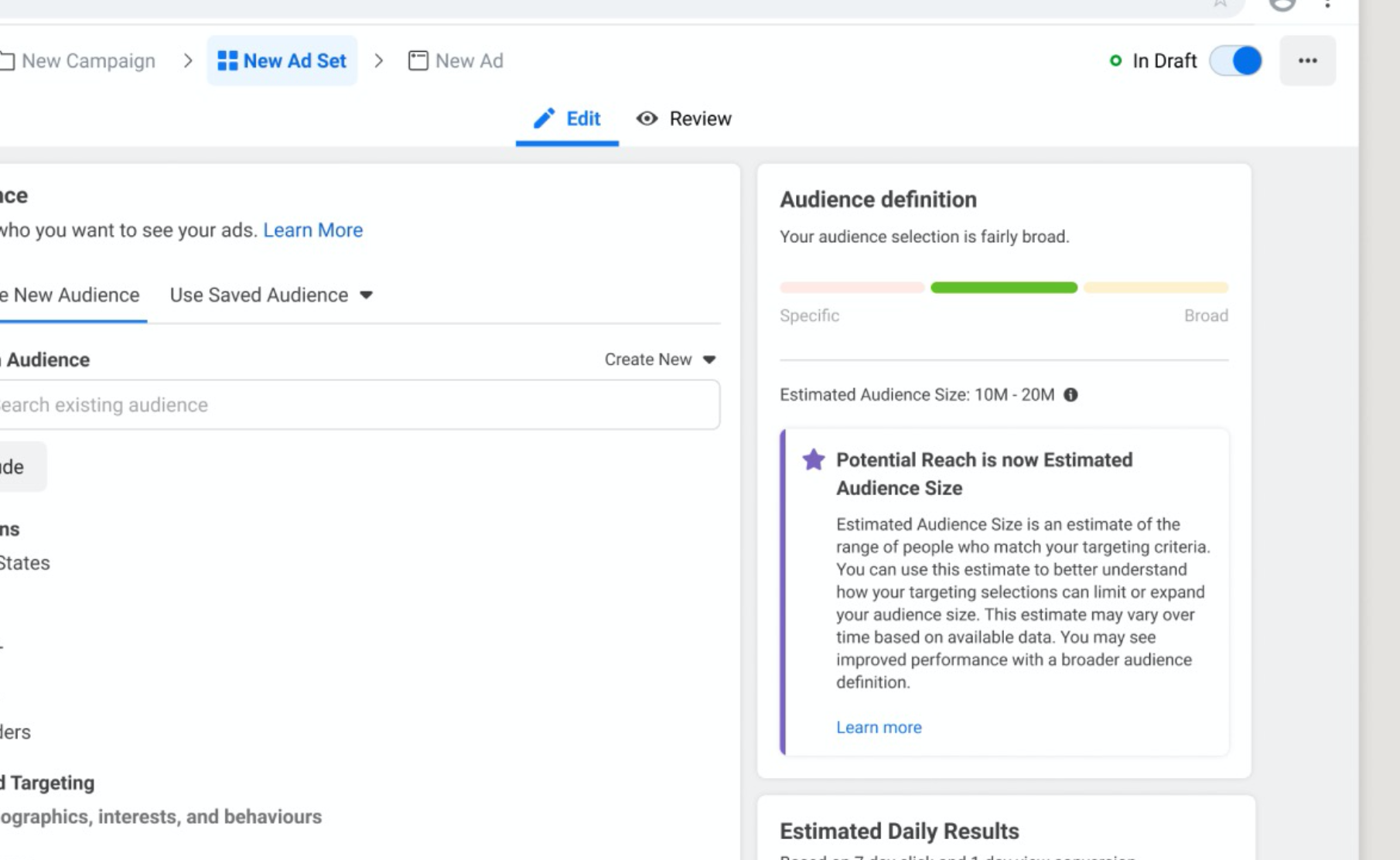
Despite these technological leaps, digital marketing analysts noted a fundamental shift in how campaigns must be planned. With pre-campaign audience estimates transitioning from exact figures to broad numerical ranges (e.g., 100,000–200,000 users), media buyers were forced to embrace probabilistic forecasting and multi-touch attribution models.
The Transformation of Social Commerce and Messaging Integration
Commerce capabilities within the Meta ecosystem underwent continuous iteration throughout 2022. While features such as Facebook Live Shopping were officially sunsetted in October 2022 due to shifting consumer viewing habits toward short-form video, other transactional tools saw rapid expansion.
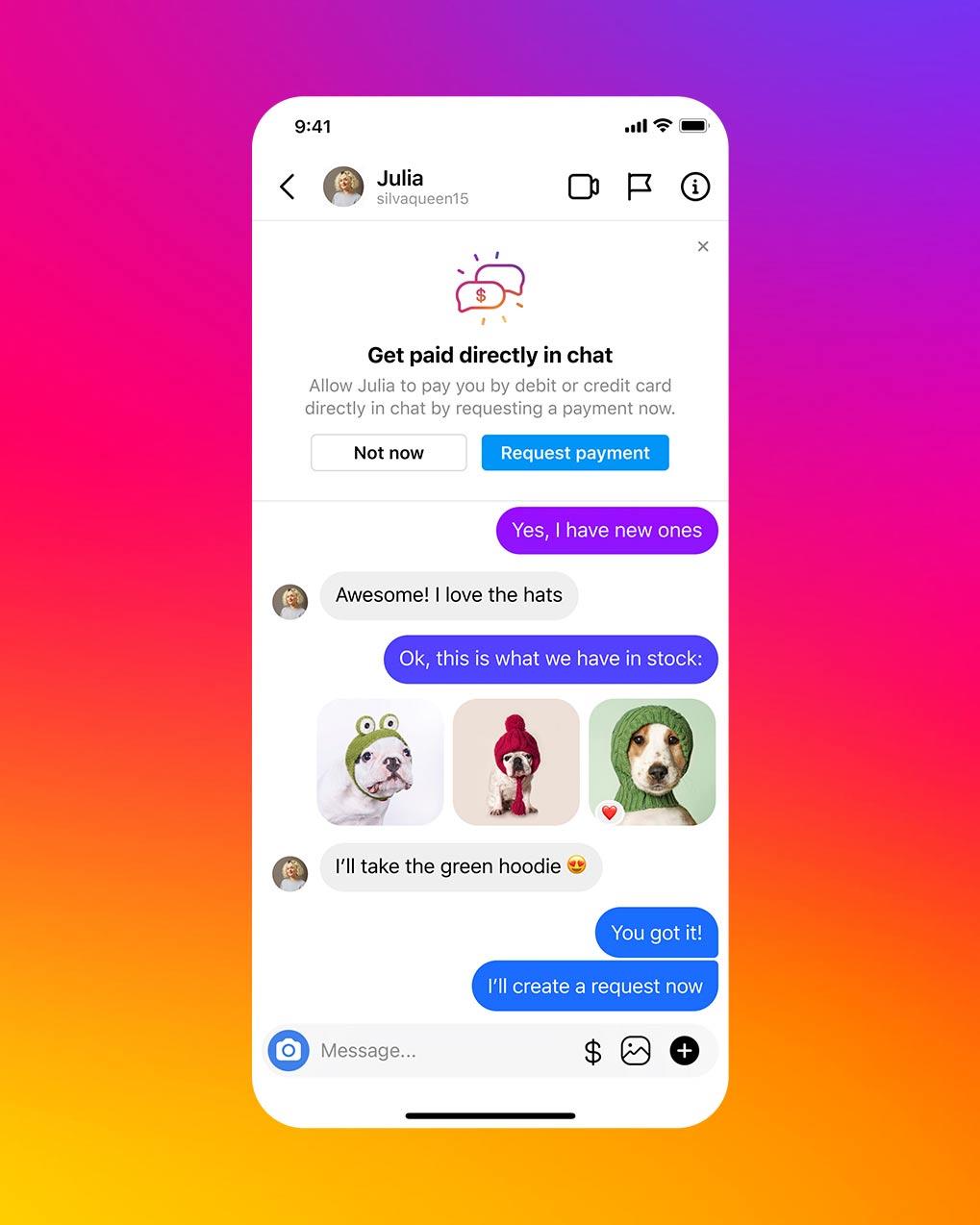
Instagram introduced direct-in-chat payments, allowing eligible sellers using professional accounts to accept payments directly within Instagram Direct Messages (DMs). Customers could finalize invoices using Meta Pay, credit cards, or PayPal without navigating away from the chat interface, thereby shortening the conversion funnel.
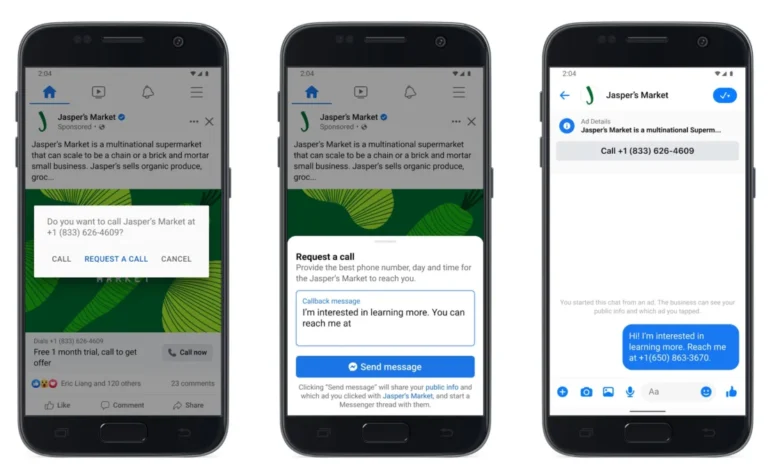
Concurrently, Meta integrated WhatsApp messaging directly into the unified Meta Business Suite inbox. This consolidated inbox allowed businesses managing Facebook Pages and Instagram accounts to handle customer service inquiries across Messenger, Instagram Direct, and WhatsApp from a single operational dashboard. Additionally, the broader rollout of click-to-WhatsApp and click-to-Messenger ads provided localized service providers with high-intent lead-generation channels.
Intellectual Property Protection and the New Regulatory Environment
As user-generated content and social commerce scaled, intellectual property (IP) protection emerged as a critical battleground. To combat unauthorized content replication and counterfeit merchandise, Meta launched a specialized IP Reporting API in late 2022. Integrated with the Facebook Graph API, this tool empowered original creators and brand rights holders to report and request the removal of infringing content at scale.
Simultaneously, Meta upgraded its Brand Rights Protection dashboard within Business Manager, giving legal and brand protection teams automated capabilities to identify counterfeit products, unauthorized impersonations, and copyright violations across both Facebook and Instagram.
On the regulatory front, Meta introduced enhanced transparency mechanisms for social, political, and electoral advertisements. By making targeting summaries available to vetted academic researchers within the Ad Library, the company sought to mitigate public scrutiny regarding digital media’s influence on democratic elections and civil discourse.
Future Outlook: Expectations for 2023 and Beyond
As the digital marketing industry looks past the structural shifts of 2022, several dominant trends are projected to dictate Meta’s strategic roadmap:
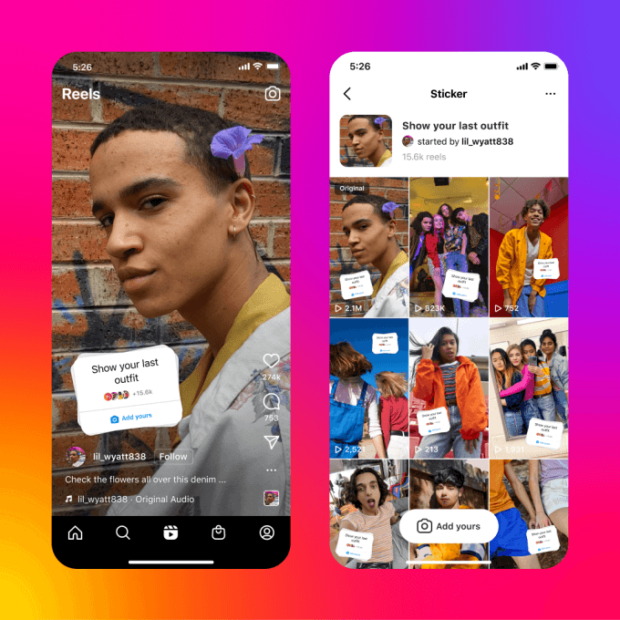
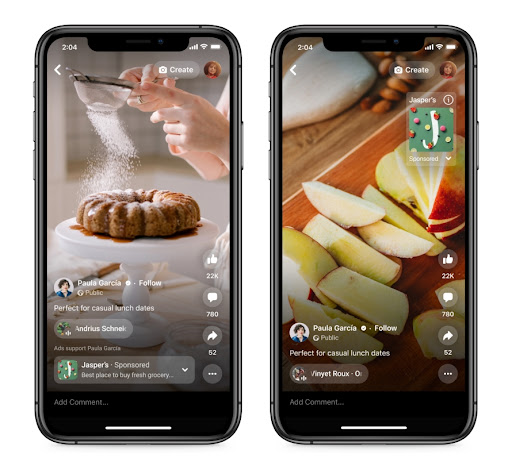
- Continued Monetization of Reels: Short-form video will remain the primary growth engine for user engagement, traffic acquisition, and ad revenue across both Facebook and Instagram. Advertisers should anticipate deeper e-commerce integrations within Reels, including shoppable tags and interactive stickers.
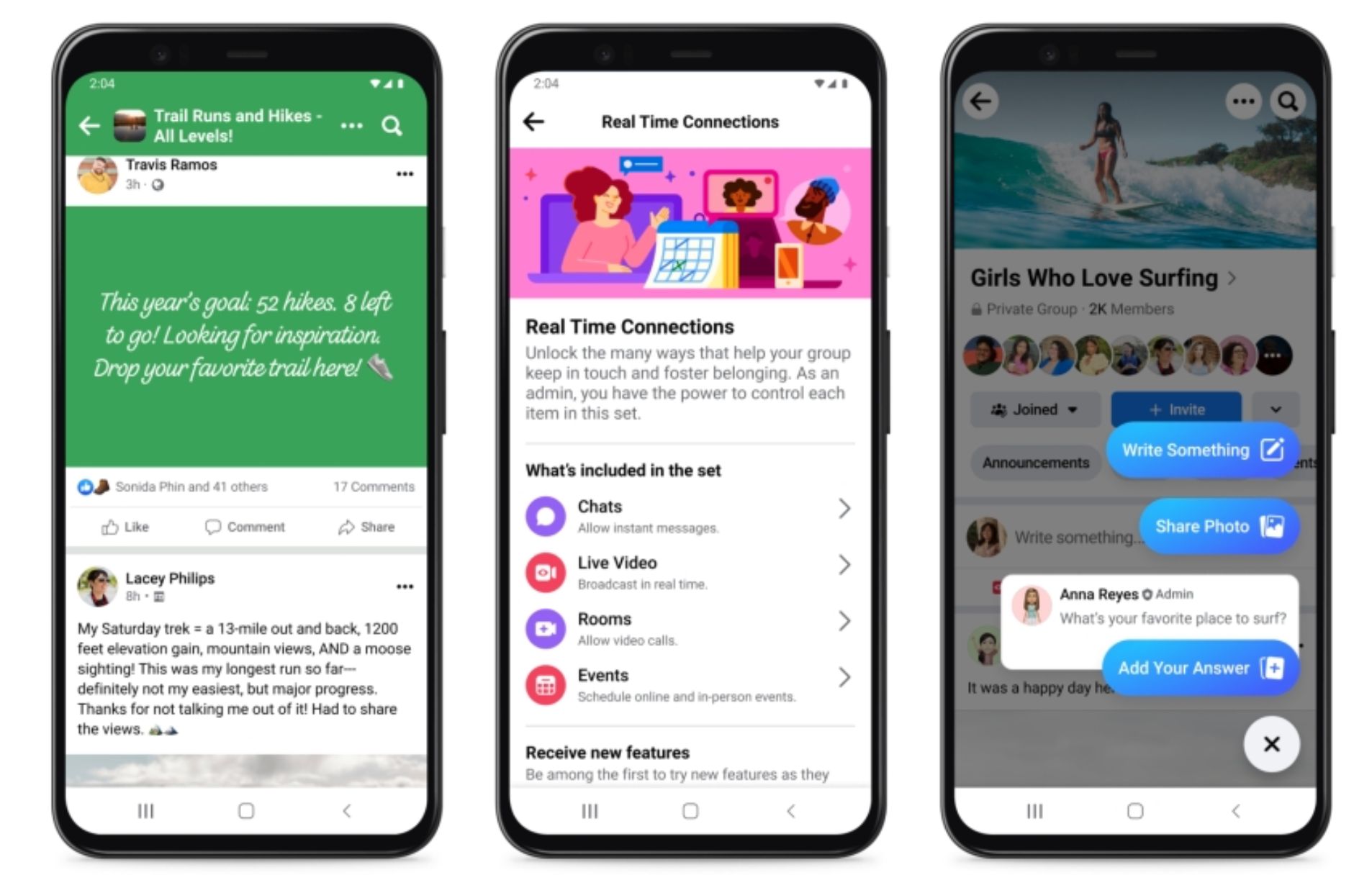
- Expansion of Facebook Groups for Enterprise: With Groups remaining one of the highest-engaging areas on Facebook, Meta is expected to introduce further administrative tools, moderation automation, and subscription-based monetization models tailored specifically for businesses and community-driven brands.
- Deepening Commitment to the Metaverse: Despite incurring substantial financial investments exceeding $36 billion in Reality Labs, leadership under Mark Zuckerberg remains steadfast in developing virtual and augmented reality ecosystems, bridging physical and digital interaction spaces.
- Refinement of AI-Driven Advertising: As third-party cookie deprecation advances across the broader internet, Meta’s proprietary machine learning models, first-party data collection infrastructures, and Advantage+ automation suites will serve as the primary foundational pillars for digital ad performance.
Ultimately, 2022 marked a transitional period of consolidation and technological adaptation for Meta. By prioritizing algorithmic efficiency, direct-in-app commerce, and stringent brand safety compliance, the platform successfully positioned itself to navigate the complex economic and regulatory environment of 2023 and beyond.