Social Media Security in 2026: A Comprehensive Guide to Protecting Your Brand Against AI-Driven Threats


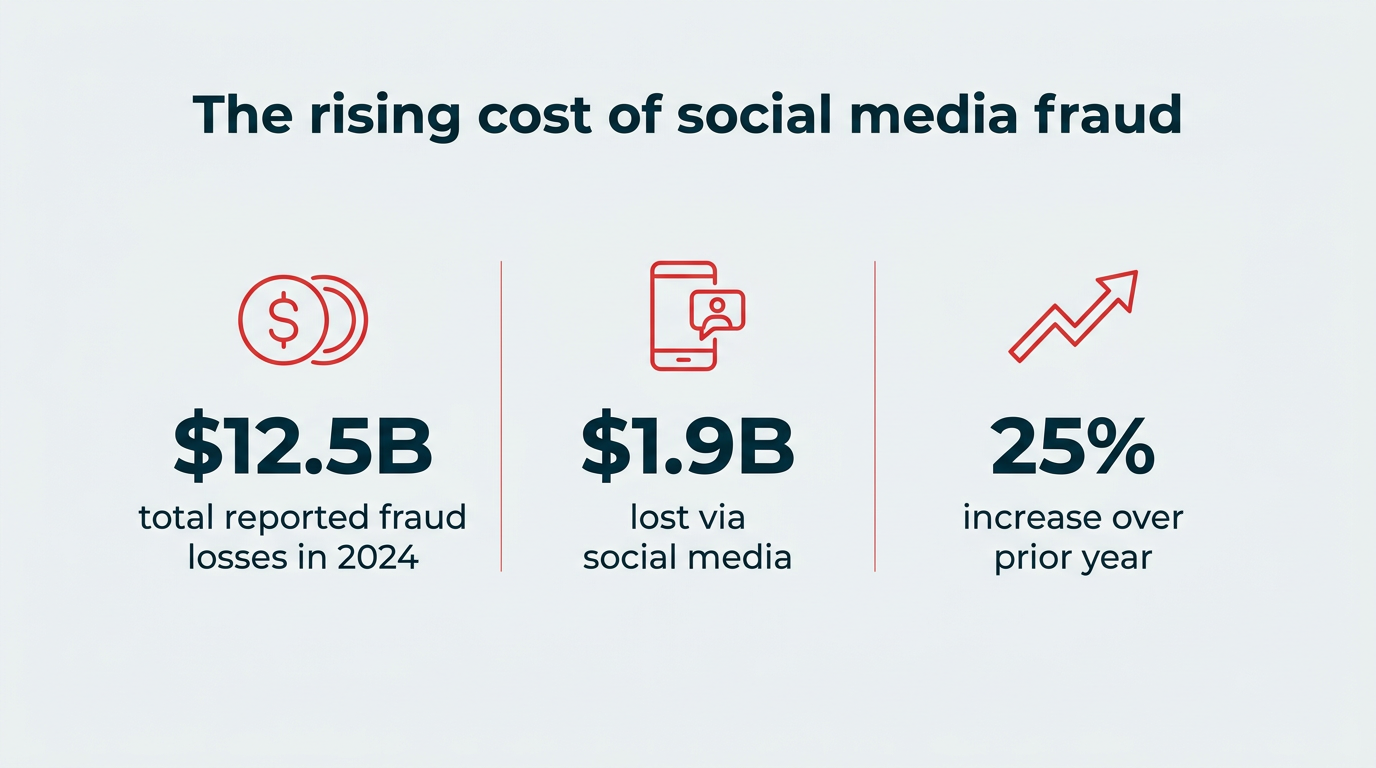
In an era where digital presence is synonymous with business viability, the security of corporate social media accounts has moved from a secondary IT concern to a boardroom priority. As of 2026, the threat landscape has evolved from simple, opportunistic account takeovers to sophisticated, AI-augmented campaigns designed to defraud companies and erode consumer trust. With reported fraud losses reaching $12.5 billion in 2024—a staggering 25% increase from the previous year—organizations must treat their social media ecosystem with the same defensive rigor as their core financial infrastructure.

The modern threat environment is defined by the integration of artificial intelligence into the attacker’s toolkit. Phishing, which once relied on generic emails, now manifests as highly personalized, automated spear-phishing messages sent directly through professional networks like LinkedIn or messaging features on Instagram and Facebook. The ability for bad actors to scrape publicly available data from employee profiles and company posts allows them to craft convincing lures that mimic internal communications, vendor requests, or even executive directives.
The Escalation of Digital Threats
The shift toward organized, automated attacks has been rapid. Gartner reports indicate that 62% of organizations have encountered a deepfake-related incident in the past twelve months. This is no longer a theoretical risk; high-profile cases, such as the $25 million loss suffered by a finance employee deceived by a deepfake video conference, serve as a stark warning. When attackers use generative AI to mimic the likeness or voice of a senior executive, the traditional verification methods used by marketing and communications teams are often insufficient.
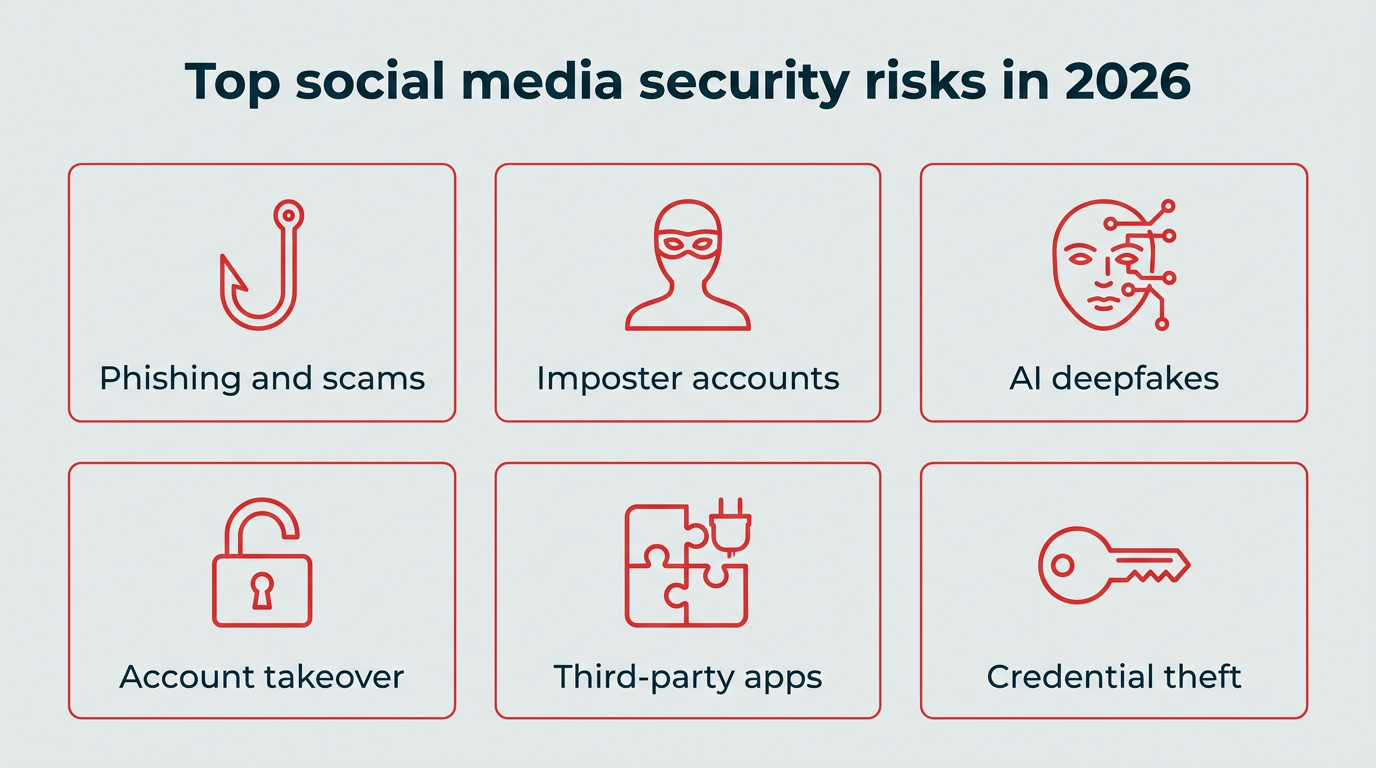
Furthermore, the rise of "ad account hijacking" has created a new, persistent vulnerability. By compromising a single set of employee credentials, hackers can gain control over a company’s ad account, subsequently running fraudulent advertisements that appear to originate from the legitimate brand. These ads often direct users to sophisticated malware or phishing portals, turning the brand’s own advertising budget into a weapon against its own customers.

Chronology and Evolution of the Risk Landscape
The trajectory of social media security has shifted significantly over the last three years:

- 2023: The focus was primarily on account recovery and basic credential security. Organizations began adopting rudimentary password management, but few had unified governance for their social assets.
- 2024: The "Year of Fraud," marked by the FTC’s $12.5 billion loss report. The proliferation of AI-generated content led to a surge in imposter accounts, with major platforms like LinkedIn and Meta reporting hundreds of millions of fake account removals.
- 2025-2026: The current era is defined by systemic integration. Security is now viewed through the lens of third-party risk management. The industry has moved toward passkeys, zero-trust access, and automated real-time monitoring to combat AI-scale threats.
Data-Driven Risk Assessment
The urgency of this issue is backed by cold, hard data. According to the Federal Trade Commission, social media remains the primary contact method for scammers targeting working-age adults. The psychological profile of these attacks is precise: they exploit the trust users have in branded channels. When an account is compromised, the damage is twofold. First, there is the immediate loss of data and potential financial theft. Second, and often more damaging, is the long-term erosion of brand equity. A compromised account spreading misinformation or malicious links can undo years of reputation building in a matter of minutes.

Establishing a Governance Framework
To mitigate these risks, organizations must adopt a defense-in-depth strategy. This begins with the principle of least privilege. In a modern enterprise, no single individual should hold the keys to the kingdom. Role-based access control (RBAC) is the gold standard, ensuring that team members can perform their duties without having access to master credentials.

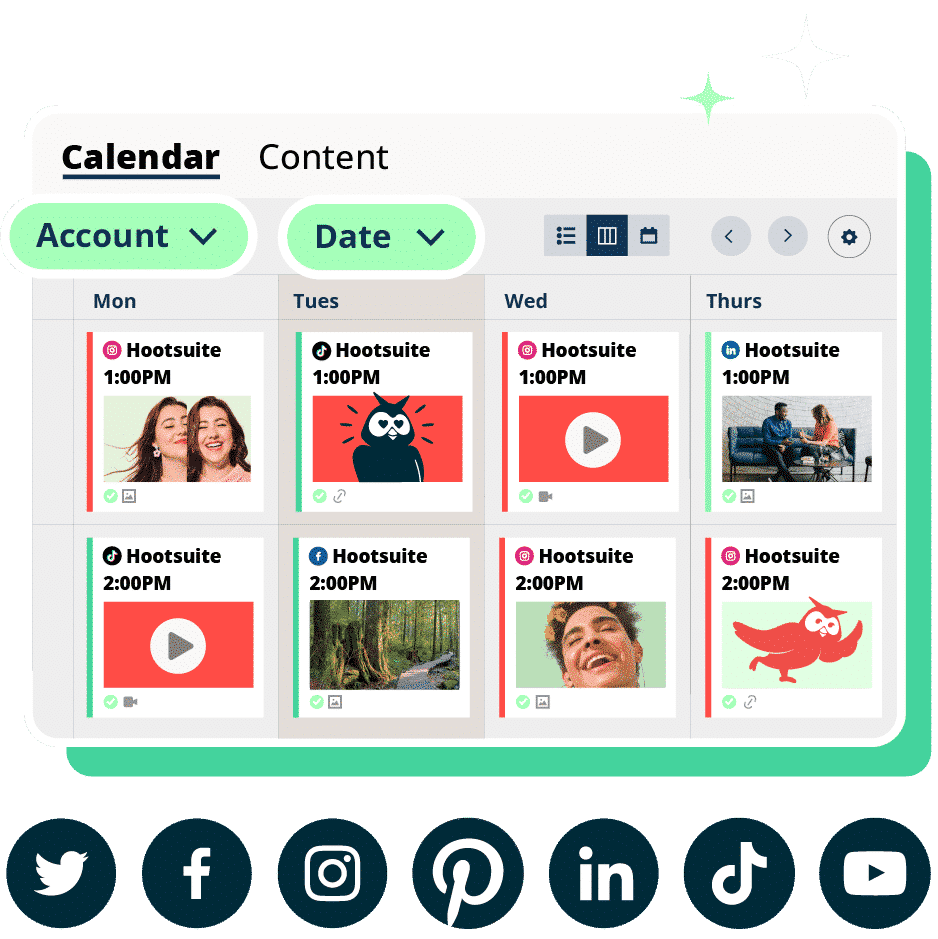
Centralized management platforms, such as Hootsuite Social OS, have become essential for large-scale governance. These platforms allow for granular permissions, where content must pass through a multi-stage approval workflow before going live. This prevents rogue posts and ensures that every piece of content published under the company name is vetted by authorized personnel. Furthermore, if a staff member departs, access can be revoked globally with a single click, eliminating the "password sprawl" that occurs when teams manually share login credentials.
Technical Safeguards and Best Practices
Technical controls are the first line of defense. The industry has largely shifted away from SMS-based two-factor authentication (2FA) due to its vulnerability to SIM-swapping attacks. Instead, companies are increasingly moving toward passkeys—cryptographic credentials that are tied to specific hardware—and authenticator apps.

Password hygiene remains the most cost-effective security measure. By utilizing business-grade password managers like 1Password, organizations can enforce the use of unique, complex, and randomly generated passwords for every social channel. These managers also facilitate "shared vaults," allowing teams to work in concert without ever seeing the raw credentials for the accounts they manage.

The Role of Employee Training
Despite technological safeguards, the human element remains the most significant variable. Security awareness training must move beyond annual slide decks. It should be continuous, evolving alongside the threat landscape. Employees should be trained to recognize the signs of social engineering, including:
- Urgency and Pressure: Scammers often create a false sense of crisis to force a quick, unthinking reaction.
- Unsolicited Connections: Treat new, unexpected contacts—even those who appear to be industry peers—with skepticism.
- Verification Fatigue: Always verify requests for sensitive data or financial transfers through an out-of-band communication channel, such as a known, internal phone number or verified email address.
Quarterly Audits: A Necessary Routine
Static security is dead. Because social media platforms frequently update their privacy settings and API capabilities, a "set it and forget it" mentality is a recipe for disaster. A robust security program must include a quarterly audit schedule:

- Access Review: Who still has access to the accounts? Are there former employees or inactive vendors still logged in?
- Connected App Audit: Every third-party tool connected to a social account is a potential point of failure. Revoke access for any tool that is no longer in use or cannot be identified.
- Privacy Settings Check: Platforms often introduce new data-sharing features by default. Review the privacy settings for all business pages to ensure they align with current corporate data policies.
- Incident Response Testing: An incident response plan is useless if it hasn’t been tested. Conduct tabletop exercises at least annually to simulate a breach and ensure that all stakeholders—from IT to legal—know their roles in the recovery process.
The Path Forward: Integration and Resilience
As we look further into 2026, the integration of threat intelligence into the social media workflow will become the norm. Tools like ZeroFOX, which provide automated monitoring for brand impersonation and malicious activity, are no longer "nice-to-haves" for enterprises; they are essential components of a risk management strategy.

Ultimately, social media security is not an IT project; it is a business strategy. By treating social media accounts as high-value digital assets, companies can protect their reputation, safeguard their customers, and maintain the trust that is essential for long-term success. The threat is real and, in the age of AI, it is faster and more deceptive than ever. However, through rigorous governance, continuous employee education, and the deployment of advanced defensive tools, organizations can build a resilient digital presence that thrives even in an adversarial environment.

The goal is not to abandon social media, but to master it—ensuring that every interaction, post, and campaign is delivered within a framework of ironclad security. As organizations refine their policies and tighten their controls, they demonstrate a commitment not just to their own bottom line, but to the safety and privacy of the communities they serve.