Meta Year in Review: Platform Evolution, Strategic Shifts, and Advertising Best Practices for 2023

The final quarter of 2022 marked a period of intensive transformation for Meta, as the tech conglomerate rolled out a series of significant updates across Facebook, Instagram, and its expanding virtual reality ecosystems. From the integration of native scheduling tools and enhanced brand safety protocols to the strategic expansion of algorithmic advertising suites like Advantage+, Meta spent the closing months of the year positioning itself for a streamlined, highly automated 2022 and 2023. Advertisers and content creators navigating this ecosystem have had to adapt rapidly to shifting paradigms, moving away from manual audience configurations toward machine-learning-driven optimization.
This comprehensive review examines the major product launches, policy adjustments, and strategic pivots that defined Meta’s ecosystem throughout late 2022, providing a holistic look at how these developments reshape digital marketing, content creation, and platform safety.
Streamlining Content Operations: Instagram Introduces Native Scheduling
For years, social media managers and independent creators relied on third-party applications to plan and queue Instagram content ahead of time. Recognizing the operational friction this caused for users who prefer to operate entirely within the native mobile ecosystem, Instagram introduced native content scheduling for Business and Creator accounts.
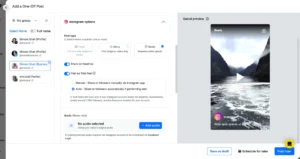
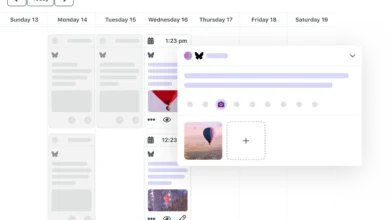
The tool enables eligible accounts to schedule Reels, single-image posts, and multi-image carousel posts up to 75 days in advance directly through the mobile application. To utilize the feature, creators navigate to "Advanced settings" on the final publishing screen, select a specific date and time, and queue the asset. Scheduled content can be managed, rescheduled, or deleted via the "Scheduled posts" folder located in the professional dashboard drop-down menu.
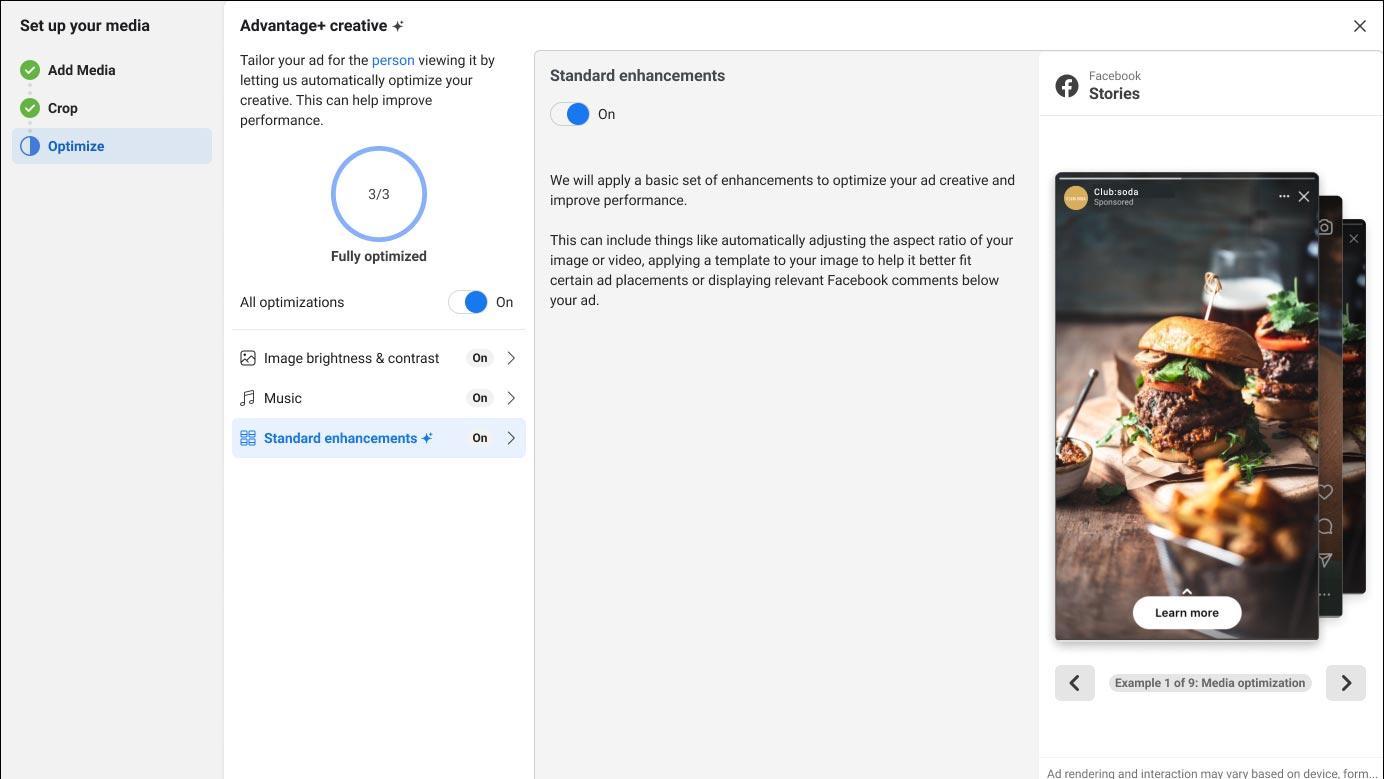
Despite its convenience, the native tool comes with distinct limitations. Advanced distribution features such as product tagging, cross-platform publishing to Facebook, and paid post boosting are not supported during the initial scheduling phase. Creators must manually apply these features after the content goes live, underscoring the ongoing necessity for hybrid management workflows between native apps and desktop suites.
The Rise of Automation: Meta Advantage+ and AI-Driven Campaigns
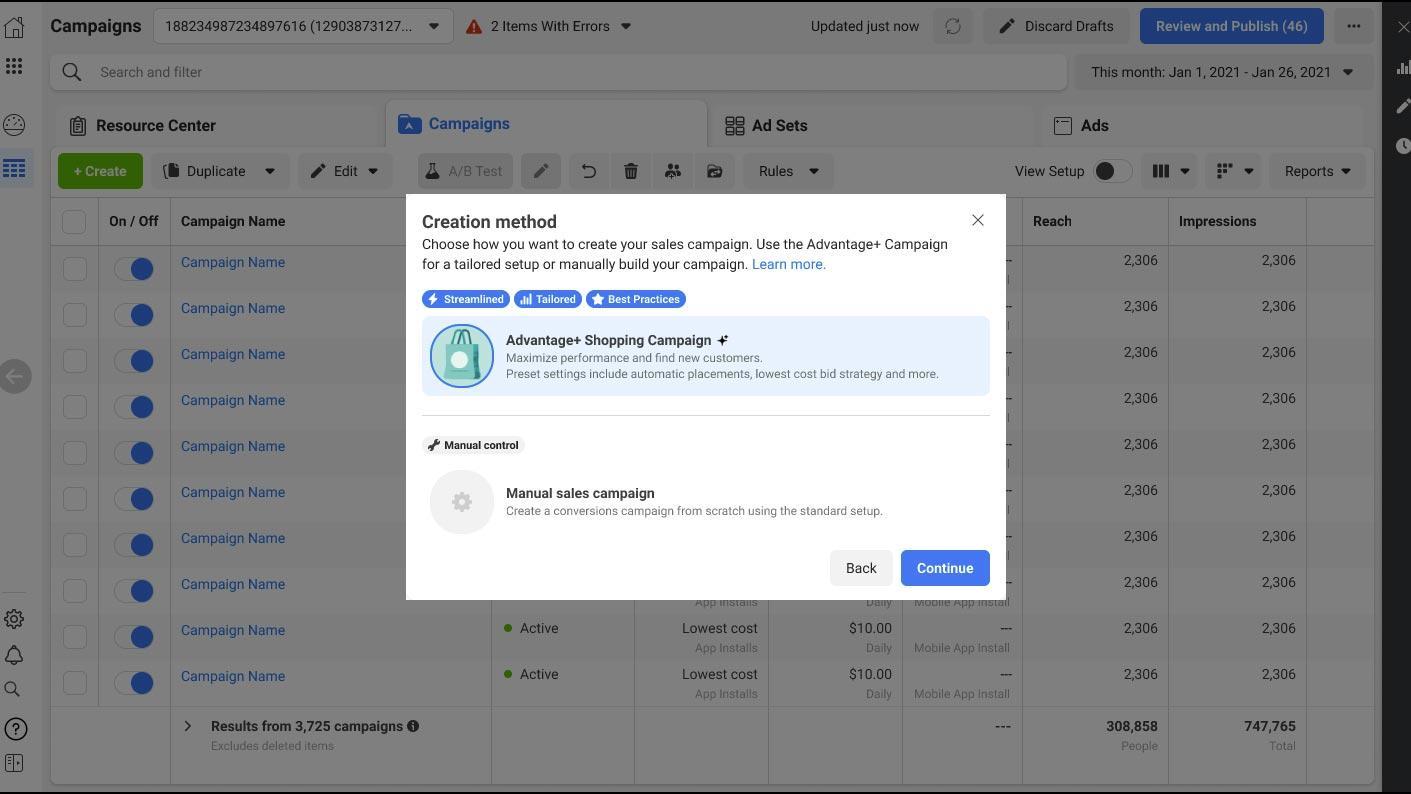
Throughout 2022, Meta accelerated its push toward automation, consolidating its machine-learning ad solutions under the unified Meta Advantage suite. Comprising "Advantage" (automation features added to existing campaigns) and "Advantage+" (fully automated end-to-end campaigns), this product tier represents Meta’s direct response to signal loss resulting from privacy updates such as Apple’s App Tracking Transparency (ATT) framework.
Advantage+ Shopping campaigns, which launched broadly in August 2022, leverage machine learning to automate creative variation testing, audience targeting, and budget allocation. According to internal Meta data cited in comparative performance tests, these automated campaigns frequently yield a lower cost-per-purchase conversion rate than traditional manual configurations by testing up to 1,000 creative variations simultaneously.

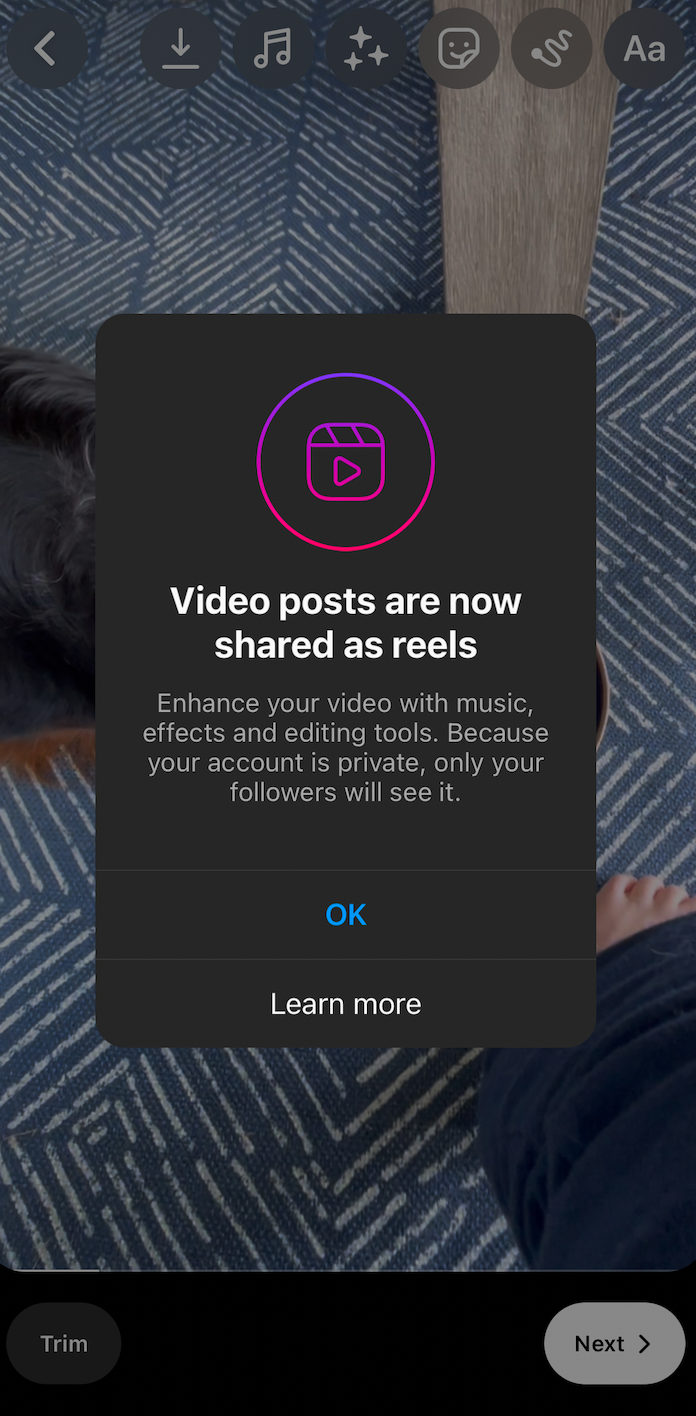
Complementary tools such as Advantage+ creative, Advantage audience, and Advantage+ app campaigns continue to reduce manual overhead for small and medium-sized businesses. By dynamically tailoring ad creative to match individual user preferences and automatically adjusting targeting parameters based on conversion signals, Meta’s automated ad suite has fundamentally altered performance marketing.
Prioritizing Short-Form Video and the Integration of Reels
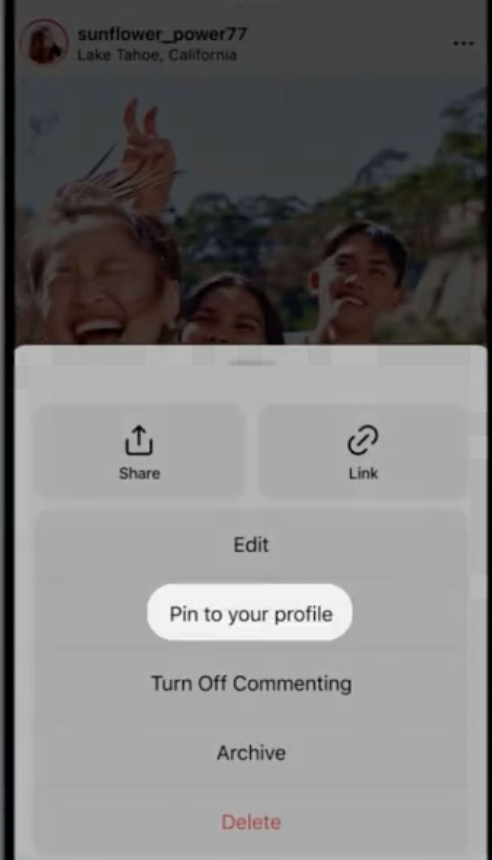
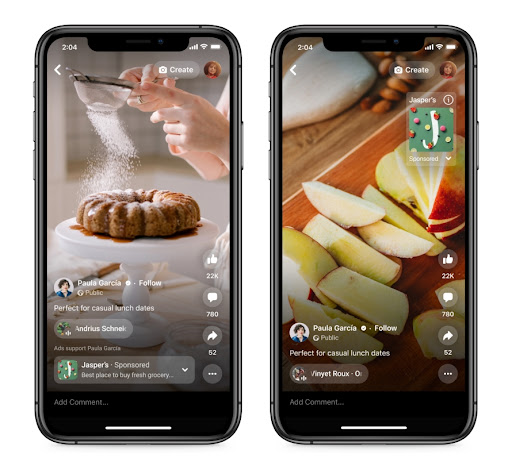
Short-form video remained a primary operational pillar for Meta throughout 2022, heavily mirroring industry-wide consumption shifts driven by competitive platforms like TikTok. The company systematically integrated Reels across its primary real estate, merging standard in-feed video posts under 15 minutes into the Reels format on Instagram and rolling out Facebook Reels globally with monetization pathways.

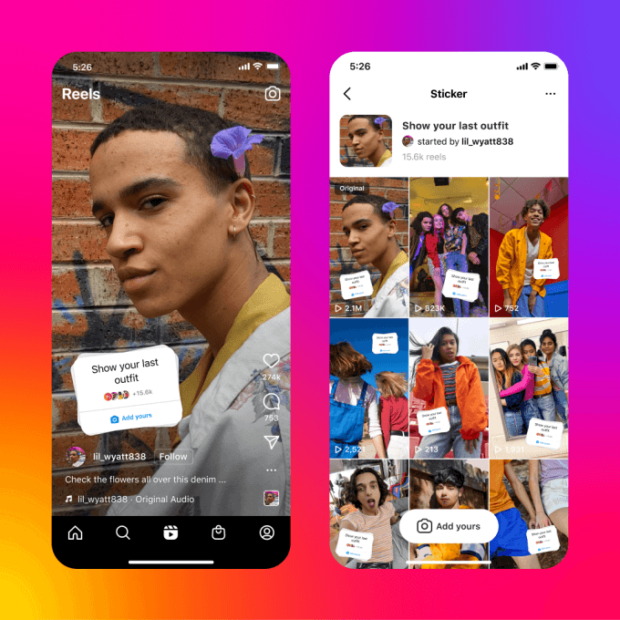
To support this transition, Meta introduced API access for Reels, allowing third-party social media management platforms—including Hootsuite—to integrate publishing, analytics, and comment moderation for short-form video into their enterprise dashboards. Furthermore, the rollout of Instagram’s "Add Yours" sticker for Reels, cross-posting capabilities to Facebook, and direct in-app boosting transformed Reels from a purely organic engagement driver into a robust commercial surface.
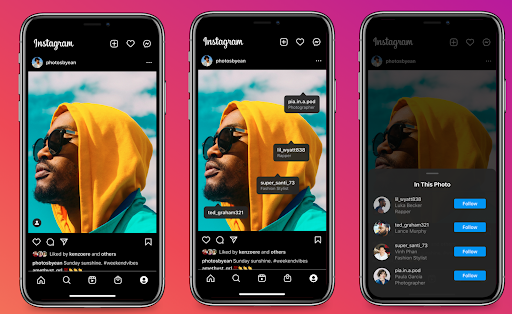
Simultaneously, Meta adjusted its monetization infrastructure. The company confirmed that revenue-sharing models for creator features such as Badges, Subscriptions, and paid online events would remain unencumbered by platform fees through at least 2024, incentivizing top-tier talent to anchor their digital businesses within the Meta ecosystem.
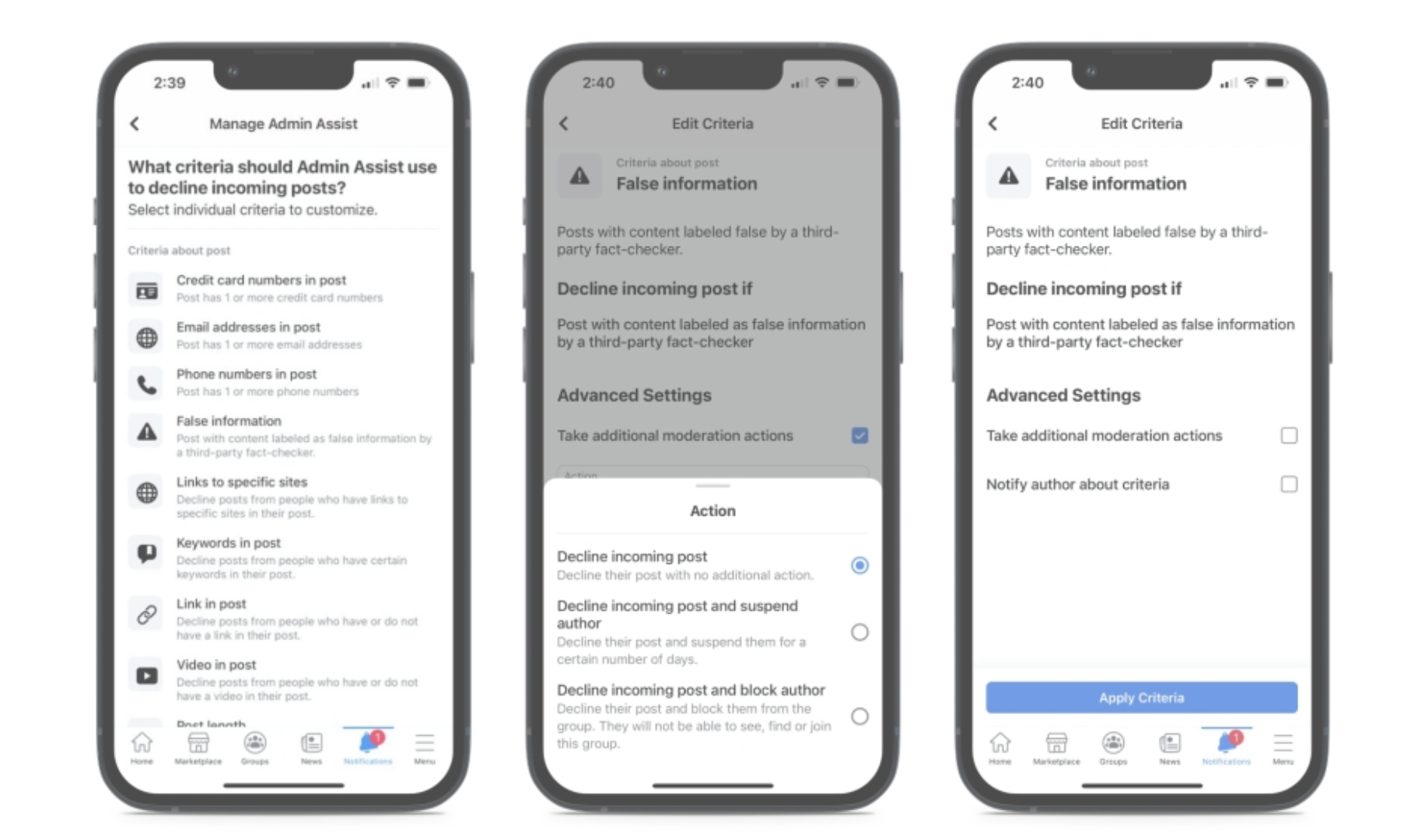
Elevating Trust: Brand Safety Milestones and Intellectual Property Protections
As digital advertising environments face heightened scrutiny regarding brand suitability, Meta pursued rigorous third-party accreditations to assure advertisers of content safety. In November 2022, Meta achieved accreditation from the Media Rating Council (MRC) for content-level Brand Safety on Facebook. Independent auditors evaluated the network’s Partner Monetization Policies, Content Monetization Policies, and associated brand suitability controls applied to Instant Articles and In-Stream video across desktop, mobile web, and native applications.
To complement these platform-wide safety measures, Meta addressed intellectual property concerns through the deployment of a new IP Reporting API and enhancements to its Brand Rights Protection framework. Designed for rights holders and brand protection agencies, the API integrates directly with the Graph API, enabling streamlined reporting of copyright infringements, counterfeit products, and trademark violations through Business Manager.
Economic Support and Small Business Resources
Recognizing the macroeconomic pressures facing small and medium-sized businesses during the holiday shopping season and the post-pandemic recovery period, Meta deployed targeted support frameworks. Programs such as "Small Business Studios"—a live tour visiting cities across the United States—provided educational workshops, on-demand courses, and direct consultations. Additionally, partnerships with public figures and organizations offered financial grants, ad credits, and specialized training to historically underrepresented business communities, including Black-owned and Asian and Pacific Islander-owned enterprises.
Strategic Implications and Outlook for 2023
Meta’s strategic trajectory entering 2023 rests upon four primary pillars: the maturation of its AI-driven advertising architecture, the continued dominance of short-form video, the monetization of community spaces via Facebook Groups, and long-term capital allocation toward virtual and augmented reality infrastructure.
Despite investor skepticism surrounding Chief Executive Officer Mark Zuckerberg’s multi-billion-dollar investments in the Metaverse—exceeding $36 billion by late 2022—the company remains resolute in bridging real-world utility with digital environments. For marketers, the immediate implications are clear: algorithmic adaptation, creative diversification, and a reliance on automated optimization tools are no longer optional strategies; they are foundational requirements for maintaining competitive return on investment within the Meta ecosystem.