Buffer vs. Later: A Comprehensive 2026 Comparison of Leading Social Media Management Tools

Choosing the right social media management tool is a critical operational decision for modern brands, digital agencies, and independent creators aiming to maintain a consistent digital footprint. As the landscape of social media continues to evolve at a rapid pace, the software infrastructure supporting content distribution must balance cost, flexibility, and robust analytical capabilities. Two prominent contenders in this space, Buffer and Later, have established themselves as industry staples, yet they cater to fundamentally different workflows. Buffer emphasizes flexible, channel-based pricing and a streamlined multi-platform publishing experience, whereas Later focuses heavily on visual-first content planning, aesthetic grid curation, and specialized commerce integrations for platforms like Instagram and TikTok.
An analytical overview of the features, pricing structures, and core operational differences between Buffer and Later reveals how each platform positions itself in the competitive digital marketing software ecosystem. Cost remains one of the primary drivers for small businesses and independent creators selecting a management hub. Buffer operates on a flexible, channel-by-channel pricing model starting at $6 per month, accompanied by a robust free tier supporting up to three social media accounts. This structure enables users to select exact platforms—such as LinkedIn, X (formerly Twitter), or Mastodon—without incurring charges for bundled networks they do not actively use. Conversely, Later adopts a bundled subscription model based on "social sets," with entry-level paid plans starting at $25 per month and no permanent free tier available. Later requires users to purchase fixed bundles containing one account per supported network, meaning multi-account strategies on a single platform require additional financial outlays.
The divergence in pricing extends directly to user seat allocations and team collaboration dynamics. Buffer’s Free and Essentials plans accommodate a single user, while its Team plan introduces unlimited user seats for a predictable flat rate, removing financial barriers for expanding marketing departments. Later implements a tiered user seat framework, starting with one seat on its Starter plan, two on the Growth plan, and four on the Scale plan, with additional users incurring an incremental fee of $5 per month per seat. For growing agencies and collaborative content teams, these structural differences dictate long-term operational expenditures and scalability potential.
Platform compatibility further distinguishes the two services. Buffer supports an expansive roster of 11 distinct social networks, including Facebook (Pages and Groups), Instagram (Personal, Creator, and Business profiles), X/Twitter, LinkedIn, TikTok, Pinterest, Google Business Profile, Mastodon, YouTube, Threads, and Bluesky. Later supports eight core platforms: Instagram, Facebook, Threads, Pinterest, TikTok, LinkedIn, YouTube, and Snapchat. Notably, Later omits support for X/Twitter, Bluesky, Mastodon, and Google Business Profile, while Buffer does not currently integrate with Snapchat. These platform omissions and inclusions directly influence brand visibility strategies, particularly for organizations prioritizing micro-blogging networks or localized search optimization through Google Business profiles.
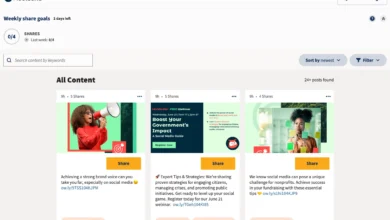
Content creation, scheduling mechanics, and workflow automation represent the operational heart of any social media management suite. Both Buffer and Later offer centralized dashboards designed to draft, customize, and queue content across multiple destinations simultaneously. However, operational limitations vary significantly between the two systems. Buffer imposes no post-scheduling limits on its paid tiers, supports bulk scheduling of up to 100 posts via CSV uploads, and introduces channel grouping features that allow administrators to publish targeted campaigns to predefined collections of accounts with a single click. Furthermore, Buffer incorporates its proprietary AI Assistant across all subscription levels, including the free tier, providing unlimited content ideation, caption generation, and multi-platform text repurposing without token restrictions.
In contrast, Later enforces structured monthly scheduling caps on its lower-tier plans, restricting users to 30 posts per profile monthly on the Starter plan and 180 on the Growth plan, reserving unlimited scheduling exclusively for its highest-tier Scale plan. Later also lacks native CSV bulk-upload functionality, necessitating more manual entry for large-scale campaign deployments. Where Later differentiates itself is in its visual planning capabilities—most notably an interactive drag-and-drop calendar and visual grid preview tailored specifically for Instagram and Pinterest curation. Later also incorporates credit-based AI content tools on paid plans, a saved-caption repository, and automated hashtag suggestion engines derived from post body text.
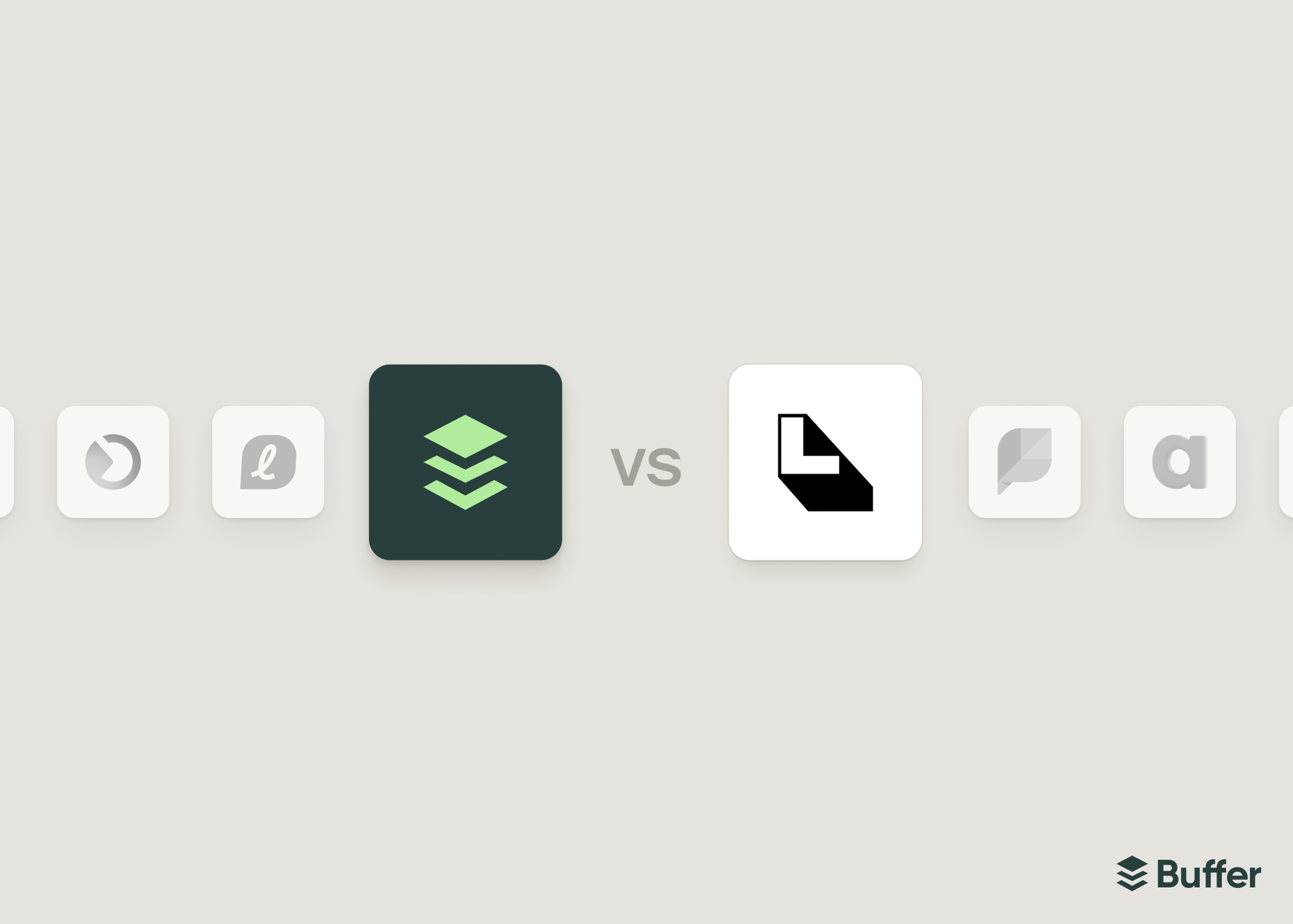
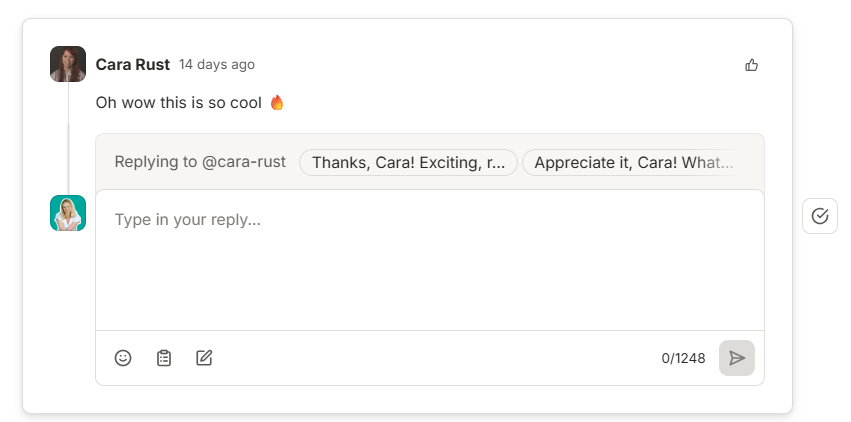
Community engagement and audience interaction tools provide another critical metric for evaluation. Buffer integrates its Community management features into all plans, including the free tier, allowing users to monitor and respond to incoming comments across multiple profiles efficiently. Buffer introduces unique analytical metrics such as a "comment score," which evaluates response velocity and consistency, alongside AI-driven response suggestions and saved reply templates. Later restricts its centralized Social Inbox—which aggregates Instagram and Facebook direct messages and comments alongside TikTok comments—to its Growth and Scale plans. Additionally, Later offers advanced enterprise-grade add-ons such as social listening for brand sentiment analysis and a separate influencer marketing product suite, though both require separate, custom-quoted financial commitments.
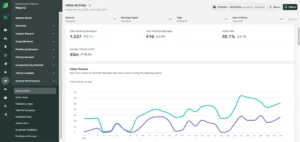
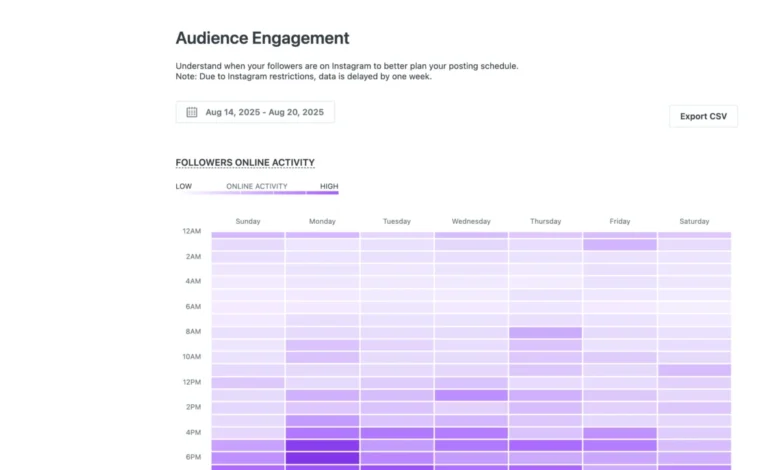
Analytics and performance reporting capabilities determine how brands evaluate campaign efficacy and return on investment. Buffer’s Insights feature is accessible across all plans, delivering comprehensive cross-platform metrics, historical data extensions, and AI-generated "Takeaways" that synthesize complex performance charts into actionable strategic recommendations. PDF and CSV report exports facilitate seamless stakeholder communication. Later delivers robust demographic analytics—including age, gender, geographic distribution, and audience online-activity heatmaps—for Instagram, Facebook, TikTok, and Threads. However, cross-account analytical aggregation is limited to its highest-tier plan, and formal reporting exports are restricted to CSV formats, omitting direct PDF report generation capabilities.
Link-in-bio monetization tools represent an increasingly vital touchpoint for digital creators and e-commerce brands. Buffer’s Start Page and Later’s Link in Bio tools both allow users to build customizable landing pages containing social links, buttons, and email acquisition forms. Buffer’s Start Page provides modular block architecture, permitting multiple instances of image grids, video embeds, and custom text blocks without restriction. Later’s Link in Bio focuses tightly on commercial conversion, featuring direct integrations with Shopify for product-tagging workflows and Mavely for streamlined affiliate marketing link generation, making it exceptionally well-suited for retail and direct-to-consumer enterprises.
Ultimately, the selection between Buffer and Later hinges on organizational scale, budgetary structure, and content methodology. Buffer remains the preferred solution for solopreneurs, cost-conscious creators, and multi-platform publishers seeking predictable, channel-based pricing, unlimited team seats, robust AI integration, and micro-blogging platform compatibility. Conversely, Later serves as a powerful specialized hub for visual-first brands, Instagram-centric creators, and e-commerce enterprises requiring advanced visual grid planning, integrated Shopify conversions, and dedicated influencer campaign management frameworks.