Macy’s Capitalizes on Tariff Refunds to Accelerate Flagship Revamp and Long-Term Growth Strategies


Macy’s Inc. is charting a deliberate and strategic course for its ongoing corporate turnaround, opting to channel millions of dollars in newly recovered tariff refunds directly into long-term infrastructure and brand revitalization rather than engaging in aggressive, margin-eroding price cuts. As the retail landscape braces for an increasingly competitive autumn and holiday shopping season, the department store giant’s calculated fiscal decisions underscore a broader evolution in its operational philosophy—moving away from historical patterns of decline and toward sustained, multi-channel profitability.
The injection of capital follows the full recovery of $116 million in anticipated tariff refunds. Rather than deploying these funds to spark a localized price war, executive leadership has opted to use approximately $20 million to directly bolster immediate quarterly earnings. The lion’s share of the remaining capital is slated for high-impact strategic initiatives, including accelerated store overhauls, aggressive brand-building campaigns for the Macy’s namesake banner, and proactive measures to mitigate macroeconomic pressures such as fuel volatility. A remarkably modest slice of the refunded capital will be directed toward selective price adjustments on targeted merchandise classes, such as fine jewelry and home furnishings.
This disciplined approach has won early praise from market analysts and retail strategists alike, who view Macy’s refusal to participate in a "race to the bottom" pricing strategy as a critical differentiator in a crowded and discount-fatigued retail marketplace.
A Turning Point in a Multi-Year Transformation
The recent financial disclosures mark a notable psychological and operational milestone for Macy’s Inc. Historically, quarterly earnings announcements for the namesake brand were frequently characterized by declining foot traffic, margin pressures, and a heavy reliance on deep promotional markdowns to clear stagnant inventory. However, the retailer’s latest financial reports paint a starkly different picture, signaling newfound resilience across its entire portfolio.
Industry observers have taken note of the structural improvements. Neil Saunders, managing director at GlobalData, highlighted the significance of the retailer’s current trajectory in recent commentary, noting that earnings reports no longer evoke the narratives of gloom and decline that once shadowed the heritage brand. Instead, the steady operational improvements reflect a meticulous, multi-year strategic overhaul taking root.
The numbers substantiate this optimism. Under the leadership of CEO Tony Spring, Macy’s Inc. has delivered six consecutive quarters of better-than-expected financial results. More critically, the enterprise has logged five consecutive quarters of comparable sales growth and two straight quarters of positive net sales growth. Executives attribute this momentum to an optimized merchandise assortment featuring a more compelling mix of relevant national brands, selective private labels, and elevated brand partnerships, which have collectively driven up average unit retail prices without alienating the core consumer base.
A Balanced Portfolio Across the Retail Spectrum
A key pillar of Macy’s current resilience lies in the structural diversity of its brand portfolio. Spanning the entire consumer spending spectrum from off-price accessibility to high-end luxury, the enterprise commands a unique market position through its three primary retail banners: Macy’s, Bloomingdale’s, and Bluemercury.
Speaking to analysts during the earnings briefing, CEO Tony Spring emphasized the distinct structural advantages of operating a multi-brand, multi-category, and multi-channel ecosystem. While the namesake Macy’s banner has traditionally required the most intensive care and restructuring, the consistent outperformance of Bloomingdale’s in the luxury segment and Bluemercury in the specialty beauty market has provided a sturdy financial cushion during the multi-year turnaround.
Emarketer Vice President Suzy Davidkhanian noted that while the namesake Macy’s banner remains very much a work in progress, five consecutive quarters of comparable sales growth demonstrate that the brand is finally building organic momentum independent of its luxury counterparts. In an economic climate where modern consumers are increasingly intentional, value-driven, and selective about their discretionary purchases, Macy’s ability to offer a compelling blend of fresh merchandise, well-known national labels, and targeted curation has successfully stimulated consumer demand.

Avoiding the Retail "Race to the Bottom"
The decision regarding how to allocate the $116 million in tariff refunds has become a focal point for retail analysts monitoring the broader softlines and apparel sector. In recent months, numerous apparel and department store retailers have received or anticipated similar federal refunds and regulatory adjustments, frequently choosing to pass these savings immediately onto consumers via aggressive discounting to drive short-term volume.
However, industry experts have warned that such a tactic risks triggering a destructive price war across the retail sector as companies scramble for market share ahead of the critical winter holidays. Michael Binetti and a team of analysts at Evercore ISI addressed this dynamic in a research note following Macy’s earnings announcement. Binetti commended Macy’s leadership for breaking away from the crowd, writing that utilizing tariff refunds to fuel price cuts risks fostering a damaging race to the bottom in the softlines market. By contrast, Evercore ISI explicitly endorsed Macy’s strategy of channeling the capital directly into its "Reimagine" transformation agenda.
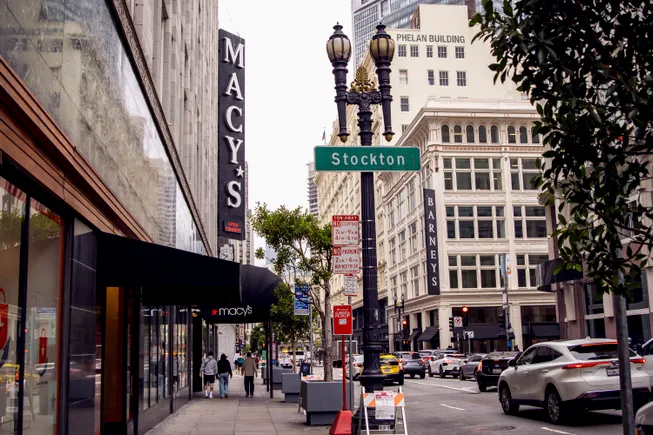
By directing the funds toward modernizing store layouts, upgrading digital touchpoints, and enhancing the physical shopping environment, Macy’s is prioritizing structural longevity over fleeting transactional boosts. Executives noted that the influx of capital allows the company to accelerate its store fleet modernization plans, bringing upgraded layouts, improved visual merchandising, and elevated customer service standards to key flagship and regional locations much faster than originally scheduled.
Setting the Stage for the Crucial Holiday Season
As the retail industry looks toward the final quarter of the fiscal year, Macy’s finds itself in an enviable operational posture. The continuous refinement of its supply chain, combined with disciplined inventory management and higher average selling prices, has left the retailer well-prepared for the intense consumer activity of the autumn and winter holiday season.

Adding historical weight to the upcoming months, Macy’s is currently preparing to stage its 100th annual Thanksgiving Day Parade—a milestone cultural event that sits less than 77 days away. As CEO Spring pointed out, the iconic parade serves as both a powerful marketing engine and a cultural touchstone that traditionally reinforces Macy’s status as a premier holiday shopping destination. Department stores have historically excelled during the holiday season by capturing gift-giving demand, and Macy’s operational discipline this year is expected to translate into higher conversion rates and healthier operating margins during the fourth quarter.
Implications and Fact-Based Analysis
Macy’s strategic maneuvers offer a compelling case study in modern retail turnaround management. For years, legacy department stores have struggled to find a sustainable equilibrium between e-commerce dominance, shifting consumer demographics, and the high overhead costs associated with maintaining massive physical footprints.
By treating the tariff refunds as an investment fund rather than a promotional subsidy, Macy’s is signaling a fundamental confidence in the intrinsic value of its brand portfolio. Rather than artificially propping up near-term transaction volumes with margin-destroying discounts, the company is betting that superior store experiences, curated brand assortments, and optimized omnichannel integration will yield higher long-term customer lifetime value.
Nevertheless, significant challenges remain. The turnaround of the namesake Macy’s banner, while gaining undeniable momentum, still requires constant vigilance. Macroeconomic pressures, including fluctuating consumer confidence, persistent inflation in select non-discretionary categories, and ongoing volatility in labor and fuel costs, continue to pose external risks to the retail sector at large.
However, the empirical evidence gathered over the past six quarters suggests that Macy’s management team has successfully stemmed the tide of historical declines. By pairing disciplined cost management with strategic reinvestment—as demonstrated by the targeted deployment of its tariff recovery funds—Macy’s Inc. is steadily proving that legacy brick-and-mortar department stores can successfully adapt, modernize, and thrive in an increasingly demanding retail ecosystem.
Related posts: