The Comprehensive Guide to Sponsored Posts in the Digital Advertising Landscape


In the modern digital economy, the sponsored post has evolved from a simple advertising tactic into a cornerstone of global marketing strategy. Defined broadly as any social media content that a brand or individual has paid to promote, these posts serve as the primary bridge between organic engagement and high-conversion commercial objectives. As consumer habits shift toward creator-led content, the mechanics behind these placements have become increasingly sophisticated, involving complex algorithmic targeting, strict regulatory compliance, and multi-layered influencer partnerships.

The current landscape for paid social media is immense. Advertisers are projected to spend over $121 billion on United States social networks in 2026 alone. This surge in capital is fueled by a fundamental change in how users interact with brands: rather than consuming traditional, interruptive advertisements, audiences are gravitating toward content that feels native to their feeds. Whether it is a "boosted" post on Facebook, a paid partnership on Instagram, or a branded content series on TikTok, the core objective remains the same: to place a brand’s message in front of an audience that might not have discovered it through organic discovery.

A Chronology of the Sponsored Post
The history of the sponsored post mirrors the maturation of social media platforms themselves. In the early 2010s, "sponsored" content was largely synonymous with banner ads or sidebar displays. However, as mobile usage surged, platforms like Facebook and Instagram realized that the most effective way to monetize their user base was to integrate advertising directly into the user experience.

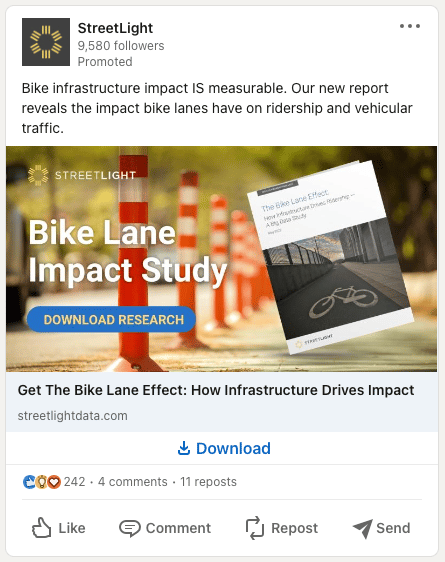
By 2015, the "sponsored" label became a permanent fixture on social media feeds to ensure transparency. This shift was largely in response to increasing scrutiny from the Federal Trade Commission (FTC), which began enforcing stricter guidelines regarding the disclosure of material connections between brands and content creators. In 2023, the regulatory environment tightened further when the FTC warned nearly 700 marketing companies of potential civil penalties for failing to adequately disclose paid endorsements. This signaled an era of increased accountability, forcing platforms to introduce native "Paid Partnership" toggles and mandatory disclosure tools that are now standard across the industry.
Categorizing the Modern Sponsored Post
While the industry often treats "sponsored posts" as a monolith, they are categorized into three distinct operational models, each serving different business goals:

- Promoted or Boosted Posts: These represent the most traditional form of paid advertising. Brands utilize platform-native ad managers to pay for the distribution of their own content. The primary advantage here is precision; advertisers can utilize first-party data to target users based on granular demographics, interests, and behaviors.
- Influencer Partnerships: This model relies on the social capital of individual creators. Brands pay influencers to promote products within their existing content ecosystem. This is a powerful tool for generating "social proof," as the influencer’s endorsement acts as a modern form of word-of-mouth marketing.
- Branded Content: This approach involves editorial-style collaborations where a brand funds content produced by a publisher or a high-tier creator. The brand receives credit, but the creative direction is often led by the publisher to ensure the tone matches the audience’s expectations. This format is primarily used for brand awareness rather than immediate conversion.
Economic and Strategic Implications
The economic scale of this sector is staggering. The global influencer marketing market alone was estimated to be worth approximately $32.55 billion in 2025, a figure that has effectively doubled in just three years. This growth is not accidental; it is the result of brands pivoting toward strategies that prioritize trust over reach.

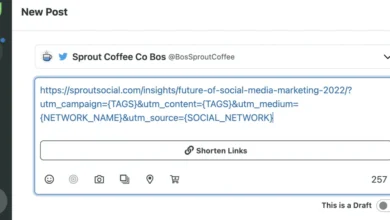
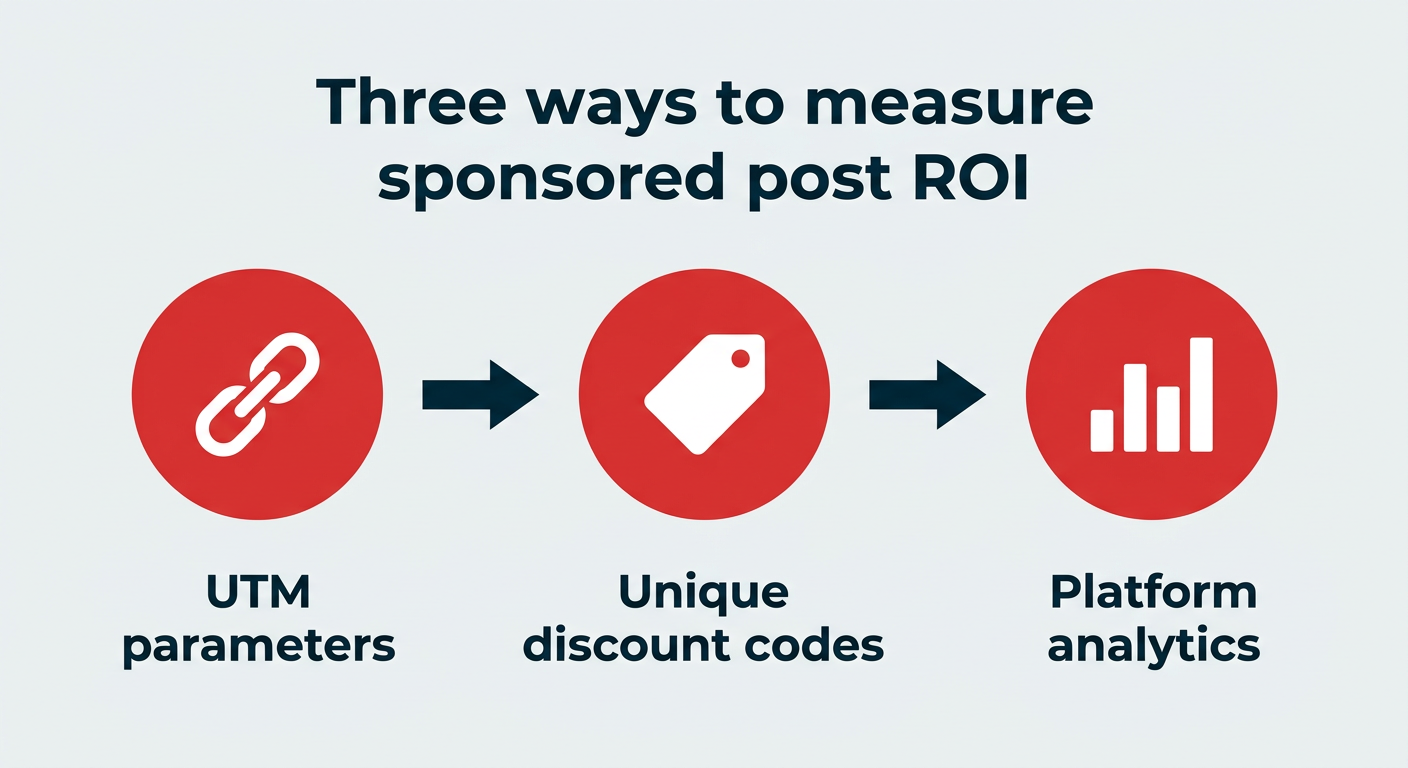
For brands, the decision to invest in sponsored posts is rarely about vanity metrics like likes or comments. Instead, the focus has shifted toward return on ad spend (ROAS) and conversion tracking. Companies are now utilizing sophisticated tracking methods, such as UTM parameters and unique discount codes, to map the direct lineage from a sponsored post to a completed sale. This shift toward data-driven accountability has made the sponsored post a staple of performance marketing rather than just a branding exercise.

The Regulatory Landscape and Compliance
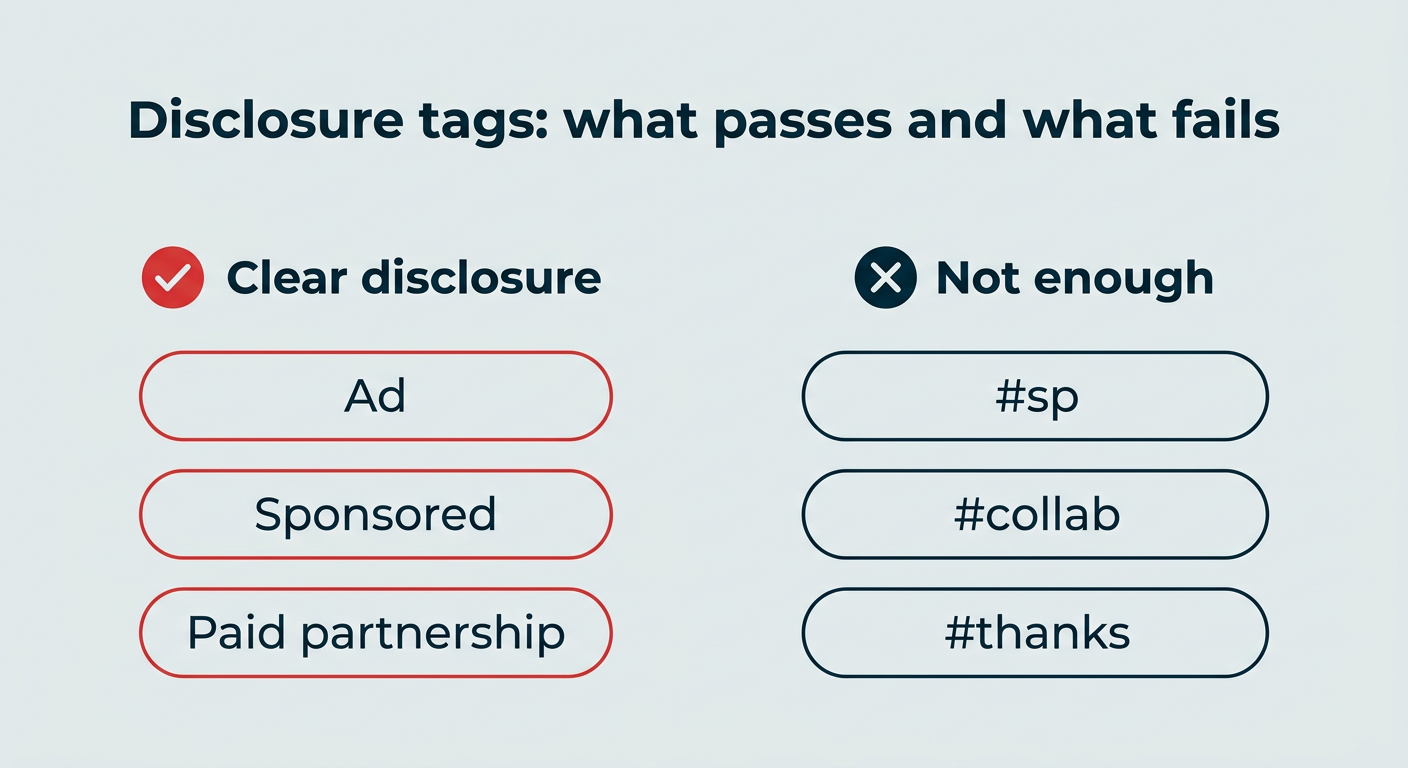
Operating within the legal framework of social media advertising is non-negotiable for modern brands. The FTC’s Endorsement Guides mandate that any material connection—including free products, discounts, or monetary payments—must be disclosed in a "clear and conspicuous" manner.

In practice, this means that disclosures cannot be hidden in a block of hashtags or at the end of a long caption. They must be visible to the user before they engage with the content. For video content, this involves placing labels on-screen long enough for a viewer to process the information. Failure to comply can lead to significant repercussions, including fines and the removal of content by platform administrators. As of late 2025, the FTC continues to issue warnings regarding deceptive practices, including fake reviews and undisclosed partnerships, underscoring the necessity for brands to maintain rigorous compliance audits.
Best Practices for Campaign Success
To maximize the effectiveness of a sponsored campaign, marketers should adhere to a set of established best practices:
- Define Clear Objectives: Before launching, identify whether the goal is brand awareness, website traffic, or sales conversions. Each goal requires a different creative approach and different platform tools.
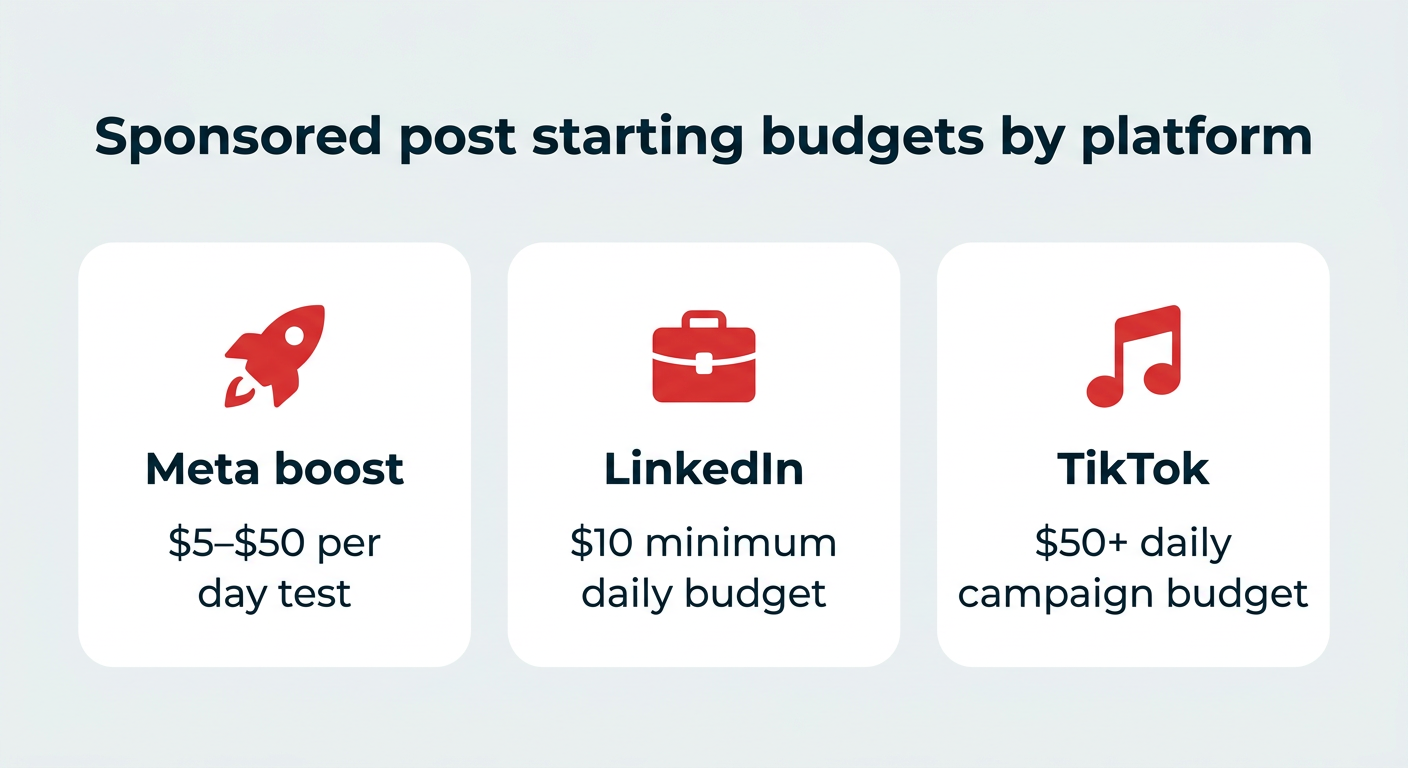
- Leverage Platform-Specific Tools: Do not rely on one-size-fits-all strategies. Use Meta Ads Manager for precise targeting on Facebook/Instagram, leverage LinkedIn’s professional demographic targeting for B2B, and utilize TikTok’s Spark Ads to amplify organic engagement.
- Prioritize Transparency: Beyond legal compliance, transparency builds trust. Audiences are increasingly savvy and can identify disingenuous partnerships. Authenticity remains the most valuable currency in influencer marketing.
- Measure Holistically: Do not look at metrics in isolation. Combine platform-native analytics with internal sales data and UTM tracking to get a 360-degree view of how the sponsored content is influencing the customer journey.
- Test and Iterate: The only way to determine true cost-per-result is through small-scale testing. Use A/B testing to refine creative elements, audience segments, and messaging before committing the bulk of a campaign budget.
Future Outlook
As we look toward the remainder of the decade, the integration of artificial intelligence and advanced machine learning will likely further automate the sponsored post process. Brands will be able to predict, with increasing accuracy, which influencers will resonate with specific demographics and which creative formats will yield the highest engagement rates.
However, the fundamental principle of the sponsored post will remain unchanged: it is a value exchange. The brand provides financial support, the creator provides access to an engaged community, and the platform provides the infrastructure for delivery. As long as brands can continue to provide value that feels native to the user experience, the sponsored post will remain an indispensable tool in the global marketing toolkit. Companies that focus on transparency, data-backed strategies, and genuine creative partnerships are poised to capture the greatest share of the expanding digital advertising economy.