In the modern digital landscape, the traditional model of social media—where content was consumed exclusively from accounts a user explicitly followed—has been fundamentally dismantled. Today, discoverability has become the primary currency for brands and creators alike. With 66% of U.S. consumers now utilizing social platforms as primary search engines, the ability to appear in front of non-followers through algorithmic recommendations and search queries is no longer a luxury; it is a fundamental requirement for growth.

The shift toward "social search" represents a broader evolution in consumer behavior. Platforms such as TikTok, Instagram, and YouTube are no longer just social networks; they are discovery engines where users seek product reviews, tutorials, and lifestyle advice. When a user searches for "best noise-canceling headphones" or "how to fix a leaking faucet," they are increasingly bypassing traditional search engines like Google in favor of social platforms that offer visual, human-centric results.
The Anatomy of Discoverability: Defining the New Metrics
To understand the current ecosystem, marketers must distinguish between three interrelated concepts: discoverability, reach, and visibility. Discoverability is the proactive capacity of an account to be found by users who do not yet follow them. Reach, by contrast, is a broader metric representing the unique number of users who encounter a post, regardless of how they arrived there. Visibility represents the brand’s prominence within a specific conversation or industry niche, often measured by share of voice.

Historically, follower counts served as the definitive indicator of social media success. However, in the current algorithmic environment, high follower counts do not guarantee high engagement or exposure. Algorithms now prioritize content relevance and user interest over account size. This democratization of reach means that even a brand with a modest following can achieve viral status if its content provides high value and aligns with the platform’s intent-based signals.
A Timeline of Algorithmic Evolution
The transition to algorithmic-driven discovery did not happen overnight. The evolution can be traced back to the late 2010s, when platforms began moving away from chronological feeds to improve user retention.

- 2016–2018: Platforms like Instagram and Facebook introduced algorithmic sorting, prioritizing posts from friends and family over business content.
- 2020–2022: The rise of short-form video, led by TikTok, forced a paradigm shift. The "For You" page (FYP) model proved that users would engage with content from unknown creators if it was sufficiently entertaining or educational.
- 2023–2025: Social platforms integrated sophisticated SEO features, including keyword-indexed captions, AI-driven topic categorization, and improved search functionality. This period solidified the role of social media as a search engine.
Data-Driven Strategies for Optimization
The optimization of social content now mirrors the principles of traditional search engine optimization (SEO). Experts suggest a multi-layered approach to signal relevance to platform algorithms.
First, profile optimization is critical. A brand’s handle, display name, and bio should contain primary keywords that reflect the user’s search intent. A generic handle may be memorable, but a descriptive display name—such as "Brand Name | Skincare Expert"—tells the algorithm exactly which category the account belongs to.

Second, the "Social SEO" of captions and on-screen text cannot be ignored. Platforms now index the text embedded within videos and the audio transcripts produced by auto-captioning tools. By explicitly mentioning topics and using natural language that mimics user search queries, creators can ensure their content is surfaced when a user enters a relevant query in the search bar.
Third, the strategy of "Core Topic Clustering" has emerged as a best practice. By consistently posting about a specific set of niche topics, a creator trains the algorithm to categorize their account as an authority on those subjects. This consistency provides the algorithm with a predictable signal, which in turn leads to more accurate audience matching.

The Role of Engagement Signals
Engagement remains the primary feedback loop for discovery. However, the quality of that engagement has shifted. "Vanity metrics" like simple likes are increasingly being superseded by deeper signals: saves, shares, and watch time. A "save" indicates that a piece of content is valuable enough to revisit, while a "share" suggests it is relevant enough to warrant a personal recommendation. Algorithms interpret these actions as high-confidence signals that the content will be valuable to a broader audience, triggering a cycle of increased distribution.
Conversely, "engagement baiting"—the practice of asking users to comment "Yes" or tag friends for no value-added reason—is being penalized by many platform systems. These tactics are often flagged by automated moderation tools as low-quality, resulting in diminished reach.

Collaboration and Cross-Platform Synergy
Collaborative features, such as Instagram’s "Collab" posts, have emerged as a high-efficiency tool for discoverability. By co-authoring a post with another entity, a brand can tap into the partner’s audience without the friction of a repost. This dual-exposure model leverages the trust already established between the partner and their audience, effectively lowering the barrier to entry for new followers.
Cross-promotion also remains a vital tactic. A cohesive strategy involves using short-form content on platforms like TikTok or Reels to drive traffic to longer, more comprehensive content on YouTube or a company website. This funnel-based approach ensures that while the algorithm provides the discovery, the brand provides the depth of information required to convert a casual viewer into a loyal customer.
Measuring Success in a Non-Follower World
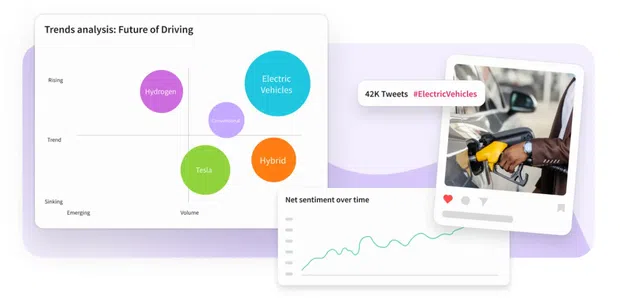
To track discoverability effectively, marketing teams must shift their focus toward non-follower metrics. Key performance indicators (KPIs) now include:
- Non-Follower Reach: The percentage of views originating from users who do not follow the account.
- Search-Driven Profile Visits: The number of users who navigate to a profile via search results rather than a direct link.
- Engagement from Non-Followers: Tracking how much interaction comes from outside the existing audience base.
By monitoring these metrics month-over-month, brands can iterate on their content strategy, identifying which topics, formats, and keywords drive the most growth.
The Future of Social Search
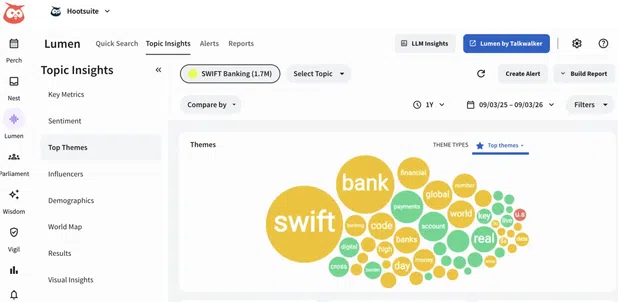
As artificial intelligence continues to integrate into social platforms, the definition of discoverability will likely expand to include conversational search. Users are already beginning to ask AI-powered chatbots within social apps for recommendations, further cementing the need for structured, indexable, and high-quality content.
The implications for businesses are clear: the era of "posting to followers" is over. The era of "publishing for discovery" has begun. Brands that prioritize searchability, value-driven content, and algorithmic alignment will find themselves in a position of strength, reaching new audiences without the necessity of escalating paid advertising budgets. By treating social media as a dynamic, searchable database, organizations can ensure their voice is heard in an increasingly crowded digital landscape.