The United States federal government has issued an urgent, multi-agency cybersecurity advisory urging commercial food retailers, supermarkets, and cold chain logistics operators to immediately secure their internet-connected industrial control systems. This decisive action comes in direct response to an escalating wave of sophisticated cyberattacks targeting grocery stores and critical temperature-controlled facilities across Europe.
Federal authorities, including the Cybersecurity and Infrastructure Security Agency (CISA), alongside the U.S. Department of Agriculture (USDA), the Department of Health and Human Services (HHS), and the Department of Transportation (DOT), are coordinating efforts to prevent similar malicious operations from crippling domestic critical infrastructure. The threat landscape has shifted dramatically, moving beyond traditional data breaches and ransomware attacks on corporate office networks to physical-world sabotage executed through digital entry points.
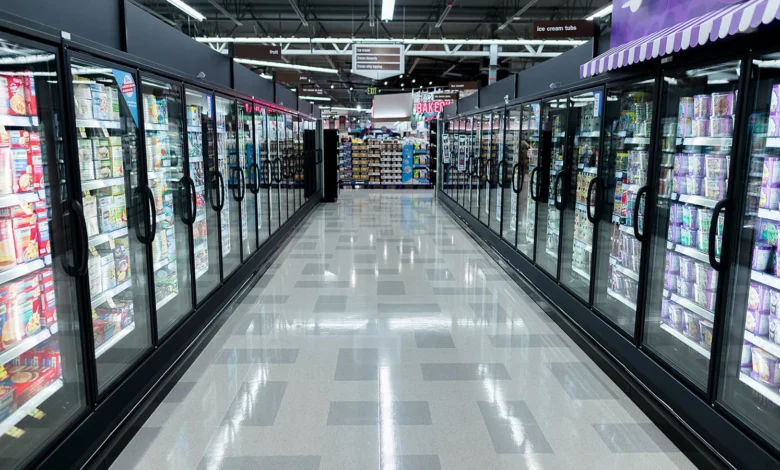
The core vulnerability lies within the programmable logic controllers (PLCs) and building management systems that regulate commercial refrigeration, HVAC, and cold storage environments. By exploiting unsecured internet-linked configurations, threat actors have demonstrated the capability to remotely manipulate internal temperatures. Such unauthorized adjustments carry severe consequences, including the generation of dangerous fire hazards through overheating, massive inventory losses via food spoilage, and severe public health risks from the consumption of compromised perishable goods. Furthermore, targeted organizations frequently suffer a complete loss of digital visibility, rendering operators blind to shifting internal environments until physical damage has already occurred.
An Escalating Threat: The European Cyberattacks
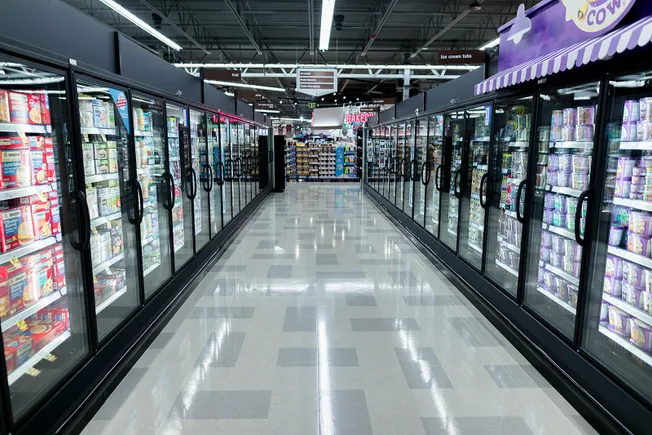
The urgency behind the American federal directive stems from a disturbing succession of cyber intrusions that hit European retail and medical supply sectors over the autumn months. These incidents transformed abstract cybersecurity theories into tangible, high-cost disasters, proving that poorly secured Internet of Things (IoT) devices in industrial settings represent a critical vector for physical sabotage.
The crisis began in early October when an anonymous group of hackers penetrated the commercial refrigeration systems of hundreds of supermarkets throughout France. By successfully exploiting vulnerable, internet-exposed programmable controllers, the threat actors drastically altered the operational parameters of the cooling units. In many locations, internal temperatures were driven as high as 120 degrees Fahrenheit. The sudden and extreme thermal spikes triggered multiple localized electrical fires, destroyed vast quantities of perishable inventory, and inflicted millions of dollars in structural and financial damage upon major grocery chains.
Just weeks after the initial French onslaught, a second wave of cyberattacks materialized across multiple European nations. This campaign bypassed retail display units and targeted the backbone of the cold supply chain: large-scale distribution centers and centralized warehouses. Hackers systematically accessed dozens of internet-exposed refrigeration systems at major European grocery operations, forcibly resetting the controls to perpetual defrost modes. This action undermined the integrity of the cold chain, forcing operators to discard massive volumes of meat, dairy, and produce to prevent consumer foodborne illnesses.
The crisis expanded beyond the retail food sector when cybercriminals targeted cold storage facilities managed by the French Blood Establishment, the national organization responsible for overseeing the country’s vital blood supply. In this incident, unknown perpetrators infiltrated the temperature-monitoring and climate-control infrastructure governing cold storage rooms across three separate operational sites. Although authorities managed to avert a catastrophic loss of biological materials through rapid emergency responses, the breach underscored the terrifying potential for industrial IoT vulnerabilities to jeopardize national healthcare systems and human lives.
Immediate Federal Guidance and Recommended Mitigations

Faced with mounting evidence that international threat actors are actively probing and exploiting industrial refrigeration infrastructure, U.S. regulatory and security agencies have abandoned passive advisories in favor of immediate, mandatory-sounding mitigation protocols.
The joint federal advisory explicitly instructs facility owners, system integrators, and corporate IT departments to immediately disconnect all industrial control system devices, building automation networks, and commercial refrigeration controllers from the public-facing internet. When remote access is deemed operationally necessary for routine maintenance or vendor diagnostics, organizations are instructed to rely exclusively on secure, encrypted Virtual Private Networks (VPNs) paired with multi-factor authentication (MFA).
Additionally, the government guidelines emphasize the critical importance of rigorous asset management and patch management. Many of the systems compromised overseas relied on outdated firmware containing known vulnerabilities that manufacturers had previously addressed via security updates. Operators are now urged to establish comprehensive inventories of all connected operational technology (OT), apply the latest firmware and software patches without delay, and replace default administrator credentials with strong, unique passwords.
Finally, the advisory underscores the necessity of continuous monitoring and rapid incident reporting. Facilities are encouraged to deploy network segmentation strategies—creating an impenetrable digital firewall between corporate administrative networks and physical operational technology systems. By isolating OT environments, organizations can ensure that a compromised corporate laptop or a phishing email targeting an administrative assistant cannot easily translate into physical control over heavy machinery, compressors, or cooling units.
Broader Implications for the Cold Chain and Critical Infrastructure

The intersection of digital technology and physical machinery—often referred to as operational technology or the Industrial Internet of Things (IIoT)—has long been recognized by cybersecurity experts as a weak point in modern corporate defense structures. Historically, IT security teams focused their efforts on protecting databases, customer records, and intellectual property. Meanwhile, operational engineers prioritized uptime, reliability, and physical safety, frequently connecting legacy machinery to the internet to enable remote diagnostics without fully appreciating the associated cybersecurity risks.
The recent European supermarket attacks serve as a watershed moment, illustrating that cybercriminals are increasingly willing to inflict real-world physical damage to extort victims or create widespread disruption. For the grocery and retail sectors, the financial implications are profound. Modern supermarkets operate on notoriously thin profit margins, where shrink and inventory loss can instantly turn a profitable quarter into a financial deficit. A coordinated attack capable of spoiling millions of dollars of food within hours poses an existential threat to individual store locations and regional distribution networks.
Beyond the retail sector, the wider cold chain—which encompasses food processing plants, pharmaceutical distribution warehouses, vaccine storage facilities, and agricultural transport fleets—faces a stark reckoning. The seamless movement of temperature-sensitive goods relies on a complex web of interconnected sensors, automated thermostats, and cloud-based monitoring platforms. If threat actors can weaponize refrigeration systems against supermarkets, similar methodologies could theoretically be deployed against pharmaceutical cold rooms holding life-saving medications, insulin, or vaccines.
Industry Response and the Path Forward
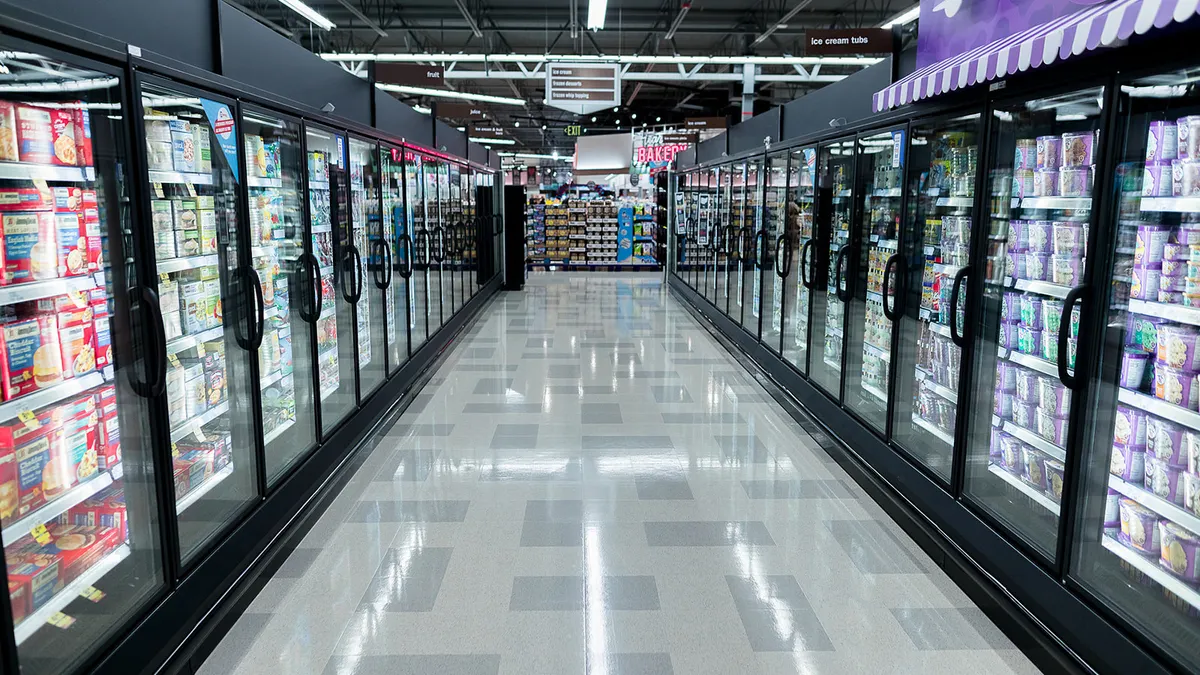
In the wake of the U.S. government’s joint advisory, industry associations representing food retailers, warehouse operators, and refrigeration contractors have mobilized to disseminate security guidance to their memberships. Major supermarket chains are currently conducting rapid internal audits to identify and isolate any legacy refrigeration controllers that lack modern encryption or sit exposed to the open internet.
Cybersecurity analysts predict that these incidents will accelerate regulatory scrutiny across the retail and agricultural sectors. While industries such as banking, energy, and defense have long operated under strict, federally mandated cybersecurity compliance frameworks, retail and commercial real estate have traditionally enjoyed a more relaxed regulatory environment regarding operational technology. Lawmakers and regulatory bodies may now feel compelled to introduce mandatory baseline security standards for commercial building automation and industrial control systems, shifting the industry away from voluntary guidelines toward enforceable compliance mandates.
As the boundary between the digital and physical worlds continues to dissolve, the recent events in Europe and the preemptive warnings issued in Washington deliver a clear message: cybersecurity is no longer merely an IT concern for Chief Information Officers. In the modern interconnected economy, securing the industrial systems that cool our food, preserve our medicine, and regulate our physical environments has become an absolute imperative for national security, public health, and economic stability.