The Evolution of Social Commerce: How Social Media Platforms Are Transforming Global Retail and Consumer Behavior


Global ecommerce sales are projected to reach $5.5 trillion worldwide, underscoring the rapid and permanent shift toward digital retail business models. While traditional online storefronts hosted on platforms like Shopify and WooCommerce continue to capture a significant share of this digital economy, a new paradigm has emerged that bypasses conventional web browsing entirely: selling directly within social media networks. This burgeoning sector, commonly referred to as social commerce, transforms social media ecosystems from mere channels of product discovery into fully integrated transactional environments. As brands increasingly target digital-native consumers where they spend the majority of their online time, social commerce has transitioned from an experimental marketing tactic into a foundational pillar of modern retail strategy.

Defining Social Commerce and Its Core Mechanisms
Social commerce is defined as the process of buying and selling products or services directly within a social media application. Unlike standard ecommerce, which requires a consumer to transition from a social platform to an external website or branded mobile application to complete a transaction, social commerce integrates the entire purchasing funnel natively. Users can discover a product, review specifications, add items to a digital cart, and execute secure checkouts without ever leaving the app they are using.
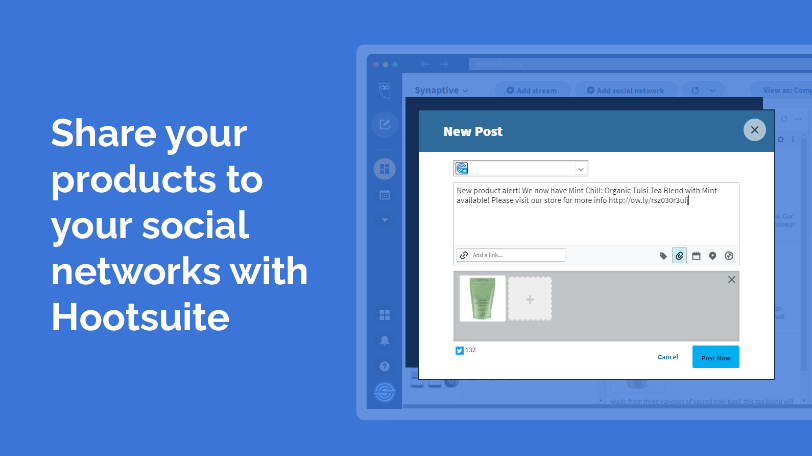
Major social media networks—including Facebook, Instagram, TikTok, and Pinterest—have heavily invested in proprietary infrastructure to facilitate this frictionless journey. For example, a user scrolling through an Instagram feed may encounter a targeted post featuring apparel with an embedded "Shop Now" tag. Tapping the tag initiates an in-app checkout sequence, culminating in a confirmed purchase within seconds. Similarly, short-form video platforms allow users to purchase featured goods directly from creator content without interrupting their viewing experience.

This model must be distinguished from related digital marketing terms. Ecommerce broadly encompasses all online retail transactions, regardless of whether they originate from a search engine, email campaign, or direct URL entry. Social selling, conversely, refers to the practice of building interpersonal relationships and nurturing prospects on social media networks to drive B2B or high-ticket sales, rather than executing instantaneous peer-to-peer retail transactions.
Strategic Drivers: Why Retailers and Consumers Are Embracing the Shift
The acceleration of social commerce is underpinned by several distinct consumer trends and structural advantages that set it apart from traditional web-based retail.

First, social commerce fundamentally enhances interactivity and community engagement. Modern consumers expect retail to be a social experience. Within social media ecosystems, shoppers can publicly comment on products, seek real-time advice from peer networks, read user-generated reviews, and communicate directly with brand representatives via direct messaging. This recreates the communal dynamic of a physical shopping mall within a digital framework.
Second, demographic preferences strongly favor mobile-first, in-app purchasing habits. Data compiled by market research firms indicates that a significant majority of younger demographics—specifically Millennials and Generation Z individuals aged 18 to 34—have completed retail transactions directly influenced by branded social media posts or influencer content. For brands targeting these demographics, establishing a native presence on preferred social channels is no longer optional.
Third, social commerce drastically reduces checkout friction and cart abandonment rates. Traditional ecommerce funnels often require multiple steps: viewing an advertisement, navigating to an external browser, loading a separate web page, creating an account, manually entering shipping addresses, and inputting payment details. Each additional step introduces a potential drop-off point where consumers may abandon their purchase. By consolidating discovery and payment into a single interface, social commerce streamlines the conversion pathway.
Furthermore, social platforms function as organic, real-time focus groups. Because brands maintain direct lines of communication with buyers through comments and direct messages, they can gather immediate qualitative feedback regarding product ideation, pricing strategies, and inventory planning at virtually zero additional cost. Finally, advanced social media data analytics enable hyper-targeted advertising, ensuring that ready-to-buy inventories are displayed exclusively to users whose behavioral profiles indicate active intent.

Platform Ecosystems and Implementation Strategies
The major technology companies governing the social media landscape have each developed distinct infrastructures to capture a share of the social commerce market.
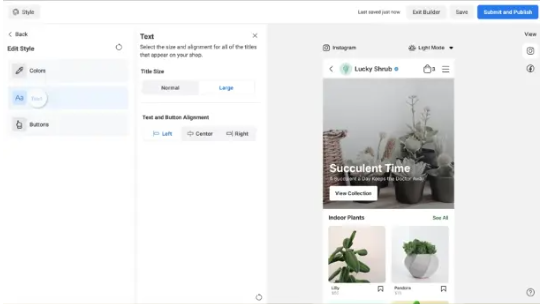
Facebook Shops serves as a foundational tool for businesses seeking to deploy customizable storefronts across Meta’s broader ecosystem. Businesses can create a shop for free, customize visual branding elements such as fonts and colors, and populate product catalogs manually via spreadsheets or by syncing existing inventories from partner ecommerce platforms. These shops are accessible across Facebook business pages, Instagram profiles, advertisements, and Messenger chats. To manage the high volume of inquiries generated by these storefronts, many retailers deploy conversational AI tools and automated chatbots, such as Hootsuite’s Heyday, to handle repetitive customer service queries and order-tracking requests in real time.
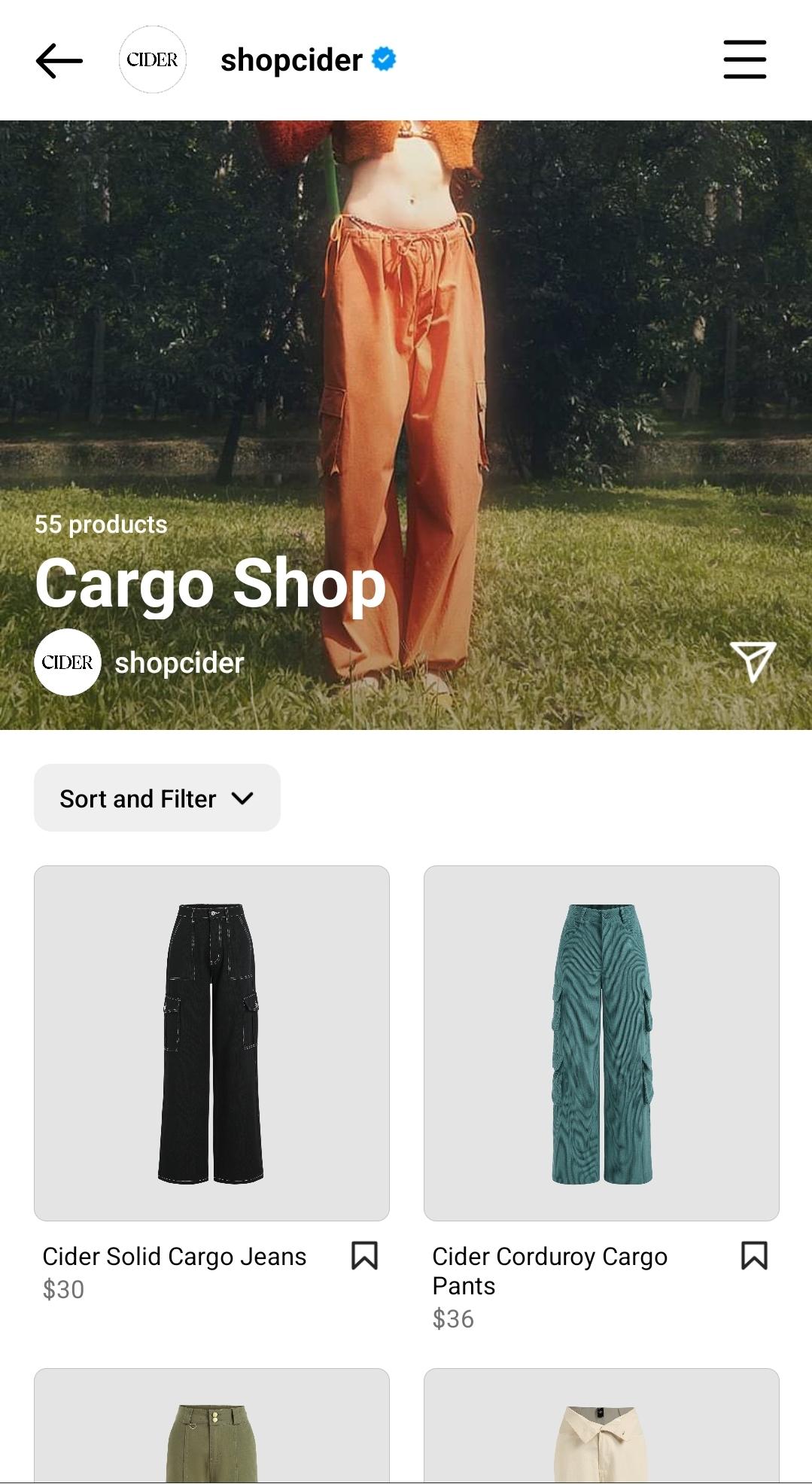
Instagram Shops operate on a similar infrastructure, requiring integration with a Facebook business profile. Instagram features dedicated product detail pages accessible through feed posts, Stories, Reels, and direct messaging channels, allowing brands to capitalize on visual storytelling.
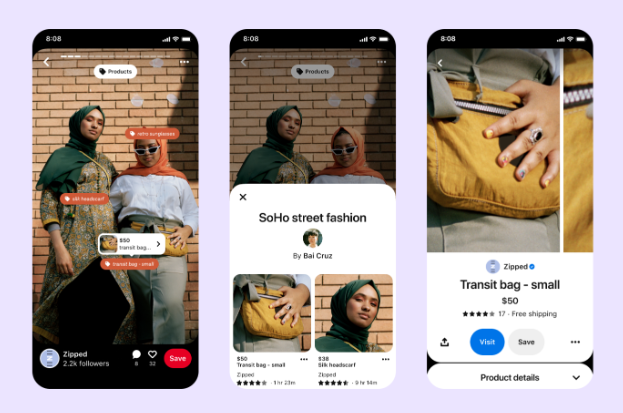
Pinterest approaches social commerce through its unique status as a visual search engine. With a high concentration of users actively seeking purchasing inspiration, Pinterest allows U.S.-based consumers to complete transactions directly within the app using Product Pins and embedded "Buy" buttons, while international users are redirected to external online stores.
TikTok has rapidly emerged as a dominant force in social commerce, popularized by viral trends and hashtags such as #TikTokMadeMeBuyIt, which has accumulated billions of views globally. While TikTok has adjusted its regional rollout strategies for its native TikTok Shop feature—focusing expansion primarily in specific markets like the UK and Asia—the platform remains an essential engine for product discovery and influencer-driven sales.
Optimization Best Practices for Sustainable Growth
Deploying a social media storefront is only the initial phase of a comprehensive retail strategy. To maximize revenue and maintain customer loyalty, brands must implement structured operational frameworks.

Active social listening is critical. Retailers must monitor cross-platform sentiment, address customer feedback promptly, and utilize social monitoring tools to track industry shifts. Maintaining authenticity is equally vital; successful social commerce requires brands to contribute genuine value, educational content, and entertainment rather than merely broadcasting product catalogs.
Collecting and displaying social proof significantly influences conversion rates. Given that nearly all modern online shoppers consult reviews prior to making a purchase, businesses must proactively solicit feedback via automated post-purchase emails or incentivize user-generated testimonials. Showcasing these reviews through carousels, live video streams, and community highlights builds essential trust.
Finally, integrating advanced automation ensures operational efficiency. By pairing social commerce channels with conversational artificial intelligence platforms, businesses can automate up to 80 percent of routine customer inquiries, deliver instant back-in-stock notifications, and route complex service tickets to human representatives. This synthesis of social connectivity and automated efficiency defines the future trajectory of digital retail, ensuring that brands remain agile in an increasingly competitive global marketplace.