Twitter analytics on X made simple: A comprehensive guide to tracking performance in 2026

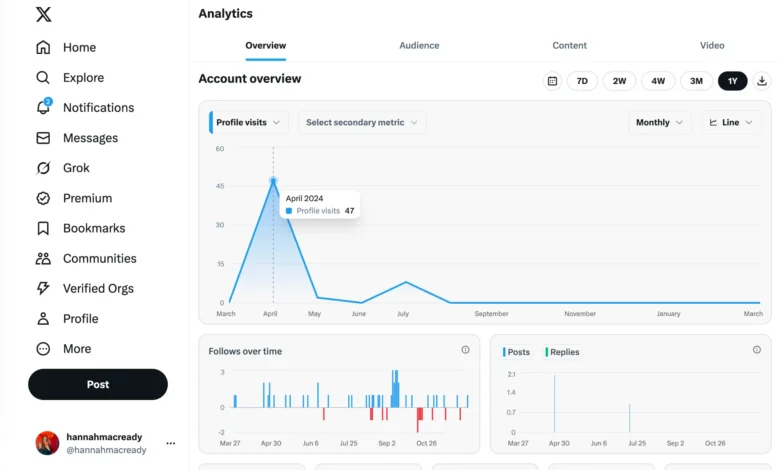
The landscape of social media measurement has undergone a significant transformation on the platform formerly known as Twitter. As of 2026, the transition of the native X analytics dashboard behind a subscription paywall has fundamentally altered how brands, creators, and marketers track their digital footprints. With approximately 4.4 million paid subscribers now holding the keys to comprehensive data reporting, the ecosystem has shifted toward a two-tiered model where high-level insights are reserved for X Premium members, while casual users are restricted to post-level snapshots.

Understanding this shift is essential for any digital strategy. As organic reach continues to fluctuate and platform algorithms evolve, the ability to interpret engagement metrics is no longer just a hobbyist’s pursuit—it is a critical business function. Whether one is utilizing the native dashboard, mobile workarounds, or third-party enterprise tools, the core objective remains the same: transforming raw engagement data into actionable intelligence.
The Evolution of Access and Data Ownership
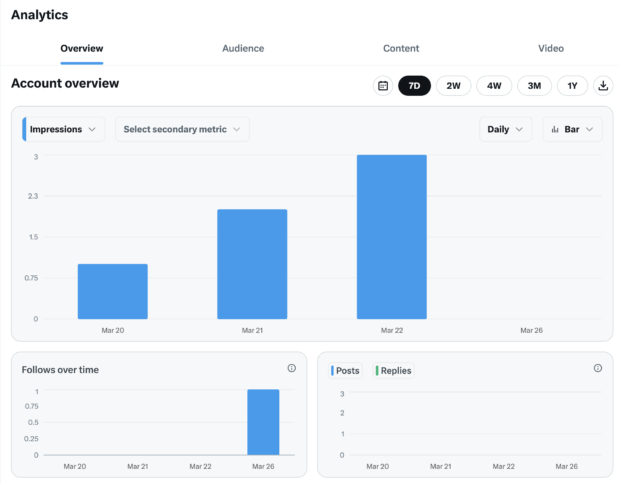
For years, Twitter provided an open, transparent window into account performance. The democratization of data allowed even the smallest accounts to analyze growth trends, identify peak posting times, and refine content strategies at no cost. However, the post-acquisition shift to X Premium changed the calculus. By gating the full analytics suite, the platform has incentivized institutional adoption of its paid tier, effectively separating professional-grade reporting from casual usage.
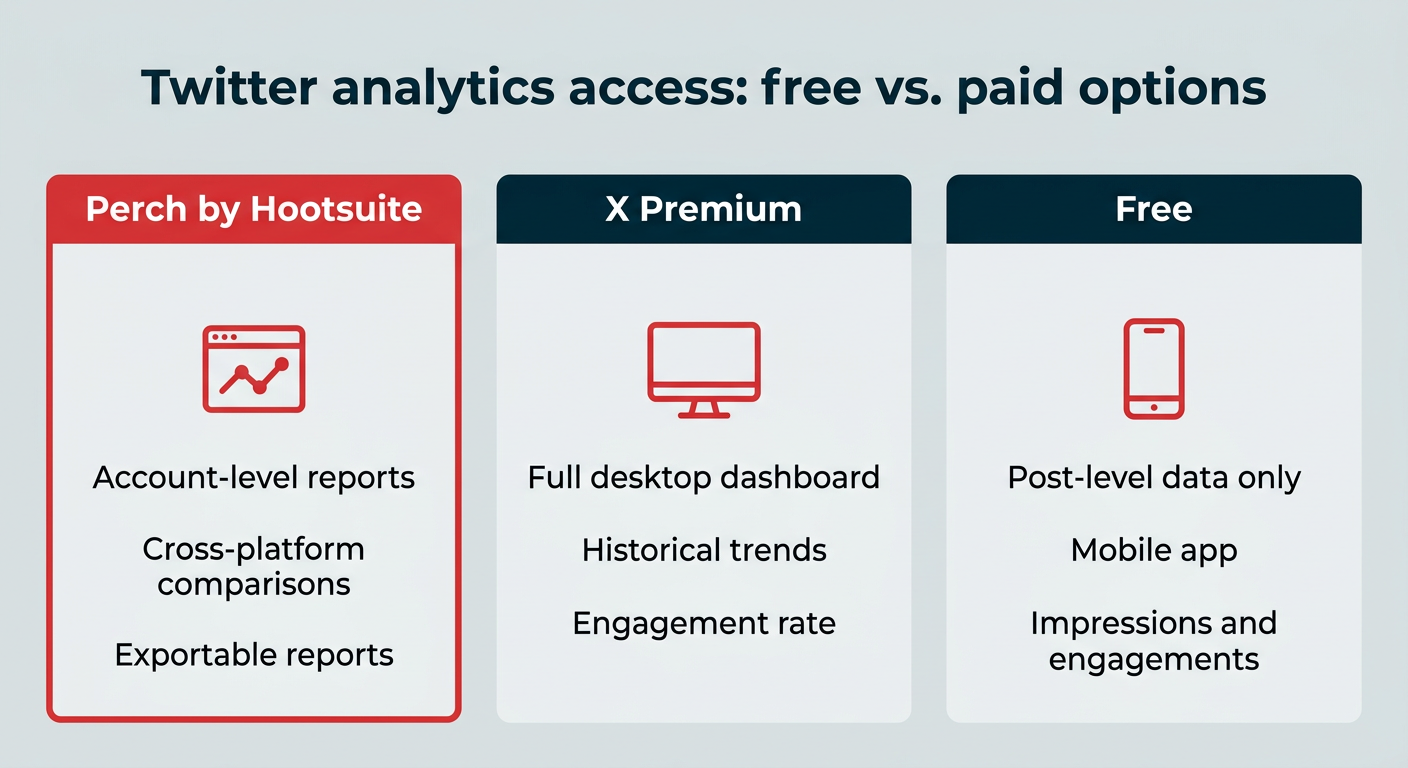
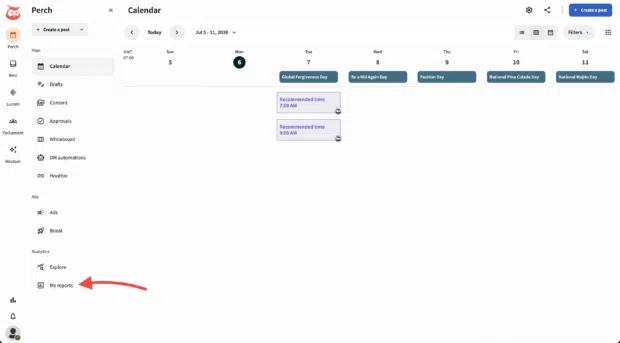
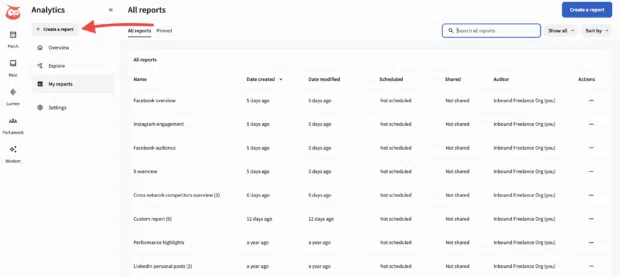
This development has created a reliance on third-party integration tools. For enterprise-level organizations managing multiple channels, the native dashboard is often insufficient, leading to the rise of unified platforms like Hootsuite’s Perch. These tools offer a centralized view that bridges the gap between fragmented social data and cohesive marketing goals, allowing brands to track performance without needing to navigate individual platform paywalls.
Decoding the Metrics That Matter
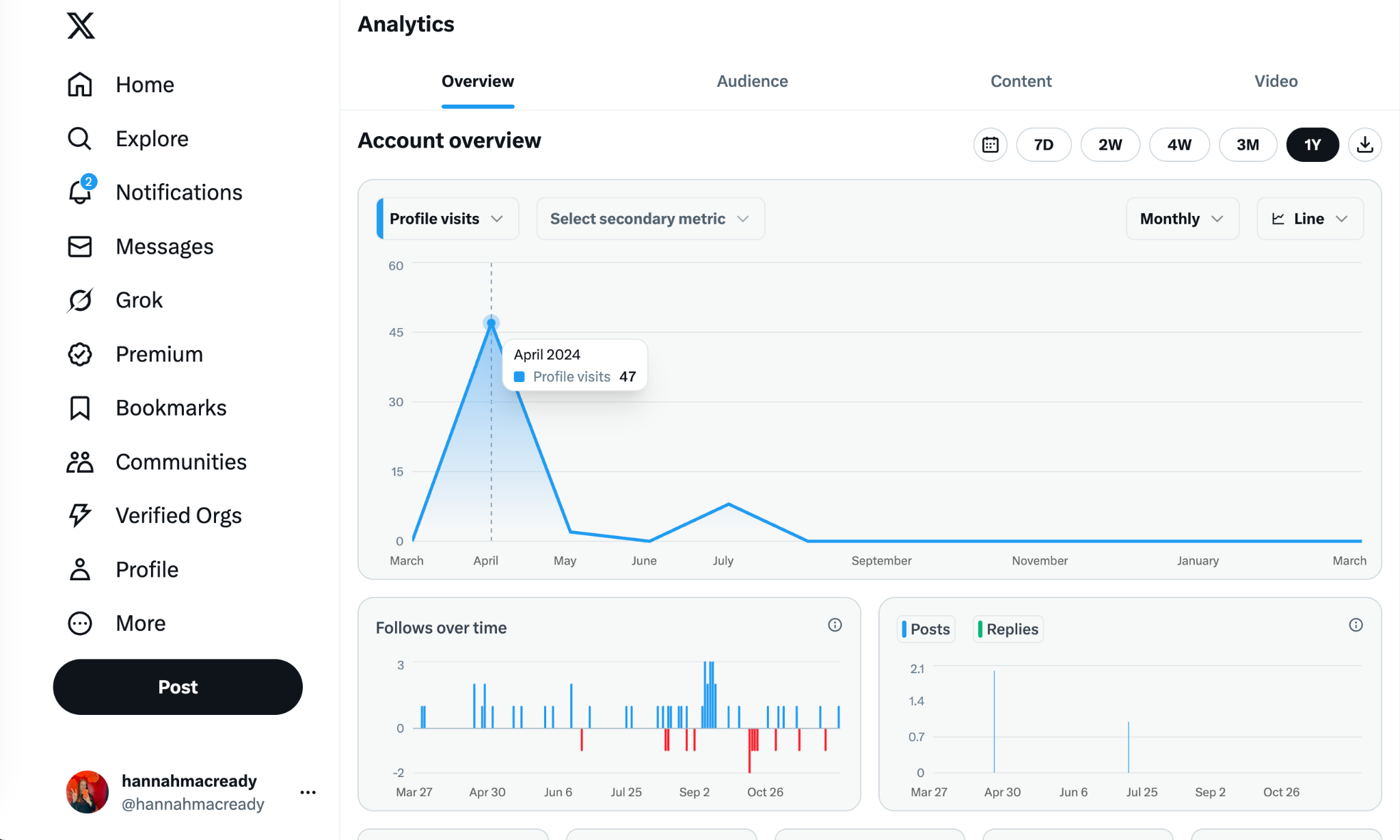
To manage a successful presence on X, one must move beyond vanity metrics. While likes and impressions provide a pulse check, they are often insufficient for proving return on investment (ROI) to senior stakeholders. A robust measurement strategy typically focuses on five core pillars:
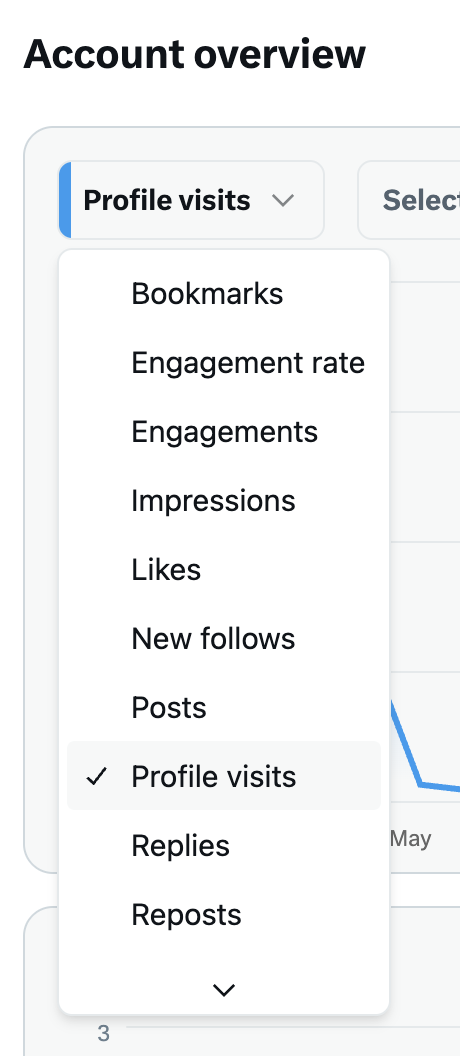
- Engagement Rate: By dividing total engagements by total impressions, users can determine how effectively their content resonates. An industry benchmark study from 2025 indicated that average engagement rates vary significantly by sector, making it imperative for brands to calculate their own rolling average rather than relying on global statistics.
- Follower Growth and Retention: This metric acts as a barometer for brand sentiment. A sudden spike or dip in followers usually correlates with specific content pivots or shifts in tone.
- Conversion and Click-Through Rate (CTR): For businesses, the ultimate goal is often moving traffic from the platform to a website or landing page. Monitoring link clicks—particularly via tracking parameters—is the most direct way to measure the commercial impact of a social campaign.
- Sentiment and Share of Voice: Often overlooked in basic dashboards, qualitative data regarding how the brand is discussed in the wild provides critical intelligence for product and sales teams.
- Video Completion Rates: As X increases its focus on video content, tracking how long a user stays with a clip is a primary signal to the algorithm, which in turn determines the reach of that content.
Strategic Implications of the Data Shift
The requirement for X Premium to access the full analytics dashboard has forced a professionalization of the user base. For smaller creators or independent businesses, the cost-benefit analysis of subscribing to X Premium is now a standard consideration. If the data provided by the subscription leads to a 5% increase in engagement through better targeting or timing, the cost of the subscription is often easily justified.

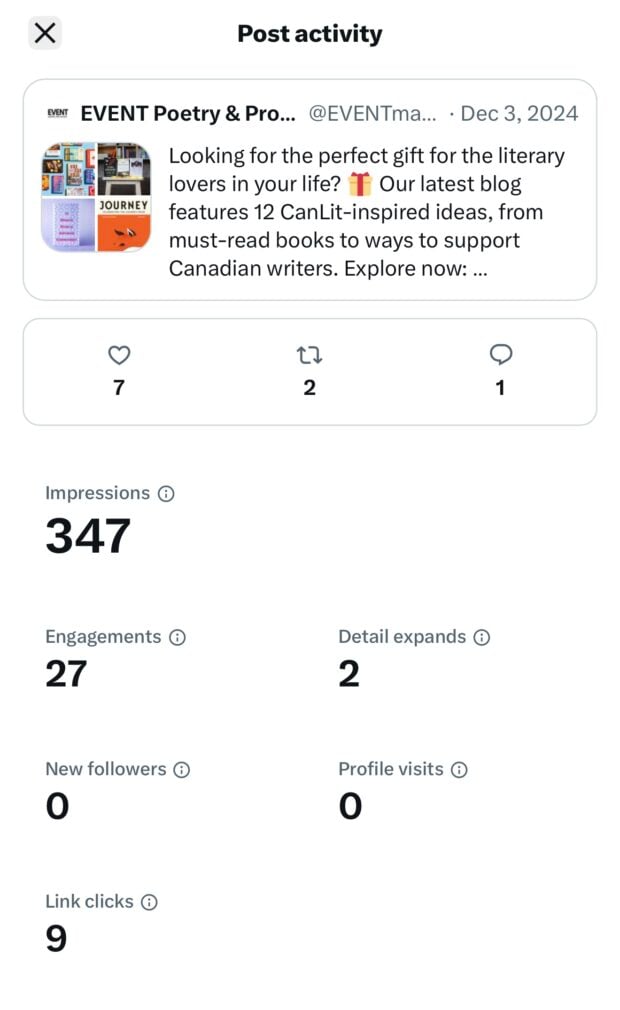
However, the "mobile workaround"—viewing post-level analytics directly via the mobile app—remains a viable, albeit limited, alternative. This method provides immediate, granular data on individual posts, which can be sufficient for tactical adjustments. For larger enterprises, however, this approach is unsustainable. Professional teams require the ability to export data, compare performance across historical periods, and synthesize results with other social media channels to gain a holistic view of the customer journey.

The Role of Competitive Intelligence
One of the most underutilized aspects of X analytics is its application in competitive research. While users cannot access the private dashboards of their competitors, the public nature of the platform allows for advanced social listening. By tracking the content cadence, engagement patterns, and hashtag performance of peer brands, organizations can effectively "outsource" their market research.
Industry experts, such as Nick Martin of Tipalti, emphasize that private Twitter lists and social listening tools allow brands to identify successful formats before investing significant resources. If a competitor sees a surge in engagement from a specific video style or a particular thread structure, a brand can test that same format, essentially using the competitor’s data to inform their own creative direction.
Aligning Metrics with Business Goals
The most common error in social media reporting is the attempt to track every metric available. Instead, effective teams map specific KPIs to broader business objectives. For instance, if the primary goal is brand awareness, resources should be focused on reach and impression metrics. If the objective is lead generation, the focus must shift to link clicks and form conversions.
This alignment also makes it easier to communicate value to non-marketing stakeholders. When a social media manager can demonstrate that a specific thread led to a measurable increase in website traffic or direct inquiries, the conversation shifts from "social media is a cost center" to "social media is a driver of growth."
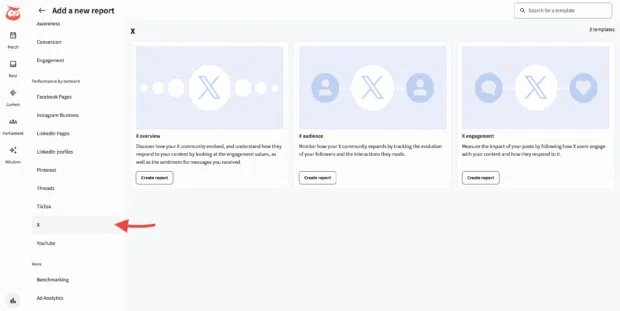
The Future of Analytics in the Age of AI
Looking ahead, the integration of artificial intelligence into analytics platforms is set to further simplify the process. Tools like Lumen by Talkwalker and Hootsuite’s suite are already beginning to automate the synthesis of brand sentiment and predictive trends. The goal for 2026 and beyond is not just to see what happened yesterday, but to understand what is likely to happen tomorrow based on the data points captured today.
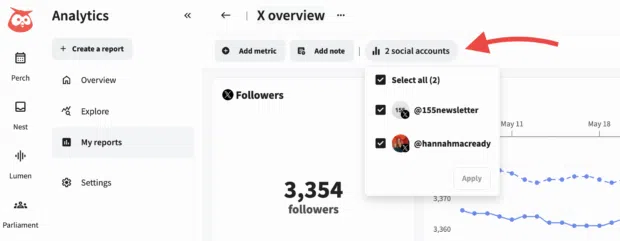
As X continues to refine its creator ad revenue sharing program, the need for accurate reporting will only grow. Because payouts are tied to ad performance within replies—and are influenced by the quality and engagement of the conversation—marketers must treat revenue as a secondary byproduct of a well-executed engagement strategy rather than a primary KPI.
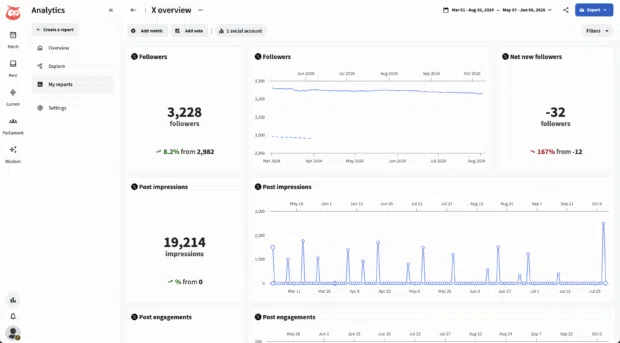
Ultimately, the most successful brands on X will be those that treat data as a narrative tool. By combining the technical capabilities of modern analytics platforms with a clear understanding of their unique audience, organizations can navigate the paywalls and algorithm changes of 2026 to build a resilient, high-performing digital presence. The data is available; the challenge lies in the discipline required to analyze it, the courage to iterate based on findings, and the strategic foresight to align those findings with long-term business goals.