Meta Platforms Wraps Up 2002 with Extensive Product Updates, New Advertising Frameworks, and Strategic Pivots Toward Automation and the Metaverse

As the final quarter of 2022 drew to a close, Meta Platforms experienced an exceptionally intensive period of product rollouts, algorithmic enhancements, and structural overhauls across its core ecosystem, including Facebook, Instagram, Messenger, and its developing virtual reality infrastructure. Driven by a strategic imperative to streamline operations, enhance brand safety, and integrate artificial intelligence deeper into advertising mechanisms, the tech giant positioned marketers to enter 2023 with a heavily automated, highly centralized digital toolkit.
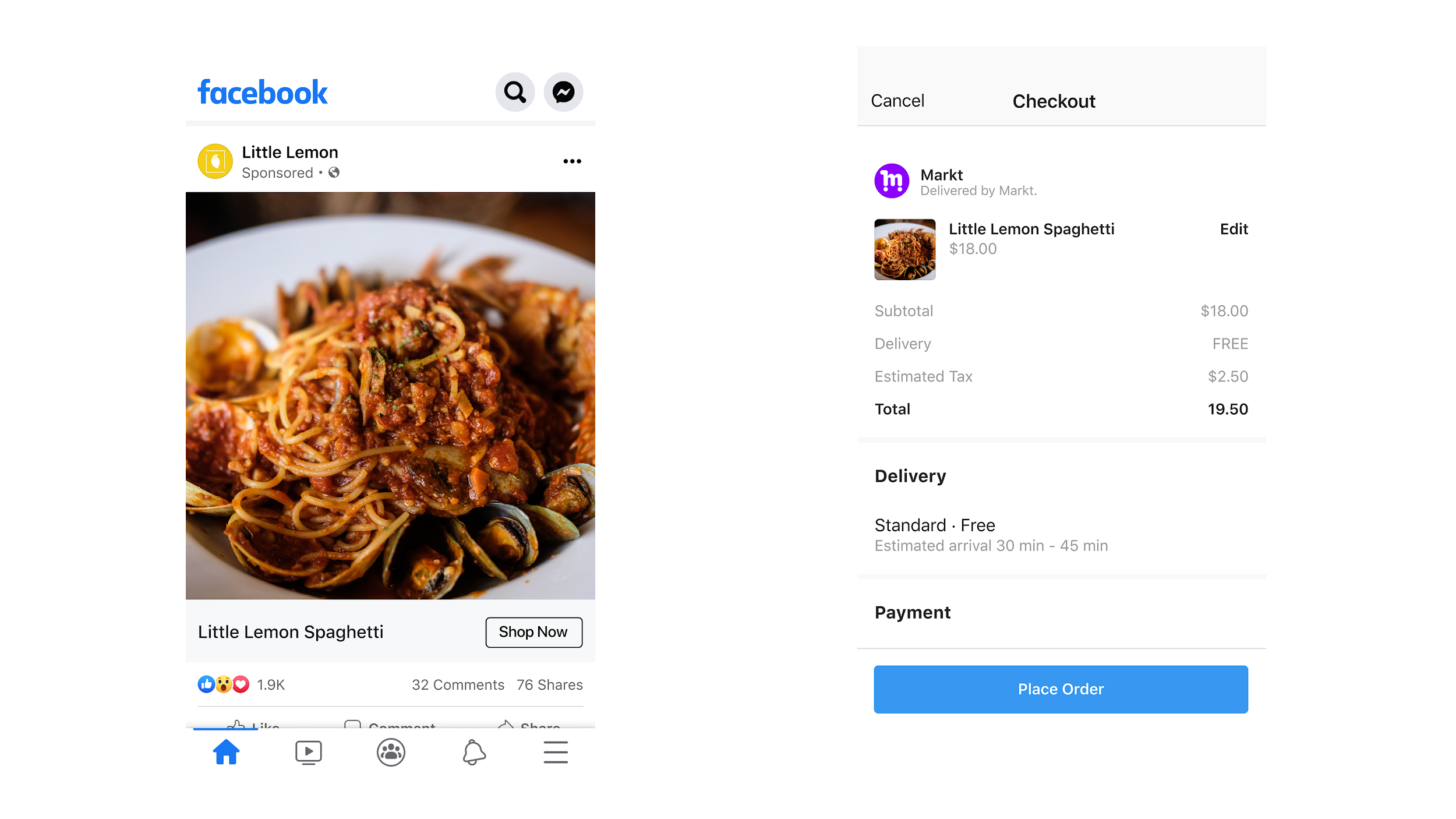
This comprehensive review explores the critical platform developments that transpired throughout late 2022, detailing how these updates reshaped social media management, digital advertising, content monetization, and the broader trajectory of the company’s digital empire.
The Evolution of Instagram: Native Scheduling, In-Feed Music, and Expanded Tagging
Instagram emerged as a primary focal point for user-facing and creator-centric updates during the closing months of 2022. Historically, professional accounts relied heavily on third-party software suites or Facebook’s Creator Studio to schedule content in advance. Recognizing a distinct demand for an all-mobile workflow, Instagram rolled out native content scheduling directly within its mobile application for Business and Creator accounts. Users gained the ability to schedule Reels, photos, and carousel posts up to 75 days in advance.
While this streamlined native scheduling significantly reduced friction for mobile-first creators, it arrived with notable operational caveats. Certain advanced functionalities—such as product tagging, cross-posting to Facebook, and paid promotion boosts—remained unavailable for pre-scheduled content, requiring administrators to execute these actions manually upon publication.
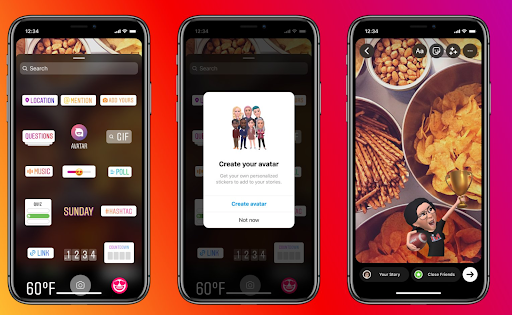
Concurrently, Instagram expanded its creative expression tools by introducing in-feed music capabilities. Building on the massive success of audio integration within Reels and Stories, the platform allowed users to attach up to 90 seconds of licensed music to standard static photo feed posts. This integration aimed to capture user attention within static timelines, providing brands with an additional sensory dimension for audience engagement.
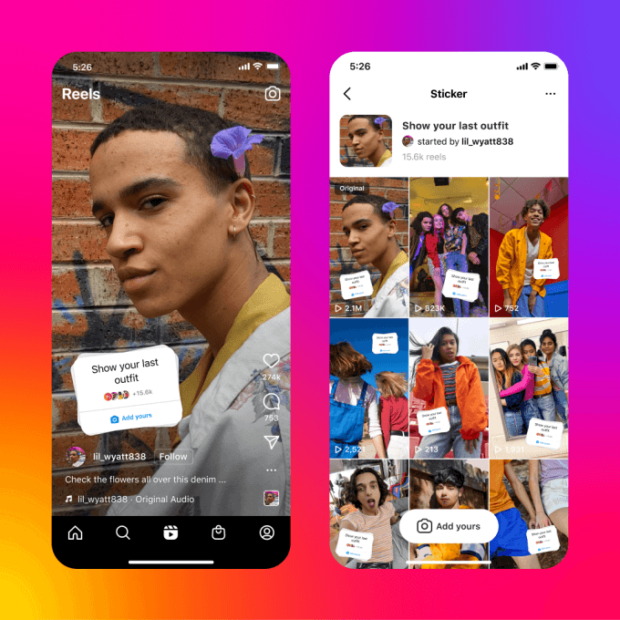
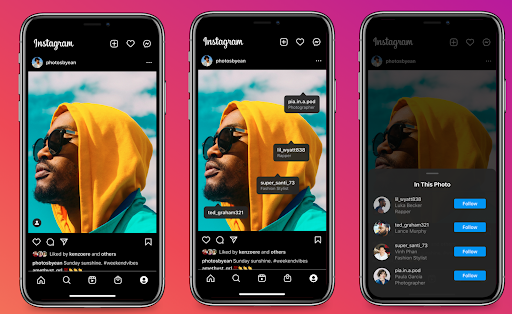
Tagging systems also received significant upgrades. Instagram expanded product tagging availability to all U.S. users, transforming everyday peer recommendations into direct commercial touchpoints. Because consumer research consistently indicates that peer referrals hold higher credibility than traditional brand advertising, allowing non-business users to tag products directly in organic posts created a powerful mechanism for viral product discovery. Furthermore, the introduction of "enhanced people tags" enabled creators to display specific professional categories—such as songwriter, photographer, or makeup artist—directly next to their handles when tagged by other users, solidifying digital identities within the creator economy.
Revolutionizing Digital Advertising: The Rise of Advantage+ and Automation
On the advertising front, Meta aggressively consolidated its automated product offerings under the umbrella of the Meta Advantage suite. Designed to leverage the company’s advanced machine learning capabilities, Advantage+ automated campaigns sought to reduce the manual labor required to build, test, and optimize digital ad spend.

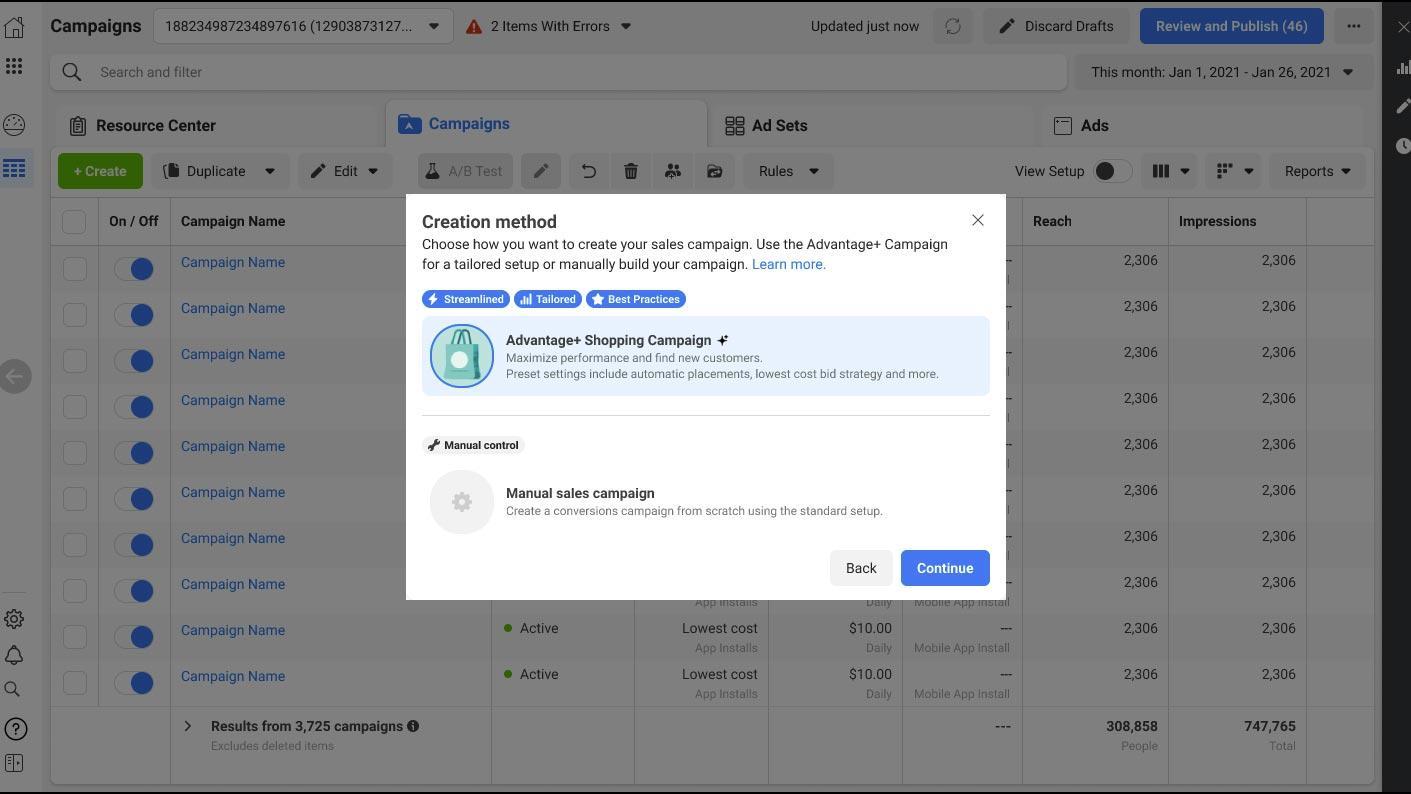
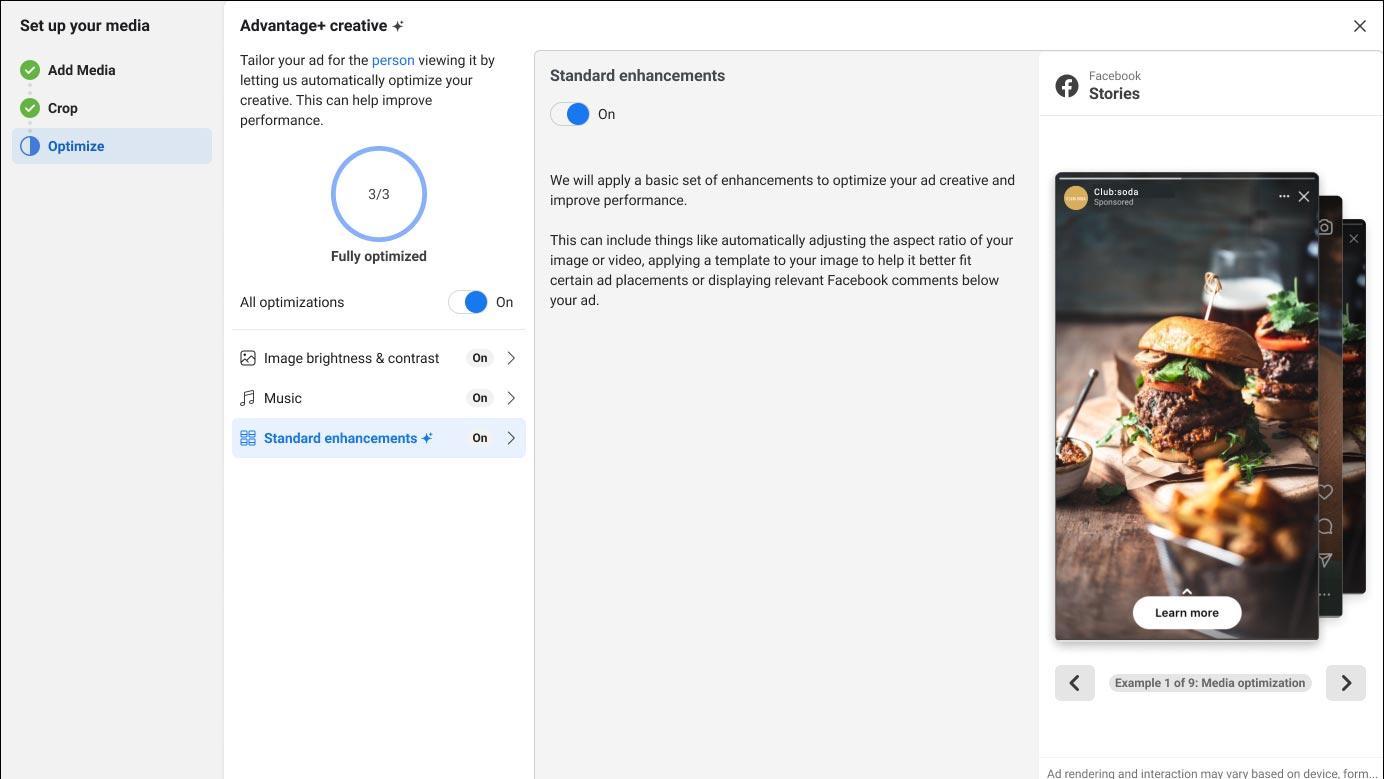
The flagship offering, Advantage+ Shopping campaigns, automated the ad creation process by empowering algorithms to generate and split-test up to 150 creative variations simultaneously. Internal data released by Meta indicated substantial performance gains, with comparative A/B testing demonstrating a roughly 12% lower cost-per-purchase conversion rate compared to traditional, manually targeted ad structures. Additional automated features, including Advantage+ creative, Advantage audience, and Advantage+ app campaigns, signaled Meta’s definitive shift away from hyper-targeted manual parameters toward broad, AI-driven delivery models.
This technological pivot coincided with structural regulatory adjustments. Following years of scrutiny regarding data privacy and ad transparency, particularly concerning political and social issue advertising, Meta announced the integration of detailed targeting summaries into its Ad Library. Vetted academic researchers gained access to aggregated demographic and geographic data regarding how sensitive ads were distributed, bolstering transparency while maintaining individual user privacy.

Furthermore, Meta overhauled its pre-campaign audience reach estimation metrics. Moving away from specific numerical approximations, the platform transitioned to displaying estimated audience size ranges. This modification served to ground marketer expectations in probabilistic modeling rather than deterministic guarantees, reflecting a more realistic approach to audience reach in an era defined by tightened privacy regulations.
Navigating Brand Safety and the Media Rating Council Accreditation
Brand safety remained a paramount concern for enterprise advertisers navigating social media ecosystems. Meta achieved a significant industry milestone in late 2022 when it secured formal accreditation from the Media Rating Council (MRC) for content-level brand safety and suitability controls on Facebook.
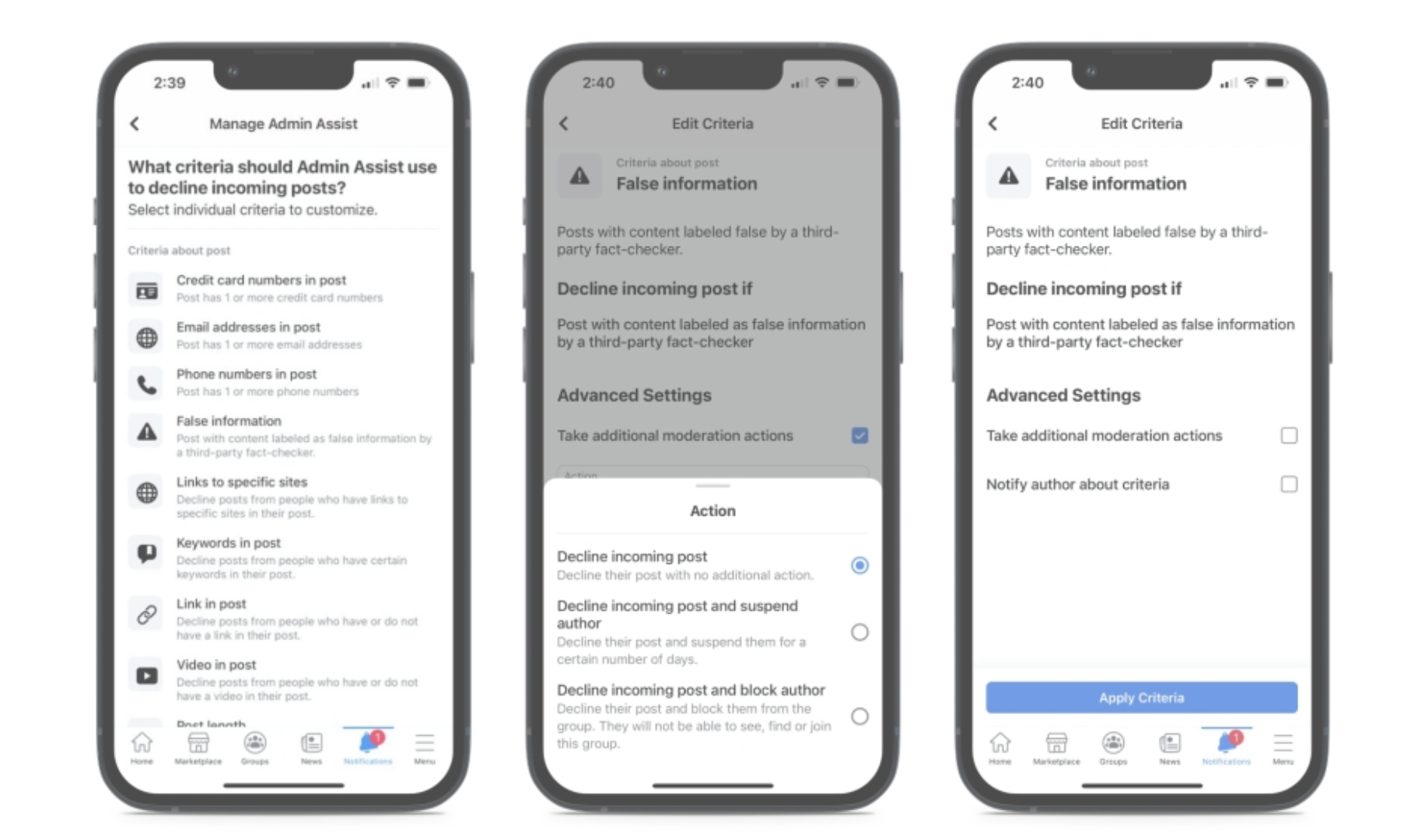
Independent auditors meticulously reviewed Meta’s Partner Monetization Policies, Content Monetization Policies, and associated brand suitability controls applied to Instant Articles and In-Stream video across desktop, mobile web, and mobile app environments. This accreditation provided institutional validation of Meta’s content governance infrastructure. To extend these protective measures further, Meta initiated tests for content-based inventory filters across both Facebook and Instagram feeds, laying the groundwork for broader MRC accreditation of newer content formats.
Simultaneously, Meta addressed administrative and intellectual property protection through technological innovation. Recognizing the financial stakes of original content creation, the company launched a new IP Reporting API integrated with the Graph API. This streamlined interface enabled rights holders to efficiently report intellectual property violations across Facebook and Instagram. Additionally, enhancements to the Brand Rights Protection tool within Business Manager equipped brands with automated mechanisms to identify counterfeit merchandise, copyright infringements, and unauthorized user impersonations.
Monetization, Creator Economics, and the Pivot to Short-Form Video
Throughout 2022, Meta systematically restructured its monetization policies to retain top-tier creative talent in an increasingly competitive landscape characterized by the dominance of TikTok. Most notably, Mark Zuckerberg announced that revenue-sharing models for creators utilizing Badges, Subscriptions, and paid online events would remain inactive until at least 2024, allowing creators to retain 100% of their earnings minus applicable taxes.
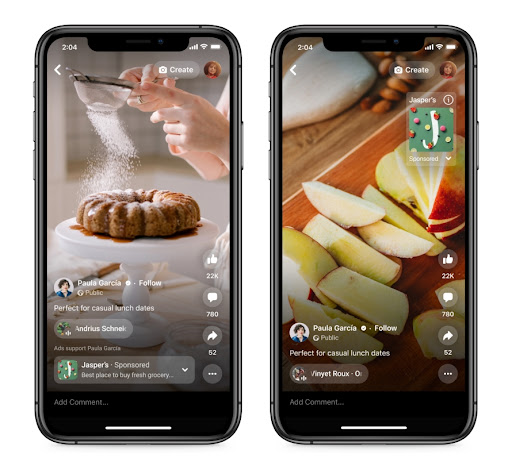
The company also expanded its Creator Marketplace, providing an invite-only discovery and collaboration dashboard within Meta Business Suite. This marketplace bridged the gap between brands and influencers by offering granular search filters based on creator demographics, audience composition, and performance metrics, thereby streamlining paid partnership workflows. Concurrently, Instagram tested direct subscription models enabling creators to charge recurring monthly fees in exchange for exclusive content, live streams, and subscriber-only badges.
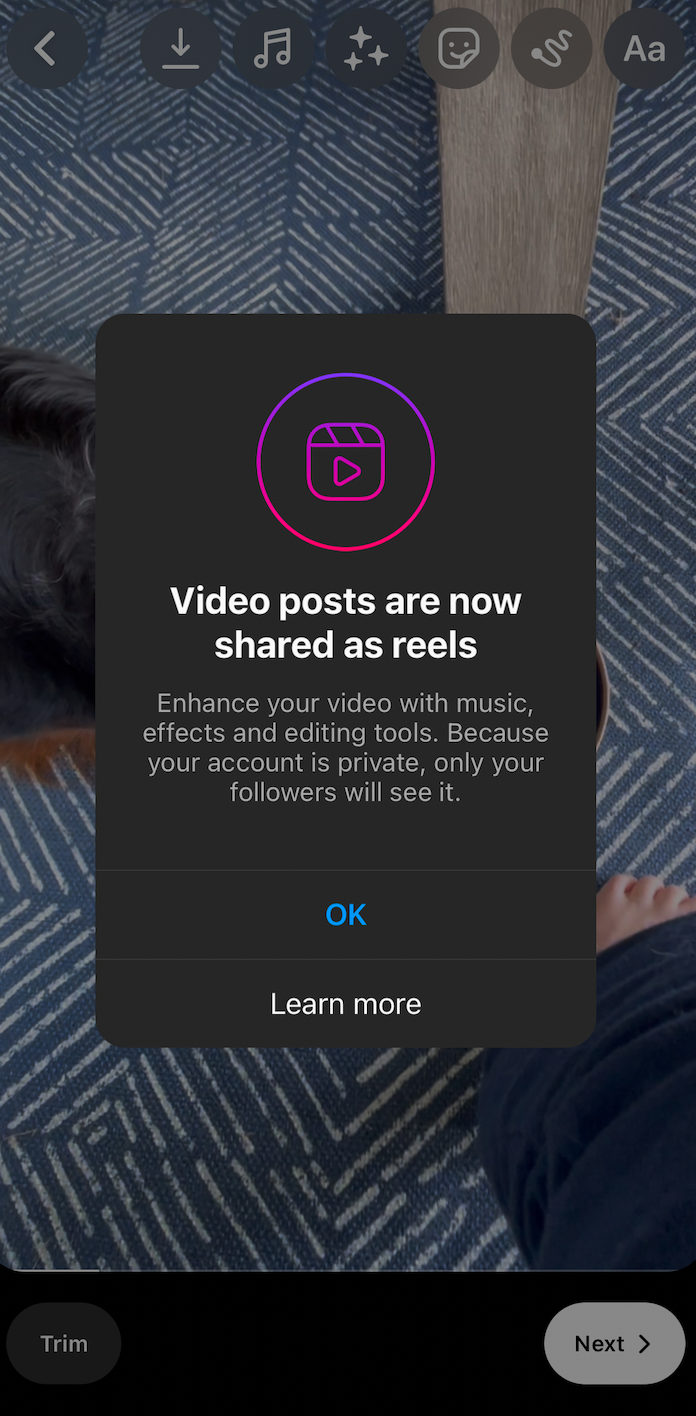
Short-form video remained the undisputed strategic priority for Meta’s core platforms. Following the explosive growth of Reels, Meta globally integrated Facebook Reels into iOS and Android applications, complete with monetization features such as Overlay Ads and "Stars on Reels." Additionally, Instagram altered its algorithmic architecture by automatically converting all standard video uploads under 15 minutes into Reels, effectively merging the traditional video and Reels profile tabs into a unified, full-screen vertical video experience.
Small Business Support, Messaging Integration, and 2023 Outlook
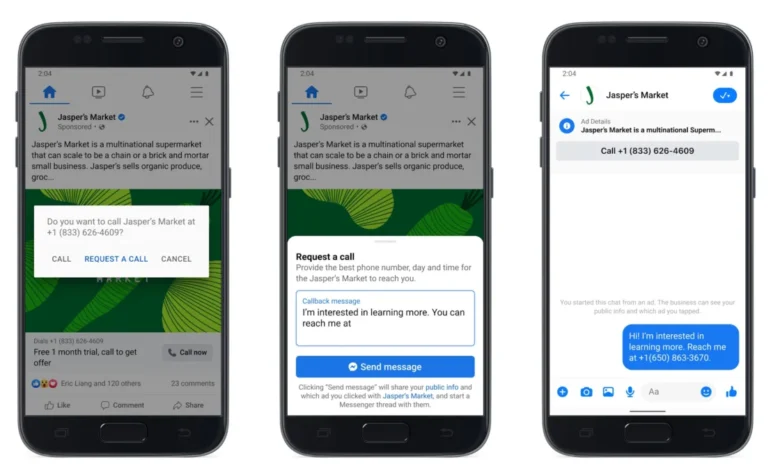
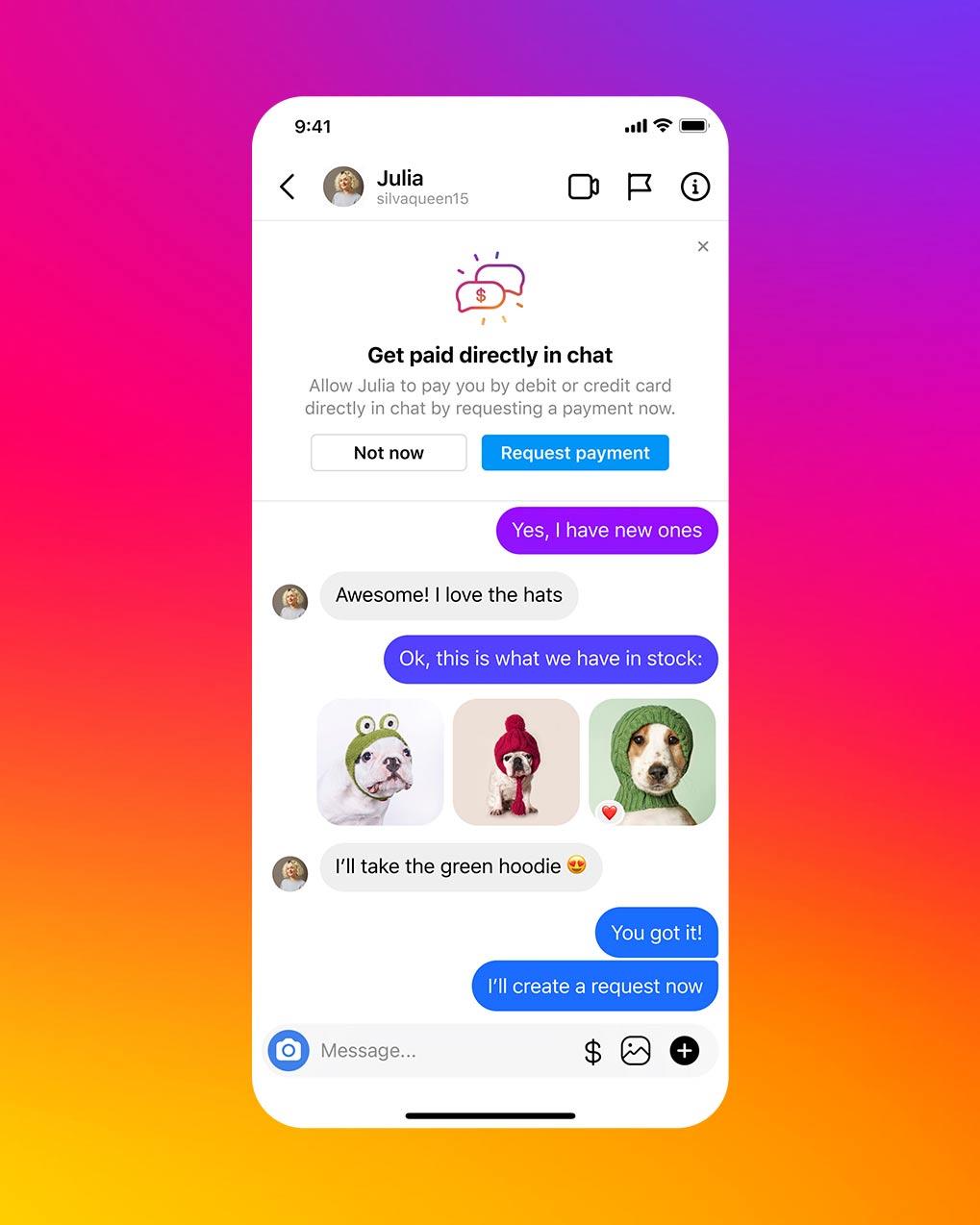
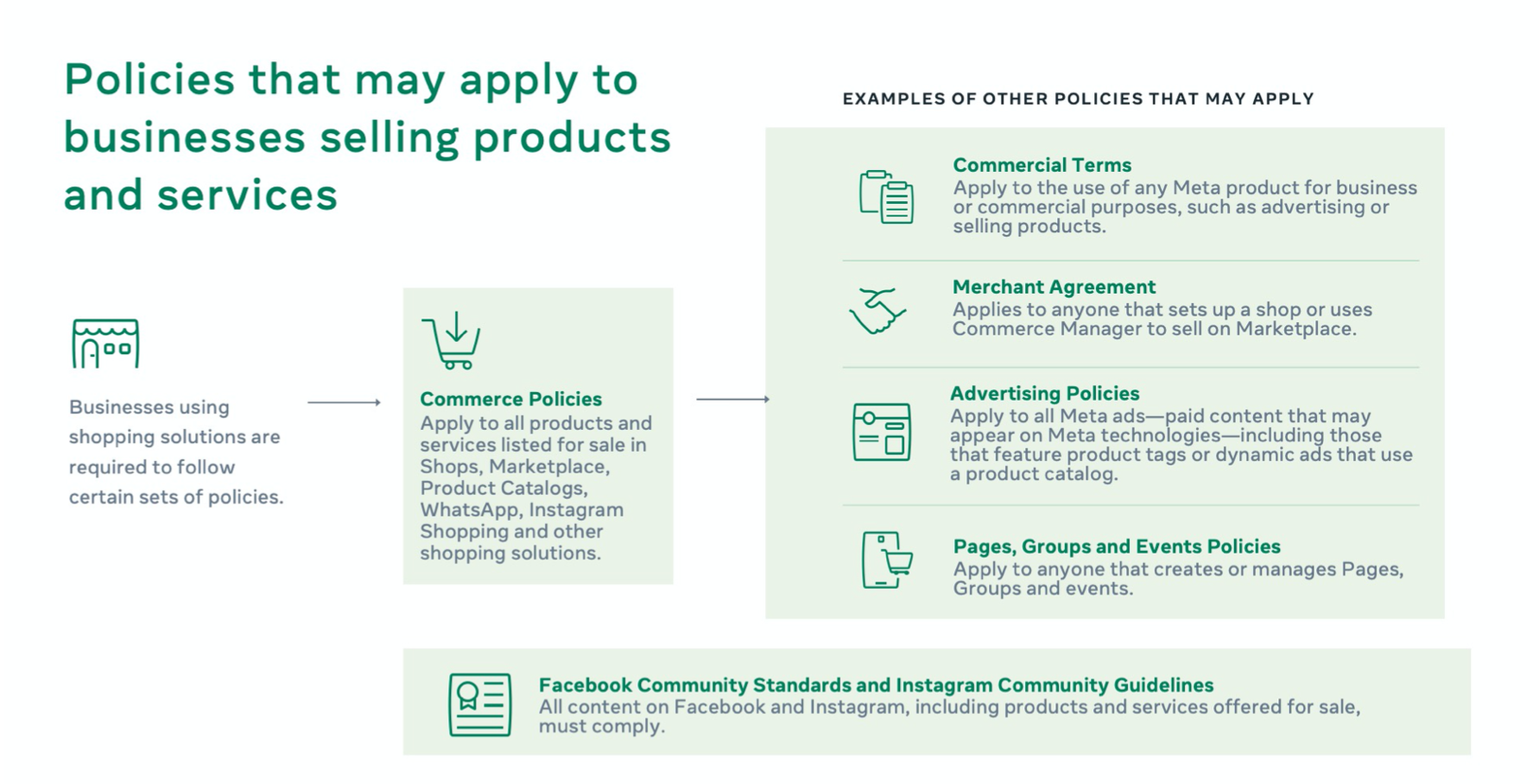
As small and medium-sized businesses navigated post-pandemic economic fluctuations, Meta deployed localized resources, including the establishment of "Small Business Studios" and educational tours across major U.S. metropolitan areas. To optimize customer acquisition, Meta expanded its conversation management tools, integrating WhatsApp messaging directly into the unified Meta Business Suite Inbox. This allowed enterprises to manage customer inquiries across Messenger, Instagram Direct, and WhatsApp from a single operational dashboard. Furthermore, the introduction of in-chat payment options on Instagram enabled eligible professional accounts to generate invoices and accept payments directly within direct messages, streamlining the social commerce purchase journey.
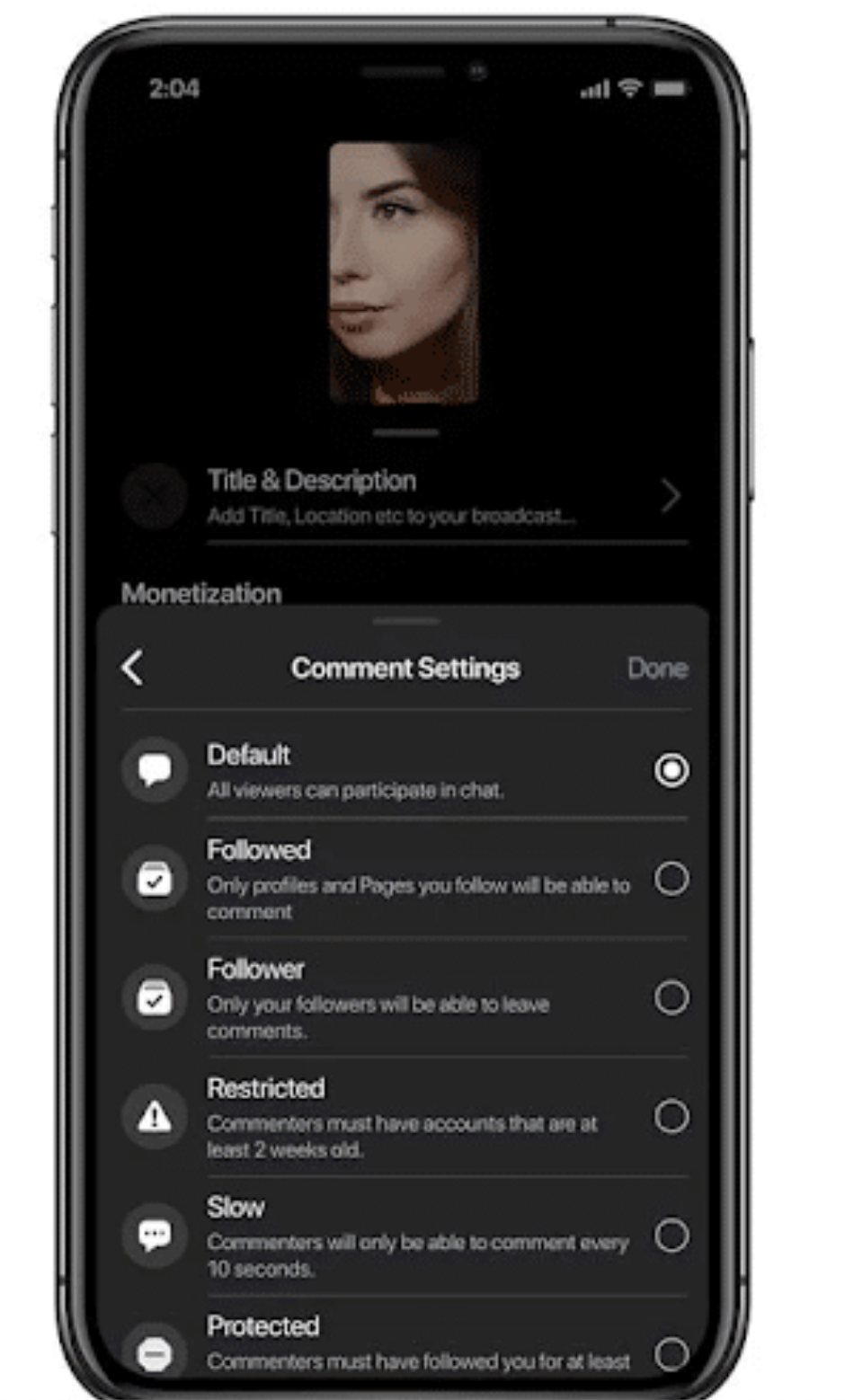
Looking ahead to 2023, industry analysts anticipated that Meta’s strategic trajectory would continue to center on four core pillars: the relentless optimization of Reels monetization and engagement, the expansion of community-building tools within Facebook Groups, the aggressive adoption of Advantage+ machine learning automation among advertisers, and ongoing, capital-intensive investments in augmented and virtual reality technologies within the burgeoning Metaverse. Despite substantial financial expenditures in its virtual reality division, Meta’s executive leadership signaled an unyielding commitment to bridging the gap between physical and digital spaces, ensuring that the structural adaptations of 2022 would serve as the foundation for a highly automated, privacy-conscious digital future.