The digital marketing landscape underwent profound transformations throughout 2022, driven heavily by Meta’s aggressive push toward automated advertising suites, enhanced video formats, and stricter brand safety guidelines. As marketers navigated the final quarter of 2022, the conglomerate rolled out a series of sophisticated tools across Facebook and Instagram, setting the stage for a highly automated and streamlined ecosystem in 2023. These updates reflect a broader strategic shift within the company, balancing user privacy mandates with advanced machine learning capabilities designed to maximize return on investment for brands.
This comprehensive overview examines the chronological rollout of Meta’s pivotal updates spanning from early 2022 through the conclusion of the fourth quarter, detailing the technological advancements, policy shifts, and strategic implications for global advertisers.
The Strategic Evolution of Meta’s Advertising Suite
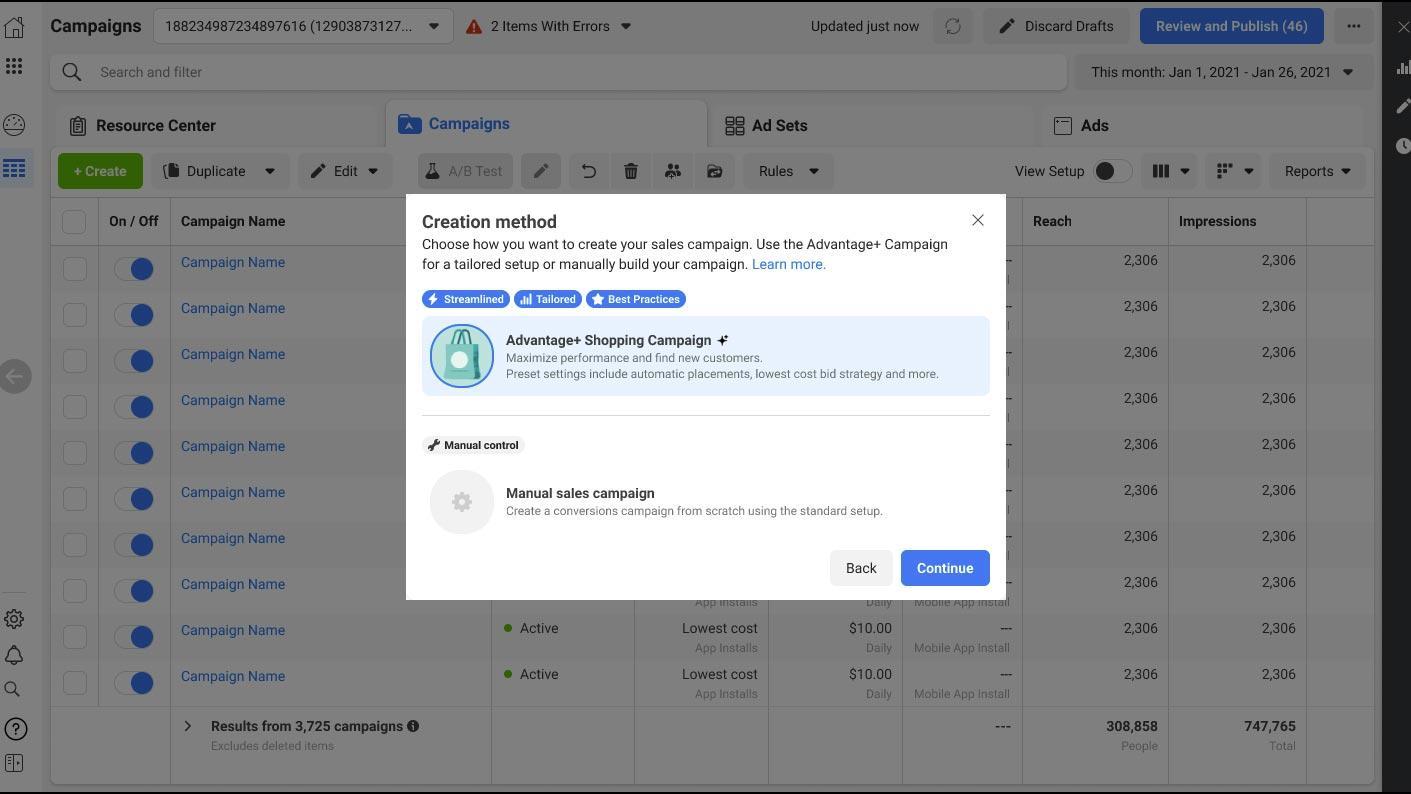
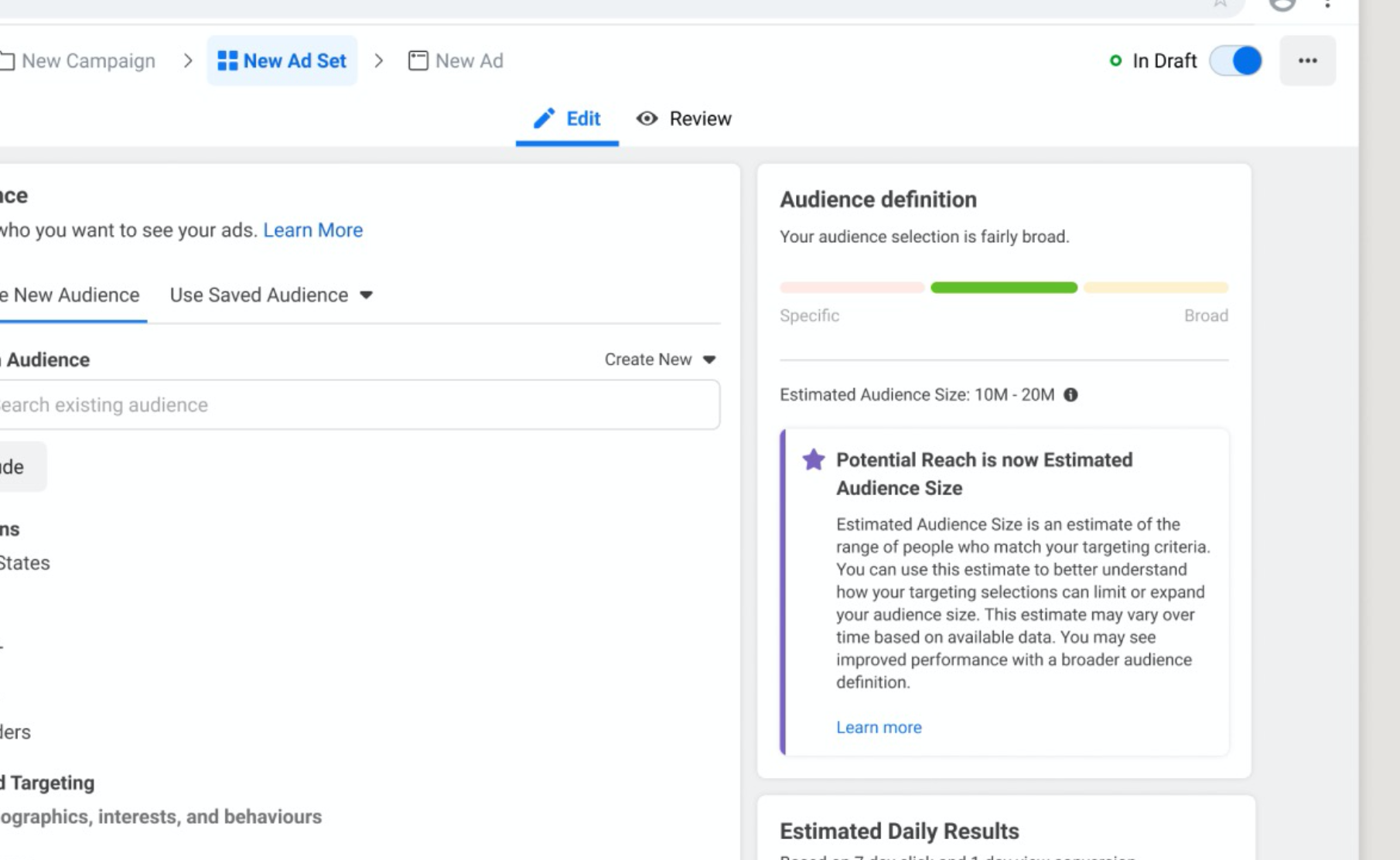
Entering 2022, Meta faced mounting pressure from macroeconomic headwinds and privacy regulations, notably Apple’s AppTracking Transparency (ATT) framework introduced the previous year. In response, the corporation consolidated its automated advertising portfolio under the Meta Advantage suite. This suite bifurcated into Advantage—tools that automate specific steps of the ad creation process, such as Advantage+ creative and Advantage audience—and Advantage+, which automates entire campaigns like Advantage+ Shopping campaigns.
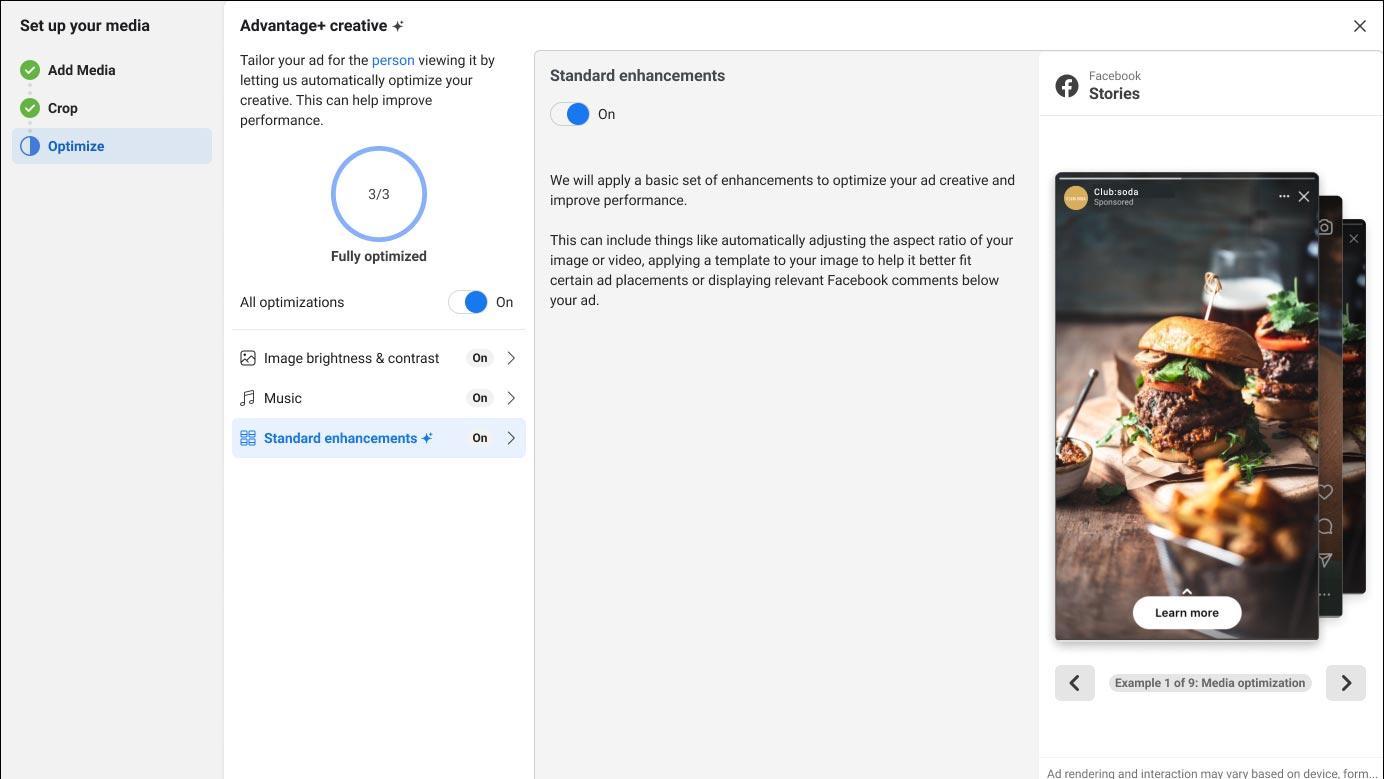
Throughout the first quarter of 2022, Meta emphasized consolidation and performance optimization. By March, the platform introduced the Meta Advantage suite to streamline automated ad products, utilizing sophisticated machine learning algorithms to deliver personalized ad variations at scale. According to internal data released by Meta during A/B testing phases, Advantage+ Shopping campaigns yielded a 12% lower cost-per-purchase conversion compared to standard, manually configured campaigns. This empirical validation accelerated adoption rates among enterprise and small-to-medium-sized businesses (SMBs) alike, signaling a permanent shift away from manual micro-targeting toward algorithmic optimization.
Simultaneously, Meta restructured its support services for businesses. In July 2022, the legacy Facebook Marketing Experts program was rebranded as the Meta Pro Team, offering tailored, proactive guidance to help SMBs navigate the increasingly complex automated ecosystem.
Enhancing Video Dominance: The Ascendancy of Reels

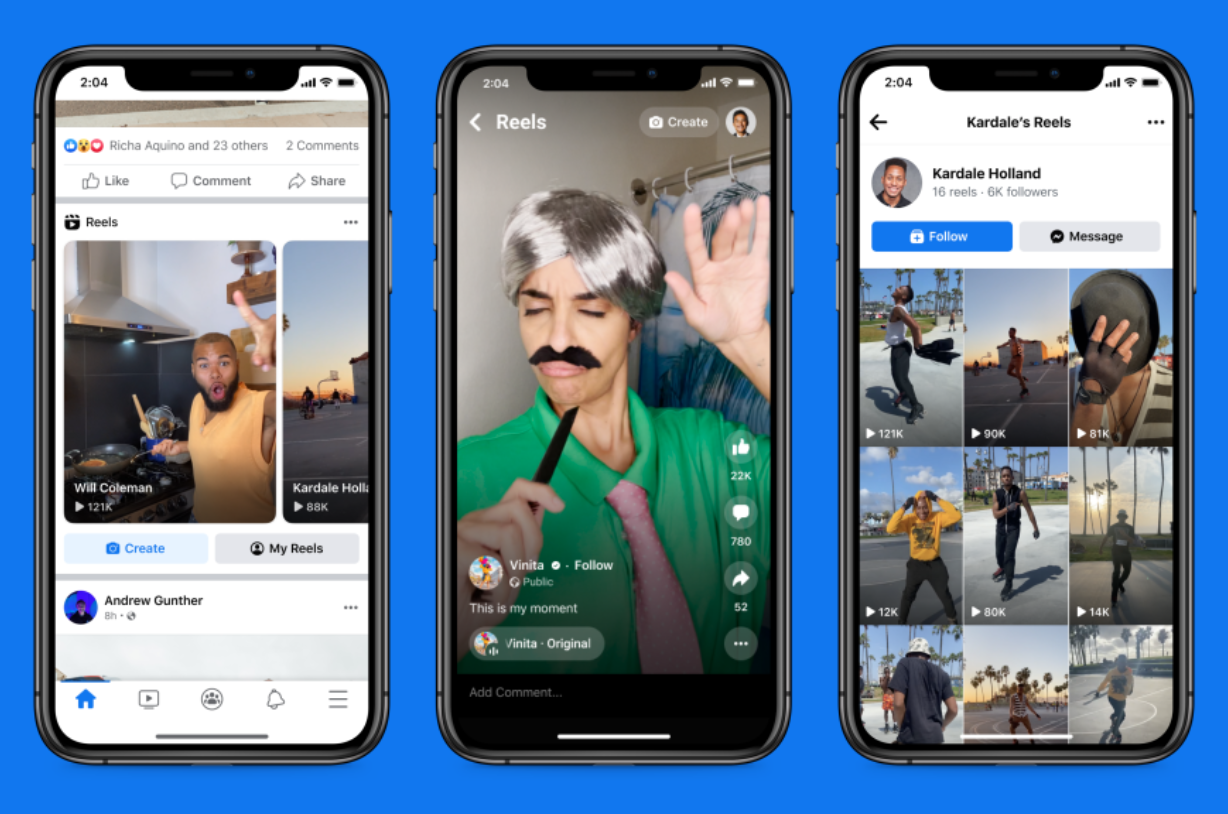
The most visible consumer-facing and advertiser-relevant shift of 2022 was Meta’s uncompromising pivot toward short-form video content via Reels, engineered to compete directly with TikTok. What began as an experimental feature rapidly matured into the primary driver of engagement, traffic, and revenue across both Facebook and Instagram.
Chronology of Video Updates:

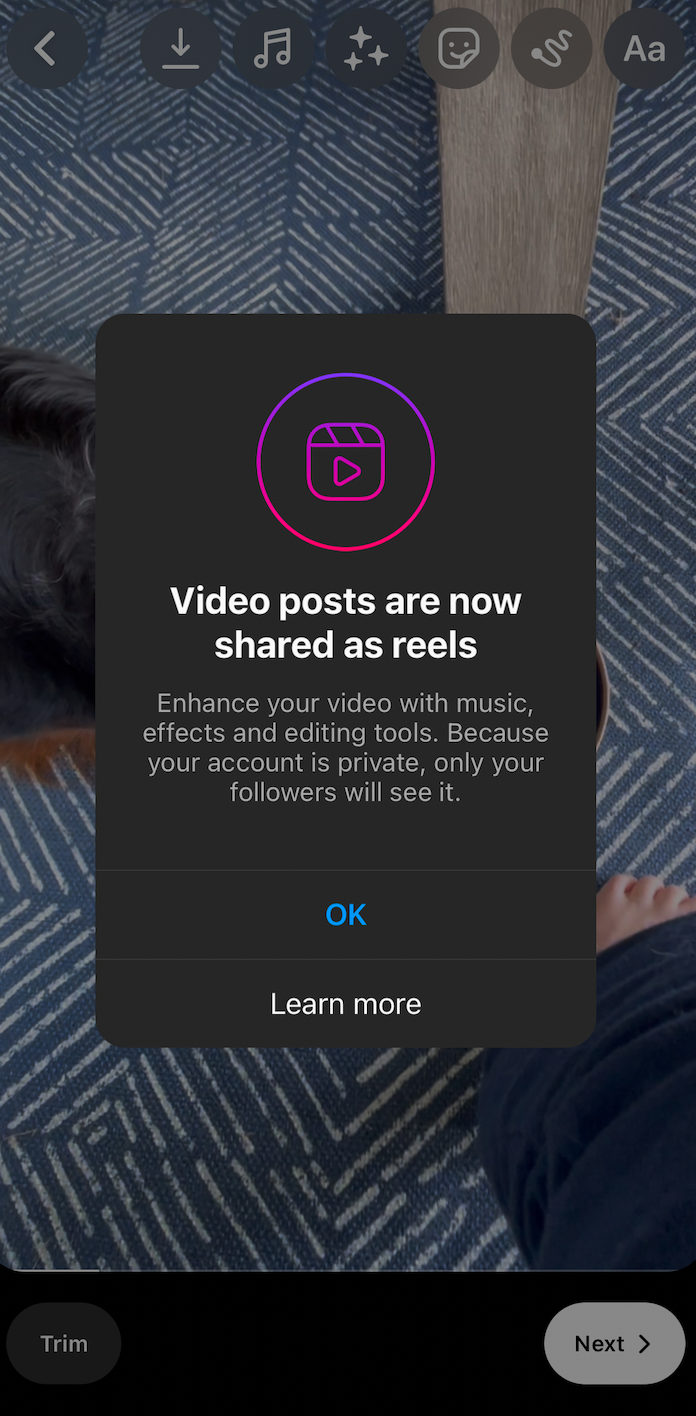
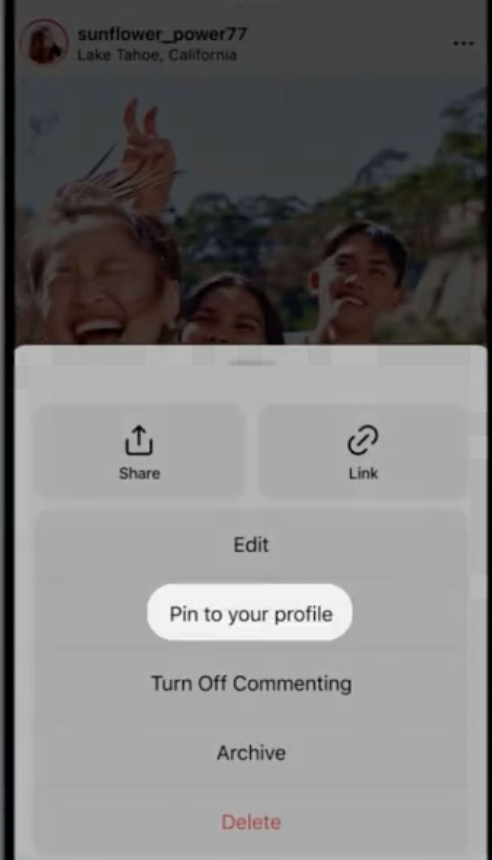
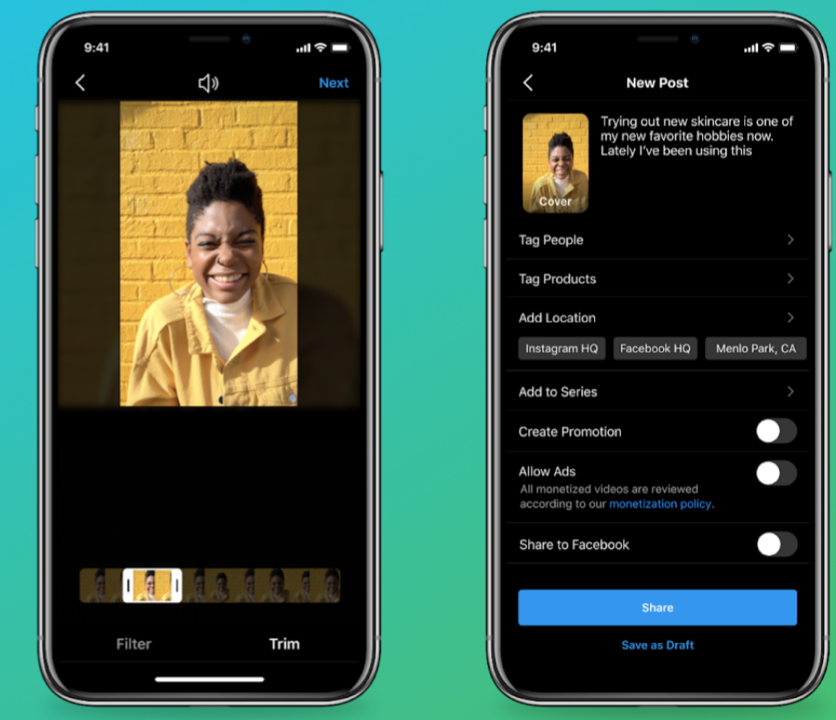
- July 2022: Instagram merged its traditional Video and Reels tabs into a single destination, automatically converting all new video posts under 15 minutes long into full-screen Reels. This integration granted all video creators access to Reels’ advanced editing toolkit.
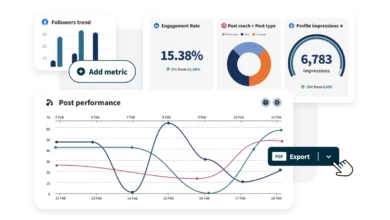
- August 2022: Meta introduced API access for Reels, allowing third-party social media management platforms such as Hootsuite to incorporate Reels publishing, analytics, and comment moderation into their dashboards. Furthermore, cross-posting capabilities between Instagram and Facebook became globally available.
- September 2022: Facebook Reels were rolled out globally, accompanied by the initiation of monetization tests through Overlay Ads and "Stars on Reels," allowing users to financially support creators.
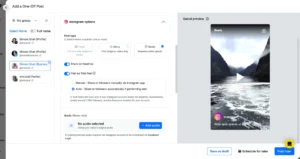
- Fourth Quarter 2022: Instagram extended maximum Reel lengths to 90 seconds, introduced native scheduling for content up to 75 days in advance directly within the mobile application, and permitted users to attach up to 90 seconds of licensed music to static in-feed photo posts.
Industry analysts noted that this aggressive video integration effectively altered content consumption habits, forcing brands to reallocate creative resources toward vertical, mobile-first multimedia production. However, the pivot was not without friction; the sudden deprecation of Facebook Live Shopping on October 1, 2022, underscored Meta’s willingness to ruthlessly prune underperforming e-commerce features in favor of high-growth vertical video formats.
Commerce, Payments, and B2B Targeting Innovations
As social commerce cemented its role in the global retail economy, Meta introduced critical infrastructure updates to facilitate frictionless transactions directly within its applications.
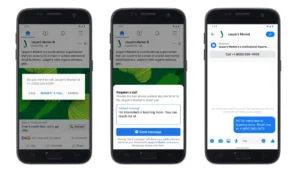
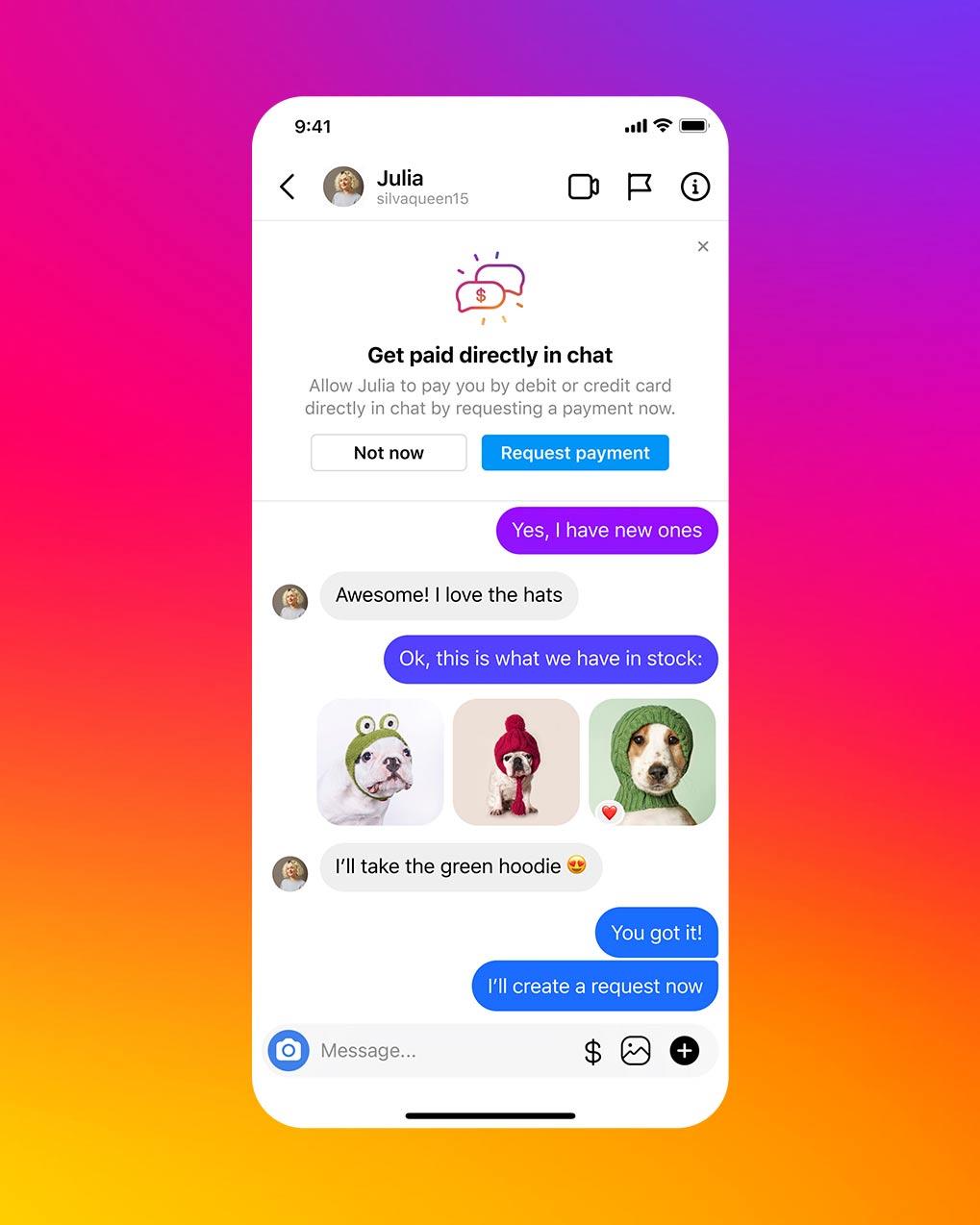
In September 2022, Instagram launched native payments within Direct Messages (DMs), enabling eligible professional accounts to process invoices and accept payments—via Meta Pay, credit cards, or PayPal—without requiring customers to navigate away to external web browsers. This feature eliminated friction in the buyer journey, significantly improving conversion rates for conversational commerce.
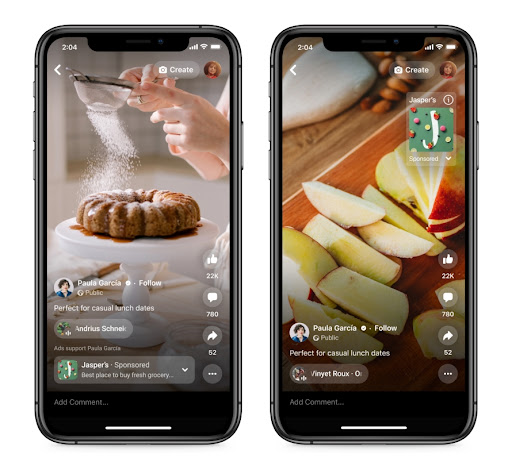
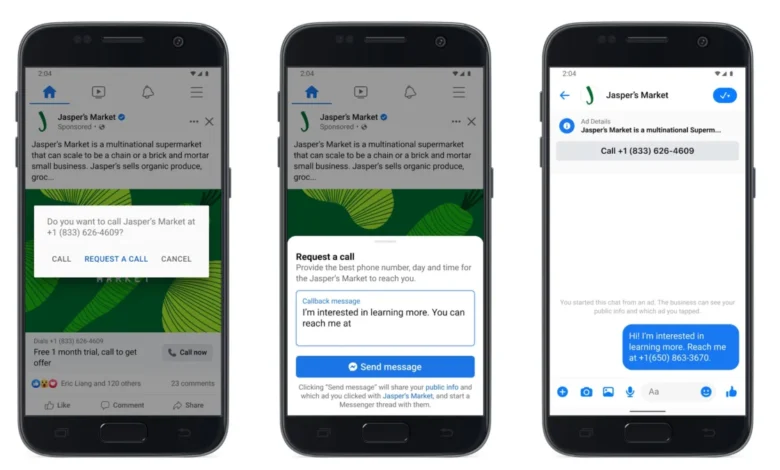
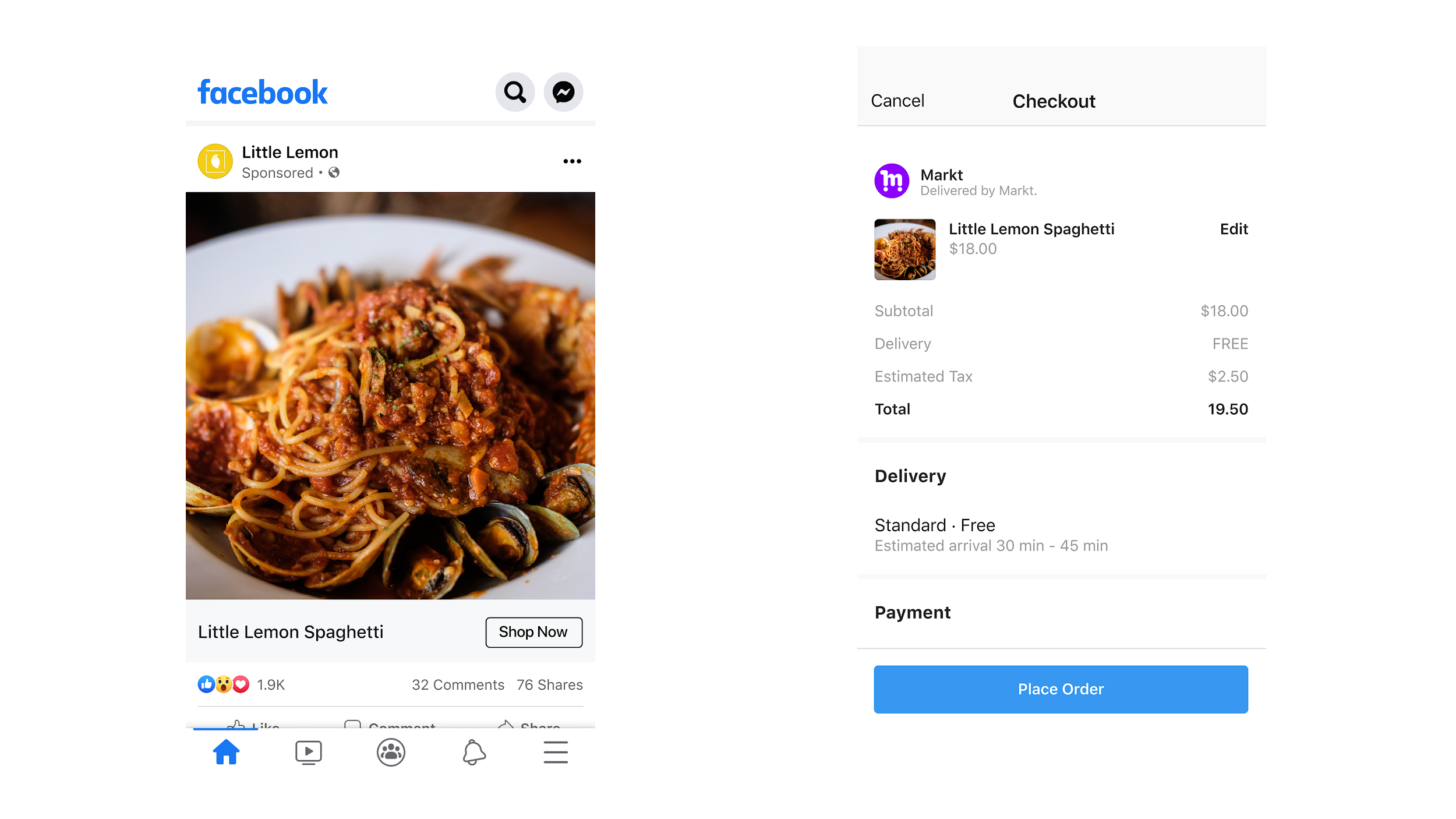
Concurrently, Meta expanded its collaborative ads infrastructure by introducing local delivery options tailored for grocery stores and restaurants. By integrating real-time inventory and local pricing data, these ads bridged the gap between digital discovery and immediate local fulfillment. For B2B marketers historically challenged by Meta’s consumer-centric architecture, the company deployed granular on-platform job title and industry interest targeting options, attempting to bridge the gap with professional networks like LinkedIn.
Brand Safety, Governance, and Regulatory Compliance
Amid heightened global scrutiny regarding content moderation, data privacy, and election integrity, Meta invested heavily in verifiable brand safety standards throughout 2022.
A significant milestone was achieved in November 2022 when Meta secured accreditation from the Media Rating Council (MRC) for content-level Brand Safety on Facebook. Independent audits reviewed the company’s Partner Monetization Policies, Content Monetization Policies, and associated suitability controls applied to Instant Articles and In-Stream video across desktop and mobile environments. This external validation provided corporate advertisers with renewed confidence regarding ad placement adjacency.
Additionally, Meta addressed intellectual property protection by launching the IP Reporting API in October 2022. Designed to integrate seamlessly with the Graph API, the system empowered original creators and rights holders to identify and report copyright infringement, counterfeit products, and trademark violations across Facebook and Instagram via the Business Manager interface.
Furthermore, in response to public debate surrounding social and political advertising, Meta announced enhancements to the Ad Library. Beginning in July 2022, aggregated targeting summaries for social issue, electoral, and political ads were made accessible to vetted academic researchers, balancing public transparency with rigorous user privacy protections.
Financial Commitments to the Creator Economy
Recognizing that content creators form the lifeblood of platform engagement, Meta sustained aggressive financial incentives throughout the year. Chief Executive Officer Mark Zuckerberg announced that revenue sharing derived from badges, subscriptions, and paid online events would remain waived for creators until at least 2024, allowing independent producers to retain 100% of earnings (excluding applicable taxes).
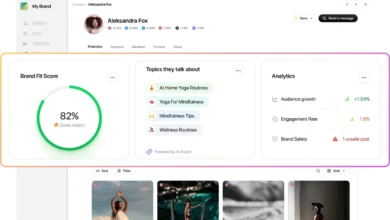
The introduction of the Instagram Creator Marketplace, which moved into testing and expanded access throughout the second half of 2022, streamlined brand-creator partnerships. The dashboard allowed brands to filter potential partners by demographic criteria, audience attributes, and categorical expertise, formalizing influencer marketing into a data-driven media channel.
Implications and Outlook for 2023
As organizations transition into 2023, the implications of Meta’s 2022 transformations are clear. The convergence of automated advertising via Advantage+, native scheduling tools, conversational commerce, and rigorous MRC-accredited brand safety measures has fundamentally professionalized the ecosystem.

While marketers must contend with reduced manual control over audience targeting—compounded by ongoing privacy regulations and Apple’s ATT framework—the empirical performance gains associated with Meta’s machine learning infrastructure suggest that algorithmic adaptation is no longer optional. Brands that successfully harmonize creative agility with automated distribution protocols are positioned to capture substantial market share within Meta’s evolving digital landscape.