Digital marketing professionals and business owners frequently encounter a frustrating scenario when logging into Meta Ads Manager: active campaigns failing to secure impressions or reach their intended target audience. This phenomenon, officially categorized by Meta as ads "not delivering," stalls marketing momentum, halts lead generation, and disrupts return on investment calculations for companies relying heavily on social media advertising. Understanding the underlying mechanical, policy, and strategic causes behind non-delivery is critical for modern marketers seeking to maintain optimal campaign performance.

When an ad campaign displays a "Not delivering" status within the Ads Manager dashboard, it indicates that active creatives are failing to enter the auction or are being restricted from serving to users. In instances where technical impediments prevent distribution, the Ads Manager interface typically displays a sub-status reading "Update required." To diagnose these issues efficiently, media buyers must examine the Delivery column within their Meta Ads Manager workspace, where system notifications highlight specific structural or administrative bottlenecks.
Administrative and Policy Barriers to Ad Delivery
Among the most prevalent reasons for delivery halts are compliance reviews and account-level financial thresholds. Meta’s automated systems and manual moderation teams evaluate every submitted advertisement to ensure adherence to established advertising policies and terms of service. Standard review processes typically conclude within 24 hours, though peak advertising periods, such as major retail holidays, frequently extend review durations. Marketers frequently trigger unintended re-evaluations by modifying active ad copy, altering visual assets, or adjusting targeting parameters while an ad is pending approval or actively running.
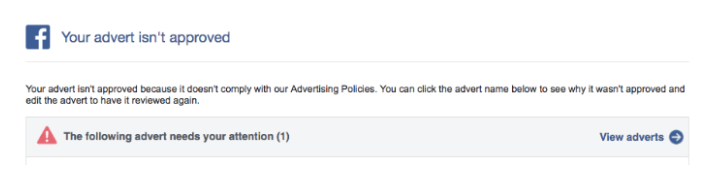
When ad creatives violate platform guidelines regarding prohibited content, misleading claims, or restricted product categories, Meta rejects the advertisement outright. Industry analysts note that common triggers for disapproval include sensationalized phrasing, before-and-after imagery, and non-functional landing pages. If an advertiser believes an ad was wrongfully rejected, formal appeals can be submitted through the Account Quality dashboard. Furthermore, special ad categories—covering housing, employment, and social issues—impose mandatory targeting restrictions based on age, gender, and geographic location to comply with regulatory standards.
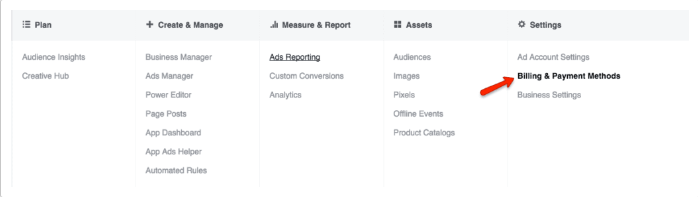
Account-level spending caps represent another administrative hurdle. Marketers often establish lifetime or cumulative account spending limits during initial setup and subsequently forget to adjust them as campaigns scale. Once expenditures reach this predefined threshold, Meta automatically pauses all campaigns associated with the account. Resolving this requires navigating to the Billing and Payment Methods section within Ads Manager to increase, reset, or completely remove the financial ceiling.
Algorithmic Constraints and Budgetary Limitations
Algorithmic delivery relies heavily on sufficient capital allocation and appropriate audience sizing to gather performance data. When daily budgets or bid caps are set too low relative to the target market, the ad delivery system cannot secure enough auction wins to optimize effectively. For instance, a nominal daily budget of three dollars fails to provide the algorithm with enough financial leverage to test audience response, prompting the system to halt delivery altogether. Industry experts recommend utilizing lifetime budgets or automatic bidding strategies, such as lowest-cost pacing, to give the delivery engine sufficient flexibility during the initial learning phase.
Audience scale is similarly vital for successful delivery. Meta’s advertising infrastructure typically requires a minimum of 1,000 active users within a defined target set to execute meaningful statistical analysis. Highly restrictive custom audience lists or ultra-narrow geographic and demographic parameters often fall beneath this threshold, causing the system to withhold delivery. Expanding location radiuses, incorporating lookalike audiences, or broadening interest parameters generally resolves audience-size restrictions.

Auction Dynamics, Engagement Metrics, and Optimization Goals
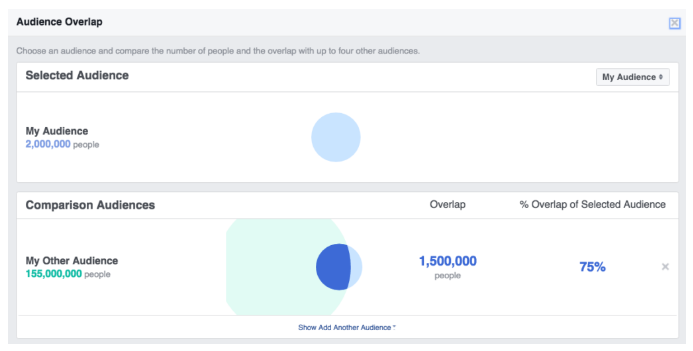
Campaign structure frequently introduces internal competition known as auction overlap. When multiple ad sets within the same business manager target identical or overlapping audience segments, Meta’s internal auction mechanics intervene to prevent advertisers from bidding against themselves. The system evaluates total value metrics and prioritizes the strongest-performing ad set while automatically pausing or limiting delivery for overlapping campaigns. Digital marketing analysts recommend utilizing the native Audience Overlap tool within Ads Manager to identify redundant targeting parameters and consolidate competing ad sets.
Ad relevance diagnostics—encompassing quality ranking, engagement rate ranking, and conversion rate ranking—further dictate impression frequency. Meta prioritizes user experience by favoring advertisements that generate positive engagement over those experiencing low interaction. When relevance metrics drop into the "low" tier, delivery volume decreases significantly. Marketing teams typically combat this decline by refreshing visual assets, refining copywriting, and ensuring post-click landing page experiences align seamlessly with the initial advertisement.
Finally, misaligned optimization goals can starve a campaign of necessary impression volume. Selecting conversion events that rarely occur, such as high-value purchases on a newly launched website, starves the algorithm of the positive reinforcement signals needed for continuous delivery. Media buyers frequently pivot optimization strategies temporarily toward upper-funnel actions—such as link clicks or add-to-cart events—to build sufficient conversion data before transitioning back to primary purchase or registration goals once momentum has been established.