Brand loyalty has transitioned from a stable marketing metric into a volatile asset that is increasingly difficult to secure and dangerously easy to lose. In the contemporary digital ecosystem, consumers are bombarded with brand messaging across fragmented social networks, decentralized creator communities, and third-party digital spaces that remain outside of corporate control. This shift is compounded by a profound decline in consumer trust, fueled by the proliferation of AI-generated content and widespread misinformation. As traditional metrics like quarterly sales reports and post-purchase surveys become lagging indicators, businesses are finding that by the time they recognize a shift in customer sentiment, the opportunity to retain that loyalty has often already evaporated.
The erosion of trust is not merely anecdotal; it is quantified by recent industry data. According to Sprout Social’s Q1 2026 Pulse Survey, 35% of social media users report that their trust in online content has plummeted over the past year. The primary culprit is misinformation, cited by 30% of respondents, followed closely by the rise of unregulated AI-generated content. Perhaps most significantly, 88% of users acknowledge that the advancement of AI video tools has fundamentally diminished their faith in the veracity of the news and brand content they encounter on social platforms.
Defining the Mechanics of Loyalty and Affinity
In the boardroom, confusion often persists between brand loyalty and brand affinity, two concepts that are frequently conflated but serve different functions. Brand loyalty is defined by a customer’s ongoing preference for a specific entity, driven by a foundation of trust and emotional resonance rather than mere convenience or habit. It is an active state evidenced by repeat purchases and advocacy even when lower-priced or more accessible alternatives exist.

Conversely, brand affinity represents the emotional connection a customer feels toward a brand based on shared values, identity, or personal experiences. While these states are synergistic—with affinity often serving as a precursor to sustained loyalty—they are not interchangeable. Similarly, customer loyalty, which is often tied to rewards programs or service efficiency, and brand awareness, which is the baseline familiarity with a logo or product, form the broader spectrum of brand health. Industry experts characterize brand loyalty as a long-term friendship: it cannot be forged through a single transaction but is instead cemented through a consistent history of reliability that proves the brand understands the customer’s specific needs.
The Chronology of Disconnection: Why Traditional Data Fails
For decades, the standard corporate playbook relied on lagging indicators: CRM data, quarterly sales reports, and net promoter scores (NPS). However, the speed of modern discourse has rendered these tools insufficient. A typical crisis or shift in market preference follows a predictable, accelerated timeline:
- The Inception of Sentiment: A consumer experiences a frustration or identifies an unmet need.
- Social Amplification: The consumer voices this on a niche community, such as a Reddit thread or a creator’s comment section.
- The Lag Phase: The brand continues to operate based on the previous quarter’s data, unaware of the emerging narrative.
- The Tipping Point: The conversation gains traction; competitor brands begin to address the pain point.
- The Churn: The customer defects, leaving the brand to analyze the loss of revenue months after the social signals were first broadcast.
Data from the 2026 Social Intelligence Report highlights this systemic failure, noting that 86% of professionals have missed significant business opportunities in the last two years due to delayed, siloed, or underutilized insights. Notably, 33% of respondents identified a slow reaction to market shifts as their most significant missed opportunity, while only 10% of organizations possess the operational agility to act on a social insight within hours.
Building Resilience: A Strategic Framework for Modern Engagement
To reverse this trend, brands must adopt a strategy that emphasizes proactive listening and structural agility. This requires moving beyond the "tagged mentions" model of social media monitoring and embracing comprehensive media intelligence.
1. Beyond Owned Channels
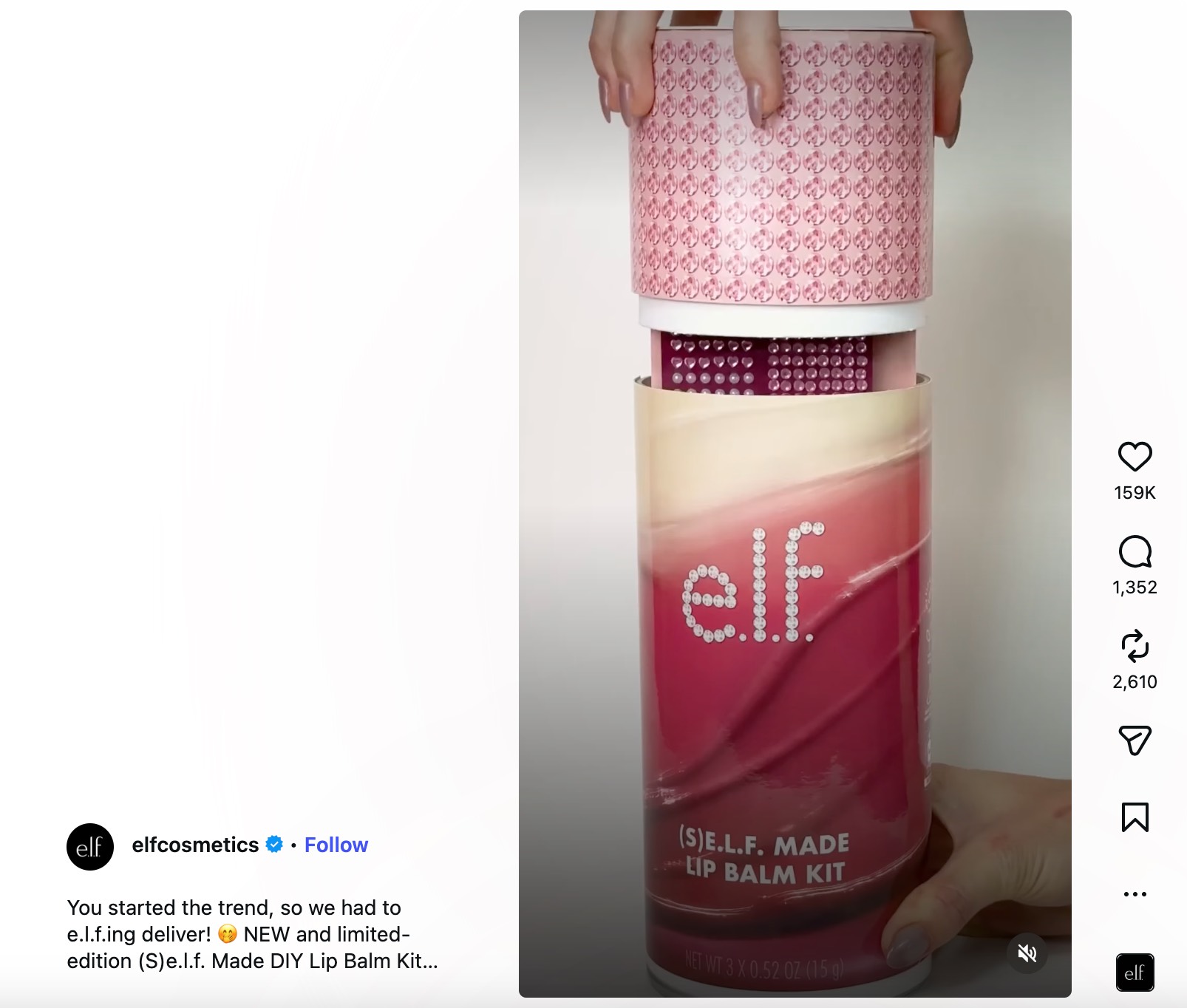
Effective listening must encompass the "dark social" spaces—creator comments, forum discussions, and category-wide debates. A prime example of this methodology is e.l.f. Cosmetics, which identified a consumer-led "DIY lip gloss" trend on social media and pivoted quickly to launch a product that met that exact demand. This transformation from passive monitoring to product innovation allowed the brand to capture demand before it became a market standard.
2. Public Accountability and Transparency
In an era where AI-generated content is viewed with extreme skepticism, brands must be explicitly transparent about their processes. Burger King’s "There’s a New King and It’s You" campaign serves as a case study in closing the feedback loop. By acknowledging gaps in the customer experience and utilizing actual social media content to illustrate their commitment to change, the brand moved from defensive marketing to public collaboration.
3. Humanizing the Brand through Employee Advocacy
As trust in traditional advertising declines, the "human element" becomes a key differentiator. Sprout’s 2026 Influencer Marketing Report indicates that 40% of consumers discover new products through employee-generated content on a monthly basis. Providing employees with the tools to share authentic perspectives—rather than sanitized corporate scripts—helps bridge the credibility gap that often separates large organizations from their customer bases.
4. The Integration of Social and Service
The distinction between marketing and customer care is rapidly disappearing. Customers now expect real-time, personalized support on the same platforms where they discover products. Integrating social listening tools with CRM platforms, such as Salesforce, allows service teams to move beyond generic responses. When a support agent can see a customer’s history, sentiment, and recent social interactions, they are better equipped to resolve issues before they escalate to churn.

The Role of Micro-Influencers in Trust Recovery
The reliance on mega-influencers is also undergoing a fundamental reassessment. As consumers grow wary of high-production, heavily sponsored content, they are gravitating toward micro-influencers and niche creators who maintain a higher level of perceived authenticity. The data is clear: 57% of consumers report trusting everyday users for product recommendations, compared to only 9% for mega-influencers. Brands that prioritize these niche partnerships often find that their messages carry more weight, even if the total reach is numerically smaller.
Measuring Success: The Future of Brand Health
To effectively measure brand loyalty, organizations must synthesize historical behavioral data with real-time attitudinal signals. Past behavior—sales figures and retention rates—tells a brand what has happened. Sentiment analysis and share-of-voice metrics tell a brand what is happening now.
The most effective organizations are those that view brand loyalty as a dynamic journey. This involves using predictive media intelligence to identify emerging narratives before they peak, enabling teams to mitigate potential risks before they manifest as revenue loss. Furthermore, as the prevalence of generative AI increases, brands that implement clear labeling and ethical usage policies are likely to emerge as the leaders in long-term consumer trust.
Ultimately, brand loyalty in 2026 and beyond is not about winning an argument or pushing a product; it is about demonstrating that the organization is listening. When a brand allows the collective voice of its customers to shape its operations, products, and communications, it creates a feedback loop that fosters genuine, enduring connection. In a crowded, skeptical, and fast-moving marketplace, this responsiveness is the only reliable path to maintaining a competitive advantage.