LG Electronics to Ban Smart TV Apps Using Residential Proxy SDKs Following Security Concerns

LG Electronics USA has officially announced a sweeping policy change to its smart TV ecosystem, confirming plans to suspend and remove any applications on its webOS platform that incorporate residential proxy software development kits (SDKs). The decision marks a significant shift in how the home appliance giant manages its app store and follows a series of alarming reports from cybersecurity researchers indicating that a nearly half of the apps available on the platform were covertly or overtly turning consumer televisions into relay nodes for third-party internet traffic. This move highlights the growing tension between app monetization strategies and consumer network security in the increasingly connected smart home landscape.
The Discovery of the "Shadow" Proxy Network
The catalyst for LG’s policy shift was a detailed investigative report released in early July by Spur, a cybersecurity firm specializing in identifying and tracking proxy networks. Spur’s research revealed a pervasive trend within the smart TV app ecosystem: the integration of residential proxy SDKs. According to the findings, more than 42 percent of the applications available for download on LG’s webOS store contained code that allowed unknown third parties to route internet traffic through the user’s home connection.
Residential proxies are highly sought after in the digital economy. Unlike data center proxies, which use IP addresses associated with servers, residential proxies use the IP addresses of actual home users. These are considered "cleaner" and less likely to be flagged or blocked by websites, making them invaluable for activities such as web scraping, market research, price monitoring, and bypassing geographical restrictions. However, they are also frequently exploited by malicious actors for credential stuffing, ad fraud, and distributed denial-of-service (DDoS) attacks.
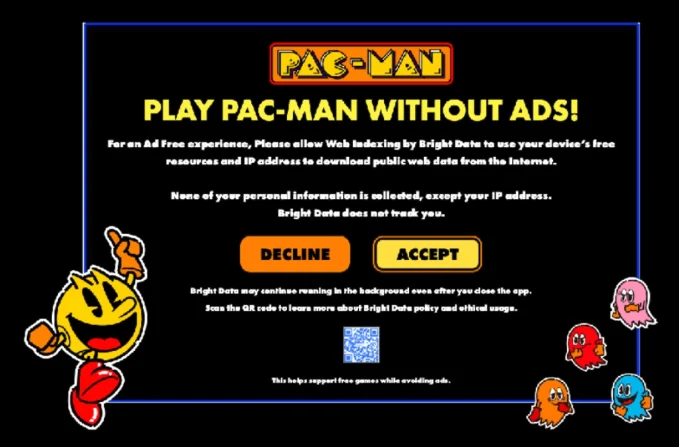
Spur’s analysis was not limited to LG. The firm found that the problem extends to other major manufacturers, noting that more than 25 percent of apps designed for Samsung’s Tizen operating system—the world’s most popular smart TV platform—also contained similar residential proxy components. The prevalence of these SDKs in "simple" apps, such as file utilities, screensavers, and even clones of classic games like Pac-Man, suggests a systemic issue in how smart TV apps are being monetized.
LG’s Official Response and Enforcement Strategy
Responding to the findings, LG Senior Vice President John Taylor provided a statement to the security community clarifying the company’s stance. Taylor emphasized that turning a television into a proxy node was never an intended or authorized use of the LG webOS platform. He confirmed that LG is currently in the process of communicating with developers to demand the immediate removal of these features.
"A residential proxy network is not an intended use for LG smart TVs, and LG Electronics is working with developers to remove the residential proxy option from their apps on the webOS platform," Taylor stated. He further warned that non-compliance would result in immediate consequences, noting, "If this option is not removed, these apps will be suspended."
LG has indicated that its review process is already "well underway." The company intends to implement stricter vetting procedures for all future app submissions to ensure that proxy-related code does not re-enter the ecosystem. This involves enhancing the automated and manual evaluation processes that apps must undergo before being listed on the webOS Content Store. The goal is to restore the platform’s integrity and ensure that the user experience is not compromised by background processes that consume bandwidth and potentially expose the user’s network to external risks.
The Mechanics of the "Value Exchange"
The inclusion of proxy SDKs in smart TV apps is driven by a monetization model often referred to as a "value exchange." In this scenario, a developer offers a "free" version of an app—such as a weather tool or a casual game—and presents the user with a choice: view traditional advertisements or allow the device to be used as a "resource node" for a proxy network.
One of the primary players identified in the Spur report is Bright Data (formerly Luminati), a major provider of residential proxy services. Bright Data’s SDK was found in a significant portion of the flagged apps. In these instances, users might see a consent screen explaining that in exchange for an ad-free experience, their device will occasionally use a small amount of idle bandwidth and processing power to help the service route traffic.

Bright Data has defended its practices, asserting that its network is built on the principles of transparency and informed consent. In a statement addressing the recent controversy, the company claimed its operations are fully compliant with the terms of service set by LG and Samsung.
"Every peer opts in through a dedicated screen and receives value in return; every customer is vetted, and our practices have now undergone a second independent audit by PwC," the company stated. Bright Data maintains that its services are used by legitimate businesses and researchers to access public data and that it employs technological countermeasures to ensure that proxy customers cannot interact with or control other devices on the user’s local network.
Security Implications and the "Consent" Gap
Despite claims of transparency from proxy providers, security experts argue that the current model is fundamentally flawed when applied to the Internet of Things (IoT). Trevor Sutter of Spur highlighted that a "one-time consent prompt" buried within a TV app interface does not constitute meaningful transparency.
There are several layers of risk associated with turning a smart TV into a proxy node:
- Lack of Ongoing Control: Most users do not have the technical expertise to monitor how much bandwidth is being used or what kind of traffic is being routed through their home IP. Once consent is given, the proxy node often remains active indefinitely as long as the TV is connected to the internet.
- The "Minor" Factor: Smart TVs are communal devices. A child playing a free game might click "Accept" on a technical prompt without understanding the implications, effectively enrolling the entire household’s internet connection into a global proxy network.
- Network Integrity: While proxy providers claim to isolate traffic, the presence of an active, third-party-controlled node inside a home network is a theoretical security risk. If the SDK itself contains vulnerabilities, it could serve as a gateway for lateral movement, allowing an attacker to jump from the TV to more sensitive devices like laptops or home security cameras.
- Legal and Reputational Risk: Because the traffic exits through the user’s IP address, any illicit activity conducted by a customer of the proxy service—such as harassment or illegal downloads—could potentially be traced back to the unsuspecting homeowner.
Contextualizing LG’s Broader Software Challenges
The decision to purge proxy SDKs comes at a time when LG is facing increased scrutiny over its software and partnership choices. Just days before the proxy report gained traction, the company was criticized for a separate issue involving its high-end computer monitors.
Tech investigators at the YouTube channel Gamers Nexus discovered that certain LG LCD monitors were automatically installing a McAfee security application on users’ Windows PCs. This occurred through a software driver delivered via Windows Update, bypasssing the usual user approval prompts. The app prompted users to purchase antivirus subscriptions, leading to accusations that LG was "pimping" bloatware through essential system updates.
These overlapping controversies suggest a broader struggle within LG—and the consumer electronics industry at large—to balance the need for new revenue streams with the responsibility of protecting user privacy and system performance. As hardware margins thin, manufacturers are increasingly looking toward software services and "partnerships" to bolster their bottom line, sometimes at the expense of the user experience.
Chronology of Recent Events
- Early July 2024: Spur publishes a comprehensive study on the prevalence of residential proxy SDKs in smart TV ecosystems, naming LG and Samsung as primary hosts.
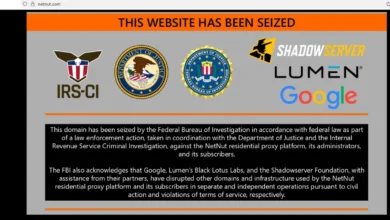
- July 2, 2024: Security researchers link these proxy networks to broader botnet activities, including the seizure of the NetNut proxy platform by the FBI, highlighting the potential for abuse.
- Mid-July 2024: LG Electronics USA confirms it is aware of the research and has begun a platform-wide audit of the webOS Content Store.
- July 18, 2024: Reports emerge regarding LG monitors force-installing McAfee software, increasing public pressure on LG’s software governance.
- July 22, 2024: LG issues a formal statement via Senior VP John Taylor, declaring that residential proxy networks are "not an intended use" and announcing the suspension of non-compliant apps.
- July 22, 2024: Bright Data issues a rebuttal, defending its "opt-in" model and compliance with existing manufacturer terms.
Future Outlook for the Smart TV Ecosystem
LG’s move to ban proxy SDKs is likely to set a precedent for the industry. While Samsung has not yet announced a similar sweeping ban for its Tizen OS, the pressure from security advocates and the precedent set by LG may force their hand.
The removal of these SDKs will likely result in a "cleanup" of the webOS store, as many low-quality apps that relied solely on proxy revenue may become unsustainable and be abandoned by their developers. For consumers, this should result in more stable network performance and a reduced risk of their IP addresses being blacklisted by security services.
However, the underlying problem of app monetization remains. As "free" apps lose the ability to use proxy SDKs, users may see an increase in more intrusive traditional advertising or a shift toward subscription models. The challenge for manufacturers like LG moving forward will be to create a sustainable developer ecosystem that does not rely on turning the customer’s living room into a piece of global internet infrastructure. For now, LG’s decisive action serves as a rare victory for consumer privacy in the often-opaque world of IoT software.
Related posts: