A social media report is a critical document offering an in-depth, analytical overview of an organization’s social media marketing performance over a defined period. Far from being a mere compilation of statistics, these reports serve as vital strategic tools, translating raw data into actionable insights that inform future marketing initiatives and support broader business objectives. In today’s highly competitive digital landscape, where social media platforms are central to brand visibility, customer engagement, and even direct sales, the ability to meticulously track, analyze, and report on performance is no longer a luxury but a fundamental necessity for sustainable growth.
![How to create a social media report in 2026 [free template]](https://blog.hootsuite.com/wp-content/uploads/2024/09/social-media-report.png)
The Evolution and Strategic Imperative of Social Media Reporting
The genesis of social media reporting parallels the rapid expansion of social media platforms themselves. Initially, marketers often focused on "vanity metrics" such as follower counts and likes, providing a superficial gauge of popularity. However, as social media matured into a sophisticated marketing channel, integrated with sales funnels and customer service workflows, the demand for more rigorous, business-oriented analytics surged. This shift reflects a broader industry trend towards data-driven decision-making, where every marketing dollar spent must demonstrate a measurable return on investment (ROI).
![How to create a social media report in 2026 [free template]](https://blog.hootsuite.com/wp-content/uploads/2024/09/social-media-report-556x556.png)
Today, robust social media reporting helps marketing teams understand precisely what strategies are yielding results across diverse platforms and how these efforts contribute to the organization’s overarching goals. For instance, a detailed report on a brand’s Instagram presence might reveal that video content, particularly Instagram Reels, consistently achieves higher reach and engagement rates than static images or carousel posts. Conversely, a deep dive into Twitter (now X) analytics might highlight its efficacy for real-time customer service interactions or breaking news dissemination, rather than direct sales conversions. Such granular insights enable marketers to optimize content strategies, allocate resources more efficiently, and adapt quickly to evolving audience preferences and platform dynamics.
Industry analysts consistently emphasize the imperative for businesses to leverage comprehensive social media data. According to recent market projections, global social media advertising spend is expected to exceed $200 billion annually, underscoring the critical need for robust reporting to demonstrate ROI and justify increasing investment. Without detailed reports, businesses risk operating in a vacuum, making decisions based on intuition rather rather than empirical evidence, potentially leading to wasted resources and missed opportunities.
![How to create a social media report in 2026 [free template]](https://cdn.airops.com/rails/active_storage/blobs/proxy/eyJfcmFpbHMiOnsiZGF0YSI6MTY5MDIwMjM3LCJwdXIiOiJibG9iX2lkIn19--a9a47f703c5479ad08a2d24a0caf99fdd3c1d707/Analytics%20simplified.png)
The Anatomy of a Comprehensive Social Media Report
A well-structured social media report transforms complex data into clear takeaways, facilitating smarter planning and strategic adjustments. While specific components may vary based on an organization’s unique goals, most effective reports incorporate the following key elements:
![How to create a social media report in 2026 [free template]](https://cdn.airops.com/rails/active_storage/blobs/proxy/eyJfcmFpbHMiOnsiZGF0YSI6MTk0Mzk3ODE3LCJwdXIiOiJibG9iX2lkIn19--c8bd5696bdac6937c1bb3c1c2d65cab81fa45fa6/image.png)
- Executive Summary: Positioned at the beginning, this concise overview provides a snapshot of the report’s top findings, key highlights, and critical conclusions. It is designed for senior leadership and busy stakeholders who require a high-level understanding of performance and strategic implications without delving into granular data.
- Social Media Objectives: This section offers crucial context by reiterating the overarching social media strategy. It clarifies the primary roles of social media for the business, whether it’s brand awareness, lead generation, customer support, social commerce, or a combination. Any strategic shifts or new channel integrations since the previous reporting period should be highlighted here.
- Period-Specific Goals: Clearly outlining the specific, measurable, achievable, relevant, and time-bound (SMART) goals for the reporting period is essential. This defines what "success" entails, enabling all readers to understand the benchmarks against which performance is being evaluated. Examples include a target percentage increase in engagement rate, a specific number of new followers, or a particular conversion rate for a campaign.
- Metrics and Key Performance Indicators (KPIs): This core section presents the quantitative data tracking progress against stated goals. Depending on the objectives, key metrics may include:
- Awareness: Reach, impressions, brand mentions, share of voice.
- Engagement: Likes, comments, shares, saves, click-through rate (CTR), engagement rate.
- Conversion: Website clicks, lead form submissions, e-commerce purchases, app installs.
- Audience Growth: Follower count, new followers, audience demographics.
- Customer Service: Response time, resolution rate, customer satisfaction score (CSAT), net promoter score (NPS).
- Performance Analysis: This is where the raw data is interpreted. Marketers review how metrics and KPIs align with period-specific goals, identify significant trends (both positive and negative), highlight successes, and pinpoint areas requiring improvement. This analysis often involves comparisons against historical data and industry benchmarks.
- Campaign Insights: For specific campaigns executed during the reporting period, a dedicated segment evaluates their effectiveness. This includes an analysis of creative performance, messaging resonance, audience targeting, and channel effectiveness, providing lessons learned for future campaigns. For instance, A/B testing results on ad creatives or landing page performance tied to social media ads would be detailed here.
- Competitor Analysis: Benchmarking performance against key competitors and industry averages provides invaluable external context. This section might analyze competitor share of voice, engagement rates, growth trajectories, and content strategies, revealing opportunities or threats.
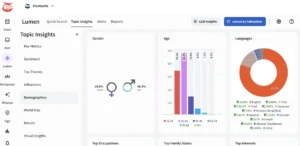
- Audience Insights: Up-to-date demographic and psychographic information about the target audience is crucial. This includes age, location, gender, interests, online behaviors, and peak activity times, all of which inform content strategy and targeting.
- Content Analysis: Evaluating the performance of different content formats (text, images, videos, Stories, Reels, carousels) and topics helps identify what resonates most effectively with the audience. This analysis can drive future content creation efforts.
- Platform Performance: For multi-platform strategies, this section compares results across different social networks. Recognizing that each platform has a unique user base and optimal content types (e.g., professional networking on LinkedIn versus short-form video on TikTok) allows for tailored strategies.
- Recommendations: Based on the comprehensive analysis, this section outlines clear, actionable recommendations for future campaigns, content strategies, or operational adjustments. Each recommendation should be directly supported by data presented in the report, providing a transparent rationale for proposed next steps.
Crafting an Effective Social Media Report: A Methodological Approach
Creating a impactful social media report involves a systematic process, moving from foundational goal-setting to strategic recommendations.
![How to create a social media report in 2026 [free template]](https://cdn.airops.com/rails/active_storage/blobs/proxy/eyJfcmFpbHMiOnsiZGF0YSI6MTk0Mzk4MDczLCJwdXIiOiJibG9iX2lkIn19--80c88146db70bd11dc4eb4e431a7479a65fe7dbe/image.png)
- Define Audience and Objectives: Before compiling any data, it is paramount to understand who will be reading the report (e.g., sales team, executive leadership, marketing interns) and what they need to know. This dictates the level of detail, the focus of the insights, and the preferred format. Concurrently, clearly define the overarching social media objectives and break them down into SMART goals for the reporting period. Benchmarking these goals against industry standards ensures realism and strategic relevance.
- Choose Relevant Metrics: Align metrics directly with the defined goals. If the objective is brand awareness, focus on reach, impressions, and brand mentions. If it’s lead generation, concentrate on click-through rates, website traffic from social, and conversion rates. Avoiding "data dumps" of irrelevant metrics keeps the report focused and impactful.
- Gather Your Data: Collect performance data from all relevant social media platforms and analytics tools. While most platforms offer native analytics (e.g., Meta Business Suite, TikTok Analytics), third-party tools like Hootsuite Analytics or specialized platforms like Talkwalker can provide a more integrated, cross-channel view and deeper insights. Data should include historical context from previous periods (weeks, months, quarters, years) for comparative analysis.
- Analyze Performance and Campaigns: This is the heart of reporting. Go beyond surface-level numbers to identify trends, anomalies, successes, and areas for improvement. Analyze top-performing content, the impact of specific campaigns, and the efficacy of different content types. Crucially, integrate audience demographic and psychographic data to understand who is engaging and why. Competitor data adds an external perspective, revealing industry benchmarks and competitive positioning. Look for both quantitative and qualitative insights, such as key influencer contacts made or compelling customer reviews garnered through social channels.
- Create Visualizations: Data is often best understood visually. Utilize graphs, charts, infographics, and tables to present complex information clearly and concisely. Tools like Google Sheets, Canva, or integrated analytics dashboards can quickly generate compelling visuals that highlight trends and key findings.
- Compare with Previous Periods: Context is king. Comparing current performance against previous reporting periods (e.g., month-over-month, quarter-over-quarter, year-over-year) reveals trends, growth, stagnation, or decline. This longitudinal analysis helps account for seasonality, campaign cycles, or changes in audience behavior, providing a more nuanced understanding of performance.
- Write Recommendations: Based on the thorough analysis, formulate clear, actionable recommendations for future strategies. Each recommendation should be directly tied to specific data points and insights from the report, explaining the rationale behind proposed actions. For example, if video engagement is consistently high, a recommendation might be to allocate more resources to video production.
- Present and Distribute the Report: The final step involves effectively disseminating the report to relevant stakeholders in their preferred format. Executives might prefer a concise PDF or a five-minute slide deck, while the social media team might benefit from an interactive dashboard. Establishing a consistent distribution cadence (e.g., weekly, monthly, quarterly) ensures stakeholders are regularly informed and can provide timely feedback, fostering a culture of data-informed decision-making.
Diverse Reporting Needs: Types and Cadences
The reporting landscape is not monolithic; various types of reports cater to different objectives and stakeholders, often delivered at distinct frequencies:
![How to create a social media report in 2026 [free template]](https://cdn.airops.com/rails/active_storage/blobs/proxy/eyJfcmFpbHMiOnsiZGF0YSI6MTY5MDIwMTYzLCJwdXIiOiJibG9iX2lkIn19--ebe3c2ba76298452b4b49251875089b534fcbb72/Hootsuite-Social-Advertising.png)
- Monthly Performance Reports: Providing a snapshot of performance over a month, these are ideal for tracking short-term goals and making agile strategic adjustments. Key metrics typically include engagement rate, reach, follower growth, and top-performing content.
- Quarterly Performance Reports: Offering a more comprehensive analysis over three months, these reports reveal broader trends and long-term progress. They are particularly suitable for executive and board-level presentations, providing sufficient data for meaningful strategic reviews without excessive detail.
- Campaign-Specific Reports: Dedicated to individual campaigns, these reports offer detailed insights into their success, challenges, and ROI. They often compare paid versus organic performance within the campaign to assess budget impact.
- Platform-Specific Reports: For businesses active on multiple social networks, these reports allow for tailored analysis, acknowledging the unique dynamics and user behaviors of each platform (e.g., an Instagram-specific report vs. a LinkedIn-specific report).
- Engagement Reports: These reports focus exclusively on how audiences interact with content—likes, comments, shares, saves, and overall engagement rates. They are invaluable for content teams to understand what resonates and what falls flat, often broken down by content format.
- Follower Growth Reports: Tracking net new followers, growth rates, and unfollows over time, these reports measure brand awareness and audience-building efficacy. Comparing growth rates across platforms can highlight where a brand is gaining the most traction.
- Sentiment Analysis Reports: Moving beyond quantitative metrics, these reports analyze public perception of a brand, covering brand sentiment, share of voice, and conversation trends. They are crucial for reputation management, crisis monitoring, and understanding qualitative audience feedback.
The cadence of reporting also varies:
- Daily/Weekly: Best for monitoring active campaigns, managing real-time customer service, or detecting emerging crises. Primarily for tactical adjustments.
- Monthly: Standard for performance reviews, allowing teams to track progress against short-term goals and make necessary optimizations.
- Quarterly: Ideal for strategic reviews, budget re-allocations, and presentations to senior leadership, offering a broader perspective on trends.
- Annually: Used for long-term strategic planning, evaluating overall growth, and assessing the cumulative impact of social media efforts on business objectives.
Most enterprise teams employ a hybrid approach, combining frequent, detailed reports for working teams with less frequent, high-level summaries for leadership.
![How to create a social media report in 2026 [free template]](https://blog.hootsuite.com/wp-content/uploads/2023/01/HS_ProductImage-Analytics-1.png)
Leveraging Technology: Tools for Advanced Social Media Reporting
The efficiency and depth of social media reporting are significantly enhanced by specialized tools. A combination of in-platform analytics, all-in-one management suites, and web analytics tools typically forms the backbone of a robust reporting infrastructure.
![How to create a social media report in 2026 [free template]](https://cdn.airops.com/rails/active_storage/blobs/proxy/eyJfcmFpbHMiOnsiZGF0YSI6MTk0Mzk3ODgwLCJwdXIiOiJibG9iX2lkIn19--eaf54a4d428bcfb899e0f793253fb54ddd137d24/image.png)
- In-Platform Analytics Tools: Every major social media platform—Meta Business Suite (for Facebook and Instagram), TikTok Analytics, X Analytics, LinkedIn Analytics, YouTube Analytics, Pinterest Analytics—offers its own native data dashboard. These tools provide authentic, real-time data directly from the source, making them free and invaluable for platform-specific insights. However, their primary limitation is their siloed nature, making cross-channel performance comparisons challenging.
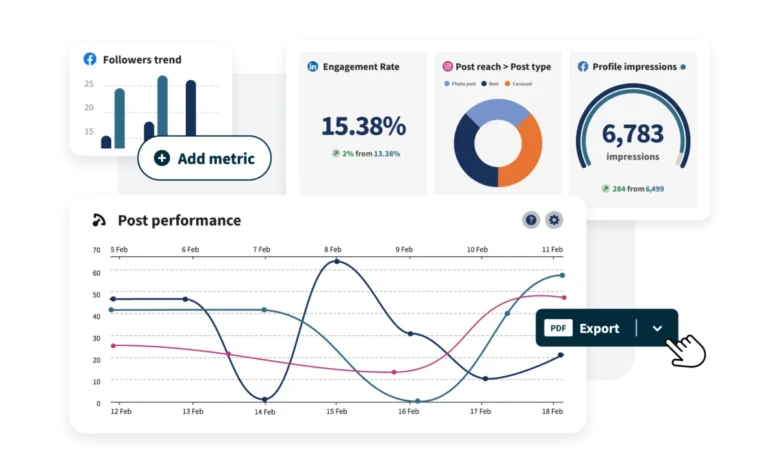
- All-in-One Social Media Management Tools (e.g., Hootsuite Analytics): Platforms like Hootsuite offer integrated analytics dashboards that consolidate data from multiple social networks into a single interface. This eliminates the need to navigate between disparate platforms, providing a unified view of performance across Facebook, Instagram, X, LinkedIn, TikTok, and more. Hootsuite Analytics excels in:
- Cross-Platform Data Aggregation: Centralizing metrics for a holistic overview.
- Custom Report Generation: Tailoring reports for different stakeholders.
- Benchmarking: Comparing performance against industry averages or competitors.
- Automation: Scheduling reports for regular distribution, saving significant manual effort.
- Granular Insights: Diving into individual post performance, audience demographics, and content type effectiveness.
- Specialized Analytics Tools (e.g., Talkwalker, Panoramiq Insights):
- Talkwalker: A leader in social data intelligence, Talkwalker leverages AI to provide deep insights into brand sentiment, share of voice, and emerging conversation trends. It’s particularly strong for competitive intelligence and reputation management across multiple markets.
- Panoramiq Insights: Seamlessly integrating with platforms like Hootsuite, Panoramiq Insights offers comprehensive, granular analytics specifically for Instagram, covering posts, Stories, Reels, follower demographics, and interactions.
- Web Analytics Tools (e.g., Google Analytics 4 – GA4): While not social media-specific, GA4 is crucial for understanding the downstream impact of social media efforts on website and app performance. It tracks social traffic sources, user behavior on the website, and conversion data, effectively bridging the gap between social media activity and tangible business outcomes like lead generation or e-commerce sales. This tool helps demonstrate the direct ROI of social media marketing by attributing website conversions back to specific social channels.
Best Practices for Maximizing Report Impact
Beyond structure and tools, certain habits elevate social media reports from informative documents to strategic catalysts:
![How to create a social media report in 2026 [free template]](https://cdn.airops.com/rails/active_storage/blobs/proxy/eyJfcmFpbHMiOnsiZGF0YSI6MTk0Mzk4NTc1LCJwdXIiOiJibG9iX2lkIn19--7e8d4b122cb5b4a01ce5ade327a90ce96adefe1d/image.png)
- Focus on Business Outcomes: Always connect social media metrics to larger business goals and ROI.
- Provide Context and Comparisons: Data in isolation is meaningless. Always compare current performance to past periods, goals, and industry benchmarks.
- Tell a Story with Data: Use narratives to explain trends and insights, making the report engaging and memorable.
- Keep it Concise for Executives: Summarize key findings and recommendations upfront, reserving detailed data for appendices or deeper dives.
- Be Action-Oriented: Every insight should lead to a clear, implementable recommendation.
- Seek Feedback and Iterate: Regularly solicit feedback from stakeholders to refine report content and format, ensuring it meets their evolving needs.
- Automate Where Possible: Leverage tools to automate data collection and report generation, freeing up valuable time for analysis and strategy.
In conclusion, social media reports are not merely administrative tasks but powerful strategic assets. They empower organizations to navigate the complexities of the digital realm with precision, transforming raw data into a compass for informed decision-making, optimized resource allocation, and sustained business growth. By embracing a systematic approach to reporting, leveraging advanced analytics tools, and focusing on actionable insights, businesses can unlock the full potential of their social media presence.