Meta’s Transformative 2022: Paving the Way for Automated, Streamlined Marketing in 2023

The last quarter of 2022 marked a period of intense activity and strategic realignment for Meta, as the technology giant rolled out a suite of new features and updates across its platforms, setting a clear trajectory for marketers and advertisers heading into 2023. This comprehensive overhaul emphasized greater automation, powerful new capabilities, and a streamlined experience designed to boost efficiency and return on investment. The developments, spanning Reels, Groups, advertising interfaces, and crucial brand safety protocols, collectively underscore Meta’s commitment to evolving its ecosystem for both users and businesses.
Meta’s Strategic Pivot: Enhancing Advertising and Creator Tools
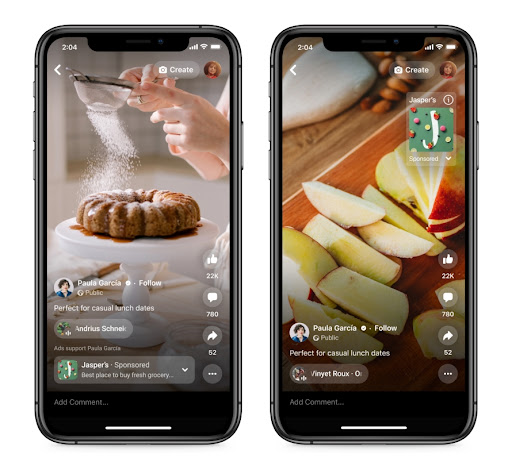
Meta’s announcements in late 2022, particularly in December, highlighted a renewed focus on empowering advertisers with data-driven insights and creators with robust monetization tools. A significant revelation came with Facebook’s release of advertising best practices, derived from internal data, offering advertisers essential tips to enhance campaign ROI amidst the platform’s dynamic environment. These guidelines aim to provide stability and actionable strategies in an ever-shifting digital landscape.
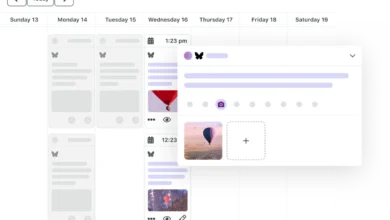
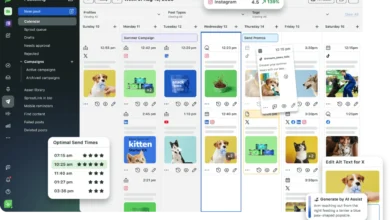
Simultaneously, Instagram introduced native content scheduling, a long-requested feature for business and creator accounts. This functionality, allowing the scheduling of Reels, photos, and carousel posts up to 75 days in advance directly from the mobile app, significantly streamlines content planning. While certain advanced features like product tagging and cross-posting to Facebook are not yet integrated, this move empowers mobile-first creators and businesses to manage their presence more effectively. The emphasis on native scheduling reflects a broader trend of platforms seeking to retain users and creators within their ecosystems by offering comprehensive in-app tools.
The Pillars of Meta’s Future: Reels, Communities, and Automation
Looking ahead to 2023, several key trends emerged from Meta’s Q4 2022 activities, signaling the company’s long-term strategic priorities.
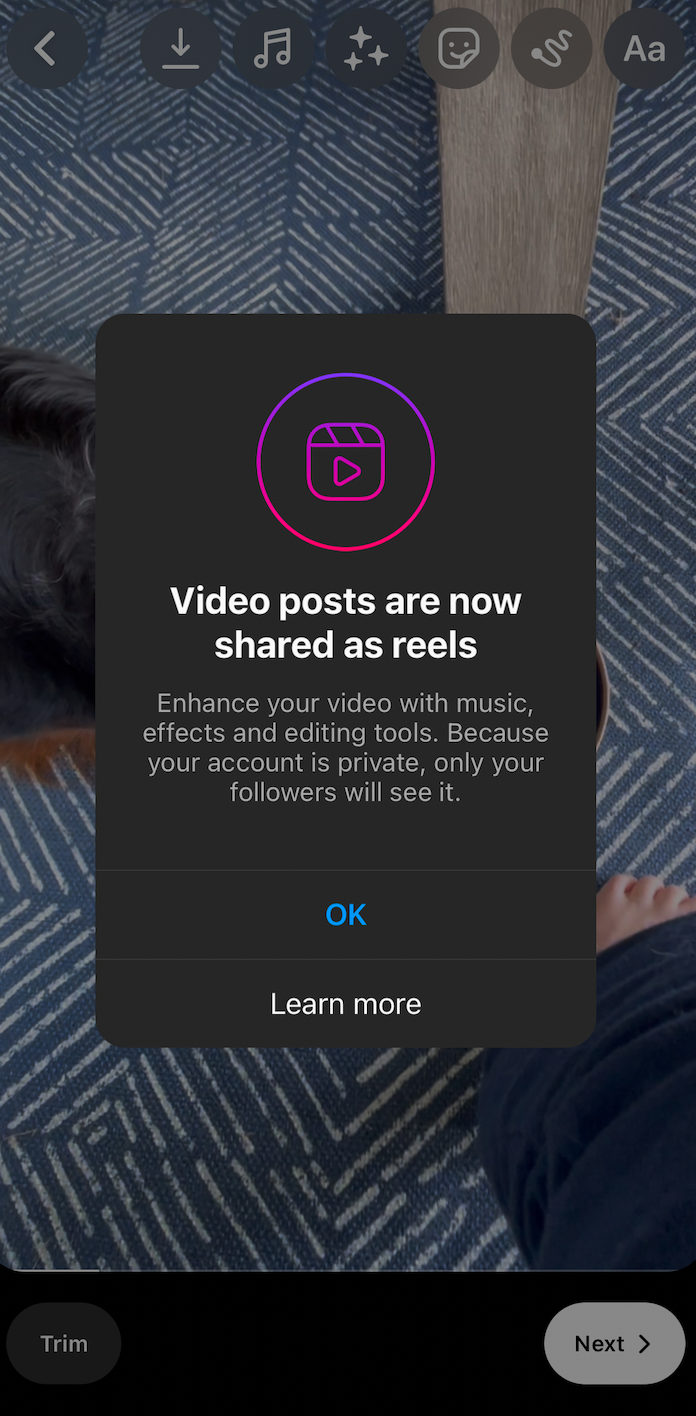
Continued Dominance of Reels: Short-form video content, particularly Reels, has become an indispensable component of Instagram and Facebook’s engagement strategy. Meta’s consistent rollout of Reels-related updates throughout 2022, including expanded advertising and e-commerce integrations, positions it as a central pillar for audience engagement, traffic generation, and revenue in the coming year. The automatic conversion of standard videos under 15 minutes into Reels, introduced in July 2022, further solidified this format’s primacy.

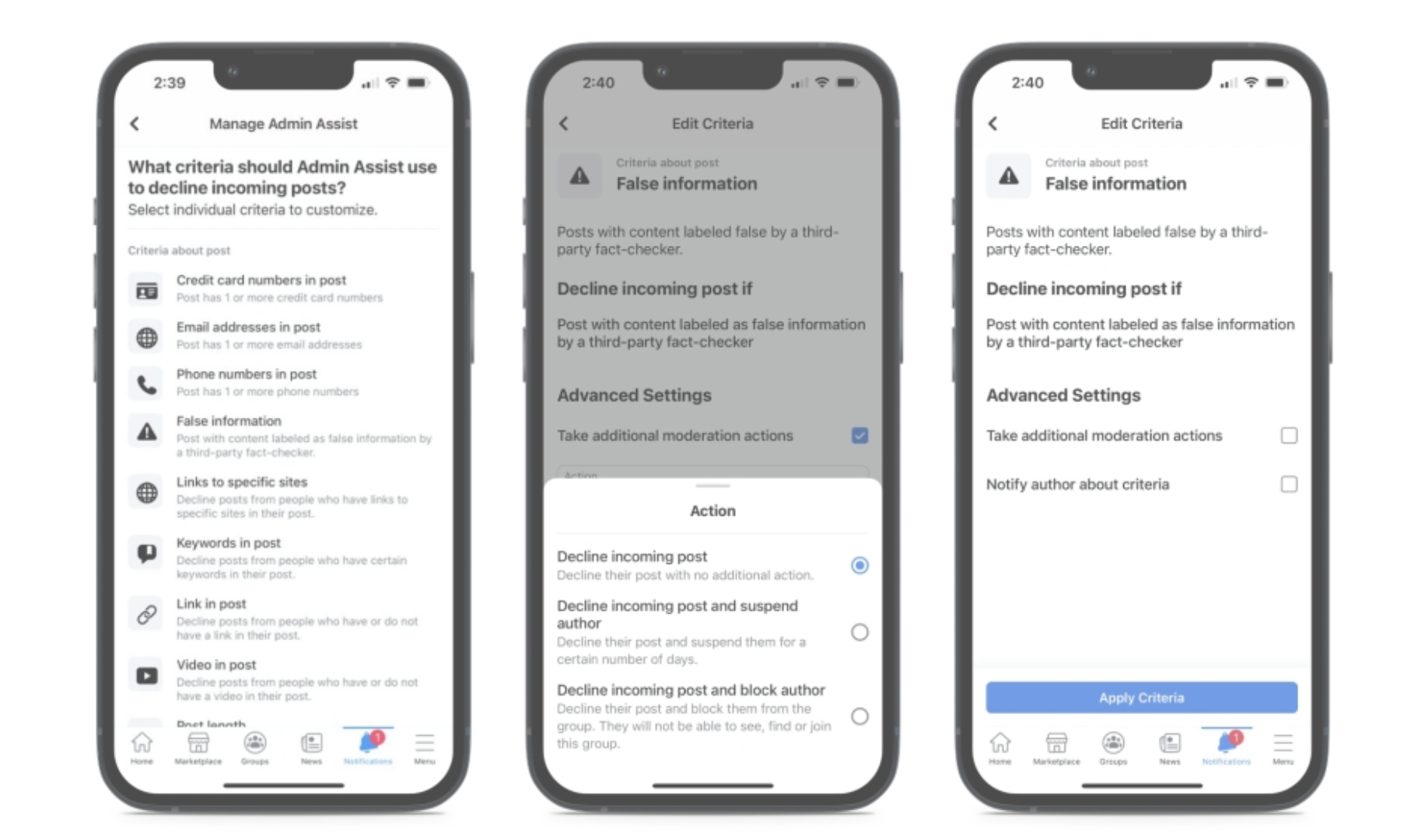
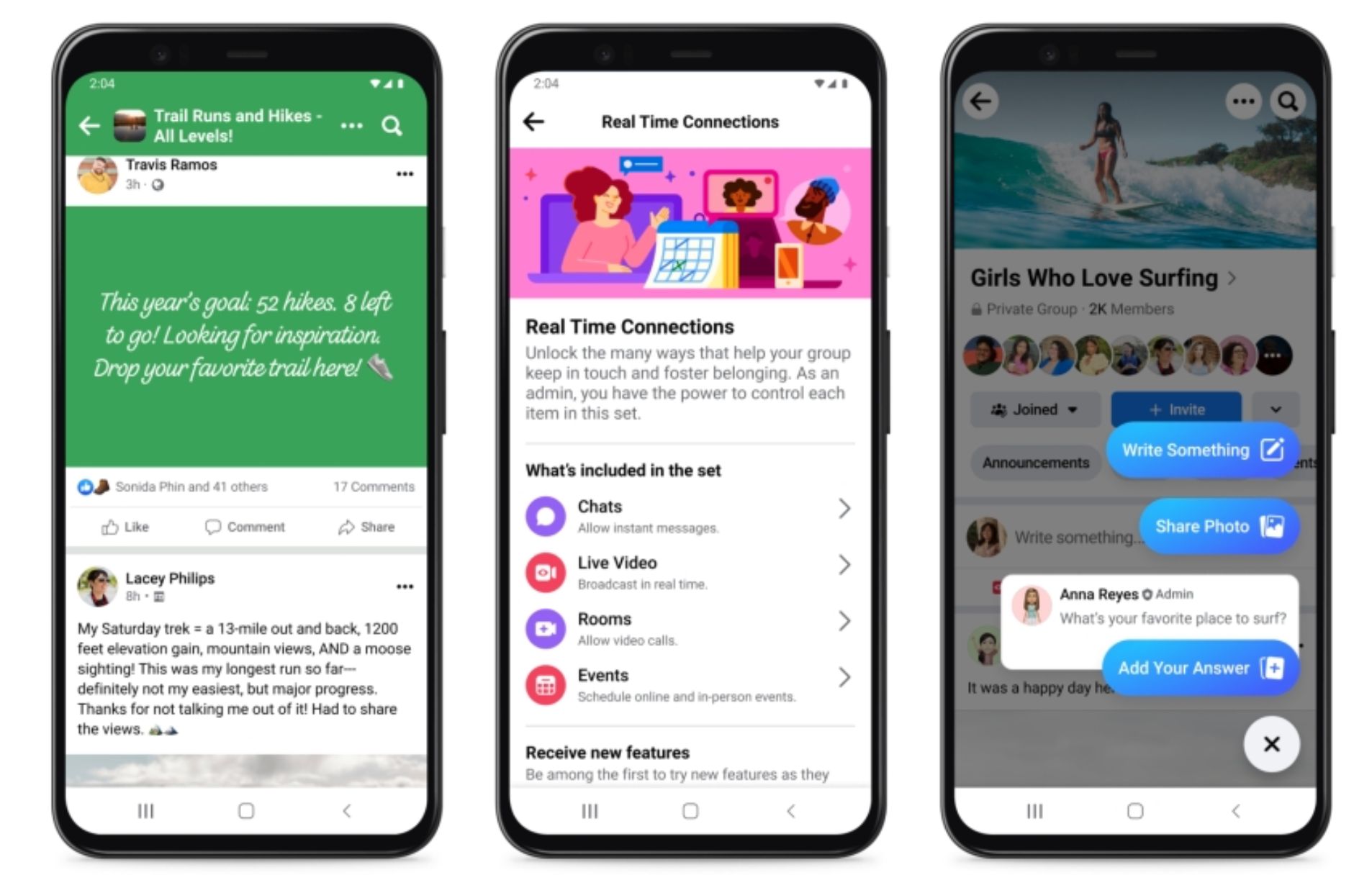
Revitalizing Facebook Groups: Facebook Groups continue to be a potent tool for community building and engagement. Meta’s sustained investment in improving moderator tools, introducing subscription-based groups for monetization, and maintaining high visibility in user newsfeeds indicates a strategic push to attract more businesses to leverage these communities in 2023. Updates in October 2022, such as new features for group admins to streamline management and enhance user experience, underline this commitment.
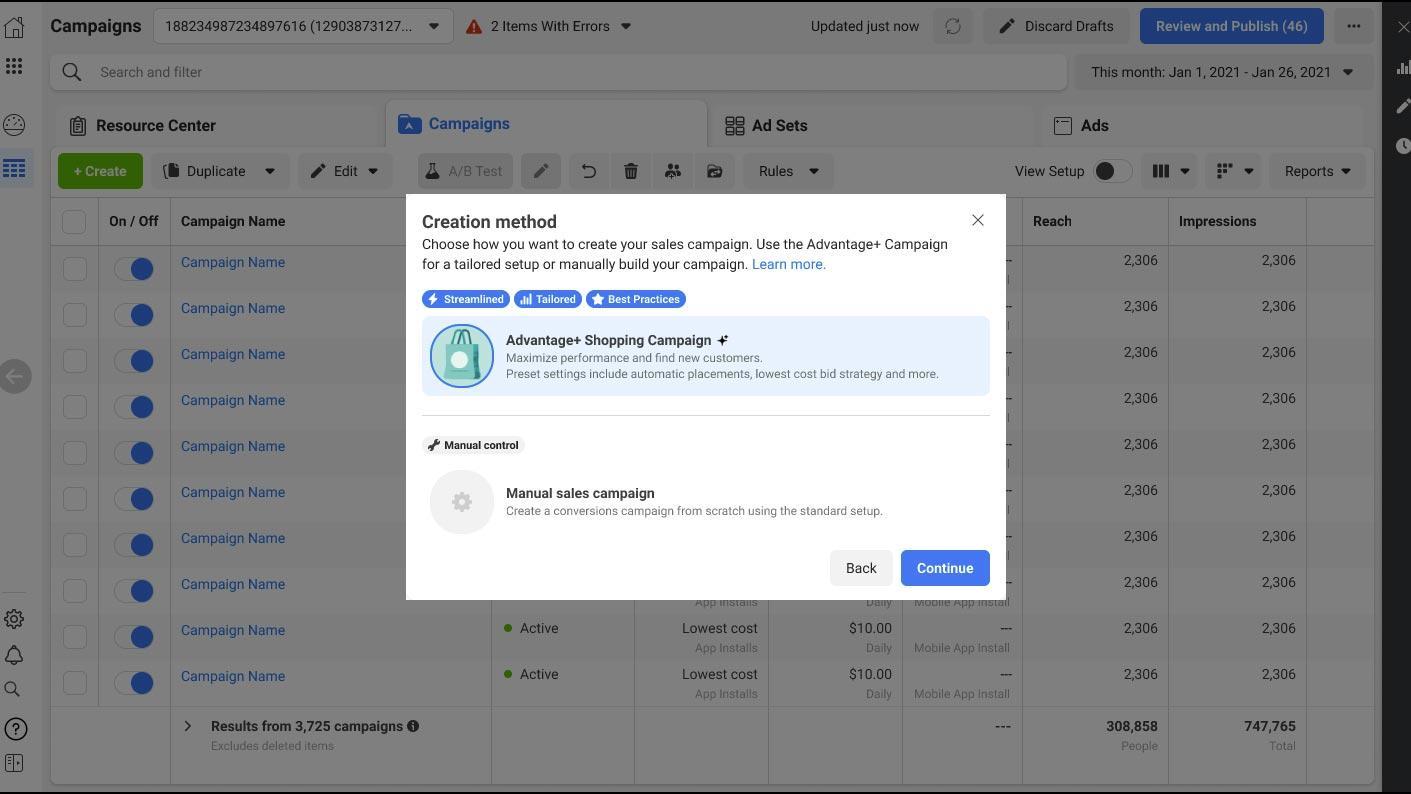
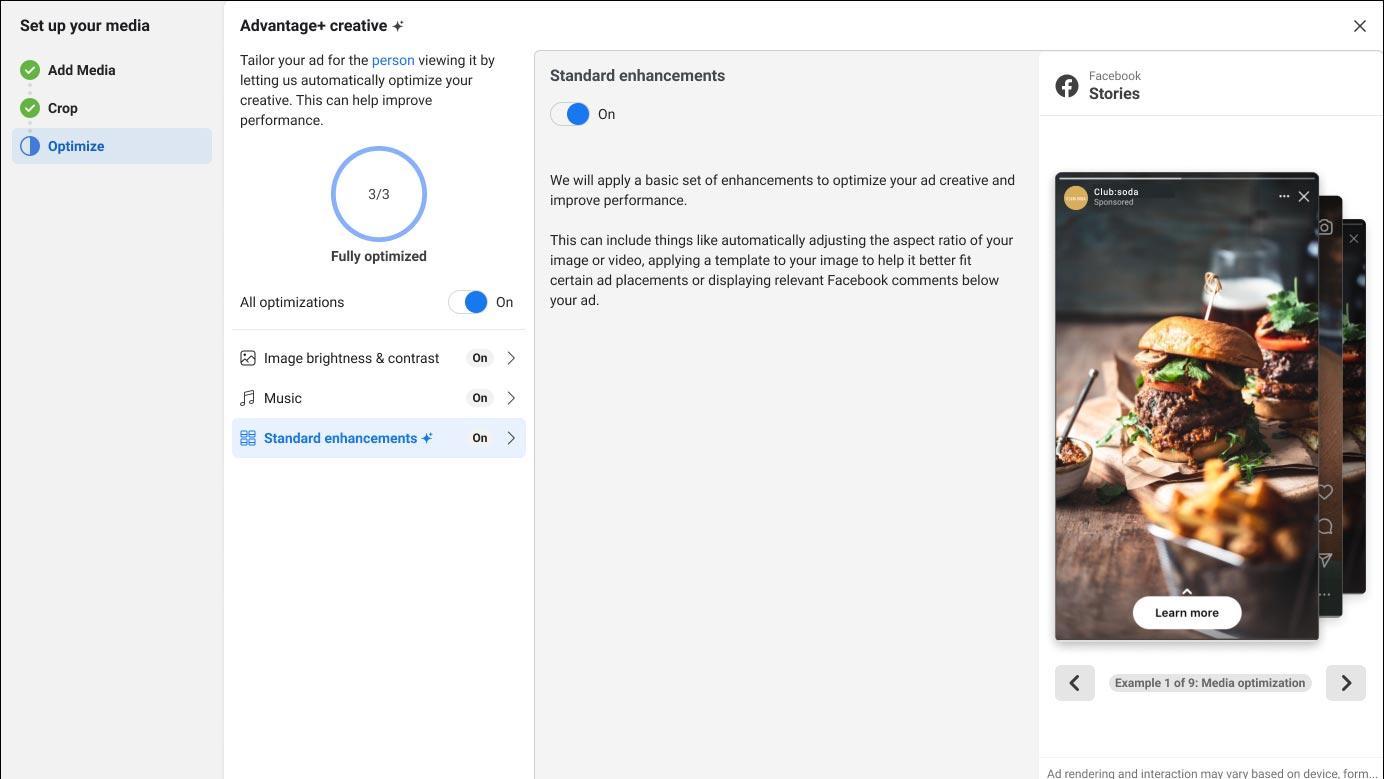
The Rise of Advantage+ Campaigns: Automation is at the heart of Meta’s advertising evolution. The Advantage+ campaign suite, leveraging Meta’s advanced machine learning, aims to deliver superior results for brands. Launched in August 2022, Advantage+ Shopping campaigns, for instance, were reported to achieve a 12% lower cost-per-purchase conversion in A/B tests compared to standard ads. The expansion of Advantage+ creative and audience features signifies a broader shift towards AI-driven optimization, offering advertisers efficiency and performance gains while reducing manual workload. This push aligns with broader industry trends towards AI-powered ad buying and optimization, reflecting Meta’s investment in sophisticated algorithmic capabilities.
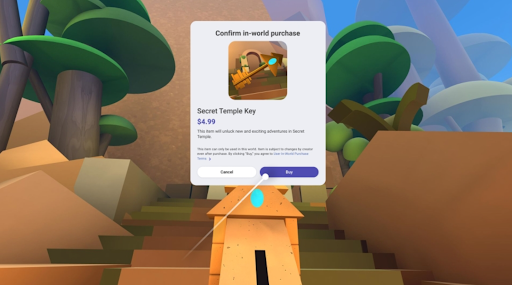
The Metaverse Vision: Mark Zuckerberg’s unwavering commitment to the Metaverse remains a defining aspect of Meta’s long-term vision. With investments exceeding $36 billion to date, the company continues to explore virtual and augmented reality technologies to bridge physical and digital experiences. While commercial success for the Metaverse is still nascent, the ongoing development of immersive spaces and creator monetization options within platforms like Horizon Worlds (as seen in April 2022) indicates a foundational investment expected to mature in the coming years.
Chronology of Key Updates: A Journey of Innovation and Adaptation (2021-2022)
Meta’s strategic direction in late 2022 built upon a continuous stream of updates throughout the preceding year, showcasing a methodical approach to platform enhancement.
Q4 2022: Consolidating Momentum
- December: Beyond advertising best practices and Instagram scheduling, Meta focused on refining existing tools and preparing for the new year.
- November: A major milestone was achieved with the Media Rating Council (MRC) accreditation for content-level Brand Safety on Facebook, particularly for Instant Articles and In-Stream video. This independent validation underscores Meta’s significant efforts in ensuring brand suitability and combating harmful content, a critical concern for advertisers. The launch of music in Instagram feed posts in November offered new creative avenues for brands to make static content more engaging. Meta also provided dedicated support resources for small businesses during the crucial holiday season, including educational content and ad credit programs.
- October: The introduction of a new IP Reporting API and enhancements to the Brand Rights Protection feature aimed to safeguard original content and intellectual property across Facebook and Instagram. Instagram’s Creator Marketplace saw new features to improve brand-creator collaborations, including enhanced search filters and communication tools. Furthermore, new Instagram ad surfaces and expanded features for Facebook Groups, such as "Admin Assist" and new moderation capabilities, were unveiled to foster more vibrant and manageable communities. The testing of multiple links in Instagram bios signaled potential future enhancements for creator profiles.
Q3 2022: Doubling Down on Automation and Video
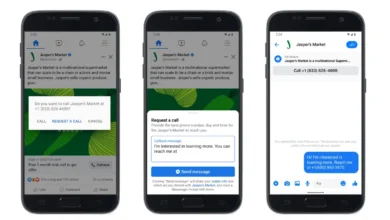
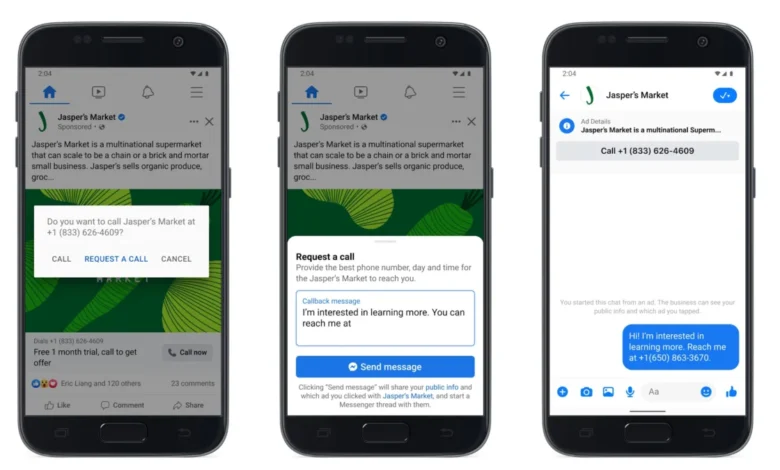
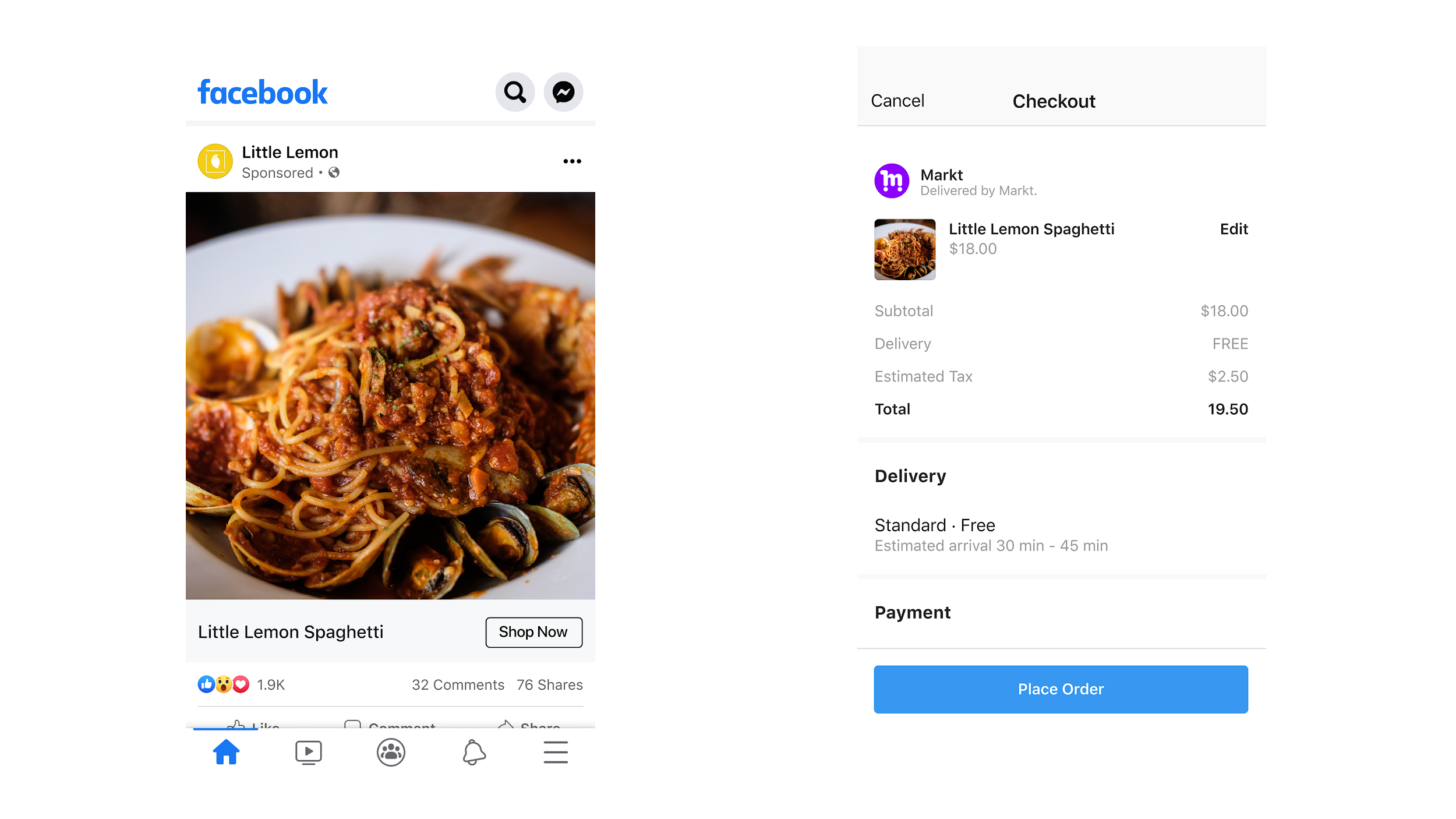
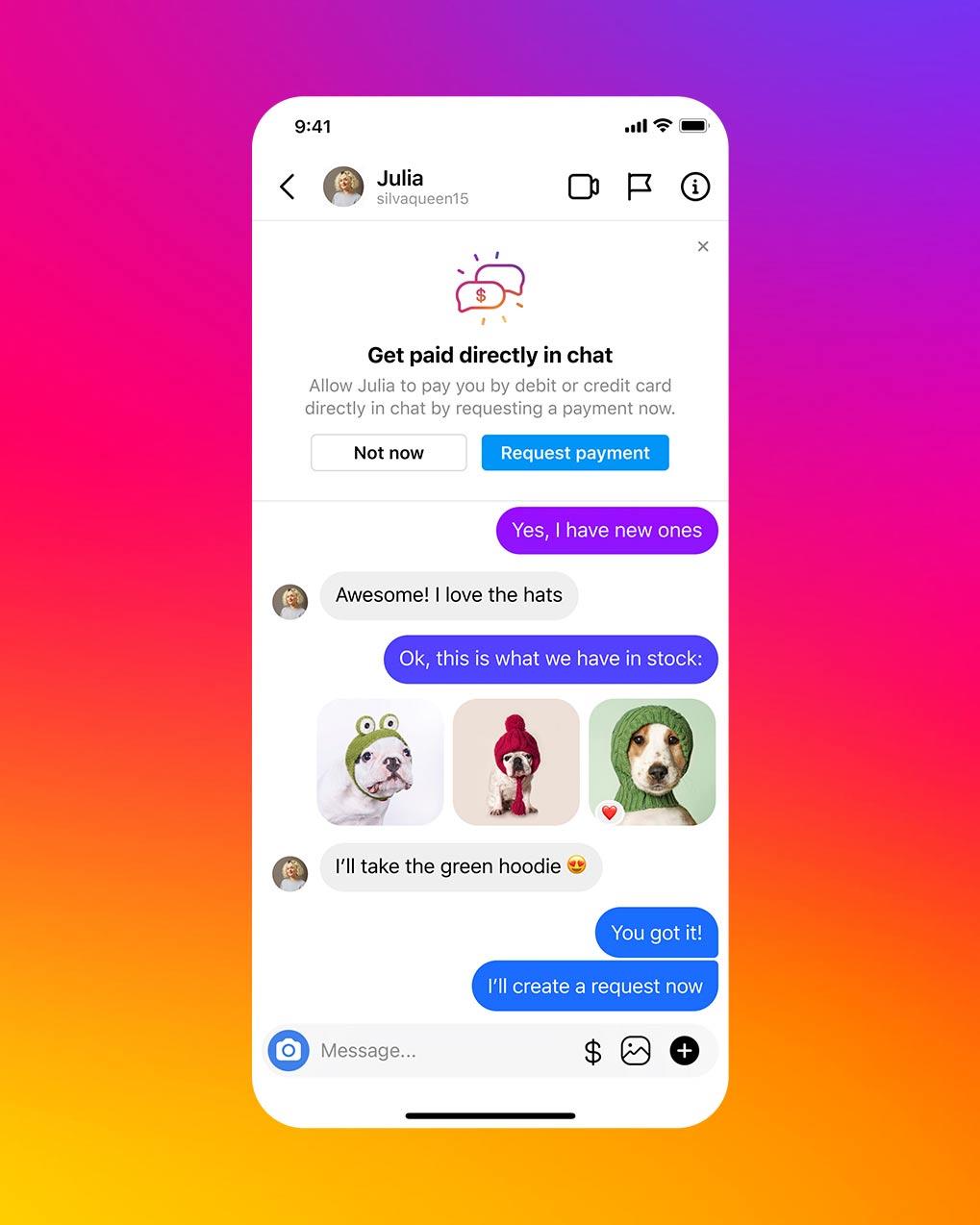
- September: Meta announced significant updates focused on growth-oriented AI, messaging, and video features. Call Ads received optimizations, including a "request a callback" feature in Messenger and enhanced integration. A global rollout of local delivery options for Collaborative Ads supported local businesses, particularly in food and grocery sectors. Instagram also introduced in-chat payment options, allowing eligible businesses to accept payments directly within DMs, streamlining the customer journey from inquiry to purchase.
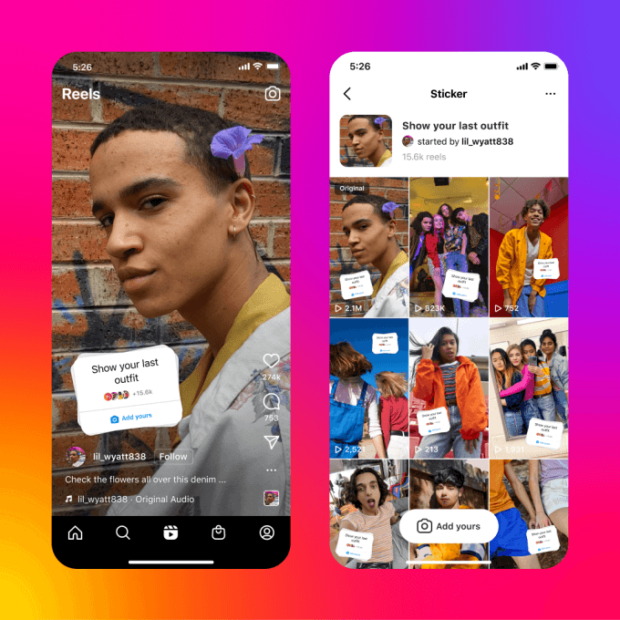
- August: The discontinuation of Facebook Live Shopping, effective October 1, 2022, was announced, reflecting a shift in consumer behavior towards short-form video. This decision underscored Meta’s commitment to Reels, where viewing behaviors were surging. A suite of new automation tools was launched within Advantage+ solutions, including Advantage+ Shopping campaigns for automated ad creation and optimization, and enhanced Advantage+ creative and audience features. New B2B targeting options were introduced, offering more granular control for reaching professional audiences. Critically, Reels received a significant boost with new features like scheduling through Creator Studio, the "Add Yours" sticker for engagement, cross-posting from Instagram to Facebook, and improved insights for performance tracking.
- July: Instagram announced that all new video posts under 15 minutes would automatically be shared as Reels, merging the "Videos" and "Reels" tabs on profiles. This move standardized the short-form video experience and brought advanced editing features to all video content. Meta also launched Small Business Studios, a resource hub offering on-demand video courses, live training, and one-on-one support for small businesses. The ability to boost Reels directly within the Instagram app was introduced, allowing businesses to easily promote their short-form video content. The Creator Marketplace, previously in testing, saw an invite-only launch for a small group of US brands, facilitating structured influencer collaborations. The Facebook Marketing Experts program was rebranded as Meta Pro Team, expanding personalized support for small businesses.
H1 2022: Foundation for Future Growth
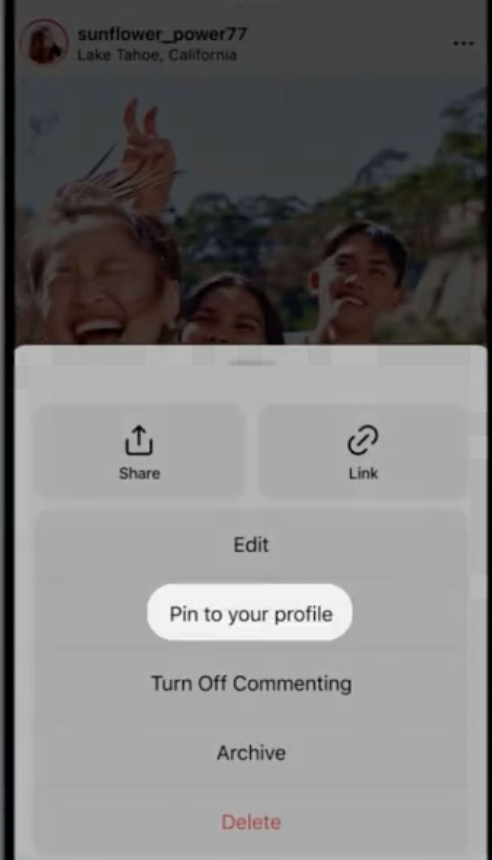
- June: Meta unveiled enhanced monetization features for creators, reiterating that revenue sharing would be deferred until 2024. This included inter-operable Stars, an expanded Reels Play Bonus program, and a creator-focused music library. Users gained the ability to create Reels from existing videos within Creator Studio, promoting content repurposing. Crucially, Meta introduced API access for Reels, enabling third-party platforms like Hootsuite to offer publishing and analytics tools. Instagram also rolled out new supervision and time management tools for teen safety and allowed users to pin up to three grid posts to their profile, offering more control over brand narratives.
- May: Meta detailed its ad policy review process to enhance transparency for advertisers. The company also reported positive efficacy of its platform safety and integrity measures, including significant reductions in hate speech and bullying content. Instagram introduced new native insights for Reels and Live video, providing creators with deeper analytics on reach, engagement, and watch time. New tools and events were launched to support Asian & Pacific-Islander owned businesses, reflecting Meta’s commitment to diversity. The "Live Shopping Fridays" initiative offered a dedicated platform for fashion and beauty brands to engage in real-time e-commerce.
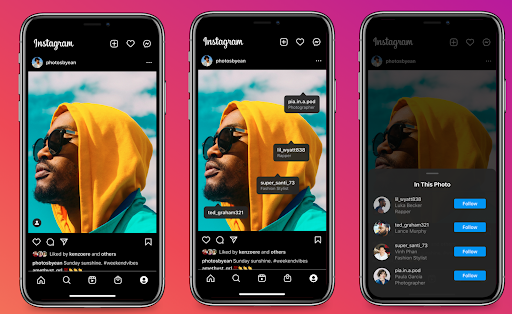
- April: New monetization options were rolled out in Horizon Worlds, Meta’s virtual reality experience, allowing creators to sell virtual items and offering a "Creator Bonus Program" to incentivize development. Instagram continued testing its post-pinning feature and increased the maximum Reel length from 60 to 90 seconds, providing more creative flexibility. Expanded product tagging to all US users and "enhanced people tags" for creators aimed to boost discoverability and e-commerce on the platform.
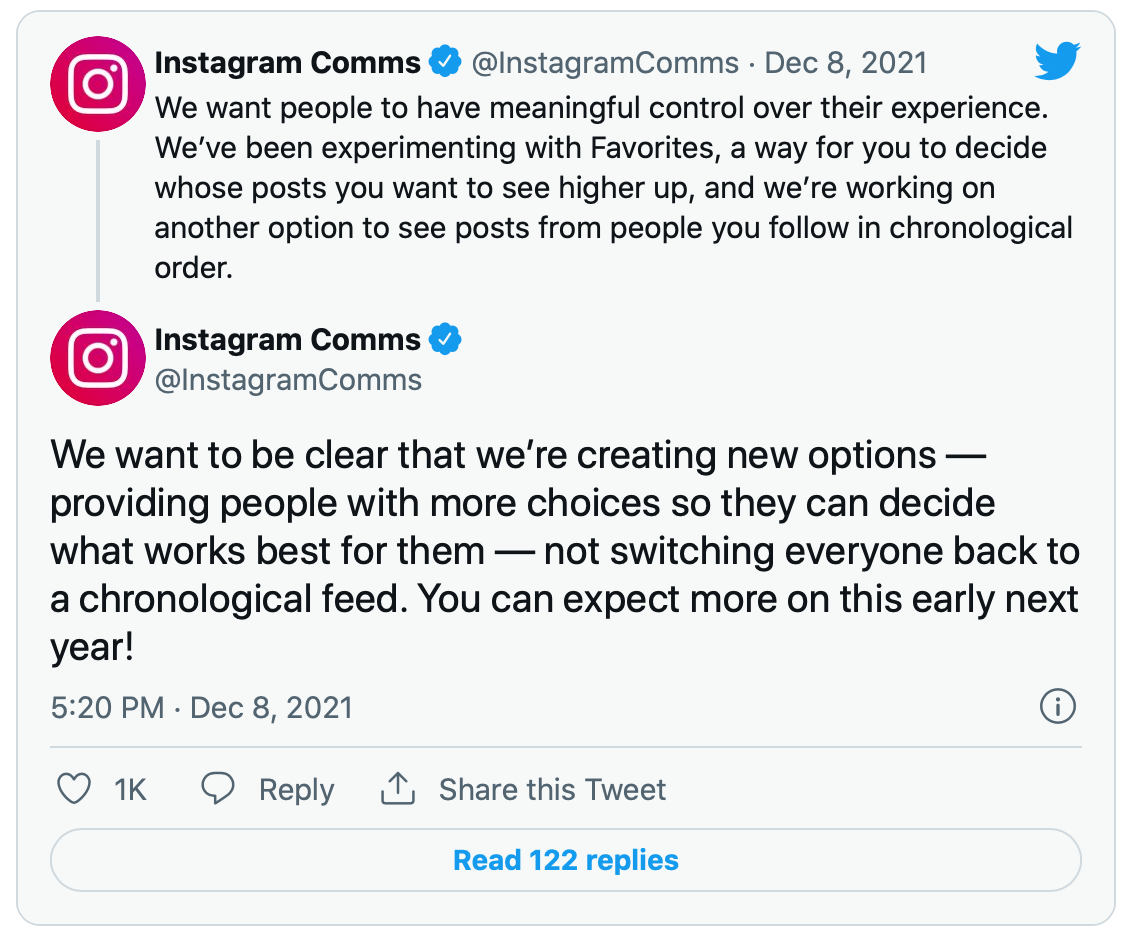
- March: The Meta Advantage Suite was launched, consolidating all automated ad products into a single platform for optimized, personalized, and efficient campaign management. Brand safety controls were updated, including new IP protection tools and integration of publisher allow lists into the Ads Manager. Facebook Groups received new admin tools like "Admin Assist" for automated moderation. Instagram brought back a chronological feed view option ("Following") while retaining its algorithmic main feed. A notable announcement from Instagram’s head, Adam Mosseri, suggested hashtags have limited impact on reach, primarily aiding discoverability on hashtag pages. Auto-generated captions for feed videos were introduced to enhance accessibility, and the Creator Lab was launched as a resource center for content creators.
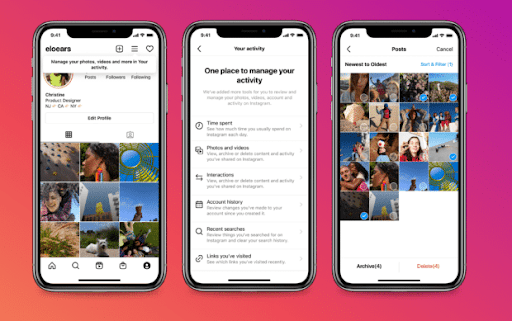
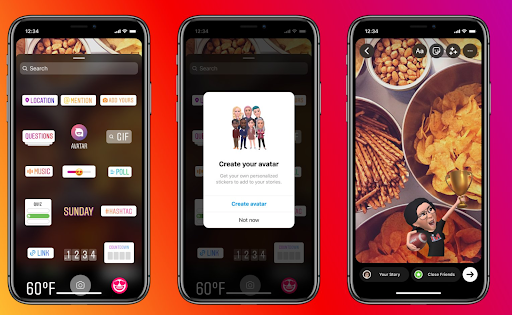
- February: Facebook Reels were rolled out globally to all users, with monetization tests commencing for Overlay Ads and "Stars on Reels." Profile videos were removed, streamlining user profiles to static images. Instagram introduced "private Story likes" to declutter DMs and launched a "Your Activity" feature for centralized content management. New 3D avatars with enhanced customization options were made available across Instagram, Facebook, and Messenger, hinting at broader Metaverse integration.
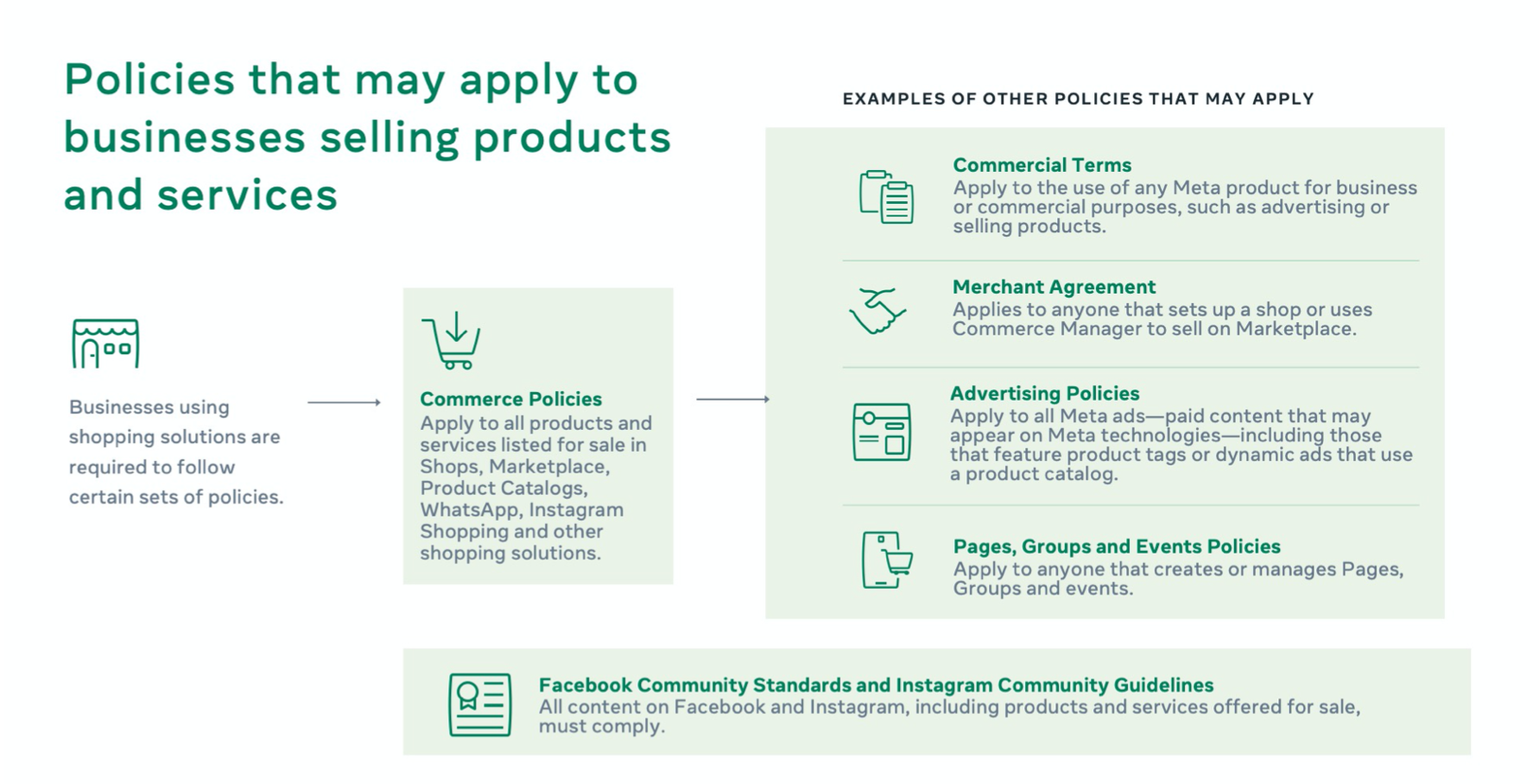
- January: Meta emphasized a safer shopping experience by centralizing commerce policies and introducing safeguards against fraudulent activity. Creator subscriptions were expanded on Facebook and launched for testing on Instagram, offering exclusive content and perks for subscribers. New programming and resources were announced to support Black-owned small businesses, particularly for Black History Month. Meta also shared a report on trending Instagram content formats for 2022, encouraging businesses to adopt engaging strategies like Reels, memes, and collaborations.
Pre-2022 Foundations: Setting the Stage (2020-2021)
The extensive developments of 2022 were built upon foundational shifts from the preceding years. In 2021, Meta rebranded from Facebook Inc. in November, signaling its long-term vision for the metaverse. Key privacy updates included the discontinuation of facial recognition and efforts to comply with Apple’s AppTracking Transparency (ATT) framework, which significantly impacted data collection and ad targeting for iOS users. The launch of Facebook Reels in the US in October 2021, and its global rollout in February 2022, was a direct response to the success of short-form video and competitive pressures from platforms like TikTok. Investments in the creator economy, evidenced by a $1 billion commitment to creators in July 2021 and the gradual rollout of monetization tools like Badges and affiliate selling, established a framework for direct creator support. The Business Suite, launched in September 2020, began consolidating management tools for Facebook and Instagram, laying the groundwork for the streamlined experiences seen in 2022.
Broader Impact and Implications for Marketers
Meta’s relentless pace of innovation has profound implications for businesses and marketers. The overarching theme is a move towards an increasingly automated, AI-driven, and immersive digital landscape.
- Embrace Automation and AI: The Advantage+ suite and other AI-powered tools are not merely optional; they are becoming central to effective advertising on Meta. Marketers must learn to trust and leverage these systems for campaign optimization, focusing more on creative quality and strategic inputs rather than granular manual targeting.
- Prioritize Short-Form Video: Reels are the undisputed champions of engagement. Brands must integrate short, dynamic video content into their strategy, utilizing new features like music, stickers, and cross-posting to maximize reach and discoverability. The shift away from Live Shopping towards Reels highlights the need for agile adaptation to evolving consumer preferences.
- Invest in Community and Creator Partnerships: Facebook Groups offer high-engagement environments, and tools like the Creator Marketplace provide structured avenues for brand collaborations. Nurturing online communities and working with creators are increasingly vital for authentic reach and brand building.
- Navigate E-commerce Evolution: From in-chat payments to local delivery options and Instagram Shop ads, Meta is continually enhancing its social commerce capabilities. Businesses, particularly SMBs, have opportunities to create seamless shopping experiences directly within the apps.
- Reinforce Brand Safety and Transparency: Meta’s proactive measures, including MRC accreditation and IP protection tools, aim to create a safer environment. Advertisers must align their strategies with these evolving standards, understanding that trust and suitability are paramount for long-term success.
- Prepare for the Metaverse: While the Metaverse is still developing, Meta’s consistent investment signals its future importance. Businesses should monitor developments in VR/AR, especially regarding new monetization models and interactive experiences, to position themselves for early adoption.
In conclusion, Meta’s extensive updates in late 2022, building upon a dynamic period of innovation throughout the year, mark a pivotal moment for the company and its vast user and business base. The emphasis on AI-powered automation, the continued dominance of short-form video, and a renewed focus on community and creator tools are clear indicators of Meta’s strategic direction. For marketers and advertisers, adapting to these changes is not just about staying competitive; it’s about harnessing the power of an evolving digital ecosystem that promises more streamlined, efficient, and engaging ways to connect with audiences in 2023 and beyond.