Neighborhood Intelligence Pivots Strategy to Leverage Major Digital Assets in Revised Fathom Holdings Transaction

Neighborhood Intelligence, the corporate entity formerly recognized as Bed Bath & Beyond Inc., is significantly shifting its strategic direction once again. The company announced plans to rework its previously established merger agreement with real estate platform Fathom Holdings, a deal originally unveiled in June. Under the newly proposed terms, Neighborhood Intelligence intends to leverage substantially all of its high-value digital assets rather than executing the original transaction structure. This updated arrangement introduces a powerful portfolio of technology and blockchain-adjacent assets into the fold, contributing an estimated 40% direct and indirect ownership interest in tZERO Group, various Medici-related fund assets, and a direct corporate investment in GrainChain.
The revised agreement marks another high-profile twist in the company’s ongoing post-bankruptcy metamorphosis. Led by Executive Chairman and CEO Marcus Lemonis, the firm is aggressively pruning, expanding, and redefining its corporate footprint, transitioning far beyond its historical roots as a brick-and-mortar housewares retailer into a multifaceted enterprise touching real estate technology, digital finance, and homeownership services.
Anatomy of the Revised Fathom Holdings Transaction
The newly structured agreement between Neighborhood Intelligence and Fathom Holdings replaces the all-stock merger framework initially established in June. Under the original terms, Neighborhood Intelligence was set to acquire Fathom in a transaction valued at approximately $53 million, with an anticipated closing date in the second half of the year.
However, market fluctuations and shifting corporate priorities prompted both executive teams to reevaluate the pairing. The newly proposed terms attribute a baseline valuation of at least $130 million exclusively to the digital asset contributions brought to the table by Neighborhood Intelligence. This massive upward revision in deal scope reflects the inclusion of the tZERO Group stake, Medici assets, and GrainChain investment.
To accommodate these contributions, Fathom will issue a new tranche of common shares to Neighborhood Intelligence. While the exact final share count will be determined upon the formal closing of the agreement, expectations indicate that Neighborhood Intelligence will maintain a controlling interest in Fathom Holdings.
Executive Chairman and CEO Marcus Lemonis addressed the valuation dynamics in a joint press release, pointing out that the transaction’s worth is decoupled from Fathom’s current public market capitalization. Lemonis noted that Fathom’s share price has experienced a downward trend since the initial announcement three months prior. Nevertheless, he expressed strong confidence in the operational trajectory of Fathom’s core business units.
"We believe its brokerage and title businesses have made meaningful progress during that same period," Lemonis stated. "The proposed structure is intended to recognize both that progress and the value we believe exists in the digital asset portfolio Neighborhood would contribute."
Strategic Application of Digital Assets in Real Estate
The core thesis behind the reworked Fathom deal centers on the integration of advanced digital securities infrastructure into traditional real estate markets. Executives from both companies envision real estate as a prime, untapped landscape for the deployment of tZERO’s specialized technological framework.
Specifically, the roadmap outlines potential tokenization initiatives for commercial real estate properties and single-family rental portfolios. By leveraging tokenization, the companies aim to introduce more flexible capital structures and establish entirely new pathways to market liquidity. Furthermore, as the partnership matures, both organizations intend to explore technological applications tailored to title services and individual homeownership lifecycle management. Additionally, the revised agreement explicitly grants Fathom the operational flexibility to pursue relevant, value-accretive acquisitions that can further strengthen its core operating business.
Despite the sweeping nature of the announcement, representatives for neither Neighborhood Intelligence nor Fathom Holdings immediately responded to requests for supplementary commentary regarding the precise timeline for closing the transaction or the specific regulatory hurdles that must be cleared.
A Timeline of Transformation: From Bed Bath & Beyond to Neighborhood Intelligence

To understand the magnitude of the current Fathom transaction, one must examine the dizzying pace of corporate evolution that has characterized the organization over the past several years.
Bed Bath & Beyond was once a titan of American home goods retail, operating hundreds of big-box storefronts across North America. However, mounting debt, supply chain disruptions, and shifting consumer habits drove the legacy retailer into Chapter 11 bankruptcy protection in April 2023. During subsequent liquidation proceedings, online furniture retailer Beyond Inc. (formerly Overstock.com) acquired the Bed Bath & Beyond intellectual property and digital assets, while branding firm Beyond Inc. sought to pivot its own identity. Concurrently, the operational shell of the old retailer began reconfiguring its corporate identity and mission.
Under the guidance of Marcus Lemonis, the newly styled Neighborhood Intelligence embarked on an ambitious diversification strategy designed to escape the volatile margins of traditional brick-and-mortar retail. The strategy focused heavily on real estate services, home ownership ecosystems, and digital assets.
This trajectory, however, has not been without friction or sudden reversals. The reworked Fathom deal arrives mere weeks after Neighborhood Intelligence abruptly canceled another headline-making acquisition: a $150 million deal to acquire F9 Brands, the parent company of Cabinets to Go and Lumber Liquidators. At the time of the cancellation, Neighborhood Intelligence publicly stated that F9 Brands was simply unable to satisfy all mandatory closing requirements within the legally contemplated timeframe, demonstrating a strict adherence to corporate governance and risk management under Lemonis’s leadership.
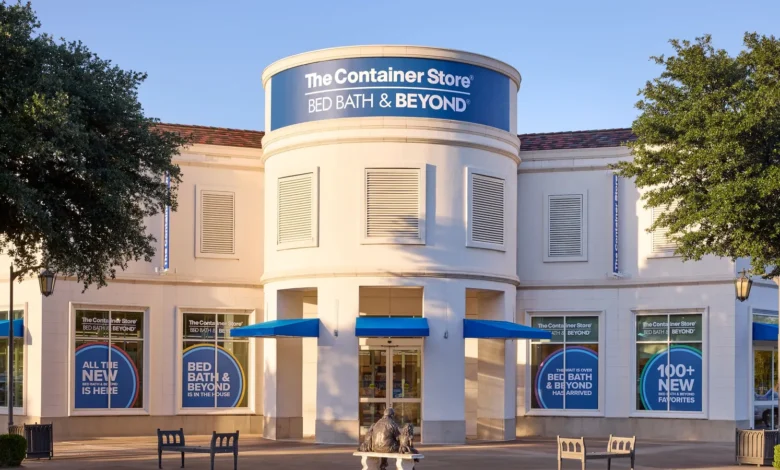
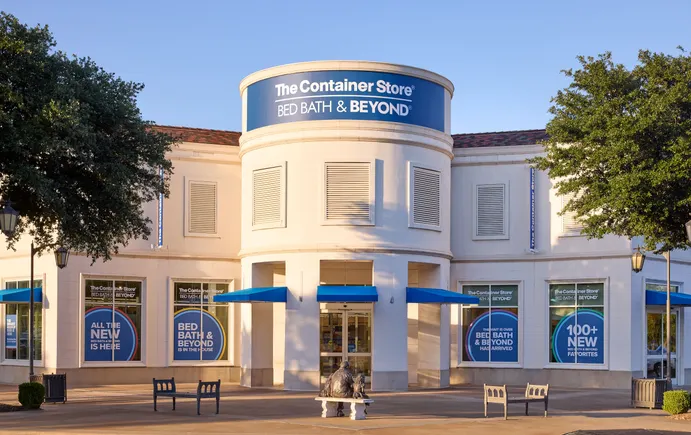
Prior to these developments, the company engaged in a flurry of strategic partnerships and investments. These included collaborations with The Container Store—marked by the opening of co-branded concept stores, such as a prominent location in Fort Worth, Texas—and an investment in The Brand House Collective, formerly known as Kirkland’s Inc. Each of these maneuvers signaled an aggressive intent to transcend traditional retail limitations and build an interconnected ecosystem of home-related services.
Market Implications and Industry Analysis
The decision to anchor the Fathom transaction around digital assets like tZERO and GrainChain highlights a broader, growing convergence between decentralized financial technologies and legacy brick-and-mortar sectors, particularly real estate.

Real estate has historically been categorized as an illiquid asset class characterized by high transaction friction, prolonged settlement times, and rigid capital structures. By introducing tZERO’s digital securities infrastructure into Fathom’s expansive brokerage and title network, Neighborhood Intelligence is attempting to engineer a modernized hybrid model. If successful, the tokenization of commercial and residential portfolios could drastically alter how everyday investors access real estate equity, opening up fractional ownership models and streamlining capital acquisition for property developers and landlords alike.
However, financial analysts maintain a cautious stance regarding the execution risks inherent in such a complex pivot. Integrating blockchain-based digital assets with traditional residential real estate brokerages requires navigating a notoriously complex web of state and federal regulatory frameworks, compliance protocols, and consumer adoption hurdles. Furthermore, while the valuation attributed to the digital asset portfolio stands at an impressive $130 million, the ultimate realization of that value will depend heavily on market liquidity, the regulatory environment surrounding digital securities, and Fathom’s ability to successfully scale its core brokerage operations amidst a challenging macroeconomic landscape for housing.
Looking Ahead
As Neighborhood Intelligence continues to shed its historical skin and redefine its corporate identity, the revised Fathom Holdings agreement serves as a crucial bellwether for the company’s future. By placing digital innovation and asset leverage at the forefront of its real estate strategy, the firm is betting heavily on a future where property transactions and capital markets are inextricably linked to blockchain infrastructure.
Stakeholders, investors, and industry observers will be watching closely in the coming months to see how the final terms of the Fathom transaction are codified, whether regulatory approvals are secured smoothly, and if Neighborhood Intelligence can successfully execute its grand vision of reshaping the intersection of homeownership, real estate, and digital finance.
Related posts: